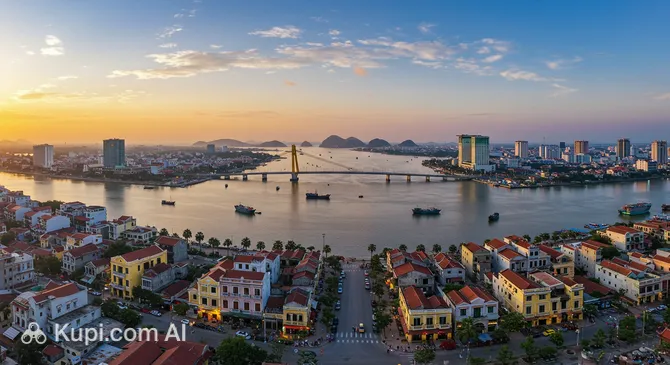
Haiphong is a vibrant coastal city and a crucial industrial hub in northern Vietnam. Known affectionately as the "City of Red Flamboyant Flowers" due to the blooming trees that line its streets in the summer, it offers a unique blend of bustling port activity and laid-back local charm. With a population of over 2 million, it stands as the country's third-largest city and serves as a significant commercial gateway to the region.
The city retains a distinct atmosphere characterized by its well-preserved French colonial architecture, broad boulevards, and verdant parks. Visitors interested in the rich history of Haiphong will find that it has evolved from a traditional market center into a modern maritime powerhouse while successfully protecting its heritage. Landmarks such as the neoclassical Opera House and the Queen of the Rosary Cathedral are testaments to its storied past.
Haiphong. Illustration.
Source: Kupi.com AI
Strategically located at the mouth of the Cấm River, Haiphong is an excellent base for exploring the wonders of the Gulf of Tonkin. It is the primary jumping-off point for ferries to the stunning Cat Ba Island and the world-famous Halong Bay. Within the city limits, travelers can visit the ancient Du Hang Pagoda, which dates back several centuries, or take a short trip to Do Son Beach, a popular seaside resort area favored by locals.
Whether you are passing through on your way to the islands or staying to enjoy the incredible fresh seafood and lively street culture, Haiphong offers an authentic experience. It is a destination that invites you to discover the dynamic spirit of the coast away from the heaviest tourist crowds.
Weather Overview
The climate in this coastal city is characterized by distinct seasonal changes, generally featuring hot, humid summers and cooler, drier winters. To help you pack appropriately for your trip, it is helpful to review the detailed forecast and historical patterns regarding the weather in Haiphong.
From May to September, the city experiences its warmest weather, with average temperatures ranging between 28°C and 30°C and highs often reaching nearly 33°C in June. This period is also the wettest in terms of frequency, with August seeing up to 27 wet days, although the overall precipitation volume recorded remains relatively low. In contrast, the winter months of December through February offer a respite from the heat, with average temperatures dipping to around 17.5°C and nightly lows falling to approximately 14.6°C.
Average monthly temperature
Average monthly precipitation
Interesting Facts
Beyond the main attractions, Haiphong holds many fascinating secrets that reveal its deep historical roots and unique local culture. From ancient legends to pioneering modern achievements, the city offers stories that surprise even seasoned travelers.
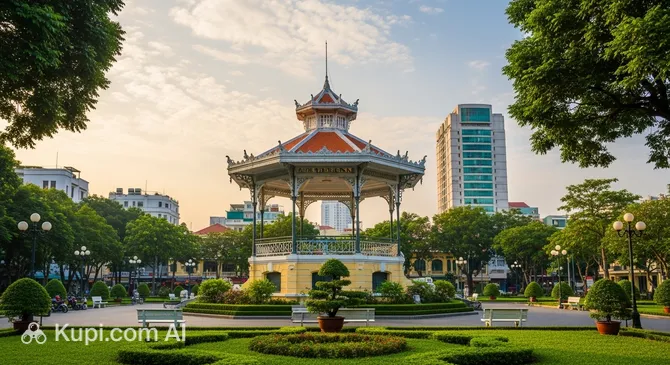
Bandstand (Nhà Kèn) Haiphong. Illustration.
Source: Kupi.com AI
Traveler photos:
Founded by a Female General: Unlike many cities established by kings or emperors, Haiphong traces its origins to General Le Chan, a courageous female commander who fought in the 1st century AD. She is credited with founding An Bien village, which eventually grew into the modern city, and is honored today as the city's cultural matriarch.
A Pioneer in Electricity: Haiphong holds the distinction of being the first city in Vietnam—and indeed in all of Indochina—to be illuminated by electric streetlights. This milestone highlights its historical importance as a forward-looking industrial hub and a primary gateway for trade.
The Buffalo Fighting Festival: The city hosts the unique Do Son Buffalo Fighting Festival, a centuries-old tradition where powerful water buffaloes compete in a stadium. Far from being just a sport, it is a spiritual event deeply tied to worshiping the Water God and praying for safety and prosperity at sea.
A Musical Landmark: The city features a rare octagonal structure known as the Bandstand (Nhà Kèn) Haiphong. Built during the colonial era, this architectural gem was designed specifically for military bands to perform and remains a beloved cultural gathering point for locals.
Gothic Heritage: The Hai Phong Cathedral is a stunning example of Gothic architecture that has stood the test of time. With its grand bell towers and stained glass, it serves as a serene spiritual center and a testament to the city's diverse architectural legacy.
How to Get There
Reaching this coastal hub is convenient thanks to its strategic location and well-developed infrastructure. Whether you are arriving directly from abroad or traveling from other parts of the country, there are several efficient options to consider. You can find more about how to get to Haiphong and choose the route that best suits your itinerary.
The most convenient entry point is the city's own Cat Bi International Airport (HPH). Located just 4.8 km from the city center, it serves as a key gateway for the region. The airport handles a medium volume of traffic, offering connections to major domestic destinations and select international hubs. Due to its close proximity, a taxi ride to the downtown area is very quick, typically taking about 20 to 30 minutes depending on traffic.
Alternatively, many travelers choose to fly into Noi Bai International Airport (HAN) in Hanoi. This is a large international airport with extensive global connections. Although it is located in Hanoi, approximately 100.6 km from Haiphong, the journey between the two cities is smooth thanks to the modern expressway. A transfer by taxi or private car usually takes around 1.5 to 2 hours, making it a viable option if direct flights to Haiphong are unavailable.
For clarity, here is a summary of the main airports:
Regarding rail travel, it is important to note the specific location of nearby stations relative to the city. While Haiphong is connected to the Vietnamese rail network, some regional stations listed in travel data may be quite distant. For instance, the Beihai Railway Station (FII) is located in the city of Beihai, which is approximately 261.9 km away. Given the distance and cross-border location, this is not a primary entry point for most tourists, but it is a notable transport hub in the wider region.
Below is the data for the regional railway station:
Haiphong is a city where history and modernity coexist, offering travelers a chance to explore colonial architecture, ancient spiritual sites, and lively public spaces. While it is often seen as a transit point, the city itself holds several gems that are well worth a dedicated visit.
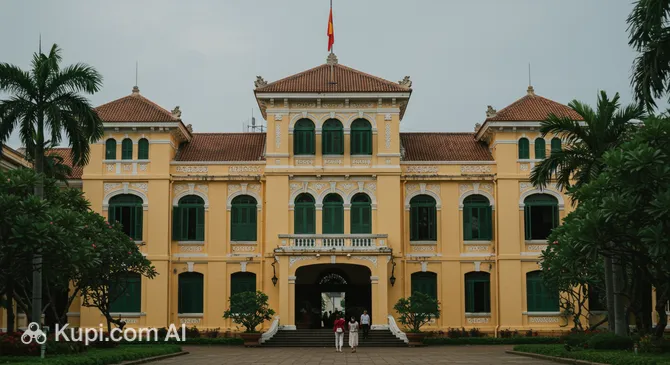
One of the most significant cultural landmarks is the Hai Phong Museum. Housed in a striking Gothic-style building that dates back to the colonial era, the museum is an architectural beauty in its own right. Inside, visitors can explore a collection of artifacts that narrate the region's history, from its early days as a defensive outpost to its rise as a major industrial port. It provides a quiet and educational break for those looking to understand the local heritage.
Hai Phong Museum. Illustration.
Source: Kupi.com AI
Traveler photos:
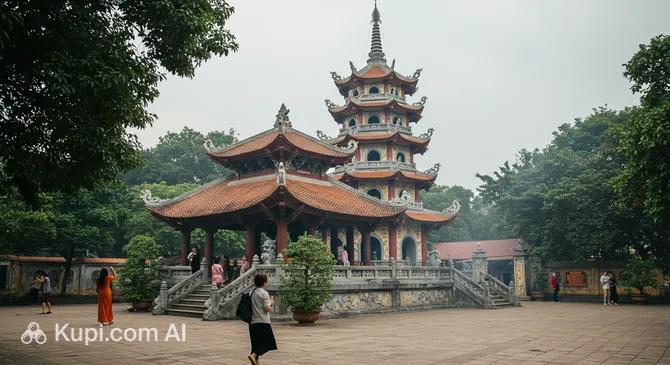
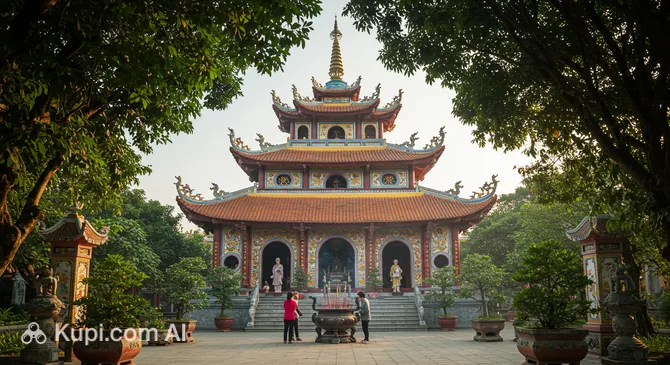
For a deep dive into the spiritual life of the city, the Du Hang Pagoda is an essential stop. As one of the oldest temples in the area, it is renowned for its intricate wood carvings, antique bronze statues, and peaceful bonsai gardens. The pagoda offers a serene atmosphere that contrasts sharply with the busy streets outside, making it a favorite destination for both pilgrims and tourists seeking traditional Vietnamese architecture and tranquility.
Du Hang Pagoda. Illustration.
Source: Kupi.com AI
Traveler photos:
Another fascinating religious site is the Pho Chieu Pagoda. Known for its distinct charm, this pagoda attracts visitors with its well-maintained grounds and spiritual ambiance. It is a wonderful place to observe local religious practices and admire the detailed craftsmanship of the temple structures. The peaceful environment here invites visitors to pause and reflect while exploring the city's diverse cultural landscape.
Pho Chieu Pagoda. Illustration.
Source: Kupi.com AI
Traveler photos:
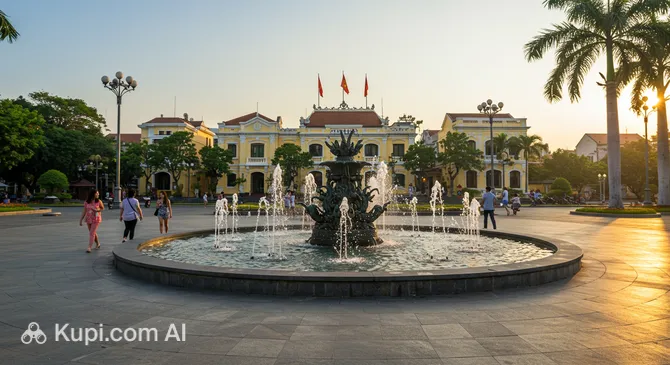
To experience the modern pulse of the city, travelers should head to the Central Square Fountain. Located in the heart of the downtown area, near the famous Opera House, this spot serves as a vibrant gathering place for locals, especially in the evenings. It is an excellent location for a leisurely stroll, offering a chance to people-watch and soak in the lively atmosphere of Haiphong after sunset.
Local Cuisine
The culinary landscape of Haiphong is a highlight for any traveler, offering a distinct flavor profile that sets it apart from other Vietnamese cities. Famous for its fresh seafood and bold ingredients, the local cuisine is unpretentious yet incredibly satisfying. The city is often referred to as a food paradise where street-side stalls serve dishes that rival high-end restaurants in taste and quality.
The absolute must-try dish here is Bánh đa cua, or red noodle soup with crab. Unlike the white rice noodles found elsewhere, Haiphong’s noodles have a unique reddish-brown hue and a chewy texture. They are served in a rich, savory broth made from field crabs and pork bone, typically topped with pork wrapped in betel leaves, fish cakes, and fresh herbs. It is a breakfast staple that has become iconic to the region.
Another gastronomic signature is Bánh mì que, or spicy breadsticks. These are much smaller and thinner than the standard Vietnamese baguette. They are filled simply with pâté and toasted until crispy, then drizzled with a special local chili sauce known as chí chương. These snacks are incredibly addictive and are often sold in bundles, perfect for eating on the go.
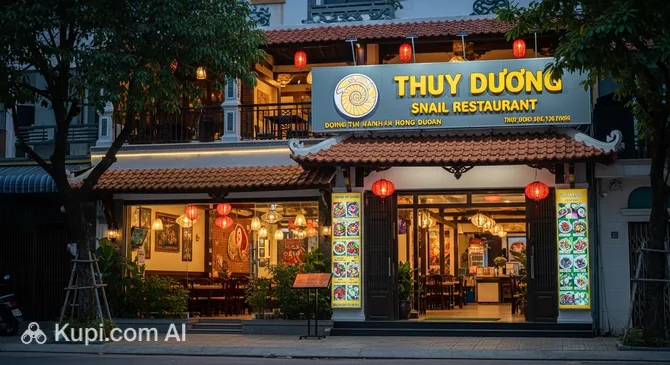
Seafood lovers will find themselves in heaven, particularly when it comes to snails, or Ốc. The city has a vibrant culture of eating snails, prepared in dozens of ways—steamed with lemongrass, stir-fried with tamarind, or grilled with salt and chili. For a taste of this local obsession, you can visit the popular Thuy Duong Snail Restaurant, which offers a wide variety of fresh shellfish dishes in a lively atmosphere.
Thuy Duong Snail Restaurant. Illustration.
Source: Kupi.com AI
Traveler photos:
When it comes to drinks, Haiphong is famous for Dừa dầm, a refreshing dessert drink made with coconut milk, fresh coconut meat, jelly, and pearls. It is the perfect way to cool down after a spicy meal. Beer culture is also strong here, with locals frequently gathering to enjoy fresh draft beer (bia hơi) on the sidewalks after work.
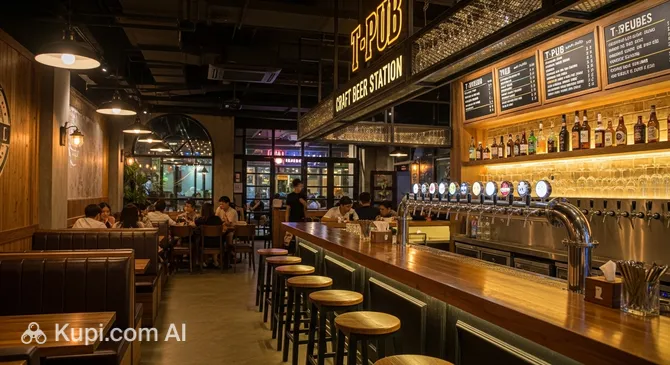
For those looking to experience the city's modern nightlife and beverage scene, there are excellent spots to unwind. Places like T-Pub Craft Beer Station offer a selection of craft brews in a comfortable setting, providing a nice contrast to the traditional street food environment.
T-Pub Craft Beer Station. Illustration.
Source: Kupi.com AI
Traveler photos:
The food culture in Haiphong is best experienced on the street. Most of the best eateries are small, family-run establishments where diners sit on low plastic stools. The atmosphere is bustling and communal, allowing visitors to immerse themselves in the daily life of the locals while enjoying some of the best food Vietnam has to offer.
Travel Tips
Welcome to Haiphong, a city that perfectly balances the energy of a major port with the charm of colonial architecture and tree-lined boulevards. To help you navigate the "City of Red Flamboyant Flowers" with ease and confidence, we have compiled a list of essential practical tips for your journey.
Clothing and Gear: The weather varies significantly by season, so pack accordingly. For the hot and humid summer months (May to September), bring lightweight, breathable clothing and a raincoat. If you visit during the cooler winter (December to February), a light jacket or sweater is necessary. When visiting spiritual sites like the Du Hang Pagoda, remember to dress modestly by covering your shoulders and knees to show respect.
Transportation: The most convenient way to get around Haiphong is by using ride-hailing apps like Grab, which offers both car and motorbike options at fixed prices. Traditional taxis (such as Mai Linh) are also reliable and easy to hail. While the city center is walkable, renting a motorbike is a popular choice for adventurous travelers who want to explore at their own pace, though you should only do so if you are an experienced rider.
Finances: The local currency is the Vietnamese Dong (VND). While credit cards are accepted in hotels, shopping malls, and upscale restaurants, cash is absolute king on the streets. You will need small denominations for street food stalls, markets, and small cafes. ATMs are widely available throughout the city, and it is wise to withdraw cash upon arrival.
Health and Safety: Tap water is generally not safe to drink, so stick to bottled or filtered water. Pharmacies (look for signs saying Nhà thuốc) are plentiful and often stocked with Western medicine, though carrying a basic first-aid kit is always smart. Haiphong is generally safe, but traffic can be chaotic; when crossing the street, walk at a steady, predictable pace so drivers can maneuver around you.
Communication: Vietnamese is the primary language. While staff at major hotels and tourist attractions may speak English, it is less common in local markets and smaller eateries. It is highly recommended to buy a local SIM card (Viettel or Vinaphone have good coverage) for data access and to use translation apps like Google Translate, which can be a lifesaver for reading menus and communicating with locals.
Local Etiquette: Politeness is highly valued in Vietnamese culture. Always remove your shoes before entering a private home or a pagoda. When handing over money, a business card, or a gift, use both hands as a sign of respect. A friendly smile goes a long way, and learning a simple greeting like "Xin chào" (Hello) will be warmly received.
What to Avoid: Avoid public displays of affection, as they are considered inappropriate in conservative local culture. Additionally, try to avoid losing your temper or raising your voice in public; causing someone to "lose face" is a serious social faux pas and will not help resolve problems.
Food Tour Tip: Haiphong is famous specifically for its street food culture. The local tourism department actually released an official "Haiphong Food Tour Map." Look for this map online or at your hotel—it highlights the most authentic spots to try local specialties like Bánh đa cua and spicy breadsticks without falling into tourist traps.
By keeping these practical tips in mind, you will be well-prepared to embrace the local rhythm of Haiphong. Enjoy the delicious cuisine, the friendly locals, and the unique atmosphere of this coastal gem!
Entertainment & Nightlife
While Haiphong is often celebrated for its daytime industrial hustle and historical charm, the city transforms as the sun sets, offering a nightlife scene that is both vibrant and welcoming. The evening entertainment here strikes a balance between traditional Vietnamese culture and modern leisure, making it an exciting place to explore after dark. Unlike the chaotic energy of larger metropolises, the nightlife in Haiphong is more laid-back but sufficiently lively to keep night owls entertained.
The heart of the city's nightlife can often be found along Van Cao Street and the surrounding areas. This district is frequently referred to as the "foreigner street" due to its concentration of expats and international visitors. Here, you will find a dense collection of bars, pubs, and massage parlors, all illuminated by neon lights. It is the perfect place to hop from one venue to another, enjoying everything from quiet cocktails to energetic music.
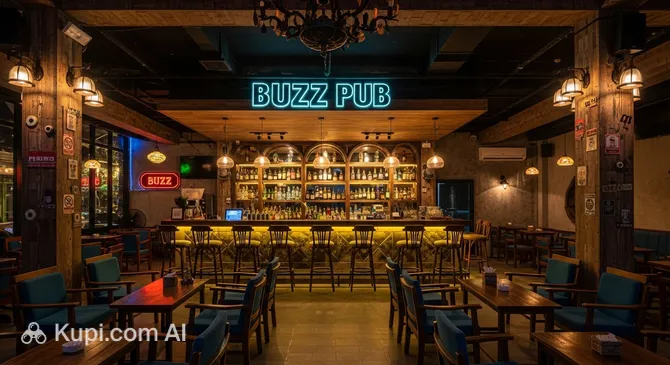
For those seeking a classic pub experience, Buzz Pub is a standout venue. Known for its friendly staff and robust selection of drinks, it attracts a diverse crowd looking to unwind. The atmosphere is casual and fun, often featuring popular music that encourages a bit of dancing as the night progresses. It is an excellent spot to meet locals and fellow travelers alike in a safe and comfortable setting.
Buzz Pub. Illustration.
Source: Kupi.com AI
Traveler photos:
Another key area for evening activities is the district around the Sunflower International Village. This complex and its vicinity are hubs for entertainment, offering a mix of karaoke bars, restaurants, and lounges that cater to a more upscale clientele. The dress code in most Haiphong bars is smart-casual; while you don't need to dress formally, beachwear is generally not appropriate for the nicer clubs and lounges.
If you prefer a more local and open-air experience, the area around the Central Square Fountain near the Opera House comes alive at night. Families, couples, and young people gather here to enjoy the cool evening breeze and the illuminated water displays. It is a fantastic spot for a night walk, allowing you to soak in the community atmosphere without spending a fortune. Nearby, you can find numerous "bia hoi" (fresh beer) corners where you can sit on low plastic stools and enjoy cheap local draft beer and snacks.
Central Square Fountain. Illustration.
Source: Kupi.com AI
Traveler photos:
Regarding practicalities, the best time to head out is around 8:00 PM or 9:00 PM when the venues start to fill up. Prices in Haiphong are generally lower than in Hanoi or Ho Chi Minh City, with a beer often costing just a dollar or two at casual spots. For transportation, it is highly recommended to use ride-hailing apps like Grab to get around at night. They are safe, reliable, and overcome the language barrier. The city center is generally safe for walking, but as with any city, it is wise to stay in well-lit areas and avoid deserted streets late at night.
Beyond the nightlife, Haiphong offers charming daytime entertainment options. Cultural enthusiasts can admire the French colonial architecture of the Opera House or visit the city's museums to learn about its port history. For families, local amusement parks and shopping centers like Aeon Mall provide plenty of recreational activities to fill the daylight hours before the city lights up again.
Parks & Museums
While Haiphong is primarily known as a bustling port city, it surprises visitors with its leafy boulevards, scenic lakes, and deep cultural repositories. The city's urban planning, influenced by the French colonial era, incorporates numerous green spaces that offer a refreshing escape from the industrial rhythm, while its museums and temples preserve the rich heritage of the region.
For nature lovers, the crown jewel of the area is undoubtedly Cat Ba National Park. Although located on Cat Ba Island (accessible via ferry or cable car from the city), it is technically part of Haiphong's administration and serves as the city's primary natural playground. This UNESCO Biosphere Reserve is home to diverse ecosystems, including subtropical evergreen forests, freshwater lakes, and coral reefs. It offers extensive hiking trails where lucky visitors might spot the endangered Cat Ba langur, making it a must-visit for eco-tourists.
Closer to the city center, the area surrounding Tam Bac Lake acts as a central green lung. Lined with ancient trees and wide walking paths, this strip is a favorite spot for locals to exercise, fish, or simply enjoy a leisurely stroll. In the summer, the streets here blaze with the vibrant red of the flamboyant flowers—the city's floral emblem—creating a picturesque canopy that is perfect for photography.
In terms of cultural institutions, the Hai Phong Museum stands as the city's most prominent custodian of history. Housed in a magnificent colonial-era mansion with Gothic architectural features, the building itself is a work of art. The exhibits inside cover a broad spectrum of the region's timeline, displaying archaeological artifacts, traditional ceramics, and documents related to the city's development as a major trading port. It provides a comprehensive overview for those looking to understand the local identity.
Another significant venue is the Navy Museum, which pays homage to Vietnam's maritime history. Given Haiphong's status as a crucial naval base, this museum offers a fascinating look at life at sea. The outdoor exhibition area is particularly engaging, featuring real naval vessels, tanks, and aircraft that have been retired from service. It is an educational stop that appeals to history buffs and families alike.
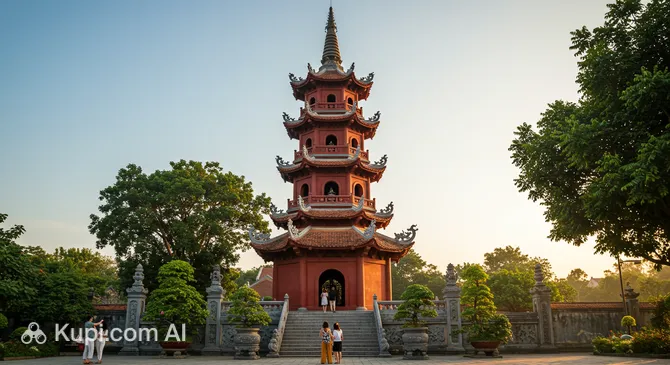
For a glimpse into the spiritual and architectural history of the city, the Red Pagoda (Linh Do Tu) is a serene destination. Tucked away from the noise of the main streets, this ancient temple is known for its unique architecture and spiritual significance. It serves not only as a place of worship but also as a "living museum" of religious art, featuring intricate wood carvings and statues that have been preserved for generations.
Red Pagoda. Illustration.
Source: Kupi.com AI
Traveler photos:
Insider Tip: If you are visiting in the early morning, head to the flower market area near the Tam Bac River. It is not a formal park, but the explosion of colors and scents from the fresh blooms creates a beautiful, chaotic garden atmosphere that offers a truly authentic slice of local life.
Getting Around
Navigating Haiphong is relatively straightforward, though the public transport options are somewhat different from what you might find in larger global metropolises. The city does not currently have a metro or tram system. Instead, the primary mode of public transportation is the bus network. These buses connect the city center with surrounding districts, industrial zones, and popular tourist areas like Do Son Beach. While they are an authentic way to travel, they can be slower and more crowded during peak hours.
For the bus system, payment is almost exclusively handled in cash. There are no universal travel cards or digital ticketing apps specifically for tourists to use on the buses. When you board, you will pay the fare directly to the conductor, who will issue a paper ticket. Fares are extremely affordable, typically ranging from 7,000 to 15,000 VND depending on the distance. It is essential to carry small denominations of the local currency, as conductors may not always have change for large bills.
Most tourists find that the most convenient way to get around is by using taxis or ride-hailing apps. Services like Grab and Be are widely available and highly reliable. Using an app allows you to book a car or a motorbike taxi (known locally as xe ôm) with a fixed price, eliminating the language barrier and the need to negotiate fares. Traditional taxi companies, such as Mai Linh, also operate with meters and can be easily hailed on the street or found at designated stands near hotels and shopping centers.
For those who prefer more freedom, motorbike rentals are a popular alternative. Many hotels and local shops offer daily rentals at reasonable rates. However, traffic in the city can be chaotic, so this option is best suited for experienced riders. Ensure you wear a helmet at all times, as it is mandatory by law. Walking is also a pleasant option for exploring the compact city center, particularly around the Opera House and the park strips, where the sidewalks are wide and shaded.
A unique feature of the local transport landscape is the Cat Hai – Phu Long Cable Car. While primarily a tourist attraction, it serves as a vital transport link connecting the mainland to Cat Ba Island. This system holds the record for having the world's highest cable car tower and offers breathtaking aerial views of the seascape. Operating hours for public transport and the cable car can vary, so it is advisable to check the latest schedules at your hotel or the ticket counter before planning your day.
Accommodation
Where to Stay:
Accommodation in Haiphong caters to a wide spectrum of travelers, ranging from budget-friendly guesthouses—locally known as nhà nghỉ—to modern high-rise hotels and luxury serviced apartments. As a major commercial hub, the city is well-equipped to host business travelers and tourists alike. Visitors can expect to find clean, comfortable, and competitively priced rooms that often offer better value than those in the larger tourist centers of Hanoi or Ho Chi Minh City.
For most tourists, the most convenient area to stay is the city center (Hong Bang and Ngo Quyen districts). Staying here places you within walking distance of key attractions like the Opera House, the Central Square, and the vibrant food streets. Another popular area is around Van Cao Street, often called the "foreigner street," which is favored by expats and features a high concentration of international restaurants, bars, and modern amenities. If you prefer a seaside atmosphere, you might look towards the Do Son district, though it is located about 20 kilometers from the downtown core.
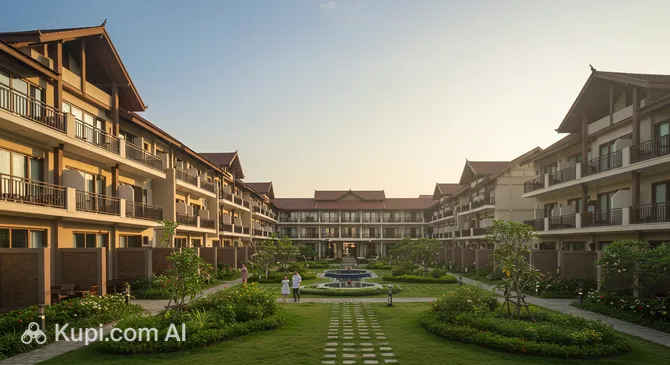
Travelers seeking a more self-contained experience, particularly those planning an extended stay or looking for resort-style amenities within the city, might consider the Sunflower International Village. This complex offers a blend of hotel services and apartment living, providing a comfortable base with easy access to the city's entertainment zones. It is a prime example of the upscale accommodation options available for those who value space and facilities.
Sunflower International Village. Illustration.
Source: Kupi.com AI
Traveler photos:
Booking Tip: While Haiphong is generally less crowded than other major Vietnamese destinations, it is a key transit point for Cat Ba Island and Halong Bay. Consequently, hotels can fill up quickly during the peak domestic travel season (May to August) and during major holidays like Tet (Lunar New Year). It is advisable to book your accommodation at least a few weeks in advance if you plan to visit during these times.
Prices and Booking: The cost of staying in Haiphong is quite reasonable. Budget travelers can find decent rooms for as little as $15 to $25 USD per night, while mid-range hotels typically range from $30 to $60 USD. Luxury options and high-end serviced apartments generally start from $80 USD upwards. Most properties are listed on major international booking platforms like Agoda and Booking.com, which are widely used and reliable. Direct booking is also possible, though using an app often secures better rates and overcomes potential language barriers.
Nearby Cities
For those looking to explore the surroundings, Haiphong serves as an excellent base for day trips to several interesting nearby locations:
Just a short journey inland lies Hanoi, the vibrant capital of Vietnam. Known for its centuries-old architecture and a rich culture with Southeast Asian, Chinese, and French influences, it offers a bustling contrast to the coastal atmosphere of Haiphong. Visitors can explore the chaotic yet charming streets of the Old Quarter, visit the Ho Chi Minh Mausoleum, or enjoy a coffee by Hoan Kiem Lake.
Much closer to the city is Hai Duong, located approximately halfway between Haiphong and the capital. This province is renowned across the country for its specialty sweet, Bánh đậu xanh (mung bean cake), which pairs perfectly with green tea. It provides a more relaxed, local experience and offers a glimpse into the agricultural life of the Red River Delta region.
Another notable destination is Nam Dinh, often considered the cradle of the Tran Dynasty. It is famous for its numerous traditional pagodas and impressive Catholic churches that dot the countryside. For history buffs and those interested in religious architecture, it serves as a fascinating detour from the main tourist trail.
These nearby destinations offer a glimpse into the diverse culture and landscapes of the region, allowing travelers to easily expand their itinerary beyond the coast.
Shopping & Souvenirs
Shopping:
Shopping in Haiphong offers a delightful mix of traditional Vietnamese commerce and modern retail experiences. While it may not have the overwhelming density of shops found in Hanoi or Ho Chi Minh City, the city provides a more relaxed atmosphere where visitors can find everything from high-end international brands to authentic local handicrafts. The retail landscape here is rapidly evolving, with glitzy new complexes rising alongside bustling, centuries-old market streets.
For those who enjoy strolling through busy streets, Cau Dat Street is a must-visit. It is famous locally for its traditional confectionery shops, particularly those selling wedding cakes and sweets. It is the perfect place to soak in the local culture and pick up some sweet treats. Meanwhile, Nguyen Duc Canh Street and Dien Bien Phu Street serve as the city's fashion corridors, lined with numerous clothing boutiques, shoe stores, and sportswear outlets catering to a younger crowd.
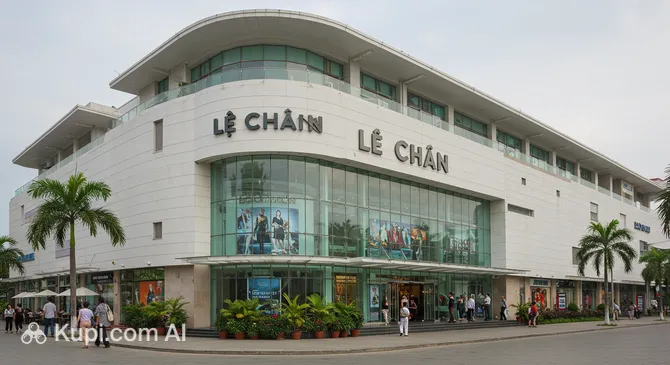
In recent years, the city has seen a surge in modern shopping facilities. The most prominent destination is the Lê Chân Shopping Mall. This massive complex is a one-stop destination for entertainment, dining, and retail, housing a vast array of international fashion chains, a supermarket, and a cinema. It attracts families and young people looking for a modern lifestyle experience.
Lê Chân Shopping Mall. Illustration.
Source: Kupi.com AI
Traveler photos:
Another notable modern venue is the Imperia Hai Phong Plaza. Located in a prime area, this complex combines residential living with commercial spaces, offering a curated selection of shops and services. These malls provide a comfortable, air-conditioned escape from the tropical heat, ensuring a pleasant shopping experience regardless of the weather.
Imperia Hai Phong Plaza. Illustration.
Source: Kupi.com AI
Traveler photos:
To truly understand the daily life of the locals, you must visit the traditional markets. Cat Bi Market is legendary among foodies, often described as a "snack paradise" where you can buy fresh produce and an endless variety of street food. For a more general market experience, Tam Bac Market (historically known as Cho Sat) and Ga Market offer a chaotic but fascinating array of goods, from fresh seafood and dried goods to clothes and household items. Bargaining is common and expected in these settings.
When it comes to souvenirs, Haiphong has several unique specialties. The most famous local product is Cat Hai Fish Sauce, renowned across Vietnam for its high protein content and rich flavor; it makes for a practical and authentic gift. Visitors also frequently buy Bánh mì que (spicy breadsticks) in bulk to bring home, as well as dried seafood such as squid and shrimp, which are of exceptional quality due to the city's coastal location.
Most shops and malls in the city operate from around 9:00 AM to 10:00 PM daily. Markets tend to start much earlier, often at sunrise, and wind down by late afternoon, though food stalls may stay open late. While shopping malls, supermarkets, and upscale boutiques accept credit cards (Visa and Mastercard), cash is essential for street markets, small family-run shops, and food stalls. ATMs are widely available if you need to withdraw local currency.
Tourists visiting Vietnam may be eligible for a VAT refund on goods purchased at designated "VAT Refund for Tourists" stores. If you purchase items worth at least 2 million VND in a single invoice, you can request a refund declaration form from the retailer. This form, along with the receipt and the goods, must be presented at the customs refund counter at international airports (like Cat Bi International Airport or Noi Bai International Airport) before your departure.