Support

Vietnam

About the Country

Vietnam – an amazing country in Southeast Asia, stretching in a narrow strip along the coast of the South China Sea. It is a place where ancient traditions harmoniously blend with rapidly developing modernity, offering tourists an incredible variety of experiences – from bustling metropolises to serene rural landscapes and magnificent beaches.

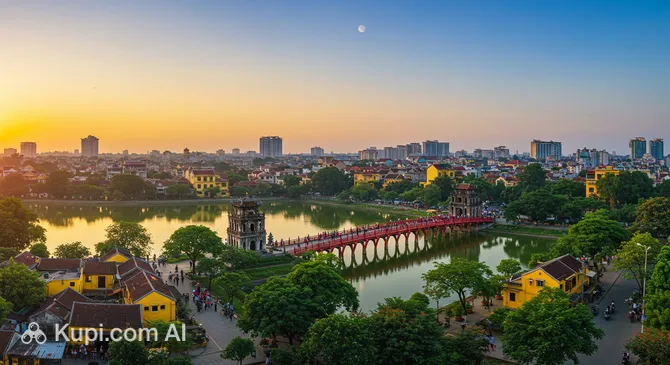
Hanoi. Source: Kupi.com Binoculars

The cultural heritage of Vietnam is rich and multifaceted: here you can see ancient temple complexes, pagodas that bear witness to a thousand-year history, and elegant French colonial architecture. The heart of the country and its cultural centre is the capital, Hanoi, a city with a unique atmosphere. The nature of Vietnam is stunning in its magnificence: from the emerald rice terraces in the north and majestic karst mountains, such as in the Tam Coc - Bich Dong area, to picturesque bays and long sandy beaches in the south. The dynamic Ho Chi Minh City, formerly Saigon, contrasts with the more tranquil Hanoi, offering its own kaleidoscope of experiences.

Vietnam leaves the impression of a vibrant, hospitable country where everyone will find something for themselves. Whether it is exploring historical landmarks, relaxing on tropical islands, discovering the unique cuisine, with a growing number of halal options available in major cities, or immersing yourself in the hustle and bustle of local markets – Vietnam promises an unforgettable journey, full of discoveries and vibrant emotions.

Currency

The national currency of Vietnam is the Vietnamese dong (international code: VND). The currency in circulation mainly consists of polymer banknotes of various denominations, which often feature a portrait of Ho Chi Minh. Due to the dong's low value, you will be handling notes of large denominations (for example, 10,000, 50,000, 100,000, and 500,000 dong), which may seem unusual at first. For context, 1 AED is worth over 7,000 VND. Coins are rarely used and have almost fallen out of circulation.

It is advisable to exchange currency at banks, official exchange bureaux, or jewellery shops, which often offer a favourable rate, particularly for US dollars. Avoid exchanging money with street vendors to prevent scams or receiving an unfavourable exchange rate. Credit cards (Visa, Mastercard) are accepted in major hotels, restaurants, and some shops in tourist centres such as Hanoi, Ho Chi Minh City, and Da Nang. However, it is always best to carry a sufficient amount of cash for purchases at local markets, in smaller cafes, and for taxi fares. This is also useful for dining at local eateries, where you may find halal options.

Visa Requirements

When planning your trip to Vietnam, it is essential to understand the current visa requirements. Unlike some nationalities, UAE citizens are required to obtain a visa before travelling to Vietnam for tourism or business. Fortunately, the process is straightforward for residents of the United Arab Emirates.

If you require a visa for your trip to Vietnam, you can apply for a tourist visa in several ways. The most common methods are applying for an electronic visa (e-visa) online or arranging a visa on arrival. The e-visa can be applied for through the official government portal, is valid for up to 90 days, and allows for single or multiple entries. For a visa on arrival, you must first obtain a pre-approval letter through an accredited agency before you travel. To enter the country, you will need a valid passport with at least six months of validity from your planned date of entry into Vietnam. It is also recommended to carry your return flight tickets, proof of hotel booking, and a travel insurance policy. We strongly advise checking the very latest information on visa rules on the official websites of the Vietnam Embassy or accredited visa centres before your trip, as requirements can be updated.

We'll tell you if you need a visa

Specify where you are going, or
Your citizenship
Destination

Time Zones

When planning your trip to Vietnam, you will not need to worry about changing time zones within the country. The whole of Vietnam operates on a single time zone — UTC+7 (Indochina Time, ICT), which is 3 hours ahead of the UAE. This means the time in Hanoi, Ho Chi Minh City, Da Nang and popular resorts such as Nha Trang or Phu Quoc will be identical.

This single time zone makes it much simpler to plan transfers and activities across the country, as you will not have to adjust your watch or account for time differences between Vietnam’s various regions.

How to Get There

There are several ways to get to Vietnam, but for most travellers from the UAE, flying is the most popular and convenient option. The country has several international airports that receive flights from around the world. For travellers based in the UAE, major carriers such as Emirates and Etihad Airways offer direct flights from Dubai and Abu Dhabi to Vietnam's main gateways. The primary arrival points are the international airports in major cities like Hanoi and Ho Chi Minh City, from which it is easy to travel to other regions of the country. Other airlines, including flydubai, also provide convenient connections.

For those embarking on a wider tour of Southeast Asia, it is also possible to enter Vietnam by land from neighbouring countries such as China, Laos, or Cambodia by bus or, in some cases, by train. This can be an interesting option for combined tours, allowing for a deeper exploration of the region. Sea transport, such as international ferries, is less common for direct entry into Vietnam, although some cruise liners include Vietnamese ports in their itineraries.

Regardless of your chosen method of travel, it is advisable to plan your trip and book tickets in advance, especially if your journey falls within the peak tourist season. This will not only help you save money but also guarantee availability for your desired dates.

For clarity, here is a summary of the main airports:

Airport Name City Passenger Traffic
Tan Son Nhat International AirportHo Chi Minh CityMajor
Noi Bai International AirportHanoiMajor
Da Nang International AirportDa NangMedium
Cam Ranh International AirportNha TrangMedium
Phu Quoc International AirportPhu QuocSmall

Vietnam is a country of amazing diversity, where every traveller will find something to suit their taste. From bustling metropolises, breathing with history and modernity, to serene beach resorts with white sands and azure seas – Vietnam offers a kaleidoscope of experiences. Here you can immerse yourself in ancient culture, enjoy the magnificent nature, or simply relax on the coast of the South China Sea.

Hanoi. Source: Kupi.com Binoculars

The heart of the country and its cultural treasury is the capital, Hanoi. This city charms visitors with its ancient temples, colonial architecture, and the bustling streets of the Old Quarter; when visiting temples, modest dress is recommended. No less captivating is Ho Chi Minh City (formerly Saigon) – the dynamic economic hub of Vietnam, where skyscrapers stand alongside historic landmarks such as the Reunification Palace and Notre Dame Cathedral. When visiting religious sites, it is respectful to dress modestly by covering your shoulders and knees. Please note that the Notre Dame Cathedral is currently undergoing a long-term restoration. For those seeking natural beauty and tranquillity, an excellent choice is Ninh Binh, known for its karst landscapes, caves, and river cruises, earning it the nickname 'Ha Long Bay on land'.

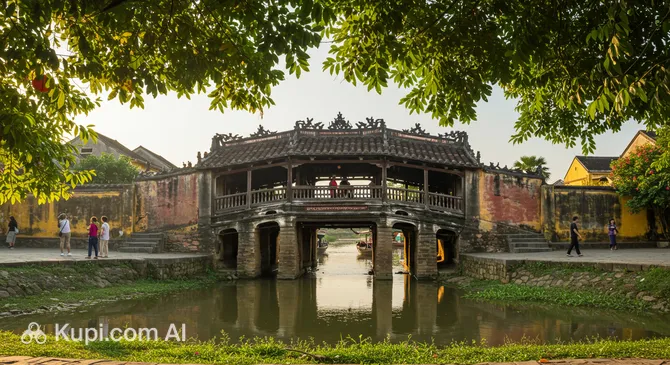
Beach lovers will appreciate resorts such as Nha Trang, famous for its long beaches, clear waters, and diving opportunities. Another popular coastal city is Da Nang, which attracts tourists not only with its magnificent beaches but also its proximity to the famous Marble Mountains and the ancient town of Hoi An. Each of these cities and resorts offers a unique experience, allowing for a deeper discovery of the multifaceted nation of Vietnam.

Top Attractions

Vietnam captivates travellers with an incredible diversity of natural wonders and cultural treasures. From breathtaking landscapes to vibrant urban centres, there is something for everyone. Here are just a few iconic places to include in your itinerary for this amazing country.

One of the most picturesque corners of Vietnam is undoubtedly Tam Coc - Bich Dong, often described as "Ha Long Bay on land". This stunning area is famous for its limestone karsts, which rise dramatically over emerald-green rice paddies and winding rivers. A journey on a traditional boat through natural caves and grottoes offers an unforgettable experience, allowing you to soak in the serene beauty of the Vietnamese countryside.

Tam Coc - Bich Dong. Source: Kupi.com Binoculars

Equally impressive is the natural and cultural site of the Marble Mountains. This cluster consists of five limestone and marble hills, each said to symbolise one of the five essential elements. The mountains are known for their many caves, which conceal ancient Buddhist sanctuaries and elegant pagodas. As these are sacred sites, visitors are advised to dress modestly, ensuring shoulders and knees are covered. The climb to one of the peaks rewards you with stunning panoramic views over the Da Nang area and the endless sea.

Marble Mountains. Source: Kupi.com Binoculars

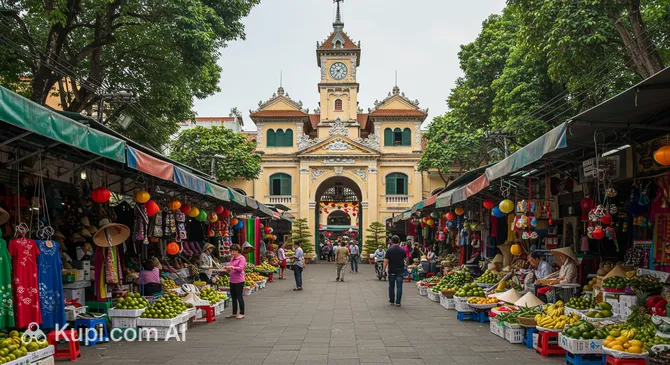
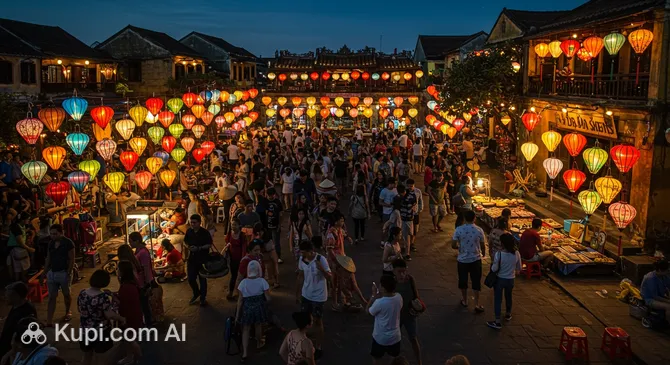
For those wishing to immerse themselves in the colourful atmosphere of Vietnamese city life and find interesting purchases, a visit to Ben Thanh Market in Ho Chi Minh City is a must. It is one of the oldest and most famous markets in the country and a true symbol of the city. Here you can find everything from the freshest exotic fruits and local delicacies to unique souvenirs, clothing, jewellery, and textiles. In the evening, the area around the market transforms into a lively night bazaar with numerous street food stalls. The surrounding neighbourhood is also well-known for its excellent selection of halal-certified restaurants serving authentic Vietnamese and Asian cuisine. While the market itself does not have prayer facilities, several mosques are conveniently located nearby.

Ben Thanh Market. Source: Kupi.com Binoculars

Best Time to Visit

Vietnam is a country with a surprisingly diverse climate, so the "best time" to go largely depends on which part of the country you plan to visit. For travellers from the UAE, it is helpful to know that major cities like Ho Chi Minh City and Hanoi have a growing number of halal-certified restaurants and prayer facilities. In general, Vietnam has high and low tourist seasons, but their peaks can shift depending on the region. An important event that affects travel is Tet (the Vietnamese New Year), which usually falls in late January or February. This is a time of colourful festivities, but also peak prices and crowded transport.

High season in Vietnam most often covers the period from November to April. During this time, the south of the country (for example, in Ho Chi Minh City or Nha Trang) has dry and sunny weather, which is ideal for a beach holiday. The central regions, such as Da Nang, also enjoy good weather. Northern Vietnam, including the capital Hanoi, offers cool and dry weather during these months, comfortable for sightseeing. When visiting temples and cultural sites, it is advisable to dress modestly. The advantages of this period are obvious—excellent conditions for most activities. However, you should be prepared for large numbers of tourists and, consequently, higher prices for accommodation and services, especially during the Christmas and New Year period and during Tet.

Low season, or the shoulder season, usually lasts from May to October. During this time, humidity and the chance of rain increase across the country. The south and north experience their rainy seasons, although the downpours are often short and refreshing. The central part of Vietnam, especially from August to October, can be prone to typhoons. The main advantages of travelling in the low season are a significant reduction in the number of tourists and more affordable prices. Nature is especially lush and green at this time. The disadvantages can be the unpredictable weather, which sometimes disrupts plans, and the possible closure of some tourist establishments in less popular places. We always recommend checking the weather forecast for your specific region before your trip.

Traditions

Vietnamese culture is rich with traditions, and understanding them will help you feel more confident and show respect to the local people. In Vietnam, a greeting is often accompanied by a slight bow, especially when addressing elders; handshakes with foreigners are also common, but it is best to wait for the Vietnamese person to initiate it. A smile is a universal language of communication. Hospitality is highly valued here; if you are invited to a home, a small gift (such as fruit or sweets, but not handkerchiefs or black-coloured items) is appropriate. It is customary to give and receive gifts with both hands as a sign of respect.

When visiting temples, pagodas, and other religious sites, it is important to observe a modest dress code: shoulders and knees must be covered. In general, modest clothing is also preferable in public places. There are also specific nuances at the dining table: elders usually begin the meal, and it is considered polite to try all the dishes offered. When using chopsticks, avoid sticking them vertically into a bowl of rice, as this resembles incense at a funeral. Also, try not to point at people or sacred objects with your finger – it is better to use an open palm. It is considered disrespectful to touch another person's head, as the head is seen as the most sacred part of the body.

One of the most significant holidays in Vietnam is Tet Nguyen Dan (Tet), the Lunar New Year. This is a time for family reunions, honouring ancestors, colourful festivals, and wishing good fortune, which provides a deep insight into Vietnamese values. While halal food can be found in major cities like Hanoi and Ho Chi Minh City, often near mosques, it may be less common in smaller towns. In conversation, try to avoid public displays of strong emotion or criticism, as the concept of "losing face" is very important in Vietnamese culture. Showing sincere interest and respect for local customs will not only help you avoid awkward situations but will also make your journey through Vietnam even more pleasant and memorable.

Entertainment

Vietnam offers tourists an amazing variety of entertainment to suit all tastes. Fans of active holidays will find plenty of opportunities here: from diving and snorkelling at picturesque coastal resorts to exciting hiking along mountain trails and cave exploration. The country is also rich in cultural entertainment: you can visit traditional water puppet theatres, enjoy national music, and explore the exhibits of numerous museums and art galleries, especially in major centres like Hanoi and Ho Chi Minh City.

As evening falls, Vietnam's evening entertainment comes to life, especially in tourist areas and large cities. Travellers will find numerous cafes and cosy restaurants with terraces, offering both local and international cuisine, with many providing halal options. Shopping in Vietnam is a pleasure in itself. Tourists often bring back silk, pearl products, coffee, tea, spices, and a variety of handmade souvenirs, which can be found at markets and in specialised shops. For family holidays, there are also plenty of options, including visits to amusement parks and water parks that offer fun for all ages.

Currency rates

Planning a trip to Vietnam? Excellent! The local currency is the Vietnamese Dong (VND). To avoid any financial surprises on your journey, it's important to remember that exchange rates between the UAE Dirham (AED) and the Dong fluctuate. We strongly advise monitoring the latest rates before you depart and throughout your stay. You can use the data provided below, which we update 24/7 to bring you the most current information.

VND currency exchange rate as of 02.01.2026

1 AED
~ 7107.32 VND
1 AMD
~ 68.58 VND
1 AUD
~ 17456.58 VND
1 AZN
~ 15308.08 VND
1 BYN
~ 8884.15 VND
1 CAD
~ 19135.09 VND
1 EUR
~ 31094.53 VND
1 GBP
~ 35536.60 VND
1 HUF
~ 79.95 VND
1 INR
~ 290.69 VND
1 KGS
~ 299.17 VND
1 KRW
~ 18.11 VND
1 KZT
~ 51.56 VND
1 PLN
~ 7262.96 VND
1 RUB
~ 331.67 VND
1 SAR
~ 6958.22 VND
1 SGD
~ 20306.63 VND
1 TRY
~ 608.95 VND
1 UAH
~ 618.41 VND
1 USD
~ 26184.87 VND
1 UZS
~ 2.18 VND

Reached the end of the page?

That means the route is fully explored