Support

Rach Gia

About

Rach Gia is a bustling coastal city located in the southwestern region of Vietnam. As the capital of Kien Giang Province, it serves as a vital economic and cultural hub in the Mekong Delta. With a population of over 250,000 residents, the city offers a lively atmosphere where traditional river life seamlessly blends with modern urban development.

One of the city's most distinctive features is its strategic position on the Gulf of Thailand, making it the primary gateway for travelers heading to the famous Phu Quoc Island. However, the mainland city itself has much to offer. Visitors delving into the history of Rach Gia will discover a rich heritage reflected in its architecture and local customs. The city is particularly renowned for the Nguyen Trung Truc Temple, dedicated to a revered national hero, which attracts many pilgrims and tourists annually.

Rach Gia. Source: Kupi.Binoculars

Beyond its historical sites, Rach Gia is known for its impressive land reclamation projects, which have expanded the city towards the sea, creating scenic new residential areas and parks. Travelers can enjoy a relaxing stroll along the waterfront to watch the sunset, explore the vibrant local markets, or admire the intricate design of the Tam Bao Pagoda. Whether you are passing through on your way to the islands or planning a dedicated stop, Rach Gia welcomes you with its authentic charm and warm hospitality.

Weather Overview

Rach Gia experiences a warm tropical climate year-round, making it a pleasant destination for travelers who enjoy consistent heat. The city's temperature remains relatively stable throughout the seasons, with average daily temperatures ranging from a comfortable 26.6°C in the cooler months of December and January to a peak of roughly 29.7°C in April. Even during the coolest parts of the year, the weather stays warm enough for outdoor activities and sightseeing.

When planning a visit, it is important to consider the distinct dry and wet seasons. The period from January to March is typically the driest, featuring minimal precipitation and very few wet days, which is ideal for exploring the coast. In contrast, the wet season usually spans from May to November, bringing frequent showers; July is notably rainy with up to 30 wet days recorded. To find the best time for your specific travel plans, you can consult the detailed guide to the weather in Rach Gia.

Interesting Facts

Beyond the bustling piers and markets, Rach Gia holds fascinating stories and unique features that surprise many visitors. From ambitious urban developments to deep-rooted cultural traditions, the city offers more than just a stopover.
  • Pioneering Land Reclamation: Rach Gia is famous for executing the first large-scale sea encroachment project in Vietnam. The "Lan Bien" urban area was built entirely on land reclaimed from the Gulf of Thailand, significantly expanding the city's territory and creating a modern district that seems to float on the water.

  • A Unique Civic Symbol: While three-arched gates are typically found at the entrances of pagodas, the Tam Quan Gate serves as the official emblem of the city itself. This distinctive architectural structure welcomes travelers entering the city center and has become the most recognizable icon of Kien Giang province.

  • The Delta’s Largest Festival: The city hosts one of the most significant cultural events in the Mekong Delta at the Nguyen Trung Truc Temple. The annual festival honoring this national hero attracts roughly a million people, transforming the quiet city into a vibrant hub of communal dining and traditional rituals.

  • A Cultural Melting Pot: The city is a harmonious intersection of three distinct cultures: Kinh (Vietnamese), Khmer, and Hoa (Chinese). This blend is visibly preserved in the diverse architectural styles of local temples and the unique flavors of the street food scene.

Tam Quan Gate. Source: Kupi.Binoculars

How to Get There

Reaching the capital of Kien Giang Province is a journey that often involves connecting through major hubs in the Mekong Delta or southern Vietnam. While the city has its own domestic connections, international visitors typically arrive via larger regional airports and continue their journey by road or sea. For a complete overview of all transport methods, including buses and ferries, you can read more about how to get to Rach Gia on our detailed page.

For many travelers, the most convenient entry point is Can Tho Airport (VCA). Located in the city of Can Tho, this airport serves as a key regional hub for the Mekong Delta. It is approximately 68.4 km from Rach Gia. After landing, you can take a taxi or a bus to reach the city center; the journey by road typically takes around 2 hours. The airport handles a moderate volume of passengers annually, offering a less congested alternative to the larger hubs.

If you are arriving from abroad or require a wider range of flight schedules, Tan Son Nhat International Airport (SGN) is the primary gateway. Situated in Ho Chi Minh City, it is the busiest airport in the country, handling millions of passengers each year. The airport is located about 192.3 km from Rach Gia. The transfer by taxi or bus is longer, taking approximately 5 hours and 10 minutes, but the route offers a scenic drive through the heart of the delta region.

For clarity, here is a summary of the main airports in the vicinity:

Airport Name City Passenger Traffic Km from City
Tan Son Nhat International Airport Ho Chi Minh City Very Large 192.3
Phu Quoc Airport Phu Quoc Large 121.4
Phnom Penh International Airport Phnom Penh Medium 170.8
Can Tho Airport Can Tho Medium 68.4
Sihanouk International Airport Sihanoukville Small 170.8

Main Attractions

Rach Gia offers a mix of historical significance, architectural beauty, and local culture that captivates visitors. While often seen as a transit point, the city possesses its own unique charm, anchored by landmarks that tell the story of the region's heritage and resilience.

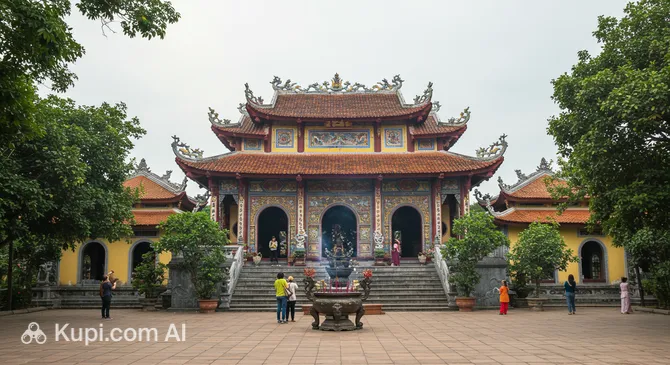
One of the most spiritually significant sites in the city is the Nguyen Trung Truc Temple. Dedicated to the revered leader of the resistance movement against French colonialism, this temple is not just a place of worship but a symbol of local pride. Visitors are drawn here to admire the intricate traditional architecture, featuring vibrant dragons and ornate roof details. It serves as a peaceful sanctuary where you can learn about Vietnam's history and witness the deep respect the local community holds for their national hero.

Nguyen Trung Truc Temple. Source: Kupi.Binoculars

Standing as the proud emblem of the city is the iconic Tam Quan Gate. Unlike typical three-arched gates found at the entrance of pagodas, this structure functions as a grand city entrance and a beloved landmark. Its distinctive design and imposing presence make it a favorite spot for photography. Passing through or standing beneath its arches offers a tangible connection to the city's identity, making it an unmissable stop for anyone exploring the downtown area.

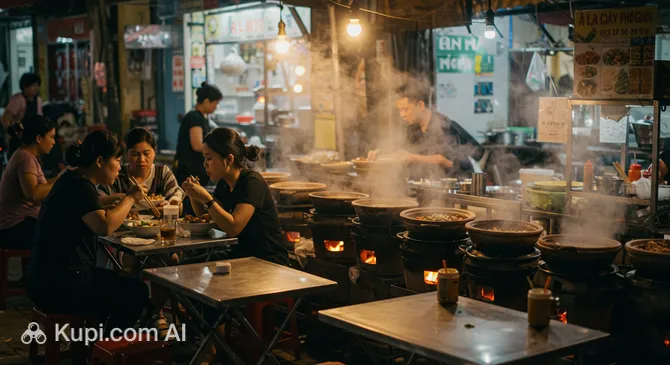
For a taste of the local culinary culture, A La Claypot Rice is considered a must-visit destination for food lovers. This establishment is famous for serving rice cooked in traditional clay pots, resulting in a delightful layer of crispy rice at the bottom that pairs perfectly with savory local dishes. It offers tourists an authentic dining experience, allowing them to savor the rich and rustic flavors that define the Mekong Delta's cuisine in a welcoming atmosphere.

A La Claypot Rice. Source: Kupi.Binoculars

Local Cuisine

The culinary scene in Rach Gia is a delightful reflection of its coastal location and the harmonious blend of Vietnamese, Chinese, and Khmer influences. As a key fishing hub in Kien Giang Province, the city is a paradise for seafood enthusiasts, offering ingredients that are exceptionally fresh and affordable. The dining atmosphere is typically casual and vibrant, ranging from bustling night markets to breezy open-air restaurants along the waterfront where the catch of the day is grilled to perfection.

The undisputed signature dish of the city is Bun Ca Rach Gia, a distinctive version of fish noodle soup that sets itself apart from other Mekong Delta variations. The broth is light and flavorful, typically seasoned with turmeric, and the dish is served with stir-fried snakehead fish fillets rather than deep-fried pieces. A proper bowl often includes fresh shrimp and is accompanied by a generous platter of raw herbs, shredded banana blossoms, and bean sprouts, creating a fresh and balanced meal that locals enjoy for breakfast or lunch.

Another favorite among residents and visitors is Banh Canh Ghe, a thick tapioca noodle soup featuring blue swimmer crab. The broth is rich, savory, and slightly thickened, clinging perfectly to the chewy noodles and sweet crab meat. For a more traditional rice-based meal, the city is known for its claypot rice dishes. You can visit A La Claypot Rice to try this rustic specialty, where the rice is cooked to develop a crunchy golden layer at the bottom, served with caramelized pork or braised fish.

When it comes to beverages, the local coffee culture is strong. Ca Phe Sua Da (Vietnamese iced coffee with condensed milk) is the staple drink, often enjoyed slowly at sidewalk cafes while watching the river traffic. For something more refreshing and non-alcoholic, fresh sugarcane juice mixed with a hint of kumquat is widely available at street stalls. Travelers may also encounter Sim Wine (Rose Myrtle wine), a regional specialty often associated with nearby islands, known for its sweet, fermented fruit flavor and deep purple hue.

To truly experience the food culture of Rach Gia, an evening stroll through the designated sea encroachment areas (Khu Lan Bien) is highly recommended. This modern district comes alive at night with numerous eateries serving street food staples like grilled scallops, sea urchins, and lemongrass clams. It is the perfect setting to immerse yourself in the local lifestyle, enjoying great food in a lively, communal atmosphere.

Travel Tips

Welcome to Rach Gia! To ensure your visit to this vibrant coastal city is as smooth and enjoyable as possible, we have compiled a set of essential travel tips to help you navigate local customs and logistics.

  1. Clothing and Gear: Given the tropical climate, pack lightweight, breathable fabrics like cotton or linen to stay cool in the heat. A raincoat or umbrella is essential if you are visiting during the wet season (May to November). Since Rach Gia is home to significant spiritual sites like the Nguyen Trung Truc Temple, remember to bring modest clothing that covers your shoulders and knees to respect the strict dress code when entering these sacred spaces.

  2. Transportation: The city center is relatively compact, but for longer distances, metered taxis (such as Mai Linh) are reliable and easy to find. Ride-hailing apps like Grab are also available and convenient for overcoming language barriers. If you are planning to head to the islands, the ferry terminal is a busy hub; it is best to arrive at least 30 minutes before your departure time.

  3. Finances: The official currency is the Vietnamese Dong (VND). While some hotels and larger restaurants accept credit cards, cash is king in Rach Gia, especially at street food stalls and local markets. ATMs are widely available throughout the city, but it is wise to carry smaller denominations for small purchases and tips.

  4. Health and Safety: Rach Gia is generally a safe city for tourists, but standard precautions apply; keep an eye on your belongings in crowded areas like the ferry port. Pharmacies (look for signs saying "Nhà Thuốc") are common and well-stocked for minor ailments. Always drink bottled water instead of tap water to avoid stomach issues, and stay hydrated in the heat.

  5. Communication: Vietnamese is the primary language, and English proficiency may be limited outside of major hotels and tourist agencies. It is highly recommended to download a translation app and offline maps before you arrive. You can easily purchase a local SIM card (Viettel or Vinaphone) at convenience stores or phone shops for reliable internet access.

  6. Local Etiquette: Politeness is highly valued in Vietnam. A friendly smile goes a long way. When entering a local home or a pagoda, always remove your shoes at the entrance. If you are using a toothpick after a meal, it is polite to cover your mouth with your hand.

  7. What to Avoid: Avoid losing your temper or shouting in public, as causing someone to "lose face" is considered very rude and counterproductive. Additionally, avoid pointing your feet directly at religious altars or other people when sitting on the floor, as feet are considered the lowest and dirtiest part of the body.

  8. Additional Tip: If you are using Rach Gia as a transit point to Phu Quoc or Nam Du islands, book your ferry tickets in advance, especially during weekends or Vietnamese holidays, as they sell out quickly. If you have spare time, head to the "Lan Bien" (sea encroachment) area in the late afternoon for the best sunset views and fresh seafood.

Armed with these practical tips, you are ready to explore the unique charm of Rach Gia with confidence. Embrace the local rhythm, savor the delicious food, and enjoy your journey through this fascinating corner of the Mekong Delta!

Entertainment & Nightlife

Nightlife in Rach Gia offers a refreshing blend of local culture and modern entertainment, distinct from the high-energy chaos of larger Vietnamese metropolises. As the sun sets over the Gulf of Thailand, the city transitions into a relaxed yet vibrant hub, particularly in the reclaimed land areas known as the "Sea Encroachment" districts (Khu Lan Bien). The atmosphere here is predominantly casual and friendly, with a mix of open-air cafes, bustling night markets, and a growing number of lively bars that cater to both locals and visitors.

The heart of the evening action is undoubtedly the Phu Cuong Urban Area. This modern district features wide, illuminated streets lined with restaurants, karaoke lounges, and coffee shops that stay open late. For those seeking a more energetic vibe, Ton Duc Thang Street is a key artery where you can find some of the city's most popular nightlife venues. The crowd is typically young and stylish, yet the dress code remains comfortable and casual—jeans and a t-shirt are perfectly acceptable almost anywhere.

To start your evening with a satisfying meal before hitting the town, A La Claypot Rice is an excellent choice. This venue is well-regarded for its authentic local flavors and cozy atmosphere, making it a perfect spot to gather with friends. After dinner, if you are looking for music and drinks, Paradise Club on Ton Duc Thang Street is one of the most well-known spots in the city. It offers a lively club atmosphere with DJs spinning a mix of electronic and pop music, ideal for travelers who want to dance or enjoy a cocktail in a high-energy setting.

For a more laid-back experience, the Rach Gia Night Market is a must-visit destination. Located centrally, this market comes alive after 6:00 PM, offering a colorful array of clothing, souvenirs, and, most importantly, street food. It is a safe and walkable area where you can try local snacks like grilled seafood or fresh fruit juices while soaking in the bustling ambiance. Getting around at night is easy; Mai Linh taxis are reliable and can be hailed on the street or booked via phone, ensuring a safe return to your hotel.

During the daylight hours, Rach Gia provides a different kind of entertainment. Visitors can explore the Kien Giang Museum to delve into the region's history or enjoy a peaceful afternoon at An Hoa Cultural Park, the city's largest green space, which features amusement rides and shaded walkways. Whether you prefer a quiet cultural tour by day or a vibrant night out by the sea, Rach Gia has plenty to offer.

Parks & Museums

While Rach Gia is often viewed as a bustling commercial hub, the city surprises visitors with its dedicated green spaces and deep preservation of cultural history. Beyond the busy piers, you will find tranquil parks and heritage sites that offer a glimpse into the relaxed lifestyle and rich traditions of the Mekong Delta's western coast.

An Hoa Cultural Park stands out as the city's largest and most prominent green lung. Located conveniently within the urban area, this expansive park serves as a community gathering spot, featuring shaded walking paths, lush gardens, and ample space for exercise. It is particularly lively in the evenings and during local holidays when it hosts fairs and festivals. For a more scenic experience by the water, the parks along the Sea Encroachment Area (Khu Lan Bien) offer a unique setting. Here, visitors can stroll along the coastline, enjoying the fresh sea breeze and witnessing spectacular sunsets over the Gulf of Thailand, a signature experience in Rach Gia.

For those interested in the region's heritage, the Kien Giang Museum is a cultural gem housed in a stunning French colonial villa dating back to the 1920s. The building itself is an architectural highlight, featuring a blend of Western and Vietnamese design elements. Inside, the museum showcases a diverse collection of artifacts ranging from the ancient Oc Eo culture to exhibits detailing the history of the local resistance movements. It also provides valuable insights into the harmonious coexistence of the Kinh, Khmer, and Chinese communities in the province.

The city's historical landscape is further enriched by its religious architecture. Tam Bao Pagoda is one of the oldest and most serene temples in the area, offering a quiet retreat with its well-maintained gardens and traditional wooden structures. Additionally, the presence of Khmer culture is visible in the intricate designs of pagodas like Lang Cat, which serve as spiritual centers for the local Khmer population.

Of course, no tour of the city's historical sites is complete without acknowledging the Nguyen Trung Truc Temple. This site remains the spiritual heart of the city, drawing visitors not only for its architectural beauty but for the compelling story of the national hero it honors. Just a short distance away, the iconic Tam Quan Gate continues to stand as a proud symbol of Rach Gia, bridging the gap between the city's past and its modern development.

For a truly local experience, try visiting the coastal parks in the late afternoon. This is when families and youths gather to fly kites and enjoy street snacks, offering a perfect opportunity to observe authentic local life away from the tourist trail.

Getting Around

The public transport system in Rach Gia is relatively simple compared to Vietnam's larger metropolises. The city does not possess a metro, tram, or extensive urban train network. Instead, traffic relies heavily on road vehicles. For most tourists, the public bus system is less about navigating within the city center and more about connecting Rach Gia to neighboring districts and towns within Kien Giang Province. These local buses are typically recognizable by their distinct colors, often yellow or red, and serve as an affordable means of transport for locals commuting from the outskirts.

When it comes to payment, cash is the absolute standard for public transport and most private options. There are no electronic travel cards or integrated city passes for tourists. If you choose to take a local bus, you will buy your ticket directly from the conductor on board after you take a seat. Fares are very low, usually costing a small amount of Vietnamese Dong (VND) depending on the distance traveled. It is essential to carry small denominations, as conductors may not always have change for large banknotes.

For visitors, the most practical and popular way to navigate the city is by taxi or ride-hailing services. Traditional taxi companies like Mai Linh and Sun Taxi operate extensively throughout the city. You can easily hail them on the street, find them waiting at the ferry terminal and shopping centers, or book them via telephone. Most reputable taxis run on meters, so ensure the driver activates it at the start of your journey. Additionally, ride-hailing apps like Grab are available and highly recommended for tourists; they allow you to book a car or motorbike taxi with a fixed price known in advance, overcoming any potential language barriers.

Motorbike rentals are another widely used alternative for those seeking more independence. Many hotels and guesthouses offer daily rentals at reasonable rates. This option provides the freedom to explore the "Sea Encroachment" areas and coastal roads at your own pace. However, traffic can be unpredictable, so this is best suited for experienced riders. For short distances within the downtown area, walking is pleasant, especially along the waterfront parks, though the heat often makes motorized transport preferable during the middle of the day.

Travelers should also be aware that Rach Gia serves as a major transit hub for the region, primarily due to its ferry terminal. While not "intra-city" transport, the fast ferries and hydrofoils departing for Phu Quoc and Nam Du islands are a significant part of the local transport infrastructure. The terminal is well-organized, but it is distinct from the local bus stations. If you are arriving by bus and need to catch a ferry, you will likely need a taxi transfer between the bus station and the pier, as they are located in different parts of the city.

Accommodation

Accommodation in Rach Gia primarily caters to travelers passing through on their way to the islands or exploring the Mekong Delta, resulting in a selection that focuses on convenience and value. The city offers a wide range of options, from simple, family-run guesthouses (known locally as "Nhà Nghỉ") to modern mid-range hotels. While you will not find the ultra-luxury beach resorts typical of Phu Quoc here, the standard of accommodation has risen significantly with the city's recent urban development, offering clean, comfortable, and well-equipped rooms at very reasonable prices.

When choosing where to stay, location is the most important factor. For many tourists, the priority is proximity to the Rach Gia Ferry Terminal. Staying in the streets surrounding the pier is highly convenient if you have an early morning boat to catch to Phu Quoc or Nam Du islands. These hotels are often basic but functional, designed for short layovers. Alternatively, for a more relaxed and scenic experience, the Phu Cuong Urban Area (often referred to as the Sea Encroachment Area or Khu Lấn Biển) is the best choice. This modern district features newer hotels, wide boulevards, and easy access to the city's best cafes, restaurants, and sea views.

The cost of accommodation in Rach Gia is generally very affordable compared to Vietnam's major tourist hubs. Budget travelers can find decent rooms for as little as $10 to $15 USD per night, while a stay in a higher-end, modern hotel in the new urban district typically ranges from $25 to $50 USD. Most establishments offer amenities such as air conditioning, Wi-Fi, and hot water as standard, even at lower price points.

Regarding booking, while it is often possible to find a room upon arrival, reserving in advance is strongly recommended. This is particularly important if you are visiting during weekends, Vietnamese public holidays, or the peak travel season, as hotels near the ferry terminal can fill up quickly with transit passengers. Major international booking platforms are widely used by local hotels, making it easy to secure your accommodation online before you arrive.

Nearby Cities

For those looking to explore the surroundings, Rach Gia serves as an excellent base for day trips to several interesting nearby locations:

Can Tho is the largest city in the Mekong Delta and arguably the most popular destination in the region. Located just a short drive away, it is famous for the vibrant Cai Rang Floating Market, where hundreds of boats trade fresh fruits and vegetables at sunrise. Visitors can also explore the scenic Ninh Kieu Wharf or take a boat tour through the small canals to visit traditional noodle factories and lush fruit orchards.

Long Xuyen, the capital of An Giang Province, is the closest major city to Rach Gia. It offers a more relaxed and authentic atmosphere compared to the busier tourist hubs. The city is home to its own floating market, which remains largely untouched by mass tourism, and Tiger Island (Cu Lao Ong Ho), a peaceful green oasis in the middle of the river that is perfect for cycling and experiencing local village life.

Sa Dec is another charming town known as the "Flower Capital" of the Mekong Delta. It is renowned for its extensive flower nurseries that supply blooms to the entire country, especially during the Lunar New Year. History enthusiasts will also appreciate the ancient house of Huynh Thuy Le, which inspired the famous novel The Lover by Marguerite Duras.

City Population Distance (km)
Can Tho 1,237,300 72
Ca Mau 315,270 97
Long Xuyen 278,658 53
Sa Dec 213,610 78
Cao Lanh 211,912 76

These nearby destinations offer a glimpse into the diverse culture and landscapes of the region.

Shopping & Souvenirs

Shopping in Rach Gia offers a genuine glimpse into the daily life of the Mekong Delta, characterized by a vibrant mix of traditional commerce and emerging modern retail. While the city is not primarily known as a high-end fashion destination like Ho Chi Minh City, it provides an excellent opportunity to purchase regional specialties, affordable clothing, and fresh local produce. The shopping scene is transitioning, with bustling wet markets still dominating the landscape, complemented by the recent arrival of modern shopping centers in the newer urban districts.

For those looking to browse a variety of storefronts, Nguyen Trung Truc Street serves as the city's main commercial artery. This long, busy road is lined with countless shops selling everything from electronics and fashion to household goods. Another key area is the Phu Cuong Urban Area (Sea Encroachment Area), where the streets are wider and feature more upscale boutiques, cafes, and modern conveniences. This district is particularly pleasant for an evening walk, allowing visitors to window shop in a more relaxed, contemporary setting.

Travelers seeking a modern shopping experience should head to Vincom Plaza Rach Gia. Located in the heart of the Sea Encroachment Area, this is the city's premier shopping mall. It houses a supermarket, cinema, and various international and domestic brands, providing a comfortable, air-conditioned escape from the tropical heat. It is a one-stop destination for travelers needing to restock on travel essentials or looking for standard retail therapy.

However, the true soul of Rach Gia's commerce lies in its markets. The Rach Gia Trade Center (often referred to as the Central Market) is a massive complex where locals buy and sell everything imaginable. It is the best place to witness the region's agricultural abundance, with sections dedicated to fresh fruits, vegetables, and the day's catch from the sea. As the sun sets, the Rach Gia Night Market becomes the focal point. Located near the waterfront, it is a lively spot to shop for inexpensive clothes, accessories, and handicrafts while enjoying the cool sea breeze and street food.

When it comes to souvenirs, dried seafood is the undisputed specialty of Rach Gia. Thanks to its large fishing fleet, the city offers high-quality dried squid, shrimp, and fish at very reasonable prices, which are popular gifts among domestic tourists. Additionally, you can find Sim Wine (Rose Myrtle wine), a famous product from the nearby islands, sold in many local shops. For those interested in crafts, products made from water hyacinth or sedge are also characteristic of the Mekong Delta region.

Most shops and markets in Rach Gia open early, typically around 7:00 AM or 8:00 AM, and close by 9:00 PM or 10:00 PM. The markets are busiest in the early morning. Regarding payment, cash is essential. While Vincom Plaza and some larger stores in the Phu Cuong district accept credit cards, the vast majority of market stalls, small shops, and street vendors deal exclusively in Vietnamese Dong (VND). Tax-free shopping (VAT refunds) is generally not available in Rach Gia, as this service is typically limited to major international airports and specific luxury retailers in Vietnam's largest cities.

Reached the end of the page?

That means the route is fully explored