Support

Ca Mau

About

Ca Mau stands as a sentinel at the southernmost tip of the Mekong Delta, offering a unique blend of bustling urban life and untamed natural beauty. As the capital of the province bearing the same name, this city is a vital gateway to the deep south of Vietnam, known for its intricate network of rivers, canals, and lush mangrove forests.

Geographically, the city is situated in a region characterized by a tropical monsoon climate, where water plays a central role in the daily lives of its approximately 315,000 residents. The landscape is defined by its flat terrain and extensive waterways, creating a distinctive atmosphere where boats are often as common as motorbikes. While the city itself is modernizing, it remains deeply connected to the surrounding wetlands and the rich biodiversity they support.
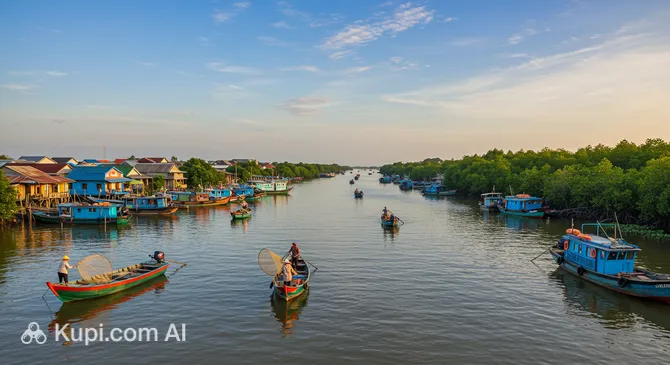
Ca Mau. Source: Kupi.Binoculars

Visitors interested in the past will find that the history of Ca Mau is closely tied to the courageous spirit of pioneers who cultivated this land centuries ago. Today, the city serves as a perfect base for exploring nearby wonders. Travelers can venture to the iconic Cape Ca Mau, a legendary spot that marks the end of the mainland, or explore the U Minh Ha National Park, famous for its vast cajuput forests and diverse wildlife. The city also hosts vibrant bird sanctuaries, offering a glimpse of nature right within the urban area.

Whether you are drawn by the allure of standing at the "end of the land" or eager to sample the fresh seafood for which the region is famous, Ca Mau promises an unforgettable journey. It is an ideal destination for those seeking to experience the authentic river culture and the warm hospitality of the southern people.
Weather Overview

Ca Mau features a tropical climate defined by consistent warmth and distinct seasonal rainfall patterns. Visitors can generally expect a hot and humid atmosphere, typical of the Mekong Delta region, making it a lush destination year-round.

Temperatures are quite stable, with the warmest period occurring in April, seeing average highs of 32.9°C. Even during the cooler months of December and January, the climate remains pleasant with average temperatures around 26.5°C and minimums rarely dropping below 23.5°C. For those looking to time their visit perfectly, checking the detailed weather in Ca Mau is highly recommended.

Precipitation varies sharply between seasons. The beginning of the year, especially February and March, is predominantly dry with minimal rainfall and very few wet days. Conversely, the rainy season from May to October brings frequent showers, with months like July and October seeing rain on up to 30 days of the month. Travelers should pack light, breathable clothing and be prepared for regular rainfall if visiting during the summer or autumn months.

Interesting Facts

Beyond the well-known river networks, Ca Mau holds many fascinating secrets that reveal the unique character of Vietnam's southernmost region. These little-known details highlight the deep connection between the local urban lifestyle and the surrounding wild nature.
Thu Duy Ecotourism Resort. Source: Kupi.Binoculars
  • Ca Mau is one of the rare cities in the country that houses a natural bird sanctuary directly within its urban limits. The Bird Garden in the Cultural Park allows visitors to witness thousands of storks and herons returning to their nests at sunset, creating a wild spectacle amidst the city bustle.

  • The region is home to the unique ancient profession known as "gac keo ong," which involves luring bees to build hives on sloping wooden poles in the melaleuca forests. This traditional method of harvesting honey in the U Minh Ha forest has been recognized as a National Intangible Cultural Heritage.

  • Geographically, the province is often described as the "ship's bow" of the nation. It is the only place on the mainland of Vietnam where one can observe both the sunrise over the East Sea and the sunset over the West Sea, a phenomenon that draws many photography enthusiasts to the coast.

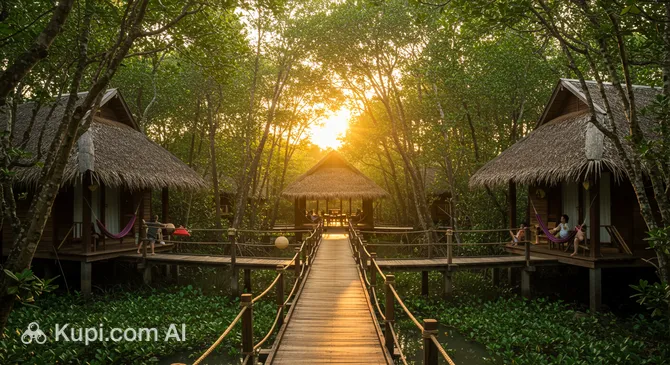
  • Modern leisure in the city has evolved to blend with nature, exemplified by places like the Thu Duy Ecotourism Resort. This complex is designed to recreate the diverse river ecosystem, offering a "one-stop" experience where visitors can enjoy traditional folk games and local cuisine in a setting that mimics the countryside.

How to Get There

Reaching the southernmost point of Vietnam is an adventure that takes you deep into the heart of the Mekong Delta. While the journey requires some planning, the scenic routes offer a wonderful introduction to the region's landscape. For a complete overview of all transport options, you can check the detailed guide on how to get to Ca Mau.

For the most direct access, travelers can fly into Ca Mau Airport (CAH). This domestic airport is located right in the city and primarily serves flights from Ho Chi Minh City, making it the quickest way to arrive without a lengthy overland transfer.

Alternatively, many visitors choose to fly into Can Tho Airport (VCA) in the city of Can Tho. Located approximately 118 km away, this regional hub acts as a convenient gateway for exploring the wider delta. The transfer by taxi or bus from Can Tho to Ca Mau typically takes around 3 hours and 20 minutes, offering a balance between flight availability and travel time.

For those arriving from overseas, Tan Son Nhat International Airport (SGN) in Ho Chi Minh City is the primary entry point. As the country's busiest aviation hub, it offers extensive global connections but is situated further away, about 244 km from Ca Mau. The overland journey from Ho Chi Minh City is quite popular and usually takes about 6 hours and 30 minutes by car or sleeper bus, allowing you to witness the vibrant life of the river provinces along the way.

For clarity, here is a summary of the main airports in the region:

Airport Name City Passenger Traffic Km from City
Tan Son Nhat International Airport Ho Chi Minh City Very Large 243.8
Phu Quoc Airport Phu Quoc Large 173.4
Can Tho Airport Can Tho Medium 117.7
Con Dao Con Dao Small 164.7
Sihanouk International Airport Sihanoukville Small 232.7

Main Attractions

Ca Mau is a destination defined by its water-centric geography, offering travelers a chance to explore the authentic charm of the Mekong Delta's southernmost reaches. The region's attractions are deeply rooted in nature, ranging from vast mangrove forests and national parks to vibrant cultural spots that celebrate the local riverine lifestyle.

For those seeking a blend of relaxation and local entertainment within the city, the Thu Duy Ecotourism Resort is a popular stop. This complex serves as a comprehensive leisure hub where visitors can experience a modernized version of the delta's countryside. It features swimming pools, bungalow-style accommodations, and areas dedicated to traditional folk games, making it an excellent place for families to unwind and enjoy the local atmosphere without venturing too far into the wild.

Beyond the city limits, the province boasts some of Vietnam's most iconic natural landmarks. A journey here is incomplete without visiting Cape Ca Mau National Park in Dat Mui Commune. This is the only place on the mainland where you can watch the sun rise over the East Sea and set over the West Sea. Travelers often take photos at the GPS 0001 coordinate landmark, a symbol of reaching the true end of the country.

Nature enthusiasts will also find a haven in the U Minh Ha National Park. Famous for its immense cajuput (melaleuca) forests, this peatland area offers boat tours through green canals where you can observe diverse wildlife and learn about the traditional profession of wild bee honey collecting. Closer to the urban center, the Ca Mau Bird Park provides a unique spectacle, housing thousands of birds that return to roost every evening, creating a lively natural scene right in the heart of the city.

Local Cuisine

The culinary landscape of Ca Mau is a vivid reflection of its geography, dominated by the abundance of the surrounding rivers, mangrove forests, and the sea. As the "land of shrimp and fish," the city is a paradise for seafood lovers, offering ingredients that are incredibly fresh and prepared with the bold, rustic flavors typical of the Mekong Delta.

The undisputed star of the local table is the Ca Mau Crab. Renowned across Vietnam for its firm, sweet meat and rich roe, this delicacy is a must-try. Locals prepare it in various ways, from simple steaming to preserve the natural taste, to roasting it with tamarind sauce for a tangy kick, or cooking it in a savory hotpot. Another unique specialty is Banh Tam Cay (spicy silkworm noodles), a dish featuring thick rice noodles served with spicy curry chicken or meatballs and fresh herbs, offering a perfect balance of heat and texture.

Vegetables also play a significant role here, particularly Bon Bon (bullrush), a plant native to the wetlands. The white stalks are often fermented into a crunchy pickle served as a side dish, or cooked fresh with shrimp and pork. For a true taste of the wild, adventurous eaters might try Grilled Snakehead Fish (Ca Loc Nuong Trui), where the fish is buried in straw and set on fire, resulting in smoky, tender meat.

When it comes to beverages, the region is famous for products derived from the U Minh forest. Visitors should try honey tea or honey wine, made from the high-quality honey harvested in the cajuput forests. For non-alcoholic options, fresh coconut water and sugarcane juice are ubiquitous refreshers that combat the tropical heat effectively.

The food culture in Ca Mau is laid-back and communal. You can find excellent meals at bustling night markets where seafood is displayed live in tanks, or at simple street stalls known for their family recipes. For those seeking a more relaxed dining environment that combines gastronomy with leisure, the Thu Duy Ecotourism Resort offers a chance to sample these local specialties in a setting that recreates the peaceful atmosphere of the southern countryside.

Travel Tips

Visiting the southernmost tip of Vietnam offers a distinct adventure characterized by winding rivers and lush mangrove forests, quite different from the country's northern or central regions. To ensure your journey through this water-centric land is as smooth and enjoyable as possible, here are some practical tips to help you prepare.

  1. Clothing and Gear: Due to the tropical monsoon climate, light and breathable fabrics like cotton or linen are your best friends. Since Ca Mau is famous for its wetlands and sudden showers, especially from May to October, always carry a lightweight raincoat or poncho. Footwear should be practical; comfortable waterproof sandals are superior to white sneakers, which may get muddy during boat trips or forest treks. If you plan to visit local temples, dress modestly by covering your shoulders and knees.

  2. Transportation: While taxis and motorbike taxis (xe om) are readily available for getting around the city center, the true highway of Ca Mau is its water. To explore the Cape or the U Minh forests, you will likely need to hire a canoe or buy a ticket for a high-speed boat. Ride-hailing apps like Grab may have limited availability compared to major hubs like Ho Chi Minh City, so keeping the number of a reliable local taxi company is a good backup.

  3. Finances: The official currency is the Vietnamese Dong (VND). While you can find ATMs and card-accepting hotels in Ca Mau City, cash is absolute king in this region. You will need small denominations for paying boat drivers, buying snacks at markets, or tipping. It is best to withdraw sufficient cash before heading out on day trips to remote areas like Dat Mui.

  4. Health and Safety: As a region dominated by wetlands and forests, mosquitoes are prevalent. High-quality insect repellent is an essential item in your day pack to protect against bites. Pharmacies are easy to find in the city, but medical supplies may be scarce in rural districts. Always drink bottled water and avoid tap water to prevent stomach issues.

  5. Communication: Outside of high-end hotels, English proficiency can be limited. Locals are incredibly friendly and willing to help, but a translation app on your phone will be a lifesaver for complex interactions. Buying a local SIM card (Viettel or Vinaphone has the best coverage in rural areas) is highly recommended for navigation and translation on the go.

  6. Local Etiquette: The people of the Mekong Delta are known for their hospitality and relaxed nature. A smile goes a long way here. When entering a local home or a pagoda, always remove your shoes. If you are invited to dine with locals, wait for the eldest person to start eating before you begin, as a sign of respect.

  7. What to Avoid: Avoid losing your temper or shouting in public. In Vietnamese culture, "saving face" is important, and aggressive behavior is seen as rude and counterproductive. Also, avoid wearing expensive jewelry or flashing large amounts of cash in crowded markets to stay low-profile.

  8. Additional Tip: Start your days early. The Mekong Delta wakes up with the sun to avoid the midday heat. Markets are liveliest, and wildlife in the bird sanctuaries is most active in the early morning or late afternoon. Adjusting your schedule to "river time" will give you the most authentic experience.

By keeping these practicalities in mind, you can focus less on logistics and more on the stunning natural beauty and warm culture that Ca Mau has to offer. Pack your bug spray, bring an adventurous spirit, and get ready to explore the fascinating "end of the land."

Entertainment & Nightlife

Entertainment in Ca Mau is characterized by its relaxed pace, reflecting the easygoing lifestyle of the Mekong Delta. Rather than loud nightclubs, the city offers opportunities to connect with local culture and enjoy the cooling evening breeze by the water. The nightlife here is centered around community gathering spots, offering a friendly and safe environment for travelers.

As the sun sets, the Ca Mau Night Market becomes the focal point of activity. It is a lively destination where visitors can stroll through rows of illuminated stalls, shopping for clothing, accessories, and local handicrafts. The market offers a vibrant street atmosphere that provides a glimpse into the daily life of the residents, making it an enjoyable place for an evening walk after dinner.

For those seeking modern recreational facilities, the Thu Duy Ecotourism Resort remains the city's premier leisure hub. It is well-suited for families and groups looking for active entertainment, offering amenities such as swimming pools and sports areas within a setting that harmonizes with the surrounding nature. It serves as a convenient escape within the city limits for travelers wanting to unwind.

Another popular way to spend the evening is to embrace the local coffee culture. Numerous cafes line the riverbanks and major streets, providing comfortable spots to sip a Vietnamese iced coffee or a fresh coconut while watching the boats glide by. For a touch of local fun, karaoke venues are also available, offering a chance to sing along with friends in a private and cheerful environment, a favorite pastime in the region.

Parks & Museums

Ca Mau offers a refreshing balance of urban development and preserved nature, boasting green spaces that bring the wild beauty of the Mekong Delta right into the city center, alongside cultural sites that tell the story of the region's diverse heritage.

For nature lovers, the Ca Mau Cultural Park (often referred to as the Bird Park) is a must-visit destination located within the city limits. This unique area serves as a sanctuary for thousands of storks, herons, and other bird species that return to their nests every evening. It is a rare example of a natural bird garden flourishing in the heart of a bustling urban environment, offering a peaceful walking area where visitors can observe wildlife up close without leaving the city.

Another significant spot for leisure and immersion in nature is the Thu Duy Ecotourism Resort. While it functions as a resort, its extensive grounds are designed like a park, featuring lush gardens, traditional bungalow architecture, and recreational areas that mimic the riverine landscape. It provides a comfortable setting for families to enjoy the outdoors and experience the "garden style" tourism characteristic of the south.

In terms of culture and history, the Ca Mau Provincial Museum is the primary institution for understanding the local narrative. The museum houses a collection of artifacts ranging from ancient Funan culture pottery to remnants of the Indochina and Vietnam Wars. It offers visitors a comprehensive look at the struggles and resilience of the people who tamed this waterlogged land, as well as exhibits on the region's agricultural and maritime traditions.

Architecturally, the city is enriched by the Monivongsa Bopharam Pagoda, the largest and most beautiful Khmer temple in the province. With its brilliant golden colors and intricate carvings, it stands as a testament to the significant Khmer community in the region. The pagoda is not just a place of worship but a cultural center where traditional festivals are held, offering tourists a glimpse into the spiritual life and artistic heritage of the Khmer people.

For a truly authentic experience, try to visit the Bird Park in the late afternoon, just before sunset. This is the "golden hour" when the sky fills with flocks of birds returning home, creating a spectacular natural show that defines the wild spirit of Ca Mau.

Getting Around

Public transport in Ca Mau is quite different from the extensive systems found in major metropolises like Ho Chi Minh City or Hanoi. There are no metros, trams, or trains operating within the city. Instead, the local transportation network relies heavily on a combination of road vehicles and, uniquely, an extensive system of waterways. For most visitors, getting around the city center involves a mix of taxis, motorbike taxis, and walking, while longer journeys to the outskirts or neighboring districts are often made by bus or boat.

The local bus system functions primarily to connect Ca Mau City with other districts in the province, such as U Minh, Nam Can, and Song Doc. These buses are generally painted in distinct colors like yellow and red, making them easy to recognize. While they are an economical way to travel, they are designed more for local commuters than for sightseeing within the city center itself. Bus stops are marked, but schedules can be flexible, so it is often best to ask locals or hotel staff for the most current departure times.

A defining feature of transport in this region is the water network. High-speed boats, often referred to as canoes or speedboats, serve as a vital form of public transit, especially for reaching destinations like Cape Ca Mau (Dat Mui). The main boat pier in the city center is a bustling hub where travelers can buy tickets for these water journeys. This mode of transport offers a scenic and authentic experience, cutting through the mangrove forests and rivers that roads simply cannot reach.

For getting around the city streets, traditional taxis are the most comfortable option. Reputable companies like Mai Linh operate here, and you can easily hail them on the street or ask your hotel to call one. Ride-hailing apps are available but may have fewer drivers compared to larger cities, so relying on them exclusively can sometimes result in long wait times. For short distances, "xe om" (motorbike taxis) are ubiquitous and offer a quick, breezy way to navigate traffic. If you choose this option, be sure to agree on the price before hopping on.

Regarding payment, cash is the absolute standard for almost all forms of local transport. Whether you are taking a bus, a boat, or a motorbike taxi, you will need Vietnamese Dong (VND). Bus tickets are typically purchased directly from the conductor on board, and boat tickets are bought at the pier counters. It is highly advisable to carry small denominations, as drivers and conductors may not always have change for large bills. Travel passes or smart cards are not currently in use for the public transport system here.

Tourists should be aware that public transport, particularly buses and boats, operates mainly during daylight hours. Most services wind down by late afternoon, so it is important to plan your return trips accordingly to avoid getting stuck. If you prefer more independence, renting a motorbike is a popular alternative, giving you the freedom to explore at your own pace. However, ensure you are comfortable with local traffic conditions and have a valid driving license.

Accommodation

Accommodation in Ca Mau primarily caters to practical travelers and those exploring the Mekong Delta, with options ranging from affordable guesthouses to comfortable mid-range hotels. While the city does not feature an abundance of international luxury chains, it offers a decent selection of clean, modern establishments and unique eco-tourism resorts that reflect the local character.

For most visitors, the most convenient area to stay is the city center. Hotels located near the main roads or the central market provide easy access to dining spots, the night market, and transport services. Staying in this area ensures that cafes, banks, and taxi stands are just a short walk away, making it an ideal base for logistical planning before heading out to the remote national parks.

Travelers looking for a more atmospheric stay that combines comfort with the region's natural beauty should consider the Thu Duy Ecotourism Resort. This property stands out as a premier option, offering bungalow-style lodgings, swimming pools, and recreational facilities within a lush, garden-like setting. It is an excellent choice for families or those who wish to experience the "river garden" lifestyle without sacrificing modern amenities.

Booking Tip: While it is usually easy to find a room upon arrival on regular days, it is highly recommended to book your accommodation in advance if you are visiting during Vietnamese public holidays, especially the Lunar New Year (Tet). During these peak times, the best rooms fill up quickly, and prices may rise slightly.

In terms of pricing, Ca Mau is generally very affordable. Budget travelers can find numerous "Nha Nghi" (guesthouses) and simple hotels with basic amenities at very low rates. Mid-range options offer air conditioning, Wi-Fi, and breakfast for a moderate price. Booking can be done through major online platforms for the larger hotels and resorts, though many smaller, family-run guesthouses still operate primarily through direct phone bookings or walk-ins.

Nearby Cities

For those looking to explore the surroundings, Ca Mau serves as an excellent base for day trips to several interesting nearby locations:

One of the most accessible and culturally rich destinations is Bac Lieu, located just a short drive away. This city is famous for the opulent House of the Prince of Bac Lieu, which offers a glimpse into the lavish lifestyle of the colonial era. Visitors also flock to the impressive Bac Lieu Wind Farm to take photos amidst the giant turbines stretching out to sea, or to enjoy the traditional Don Ca Tai Tu music that originated in this area.

Another fascinating option is Soc Trang, known for its significant Khmer population and unique architecture. A day trip here allows travelers to visit the renowned Bat Pagoda, home to thousands of fruit bats, and the intricate Clay Pagoda. The city is also celebrated for its culinary scene, particularly the savory Bun Nuoc Leo noodle soup, which perfectly blends the flavors of the three main ethnic groups in the region.

For those willing to travel a bit further, Rach Gia offers a coastal atmosphere and serves as a transit hub to the islands. However, the city itself features the historic Nguyen Trung Truc Temple and provides a different perspective on the delta's urban life compared to the river-centric interior.

City Population Distance (km)
Can Tho 1,237,300 116
Soc Trang 300,000 99
Long Xuyen 278,658 137
Rach Gia 250,660 97
Bac Lieu 240,045 60

These nearby destinations offer a glimpse into the diverse culture and landscapes of the region.

Shopping & Souvenirs

Shopping in Ca Mau offers a distinct experience that contrasts with the glitzy malls of Vietnam's larger metropolises. Here, commerce is deeply tied to the riverine lifestyle and the region's agricultural abundance. While you can find modern conveniences, the true charm lies in exploring the bustling local markets where fresh produce, regional specialties, and the friendly banter of vendors take center stage.

For travelers seeking air-conditioned comfort and familiar brands, the city has developed modern retail centers that cater to contemporary needs. Sense City Ca Mau and Vincom Plaza Ca Mau are the primary destinations for a modern shopping experience. These complexes house supermarkets, fashion boutiques, electronics stores, and food courts, providing a convenient one-stop spot for purchasing necessities, branded clothing, or simply escaping the midday heat.

The soul of the city's commerce is undoubtedly found in its traditional markets. The Ca Mau Floating Market, located on a section of the Ganh Hao River, is a fascinating spectacle where goods are traded directly from boat to boat. Unlike the more tourist-heavy floating markets elsewhere in the delta, this one remains authentically local, primarily dealing in wholesale fruits and vegetables. In the evening, the Ca Mau Night Market comes alive, offering a vibrant atmosphere where visitors can browse for affordable clothing, accessories, and street food under the glow of colorful lights.

When looking for gifts to bring home, the best souvenirs are the edible specialties for which the province is famous. Dried shrimp (tom kho), particularly from the Rach Goc area, is highly prized across the country for its natural sweetness and premium quality. Another excellent choice is U Minh forest honey, known for its purity and unique flavor derived from the cajuput flowers. Dried snakehead fish is also a popular local delicacy that travels well and offers a true taste of the delta's rustic cuisine.

Most shops and markets typically operate from early morning until late evening, with the floating market being most active at dawn. While modern shopping centers and larger stores accept credit cards, cash is essential when visiting traditional markets, floating vendors, or smaller street stalls. Visitors should be aware that tax-free shopping refunds are generally not available in Ca Mau, as it is not a major international shopping destination like Ho Chi Minh City.

Reached the end of the page?

That means the route is fully explored