Support

Sihanoukville

About

Sihanoukville, also known locally as Kampong Som, is the premier seaside resort town in Cambodia. Situated on a peninsula jutting into the warm waters of the Gulf of Thailand, this coastal city offers a distinct change of pace from the country's ancient temple complexes. It serves as a bustling gateway to pristine tropical islands and is known for its lively atmosphere, sandy shores, and vibrant port activity.
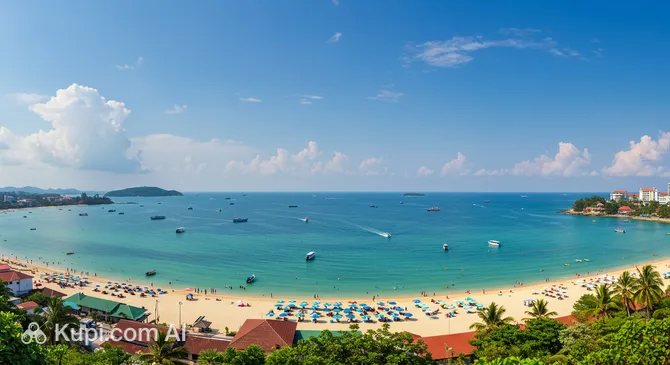
Sihanoukville. Source: Kupi.Binoculars

Geographically located in the southwest of the country, the city is the capital of Sihanoukville Province. With a population of approximately 71,000 residents, it has grown from a quiet town into a significant urban center. The climate is tropical, characterized by a refreshing sea breeze that complements the sunny days, making it a popular destination for beach lovers throughout the year.

Unlike many other Cambodian cities with ancient roots, this urban center is relatively young. It was established in the mid-20th century to serve as the country's only deep-water port. Travelers interested in the development of this strategic coastal hub can explore the history of Sihanoukville and its transformation over the decades. Today, the city is a mix of modern development and local culture, anchored by the iconic Golden Lions Roundabout, a famous landmark in the city center.

Tourists often use the city as a launching point to reach the idyllic islands of Koh Rong and Koh Rong Sanloem, which are famous for their crystal-clear waters and coral reefs. Within the city itself, several beaches offer spots to relax and watch the sunset. Whether you are looking to explore the nearby islands or experience the energy of a developing coastal city, Sihanoukville provides a unique perspective on modern Cambodian life.
Weather Overview

The coastal location of Sihanoukville ensures a warm, tropical climate throughout the year, making it a reliable destination for sun-seekers. Temperatures remain remarkably consistent, typically ranging from average lows of 25°C to highs of around 30°C. The warmest period generally occurs in April, with average temperatures reaching up to 28.5°C, while the coolest months are December and January, though they remain pleasantly warm.

Rainfall patterns define the seasons more than temperature changes do. The driest time of year spans from December to February, where you can expect fewer wet days and minimal precipitation, perfect for outdoor activities. In contrast, the wet season picks up significantly from May through October, with July and August seeing rain on nearly every day of the month. For a more comprehensive breakdown of what to expect during your visit, you can check the detailed report on the weather in Sihanoukville.

Interesting Facts

Beyond its reputation as a bustling port and a gateway to tropical islands, Sihanoukville holds a collection of intriguing details that define its unique character. This relatively young city, carved from the jungle to connect Cambodia to the sea, offers more than just sun and sand to the curious traveler.
  • A City of Two Names: Although officially renamed in 1964 to honor King Norodom Sihanouk, many locals still refer to the city by its original name, Kampong Som. The old name reflects its humble origins before it was transformed into the country's first deep-water port.

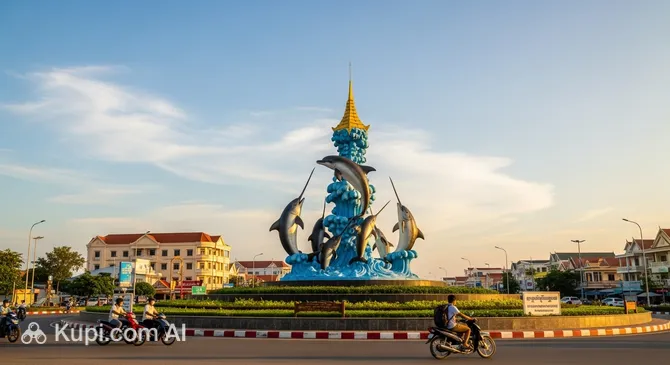
  • Navigation by Sculpture: The city is famous for its elaborate roundabouts which serve as major landmarks for navigation. One distinct example is the Swordfish and Dolphins Roundabout, a tribute to the rich marine life found in the Gulf of Thailand that sustains the local fishing industry.

  • The "Upper" Market: The largest traditional market in the city, Phsar Leu Market, derives its name from the Khmer phrase for "Upper Market." This is because it sits on a hill, a strategic location that keeps the commercial hub dry during the heavy rains of the wet season.

  • Peninsular Coastline: Sihanoukville is situated on a peninsula surrounded by water on three sides, creating a diverse range of coastal environments. This geography allows for extensive sandy stretches like Ochheuteal Beach to exist just minutes away from the urban center.

Swordfish and Dolphins Roundabout. Source: Kupi.Binoculars

How to Get There

Reaching this coastal destination has become increasingly straightforward, with options ranging from direct flights to overland journeys from the capital. Whether you are planning a quick flight or a scenic drive, you can find detailed information on all available transport methods in our guide on how to get to Sihanoukville.

The most direct way to arrive is via Sihanouk International Airport (KOS), which serves the city directly. Located approximately 14.7 km from the center, this airport offers the quickest access to the beaches. A transfer by taxi or shuttle bus typically takes around 45 minutes. While the passenger volume is relatively small compared to major hubs, it provides a convenient link for travelers wishing to avoid long road trips.

Many international visitors also choose to fly into Phnom Penh International Airport (PNH) in the capital city of Phnom Penh. Situated about 177.6 km away, it is a major gateway with high passenger traffic and numerous international connections. From here, travelers can take a taxi or bus to the coast; the journey generally takes between 4 and 5 hours, depending on traffic and the route taken.

For clarity, here is a summary of the main airports in the region:

Airport Name City Passenger Traffic Km from City
Phu Quoc Airport Phu Quoc Large 73.1
Phnom Penh International Airport Phnom Penh Large 177.6
Can Tho Airport Can Tho Medium 248.3
Trat Airport Trat Small 224.0
Sihanouk International Airport Sihanoukville Small 14.7

Main Attractions

Attractions:

Sihanoukville is a city defined by its relationship with the sea and its vibrant local commerce. While many travelers pass through on their way to the islands, the city itself offers a mix of lively beaches, authentic markets, and unique dining experiences that provide a glimpse into modern Cambodian coastal life.

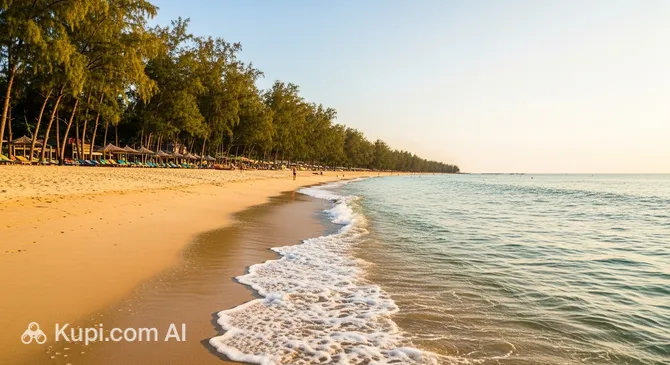
One of the most famous spots in the city is Ochheuteal Beach. This extensive strip of sand is the center of social life in Sihanoukville, lined with a continuous array of shacks, bars, and seafood restaurants. It is particularly interesting for tourists who enjoy a high-energy atmosphere; the beach is popular for sunbathing during the day and transforms into a bustling nightlife destination after sunset, offering barbecue dinners right by the water.

Ochheuteal Beach. Source: Kupi.Binoculars

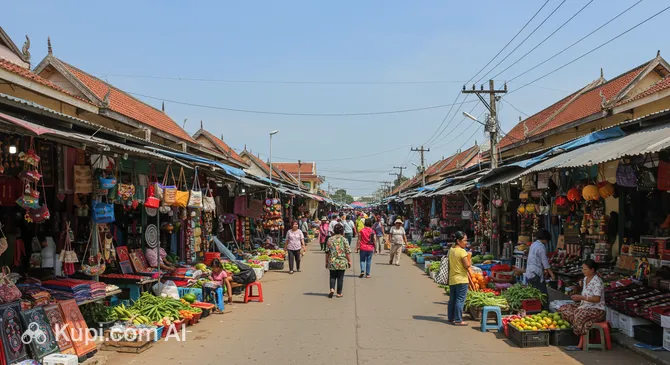
For a truly authentic cultural experience, a visit to Phsar Leu Market is essential. As the city's largest traditional market, it serves as the commercial heart of the community. Visitors are drawn here to navigate its narrow, bustling aisles packed with everything from fresh tropical fruits and locally caught seafood to clothing and jewelry. It offers a fascinating look at the daily routine of the locals and is the best place to find affordable goods.

Phsar Leu Market. Source: Kupi.Binoculars

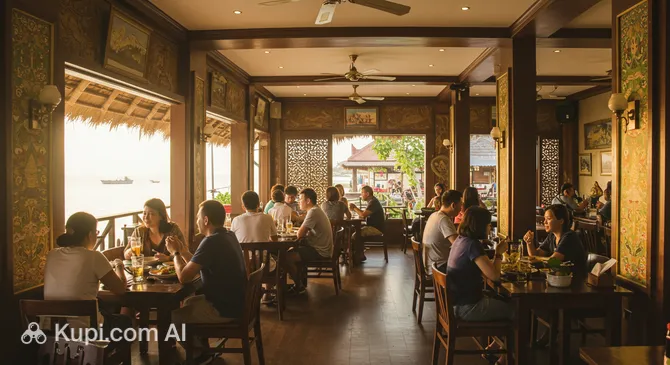
Dining in Sihanoukville often involves enjoying the coastal breeze, and The Titanic Restaurant is a well-known venue for this. Situated near the waterfront, this establishment is recognized for its distinctive setting and open-air design. It attracts tourists looking for a relaxed evening with a view, serving a variety of dishes that highlight the region's access to fresh ingredients in a lively environment.

Another culinary landmark with a heart is Sandan. This restaurant is more than just a place to eat; it is a training restaurant run by a non-governmental organization to build futures for marginalized youth. Travelers are recommended to visit not only for the creative Cambodian cuisine but also to support a meaningful social cause. The venue often features cultural performances and is set in a beautiful garden, offering a peaceful retreat from the busy city streets.

Local Cuisine

The culinary scene in Sihanoukville is inextricably linked to the ocean, offering some of the freshest seafood in Cambodia. Thanks to its proximity to the Gulf of Thailand, the city is a paradise for lovers of marine delicacies. Local menus are dominated by the catch of the day, which often includes barracuda, marlin, shrimp, and crab. A defining feature of the local flavor profile is the use of Kampot pepper, a world-renowned spice grown in the neighboring province, which adds a distinct floral heat to many dishes.

One dish that every visitor must try is Amok Trei, or Fish Amok. Regarded as Cambodia's national dish, it consists of a freshwater or saltwater fish fillet covered in a rich curry paste made from lemongrass, turmeric, and galangal, then steamed in a banana leaf cup with coconut milk. Another favorite, particularly along the beaches, is Ang Dtray-Meuk (grilled squid). Vendors often serve this simple yet delicious snack on skewers, brushed with lime juice and served with a dipping sauce known as Teuk Meric, a zesty blend of lime, salt, and pepper.

When it comes to beverages, the tropical heat makes fresh drinks a necessity. Fresh coconut water is widely available and served directly from the fruit, providing a refreshing way to rehydrate. For something stronger, the local beer culture is vibrant, with Angkor Beer being the most popular choice to accompany a sunset meal. Coffee lovers should also try the traditional Khmer iced coffee, which is typically brewed strong and sweetened generously with condensed milk.

Queenco Restaurant. Source: Kupi.Binoculars

The dining atmosphere in Sihanoukville ranges from plastic chairs on the sand to more established eateries. While street food stalls near the markets offer an authentic and affordable way to taste local soups and noodles, there are also comfortable venues for a sit-down meal. For travelers looking to enjoy a mix of international and local flavors in a pleasant setting, Queenco Restaurant offers a varied menu that caters to diverse tastes. Whether you choose a simple beachside barbecue or a restaurant table, the emphasis remains on fresh ingredients and bold, zesty flavors.

Travel Tips

To ensure your visit to this bustling coastal hub is as smooth and enjoyable as possible, we have compiled a set of essential guidelines. Whether you are staying in the city or catching a ferry to the nearby islands, these practical tips will help you navigate local customs and daily logistics with ease.

  1. Clothing and Gear: Sihanoukville has a hot and humid tropical climate, so pack lightweight, breathable fabrics like cotton or linen. A sturdy pair of sandals is essential for the beach, while comfortable walking shoes are better for navigating the city streets, which can be uneven. If you plan to visit temples (wats), remember to dress modestly; shoulders and knees must be covered. Don't forget high-SPF sunscreen and a raincoat or umbrella if you are visiting during the wet season (May to October).
  2. Transportation: The most convenient way to get around is by tuk-tuk or auto-rickshaw. To avoid negotiating prices and potential overcharging, it is highly recommended to download ride-hailing apps like PassApp or Grab. These apps provide fixed rates and are widely used. Motorbike taxis are also available, but ensure you wear a helmet. Walking can be challenging in some areas due to ongoing construction and lack of sidewalks.
  3. Finances: Cambodia operates on a dual-currency system. US Dollars (USD) are widely accepted for larger transactions, while the Cambodian Riel (KHR) is used for small change (anything less than $1). Crucial tip: Ensure your USD bills are crisp and clean; notes with even tiny tears, ink marks, or wear are often rejected. ATMs are plentiful in the city center, but they usually charge a withdrawal fee. Credit cards are accepted in major hotels and restaurants, but cash is king for local markets and street food.
  4. Health and Safety: Pharmacies are available in the city center, but it is wise to bring a basic medical kit with you. Tap water is not safe to drink; always opt for bottled or filtered water. Be mindful of your surroundings at night, especially in dimly lit areas, and keep your belongings secure. Due to the tropical environment, use insect repellent to protect against mosquitoes, which can carry dengue fever.
  5. Communication: The official language is Khmer. While English is spoken in hotels, restaurants, and tourism businesses, it is less common among local market vendors and tuk-tuk drivers. Learning a few basic phrases like "Sus-day" (Hello) and "Or-kun" (Thank you) goes a long way. SIM cards from providers like Smart or Cellcard are very affordable and easy to purchase at the airport or local shops, offering good 4G data coverage.
  6. Local Etiquette: The traditional greeting is the Sampeah, where you press your palms together at chest level and bow slightly. It is polite to return this greeting if offered. The head is considered the most sacred part of the body, so never touch someone on the head, even children. Always remove your shoes before entering a home, a temple, or certain guesthouses.
  7. What to Avoid: Avoid pointing your feet at people or religious images, as feet are considered the lowest and "dirtiest" part of the body. Public displays of anger or shouting cause a "loss of face" and are considered extremely rude; stay calm and smile even during disagreements.
  8. Ferry Logistics: If you are heading to the islands of Koh Rong or Koh Rong Sanloem, buy your ferry tickets in advance during peak season. Be aware that the last ferries usually leave in the late afternoon (around 4:00 PM or 5:00 PM), so plan your arrival in Sihanoukville accordingly to avoid getting stuck on the mainland for the night.

By keeping these tips in mind, you will be well-prepared to embrace the vibrant energy and unique character of Sihanoukville. Respecting the local culture and being prepared for the tropical environment will ensure your Cambodian coastal adventure is a memorable one.

Entertainment & Nightlife

Entertainment:

Sihanoukville has evolved into a dynamic hub for leisure, offering a mix of modern entertainment complexes and relaxing seaside activities. The city's rapid development has introduced a variety of high-end facilities, transforming it into a destination where visitors can find excitement day and night.

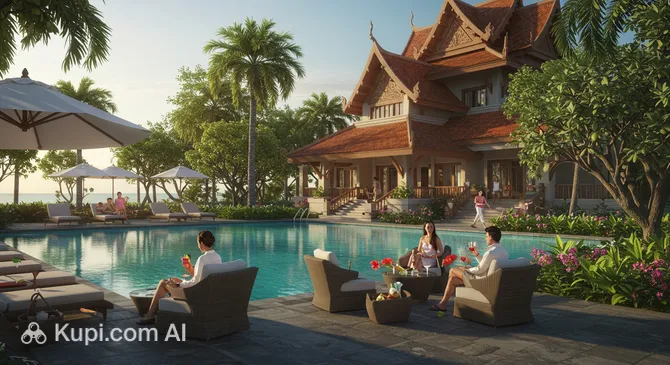
A prominent feature of the local entertainment scene is the rise of large-scale luxury resorts. The Xihu Resort Hotel stands as a symbol of this modern transformation. Situated along the coast, this complex serves as a comprehensive leisure destination, offering guests access to upscale amenities, spacious swimming pools, and a vibrant atmosphere that characterizes the new face of the city.

Xihu Resort Hotel. Source: Kupi.Binoculars

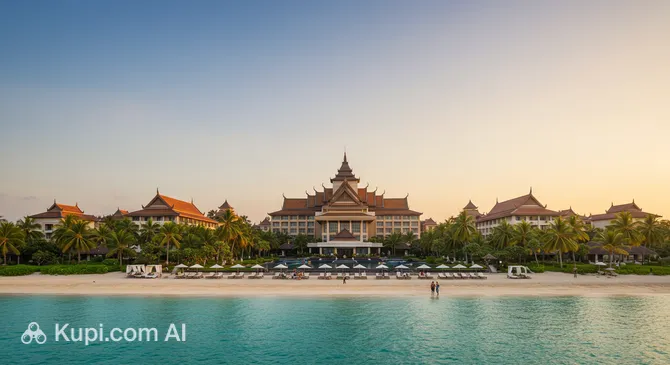
For travelers seeking a more serene and established setting, the Sokha Beach Resort provides an excellent alternative. Known for its expansive private grounds and well-maintained coastline, this resort is a favorite for family-friendly entertainment. Whether it is enjoying water sports or relaxing in the manicured gardens, it offers a peaceful retreat amidst the bustling energy of the province.

Sokha Beach Resort. Source: Kupi.Binoculars

Beyond the resort walls, the city comes alive after sunset. The urban center and beach areas are dotted with karaoke lounges, lively bars, and entertainment halls. This diverse nightlife culture ensures that there is always something to do, from enjoying a quiet drink by the ocean to experiencing the bright lights of the city's commercial districts.

Parks & Museums

While Sihanoukville is primarily recognized for its coastal allure and rapid urban development, the city and its surrounding province offer pockets of natural beauty and cultural heritage that provide a deeper understanding of the region. Beyond the sandy shores, travelers can discover lush national parks, cascading waterfalls, and spiritual sites that preserve the artistic and historical traditions of the local community.

Ream National Park is undoubtedly the most significant natural area in the vicinity. Located just a short drive from the city center, this expansive park covers a diverse landscape of mangrove forests, sandy beaches, and coral reefs. It is a haven for nature lovers, offering opportunities to spot diverse bird species, monkeys, and marine life. Boat trips through the mangroves provide a serene escape from the city's bustle, allowing visitors to experience the untouched ecological richness of the Cambodian coast.

Another refreshing retreat is the Kbal Chhay Waterfall. Situated about 16 kilometers from downtown, this multi-tiered waterfall is a favorite picnic spot for local families, especially on weekends. The site is not only a scenic attraction with its rushing waters and surrounding greenery but also serves as a major source of fresh water for the city. It is particularly impressive during the wet season when the water flow is at its peak, creating a powerful and misty spectacle.

In terms of museums, Sihanoukville does not possess traditional exhibition halls found in larger capitals. Instead, the city's culture and history are best explored through its magnificent wats (temples), which function as living galleries of Khmer art and spirituality. Wat Leu, also known as the Upper Wat, sits atop a hill offering panoramic views of the city and the ocean. The temple itself is an architectural gem, featuring elaborate stone carvings, golden statues, and colorful murals depicting the life of Buddha. It provides a peaceful atmosphere for observing religious practices and admiring traditional craftsmanship.

Wat Krom, or the Lower Wat, is located closer to the sea and serves as a vital center for the local Buddhist community. This temple is historically significant and houses a sanctuary dedicated to Ya-Mao, a local deity revered as the guardian of travelers and hunters. The intricate architecture and the presence of stupas (memorial shrines) offer visitors insight into the syncretic blend of Buddhism and animist beliefs that characterizes Cambodian spirituality.

For those interested in iconic city landmarks, the Golden Lions Roundabout (Vimean Tao Meas) is impossible to miss. While not a historical ruin, this imposing sculpture of two golden lions has become the definitive symbol of the city. It represents the strength and pride of the province and serves as a central orientation point for anyone navigating the streets.

For a truly authentic experience, try to visit Wat Leu just before sunset. Not only will you avoid the midday heat, but you will also be rewarded with a breathtaking view of the sun dipping below the horizon, casting a golden glow over the entire coastline—a perfect moment for reflection away from the noisy beach bars.

Getting Around

Navigating Sihanoukville is an experience defined by informal and flexible transport options rather than a structured public network. The city does not possess a metro, tram, or comprehensive municipal bus system. Instead, the primary mode of getting around for both locals and tourists is the ubiquitous tuk-tuk (often a motorized rickshaw or a carriage pulled by a motorbike). These vehicles are available on nearly every street corner and offer a breezy, authentic way to travel between the beaches, the city center, and local markets.

For payment and booking, the system has modernized significantly with the introduction of ride-hailing mobile applications. PassApp and Grab are the most popular platforms and are highly recommended for visitors. Using these apps eliminates the need to negotiate fares, as the price is fixed and displayed upfront based on the distance. While the apps handle the booking, actual payment is typically made in cash at the end of the journey. It is advisable to carry small denominations of the local currency or US dollars, as drivers often do not have change for large bills.

If you choose to hail a tuk-tuk or a motorbike taxi (known locally as a motodop) directly from the street without an app, negotiation is essential. You must agree on a price with the driver before the journey begins to avoid misunderstandings later. Fares are generally affordable, but they can vary depending on the time of day and the driver's estimation of the distance. Transport is available 24 hours a day, though finding a ride late at night in quieter areas may take a bit longer.

For those seeking more independence, motorbike rentals are a widely available alternative. Many guesthouses and rental shops offer scooters for a daily fee, allowing you to explore the coastline at your own pace. However, traffic can be unpredictable, and road conditions vary, so this option is best suited for experienced riders. Always ensure you are provided with a helmet and check the vehicle's condition before renting. Car taxis are less common to hail on the street but can be arranged through hotels or the aforementioned apps for a more comfortable, air-conditioned ride.

A unique feature of the regional transport landscape is the Royal Railway station located on the outskirts of the city. While it serves primarily as an intercity link rather than internal transport, the revived train service offers a scenic and leisurely travel option for those arriving from or departing to the capital. Within the city itself, walking is feasible in concentrated areas like the beach promenades, but due to the dispersed layout of attractions and ongoing urban development, relying on wheels is usually the most practical choice.

Accommodation

Where to Stay:

Accommodation in Sihanoukville has undergone a significant transformation in recent years, mirroring the city's rapid urban development. Today, the range of lodging options is vast and varied, catering to a diverse mix of travelers. Visitors can find everything from budget-friendly guesthouses and hostels, which are popular among backpackers, to towering mid-range hotels and opulent luxury resorts that offer world-class amenities and sea views.

When choosing an area to stay, location is key to the type of experience you wish to have. The areas surrounding the main public beaches, such as Ochheuteal, are generally the most bustling and convenient for those who want to be close to nightlife, restaurants, and the city's vibrant energy. For travelers seeking a more exclusive or tranquil atmosphere, the sections of the coastline dedicated to private resorts offer a secluded escape with direct access to well-maintained sands, away from the noise of the city center.

The city is home to several large-scale properties that define the modern hospitality landscape of the province. The Xihu Resort Hotel is a prime example of this new wave of luxury, providing guests with spacious accommodations and extensive facilities designed for a high-end stay. Another established name in the region is the Sokha Beach Resort, which is renowned for its massive private beach and lush landscaped gardens, offering a resort-style experience that feels like a destination in itself.

Booking Tip: As the city continues to grow and attract international visitors, popular hotels can fill up quickly. It is highly recommended to book your accommodation in advance, particularly if you are traveling during the peak dry season (November to February) or during major holidays like Chinese New Year.

In terms of pricing, Sihanoukville offers options for every wallet. Budget travelers can find simple rooms and dormitories at very affordable rates, while the mid-range sector offers comfortable modern amenities. The luxury segment commands international-standard prices but delivers superior service and facilities. Most accommodations can be easily secured through major online booking platforms, which is often the safest way to guarantee your reservation and check recent guest reviews.

Nearby Cities

For those looking to explore the surroundings, Sihanoukville serves as an excellent base for day trips to several interesting nearby locations. With recent improvements in infrastructure, particularly the expressway, reaching key urban centers in Cambodia has become significantly faster and more convenient.

Phnom Penh, the country's vibrant capital, is now accessible for a long day trip or a short excursion. Visitors can explore the magnificent Royal Palace, wander through the historic Central Market, and enjoy the bustling riverside atmosphere. It offers a striking contrast to the coastal relaxation of Sihanoukville, providing a deep dive into the nation's history and modern urban culture.

Another accessible destination is Ta Khmau, located just south of the capital. As the provincial capital of Kandal, it sits along the banks of the Bassac River. This town offers a more relaxed pace compared to the metropolis, with opportunities to visit nearby pottery villages and ancient temples, making it a worthwhile stop for those interested in local traditions.

City Population Distance (km)
Phnom Penh 2,129,371 186
Ta Khmau 220,000 182
Siem Reap 147,866 305
Battambang 130,000 275
Kampong Cham 118,242 261

These nearby destinations offer a glimpse into the diverse culture and landscapes of the region, allowing travelers to experience everything from bustling city life to serene river communities.

Shopping & Souvenirs

Shopping in Sihanoukville offers a distinct blend of traditional Cambodian commerce and emerging modern retail experiences. While the city is not primarily known as a high-end shopping destination compared to the capital, it provides travelers with a genuine look at local trade. Visitors can explore bustling marketplaces filled with fresh produce and daily goods, alongside a growing number of modern outlets that have appeared with the city's recent urban development.

The main commercial activity is concentrated along the central thoroughfares, particularly Ekareach Street. This busy road runs through the heart of the city and is lined with a variety of convenience stores, pharmacies, and small boutiques selling beachwear and electronics. For tourists, the area surrounding the Golden Lions Roundabout and the streets leading toward the beaches are also dotted with shops offering swimwear, sunglasses, and travel essentials suited for a coastal vacation.

In recent years, the retail landscape has modernized significantly with the introduction of shopping malls. Prince Mall and Furi Times Square are the most notable additions, bringing international brands, cinema complexes, and air-conditioned comfort to the city. These centers offer a more familiar shopping environment for international visitors, featuring clothing stores, cosmetics shops, and food courts that serve a mix of Asian and Western cuisine.

However, the true soul of shopping in the city lies in its traditional markets. The largest and most famous is Phsar Leu Market. Known locally as the "Upper Market," this sprawling complex is where the community comes to buy everything from fresh meats and vegetables to clothing and household items. It is a sensory experience packed with narrow aisles and vibrant colors, offering the best opportunity to find affordable local goods and observe daily life.

When looking for souvenirs to take home, visitors should focus on local handicrafts and regional specialties. The traditional Khmer scarf, known as a Krama, is a popular and practical gift available in various patterns and cotton qualities. Due to the proximity to Kampot province, you can also find excellent packs of Kampot pepper, which is world-renowned for its flavor. Additionally, dried seafood and shell handicrafts are common items that reflect the city's coastal heritage.

Most shops and markets operate daily, though hours can vary. Traditional markets like Phsar Leu start very early, often around 6:00 AM, and wind down by 5:00 PM. Modern malls typically open from 9:00 AM or 10:00 AM until 10:00 PM. In terms of payment, Cash is king in markets and smaller street shops. Both US Dollars (for larger amounts) and Cambodian Riel (for small change) are accepted. Credit cards are generally only accepted in shopping malls, larger hotels, and upscale restaurants.

Tourists should be aware that a formal tax-free or VAT refund system for visitors is not widely established or easily accessible in Sihanoukville. Prices in markets are often subject to bargaining, which is the local equivalent of getting a "discount." It is polite to negotiate with a smile, as this is a standard part of the shopping culture in traditional stalls.

Reached the end of the page?

That means the route is fully explored