Support

Can Tho

About

Can Tho is the beating heart of the Mekong Delta and serves as the political, economic, and cultural center of this lush region. Often referred to as the "Western Capital," it offers a unique blend of bustling city life and the laid-back charm typical of riverine communities. As the largest city in the area, it acts as the perfect base for exploring the complex maze of waterways that define this part of the world.

Situated on the southern bank of the Hau River in Vietnam, the city is characterized by its intricate network of canals and rivers. With a population of over 1.2 million people, Can Tho is a significant urban hub, yet it maintains a refreshing, open atmosphere. The climate is tropical and monsoonal, ensuring warm weather year-round that supports the abundant fruit gardens surrounding the urban center.
Can Tho. Source: Kupi.Binoculars

The city's identity is deeply shaped by the water. Exploring the history of Can Tho reveals a settlement that grew from a strategic trading post into a thriving civilization dependent on the river. This heritage is still visible today in the traditional lifestyle of the inhabitants, who have adapted perfectly to the rhythms of the Mekong.

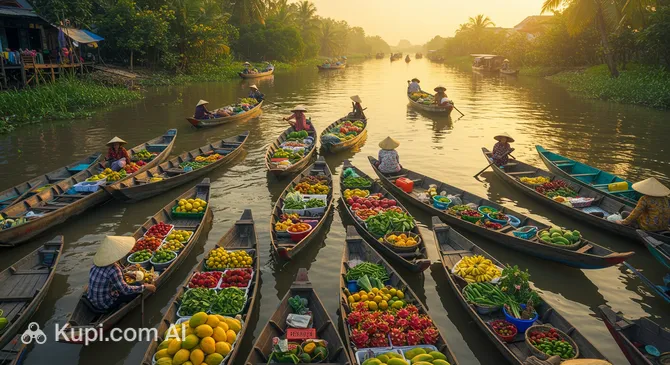
Travelers are primarily drawn here to experience the iconic floating markets, with Cai Rang being the most famous and accessible. At dawn, hundreds of boats gather to trade fresh produce, creating a vibrant spectacle of colors and sounds. Visitors can also enjoy a peaceful stroll along the Ninh Kieu Wharf, a popular waterfront park, or take a boat trip to explore the lush fruit orchards and islets that offer a taste of the region's agricultural bounty.

Whether you are looking to sample authentic local cuisine, such as the famous fish noodle soup, or simply want to drift along the canals, Can Tho provides an unforgettable gateway to the Mekong Delta. It is a welcoming destination that invites you to slow down and appreciate the unique river culture of the south.
Weather Overview

Can Tho features a tropical climate characterized by consistent warmth throughout the year and two distinct seasons defined by rainfall. The temperature remains generally hot, with monthly averages ranging from a mild 26.4°C in January to a peak of around 29.5°C in April. During the hottest days, particularly in the spring, maximum temperatures can reach up to 33.5°C, while the coolest nights in winter rarely drop below 22.8°C.

Precipitation patterns vary significantly, splitting the year into a dry season and a wet season. The months from December to April are typically dry, with February seeing as few as 2 wet days, making it a popular time for tourism. In contrast, the rainy season from May to November brings frequent showers, with August and September often recording up to 30 wet days per month. Travelers should consult the detailed weather in Can Tho to choose the best time for boat trips and outdoor exploration.

Interesting Facts

Beyond the bustling river trade and verdant orchards, Can Tho holds several fascinating cultural nuances and historical secrets that often escape the casual observer. Here are some intriguing insights into the "Western Capital" of the Mekong Delta:
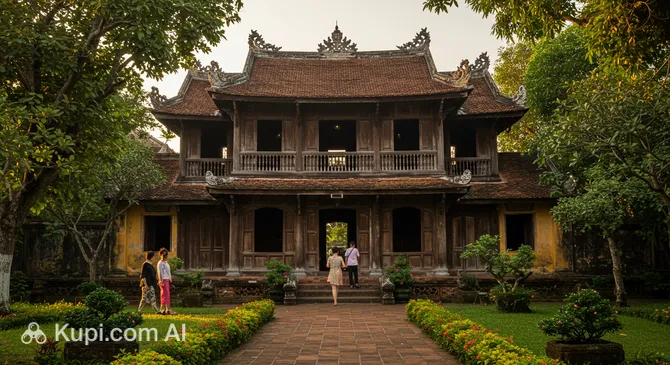
Binh Thuy Ancient House. Source: Kupi.Binoculars
  • The exquisite Binh Thuy Ancient House is not only a masterpiece of French and Vietnamese architectural fusion but also served as a key filming location for Jean-Jacques Annaud’s 1992 film "The Lover" (L'Amant), based on the famous novel by Marguerite Duras.

  • At the floating markets, vendors use a unique "silent" advertising system known as "Cay Beo." Instead of shouting to attract customers, they hang a sample of their produce—be it a watermelon or a bunch of bananas—high atop a bamboo pole, allowing buyers to spot what is for sale from hundreds of meters away.

  • The city is historically celebrated in a well-known Vietnamese couplet: "Can Tho, white rice, clear water – All who come wish never to leave." This saying underscores the region's incredible fertility and the captivating charm that has defined it for centuries.

  • Inside the Ong Pagoda, visitors are often struck by the sight of massive, spiral incense coils hanging from the ceiling; these can burn continuously for weeks, filling the air with a fragrant haze that adds to the temple's mystical and timeless atmosphere.

How to Get There

Reaching the heart of the Mekong Delta is relatively straightforward, with air travel being the fastest option for many visitors. For a detailed breakdown of routes and transportation methods, you can view all ways to reach the city on our dedicated page.

The most direct entry point is Can Tho Airport (VCA), which is conveniently located within the city limits. Situated just about 6 km from the center, this airport serves as a vital regional hub connecting the Mekong Delta with major Vietnamese cities like Hanoi and Da Nang, as well as select international destinations. The journey from the terminal to the downtown area is quick, taking approximately 30 minutes by taxi or shuttle bus.

Alternatively, many international travelers choose to fly into Tan Son Nhat International Airport (SGN) in Ho Chi Minh City. Although it is located about 131 km away, it is the busiest airport in Vietnam and offers a vast array of global connections. From Ho Chi Minh City, you can continue your journey to Can Tho by bus or private car, a trip that typically takes between 3.5 to 4 hours depending on traffic conditions.

For clarity, here is a summary of the main airports in the wider region:

Airport Name City Passenger Traffic Km from City
Tan Son Nhat International Airport Ho Chi Minh City Very High 130.9
Phu Quoc Airport Phu Quoc High 192.6
Phnom Penh International Airport Phnom Penh Medium 193.2
Can Tho Airport Can Tho Medium 5.8
Con Dao Con Dao Small 174.9

While Can Tho is not currently connected to the national railway network, the city is easily accessible by road. An extensive network of high-quality sleeper buses operates frequently between Ho Chi Minh City (departing from Mien Tay Bus Station) and Can Tho, making it a popular and affordable choice for both locals and tourists.

Main Attractions

Can Tho is not only a hub of commerce but also a custodian of the Mekong Delta's rich heritage. The city offers a fascinating array of cultural and historical sites that reflect the harmonious coexistence of the Kinh, Khmer, and Chinese communities. Visitors can explore grand temples, informative museums, and lush parks that provide a deeper understanding of the region's soul.

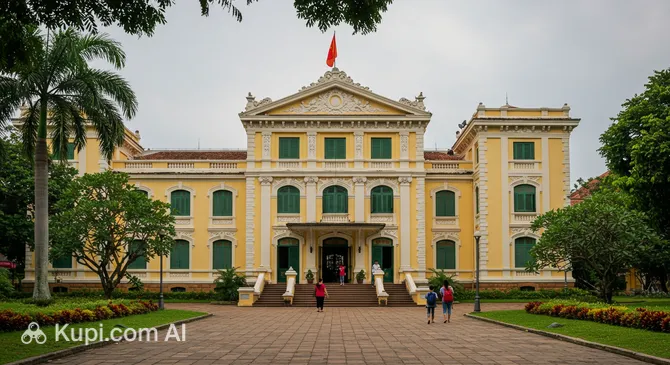
To gain a comprehensive insight into the local history, a visit to the Can Tho Museum is highly recommended. As the largest museum in the Mekong Delta, it features extensive exhibits showcasing the development of the region, from its geological formation to its cultural evolution. The displays include traditional costumes, agricultural tools, and artifacts that tell the stories of the diverse ethnic groups who have called this land home for centuries.

Can Tho Museum. Source: Kupi.Binoculars

For those interested in religious architecture, the Munirangsyaram Khmer Buddhist Temple is a striking landmark in the city center. This pagoda is a brilliant example of Khmer artistry, characterized by its golden stupa and intricate decorative details. It serves as an active place of worship and a spiritual center for the local Khmer community, offering a serene atmosphere where visitors can admire the craftsmanship and learn about Theravada Buddhism.

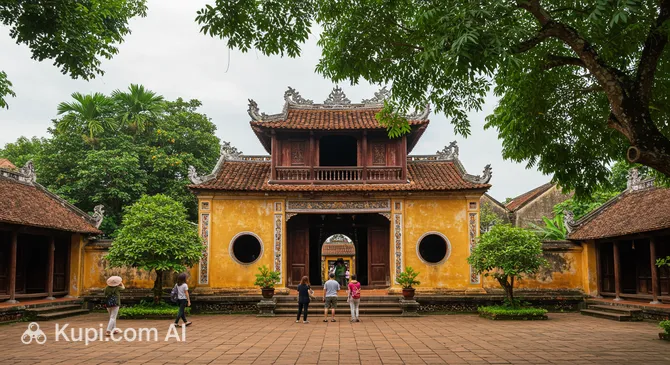
Another significant spiritual site is the Binh Thuy Temple, often referred to as the Long Tuyen Communal House. Distinct from the famous ancient house of the same name, this temple is dedicated to the village's tutelary gods and national heroes. The structure is a masterpiece of traditional Vietnamese architecture, boasting elaborate wood carvings and a curved roof adorned with mythical dragons, standing as a testament to the enduring spiritual life of the villagers.

Binh Thuy Temple. Source: Kupi.Binoculars

A more recent but equally impressive addition to the city's landscape is the Hung Kings Temple. This monumental complex pays homage to the legendary founders of the Vietnamese nation. With its grand scale, spacious grounds, and solemn design, it has quickly become a major destination for both worship and sightseeing, particularly during national festivals when it becomes the focal point of vibrant cultural celebrations.

Local Cuisine

Local Cuisine:

The culinary landscape of Can Tho is a vivid reflection of the Mekong Delta's abundance. Known as the "green basket" of Vietnam, the city offers a gastronomy deeply rooted in fresh river produce, aromatic herbs, and tropical fruits. Dining here is an immersion into a culture where water and land intertwine to create distinct, rustic flavors that are unique to the southern river region.

One dish that truly defines the local palate is Lau Mam (Fermented Fish Hotpot). This communal meal features a rich, pungent broth made from fermented fish, served with catfish, pork, and a massive platter of wild vegetables and herbs gathered from the riverbanks. Another signature snack is Banh Cong, a savory fried cake made from rice flour and mung beans, topped with a whole shrimp. These crispy delights are typically wrapped in fresh lettuce and herbs, then dipped in a sweet and sour fish sauce, offering a delightful contrast of textures.

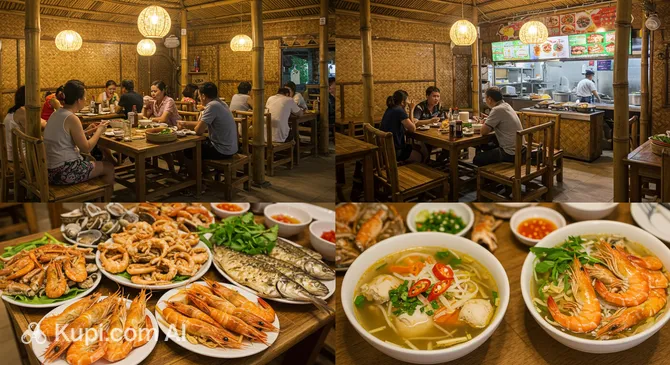
The city's dining scene ranges from humble street stalls to bustling open-air eateries. For seafood lovers, the freshness of the catch is unparalleled. A popular spot to experience this is the Can Tho Seafood Market – Dang Quan, where diners can enjoy a variety of local aquatic delicacies prepared in traditional styles. The atmosphere in such places is lively and casual, perfect for enjoying a meal with friends or family while soaking in the local vibe.

Can Tho Seafood Market – Dang Quan. Source: Kupi.Binoculars

When it comes to beverages, the options are refreshing and varied. During the hot days, locals cool down with Ca Phe Sua Da (Vietnamese iced coffee with condensed milk) or fresh coconut water straight from the groves. As the evening sets in, the city's nightlife offers a mix of traditional rice wine and modern mixology. Visitors can unwind at places like LEGI Cocktails & Dining, which provides a sophisticated setting to enjoy creative drinks after a day of exploration.

Travel Tips

Welcome to Can Tho, the friendly and vibrant hub of the Mekong Delta! To help you navigate the river waterways and bustling streets with ease, we have compiled a list of practical tips that will ensure your trip is as smooth and enjoyable as possible.

  1. Clothing and Gear: Given the tropical climate, pack lightweight, breathable fabrics like cotton or linen to stay cool. A sturdy pair of comfortable sandals or walking shoes is essential for exploring, while a raincoat or poncho is a must-have, especially during the rainy season (May to November). If you plan to visit religious sites like the Ong Pagoda or Munirangsyaram Temple, remember to dress modestly by covering your shoulders and knees.

  2. Transportation: Ride-hailing apps like Grab are extremely popular and convenient for getting around the city, offering both car and motorbike options at fixed prices. Traditional taxis (such as Mai Linh or Vinasun) are also reliable. For the quintessential Can Tho experience, you will need to rent a boat to visit the floating markets; you can negotiate prices directly at Ninh Kieu Wharf or book a tour through your hotel.

  3. Finances: The official currency is the Vietnamese Dong (VND). While credit cards are accepted in major hotels, upscale restaurants, and malls, cash is absolute king in local markets, street food stalls, and on the river boats. ATMs are widely available throughout the city. Tipping is not mandatory in Vietnam, but rounding up the bill or leaving a small amount is a kind gesture for good service.

  4. Health and Safety: Pharmacies are plentiful in Can Tho and easily recognizable by the "Nha Thuoc" sign, though few are open 24/7. Tap water is not safe to drink, so stick to bottled or filtered water. Since the city is surrounded by waterways, mosquitoes can be a nuisance; always carry and apply insect repellent, especially during dawn and dusk.

  5. Communication: Vietnamese is the primary language. While staff at hotels and tourist agencies usually speak English, it is less common among local market vendors and boat drivers. It is highly recommended to buy a local SIM card (Viettel or Vinaphone have good coverage) for internet access and to use translation apps like Google Translate, which can be a lifesaver for reading menus and basic communication.

  6. Local Etiquette: The locals in the Mekong Delta are known for their warmth and hospitality. When greeting someone, a smile and a slight nod are often sufficient. If you are invited into a local home or are entering a temple, always remember to remove your shoes at the entrance. When handing over money or a business card, use both hands to show respect.

  7. What to Avoid: Avoid public displays of anger or frustration, as causing someone to "lose face" is considered very impolite in Vietnamese culture. Also, refrain from touching anyone on the head, as it is regarded as the most sacred part of the body. When at the floating markets, ask for permission before taking close-up photos of the vendors.

  8. Early Bird Advantage: To see the famous Cai Rang Floating Market at its peak, you must wake up early. The market is most vibrant between 5:00 AM and 7:00 AM. Arriving later means missing the wholesale trading action and the best photo opportunities, so prepare for an early start!

By keeping these simple tips in mind, you will be well-prepared to embrace the laid-back rhythm of river life in Can Tho. We hope you have a fantastic time exploring the delicious food, friendly culture, and scenic waterways of this beautiful city!

Entertainment & Nightlife

While Can Tho is widely recognized for its early morning floating markets, the city transforms as the sun sets, offering a vibrant and engaging nightlife scene. The atmosphere here is generally more relaxed and approachable than in Vietnam's larger metropolises, yet there is plenty of energy to be found. The nightlife is heavily centered around the riverfront, where the cool breeze and twinkling lights create a pleasant backdrop for evening entertainment.

The heart of the action lies along the Ninh Kieu Wharf and the adjacent pedestrian bridge. This area comes alive at night with locals and tourists strolling along the promenade, enjoying street performances, and soaking in the views of the Hau River. Just a short walk away, the bustling night markets, often referred to as the Tay Do Night Market or Can Tho Night Market, offer a sensory overload of grilled food aromas, clothing stalls, and souvenir vendors. It is the perfect place to start an evening with a casual bite and some shopping.

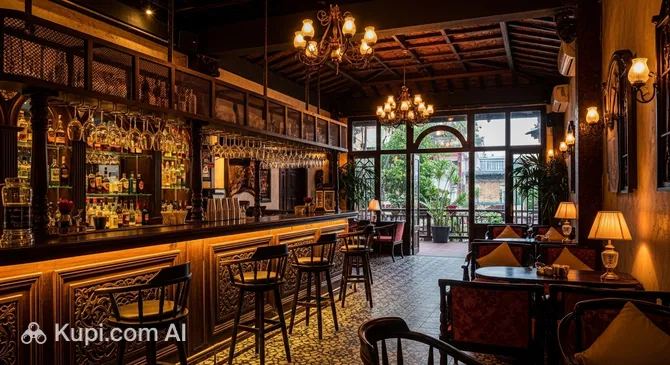
For those seeking a place to unwind with a drink, the city offers a variety of bars that cater to different tastes. Yang Ky Hamlet Bar is one such venue where visitors can enjoy a laid-back ambiance. It is a great spot to socialize with friends or meet fellow travelers while sampling a selection of beverages in a comfortable setting.

Yang Ky Hamlet Bar. Source: Kupi.Binoculars

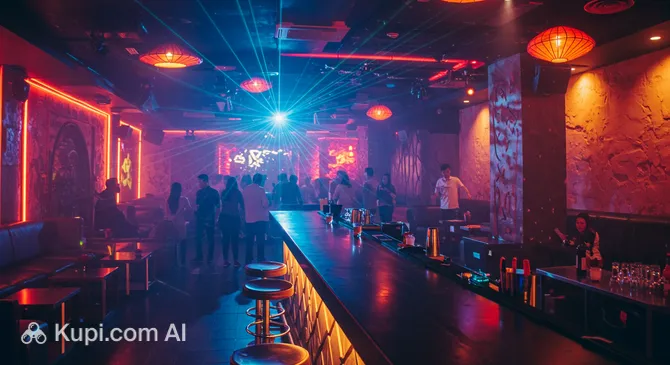
If you are looking for a more energetic experience or a place to dance, the city has several nightclubs and lounges. The Grand ANAN Hotel Nightclub is a popular destination for those who want to enjoy upbeat music and a lively crowd. These venues typically feature modern sound systems and DJs spinning a mix of international and local tracks, keeping the energy high until late.

The Grand ANAN Hotel Nightclub. Source: Kupi.Binoculars

Karaoke is an integral part of Vietnamese entertainment culture, and Can Tho is no exception. Visitors looking to immerse themselves in this local pastime can head to Karaoke Paradise. These establishments usually offer private rooms with extensive song lists, making it a fun and private activity for groups. It provides a glimpse into how locals celebrate and unwind after a long day.

Regarding practicalities, the dress code in Can Tho is predominantly casual. You will feel comfortable in shorts and a t-shirt at most bars and night markets, though a slightly smarter look is appropriate for nightclubs or upscale hotel lounges. Prices are generally very reasonable compared to Ho Chi Minh City or Hanoi. Most bars and cafes are busiest between 8:00 PM and 11:00 PM, while clubs may stay open later into the night.

Safety is generally not a major concern in the main tourist areas around the wharf, which remain well-lit and populated. However, it is always wise to stay aware of your surroundings and avoid unlit, quiet alleys late at night. Getting around is easy; ride-hailing apps like Grab are widely available and provide a safe, transparent way to book a car or motorbike taxi. Traditional taxis are also easy to flag down along the main roads.

Beyond the nightlife, Can Tho offers diverse daytime entertainment options that provide insight into the region's culture and history. History enthusiasts should visit the Military Zone 9 Museum, which displays weaponry and artifacts related to the country's military history. For a more relaxing afternoon, Luu Huu Phuoc Park serves as a green lung in the city center, ideal for a peaceful walk or watching locals practice sports. Additionally, the Western Cultural Park offers a spacious environment to enjoy the outdoors.

Parks & Museums

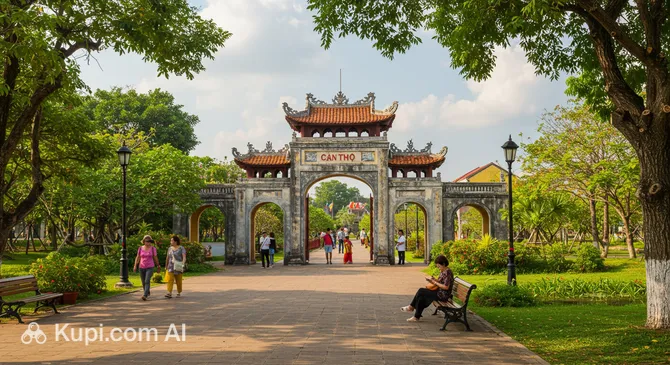
Can Tho is a city where urban energy meets the tranquility of nature, offering a refreshing balance of bustling streets and serene green spaces. Beyond its famous floating markets, the city takes pride in its well-maintained parks and cultural institutions that preserve the rich heritage of the Mekong Delta. Visitors will find plenty of opportunities to relax under the shade of ancient trees or delve into the fascinating history of the region through its museums.

One of the most prominent green lungs in the city center is Luu Huu Phuoc Park. Named after a famous Vietnamese composer, this park serves as a lively communal hub where locals gather from dawn till dusk. In the early morning, the atmosphere is vibrant with groups practicing tai chi, aerobics, and badminton, offering a glimpse into the healthy lifestyle of the residents. Its spacious paved areas and shaded walkways make it an excellent spot for a leisurely stroll or simply sitting on a bench to watch the world go by.

Luu Huu Phuoc Park. Source: Kupi.Binoculars

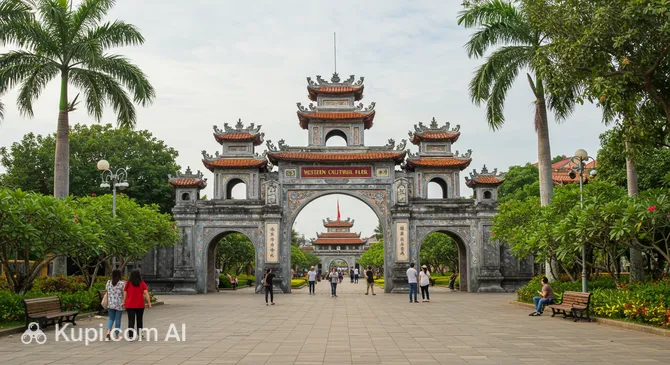
For a more expansive outdoor experience, the Western Cultural Park (Cong vien Van hoa Mien Tay) is a significant destination. This large recreational area is designed to reflect the cultural identity of the southwestern region, featuring lush landscaping, ornamental plants, and wide open spaces. It is a popular venue for local festivals and events, but on regular days, it provides a peaceful escape from the traffic, allowing visitors to enjoy the fresh air and greenery that defines the "green basket" of Vietnam.

Western Cultural Park. Source: Kupi.Binoculars

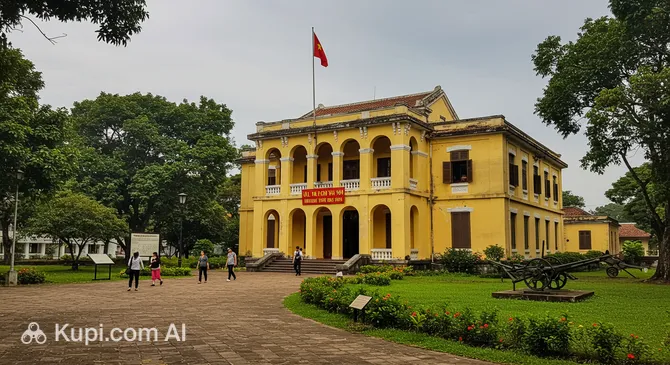
When it comes to understanding the region's turbulent yet heroic past, the Military Zone 9 Museum is a key institution. This museum offers a comprehensive look at the history of the resistance wars in the Mekong Delta. The outdoor exhibition area is particularly impressive, displaying a collection of large military hardware, including tanks, artillery, and aircraft used during the conflicts. Inside, visitors can explore galleries filled with photographs, maps, and artifacts that tell the stories of the soldiers and civilians who fought for the nation's independence.

Military Zone 9 Museum. Source: Kupi.Binoculars

While the Can Tho Museum stands as the largest and most general repository of local history and culture, those interested in architectural heritage should not miss the Binh Thuy Ancient House. Although it is a private residence, it functions much like a museum, preserving the lifestyle of a wealthy merchant family from the late 19th century. The house is a treasure trove of antiques, featuring intricate French-style tiles, traditional Vietnamese wood carvings, and a collection of rare ceramics that offer a tangible connection to the city's colonial-era past.

For a truly authentic experience, try visiting the parks around 5:30 AM or 5:00 PM. This is when the city truly comes alive with community spirit, and you might even be invited to join a local hacky sack game or a group dance session, providing a warm and memorable interaction with the friendly people of Can Tho.

Getting Around

Navigating Can Tho is a somewhat different experience compared to the bustling metropolises of the north and south. The city does not currently have a metro, tram, or train system. Instead, the public transport infrastructure relies primarily on a network of buses, though most visitors find that a combination of taxis, ride-hailing apps, and water transport offers the most convenient way to explore the area.

The local bus system has improved in recent years, with modern vehicles connecting the city center to outlying districts and neighboring provinces. These buses are typically equipped with air conditioning and are a very affordable option for getting around. However, routes and schedules can sometimes be confusing for non-locals, and stops may not always be clearly marked in English. If you choose to use the bus, it is helpful to have your destination written down in Vietnamese to show the driver or conductor.

For most tourists, the most practical and popular method of transportation is the taxi or ride-hailing service. Traditional taxi companies like Mai Linh and Khanh Cuong are reliable, strictly metered, and easy to flag down on major streets. Alternatively, the Grab app is widely used in the city for both car and motorbike taxis (GrabBike). Using the app is highly recommended for travelers as it overcomes language barriers by allowing you to set your destination and see the fixed price beforehand, eliminating the need for negotiation.

Given the city's location in the heart of the river delta, water transport is not just a tourist attraction but a vital part of daily life. While there are no formal "water buses" like in some other cities, an extensive system of ferries and small wooden boats (sampans) operates on the river and canals. To visit the floating markets or cross to the islets, you will need to hire a private boat or join a tour from Ninh Kieu Wharf. Prices for these trips should be negotiated in advance if you are hiring an independent boat owner.

Regarding payments, cash is the absolute standard for public transport in Can Tho. City buses require you to pay the conductor on board, usually a small fixed fare. Taxis accept cash, and while some may take credit cards, it is not guaranteed; Grab rides can be paid via the app if you have a linked card, or with cash. It is advisable to carry smaller denominations of the local currency, as drivers often do not have change for large bills.

For shorter distances, especially along the scenic riverfront, walking is a pleasant option. Additionally, many hotels and guesthouses offer bicycle rentals, which are perfect for exploring the quiet lanes of the surrounding villages and fruit orchards at your own pace. Whether by boat, bike, or car, getting around is generally relaxed and affordable, reflecting the laid-back nature of the region.

Accommodation

Where to Stay:

Accommodation in Can Tho caters to a wide spectrum of travelers, offering everything from authentic homestays tucked away in fruit orchards to modern high-rise hotels in the city center. The city has developed a reputation for hospitality that blends professional service with the warmth of the Mekong Delta culture. Whether you are a backpacker looking for a budget-friendly hostel or a luxury traveler seeking riverside elegance, you will find suitable options that provide a comfortable base for your river adventures.

For most visitors, the most convenient area to stay is around the Ninh Kieu Wharf and the city center. Staying here places you within walking distance of the night market, the pedestrian bridge, and the main boat terminals for floating market tours. This area is bustling with energy, cafes, and restaurants. Alternatively, those seeking tranquility might prefer the eco-resorts or homestays located on the islets or along the smaller canals on the outskirts, where you can wake up to the sounds of nature and the river.

Travelers looking for premium amenities and a central location often choose the Luxury Can Tho Hotel. This establishment is well-regarded for its extensive facilities and professional service, making it a reliable choice for both business and leisure guests who want to be close to the heart of the city's action.

Luxury Can Tho Hotel. Source: Kupi.Binoculars

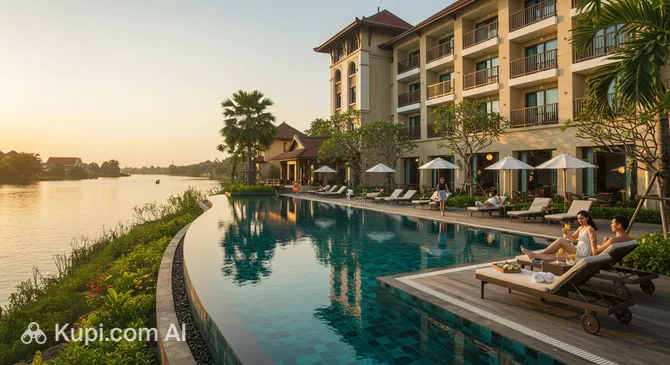
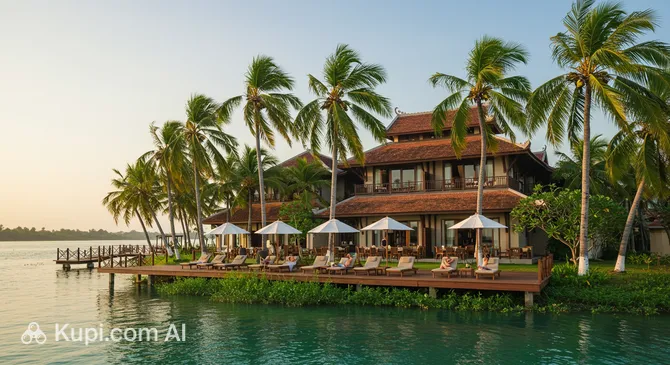
Another excellent option for a relaxing stay is the Can Tho Resort. Situated with access to the river's charm, this property offers a more spacious and resort-like atmosphere. It features lush gardens and architectural touches that reflect the local style, providing a peaceful retreat after a day of exploring the busy waterways.

Can Tho Resort. Source: Kupi.Binoculars

Booking Tip: If you plan to visit during the Lunar New Year (Tet) or the peak dry season (December to April), it is highly recommended to book your accommodation at least a few weeks in advance. Rooms with views of the Hau River are particularly sought after and tend to sell out quickly.

In terms of pricing, Can Tho is generally very affordable. Budget guesthouses and hostels can cost as little as $10 to $20 USD per night, while mid-range hotels typically fall between $30 and $60 USD. Even luxury options are reasonably priced compared to international standards, often starting around $80 USD. Booking is easy through major online travel platforms, though many smaller homestays also accept direct bookings via social media.

Nearby Cities

For those looking to explore the surroundings, Can Tho serves as an excellent base for day trips to several interesting nearby locations. The Mekong Delta is a tapestry of riverine towns, each with its own distinct character, offering travelers a chance to see different facets of life in southern Vietnam without venturing too far.

One of the most popular excursions is to Sa Dec, a charming town famous for its colonial architecture and vibrant horticulture. Known as the "Flower Capital" of the Delta, it is home to extensive flower nurseries that supply blooms to the entire country, particularly during the Lunar New Year. Visitors can also explore the historic Huynh Thuy Le Ancient House, the real-life setting behind Marguerite Duras's famous novel The Lover, making it a fascinating stop for history and literature enthusiasts.

For a deep dive into the region's cultural diversity, a trip to Soc Trang is highly recommended. This city has a significant Khmer population and is renowned for its magnificent religious sites, such as the Bat Pagoda and the Clay Pagoda. The architecture here is distinct, featuring intricate Khmer designs, and the town is also famous for its rich culinary heritage, including the savory "Bun Nuoc Leo" noodle soup.

Another worthwhile destination is Long Xuyen, the capital of An Giang Province. It offers a more laid-back and authentic atmosphere compared to the busier tourist hubs. The Long Xuyen Floating Market is a highlight for those seeking a less commercialized experience than Cai Rang, allowing visitors to observe the genuine daily trade of local merchants on the water.

City Population Distance (km)
Soc Trang 300,000 55
Long Xuyen 278,658 51
Rach Gia 250,660 72
Sa Dec 213,610 27
Cao Lanh 211,912 47

These nearby destinations offer a glimpse into the diverse culture and landscapes of the region, making them perfect additions to any itinerary centered around Can Tho.

Shopping & Souvenirs

Shopping:

Shopping in Can Tho offers a delightful mix of modern convenience and traditional charm, reflecting the city's status as the commercial hub of the Mekong Delta. While it may not boast the high-end luxury boutiques found in Ho Chi Minh City, the city provides an authentic experience where visitors can purchase everything from fresh tropical produce to handcrafted local souvenirs. The shopping scene here is vibrant and accessible, characterized by bustling open-air markets that contrast with the air-conditioned comfort of contemporary plazas.

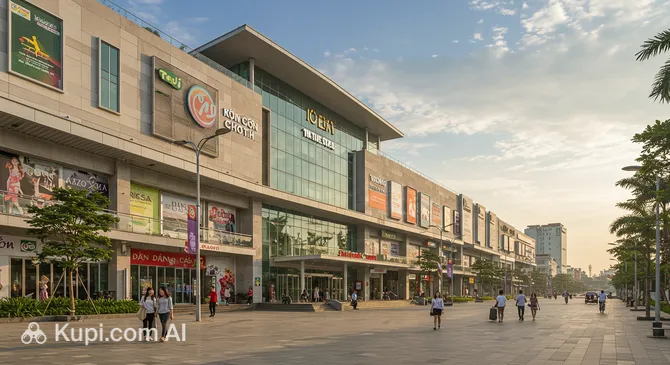
For those who prefer a modern retail environment, the city features several large shopping centers that rival those in bigger metropolises. Vincom Plaza is one of the most popular destinations, offering a wide range of international and domestic fashion brands, a cinema, and a food court. It serves as a one-stop destination for travelers needing travel essentials, clothing, or simply a break from the heat.

Another significant landmark is Xuân Khánh Plaza, located in the Ninh Kieu district. This complex combines a shopping mall, a hotel, and shophouses, providing an upscale atmosphere for shoppers. Here, you can find electronics, cosmetics, and supermarkets stocked with both local and imported goods. It is a great place to experience the modern side of Can Tho's development.

Xuân Khánh Plaza. Source: Kupi.Binoculars

However, the true heart of commerce in Can Tho beats in its traditional markets. The Can Tho Night Market (often referred to as Tay Do Night Market) and the nearby Ninh Kieu Night Market are essential stops for any visitor. Stretching along the riverfront, these markets come alive after sunset, offering rows of stalls selling clothing, accessories, and handicrafts. They are bustling, noisy, and colorful, providing a perfect backdrop for practicing your bargaining skills.

When searching for souvenirs, the best items to bring back are those that represent the agricultural richness of the region. Can Tho is famous for its luscious tropical fruits, such as pomelos, mangoes, and durians, which can be bought fresh at the floating markets or fruit stalls. Other popular gifts include rice paper, fermented fish delicacies (for the adventurous foodie), and handicrafts made from coconut shells or water hyacinth, which support local artisans.

Store hours in Can Tho generally follow a standard pattern. Shopping malls and supermarkets typically open from 9:00 AM to 10:00 PM. Traditional street shops may close a bit earlier, around 9:00 PM, while the night markets usually operate from 6:00 PM until late. Regarding payment, cash is still the preferred method at markets, street stalls, and smaller shops. While credit cards are widely accepted at malls like Vincom and Xuan Khanh, it is advisable to carry Vietnamese Dong (VND) for most daily transactions.

Tax-free shopping is not widely established in Can Tho compared to Vietnam's major international gateways. While some large chain stores in the malls might offer VAT refund forms for eligible purchases, the actual refund counters are typically located at international airports like Tan Son Nhat in Ho Chi Minh City. It is best to check with the specific store staff if you are making a significant purchase.

Reached the end of the page?

That means the route is fully explored