Support

Con Dao

About

Con Dao is a captivating archipelago of 16 mostly uninhabited islands that offers a serene escape from the bustling mainland. Renowned for its striking natural beauty, this destination is a haven for travelers seeking pristine landscapes, fresh air, and a quiet, relaxed atmosphere far removed from mass tourism.
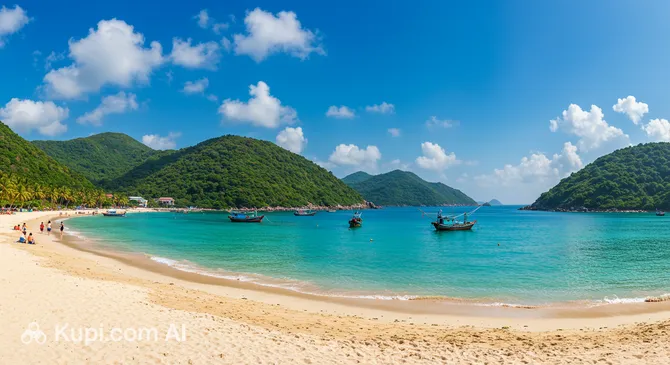
Con Dao. Source: Kupi.Binoculars

Located off the southeastern coast of Vietnam, within the **Ba Ria-Vung Tau Province**, the islands are characterized by rugged granite cliffs, lush rainforests, and crystal-clear waters. With a modest population of approximately **6,000 residents**, the main island, Con Son, maintains a charming small-town feel that allows visitors to truly unwind and connect with nature without the crowds found in larger cities.

Beyond its scenic allure, the islands hold a profound place in the nation's memory. Visitors interested in the past can explore the history of Con Dao, which adds a layer of depth to the travel experience, transforming a simple beach holiday into a meaningful journey. Today, the area is largely protected as part of the **Con Dao National Park**, a vital conservation area that safeguards the region's unique ecosystem.

Nature enthusiasts will be delighted by the biodiversity found here. The archipelago is one of the few places in the region where you can watch **sea turtles** nesting on the beaches during the breeding season. Additionally, the surrounding coral reefs offer exceptional diving and snorkeling opportunities, while secluded spots like **Dam Trau Beach** provide perfect settings for sunbathing and swimming near the airport.

Whether you are looking to explore dense jungles, dive into turquoise waters, or simply enjoy the tranquility of a remote island paradise, Con Dao is a destination that promises an unforgettable experience. It is the perfect retreat for those looking to discover a quieter, wilder side of the country.
Weather Overview

The climate in this archipelago is typically tropical, featuring warm temperatures year-round and two distinct seasons. Generally, visitors can expect average temperatures to stay between 25°C and 28°C, creating a comfortable environment for exploration. For a comprehensive forecast and monthly breakdowns, it is helpful to consult the guide on the weather in Con Dao while planning your itinerary.

The dry season, occurring roughly from January to March, is often considered the best time to visit. During these months, precipitation is extremely low, with February and March frequently recording almost no rainfall and very few wet days. Temperatures are pleasant, averaging around 25°C to 26°C, making it perfect for enjoying the beaches and outdoor activities under sunny skies.

From May through October, the region enters its wet season. While the weather remains warm with average highs reaching nearly 29°C in May, the frequency of rain increases significantly, with some months experiencing up to 28 wet days. Despite the higher chance of showers, this period keeps the islands lush and vibrant, though travelers should be prepared for humid conditions and frequent spells of rain.

Interesting Facts

Beyond the main attractions, Con Dao holds many fascinating secrets that reveal its deep historical layers and unique ecological significance. This archipelago is not just a beach destination; it is a place where rare wildlife thrives and where centuries of history—from ancient traders to colonial powers—have left their mark.
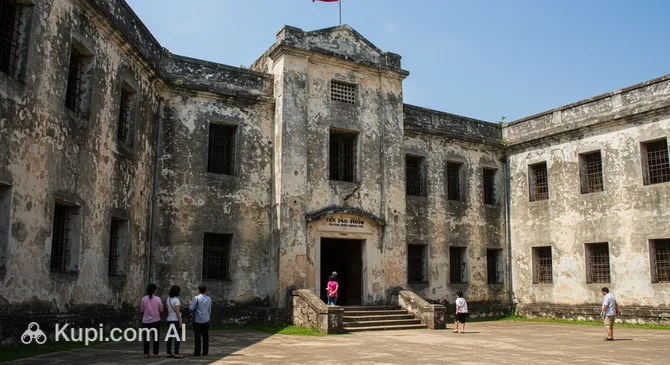
Con Dao Prison. Source: Kupi.Binoculars
  • A British Settlement Attempt: Long before the French colonial period, the British East India Company established a fortified settlement on the main island in 1702. Known then as Pulo Condore, the outpost was intended to be a strategic stopover for ships trading between India and China, but it was destroyed just three years later.

  • Home of the "Mermaids": The waters surrounding the islands are one of the very few places in Vietnam where you can still spot the dugong, or sea cow. These rare, gentle marine mammals, which graze on seagrass beds, are believed to be the origin of ancient mermaid legends and are strictly protected here.

  • The Secret "Tiger Cages": The notorious Con Dao Prison complex contained a secret section known as the "Tiger Cages," which were hidden so effectively that they remained unknown to the outside world for decades. They were only exposed in 1970 when a visiting congressional delegation deviated from the planned tour map.

  • A Thrilling Beach Experience: Dam Trau Beach offers a unique spectacle for sunbathers that rivals famous spots in the Caribbean. Because the airport's runway ends just meters from the shoreline, commercial planes fly incredibly low over the beach during landing, creating a breathtaking photo opportunity for visitors.

  • Pier 914: The historic pier in front of the town is named "914" not as a random code, but as a somber memorial. It is widely believed that 914 prisoners lost their lives during its construction, serving as a poignant reminder of the island's difficult past.

How to Get There

Reaching this remote archipelago is an integral part of the adventure, offering travelers a chance to disconnect from the mainland. While the islands feel secluded, they are accessible by both air and sea. For a detailed breakdown of routes and schedules, you can read more about how to get to Con Dao to plan your trip effectively.

The most direct and convenient way to arrive is by flying into Con Dao Airport (VCS). Situated on the main island, this regional hub is located just 4.2 km from the town center. It is a small airport handling approximately 450,000 passengers annually, ensuring a quick and stress-free arrival. A taxi or shuttle ride to most hotels and resorts on the island takes only about 10 to 15 minutes.

For international travelers, the primary gateway is Tan Son Nhat International Airport (SGN) in Ho Chi Minh City. This major transport hub is located approximately 234 km from Con Dao. From here, visitors typically catch a connecting domestic flight to the island. If traveling by land to a ferry terminal, the journey takes significantly longer; the approximate travel time by road to the coast plus transfer is roughly 6 hours.

Another option for those exploring the Mekong Delta is Can Tho Airport (VCA), located in the city of Can Tho, about 182 km from the archipelago. This airport serves around 1.3 million passengers per year. Traveling from this region involves a combination of road and boat transport, with an estimated travel time of about 5 hours.

For clarity, here is a summary of the main airports:

Airport Name City Passenger Traffic Km from City
Tan Son Nhat International Airport Ho Chi Minh City Very High 234.3
Can Tho Airport Can Tho Medium 182.2
Con Dao Con Dao Small 4.2

Besides air travel, many visitors choose to reach the islands by high-speed boat. Ferries depart regularly from Vung Tau, Soc Trang, and Can Tho, offering a scenic voyage across the sea. The journey time varies depending on the departure point, ranging from 2.5 to 4 hours, and provides a unique perspective of Vietnam's coastal beauty.

Main Attractions

While the archipelago is celebrated for its pristine beaches, its historical landmarks offer a profound glimpse into the region's past. The most prominent site is the Con Dao Prison. Once a large detention complex established during the colonial era, it has been preserved as a special national monument. Visitors can tour the grounds to view the cells and learn about the lives of the prisoners who were held here, making it a moving and educational experience that honors the resilience of those detained.

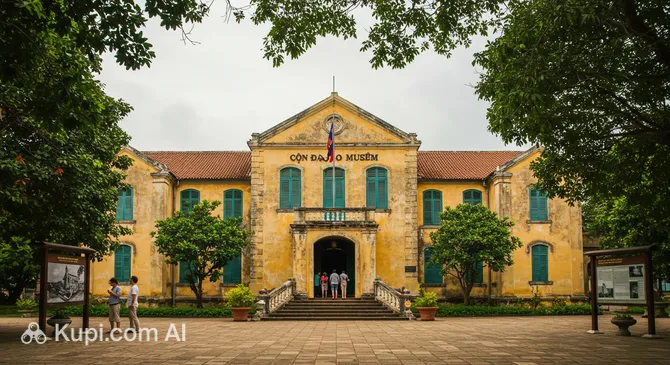
For a deeper understanding of the island's heritage, a visit to the Con Dao Museum is essential. This modern facility houses a comprehensive collection of artifacts, photographs, and documents that chronicle the archipelago's timeline, from its natural formation and biodiversity to its role in history. The exhibits are well-curated, providing valuable context that helps travelers appreciate the unique identity of the islands beyond their scenic beauty.

Con Dao Museum. Source: Kupi.Binoculars

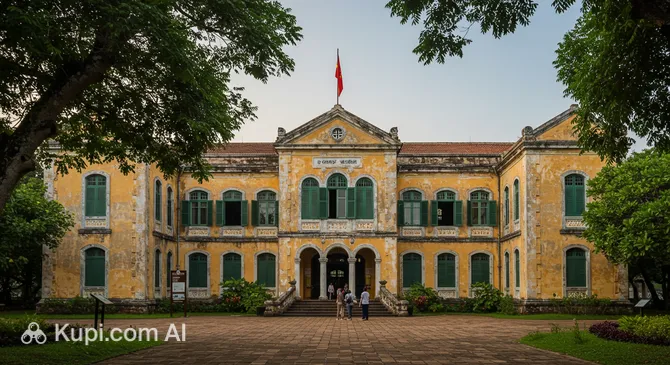
Another significant architectural highlight is the Con Dao Island Governor's Palace. This imposing colonial-style mansion served as the residence and workplace for the island's governors for over a century. Today, it stands as a preserved site where tourists can walk through the grand halls and living quarters, observing the stark contrast between the lavish lifestyle of the former administrators and the harsh reality of the penal system they oversaw.

Con Dao Island Governor's Palace. Source: Kupi.Binoculars

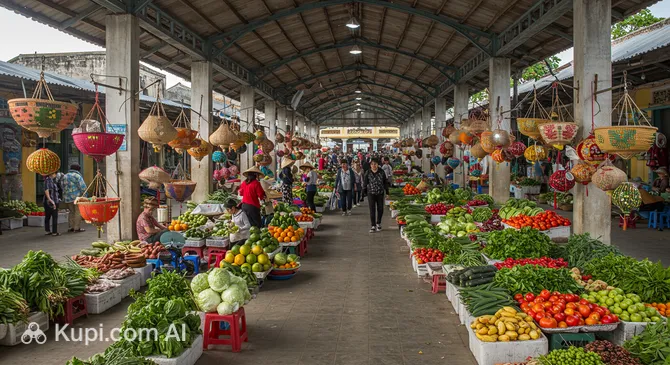
To experience the vibrant local culture and daily rhythm of the town, travelers should head to the Con Dao Market. Located in the center of town, this bustling marketplace is the best place to find fresh seafood, tropical fruits, and regional specialties. It is particularly famous for hat bang (tropical almond seeds), a unique local snack. The market offers a friendly atmosphere where visitors can interact with residents and pick up authentic souvenirs.

Con Dao Market. Source: Kupi.Binoculars

Local Cuisine

The culinary scene in Con Dao is a delightful reflection of its island geography, heavily centered around fresh seafood caught daily by local fishermen. The ocean-to-table experience here is authentic and unpretentious, with ingredients that are renowned for their quality and sweetness. Travelers can expect a feast of crab, shrimp, squid, and snails, often prepared with simple seasonings like chili, salt, and lime to let the natural flavors shine.

One of the most famous specialties you must try is the "Moon Crab" (Cua Mat Trang). Named for the distinctive round red spots on its shell, this crab is prized for its firm, sweet meat and is typically steamed or grilled. Another local favorite is the "Vu Nang" snail, a pyramid-shaped shellfish that can be boiled, grilled with scallion oil, or mixed into salads. For a comforting meal, oyster porridge (Chao Hau) is a popular choice, offering a rich and savory taste that is perfect for breakfast or a late-night supper.

A unique gastronomic feature of the archipelago is mut hat bang, or tropical almond seeds. Harvested from the ancient trees that line the island's streets, these seeds are roasted and seasoned with either salt or sugar/ginger. They have a nutty, buttery flavor and are the quintessential snack of Con Dao, making for a perfect souvenir to bring home.

When it comes to dining venues, the island offers a mix of humble street stalls and charming eateries. For a truly immersive experience, a visit to the Con Dao Market is essential. Here, you can wander through stalls selling ready-to-eat local snacks and observe the daily life of the islanders. In the evenings, the area around the market often becomes lively with vendors grilling seafood right on the street.

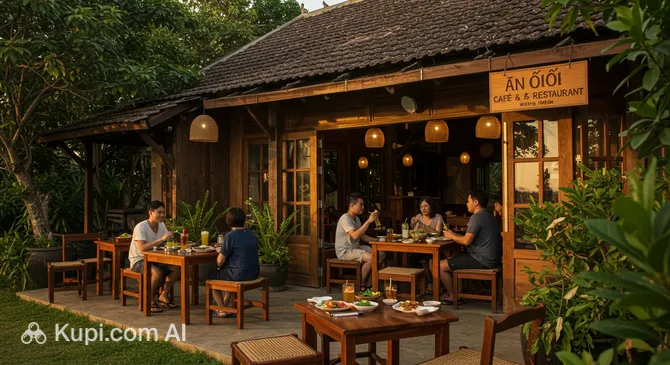
An Oi Cafe & Restaurant. Source: Kupi.Binoculars

For those seeking a relaxed atmosphere with a blend of traditional and modern flavors, An Oi Cafe & Restaurant is a notable spot. It provides a cozy setting to enjoy Vietnamese staples and refreshing drinks after a day of exploration. Speaking of drinks, no trip is complete without sipping on fresh coconut water right from the shell, or enjoying a strong Vietnamese iced coffee (Ca phe sua da) while watching the waves.

Travel Tips

Welcome to Con Dao! To help you make the most of your journey to this remote and historically significant archipelago, we have compiled some essential practical advice to ensure a smooth and respectful experience. These tips will help you navigate island life, from handling finances in a small town to respecting local customs at spiritual sites.

  1. Clothing and Gear: Given the tropical climate, pack lightweight, breathable fabrics like cotton or linen to stay cool. However, Con Dao is a place of deep spiritual significance for locals; therefore, modest clothing covering your shoulders and knees is mandatory when visiting temples, pagodas, and especially the Hang Duong Cemetery. Don't forget high-SPF sunscreen, a hat, and strong insect repellent, as sandflies and mosquitoes can be common near the jungle and quieter beaches.

  2. Transportation: There is no public bus system on the islands. The most popular way to explore is by renting a motorbike, which gives you the freedom to reach secluded spots at your own pace. If you are not comfortable driving, electric buggies and taxis are available and are perfect for groups. Bicycles are also a pleasant option for getting around the flat roads of Con Son town.

  3. Finances: The local currency is the Vietnamese Dong (VND). While high-end resorts and some larger restaurants accept credit cards, cash is absolute king here. Small local eateries, markets, and street vendors will only take cash. There are a few ATMs in the town center, but they can occasionally run out of money or experience technical issues, so it is highly recommended to bring a sufficient amount of cash from the mainland.

  4. Health and Safety: Medical facilities on the island are limited to a basic district medical center and small pharmacies in town. For serious health issues, evacuation to the mainland would be necessary, so travel insurance is essential. The island is generally very safe, but be cautious of strong ocean currents when swimming at unmanned beaches and watch out for sandflies, whose bites can be itchy for days.

  5. Communication: Vietnamese is the primary language. Staff at hotels and tour agencies usually speak English, but communication may be harder at local markets or small street stalls. It is helpful to have a translation app downloaded on your phone. 4G coverage is generally good in the main town but can be spotty in remote areas of the National Park; buying a SIM card (Viettel is often most reliable here) at the airport or on the mainland before arrival is a good idea.

  6. Local Etiquette: Con Dao is not just a beach destination; it is a pilgrimage site for many Vietnamese paying respects to national heroes. Maintain a respectful, quiet demeanor, especially when visiting the Prison Museum or cemeteries. Always remove your shoes when entering accommodation, private homes, or places of worship.

  7. What to Avoid: Do not wear skimpy swimwear anywhere other than the beach; walking around town in a bikini is considered offensive. strictly avoid touching or damaging coral reefs and disturbing wildlife, such as sea turtles; the ecosystem is part of a protected National Park, and conservation is taken very seriously.

  8. Midnight Pilgrimage: A unique aspect of Con Dao is that the Hang Duong Cemetery is busiest at night. It is a local tradition to visit the grave of the heroine Vo Thi Sau around midnight to offer incense and flowers. If you choose to participate or observe, dress formally and maintain absolute silence to respect the solemnity of the ritual.

By keeping these practical tips in mind, you will be well-prepared to embrace the serene rhythm of Con Dao. We hope you have a safe, meaningful, and unforgettable adventure exploring this beautiful corner of Vietnam!

Entertainment & Nightlife

Unlike the bustling party scenes found in Vietnam's larger cities, the nightlife in Con Dao is defined by tranquility and relaxation. Visitors will not find loud nightclubs, neon-lit discos, or energetic dance floors here. Instead, the evening atmosphere is laid-back and intimate, centered around enjoying the cool ocean breeze, sipping cocktails by the beach, and savoring fresh seafood under the stars. The island goes to sleep relatively early, making it an ideal destination for those seeking a peaceful retreat rather than a wild night out.

The hub of evening activity is concentrated in Con Son Town, particularly along the seafront promenade on Ton Duc Thang Street. This scenic stretch offers beautiful views of the ocean and is lined with a selection of small cafes, local eateries, and hotel bars. It is the perfect place for a leisurely evening stroll, where you can watch the fishing boats bobbing in the harbor while enjoying the gentle rhythm of island life. The crowd is mostly a mix of couples, families, and solo travelers looking to unwind after a day of exploration.

For a taste of local vibrancy, the Con Dao Market is a must-visit spot as the sun goes down. While it is a center of commerce during the day, the surrounding area often comes alive in the evening with street food vendors serving grilled seafood and local snacks. It offers a rustic and authentic atmosphere where you can mingle with locals and enjoy an affordable, casual dinner in the open air.

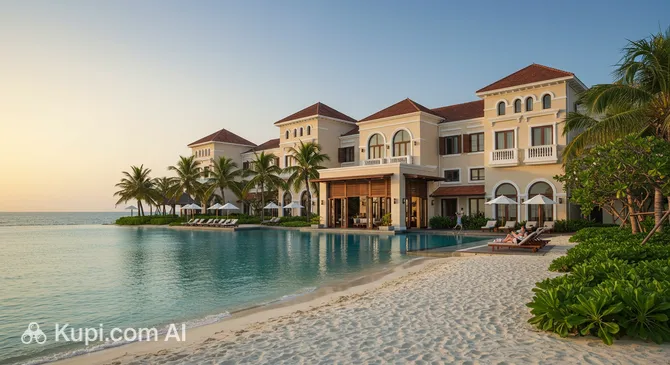
Travelers looking for a more refined setting to enjoy a drink should visit the Con Dao Resort. Located right on the beachfront, this venue provides a serene environment to watch the sunset with a cold beverage in hand. It is a popular spot for visitors to relax in comfort, listening to the sound of the waves crashing against the shore.

Con Dao Resort. Source: Kupi.Binoculars

Another excellent option for a cozy evening is the An Oi Cafe & Restaurant. Known for its nostalgic decor and welcoming ambiance, it attracts a diverse crowd of travelers. It is a great place to linger over a Vietnamese coffee or a fruit juice, chat with fellow tourists, and soak in the vintage charm of the establishment. The dress code across the island is casual; shorts and t-shirts are perfectly acceptable everywhere.

When planning your night out, keep in mind that most venues close early, typically around 10:00 PM or 11:00 PM. Prices are generally reasonable, though slightly higher than on the mainland due to transportation costs. The town is very safe for night walks, but street lighting can be dim in areas away from the main promenade, so carrying a flashlight or using your phone light is advisable. Taxis are available but can be scarce late at night, so it is best to ask your restaurant or hotel to call one for you if needed.

Regarding daytime entertainment, Con Dao does not feature amusement parks, cinemas, or large theaters. The primary "entertainment" here is deeply rooted in nature and history. Visitors spend their days exploring the poignant museums and historical sites or immersing themselves in the stunning natural beauty of the National Park. The island offers a raw, authentic experience where the main attractions are the pristine beaches, the jungle trails, and the compelling stories of the past.

Parks & Museums

Con Dao is a destination defined by a powerful duality: it is a place of breathtaking ecological diversity and profound historical weight. For travelers, this means the opportunity to explore pristine wilderness areas protected within a national park, while also engaging with a collection of museums and heritage sites that preserve the island's complex and often somber past. The town and its surroundings offer a unique blend of green spaces and cultural landmarks that are essential for understanding the true character of the archipelago.

The crown jewel of the island's natural landscape is Con Dao National Park. Covering a vast majority of the archipelago's land and sea area, this protected zone is recognized as a Ramsar site of international importance. It offers nature lovers a chance to trek through dense tropical rainforests that are home to rare species like the black giant squirrel and the bow-fingered gecko. Visitors can explore various eco-trails, such as the path leading to Ong Dung Beach, where the jungle meets the ocean in a secluded, stony bay. The park is not just a green lung; it is a sanctuary for marine life, including sea turtles and dugongs, making it a world-class destination for eco-tourism.

For those looking to delve into the cultural and historical narrative of the region, the Con Dao Museum is the ideal starting point. Located near the seafront, this modern facility provides a comprehensive overview of the island's timeline. Its galleries display over 2,000 artifacts and photographs that trace everything from the archipelago's geological formation to its role during the colonial and war eras. It is particularly interesting for its detailed exhibits on the daily lives of former prisoners and the island's development, offering context that enriches the experience of visiting other historical sites.

No visit to Con Dao is complete without witnessing the Con Dao Prison. Often referred to as a museum of war crimes or a historical relic, this sprawling complex is a stark reminder of the island's history as a penal colony. Tourists can walk through the preserved cell blocks, including the infamous "Tiger Cages," to gain a visceral understanding of the harsh conditions endured by detainees. It is a solemn and moving site that honors the resilience of the human spirit and serves as a major pilgrimage destination for Vietnamese visitors paying their respects.

Another significant landmark is the Con Dao Island Governor's Palace. Built in the late 19th century, this massive colonial mansion sits amidst spacious grounds and offers a glimpse into the administrative side of the island's past. The museum within the palace showcases the living quarters and workspaces of the 53 island governors who resided here over a span of 113 years. The architecture itself is impressive, and the exhibits highlight the stark contrast between the luxurious lives of the rulers and the brutal reality of the prison system they oversaw.

For a lesser-known cultural experience, consider trekking to the Ma Thien Lanh Bridge. This historical ruin is located in the middle of the jungle and was an unfinished construction project built by prisoners who were forced to carry stones from the mountains. The hike there offers a quiet, atmospheric journey through the forest, combining nature with a silent testament to the island's labor history, far away from the main tour groups.

Getting Around

Travelers planning a visit to Con Dao should be aware that the public transport infrastructure differs significantly from large metropolitan areas. Due to the small size of the island and its relatively low population, there is no public bus system, metro, tram, or train service available. The concept of scheduled public transportation routes does not exist here, so visitors must rely on alternative methods to navigate the archipelago.

The most common form of shared transport that resembles a public service is the electric buggy (locally known as xe điện). These eco-friendly open-air shuttles operate somewhat like taxis but are larger and often used by groups or families. They are run by a few specific companies and can be flagged down on the street or booked via your hotel. While they do not follow a fixed schedule or route map, they are a popular, breezy way to travel between the town center, resorts, and nearby beaches.

Regarding payment, there are no travel passes, smart cards, or mobile transport apps like those found in major capital cities. The system is entirely cash-based. Whether you are taking a taxi or an electric buggy, you will pay the driver directly in local currency at the end of the trip. Prices for electric buggies are usually calculated per kilometer or per hour, while standard taxis use a meter. It is advisable to carry small denominations of cash, as drivers may not always have change for large bills.

For those who prefer independence, motorbike rental is the most popular way to get around. Rental shops and hotels offer automatic and semi-automatic scooters for approximately 100,000 to 150,000 VND per day. This option offers the freedom to explore remote coastal roads and hidden trails at your own pace. Bicycles are also widely available and are perfect for leisurely rides around the flat terrain of the main town and the immediate coastline.

Standard taxis are readily available, primarily concentrated around the airport and the central town area. They are reliable and safe, making them a good choice for evening trips or airport transfers. Ride-hailing apps are generally not operational or have very limited availability on the island, so it is best to rely on your hotel receptionist to call a cab or to find one at a designated stand.

A crucial piece of practical advice for renters is to manage fuel carefully. There are very few gas stations on the island, and they do not operate 24 hours a day. It is recommended to fill up your tank in the morning before setting out on long excursions to the northern or western parts of the island, where services are non-existent. Always wear a helmet, as it is required by law, and drive cautiously, watching out for wildlife crossing the quiet roads.

Accommodation

Where to Stay:

Accommodation in Con Dao has evolved significantly in recent years, shifting from a limited selection of government-run guesthouses to a diverse mix of options catering to various budgets. Today, visitors can find everything from affordable family-run homestays and comfortable mid-range hotels to some of the most exclusive and luxurious beach resorts in Vietnam. Despite this growth, the island maintains a peaceful, low-density atmosphere, avoiding the overcrowding seen in other major tourist hubs.

The majority of accommodation is concentrated in Con Son Town, particularly along the streets that run parallel to the coastline. Staying in this area is highly convenient for travelers who want easy access to the main historical sites, the local market, and a variety of dining options. For those seeking seclusion and high-end amenities, luxury resorts are typically located on private beaches just outside the town center or on neighboring bays, offering complete privacy and direct access to the ocean.

Among the well-known establishments on the island is the Con Dao Resort. Situated on An Hai Beach, it is a popular choice for travelers looking for a blend of comfort and location. This property features a range of rooms and bungalows set within lush gardens, providing guests with a classic resort experience that includes a swimming pool and immediate access to the sand, all while being just a short distance from the town center.

Booking Tip: Since the number of rooms on the island is still relatively limited compared to mainland destinations, it is strongly recommended to book your accommodation well in advance. This is especially critical if you plan to visit during weekends, public holidays, or the peak dry season, as the best-rated hotels and affordable guesthouses tend to fill up very quickly.

In terms of pricing, options generally fall into three categories. Budget travelers can find clean and friendly homestays or mini-hotels in town for reasonable rates. Mid-range options offer modern amenities and sea views at a moderate price point. On the other end of the spectrum, the island's luxury resorts command premium prices but deliver world-class service and facilities. While major booking platforms are widely used, some smaller, family-owned guesthouses may prefer direct contact via phone or messaging apps and often require cash payment upon arrival.

Nearby Cities

For those looking to explore the surroundings, Con Dao serves as an excellent base for day trips to several interesting nearby locations:

City Population Distance (km)
Can Tho 1,237,300 176
Ca Mau 315,270 163
Soc Trang 300,000 122
Bac Lieu 240,045 118
Vinh Long 200,120 185

Soc Trang is often the first point of contact on the mainland for those traveling by high-speed ferry. This province is renowned for its rich Khmer culture and unique architecture. Visitors can explore the magnificent Bat Pagoda, home to thousands of fruit bats, or the Clay Pagoda, famous for its intricate sculptures and candles that have burned for decades. It provides a colorful cultural contrast to the quiet nature of the islands.

Located a bit further inland, Can Tho is the vibrant heart of the Mekong Delta. It is famous for the Cai Rang Floating Market, the largest of its kind in the region, where hundreds of boats trade fresh produce on the river every morning. The city offers a lively atmosphere with fruit orchards, riverside boulevards, and delicious southern Vietnamese cuisine, making it a perfect spot for a short visit to experience river life.

Bac Lieu is another fascinating destination nearby, known for its blend of Chinese, Khmer, and Vietnamese influences. It is celebrated for the legend of the "Prince of Bac Lieu," a wealthy playboy of the colonial era whose opulent mansion is now a museum. The province is also home to vast coastal wind farms and bird sanctuaries, offering a mix of history and eco-tourism opportunities.

These nearby destinations offer a glimpse into the diverse culture and landscapes of the region.

Shopping & Souvenirs

Shopping in Con Dao is a relaxed and modest experience, reflecting the peaceful nature of this remote archipelago. Visitors should not expect bustling shopping malls, high-end fashion boutiques, or sprawling commercial centers. Instead, the retail scene is centered around small, family-run shops and local markets that cater primarily to the daily needs of residents and the souvenir interests of tourists. The charm lies in finding authentic local products rather than international luxury goods.

The main shopping activity is concentrated in Con Son Town, particularly along the central streets near the seafront. Here, travelers can find a variety of convenience stores, small grocery shops, and stalls selling beach essentials like hats, sunglasses, and swimwear. These streets are perfect for a casual stroll, allowing visitors to pick up supplies or browse for simple handicrafts while enjoying the small-town atmosphere.

There are no large shopping malls or department stores on the islands. The retail environment is strictly traditional, with standalone storefronts and open-air vendors. This absence of commercial development helps preserve the island's rustic appeal, ensuring that the focus remains on the natural environment and local culture rather than mass consumption.

The heartbeat of the island's commerce is undoubtedly the Con Dao Market. Located in the center of town, this lively spot is divided into sections for fresh produce, seafood, and dry goods. It is the best place to observe local life, especially in the early morning when fishermen bring in their catch. For tourists, the dry goods section is particularly interesting, offering a range of local specialties that make for excellent gifts.

When searching for souvenirs, the most iconic item to bring home is mut hat bang, or tropical almond seeds. Harvested from the ancient trees that line the island's historic streets, these seeds are roasted and flavored with salt or sugar and ginger, offering a unique nutty taste found nowhere else in Vietnam. Other popular purchases include high-quality dried seafood, such as squid and fish, which are local staples known for their freshness and flavor.

Most shops and market stalls operate from early morning, around 7:00 AM, until late evening, typically closing by 9:00 PM or 10:00 PM. Payment is almost exclusively in cash (Vietnamese Dong). While a few hotels and larger restaurants may accept credit cards, market vendors and small shop owners do not. It is highly advisable to carry sufficient cash when going shopping. Tax-free shopping or VAT refunds are generally not available on the island, as the retail infrastructure is designed for local trade rather than international tourism.

Reached the end of the page?

That means the route is fully explored