Support

Phu Quoc

About

Welcome to Phu Quoc, often celebrated as the "Pearl Island" for its stunning natural beauty and serene atmosphere. As the largest island in Vietnam, this destination offers a perfect blend of relaxation and adventure for travelers seeking a tropical escape. Its laid-back vibe, combined with luxurious resorts and untouched nature, makes it a premier choice for a vacation.

Located in the Gulf of Thailand within Kien Giang Province, the island is home to a population of approximately 70,000 residents. Its geography is defined by lush mountains, dense tropical forests, and a coastline dotted with pristine beaches. The warm, consistent climate ensures that it remains an attractive destination year-round for sun-seekers and nature enthusiasts alike.
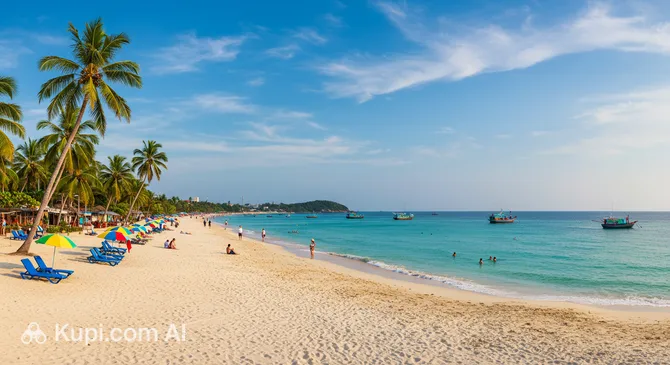
Phu Quoc. Source: Kupi.Binoculars

Beyond its scenic landscapes, the island has a fascinating past. You can explore the history of Phu Quoc to understand how it evolved from a humble fishing community into a world-class tourism hub. The local culture is deeply connected to the sea, evident in its bustling fishing villages and traditional markets where daily life remains vibrant and authentic.

Visitors are spoiled for choice with unique attractions. Phu Quoc National Park covers a significant portion of the island, offering incredible trekking opportunities through a UNESCO-recognized biosphere reserve. The island is also globally renowned for producing high-quality fish sauce and aromatic pepper; touring these local farms provides a unique glimpse into traditional island industries. Of course, the powdery white sands of Sao Beach remain a highlight for many, offering crystal-clear turquoise waters perfect for swimming.

Whether you are looking to dive into colorful coral reefs, enjoy fresh seafood under the stars, or simply unwind by the ocean, Phu Quoc promises an unforgettable journey. It is a must-visit destination that captures the essence of tropical paradise.

Weather Overview

Phu Quoc enjoys a tropical climate characterized by consistent warmth and two distinct seasons, making it a popular destination for sun-seekers throughout the year. Before booking your trip, it is helpful to review the detailed guide on the weather in Phu Quoc to decide whether you prefer the sunny dry season or the lush, greener wet season.

Temperatures on the island are remarkably stable, with monthly averages ranging from 26.7°C in January to a peak of 28.8°C in April. Even during the "cooler" months, the minimum temperature rarely dips below 24.7°C, while maximums can reach around 30.7°C in the hottest period. This consistent heat ensures that the ocean remains inviting for swimming and water sports at any time of year.

Rainfall patterns play a major role in shaping the island's atmosphere. The dry season, typically spanning from December to April, offers the clearest skies; February is particularly dry with approximately 9 wet days and minimal precipitation. In contrast, the wet season from May to November brings frequent showers, with months like July and September experiencing up to 29 wet days. Expect warm, sunny days perfect for beach activities early in the year, shifting to a more humid climate with regular tropical downpours as the year progresses.

Interesting Facts

Beyond the pristine beaches and luxury resorts, Phu Quoc holds many fascinating secrets and unique traits that surprise even seasoned travelers. Here are some intriguing facts that make this island truly special.

  • Phu Quoc is home to one of the world's rarest dog breeds, the Phu Quoc Ridgeback. These intelligent dogs are famous for the distinctive ridge of hair running along their backs in the opposite direction to the rest of their coat, a genetic trait shared by only two other breeds globally.

  • The island boasts the longest non-stop three-rope cable car system in the world. Connecting the main island to Hon Thom (Pineapple Island), this engineering marvel takes passengers on a spectacular journey high above the turquoise sea, offering panoramic views of the archipelago.

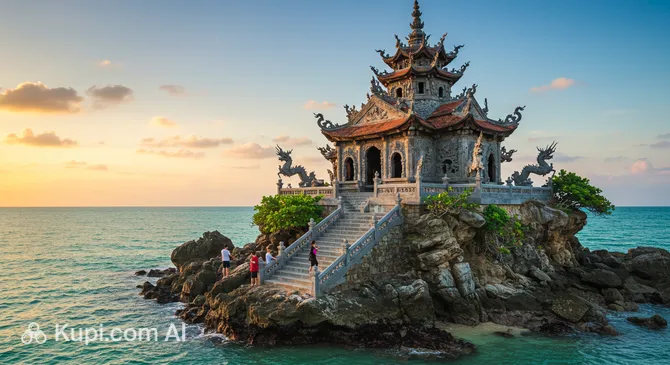
  • Perched on a rocky outcrop at the mouth of the Duong Dong River, Dinh Cau Temple serves a unique dual purpose as both a spiritual shrine and a functional lighthouse. For generations, local fishermen have visited this picturesque site to pray for calm seas and safe voyages before heading out to the ocean.

  • The local culinary scene features a distinctive dish called "stirred noodles" (Bun Quay), where fresh rice noodles are pressed and boiled right upon ordering. At popular spots like Bún Quậy Kiến Xây, the experience is interactive, as diners are often expected to mix their own dipping sauce from kumquat, chili, sugar, and soup stock.

Dinh Cau Temple. Source: Kupi.Binoculars

How to Get There

Reaching this island paradise is relatively straightforward, with air travel being the most popular and convenient method for international and domestic visitors. You can find more about how to get to Phu Quoc and explore all available transport options to plan your journey effectively.

The primary gateway to the island is Phu Quoc Airport (PQC), an international hub located directly in Phu Quoc. It sits approximately 13 km from the city center, making the transfer to your hotel quick and easy. A taxi ride from the terminal to the main town or resort areas typically takes around 40 minutes. With high annual passenger traffic, this modern airport connects the island to major cities in Vietnam and several international destinations.

While Phu Quoc has its own airport, travelers might also look at nearby regional hubs. Sihanouk International Airport (KOS) is geographically close, located just about 50 km away in Sihanoukville, Cambodia. Another option is Can Tho Airport (VCA) in the city of Can Tho, situated roughly 191 km from the island. Please note that these airports are in different cities (and in the case of Sihanoukville, a different country), so arriving there would require arranging additional transport, such as a ferry or connecting flight, to reach Phu Quoc.

For clarity, here is a summary of the main airports:

Airport Name City Passenger Traffic Km from City
Phu Quoc Airport Phu Quoc Large 13.3
Phnom Penh International Airport Phnom Penh Large 167.8
Can Tho Airport Can Tho Medium 190.7
Trat Airport Trat Small 285.0
Sihanouk International Airport Sihanoukville Small 49.7

The city of Phu Quoc does not have a railway station, as it is an island separated from the mainland. Visitors who prefer overland travel typically take a train to Ho Chi Minh City or other coastal cities in the Mekong Delta, and then transfer to a bus and high-speed ferry to complete the journey to the island.

Main Attractions

Phu Quoc offers a diverse array of experiences, ranging from untouched wilderness to vibrant entertainment spots. While the island is famous for its beaches, exploring its specific landmarks reveals the true depth of its character. Here are some of the top places to visit during your stay.

For nature enthusiasts, a visit to Phu Quoc National Park is essential. Spanning a vast area of the island, this protected region is part of a UNESCO Biosphere Reserve and features dense tropical forests, mountains, and diverse wildlife. It is a fantastic destination for trekking and hiking, offering a refreshing escape from the coastal heat. Visitors can explore lush trails, spot unique flora and fauna, and immerse themselves in the serene green lungs of the island.

Phu Quoc National Park. Source: Kupi.Binoculars

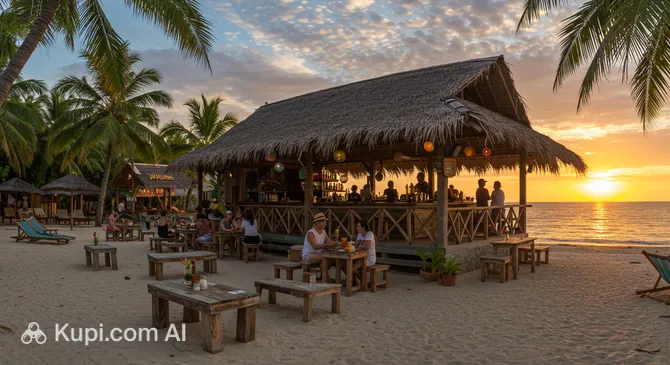
If you are looking to experience the island's famous nightlife and coastal vibes, the Sunset Beach Bar & Restaurant is a popular choice. Located right on the sand, this venue captures the essence of a tropical holiday with its relaxed atmosphere, creative cocktails, and music. As the name suggests, it is one of the prime locations to watch the sun dip below the horizon, transforming from a chill daytime spot into a lively hub for evening entertainment.

Sunset Beach Bar & Restaurant. Source: Kupi.Binoculars

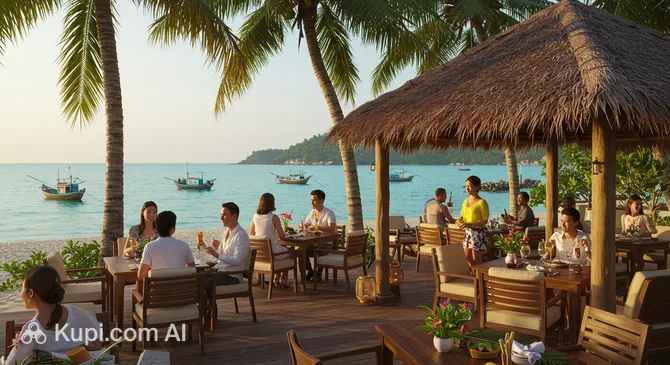
Dining with a view is a hallmark of the Phu Quoc experience, and Camia Restaurant stands out as a delightful stop for food lovers. Situated on the west coast, this establishment is renowned for its panoramic ocean views and excellent local cuisine. It offers a perfect setting for a romantic dinner or a peaceful meal, allowing tourists to savor fresh seafood while enjoying the stunning colors of the twilight sky over the sea.

Camia Restaurant. Source: Kupi.Binoculars

Local Cuisine

The culinary landscape of Phu Quoc is a vibrant reflection of its island heritage, heavily reliant on the bounty of the sea and local plantations. Known globally for producing some of the world's finest fish sauce, the island ensures that this savory condiment anchors nearly every meal. Food here is characterized by its freshness, with many dishes featuring catch-of-the-day seafood prepared with aromatic herbs, pepper, and bold spices.

One dish that every visitor should try is Goi Ca Trich, or raw herring salad. This local delicacy consists of fresh, thinly sliced raw fish mixed with grated coconut, mint, and onion, wrapped in rice paper and dipped in a spicy garlic-chili sauce. Another unique specialty is Bun Ken, a noodle soup that is harder to find on the mainland. It features a rich, fish-based broth thickened with coconut milk and seasoned with curry spices, topped with papaya salad and herbs for a delightful mix of textures.

When it comes to beverages, the island offers a distinct local treasure known as Sim Wine (Ruou Sim). Produced from the ripe fruit of the Rose Myrtle tree, which grows wild in the island's forests, this wine has a sweet, slightly tanin-rich flavor often compared to cassis or blackcurrant liqueur. It is widely regarded as a health tonic by locals and makes for a perfect souvenir. For a non-alcoholic refresher, fresh coconuts sold by street vendors are a staple to beat the tropical heat.

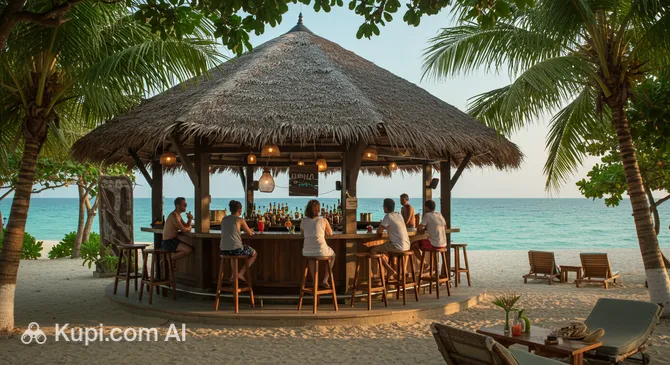
The dining culture in Phu Quoc ranges from humble street stalls to upscale resorts, but the heart of the food scene beats strongest at the night markets. Here, tourists can wander past rows of tanks filled with live crabs, lobsters, and sea urchins, choosing their dinner to be grilled on the spot. For a more sit-down experience where you can enjoy local flavors in a comfortable setting, places like Aloha Seafood & Bar offer a fantastic selection of fresh dishes and refreshing drinks.

Aloha Seafood & Bar. Source: Kupi.Binoculars

Seafood lovers should not miss the chance to try Ham Ninh flower crabs, known for their firm, sweet meat, typically steamed and dipped in a mixture of salt, pepper, and lime juice. Whether you are dining on a plastic stool at a bustling market or enjoying a sunset meal by the waves, the gastronomic offerings of this island promise to be a highlight of your trip.

Travel Tips

Planning a trip to Phu Quoc is exciting, but having a few local insights up your sleeve can ensure your island getaway is as smooth as it is memorable. Here are some essential practical tips to help you navigate the "Pearl Island" with ease and confidence.

  1. Clothing and Gear: Given the tropical climate, pack lightweight, breathable fabrics like cotton or linen to stay cool. While swimwear is perfect for the beach, remember to bring modest clothing that covers your shoulders and knees for visiting spiritual sites like Dinh Cau Temple or Ho Quoc Pagoda. Comfortable slip-on shoes are practical, as you will often need to remove them before entering temples or private homes.

  2. Transportation: The island does not have a public metro or train system. Taxis are plentiful and reliable, with reputable companies like Vinasun and Mai Linh operating locally. The Grab app is also widely used and convenient for booking rides with transparent pricing. While renting a motorbike is a popular way to explore, only do so if you are an experienced driver and have a valid international driving permit, as traffic can be unpredictable.

  3. Finances: The official currency is the Vietnamese Dong (VND). While high-end resorts and restaurants accept international credit cards, cash is king at night markets, small eateries, and local shops. ATMs are readily available in the main town of Duong Dong and the An Thoi area. Tipping is not mandatory in Vietnam, but rounding up the bill or leaving a small tip for good service is always appreciated.

  4. Health and Safety: Pharmacies are easy to find in the town centers, but it is wise to bring essential personal medications. For serious medical issues, the Vinmec International Hospital in the Ganh Dau commune offers high-standard care. Always protect yourself against mosquitoes by using repellent, especially during dawn and dusk, to prevent tropical illnesses like dengue fever.

  5. Communication: The main language is Vietnamese. English is commonly spoken by staff in hotels and major tourist attractions, but fewer locals speak it in remote fishing villages. Downloading an offline map and a translation app like Google Translate can be a lifesaver. You can easily purchase a local SIM card (Viettel or Vinaphone have good coverage) at the airport or in town for affordable data access.

  6. Local Etiquette: The local culture is warm but conservative. A friendly smile goes a long way. When greeting people, a slight bow or a nod is polite. Public displays of affection should be kept moderate. Always ask for permission before taking photos of locals, especially in rural areas, as a sign of respect.

  7. What to Avoid: Never drink tap water; always stick to bottled or filtered water to avoid stomach issues. Additionally, refrain from buying souvenirs made from coral, seashells, or other marine life. Supporting such trade harms the island's fragile ecosystem, which authorities are working hard to preserve.

  8. Smart Travel Tip: Take advantage of the VinBus system, the island's electric bus network. These green buses often provide free or low-cost shuttle services connecting the airport and major hotels to popular entertainment complexes like Grand World and VinWonders in the north, saving you significant money on taxi fares.

By keeping these practical points in mind, you will be well-prepared to embrace the laid-back rhythm of island life. Relax, explore safely, and enjoy the stunning sunsets that make this destination truly unique.

Entertainment & Nightlife

As the sun dips below the horizon, painting the sky in hues of violet and orange, Phu Quoc transforms from a sleepy island paradise into a vibrant hub of evening activity. While it may not have the frantic energy of a metropolis, the nightlife here offers a compelling mix of chill beach vibes, bustling night markets, and lively bars that cater to every type of traveler.

The evening typically begins along Long Beach (Bai Truong), particularly on Tran Hung Dao Street, which serves as the island's main tourist artery. Here, travelers gather on beanbags and loungers to enjoy the sunset with a cold drink in hand. As darkness falls, the energy shifts to the town of Duong Dong. The Phu Quoc Night Market on Bach Dang Street is the beating heart of the evening scene. It is a sensory overload of smoke rising from seafood grills, colorful souvenir stalls, and the chatter of tourists and locals alike. It is the perfect place to start your night with street food before heading out for drinks.

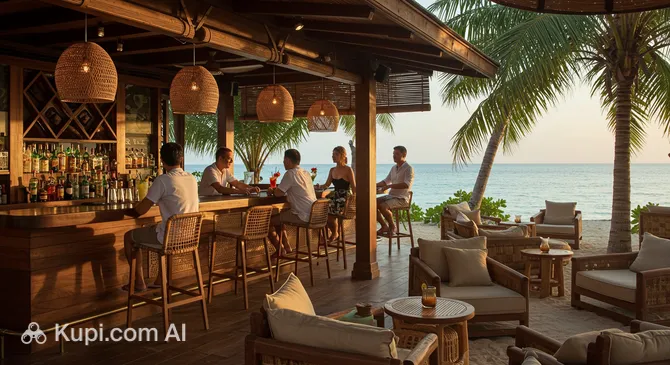
For those seeking a sophisticated atmosphere to enjoy crafted cocktails and conversation, Laylow Phu Quoc is a standout venue. Known for its stylish decor and relaxing ambiance, it offers a refined escape from the bustle of the main streets. It is an excellent spot to unwind and enjoy the island's modern hospitality.

Laylow Phu Quoc. Source: Kupi.Binoculars

If you are in the mood for something more energetic, the island has a growing club scene. Saigon Banh Mi Night Club is a popular destination for those looking to dance and enjoy upbeat music late into the night. Alternatively, for a friendly and familiar vibe, The Cheeky Traveller English Pub & Bar offers a classic pub experience where you can meet fellow travelers, play games, and enjoy a wide selection of drinks in a welcoming setting.

For a completely different experience, head to the north of the island to Grand World Phu Quoc. Often dubbed the "Sleepless City," this entertainment complex features Venetian-style canals, light shows, and 24/7 dining and shopping options, creating a festive atmosphere that lasts until dawn.

Practical Advice for Nightlife:

  • Dress Code: The vibe on the island is very casual. Shorts, t-shirts, and flip-flops are acceptable in almost all bars and night markets. Smart casual might be preferred only in high-end resort lounges.
  • Timing: The night markets are busiest around 7:00 PM to 9:00 PM. Bars and clubs typically pick up steam after 9:30 PM and stay open until 1:00 AM or 2:00 AM.
  • Getting Around: Taxis and ride-hailing services like Grab are the safest and most convenient ways to travel at night. Avoid driving a motorbike late at night if you have been drinking or are unfamiliar with the unlit roads.
  • Safety: The main tourist areas like Duong Dong and Long Beach are generally safe for walking. However, it is always wise to stay in well-lit areas and keep an eye on your belongings in crowded markets.

While the nightlife is enticing, daytime entertainment in Phu Quoc is equally impressive. Families and thrill-seekers should visit VinWonders, a massive amusement park with rides and games, or the Vinpearl Safari for wildlife encounters. Additionally, the Sun World Hon Thom cable car offers breathtaking aerial views and access to an aquapark, making for a full day of adventure before the sun goes down.

Parks & Museums

While Phu Quoc is world-renowned for its coastline, the island also possesses a rich tapestry of cultural heritage and lush green spaces that offer a deeper understanding of its identity. Beyond the sun loungers, visitors can explore serene natural parks, poignant historical sites, and museums that chronicle the island's unique development and traditions.

The crown jewel of the island's natural landscape is undoubtedly Phu Quoc National Park. Covering more than half of the island's northern region, this UNESCO Biosphere Reserve is a haven for nature lovers. It features dense primary rainforests, diverse ecosystems, and scenic hiking trails that lead to mountaintops with breathtaking views. It is an ideal spot for eco-tourists hoping to spot rare wildlife, including macaques and hornbills, or simply to immerse themselves in the cool, oxygen-rich air of the jungle.

For a more accessible nature experience, the Suoi Tranh Ecotourism Site is a favorite among locals and tourists alike. Located just south of the main town, this park centers around a gentle waterfall that flows vividly during the rainy season. Visitors can walk along shaded stone paths, enjoy a picnic by the stream, or explore small caves nearby. The area is beautifully landscaped with flowers and statues, making it a peaceful retreat for a morning walk.

When it comes to history and culture, the Coi Nguon Museum stands out as the most comprehensive private museum on the island. This multi-story venue houses a vast collection of artifacts, including ceramics, stone tools, and traditional costumes that tell the story of the island's settlement and development. It also features exhibits on the local flora and fauna, providing a well-rounded educational experience for those curious about the island's roots.

A more somber but historically significant site is the Phu Quoc Prison History Museum, also known as the "Coconut Tree Prison." Built by French colonists and later used during the Vietnam War, this site serves as a war memorial. The museum displays reconstructed scenes of prison life and historical photographs, offering a stark and moving reminder of the country's turbulent past and the resilience of its people.

Architecturally, the island is dotted with spiritual landmarks that reflect its cultural soul. The Ho Quoc Pagoda (Truc Lam Zen Monastery) is a must-visit for its stunning location. Perched on a mountain overlooking the ocean, it features intricate wooden carvings and a giant Buddha statue, offering a serene atmosphere for contemplation. Closer to town, Dinh Cau Temple remains an iconic symbol of the local fishermen's faith, combining a lighthouse and a shrine on a picturesque rocky outcrop.

For a unique wildlife experience, Vinpearl Safari Phu Quoc is Vietnam's first open zoo and conservation park. It allows visitors to travel by bus through semi-wild habitats where animals roam freely, offering close encounters with lions, giraffes, and rhinos.

Insider Tip: To see a living museum of agriculture, visit one of the island's traditional pepper farms in the Khu Tuong area. Here, you can walk through rows of green pepper vines and learn why Phu Quoc pepper is considered some of the best in the world, a spicy souvenir that carries the true flavor of the island.

Getting Around

Navigating Phu Quoc is a bit different from exploring a bustling metropolis. The island does not have a metro, tram, or railway system. Instead, the local transport network relies heavily on road vehicles, offering a mix of modern electric buses, traditional taxis, and the freedom of personal rentals. Understanding these options is key to a smooth and enjoyable vacation.

The most prominent form of public transportation for tourists is the VinBus system. These modern, eco-friendly electric buses have revolutionized travel on the island, connecting the airport and the main town of Duong Dong with major attractions in the north, such as Grand World and VinWonders. Many of these routes are currently free of charge or very low-cost, making them an excellent budget-friendly option. The buses are air-conditioned, comfortable, and equipped with information screens.

regarding payment, the system is quite straightforward. For the free VinBus routes, no ticket is required; you simply hop on and off at designated stops. For other local bus services or shuttles that might charge a fee, payment is almost exclusively in cash (Vietnamese Dong). It is advisable to carry small bills, as drivers may not always have change for large denominations. While there are no complex travel cards or zone passes to worry about, downloading the VinBus App is highly recommended to track routes, schedules, and bus locations in real-time.

For those seeking more flexibility, taxis are abundant and reliable. You will frequently see green taxis (Mai Linh) and white taxis (Vinasun) patrolling the streets. All reputable taxis run on meters, so ensure the driver turns it on when you start your journey. Alternatively, ride-hailing apps like Grab are extremely popular and convenient. They allow you to book a car or a motorbike taxi with a fixed price known in advance, eliminating the need for negotiation and overcoming language barriers. You can pay via the app with a linked credit card or choose to pay cash to the driver.

A very popular alternative for adventurous travelers is renting a motorbike. This is the most common way locals get around and offers you the freedom to explore hidden beaches and remote trails at your own pace. Rental shops are ubiquitous, found at almost every hotel and street corner. However, only choose this option if you are an experienced rider and possess a valid International Driving Permit (IDP), as traffic can be unpredictable and roads in remote areas may be rough.

A unique feature of the island's transport landscape is the Hon Thom Cable Car. While primarily a tourist attraction, it serves as a functional transport link connecting the main island to Hon Thom (Pineapple Island) in the south. recognized as the world's longest non-stop three-way cable car, it offers a spectacular 15-minute journey over the ocean, providing a transit experience that is a sightseeing highlight in itself.

Practical Advice for Tourists:

Most public transport and private transfer services operate from early morning until late evening, but options decrease significantly after midnight. If you plan to stay out late, pre-booking a taxi or ensuring you have the Grab app ready is wise. Always carry sufficient cash for small fares, and if you rent a vehicle, check it thoroughly for scratches or issues before driving off. By mixing the convenience of electric buses with the flexibility of taxis or scooters, you can easily discover every corner of this beautiful island.

Accommodation

Where to Stay:

Finding the perfect place to stay in Phu Quoc is effortless, as the island offers an impressive variety of accommodation options to suit every budget and travel style. From backpacker-friendly hostels and family-run guesthouses to eco-lodges and world-class 5-star luxury resorts, the "Pearl Island" has developed a robust hospitality infrastructure. Whether you dream of waking up in a beachfront bungalow or staying in a modern city hotel, you will find a spot that feels like home.

The most popular area for tourists is undoubtedly Long Beach (Bai Truong), which stretches south from the main town of Duong Dong. This zone is the island's hub of activity, lined with resorts, restaurants, and bars, making it convenient for those who want easy access to amenities and nightlife. For a quieter, more romantic atmosphere, the Ong Lang Beach area to the north offers a laid-back vibe with boutique resorts nestled in nature. Meanwhile, the southern tip of the island, near Bai Khem, and the northern Ganh Dau area are known for their sprawling, secluded luxury complexes perfect for a complete retreat.

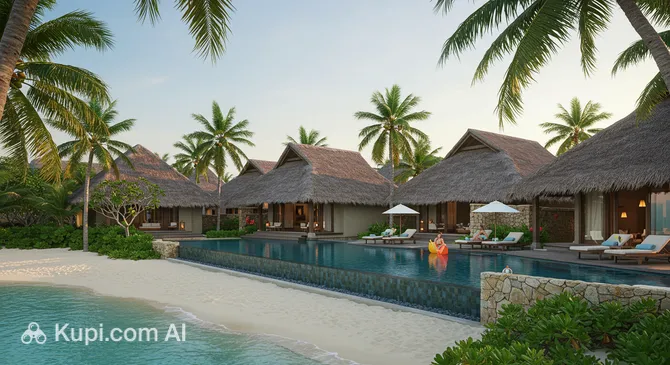
For travelers seeking a blend of comfort and natural beauty, the island features numerous high-quality resorts. Ocean Bay Resort & Spa Phu Quoc is a fantastic example, offering guests a serene environment with direct access to the sea and lush green surroundings. It captures the essence of a tropical getaway, allowing visitors to relax in style while listening to the waves.

Ocean Bay Resort & Spa Phu Quoc. Source: Kupi.Binoculars

Another excellent option for those prioritizing location and amenities is Thien Thanh Resort. Situated conveniently near the town center, it provides a luxurious escape with modern facilities, making it easy to explore the local culture during the day and return to comfort at night. These establishments typically offer pools, spa services, and on-site dining, ensuring a hassle-free vacation experience.

Booking Tips and Prices:

Prices in Phu Quoc vary significantly depending on the season. Budget travelers can find dorm beds or simple rooms for as little as $10–$20 USD per night, while mid-range hotels typically cost between $40 and $80 USD. Luxury resorts can range from $150 USD to several hundred dollars per night. The peak tourist season runs from November to April (the dry season); during this time, it is highly recommended to book your accommodation at least a month in advance to secure the best rates and availability. Reservations can be easily made through major online booking platforms or directly via hotel websites.

Nearby Cities

For those looking to explore the surroundings, Phu Quoc serves as an excellent base for day trips to several interesting nearby locations:

City Population Distance (km)
Can Tho 1,237,300 195
Ca Mau 315,270 183
Long Xuyen 278,658 157
Rach Gia 250,660 125
Sa Dec 213,610 194

While Phu Quoc is an island, its connection to the mainland via high-speed ferries and flights makes visiting neighboring cities a rewarding experience. Rach Gia is the closest mainland city and often serves as the primary gateway for those traveling by sea. It offers a distinct coastal charm with landmarks like the Nguyen Trung Truc Temple and a bustling local market, providing a glimpse into the daily life of the Kien Giang province.

Further inland lies Can Tho, the vibrant heart of the Mekong Delta. Although it requires a longer journey, it is famous for the bustling Cai Rang Floating Market, where hundreds of boats sell fresh produce on the river. Visitors can also explore ancient houses and lush fruit orchards, making it a perfect destination for those wanting to experience the unique riverine culture of southern Vietnam.

Another fascinating option is Sa Dec, known as the "Flower City" of the Mekong Delta. This charming town is renowned for its extensive flower nurseries that supply blooms across the country. It also holds historical significance as the setting for Marguerite Duras' novel The Lover, featuring beautiful colonial-era architecture that attracts history buffs and photographers alike.

These nearby destinations offer a glimpse into the diverse culture and landscapes of the region.

Shopping & Souvenirs

Shopping in Phu Quoc offers a delightful departure from the high-end mega-malls found in big cities. Instead of international luxury fashion chains, the island's retail scene focuses on local craftsmanship, fresh produce, and unique island specialties. Visitors can expect a relaxed experience where vibrant night markets and small boutiques take center stage, allowing for plenty of interaction with friendly local vendors.

The primary hub for shopping is the town of Duong Dong. Specifically, Tran Hung Dao Street serves as the main commercial artery running along Long Beach. This bustling street is lined with a variety of souvenir shops, convenience stores, and pearl showrooms. Walking along this strip, tourists can find everything from beachwear and handicrafts to pearl jewelry, making it a convenient stop for those staying in nearby resorts.

While the island is more traditional in its retail offerings, there are modern venues for those seeking a more organized shopping experience. Ccrocs Shopping Mall is one such destination where visitors can browse a selection of goods in air-conditioned comfort. It provides a good mix of retail options and is a helpful stop for travelers looking for specific items or simply wanting to escape the midday heat while browsing.

Ccrocs Shopping Mall. Source: Kupi.Binoculars

The true heartbeat of the island's shopping culture, however, is found in its markets. The Phu Quoc Night Market (often referred to as Bach Dang Night Market) is an absolute must-visit. Coming alive after sunset, this pedestrian-friendly zone offers a sensory explosion of sights and smells. Apart from the famous street food, it is packed with stalls selling clothing, jewelry, and handicrafts. For a more authentic local experience, the Duong Dong Market operates during the day and is where residents buy their fresh seafood, vegetables, and household goods.

When it comes to souvenirs, Phu Quoc is famous for several high-quality local products. Pearls are the island's signature item, earning it the nickname "Pearl Island"; you can visit dedicated farms to buy authentic jewelry. Phu Quoc Pepper is renowned globally for its heat and aroma, making it a perfect lightweight gift for foodies. Other popular items include Sim Wine (made from rose myrtle fruit) and the island's legendary fish sauce, though travelers should check airline regulations regarding carrying liquids and strong-smelling items before purchasing the latter.

Most shops on the island open around 8:00 AM or 9:00 AM and close by 9:00 PM or 10:00 PM. The night markets typically start buzzing from 6:00 PM onwards and stay open until nearly midnight. While larger stores, supermarkets like King Kong Mart, and hotels accept credit cards, cash is essential for night markets, street vendors, and smaller local shops. ATMs are widely available in the main town areas.

Tourists visiting Vietnam may be eligible for a VAT refund on goods purchased at designated "Tax Refund for Tourists" stores, provided the invoice value is at least 2 million VND. If you make such purchases, remember to keep your receipts and customs forms to process the refund at the tax refund counter at Phu Quoc International Airport before your departure.

Reached the end of the page?

That means the route is fully explored