Mongolia is a country of vast open spaces and ancient traditions, known as the "Land of the Eternal Blue Sky". This is a land where the legends of Genghis Khan are still alive and the nomadic spirit permeates daily life. A journey here promises a complete immersion into a unique culture and an encounter with incredible landscapes, from green steppes to majestic mountains.
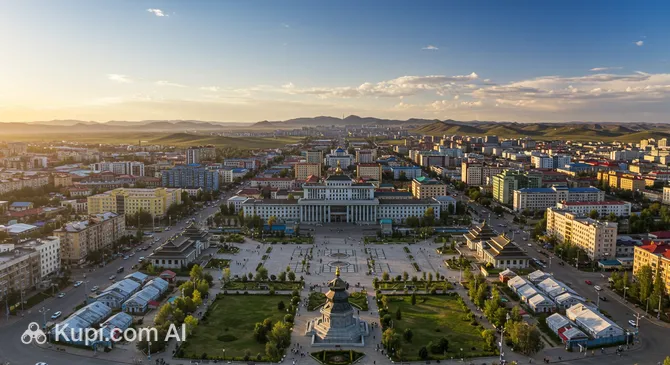
The nature of Mongolia is strikingly diverse: from the mighty Altai Mountains and endless steppes to the mysterious Gobi Desert. In contrast to this wild beauty is the capital, Ulaanbaatar, a dynamic city where modern skyscrapers stand alongside traditional yurts and ancient Buddhist monasteries, creating a unique atmosphere.
Illustration.
Source: Kupi.com AI
Mongolia offers travellers a unique experience, full of adventure and discovery. Here, you can experience the legendary hospitality of the nomads, explore the ancient ruins of the former capital of the Mongol Empire in Kharkhorin, or visit the magnificent Erdene Zuu Monastery, one of the country's oldest Buddhist monasteries. It is a country that leaves a deep impression on the heart of anyone who dares to discover its harsh, yet immensely captivating beauty and freedom-loving spirit.
Currency
The national currency of Mongolia is the Mongolian Tugrik (international code MNT). On the banknotes, you can often see images of the country's famous historical figures, such as Genghis Khan or Damdin Sükhbaatar, as well as elements of traditional Mongolian culture and landscapes. Coins are less common in circulation; the primary means of payment are banknotes of various denominations.
For travellers from the UAE, it is advisable to carry a major currency, such as US Dollars, to exchange for Tugriks upon arrival. It is recommended to exchange foreign currency at official banks or licensed exchange offices, which are widely available in Ulaanbaatar. Try to avoid exchanging money with street money changers, as there is a risk of encountering fraud or receiving a very unfavourable exchange rate. Credit cards (mainly Visa and Mastercard) are accepted in most major hotels, restaurants, and supermarkets in the capital. However, when planning trips outside of Ulaanbaatar, especially to rural areas, it is extremely important to carry a sufficient amount of cash, as cashless payment options may be very limited or completely unavailable.
Visa Requirements
When planning a trip to Mongolia, it is essential to check the specific visa requirements for your nationality. For citizens of the United Arab Emirates, visa-free travel is permitted for tourist stays of up to 30 days. This makes short-term travel from the UAE straightforward, though it is crucial to be aware of all entry regulations.
Regardless of visa status, all travellers entering Mongolia must have a valid passport with at least six months' validity from the date of arrival. It is also highly recommended to carry proof of your return flights, hotel reservations, and adequate travel medical insurance. For those staying longer than 30 days, registration with the Mongolian Immigration Agency is required within seven days of arrival. As visa and entry rules can change, you should always verify the latest information on the official website of the Mongolian embassy or authorised visa centres before your journey.
We’ll tell you if you need a visa
Enter where you’re going, or
Your citizenship
Destination
Time Zones
When planning a trip to Mongolia, it is important to be aware of the time differences within the country. For travellers from the UAE, the main part of Mongolia is four hours ahead of Gulf Standard Time (GST). Mongolia operates on two time zones.
Most of the country, including the capital Ulaanbaatar, follows UTC+8. However, the western provinces (aimags) of Khovd, Uvs, and Bayan-Ölgii are in the UTC+7 time zone. This means the western region is three hours ahead of the UAE.
This one-hour difference can be significant when planning travel between regions, especially if you have scheduled domestic flights or bus journeys. Always confirm the local time upon arrival in a new region to avoid any confusion with transport schedules, hotel check-in times, or the start of tours.
How to Get There
For most international travellers, the primary way to get to Mongolia is by air. The country's main gateway is the Chinggis Khaan International Airport, which serves the capital, Ulaanbaatar, and is the principal international hub. While there are currently no direct flights from the UAE, convenient connections are available through major Asian and European cities. Travellers from the UAE can fly with carriers like Turkish Airlines, Air China, or Korean Air with a single stopover in hubs such as Istanbul, Beijing, or Seoul. The national airline, MIAT Mongolian Airlines, along with several other international carriers, connects Mongolia to the world.
For those who prefer a more leisurely and scenic journey, it is possible to reach Mongolia overland. The most famous land route is the legendary Trans-Mongolian Railway, which passes through Ulaanbaatar while connecting Russia and China. This offers a unique experience, allowing you to witness the vast steppes and get a glimpse of the country's life from a train window. International bus services also connect Mongolia with border cities in Russia and China, although these may be less comfortable for long-distance travel.
When planning your trip to Mongolia, it is advisable to book your tickets well in advance, especially if your travel coincides with the peak tourist season (typically the summer) or during major national festivals like Naadam. This will not only secure your place but may also help you find more favourable fares.
Mongolia is a land of surprising contrasts, where endless steppes give way to mountain ranges, and the ancient traditions of nomads exist in harmony with the rhythm of modern cities. Travellers here will find not only unique natural landscapes but also fascinating urban routes, each offering unforgettable experiences and revealing a new facet of this distinctive country.
Illustration.
Source: Kupi.com AI
The heart of the country is undoubtedly Ulaanbaatar. It is not just an administrative centre but a true gateway to Mongolia, where modern energy intertwines with a centuries-old heritage. The city offers a unique opportunity to get acquainted with Mongolian culture through its galleries, theatres, and lively districts. While traditional Mongolian cuisine is rich in meat dishes, the growing number of international restaurants in the capital means that halal options can be found, and it is always advisable to ask. For those seeking to connect with the origins of the great empire, a trip to Kharkhorin is a must. This is a place where the history of the ancient capital, Karakorum, comes to life, allowing you to imagine its former grandeur and feel the spirit of Genghis Khan's era, especially when visiting the Erdene Zuu Monastery, one of the oldest and most significant in the country. When visiting this sacred site, it is recommended to dress modestly, ensuring shoulders and knees are covered as a sign of respect.
For adventure seekers in the Gobi Desert, Dalanzadgad serves as the starting point for exciting tours to the famous Khongoryn Els "singing" dunes and the picturesque Yolyn Am gorge. And if your soul yearns for tranquillity in nature's embrace, the village of Khatgal on the shore of the crystal-clear Khuvsgul Lake will be a true discovery. Often called the "younger sister of Lake Baikal," it is the perfect place for hiking and horse riding, as well as for learning about the life of the local Tsaatan reindeer herders.
Top Attractions
Mongolia, a land of endless steppes and nomadic culture, holds a wealth of incredible places that can capture any traveller's imagination. From ancient monasteries to unique nature reserves, there is something here for everyone. Here are just a few of the iconic attractions you should consider adding to your itinerary in this amazing country.
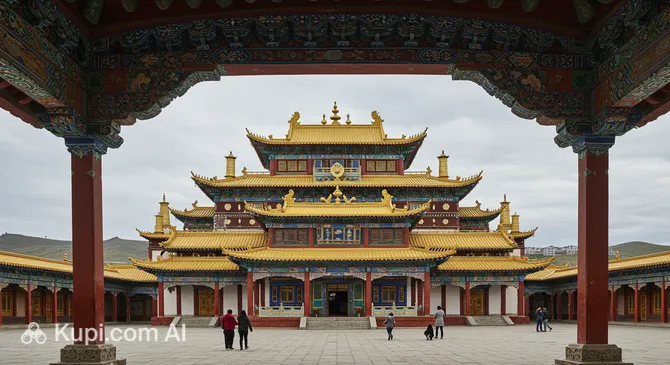
One of the country's main sacred sites is the Gandantegchinlen Monastery. This active Buddhist monastery, located in the capital, Ulaanbaatar, is striking for its majestic architecture and is an important spiritual centre for the Mongolian people. Here, you can see the impressive 26.5-metre-high statue of Avalokiteshvara and observe the monks' daily rituals. When visiting, it is important to dress modestly, ensuring shoulders and knees are covered, as a sign of respect. For dining, Ulaanbaatar offers a growing number of halal-certified restaurants and international chains catering to Muslim visitors. Some hotels and the city's central mosque also provide prayer facilities.
Illustration.
Source: Kupi.com AI
Traveler photos:
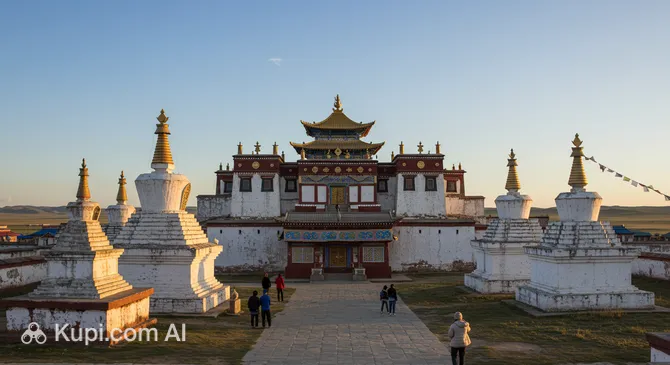
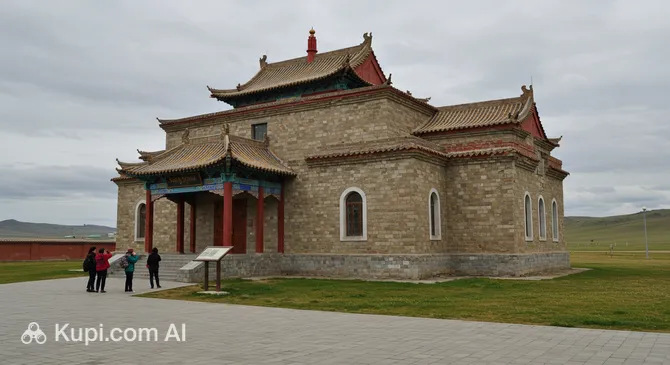
Equally significant is the Erdene Zuu Monastery, considered the first Buddhist monastery in Mongolia. It was founded in the 16th century on the ruins of Karakorum, the ancient capital of the Mongol Empire. The complex is surrounded by an imposing wall with 108 stupas and houses priceless relics, ancient manuscripts, and works of Buddhist art that tell the rich history of the region. As with other religious sites in Mongolia, visitors are expected to wear modest clothing.
Illustration.
Source: Kupi.com AI
Traveler photos:
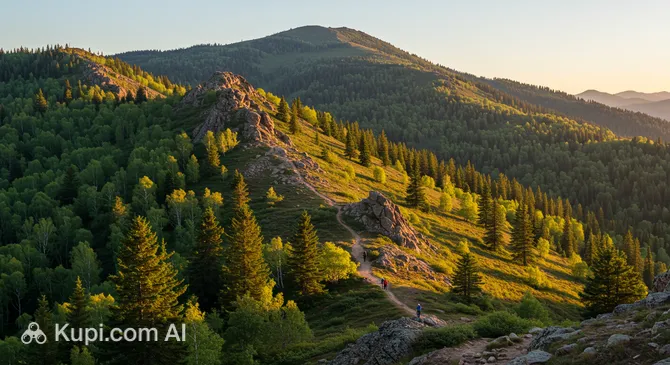
For nature lovers and fans of outdoor activities, a visit to Bogd Khan Uul National Park is a must. This sacred mountain, rising to the south of Ulaanbaatar, is one of the oldest officially protected natural areas in the world. The park offers excellent opportunities for hiking along scenic trails, which provide breathtaking panoramic views of the surrounding landscapes. Comfortable walking shoes are highly recommended to fully enjoy the experience.
Illustration.
Source: Kupi.com AI
Traveler photos:
To delve deeper into the country's glorious past, a visit to the Karakorum Museum is highly recommended. Located near the Erdene Zuu Monastery, this modern museum is dedicated to the history of the Mongol Empire and its ancient capital. Its exhibits feature unique archaeological finds, detailed maps, models, and artefacts that offer a better understanding of the greatness and legacy of Genghis Khan and his successors.
Illustration.
Source: Kupi.com AI
Traveler photos:
Best Time to Visit
The best time to visit Mongolia largely depends on your personal preferences and travel plans. For many, the pleasant summer months offer a welcome escape from the intense heat of the UAE.
The high season traditionally falls between June and August. During this period, the weather is at its most favourable for travel, with warm, sunny days that are perfect for exploring the vast steppes, hiking in the mountains, and experiencing the nomadic culture. This is also when the celebrated national Naadam festival takes place in July, attracting visitors from all over the world. Be aware that accommodation and service prices may be higher during these months, and popular attractions are likely to be more crowded.
The low season, which includes spring (April–May) and autumn (September–October), also has its own appeal. In spring, the landscape comes alive with fresh green pastures, while autumn paints the scenery in beautiful golden colours. Fewer tourists mean a more tranquil holiday and potential cost savings. However, the weather can be unpredictable; spring can bring dust storms, while autumn may see the first frosts, particularly in the northern regions. Winter in Mongolia, from November to March, is extremely harsh, with severe frosts and temperatures that can plummet to -30°C and below. Despite the cold, this season is ideal for adventurous travellers and those wishing to see stunning winter landscapes. It also offers the chance to experience unique events like the Thousand Camel Festival in the Gobi Desert or the Ice Festival at Khuvsgul Lake.
Given Mongolia's immense size, the climate varies significantly from one region to another. For instance, the southern Gobi Desert can be very hot in the summer and has cold, windy winters, while the northern and western mountainous areas have a cooler climate. It is always advisable to check the specific weather conditions for the regions on your itinerary before you travel. Regardless of when you choose to go, Mongolia promises unique experiences and unforgettable scenery.
Traditions
Mongolians are renowned for their warmth and hospitality, a quality that is especially evident in their nomadic culture. When greeting someone, a handshake is common, sometimes with a slight bow, and maintaining eye contact is considered normal. When receiving anything, particularly from an elder, it is a sign of respect to use your right hand while supporting it at the elbow with your left, or to use both hands. If you are invited into a home, especially a traditional ger (yurt), a small gift for your hosts, such as sweets, tea, or other small useful items, is a thoughtful gesture, though it is not a strict requirement.
When visiting monasteries and other religious sites in Mongolia, modest dress is important: both men and women should ensure their shoulders and knees are covered. In daily life, there are no strict dress codes, but overly revealing outfits may cause surprise, particularly in rural areas. Inside a ger, you should avoid leaning on the central support poles, as they are considered sacred, and never step on the threshold—always step over it. At the table, accept food and drinks with your right hand or with both hands. It is considered polite to try a little of everything that is offered, as refusing a dish can be seen as disrespectful.
To gain a deeper understanding of Mongolia's culture, try to learn about its main festivals. Naadam, celebrated in mid-summer (usually in July), is a spectacular festival featuring the famous "three manly games": traditional wrestling, long-distance horse racing, and archery. Another important festival is Tsagaan Sar (the Lunar New Year, typically in January or February), which marks the end of winter and the beginning of spring. It is a time for family gatherings, lavish feasts, and exchanging gifts. In social interactions, avoid touching people's heads (especially children's), do not whistle indoors (it is considered bad luck), and refrain from pointing at people or sacred places with your index finger—it is better to use an open palm. Following these simple guidelines will help you show respect for local traditions and make your journey more enjoyable and insightful.
Entertainment
Mongolia offers unique opportunities for active recreation, closely linked to its nomadic heritage and vast, open landscapes. Travellers can enjoy horse riding through the steppes, trekking in national parks such as Bogd Khan Uul National Park, and exploring the Gobi Desert. Cultural entertainment includes visiting ancient monasteries, for example, Erdene Zuu Monastery or Gandantegchinlen Monastery, and discovering historical artefacts in museums. You can also experience traditional music and dance performances that offer a deep immersion into the country's rich history. When visiting monasteries and other religious sites, it is advisable to dress modestly, ensuring shoulders and knees are covered.
While the country's endless expanses provide a sense of peace, the capital, Ulaanbaatar, offers a more urban range of diversions. Here you will find a developing evening scene with a variety of restaurants, cafes, and lounges, especially in the city centre. For visitors seeking halal options, many restaurants in the capital, particularly those offering Turkish, Indian, or Middle Eastern cuisine, provide suitable choices. For those who enjoy shopping, Mongolia is known for its cashmere products, leather goods, traditional crafts, and artworks, which can be found in markets and modern shopping centres like the Shangri-La Mall. Family entertainment includes outdoor activities, while the capital features parks and leisure centres, including the National Amusement Park, which offers recreation for all ages.
Currency rates
Planning a trip? Wonderful! To ensure the financial aspects of your journey do not come as a surprise, it is important to remember that currency exchange rates are constantly changing. Therefore, we strongly advise you to monitor the latest rates both before your departure and throughout your trip. For this, you can use the data provided below — we monitor currency rates 24/7 and strive to provide the most up-to-date information.