Support

Ulaanbaatar

About

Welcome to Ulaanbaatar, the vibrant capital and cultural heart of Mongolia. This unique metropolis offers a fascinating contrast where modern glass skyscrapers stand alongside traditional white gers (yurts), creating an atmosphere that bridges the gap between ancient nomadic traditions and the 21st century. As the industrial and financial hub of the nation, it serves as the primary gateway for travelers eager to explore the vast Mongolian steppes.

Geographically, the city is nestled in the valley of the Tuul River, surrounded by four majestic mountains, including the sacred Bogd Khan Uul. It is home to approximately 1.4 million people, which accounts for nearly half of the country's total population. Ulaanbaatar is famous for being the coldest national capital in the world due to its continental climate, yet it is also bathed in sunshine for most of the year, earning the region the nickname "Land of the Blue Sky."
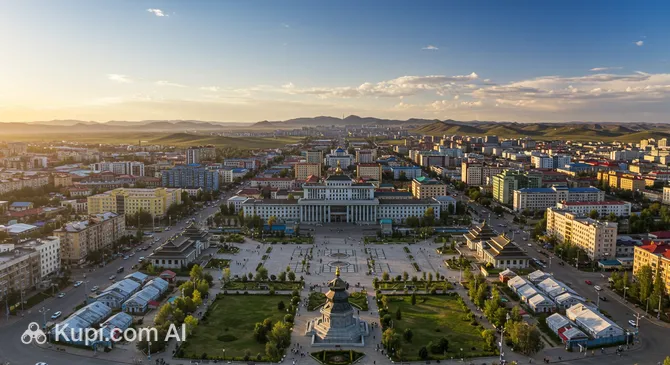
Ulaanbaatar. Source: Kupi.Binoculars

The city has a deep and complex past, having moved locations more than two dozen times before settling in its current spot. You can discover more about its transformation from a mobile monastic center to a permanent urban settlement by exploring the history of Ulaanbaatar. Today, this heritage is visible in its museums and surviving religious sites.

Among the top attractions, the Gandantegchinlen Monastery is a must-visit, housing a towering statue of Migjid Janraisig. The central Sukhbaatar Square offers a glimpse into the nation's pride with its grand statue of Genghis Khan, while the National Museum of Mongolia provides an excellent overview of the country's rich ethnography and history. Whether you are passing through on the Trans-Siberian Railway or starting a dedicated Mongolian adventure, Ulaanbaatar invites you to experience its warm hospitality and unique urban energy.
Weather Overview

The climate in this region is known for its extreme continental nature, characterized by dramatic temperature fluctuations between seasons. Winters are long, dry, and intensely cold, with January being the coldest month, seeing average temperatures around -20.9°C and lows plunging to -27.2°C. Conversely, summers are short but pleasant, with July offering the warmest conditions, averaging 17.2°C and reaching highs of 22.6°C.

Precipitation is generally low throughout the year, though most rainfall concentrates in the summer months. July and August are the wettest, with approximately 14 wet days each, while winter months like January and February typically see almost no precipitation. For travelers planning their trip, checking the detailed weather in Ulaanbaatar is highly recommended to pack appropriately for these distinct seasons.

Overall, you can expect warm summers with occasional rain and very cold, dry winters. Spring and autumn serve as brief transitional periods, with temperatures shifting rapidly from the freezing averages of March to the milder warmth of May.

Interesting Facts

Beyond the main attractions, Ulaanbaatar holds many fascinating secrets that reveal its unique character and deep historical roots.
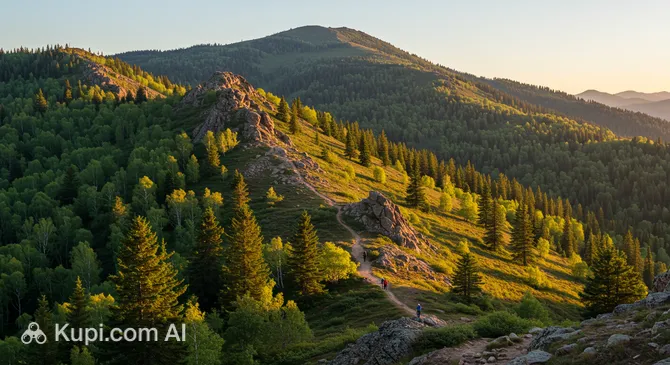
  • World's First Protected Area: While many assume Yellowstone holds the title, the Bogd Khan Uul National Park to the south of the city was officially protected in 1778. This makes it the oldest legally protected natural area in the world, predating Western national parks by nearly a century.

  • A Survivor of History: The Bogd Khan Palace Museum is the only remaining residence out of the four original palaces belonging to the eighth Jebtsundamba Khutuktu, the last religious and political leader of Mongolia. It survived the purges of the 1930s and offers a rare glimpse into the opulent life of the country's last theocratic ruler.

  • Meaning of the Name: The city has borne many names throughout its history, including Urga and Ikh Khuree. Its current name, adopted in 1924, translates to "Red Hero," a title that reflects the revolutionary spirit of that era.

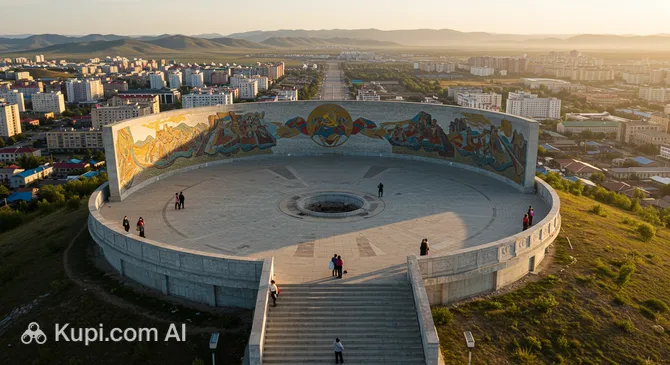
  • Best City Views: The Zaisan Monument, located on a hill in the southern part of the city, not only honors historical friendship with the Soviet Union but also provides the most comprehensive panoramic view of the entire metropolis and the surrounding Tuul River valley.

Bogd Khan Uul National Park. Source: Kupi.Binoculars

How to Get There

Reaching the Mongolian capital is the start of an unforgettable adventure, whether you are flying in from afar or crossing the vast landscapes by train. You can read more about how to get to Ulaanbaatar and the detailed transport options to help plan your journey.

The primary gateway for international air travelers is Chinggis Khaan International Airport (UBN). Located approximately 31 km south of the city center, this modern facility serves as the main hub for flights connecting Mongolia to major cities in Asia and Europe. The journey from the airport to downtown Ulaanbaatar typically takes about 70 minutes by taxi or shuttle bus, though travel times can vary depending on traffic conditions.

For clarity, here is a summary of the main airport:

Airport Name City Passenger Traffic Km from City
Chinggis Khaan International AirportUlaanbaatarLarge31.1

For those arriving by rail, Ulaanbaatar is a major highlight on the legendary Trans-Mongolian line, which connects Russia and China. You will arrive at Ulaanbaatar Railway Station, the country's most significant rail hub. It is conveniently situated just 2.8 km from the heart of the city, making the final leg of your trip very short—usually a 10 to 15-minute taxi ride to most central hotels and attractions.

Below is the information for the railway stations serving the region:

Station City Passenger Traffic Km to Center
Ulaanbaatar Railway StationUlaanbaatarLarge2.8
Darkhan Railway StationDarkhanMedium188.3
Naushki StationKyakhtaSmall280.7
Zuunharaa Railway StationZuunharaa109.4

Main Attractions

Ulaanbaatar is a city where history and modernity converge, offering travelers a wealth of cultural and recreational experiences. Beyond the famous Gandan Monastery and the central square, the city boasts several other remarkable sites that provide deeper insight into Mongolian heritage and art.

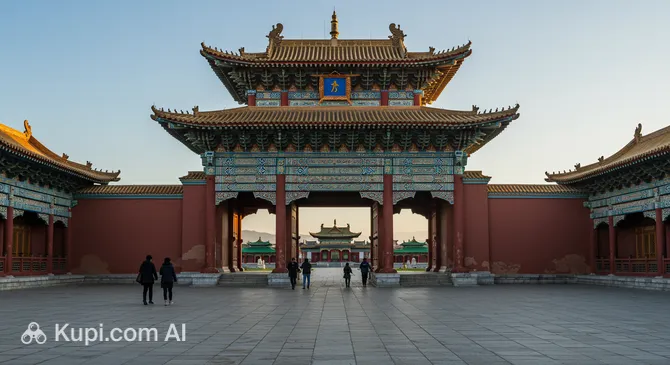
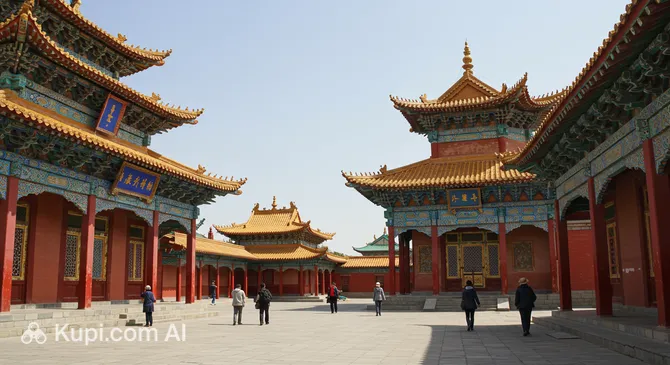
One of the most atmospheric locations in the city center is the Choijin Lama Temple Museum. This complex of temples, built in the early 20th century, served as the residence of the State Oracle, the brother of the Bogd Khan. Today, it stands as a serene architectural gem surrounded by modern glass skyscrapers. Inside, visitors can admire a rich collection of Buddhist art, including terrifying masks used in Tsam religious dances, intricate thangka paintings, and bronze statues that reflect the mastery of Mongolian craftsmanship.

Choijin Lama Temple Museum. Source: Kupi.Binoculars

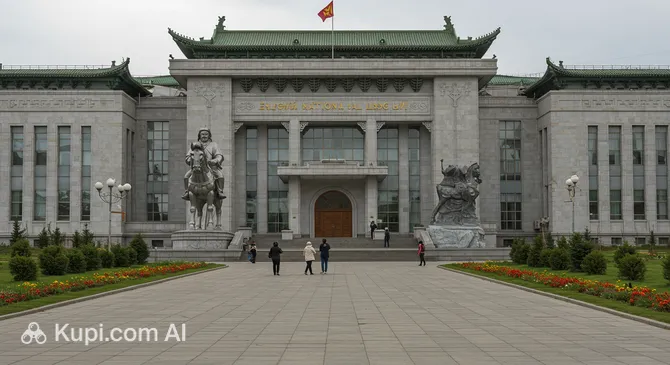
For those interested in the grand history of the Mongol Empire, the Chinggis Khaan National Museum is an essential stop. As one of the newest and largest museums in the country, it is dedicated to the history of Mongolian statehood, spanning from the Xiongnu period to the early 20th century. The museum houses thousands of artifacts, including archeological finds and royal treasures, offering a comprehensive narrative of the nomadic empires that once ruled the Eurasian steppes.

Chinggis Khaan National Museum. Source: Kupi.Binoculars

Art enthusiasts should not miss the Zanabazar Museum of Fine Arts. Named after the first Jebtsundamba Khutuktu, who was also a renowned sculptor and artist, this museum holds an exceptional collection of pre-historic art, religious sculptures, and carvings. It is particularly famous for the exquisite bronze works created by Zanabazar himself, often referred to as the "Michelangelo of the East," as well as its impressive display of appliqué thangkas.

If you are looking for a change of pace and a bit of leisure, the National Amusement Park offers a fun escape in the heart of the city. Also known as the Children's Park, it features a variety of rides, walking paths, and a large lake that freezes over in winter for ice skating. The park's Ferris wheel provides a lovely vantage point to view the city's skyline against the backdrop of the surrounding mountains, making it a popular spot for both locals and tourists to relax.

Local Cuisine

The culinary landscape of Ulaanbaatar is a hearty reflection of Mongolia's nomadic heritage, heavily centered around meat and dairy products. Due to the harsh climate, the local diet is designed to provide sustenance and warmth, with mutton and beef featuring prominently in almost every meal. The most iconic dish you must try is Buuz, steamed dumplings filled with minced meat, onion, and garlic. These are considered a national symbol and are especially abundant during the Lunar New Year, though they are a staple year-round.

Another favorite, particularly as a quick and satisfying street food, is Khuushuur. These are deep-fried meat pastries that are crispy on the outside and juicy on the inside. For a heavier meal, locals often enjoy Tsuivan, a stir-fried noodle dish with meat and vegetables, or Khorkhog, a traditional barbecue where meat is cooked with hot stones inside a container—a method that imparts a unique smoky flavor.

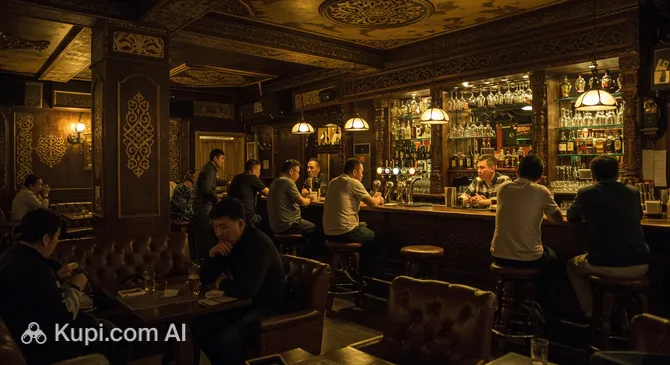
Great Mongol Restaurant & Pub. Source: Kupi.Binoculars

Beverages in Ulaanbaatar are just as distinct as the food. A meal is often accompanied by Suutei tsai, a salty milk tea that might surprise first-time visitors but is deeply comforting in the cold weather. For the adventurous, trying Airag (fermented mare's milk) is a rite of passage; it has a sour, tangy taste and a slight alcoholic kick and is widely available during the warmer months.

The city's dining scene has evolved significantly, offering a mix of traditional canteens known as "guanz" and sophisticated international eateries. For a blend of good food and a lively atmosphere, you can visit the Great Mongol Restaurant & Pub, which is a popular spot for both dining and socializing. If you are looking for a place with a view and a diverse menu, Veranda is a well-regarded establishment located near the Choijin Lama Temple, offering a perfect setting to relax after a day of sightseeing.

Travel Tips

Planning a trip to Ulaanbaatar is an exciting endeavor, but the city's unique blend of nomadic heritage and rapid urbanization requires a bit of preparation to navigate smoothly. To ensure your adventure in the coldest capital in the world is as comfortable and enjoyable as possible, we have compiled a list of essential practical advice for every traveler.

  1. Clothing and Gear: The key to surviving Ulaanbaatar, especially from October to April, is layering. Winters are brutally cold, so pack thermal underwear, a heavy down jacket, and insulated boots with good grip. In summer, the weather is pleasant but can change rapidly, so a waterproof windbreaker is essential. When visiting religious sites like the Gandan Monastery, dress modestly; avoid shorts and sleeveless tops, and always remove your hat before entering a temple.
  2. Transportation: The city is infamous for its heavy traffic, often referred to locally as tugjiruu. For short distances within the city center, walking is often faster than driving. Public buses are cheap but can be crowded and confusing for non-locals. The most convenient option is using ride-hailing apps like UBCab, which overcome language barriers and ensure fair pricing. If you hail a street taxi, negotiate the fare beforehand, as meters are rarely used.
  3. Finances: The local currency is the Mongolian Tugrik (MNT). While credit cards are widely accepted in modern malls, hotels, and upscale restaurants, cash is absolute king in local markets, small canteens, and for taxi rides. ATMs are plentiful throughout the city. Tipping is not traditionally part of the culture, but rounding up the bill or leaving about 10% is increasingly appreciated in tourist-centric establishments.
  4. Health and Safety: Ulaanbaatar suffers from severe air pollution during the winter months due to coal burning; if you visit then, bring high-quality N95 masks to protect your lungs. Tap water is generally not recommended for drinking; stick to bottled or boiled water. Pharmacies are common and easily identified by a green cross, but carrying a basic medical kit is wise. The city is generally safe, but pickpocketing can occur in crowded places like the Narantuul Market or on buses.
  5. Communication: The official language is Mongolian, written in the Cyrillic alphabet. While many young people and those in the tourism industry speak English, it is less common among taxi drivers and the older generation. It is highly recommended to buy a local SIM card (Mobicom or Unitel) at the airport or in the city for data access. Downloading an offline map and a translation app like Google Translate is invaluable for reading signs and basic communication.
  6. Local Etiquette: Mongolians are incredibly hospitable, and reciprocating respect is important. When handing money or a gift to someone, always use your right hand or both hands; never use just your left. If you are invited into a ger (yurt), remember to step over the threshold, not on it, as stepping on it is considered disrespectful to the spirit of the household.
  7. What to Avoid: Avoid whistling inside a building or a home, as it is believed to summon bad spirits or storms. Additionally, do not touch someone's head or hat, as the head is considered the most sacred part of the body. If you accidentally bump into someone's foot, it is customary to immediately shake their hand as a gesture of apology.
  8. Shopping Tip: If you plan to visit the famous Narantuul Market (the "Black Market") to buy traditional souvenirs or riding gear, go early in the morning and keep your valuables secure. It is a fantastic place for authentic goods at local prices, but be prepared for a chaotic, bustling atmosphere that is very different from the calm of department stores.

Armed with these tips, you are well-prepared to embrace the vibrant energy and rich culture of Ulaanbaatar. Whether you are navigating the bustling streets or sharing a warm cup of milk tea with locals, a little knowledge goes a long way in making your Mongolian journey truly unforgettable.

Entertainment & Nightlife

As the sun sets over the Mongolian steppe, Ulaanbaatar undergoes a dramatic transformation. The city sheds its bustling business persona to reveal a vibrant and surprisingly diverse nightlife scene that rivals many other Asian capitals. From sophisticated rooftop lounges to underground jazz bars, the capital offers entertainment options that cater to night owls, music lovers, and socialites alike.

The epicenter of the city's nightlife is undoubtedly Seoul Street. Often referred to as the "strip," this area is densely packed with pubs, karaoke bars, and nightclubs. During the summer months, parts of the street are frequently closed to traffic on weekends, turning into a lively pedestrian zone filled with street food vendors, live music, and a festive crowd. For a more upscale experience, the Zaisan district south of the city center features trendy bars and clubs that offer panoramic views of the glittering skyline.

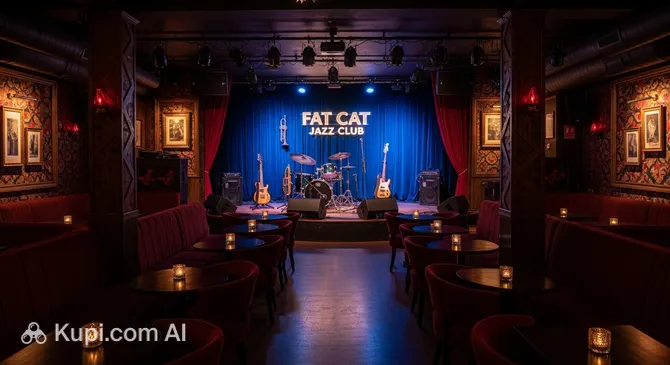
For those seeking live music and a cozy atmosphere, the Fat Cat Jazz Club is a standout venue. Tucked away like a speakeasy, it hosts talented local musicians and offers a sophisticated ambiance perfect for sipping cocktails. If you are in the mood for laughter and a lively crowd, the UB Comedy Club is the place to be, featuring regular stand-up performances that showcase the city's growing comedy scene.

Fat Cat Jazz Club. Source: Kupi.Binoculars

Another popular destination for a complete night out is the Ikh Mongol Complex. This massive venue combines a brewery, restaurant, and nightclub under one roof, making it a convenient stop for dinner that seamlessly transitions into dancing. For those who prefer a modern setting with plenty of options, the Zaisan Hill Complex is a multi-story entertainment hub featuring cinema screens, restaurants, and lounges with some of the best views in town.

When planning a night out, keep in mind that the party usually starts late, with clubs filling up around midnight. The atmosphere is generally friendly and casual, though some high-end venues in Zaisan may enforce a smart-casual dress code. Safety is generally good in the city center, but it is advisable to avoid walking alone in unlit areas or the outskirts late at night. The best way to get around is by using ride-hailing apps like UBCab, which are reliable and overcome language barriers with drivers.

Beyond the nightlife, Ulaanbaatar offers rich cultural entertainment during the day and early evening. The National Academic Drama Theatre of Mongolia is an architectural gem where you can witness classical plays and traditional folklore performances. For families or those looking for a lighthearted afternoon, the National Amusement Park provides a fun escape with rides and games right in the heart of the city.

Parks & Museums

While Ulaanbaatar is often defined by its rapid urbanization, the city maintains a deep connection to its history and nature through a variety of museums and green spaces. Exploring these venues offers travelers a chance to step back from the busy streets and immerse themselves in the rich tapestry of Mongolian culture, from ancient geological wonders to the serene grounds of royal palaces.

For a comprehensive look at the environmental diversity of the country, the Natural History Museum of Mongolia is a fascinating stop. This institution focuses on the rich biodiversity and geological history of the region. Visitors can explore detailed exhibits showcasing the flora and fauna of Mongolia's varied landscapes, ranging from the Gobi Desert to the northern taiga. The collection includes rare geological specimens, minerals, and taxidermy of native species like the snow leopard and Gobi bear, providing an educational overview of the natural world.

Another essential cultural landmark is the Bogd Khan Palace Museum. Located in the southern part of the city, this complex was the winter residence of Mongolia's last king and religious leader. Unlike many other historical sites that suffered damage over time, this museum remains remarkably intact. It comprises summer prayer temples, known for their intricate Chinese-style architecture, and the two-story European-style Winter Palace. Inside, you can view the personal belongings of the Bogd Khan and his queen, including royal clothing and gifts from foreign dignitaries.

Bogd Khan Palace Museum. Source: Kupi.Binoculars

Just south of the capital lies the majestic Bogd Khan Uul National Park, a perfect destination for hiking enthusiasts and nature lovers. As a protected area with a history spanning centuries, it offers pristine landscapes of larch forests and granite peaks. The hike to Tsetsee Gun, the highest point, rewards adventurers with breathtaking views, while the trails offer a serene escape where you can spot local wildlife and breathe the fresh mountain air, all just a short drive from the city center.

For those willing to exert a little physical effort for a reward, the area around the Zaisan Monument offers an excellent outdoor experience. The climb involves ascending over 300 steps up a hill south of the city center. Once at the top, you are greeted not only by the circular memorial featuring vibrant mosaics but also by a commanding perspective of the Tuul River valley. It is the perfect spot to get a sense of the city's scale and its proximity to the surrounding wilderness.

Zaisan Monument. Source: Kupi.Binoculars

If you are looking for a unique spiritual site that is distinct from the main temples, visit Dashchoilin Monastery. This active religious center is known for its yurt-shaped architecture, which differs from the traditional Tibetan style found elsewhere in the city. It offers a quiet, authentic atmosphere where you can observe monks chanting and locals practicing their daily faith, providing an intimate glimpse into the living traditions of Mongolian Buddhism.

Getting Around

Navigating Ulaanbaatar relies primarily on a comprehensive network of buses and trolleybuses, as the city does not currently have a metro or tram system. The bus network covers the entire metropolis, connecting the city center with the suburbs and the sprawling ger districts. While the routes are extensive, travelers should be aware that the city is famous for its heavy traffic congestion, locally known as tugjiruu. Consequently, travel times can be unpredictable, especially during peak morning and evening hours, so patience is an essential part of the commuting experience here.

To use public transport, you must acquire a smart card known as the U Money card, as cash payments are no longer accepted on board. These cards can be purchased and topped up at small kiosks located near most major bus stops, often marked with the U Money logo, as well as at convenience stores like CU and GS25. The card itself requires a small purchase fee. Regarding fares, the pricing structure has been updated: a standard bus ride now costs 1,000 MNT, while a trip on a trolleybus is more economical at 500 MNT. You simply tap your card on the reader near the driver when entering. Transfers within 30 minutes are often free if you tap again upon exiting, though this depends on the specific route and vehicle type.

Public transport generally operates from around 6:00 AM until 10:00 PM or 11:00 PM. For tourists, the most practical advice is to use an app like UB Smart Bus to track routes and bus locations in real-time, which helps in planning your journey and minimizing wait times in the cold. Be prepared for buses to be crowded, particularly during rush hour. It is also important to keep your backpack in front of you and watch your valuables, as pickpocketing can occur in packed vehicles.

Given the traffic conditions, many visitors find that walking is the most efficient way to get around the compact city center. However, for longer distances, taxis are the most popular alternative. While you can hail cars on the street (simply hold out your hand), it is safer and more reliable to use the UBCab app. This operates similarly to major international ride-hailing services, allowing you to book a ride without language barriers and ensuring a metered or fixed price, avoiding the need to negotiate fares with private drivers.

Although there is no historic metro, the city has been modernizing its fleet to combat pollution. While plans for alternative transit systems are frequently discussed, they are not yet a primary mode of tourist transport. For now, a mix of walking for short distances and using the UBCab app for longer trips remains the most stress-free strategy for exploring the city.

Accommodation

Finding the right place to stay in Ulaanbaatar is straightforward, as the city offers a diverse range of accommodation options to suit every budget and travel style. As the tourism hub of Mongolia, the capital features everything from friendly backpacker hostels and traditional guesthouses to modern mid-range hotels and internationally recognized 5-star luxury resorts. Whether you are looking for a quick stopover before heading into the steppe or a comfortable base for exploring the city's museums, you will find ample choices.

For most travelers, the best area to stay is the City Center, specifically within walking distance of Sukhbaatar Square (Chinggis Square). Staying here places you in the heart of the action, with easy access to major attractions, restaurants, and shops. If you prefer a quieter environment with cleaner air and scenic views, the Zaisan district to the south is an excellent alternative. Located near the foothills of the Bogd Khan Mountain, this upscale area is known for its modern developments and proximity to the Tuul River, though it requires a taxi ride to reach the central museums.

While the city center is dominated by standard urban hotels, a unique feature of Mongolian accommodation is the option to stay in a ger (traditional yurt). While authentic nomadic camps are typically found in the countryside, several guesthouses on the city's outskirts or specialized tourist camps offer a "glamping" experience. This allows visitors to enjoy the cozy, circular architecture of a traditional dwelling without sacrificing modern amenities like electricity and heating.

Booking Tips: Ulaanbaatar is a seasonal destination, and accommodation can fill up rapidly during the summer months. This is particularly true in July during the Naadam Festival, which is the peak tourist season. If you plan to visit during this time, it is highly recommended to book your room several months in advance to secure good rates and availability. For winter travel, ensure your chosen accommodation has reliable heating, as temperatures drop significantly.

In terms of pricing, the city is generally affordable compared to many Western capitals. Budget travelers can find hostel beds for very reasonable rates, while mid-range hotels offer excellent value with comfortable amenities. Luxury properties charge international standard rates but provide top-tier service and facilities. Most accommodations can be easily booked via major online platforms, though smaller guesthouses may also accept direct bookings or walk-ins during the low season.

Nearby Cities

For those looking to explore the surroundings, Ulaanbaatar serves as an excellent base for day trips to several interesting nearby locations. While the vast scale of the Mongolian landscape often dictates longer journeys, there are key settlements and towns within a manageable distance that offer a different perspective on local life.

Nalaikh is the most accessible destination, located just a short drive from the capital. Historically known as a coal mining center, it is now strategically important as the gateway to the famous Gorkhi-Terelj National Park and the colossal Genghis Khan Statue Complex. A visit here allows travelers to experience a smaller industrial town atmosphere while being on the doorstep of some of the region's most beautiful natural scenery.

For a look at Mongolia's urban development outside the capital, Darkhan is a fascinating option. Situated to the north and accessible by both paved road and rail, it was established as a "friendship city" and serves as a major industrial and educational hub. Visitors can explore its well-planned streets, the Museum of Darkhan-Uul, and the Morin Khuur monument, enjoying a pace of life that is noticeably more relaxed than in Ulaanbaatar.

City Population Distance (km)
Muren134530531
Erdenet106810245
Darkhan74738185
Choibalsan40000570
Nalaikh3765930

These nearby destinations offer a glimpse into the diverse culture and landscapes of the region.

Shopping & Souvenirs

Shopping in Ulaanbaatar is a journey of contrasts, where you can find everything from high-end international fashion to authentic nomadic gear. The city is renowned worldwide as a capital of cashmere. Visitors often make it a priority to purchase high-quality garments, such as sweaters, scarves, and coats, directly from local factory outlets or specialized boutiques. Brands like Gobi and Goyo are household names, offering world-class textiles at prices significantly lower than in overseas markets.

For a mix of history and retail, the State Department Store (Ikh Delguur) is a legendary landmark in the city center. While it operates as a modern shopping center, its top floor is the ultimate destination for souvenirs. Here, you can browse a vast selection of traditional Mongolian items, including leather boots, felt slippers, intricate silver jewelry, and the iconic horse-head fiddle (morin khuur), making it a convenient one-stop shop for gifts.

If you prefer a luxury shopping experience, the Shangri-La Mall is the city's most upscale destination. Located in the central business district, this modern complex features a range of international brands, fine dining restaurants, and an IMAX cinema. It represents the rapidly developing face of the capital, offering a sophisticated atmosphere for those looking to buy designer goods or enjoy a leisurely afternoon.

Shangri-La Mall

Another prominent spot for retail and leisure is the Zaisan Hill Complex. Situated in the southern part of the city near the Tuul River, this multi-story center combines shopping with entertainment. It hosts a variety of boutique stores and concept shops, often focusing on modern lifestyle products. After shopping, visitors can explore the complex's numerous cafes and terraces, which offer excellent views of the surrounding mountains.

Zaisan Hill Complex

For the adventurous shopper, a visit to the sprawling Narantuul Market (often called the "Black Market") is an unforgettable experience. This vast open-air bazaar sells absolutely everything, from traditional ger furniture and horse tack to everyday clothing and antiques. It is the best place to see the raw, bustling commerce of the city, though it requires a bit of bargaining skills and attention to your belongings.

Reached the end of the page?

That means the route is fully explored