Support

Uliastai

About

Uliastai. Source: Kupi.Binoculars

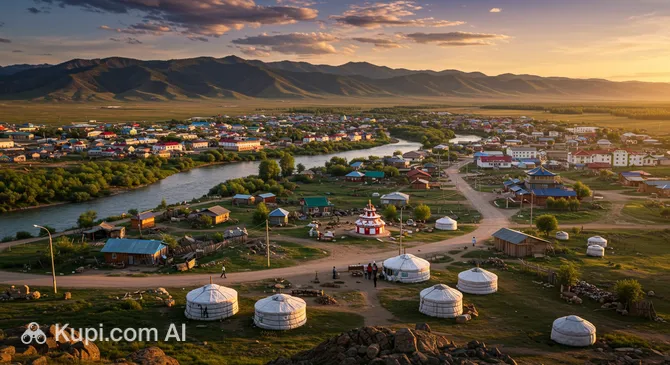
Uliastai is a captivating destination that serves as the administrative capital of the Zavkhan Province. Unlike many other settlements in the region, this city boasts a unique charm characterized by its lush river valleys and dramatic mountainous backdrop. Situated in the western part of Mongolia, it offers travelers a glimpse into the authentic lifestyle of the countryside while providing essential amenities for a comfortable stay.

Geographically, the city is beautifully positioned at the confluence of the Chigestei and Bogd rivers, completely surrounded by the rugged peaks of the Khangai Mountains. With a population of approximately 29,000 people, it maintains a cozy, small-town atmosphere despite its regional importance. The climate here is typically continental, known for its crisp, fresh air that makes exploring the outdoors particularly refreshing.

As one of the oldest settlements in the nation, the history of Uliastai is deeply fascinating. Founded in the 18th century, it was once a significant military fortress and a vital hub for trade caravans. Today, visitors can climb Javkhlant Tolgoi, a hill located right in the city center, to see the beautiful pavilion and stupas while enjoying panoramic views of the entire valley. The nearby Togoo Uul, an extinct volcano, also attracts nature lovers looking for unique geological formations.

Whether you are passing through on a cross-country adventure or looking to immerse yourself in local culture, Uliastai is a welcoming stop. Its harmonious blend of historical heritage and stunning natural scenery makes it a memorable highlight for anyone exploring the Zavkhan region.

Weather Overview

The climate in this region is sharply continental, characterized by extreme seasonal temperature differences. Travelers should expect pleasant, mild summers with frequent but light rain, contrasting with long, bitterly cold, and dry winters.

January is typically the coldest month, with average temperatures dropping to -22.1°C and lows reaching -29.2°C, requiring heavy winter gear for any outdoor activities. In contrast, the summer months offer much more comfortable conditions for exploration; July is the warmest time of year, featuring average highs of 21.1°C. While precipitation is generally low year-round, the summer brings the most moisture, with July and August averaging about 10 wet days each. To help you pack the right clothing for your specific travel dates, be sure to check the detailed weather in Uliastai before your departure.

Interesting Facts

Beyond the main attractions, Uliastai holds fascinating secrets rooted in its deep historical and spiritual heritage. This city is far more than just a provincial center; it is a place where ancient traditions and unique geographical features tell a compelling story.

  • The name Uliastai is derived from the Mongolian word "ulias," which translates to "poplar tree." This refers to the groves of poplar trees that have historically lined the banks of the Bogd and Chigestei rivers, a distinct natural feature in this mountainous terrain.

  • Historically, this city held immense power as the seat of the Manchu General during the Qing Dynasty. For over two centuries, it functioned as a primary military and administrative capital for the Khalkha Mongols, often wielding more direct military authority than other major settlements of that era.

  • Uliastai is often considered the gateway to the "Land of the Saints." The surrounding Zavkhan Province is famous across Mongolia for having produced the highest number of Khutuktu (reincarnated high lamas) and religious scholars, infusing the city with a reputation for profound spiritual energy.

How to Get There

Reaching this remote administrative center in Western Mongolia is an adventure that connects travelers with the vastness of the Zavkhan region. The most time-efficient way to arrive is by air. The city is served by Donoi Airport (IATA: ULZ), which is situated about 30 kilometers west of the city. Regular domestic flights connect Uliastai with the capital, Ulaanbaatar, drastically reducing travel time compared to overland options. From the airport, local taxis can transfer you to the city center in roughly 30 to 40 minutes.

For those who prefer ground transport and wish to witness the stunning transition of landscapes, taking a bus or driving is a viable alternative. You can read more about how to get to Uliastai by road to plan your route effectively. The journey from Ulaanbaatar covers approximately 1,100 kilometers and typically takes between 15 to 24 hours, depending on the vehicle and road conditions. Buses usually depart from the main terminal in the capital, offering a budget-friendly way to experience the Mongolian countryside before arriving in the heart of Zavkhan.

Main Attractions

While Uliastai is often viewed as a gateway to the wilder landscapes of Western Mongolia, the city itself holds several points of interest that reflect its rich history and spiritual significance. Visitors spending time here can explore sites that offer deep insights into local culture, religious heritage, and the stunning geography of the Zavkhan region.

One of the most prominent landmarks in the city is Javkhlant Tolgoi. Located right in the heart of Uliastai, this hill is impossible to miss and offers the best vantage point for orienting yourself. A hike to the top rewards travelers with a panoramic view of the city nestled between the mountains and the converging rivers. At the summit, you will find a beautifully constructed pavilion and nine white stupas, which are dedicated to the nine famous saints (Khutuktu) who originated from this province. It is a peaceful spot, particularly popular at sunset when the valley is bathed in golden light.

For those interested in the region's storied past, the Zavkhan Aimag Museum is a must-visit. This local museum is surprisingly comprehensive, housing a diverse collection that ranges from archaeological finds and religious artifacts to exhibits on local flora and fauna. A highlight for many is the "Hall of Famous People," which celebrates the province's reputation for producing an unusually high number of high-ranking lamas, generals, and statesmen throughout Mongolian history. It provides essential context for understanding why this area is revered as the "Land of Saints."

Just a short distance north of the city lies Togoo Uul, an extinct volcano that adds a dramatic touch to the local skyline. Rising nearly 200 meters above the surrounding terrain, it is a geological curiosity that attracts hikers and nature enthusiasts. The climb is relatively accessible and offers a chance to stand on the rim of an ancient crater. From here, you can enjoy a different perspective of the Chigestei River valley and the rugged Khangai Mountains that encircle the settlement.

Finally, a stroll along the banks of the Chigestei and Bogd Rivers offers a relaxing break from sightseeing. The confluence of these two rivers defines the city's geography and provides a lush, green corridor that contrasts with the rocky mountain slopes. In the summer months, the riverbanks become a social hub where locals gather, offering a glimpse into everyday life in this remote administrative center.

Local Cuisine

The local cuisine in Uliastai is deeply rooted in the nomadic traditions of the Zavkhan region, offering a diet designed to sustain people through the harsh continental climate. The food here is hearty, simple, and dominated by high-quality meat and dairy products. For travelers, dining in this city is less about fine gourmet experiences and more about tasting authentic, home-style Mongolian cooking prepared with fresh, locally sourced ingredients.

When visiting, you simply must try Buuz, the national dish of Mongolia. These steamed dumplings, typically filled with minced mutton or beef and seasoned with onion and garlic, are a staple at any local gathering. Another favorite is Khuushuur, a deep-fried version of the dumpling that is perfect for a quick, energizing meal. For a heavier dinner, look for Tsuivan, a delicious stir-fry combining hand-made noodles with meat and vegetables, which is widely regarded by locals as the ultimate comfort food.

No meal in Uliastai is complete without the traditional beverage, Suutei Tsai. This salty milk tea is served hot and is often the first thing offered to guests as a sign of hospitality. In the warmer months, you might also have the chance to try Airag, fermented mare's milk. It is a slightly sour, alcoholic drink that holds significant cultural importance in the countryside. For a non-alcoholic treat, look for juices or jams made from locally harvested wild berries, such as sea buckthorn, which grows in the river valleys of the province.

The food culture in Uliastai revolves around small, informal eateries known as Guanz. These canteens serve generous portions at very affordable prices and are the best places to mingle with residents. While there are a few larger restaurants in the city center and within hotels, the most authentic flavors are often found in these modest spots. Additionally, a visit to the local market offers a chance to sample fresh dairy products like Aaruul (dried curd) and rich clotted cream, which are essential snacks for long journeys across the steppe.

Travel Tips

Visiting Uliastai offers a unique opportunity to experience the authentic lifestyle of Western Mongolia, but its remote location requires a bit of extra preparation. To help you navigate the city and its surroundings with ease, here are some practical tips to ensure your journey is as smooth and enjoyable as possible.

  1. Dress in Layers and Bring Sturdy Gear. The weather in Zavkhan Province is known for being unpredictable. Even during summer, temperatures can drop significantly at night, so packing thermal layers and a windproof jacket is essential. Since exploring Uliastai often involves walking up hills like Javkhlant Tolgoi, comfortable hiking boots are highly recommended. Don't forget a universal travel adapter (Type C or E) to keep your devices charged.

  2. Navigating the City. Uliastai is relatively compact, and the city center is easily navigable on foot. For longer distances or to reach the airport, local taxis are available; however, they often do not look like traditional taxis. You can usually hail a car by waving your hand by the roadside. If you plan to explore the surrounding wilderness, hiring a private driver with a rugged 4x4 vehicle is a necessity, as roads outside the city are often unpaved.

  3. Cash is King. While Uliastai is a provincial capital, reliance on credit cards is limited to a few larger hotels and supermarkets. The local currency is the Tugrik (MNT). It is crucial to carry sufficient cash for daily expenses, meals at small canteens (guanz), and market purchases. There are ATMs in the city center, particularly from major banks like Khan Bank, but it is wise not to wait until your pockets are empty to withdraw money.

  4. Health and Safety Precautions. Pharmacies are available in the town center, but they may not stock specific prescription medications, so bring your own supply. Uliastai is generally very safe for tourists, but visitors should be cautious around stray dogs, which are common in Mongolian settlements. It is best to keep your distance and not provoke them.

  5. Overcoming the Language Barrier. English is not widely spoken outside of the tourism sector. Learning a few basic Mongolian phrases, such as "Sain baina uu" (Hello) and "Bayarlalaa" (Thank you), will go a long way with the locals. It is highly advisable to purchase a local SIM card (Unitel or Mobicom have good coverage) in Mongolia upon arrival and download offline maps and a translation app before heading to Zavkhan.

  6. Respect Local Etiquette. When interacting with locals, always use your right hand (or both hands) to give or receive items; using only the left hand is considered impolite. If you visit the stupas on Javkhlant Tolgoi or any local monastery, remember to walk around them in a clockwise direction. It is also customary to remove your hat when entering a home or a religious site.

  7. Mind the Threshold. One of the most important cultural taboos to remember is never to step on the threshold when entering a building or a traditional ger (yurt). You must step over it. Stepping on the threshold is seen as disrespectful to the household or the establishment.

  8. Stock Up at the Market. Before heading out on excursions to nearby attractions like Otgontenger, visit the local open-air market. It is the best place to buy supplies, such as dried curds (aaruul), nuts, and warm socks made from camel wool, often at much better prices than in tourist shops in the capital.

By keeping these practical tips in mind, you will be well-equipped to handle the rugged charm of Uliastai. The locals are known for their warm hospitality, so approach your travels with an open mind and a respectful attitude, and you are sure to have an unforgettable adventure in the heart of Zavkhan.

Entertainment & Nightlife

Entertainment in Uliastai reflects the city's character as a remote administrative center rather than a bustling metropolis. The nightlife scene here is low-key and intimate, primarily centered around socializing in small groups rather than large, noisy crowds. Travelers should not expect a vibrant district of nightclubs or neon-lit streets; instead, the evening atmosphere is defined by warm hospitality, hearty meals, and the ubiquitous Mongolian love for singing.

The main hub for evening activities is the City Center, particularly the area surrounding the central square and the major hotels. This is where you will find the few available dining and drinking establishments. The most popular form of nightlife in Uliastai, as in much of Mongolia, is Karaoke. Local karaoke bars usually offer private "VIP" rooms where friends gather to sing, drink, and eat in a comfortable, private setting. These venues are typically open until midnight or slightly later on weekends.

For a more traditional bar experience, the best options are often located within the city's main hotels. The restaurant and bar at the Zavkhan Hotel is a reliable spot for tourists to enjoy a beer or a glass of vodka in a safe and relaxed environment. It serves as a de facto meeting point for visitors and local officials. Another venue worth checking is the dining hall at the Uliastai Hotel, which transforms into a quieter lounge area in the evenings, offering a place to unwind after a day of hiking.

Practical advice for a night out in Uliastai is simple: bring cash and dress casually. Credit cards are rarely accepted in smaller bars or karaoke joints. The dress code is functional and relaxed; hiking gear is perfectly acceptable almost anywhere. Prices are very affordable compared to the capital, with beers and meals costing a fraction of what you would pay in Ulaanbaatar. However, be aware that options for late-night food are virtually non-existent, so it is wise to eat dinner before 9:00 PM.

Safety is an important consideration when exploring at night. The streets of Uliastai can be poorly lit, and sidewalks are often uneven, so carrying a flashlight is recommended. While the city is generally safe, it is advisable to avoid walking alone late at night to steer clear of stray dogs, which become more active after dark. If you need to get back to your accommodation, there is no formal dispatch service; simply waving down a passing car (a practice known as "private taxi") is the standard way to get around, though fair negotiation is required.

Regarding daytime entertainment, the city offers a few cultural gems. The Zavkhan Musical Drama Theater is the cultural heart of the province. If your visit coincides with a performance or a local festival, attending a show here is a fantastic way to experience traditional Mongolian music, dance, and theater. Additionally, the public square often hosts small community events and fairs during national holidays, providing a colorful glimpse into local life.

Parks & Museums

While Uliastai may not feature the manicured botanical gardens found in larger metropolises, its unique location at the confluence of two rivers and the foot of majestic mountains turns the entire city into a natural playground. The cultural venues here are equally compelling, serving as custodians of the rich history and spiritual heritage that define the Zavkhan Province.

For those seeking green spaces and scenic views, Javkhlant Tolgoi functions as the city's premier park and recreational area. Rising from the center of town, this hill is more than just a viewpoint; it is a landscaped complex featuring paved paths, resting areas, and a stunning pavilion at the summit. It is the favorite spot for locals to exercise in the morning or relax in the evening while overlooking the valley. Another natural retreat is found along the banks of the Chigestei and Bogd Rivers. The grassy shores and tree-lined promenades offer a peaceful escape for picnics and leisurely walks, particularly near the suspension bridges that add a rustic charm to the riverside landscape.

The cultural heart of the city is undoubtedly the Zavkhan Aimag Museum. This institution is a treasure trove for anyone interested in the nomadic lifestyle and the region's illustrious past. Visitors can explore extensive exhibits displaying traditional Mongolian costumes, silverwork, and musical instruments that highlight the craftsmanship of the local people. The museum also features a dedicated natural history section, showcasing the diverse flora and fauna of the surrounding Khangai Mountains, including rare specimens found in the province's protected areas.

In addition to the main museum, the Pavilion of the Nine Saints atop Javkhlant Tolgoi serves as a significant open-air cultural venue. While technically part of the park complex, it functions as a spiritual gallery dedicated to the nine Khutuktu (reincarnated lamas) born in Zavkhan. The intricate statues and architectural details provide a fascinating insight into the Buddhist heritage of the region, making it an essential stop for those looking to understand the spiritual gravity of the "Land of Saints."

For a truly authentic experience, take a walk to the Togs Buyant Javkhlant Monastery, located near the foot of the hill. Although it is a functioning place of worship rather than a traditional museum, the temple grounds offer a living display of religious art and architecture. Observing the monks during their daily chants provides an immersive glimpse into the enduring traditions that continue to shape the culture of Uliastai today.

Getting Around

Public transport in Uliastai is quite different from what travelers might expect in larger metropolitan hubs. Due to the city's modest size and population, there is no complex infrastructure such as a metro, tram, or trolleybus system. Even a formal municipal bus network is virtually non-existent for travel within the city limits. Instead, the local transport ecosystem relies heavily on informal taxi services, private vehicles, and the sheer walkability of the central districts.

The primary mode of motorized transport for getting around town is the taxi, though this functions more like a ride-share community than a fleet of uniformed cars. While there are some marked taxis, it is very common for private car owners to pick up passengers. To catch a ride, you simply stand by the roadside and wave your hand at hip level. Drivers will stop if they are heading in your direction. It is a spontaneous and effective system that serves the local population well.

Payment is strictly cash-based. There are no travel passes, transport cards, or mobile payment apps available for local transit here. Fares for rides within the city center are generally standardized at a low, flat rate, regardless of the exact distance. However, as a tourist, it is crucial to agree on the price before entering the vehicle to avoid misunderstandings. Always carry small denominations of the local currency, as drivers rarely have change for large bills.

For travel outside the immediate city center, such as to the airport or neighboring settlements, shared minibuses and private jeeps are the standard options. These vehicles typically gather at the central market or designated lots and do not follow a fixed schedule; instead, they depart only when every seat is filled. If you have a flight to catch, do not rely on these shared services; it is much safer to arrange a private transfer in advance through your hotel or guesthouse.

Given the compact nature of Uliastai, walking is often the most practical and enjoyable alternative. Most major attractions, shops, and administrative buildings are located within a reasonable distance of each other. If you choose to walk, be mindful that sidewalks can be uneven. At night, when street lighting is limited and stray dogs are more active, switching to a taxi is highly recommended for safety and comfort.

Accommodation

Accommodation in Uliastai reflects its status as a remote provincial capital: practical, modest, and deeply connected to the local way of life. Travelers should manage their expectations, as there are no international luxury chains or sprawling five-star resorts here. Instead, the city offers a selection of functional mid-range hotels, simple guesthouses, and, for a truly authentic Mongolian experience, traditional ger camps located on the outskirts.

The most convenient area to stay is undoubtedly the City Center. Choosing a hotel near the central square places you within walking distance of the main museums, the Zavkhan Musical Drama Theater, and essential shops. These central establishments are typically brick-and-mortar buildings, often featuring a blend of Soviet-era architecture and modern renovations. They provide standard amenities such as en-suite bathrooms, heating, and on-site dining, making them a solid choice for those who prioritize comfort and proximity to urban facilities.

For those who prefer to be closer to nature, the areas surrounding the Chigestei and Bogd Rivers offer a different appeal. Here, you can find tourist ger camps—clusters of traditional felt yurts set up specifically for visitors. staying in a ger provides a unique opportunity to sleep in a circular dwelling warmed by a central stove, often with stunning views of the surrounding mountains. These camps usually offer a more communal atmosphere and are situated just a short drive from the city center, providing a peaceful retreat after a day of exploration.

Booking Tips: While it is possible to find a room as a walk-in guest during the winter, booking in advance is highly recommended during the summer months (June to August). This is particularly important around July, when the Naadam Festival takes place, as local hotels can fill up quickly with domestic travelers and officials. If you plan to stay in a popular ger camp, securing your reservation weeks ahead is essential.

In terms of pricing, accommodation in Uliastai is generally very affordable by international standards, falling mostly into the budget to mid-range categories. Payment methods can be old-fashioned; while the larger hotels in the city center may accept credit cards, smaller guesthouses and ger camps often require cash. It is also worth noting that many local establishments are not listed on major global booking platforms. Arranging your stay through a local tour operator or by contacting the property directly via phone is often the most reliable way to secure a room.

Nearby Cities

For those looking to explore the surroundings, Uliastai serves as an excellent base for day trips to several interesting nearby locations. While the vast distances of the Zavkhan Province mean that other major urban centers are quite far, the region is rich in natural wonders that are perfect for short excursions.

One of the most significant sites is the sacred Otgontenger Mountain, located approximately 60 kilometers east of the city. It is the highest peak in the Khangai range and a strictly protected area, offering breathtaking views of eternal snow and alpine meadows. Another fascinating destination is the Bor Khyar Sand Dunes, a massive stretch of sand that creates a stunning contrast against the surrounding green mountains and rivers, providing a unique opportunity to experience a Gobi-like landscape within a short drive. For those interested in history and local culture, smaller district centers (sums) in the vicinity offer a glimpse into the authentic rural lifestyle of nomadic herders.

City Population Distance (km)
Ulaanbaatar 1396288 753
Muren 134530 324
Erdenet 106810 554
Darkhan 74738 699
Nalaikh 37659 780

These nearby destinations offer a glimpse into the diverse culture and landscapes of the region.

Shopping & Souvenirs

Shopping in Uliastai offers a practical and authentic experience rather than a luxury retail therapy session. As a remote provincial capital, the city focuses on providing essential goods for locals and travelers alike. While you will not find international fashion franchises or high-end designer boutiques here, the local shops are excellent for restocking travel supplies, purchasing warm clothing for the mountains, and discovering unique regional products that reflect the heritage of the Zavkhan Province.

The main commercial activity is concentrated in the City Center. The streets surrounding the central square and the administrative buildings are lined with a variety of small convenience stores, pharmacies, and independent shops. This area is compact enough to explore on foot, allowing you to browse through different outlets without the need for transportation. It is the best place to find general groceries, camping gear, and basic electronics.

Although Uliastai does not have massive shopping malls in the western sense, it features several multi-story Trade Centers (often referred to locally as "Ikh Delguur" or department stores). These buildings function as indoor marketplaces where individual vendors rent booths to sell everything from imported clothing and shoes to household items. They are great places to observe local fashion trends and find sturdy, affordable apparel suitable for the harsh Mongolian climate.

For the most vibrant shopping experience, a visit to the local Open-Air Market (often called the Black Market) is a must. This bustling hub is the economic lifeline of the city, consisting of rows of shipping containers and stalls. Here, you can find an array of goods ranging from traditional Mongolian boots and horse tack to fresh meat and vegetables. It is a colorful, energetic place where bargaining is common and the spirit of the community is most visible.

When it comes to souvenirs, Uliastai offers distinct local specialties that are hard to find elsewhere. The Zavkhan Province is famous across Mongolia for its high-quality dairy products, particularly aaruul (dried curd), which is known for its rich flavor. Additionally, the region is renowned for its wild berries. Jams, juices, and concentrates made from locally harvested sea buckthorn or blueberries make for delicious and healthy gifts to take home. You might also find hand-knitted camel wool socks and hats, which are both practical and traditional.

Store hours in the city are generally from 9:00 AM or 10:00 AM until roughly 7:00 PM or 8:00 PM. The large market typically operates during daylight hours and may close earlier, especially in winter. regarding payment, Cash is undoubtedly the preferred method. While a few larger supermarkets and the main department store in the center may accept domestic or international cards, the vast majority of vendors in the market and smaller shops deal exclusively in Tugriks (MNT). It is highly advisable to withdraw sufficient cash from an ATM before heading out to shop.

Tourists should note that Tax-Free shopping or VAT refund schemes are not available in Uliastai. The prices you see on the tags or negotiate at the market are final, and the concept of tax-free shopping for visitors is generally limited to specific locations in the capital city, not provincial centers.
Nearby cities

Reached the end of the page?

That means the route is fully explored