Support

Altay

About

Welcome to Altay, the administrative center of the Govi-Altai Province and a fascinating destination for travelers seeking an authentic experience in western Mongolia. Situated where the majestic Altai Mountains meet the vast expanses of the desert, this city serves as a crucial hub for the region. With its unique blend of rugged landscapes and local hospitality, Altay offers a distinct atmosphere that captures the spirit of the remote Mongolian west.

Geographically, the city sits at a significant elevation, providing visitors with crisp air and stunning panoramic views. It is home to approximately 15,800 residents, making it a modest yet vibrant community. The climate here is characteristically continental, with warm summers that are perfect for exploration and cold, snowy winters that transform the scenery. As you wander through the streets, you can sense the rich heritage of the area; the history of Altay is deeply intertwined with the nomadic traditions and the development of the province.
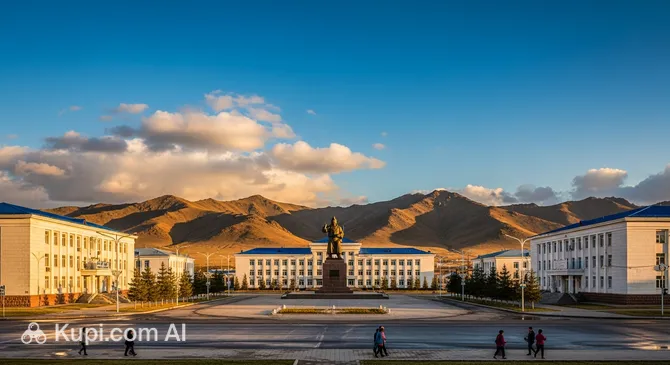
Altay. Source: Kupi.Binoculars

For tourists, Altay is often the gateway to some of the country's most spectacular natural wonders. It is an excellent starting point for expeditions into the Great Gobi Strictly Protected Area or trips to the sacred Eej Khairkhan mountain. Within the city itself, visitors can explore the local museum, which houses artifacts showcasing the region's flora, fauna, and cultural background, or visit the central square to observe daily local life.

Whether you are passing through on a cross-country adventure or planning to explore the Govi-Altai region in depth, Altay provides a welcoming base with essential amenities and a glimpse into the heart of the country. We invite you to discover the charm of this high-altitude city and the breathtaking nature that surrounds it.

Weather Overview

Travelers visiting this region should be prepared for a sharp continental climate characterized by significant seasonal contrasts. To help you plan your packing list effectively, we recommend consulting the detailed guide to the weather in Altay. Generally, the area experiences mild, comfortable summers with occasional precipitation and long, very cold winters that are typically dry.

The winter months are rigorous, with January being the coldest time of the year; average temperatures sit around -15.7°C, while nighttime lows can plunge to -20.3°C. Despite the freezing cold, precipitation is minimal, often recorded as 0mm. In contrast, the summer season offers the most favorable conditions for exploration. July is the warmest month, featuring an average temperature of 16.8°C and daily highs reaching 22.3°C. Although heavy rainfall is rare, August sees the highest frequency of rain with approximately 10 wet days, bringing a refreshing touch to the arid landscape.

Interesting Facts

To uncover the true character of this remote settlement, one must look beyond its dusty streets and into its unique history and geography. Altay holds several fascinating secrets that set it apart from other provincial capitals in the region.

  • It holds the title of the highest city in Mongolia. Perched at an elevation of approximately 2,180 meters (7,150 feet) above sea level, Altay sits higher than the capital, Ulaanbaatar, and offers visitors exceptionally crisp air and a distinct high-altitude climate.

  • Locals often refer to the city by the name of its district, Yesönbulag, which poetically translates to "Nine Springs." This name is not just symbolic; it historically referred to the natural springs in the area that made settlement possible in this arid environment.

  • The city's water supply is a modern engineering marvel. Due to the scarcity of local groundwater, a massive pipeline transports water from the Zavkhan River, located more than 50 kilometers away. This vital infrastructure, known as the Taishir-Altai Water Supply, is crucial for sustaining the city's population.

  • The central square is dedicated to a local legend, Janchiv, a Hero of the Mongolian People's Republic. A prominent statue honors this soldier who famously sacrificed his life during the Liberation War of 1945, serving as a proud reminder of the region's contribution to the nation's history.

How to Get There

Reaching this remote western hub requires some planning, as it is situated quite far from the nation's capital. The fastest and most comfortable way to arrive is by air. The city is served by Altai Airport (IATA: LTI), which typically receives domestic flights from Ulaanbaatar. The flight offers stunning aerial views of the vast landscapes and takes approximately two hours, significantly cutting down travel time compared to overland options.

If you prefer a ground adventure, you can take an intercity bus or hire a private vehicle from Ulaanbaatar. The road trip covers over 1,000 kilometers and passes through diverse terrains, offering a true sense of the country's scale. While the main route connecting the capital to the Govi-Altai province is largely paved, travelers should be prepared for a long journey. For detailed information on flight schedules, bus routes, and driving directions, you can find more about how to get to Altay on our dedicated page.

Main Attractions

While Altay is often viewed as a transit point, the city and its immediate surroundings offer several compelling sites that provide deep insight into the culture and natural beauty of Western Mongolia. Visitors spending time here can explore local history, spiritual heritage, and unique geological formations.

One of the primary stops for any visitor is the Govi-Altai Aimag Museum. Located in the heart of the city, this museum is a treasure trove of regional knowledge. It is particularly famous for its natural history section, which features taxidermy exhibits of rare local wildlife, including the elusive Gobi bear (Mazaalai) and the Saiga antelope. Tourists will also find a rich collection of ethnic costumes, historical artifacts, and even meteorite fragments found in the province, offering a comprehensive overview of the area's diverse heritage.

For a glimpse into the spiritual life of the locals, a visit to Dashpeljeelen Monastery is highly recommended. Like many religious sites in the country, it has been revived in recent decades and serves as an active center for Buddhist worship. The monastery features traditional Tibetan-style architecture and vibrant interiors filled with thangkas (religious paintings) and statues. It provides a peaceful atmosphere where travelers can observe morning chants and learn about the resurgence of Buddhism in the region.

Although situated outside the immediate city limits, Eej Khairkhan Mountain is the most significant natural attraction accessible from Altay and constitutes a major reason for tourists to stop here. Known as "Mother Mountain," this granite rock formation rises dramatically from the desert steppe. It is famous for its nine natural stone "pots" or basins that retain water, which locals believe possesses healing properties. The area is also home to fascinating rock formations resembling animals, making it a perfect spot for hiking and photography.

Back in the city center, the Main Square serves as the focal point of civic life. It is a spacious area perfect for an evening stroll to soak in the local atmosphere. The square is anchored by a monument dedicated to Janchiv, a local hero, and is surrounded by key government buildings. It offers a genuine slice of modern Mongolian provincial life, where children play and families gather, providing a stark but welcoming contrast to the solitude of the surrounding Gobi desert.

Local Cuisine

The local cuisine in Altay reflects the hardy, nomadic lifestyle of the Govi-Altai region. Food here is traditionally designed to provide sustenance and warmth in a harsh high-altitude climate, resulting in a diet heavily focused on meat and dairy products. Travelers should not expect elaborate spices or complex preparation methods; instead, the culinary scene offers honest, hearty meals that allow the natural flavors of high-quality, free-range meat to shine.

When visiting a local canteen or guest house, you will almost certainly encounter the staples of Mongolian dining. Buuz (steamed dumplings filled with mutton or beef) and Khuushuur (deep-fried meat pastries) are ubiquitous and serve as the city's most popular comfort foods. Another must-try dish is Tsuivan, a hearty plate of stir-fried noodles mixed with meat and vegetables. Given the region's geography, goat meat is also commonly used in local dishes, offering a distinct flavor that characterizes the cuisine of the western provinces.

A unique gastronomic feature of the Govi-Altai province is its reliance on the Bactrian camel. While horse milk (Airag) is famous across the Mongolian steppe, this region is renowned for Khoormog, fermented camel milk. It has a rich, slightly sour taste and is prized by locals for its perceived health benefits. You may also find various forms of dried curds, known as Aaruul, made from camel milk, which are harder and have a more intense flavor than those made from cow or yak milk.

Beverages in Altay are central to social life. Meals are almost always accompanied by Suutei Tsai, a savory, salted milk tea that can sometimes include butter or millet. For those interested in local spirits, Arkhi (milk vodka) is a traditional alcoholic drink distilled from fermented yogurt, offering a smooth and mild taste compared to grain vodkas.

The dining culture in Altay is casual and communal. There are few upscale restaurants; instead, locals and visitors alike frequent Guanz—small, informal canteens that serve fresh, hot meals at affordable prices. These spots are perfect for experiencing the daily rhythm of the city. Additionally, the local market is a great place to purchase fresh dairy products directly from herders, offering a true taste of the Gobi's pastoral traditions.

Travel Tips

Planning a trip to Altay offers a unique opportunity to experience the rugged charm of western Mongolia, but the remote location demands smart preparation. To ensure your adventure in this high-altitude city is as smooth and enjoyable as possible, we have compiled a list of essential practical advice.

  1. Clothing and Gear: Due to the city's elevation of over 2,000 meters, the weather can be unpredictable. Even in summer, the sun is strong, but temperatures drop significantly at night, so dressing in layers is key. Bring a windproof jacket, a warm fleece, and sturdy walking shoes or hiking boots, as the terrain in and around the city can be dusty and uneven.

  2. Transportation: The city center is compact enough to explore comfortably on foot. For longer distances within the city, unmarked private taxis are the norm; simply hail a car or ask your accommodation to arrange one. There is no public metro or bus system, and if you plan to explore the surrounding province, hiring a driver with a reliable 4WD vehicle is absolutely necessary.

  3. Finances: The local currency is the Mongolian Tugrik (MNT), and cash is essential for almost all transactions in shops and local canteens. While there are ATMs belonging to major banks like Khan Bank or State Bank in the center, they can occasionally run out of cash or reject certain international cards, so it is wise to arrive with a sufficient supply of cash.

  4. Health and Safety: Basic pharmacies are available, typically located near the hospital or the central market, but they may not carry specific international brands. It is recommended to bring your own supply of essential medications. The city is generally very safe for tourists, but visitors should be cautious around stray dogs, which are common in provincial towns.

  5. Communication: English is not widely spoken among the general population, though you may find younger people who know basic phrases. Buying a local SIM card (such as Mobicom or Unitel) is highly recommended for navigation and translation. Be sure to download offline maps and a translation app before you arrive, as mobile data can be spotty in remote areas.

  6. Local Etiquette: When giving or receiving items—whether it's money in a shop or a cup of tea—always use your right hand or both hands; using only the left hand is considered impolite. If you visit a local family or a ger, remember to step over the threshold, never on it, as touching the threshold is seen as disrespectful to the household.

  7. What to Avoid: Avoid whistling when inside a building or a traditional dwelling, as locals believe this calls upon bad spirits or natural disasters. Additionally, do not point your finger directly at people or religious objects; instead, gesture with an open hand to show respect.

  8. Strategic Supplies: As the administrative center, Altay is the best place to stock up on provisions before heading into the Gobi desert or the Altai Mountains. Use the local supermarkets and markets to buy ample water, fuel, and non-perishable food, as shops in smaller villages further out will have very limited inventory.

By keeping these practical tips in mind, you will be well-equipped to navigate the local customs and logistics of Altay. Embrace the slower pace of life in this remote province and enjoy the incredible hospitality that awaits you in the heart of the Govi-Altai region.

Entertainment & Nightlife

Nightlife in Altay is a reflection of the city's character: quiet, authentic, and centered around community connection rather than bustling clubs or neon-lit avenues. As a small provincial capital in Mongolia, the city does not offer the high-energy party scene found in Ulaanbaatar. Instead, evening entertainment here is laid-back and intimate, offering travelers a chance to experience how locals unwind after a day in the high-altitude steppe. The atmosphere is welcoming but subdued, with most social activities taking place in hotel restaurants, local canteens, and the central square.

The cultural heartbeat of the city after dark is undoubtedly the Musical and Dramatic Theater of Gobi-Altai. This venue serves as the primary stage for regional artistic expression, hosting everything from traditional folk concerts and throat singing performances to modern theatrical plays. It is a fantastic place to witness the rich heritage of the region come alive. For a more casual evening, visitors often head to the restaurant and bar at the Hotel Govi-Altai. As one of the main accommodation hubs in the city, it provides a reliable spot to enjoy a cold beer or a glass of vodka while mingling with other travelers and locals in a comfortable setting.

While dedicated nightclubs are scarce, the spirit of local nightlife is present in the form of karaoke. Singing is a beloved pastime across the country, and you can find small karaoke rooms or bars near the city center where groups of friends gather to sing their hearts out. If you prefer a quieter evening, a walk around Janchiv Square is a popular local tradition. In the summer months, families and young people congregate here until late, enjoying the cool evening air and the illuminated monuments, creating a safe and friendly social environment.

From a practical perspective, it is important to manage your timing and expectations. Most venues in Altay close relatively early, typically by 10:00 PM or 11:00 PM, though some karaoke spots may stay open later. Prices are very affordable compared to the capital, but credit cards are rarely accepted in smaller establishments, so always carry sufficient cash. The city is compact and walkable, but street lighting can be dim away from the main square. For safety and comfort late at night, it is best to ask your hotel or restaurant to call a private taxi for you rather than hailing one on the street.

Parks & Museums

While Altay is situated in a rugged, semi-desert landscape where lush greenery is a rarity, the city and its immediate surroundings offer distinct public spaces and cultural venues that reflect the resilience and history of its people. Visitors will not find sprawling botanical gardens here; instead, the "parks" are community gathering points that offer panoramic views and a breath of fresh air, while the local museum serves as the custodian of the region's deep archaeological and literary heritage.

For the best views in the city, travelers should head to Shuteen Park. Located on a hill adjacent to the Dashpeljeelen Monastery, this elevated area serves as a serene lookout point rather than a traditional park. It is the perfect spot to visit during the "golden hour" just before sunset, offering sweeping vistas of the city grid below and the dramatic silhouette of the distant mountains. The park features a small pavilion and is a popular place for locals to hike up, offer prayers, and enjoy the peaceful atmosphere away from the dusty streets of the town center.

The civic heart of the city is Janchiv Square, which functions as the primary green space for residents. Lined with hardy trees that survive the harsh climate, the square is more than just a plaza; it is an open-air gallery of local pride. Apart from the central monument to the hero Janchiv, the square features a significant statue dedicated to Zulai Tsagaan Altai. It is important to note that this monument does not honor a person by that name, but rather the famous song "Zulai Tsagaan Altai," which serves as the beloved anthem of the region. The statue pays tribute to the song's composer, Ch. Sangidorj, and the enduring spirit of the Altai people captured in his melody.

Cultural exploration in the city is anchored by the Govi-Altai Aimag Museum. While many visitors come for its natural history collection, the museum holds significantly more value for history enthusiasts due to its archaeological treasures. The collection includes rare bronze artifacts and statues dating back to ancient times, showcasing the craftsmanship of early nomadic cultures. Uniquely, the museum also houses a hall dedicated to Ch. Lodoidamba, a famous Mongolian writer born in the province, offering fascinating insight into the region's contributions to national literature and arts.

For an authentic "open-air museum" experience, adventurous tourists should take a short trip about 10 kilometers southwest of the city to see the Khun Chuluu (Stone Man). This ancient anthropomorphic stela stands silently on the steppe, a solitary guardian marking burial sites and rituals from the Bronze Age. Unlike a curated indoor exhibit, visiting this singular standing stone allows you to touch history in its original setting, surrounded by the vast, windswept landscape that has preserved it for millennia.

Getting Around

Navigating Altay is a straightforward experience, primarily because the city is compact and lacks the complex public transport infrastructure found in larger metropolitan areas. Visitors should not expect to find a metro system, trams, or a comprehensive municipal bus network. Instead, the local transport "system" is informal, relying heavily on private vehicles and the walkability of the town center.

The most common form of motorized transport within the city is the taxi. However, you will rarely see official taxi companies with branded cars and meters. Instead, most taxis are private vehicles acting as informal cabs. To catch a ride, you simply stand by the side of the road and raise your hand. Drivers are generally friendly and accustomed to taking passengers for short hops across town. It is a shared ride culture, so don't be surprised if the driver stops to pick up other passengers going in the same direction.

Regarding payment, cash is the only accepted method for transport in the city. There are no travel passes, smart cards, or mobile ticketing apps available here. Fares are typically fixed at a low rate for any trip within the city limits, usually a standard small amount in the local currency. It is essential to carry small denominations of notes, as drivers may not always have change for large bills. Prices are per person, not per vehicle.

For tourists, the most practical advice is to rely on walking for most daily activities. The city center, including the main square, the museum, and most hotels, is small enough to traverse on foot within 20 to 30 minutes. Walking allows you to soak in the local atmosphere and is often faster than waiting for a car. If you do need a ride—perhaps to the airport or the outskirts—it is best to ask your hotel reception to call a reliable driver for you rather than hailing one on the street, especially if you have luggage.

Alternatives like international car-sharing apps, bike rentals, or electric scooters are not currently present in the city. If you plan to explore the surrounding province or visit attractions like Eej Khairkhan Mountain, the standard "public transport" rules do not apply; you will need to hire a private driver with a sturdy 4WD vehicle. This is typically arranged through guesthouses or local tour operators rather than through a public transport terminal.

Accommodation

Finding accommodation in Altay requires a different mindset compared to visiting a major tourist hub. As a remote provincial capital, the city does not feature international luxury hotel chains or sprawling resorts. Instead, the accommodation landscape is modest, functional, and deeply local. Visitors can generally choose between older, Soviet-style hotels that have been partially renovated, smaller family-run guesthouses, and traditional ger camps located on the outskirts of the city.

The most convenient area to stay is undoubtedly the city center, specifically the streets surrounding the main square and the local museum. Staying here places you within walking distance of the few restaurants, shops, and administrative buildings in town. Since the city is small, "central" essentially covers the main grid of the town, making it easy to navigate on foot. This area is also the safest and most illuminated part of the city after dark.

For those looking for standard hotel amenities, the options are limited but adequate for a short stay. The most well-known establishment is often referred to locally as the Hotel Govi-Altai or simply the main provincial hotel. These types of lodgings typically offer en-suite bathrooms, television, and heating, though travelers should manage their expectations regarding modern decor and consistent hot water. Alternatively, smaller guesthouses offer a more intimate experience, often with shared facilities but with the benefit of personalized hospitality from local owners.

Booking Tips: A crucial tip for travelers is that very few accommodations in Altay are listed on major international booking platforms. The digital presence is minimal. While you might find one or two options online, the most reliable way to secure a room is often through a local tour operator or by having a Mongolian speaker call the hotel directly. During the low season, walk-ins are generally possible, but during the summer festivals or if a large delegation is in town, rooms can fill up surprisingly quickly.

Prices and Payment: The price range is overwhelmingly budget to mid-range by international standards. A night in a standard hotel room is very affordable, often costing a fraction of what one would pay in the capital. However, payment methods can be a hurdle; credit card machines are frequently out of service or non-existent in smaller lodgings. It is highly recommended to carry sufficient cash (MNT) to cover your entire stay. Travelers seeking a "luxury" experience will not find it here in the traditional sense; rather, the luxury lies in the authentic, unvarnished experience of life in the Gobi-Altai.

Nearby Cities

For those looking to explore the surroundings, Altay serves as an excellent base for day trips to several interesting nearby locations. While the vast scale of the Gobi-Altai province means that major metropolitan centers are often a significant distance away, the region is dotted with smaller settlements and unique sites that are perfect for shorter excursions.

One of the most popular destinations for a day trip is the village of Taishir, located approximately 50 kilometers from the city. It is best known for the massive Taishir Hydro Power Plant and the resulting reservoir, often called Gegeen Lake. This artificial lake stands in stark contrast to the surrounding arid landscape and has become a favorite spot for locals to enjoy picnics, fishing, and water activities during the warm summer months. The drive itself offers scenic views of the Zavkhan River valley.

Another interesting direction is towards the sum of Delger, situated about 80 kilometers to the east along the main paved road. As a key transit point, it offers a glimpse into the daily life of a typical Mongolian settlement on the steppe. The route to Delger passes through expansive plains where travelers can frequently spot herds of camels and gazelles, making the journey as rewarding as the destination itself.

City Population Distance (km)
Ulaanbaatar 1396288 826
Muren 134530 467
Erdenet 106810 658
Darkhan 74738 803
Nalaikh 37659 849

These nearby destinations offer a glimpse into the diverse culture and landscapes of the region, providing travelers with a deeper understanding of life in western Mongolia beyond the provincial capital.

Shopping & Souvenirs

Shopping in Altay offers a glimpse into the practical lifestyle of western Mongolia. Unlike the polished commercial hubs of the capital, the retail scene here is driven by function and tradition rather than leisure. Visitors will not find international brand chains or sprawling shopping malls; instead, the city provides a selection of local markets and small general stores that cater to the daily needs of residents and the herders from the surrounding Govi-Altai province.

The center of commercial activity is the local market (often referred to as the "Zakh"). Situated near the city center, this area is a bustling collection of shipping containers and open-air stalls that serves as the community's primary trading post. It is the best place to observe local commerce in action. Here, travelers can find a wide array of goods ranging from sturdy leather riding boots and traditional Deels (tunics) to essential camping gear and horse tack. The atmosphere is authentic and lively, offering a stark contrast to the quiet streets of the residential districts.

Since the region is renowned for its camel herds, one of the most valuable items to purchase in Altay is camel wool clothing. Socks, vests, and blankets made from this material are incredibly warm, durable, and well-suited for the harsh high-altitude climate. These items are typically sold directly at market stalls or in small specialty shops and are often priced much lower than in tourist boutiques in Ulaanbaatar. They make for practical souvenirs that directly support the local economy.

For those interested in edible souvenirs, the market is the ideal place to buy Aaruul (dried curds). The Govi-Altai variety is distinct, often made from camel milk, which gives it a rich, slightly sharper flavor compared to cow milk curds. You can purchase these by the bag, and they serve as a lightweight, non-perishable gift that carries the true taste of the nomadic diet. Additionally, you may find locally produced sea buckthorn juice, a vitamin-rich beverage made from berries harvested in the province.

When shopping in Altay, it is important to remember that cash is essential. While a few larger supermarkets may accept domestic bank cards, the vast majority of vendors at the market and smaller shops operate exclusively with the Mongolian Tugrik. Bargaining is acceptable at the outdoor market, especially if you are purchasing multiple items, but prices in fixed-structure shops are generally non-negotiable. Visitors should also be aware that shops typically close early, often by 6:00 PM or 7:00 PM.

Nearby cities

Reached the end of the page?

That means the route is fully explored