Support

Olgii

About

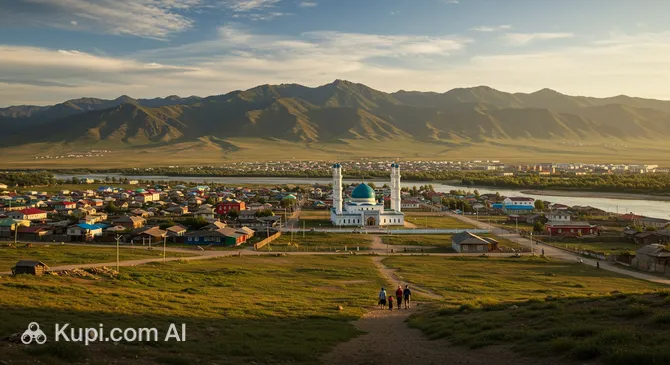
Olgii is a captivating city nestled in the far west of Mongolia. As the capital of the Bayan-Ölgii Province, it offers a distinct cultural atmosphere that sets it apart from the rest of the country. Unlike the predominantly Buddhist traditions found elsewhere, Olgii is the heart of the country's Kazakh minority, creating a vibrant blend of Central Asian heritage and nomadic traditions.

Geographically, the city is situated at a high altitude within the majestic Altai Mountains. With a population of approximately 30,000 residents, it serves as the primary urban hub for the region. The climate here is semi-arid with long, cold winters and short, mild summers, shaping a resilient lifestyle for the locals.

Olgii. Source: Kupi.Binoculars

Visitors interested in the past will find the history of Olgii fascinating, as it reflects centuries of migration and cultural exchange. The city is renowned for its traditional Kazakh embroidery, handcrafted felt rugs, and the hauntingly beautiful sounds of the dombra, a traditional two-stringed instrument.

One of the main draws for travelers is the city's role as the gateway to the stunning Altai Tavan Bogd National Park, home to snow-capped peaks and massive glaciers. Additionally, Olgii gains worldwide fame every autumn for hosting the spectacular Golden Eagle Festival, where eagle hunters showcase their ancestral skills. The bustling local market and the central mosque are also key spots to experience the daily rhythm of this unique city.

Whether you are an adventurer seeking rugged landscapes or a culture enthusiast eager to witness ancient traditions, Olgii welcomes you with open arms and unforgettable experiences.

Weather Overview

The climate in Olgii is defined by its high-altitude location in the Altai Mountains, resulting in long, harsh winters and short, moderate summers. Travelers should be prepared for significant temperature variations depending on the season. To help plan your visit with the most accurate expectations, you can consult the detailed guide to the weather in Olgii.

Winter months are extremely cold and dry, with January averages hovering around -20.7°C and minimum temperatures dropping as low as -26.5°C. Precipitation during this time is virtually non-existent. In contrast, the summer season brings milder conditions; July is typically the warmest month with an average temperature of 14.2°C and daytime highs reaching nearly 20°C. Although the total rainfall volume remains low, summer is the "wettest" season, with July experiencing about 12 days of precipitation.

Overall, you can expect cool to mild summers with occasional light rain and very cold, dry winters that require heavy thermal clothing.

Interesting Facts

Beyond the main attractions, Olgii holds fascinating secrets that reveal its distinct identity within Mongolia. This remote city operates on its own terms, offering surprises for those who look closer at its daily life and culture.

  • A Different Time Zone: One of the most practical yet overlooked facts is that Olgii does not follow the same clock as the capital, Ulaanbaatar. The western provinces observe UTC+7, meaning the city is one hour behind the rest of the country—a detail that frequently catches travelers off guard when checking flight schedules.

  • A Linguistic Enclave: While Mongolian is the official national language, the primary language heard on the streets of Olgii is Kazakh. This Turkic language is the mother tongue for the majority of the local population, creating a unique linguistic atmosphere that feels distinctly different from the rest of Mongolia.

  • Distinct Architecture: Unlike the white felt gers (yurts) that dot the rest of the Mongolian steppe, Olgii is characterized by colorful, flat-roofed adobe houses. These mud-brick structures are specifically designed for the region; the flat roofs serve as essential drying platforms for dung and hay to prepare for the harsh winters.

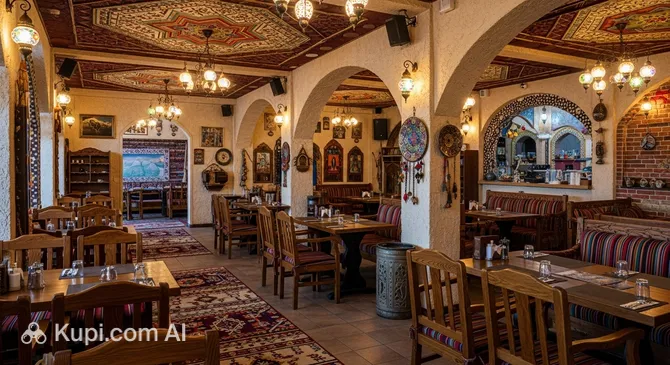
  • Unique Flavors: The local cuisine diverges significantly from typical Mongolian fare, leaning heavily into Central Asian traditions. The city's dining scene includes spots like the Pamukkale Restaurant, offering visitors a taste of these broader cultural connections right in the heart of the Altai.

Pamukkale Restaurant. Source: Kupi.Binoculars

How to Get There

Traveling to Western Mongolia requires some planning due to its remote location in the Altai Mountains. The most practical and time-saving method for visitors is air travel, as overland journeys from the capital can take several days on rugged terrain. You can find comprehensive information about routes and logistics in our guide on how to get to Olgii.

The city is served by its own aviation hub, Olgii Airport (IATA: ULG). Located just 4.2 km from the city center, it is the primary gateway for tourists arriving from Ulaanbaatar. The airport handles a small volume of passenger traffic annually, ensuring a relatively quick and simple arrival process. A taxi or shuttle ride to the city center is very brief, typically taking around 10 to 15 minutes, making it an extremely convenient option for starting your adventure immediately.

If flights to Olgii are unavailable, travelers might consider flying into Khovd Airport (IATA: HVD) in the neighboring city of Khovd. However, it is important to note that this airport is approximately 166 km away from Olgii. The transfer by taxi or bus from Khovd involves a journey through the steppe that can take about 4.5 hours. While less direct, this route offers a scenic introduction to the landscapes of western Mongolia.

For clarity, here is a summary of the main airports in the wider region. Please note that some of the nearest airports are located across the border in China, which would involve crossing international boundaries:

Airport Name City Country Passenger Traffic Km from City
Altay Airport Altay China Medium 194.3
Kanasi Airport Burqin China Small 234.3
Khovd Airport Khovd Mongolia Small 166.0
Olgii Airport Olgii Mongolia Small 4.2

Main Attractions

Olgii offers a unique array of sights that differ significantly from typical Mongolian tourist spots. The city's attractions are deeply rooted in its Kazakh heritage, offering visitors a chance to explore a rich tapestry of history, religion, and daily life in the Altai region. While the city itself is compact, it serves as a cultural hub where travelers can immerse themselves in local traditions before heading out into the wilderness.

Bayan-Ölgii Aimag Museum is an essential stop for anyone wanting to understand the region's history and culture. This three-story building houses an impressive collection of artifacts, including traditional Kazakh clothing, hunting gear, and historical documents. The museum also features exhibits on the local flora and fauna, providing context for the diverse wildlife found in the surrounding national parks. It is particularly famous for its displays on the ancient tradition of eagle hunting, which is central to the province's identity.

The Central Mosque of Olgii stands as a vibrant symbol of the city's Islamic heritage. With its colorful dome and minarets, the mosque is a striking architectural landmark set against the backdrop of the dry, mountainous landscape. It serves as the spiritual center for the local community and offers visitors a glimpse into the religious practices that distinguish this province from the Buddhist-majority regions of Mongolia. The area around the mosque is often bustling, especially during Friday prayers.

For a taste of local commerce and craftsmanship, the Olgii Market (often called the Black Market) is a must-visit. This bustling bazaar is the heartbeat of the city, where locals trade everything from livestock to household goods. Tourists will find it fascinating for its selection of traditional handicrafts, including the famous hand-embroidered wall hangings known as tuskies and felt rugs. It is an excellent place to observe the daily rhythm of life and perhaps pick up a unique souvenir.

After a day of exploring, visitors often look for a place to relax and enjoy a good meal. The Pamukkale Restaurant is one of the most well-known dining establishments in the city. It is popular among both locals and tourists for its diverse menu, which typically includes Turkish-inspired dishes alongside local Mongolian and Kazakh favorites. It provides a comfortable atmosphere to recharge and enjoy the distinct flavors that characterize this cross-cultural crossroads.

Local Cuisine

The culinary landscape of Olgii is a delicious reflection of its unique cultural identity, distinguishing it from the rest of Mongolia. While traditional Mongolian staples like dumplings are available, the local diet is heavily influenced by Kazakh traditions. The cuisine here is hearty and meat-centric, designed to sustain locals through the harsh winters of the Altai Mountains. Visitors will find that meals are not just about sustenance but are a central part of the renowned hospitality in the region.

One dish that stands out as a culinary symbol of Olgii is Besbarmak, which translates to "five fingers" because it is traditionally eaten with the hands. This communal meal typically consists of boiled meat—often mutton or horse—served over a bed of flat, wide noodles and topped with an onion sauce. Another delicacy worth trying is Kazy, a traditional horse meat sausage that is seasoned with garlic and pepper, often served as part of a festive spread or a special guest meal.

No meal in Olgii is complete without the local bread and beverages. Baursak, puffy fried dough squares, are a staple on every table and are best enjoyed dipped in Suutei Tsai, a salty milk tea. Unlike the tea in other parts of the world, this version is savory and rich, sometimes enriched with butter or millet. In the warmer months, you might also encounter Kymyz (fermented mare's milk), a slightly sour and fizzy drink that is deeply embedded in the nomadic culture.

The dining scene in the city offers a mix of local canteens and a few more established eateries. Due to cultural and linguistic ties, there is a noticeable Turkish influence in some of the local menus. A prime example of this is the Pamukkale Restaurant, where travelers can enjoy a variety of dishes that blend Central Asian flavors with Turkish culinary styles. Whether you are eating at a restaurant or are lucky enough to be invited into a local home, the food in Olgii offers a warm and flavorful welcome.

Travel Tips

Visiting Olgii is a true adventure into the heart of Central Asian culture within Mongolia, but its remote nature and distinct traditions require a bit of preparation. To ensure your journey through this gateway to the Altai Mountains is as smooth and enjoyable as possible, here are some essential practical tips to keep in mind.

  1. Clothing and Gear: The weather in the Altai region is unpredictable, even in summer. You should bring layers, including a windproof and waterproof jacket, as temperatures can drop significantly at night. Sturdy, broken-in hiking boots are a must for the terrain. Since Olgii is a predominantly Muslim area, it is respectful to dress modestly; avoid overly revealing clothing, especially when visiting the mosque or local families.

  2. Transportation: Within the city limits, Olgii is compact enough to explore on foot, or you can hail inexpensive local taxis for short trips. However, for visiting the surrounding national parks or eagle hunters, public transport is non-existent. You will absolutely need to hire a private driver with a rugged 4x4 vehicle (typically a Russian UAZ Furgon or Land Cruiser), which can be arranged through local guesthouses or tour agencies.

  3. Finances: The local currency is the Mongolian Tugrik (MNT). While there are ATMs in Olgii (mostly Khan Bank and State Bank) that accept international Visa and Mastercards, they can occasionally run out of cash or experience technical issues. It is highly recommended to bring a reserve of USD or EUR to exchange at local banks. Credit cards are rarely accepted outside of a few major hotels and supermarkets, so cash is king.

  4. Health and Safety: Olgii has several pharmacies, but they may not stock specific international brands and are generally not open 24/7. Bring a personal medical kit with essentials like painkillers, stomach medicine, and any prescription drugs you need. The city is generally very safe for tourists, but be cautious of stray dogs, which are common in the streets and can be aggressive at night.

  5. Communication: The primary language is Kazakh, followed by Mongolian. English is not widely spoken outside of the tourism sector, though older generations may understand some Russian. Buying a local SIM card (Unitel or Mobicom) in the city center is easy and provides decent 4G coverage in town. It is vital to download offline maps and a translation app for Kazakh and Mongolian before you arrive.

  6. Local Etiquette: Hospitality is a cornerstone of the culture here. If you are invited into a home or a ger, always remove your shoes at the entrance. When offered food or tea (usually salty milk tea), receive the bowl with your right hand or both hands; using only your left hand is considered impolite. Even if you are not hungry, tasting a small amount is a sign of respect.

  7. What to Avoid: Do not take close-up photographs of locals, especially elders or eagle hunters, without asking for permission first. In some cases, eagle hunters in full regalia may expect a small payment for photos, as this is part of their livelihood. Also, avoid walking in front of a person who is praying.

  8. Friday Schedule: Since Olgii is the center of Mongolia's Muslim community, Friday is a holy day. While most businesses remain open, the area around the Central Mosque becomes extremely busy during prayer times (Jumu'ah), and some smaller shops or the market stalls might take a short break in the early afternoon. Plan your shopping or market visits accordingly.

With these tips in your pocket, you are fully prepared to embrace the warm hospitality and rugged beauty of Western Mongolia. Enjoy the stunning landscapes, the rich traditions, and the unforgettable experiences that await you in Olgii!

Entertainment & Nightlife

Travelers visiting Olgii should adjust their expectations regarding nightlife; this is not a city of booming nightclubs, neon-lit discos, or 24-hour party districts. Instead, the evening entertainment here is subdued, culturally rich, and revolves primarily around social dining and hospitality. The atmosphere is quiet and conservative, reflecting the local Kazakh traditions and the Muslim majority population. "Nightlife" in Olgii typically means enjoying a long, hearty dinner with friends, exchanging stories at a guesthouse, or perhaps engaging in the popular Mongolian pastime of karaoke.

The heart of the city's evening activity is concentrated around the central square and the main streets nearby. While the streets can become empty and dark relatively early, a few establishments remain warm and welcoming. The most prominent venue for an evening out is the Pamukkale Restaurant. It serves as a de facto social hub for both locals and tourists. Open later than many other spots, it offers a relaxed environment where you can enjoy Turkish and Mongolian dishes while mingling with other travelers. It is arguably the most vibrant spot in town after sunset.

For those seeking a drink or a bit more activity, options are limited but available. While alcohol is less conspicuous here than in Ulaanbaatar due to religious norms, you can still find beer and vodka in supermarkets and specific venues. Hotel bars, such as the one at the Duman Hotel or the traveler-friendly Blue Wolf complex (often a gathering point for expeditions), are safe bets for a quiet evening drink. Additionally, like much of Mongolia, Olgii has a few Karaoke bars (often marked as "Karaoke" or "VIP" rooms). These are private room establishments rather than open bars, popular among local youth for singing and celebrating.

If you are planning a night out, practical logistics are important. The dress code is casual but should remain modest; even in the evening, it is respectful to cover shoulders and knees. Prices are generally very affordable compared to Western standards, with a full dinner and drinks rarely breaking the bank. Most venues close by 10:00 PM or midnight, so start your evening early.

Safety is a crucial consideration for night walks in Olgii. The city is generally safe from crime, but the primary danger comes from stray dogs. Packs of dogs roam the streets at night and can be aggressive. It is highly recommended to avoid walking long distances after dark. Instead, ask your restaurant or hotel to call a local taxi. Taxis are inexpensive and readily available, ensuring you get back to your accommodation safely without confronting the local canines.

Before the evening settles in, daytime entertainment in Olgii offers a glimpse into the region's heritage. Visitors typically spend their daylight hours exploring the Bayan-Ölgii Aimag Museum to learn about eagle hunting history or browsing the colorful Olgii Market for handicrafts. These daytime activities set the stage for the relaxed, conversation-filled evenings that define the travel experience in this remote corner of the Altai.

Parks & Museums

While Olgii is not defined by manicured botanical gardens or sprawling urban parklands, its relationship with nature is immediate and profound. The city serves as a rugged outpost where the boundaries between the urban settlement and the wild Altai landscape are beautifully blurred. Instead of fenced green spaces, the city offers natural promenades and vibrant cultural institutions that preserve the rich heritage of the Kazakh people.

Khovd River Banks

The most significant natural feature within the city limits is the majestic Khovd River, which flows along the eastern edge of Olgii. The riverbanks serve as the city's unofficial park, providing a refreshing escape from the dusty streets. In the warmer months, this area becomes a popular spot for locals to walk, picnic, and cool off by the water. The contrast between the glacial turquoise waters and the arid, brown mountains in the background creates a striking visual landscape. Walking along the river offers a peaceful atmosphere and the chance to see local life unfold, from children playing to fishermen trying their luck in the fast-flowing currents.

Olgii Central Square

The heart of the city's public life is its Central Square. While it is more of a paved plaza than a leafy park, it functions as the primary gathering space for the community. Surrounded by government buildings and featuring Soviet-style architecture, the square is spacious and open, often hosting local festivals, parades, and public events. It is a great place to sit and observe the daily rhythm of the city, where the blend of modern Mongolian life and traditional Kazakh culture is most visible.

Bayan-Ölgii Aimag Museum

For a deep dive into the region's heritage, this museum is the city's cultural crown jewel. Spanning three floors, it offers a comprehensive look at the unique identity of Western Mongolia. The ground floor typically houses a natural history section featuring taxidermy of the region's wildlife, including the elusive snow leopard and massive argali sheep. Moving up, visitors explore the history of the province, but the highlight is undoubtedly the ethnographic collection on the top floor. Here, you can step inside a fully furnished Kazakh yurt (ger) and examine intricate traditional clothing, silver jewelry, and the essential equipment used by eagle hunters.

Kazakh National Theater

Although primarily a performance venue, the Kazakh National Theater is a vital custodian of the city's artistic soul. Located near the city center, it is the place to witness the living culture of the region. The theater regularly hosts performances featuring traditional music, including the mesmerizing sounds of the dombra (a two-stringed lute) and folk dances that narrate stories of nomadic life. For tourists, catching a rehearsal or a scheduled show here offers a dynamic alternative to static museum exhibits.

Historic Landmarks and Architecture

Beyond the museums, the city itself acts as a living gallery of history. The Olgii Viewpoint, located on a hill on the outskirts, provides a panoramic vantage point. From here, you can see the entire layout of the city, the winding Khovd River, and the mosque's minarets rising against the backdrop of the Altai Mountains. It is particularly evocative at sunset when the city lights begin to twinkle in the vast darkness of the steppe.

Authentic Experiences

For a truly insider cultural experience, seek out one of the local embroidery workshops. Olgii is famous for its tuskiiz (wall hangings), and many small, family-run shops welcome visitors to watch artisans at work. Afterward, you can enjoy a meal at the Pamukkale Restaurant, a local favorite that perfectly reflects the city's cross-cultural culinary traditions.
Getting Around

The public transport system in Olgii is strikingly simple and reflects the compact, remote nature of the city. Unlike major capitals, Olgii does not have a formal network of scheduled city buses, trams, or a metro system. For visitors, this means that getting around is less about deciphering route maps and more about utilizing informal transit methods or simply walking. The city is small enough that most points of interest, including the market, museum, and central square, are accessible on foot within 20 to 30 minutes.

The primary form of motorized public transport within the city is the taxi. However, these are rarely the yellow, marked vehicles you might expect. In Olgii, almost any private car can function as a taxi. Locals simply stand by the side of the road and hold out their hand; drivers passing by who are heading in the same direction will stop to pick up passengers. It is a shared, informal system that is efficient and deeply integrated into daily local life.

Regarding payment, cash is the absolute rule. There are no travel cards, mobile apps, or electronic ticket machines. You must pay the driver directly in Mongolian Tugrik (MNT). The pricing system is generally a set flat rate for a ride anywhere within the city limits, which is very affordable (typically around 1,000 to 2,000 MNT per person). It is essential to carry small bills, as drivers may not always have change for large denominations. Prices are usually per person, not per car, so be prepared to pay for each member of your group.

For tourists, navigating this system is straightforward, but a few practical tips ensure a smoother experience. Since these taxis are unmarked private vehicles, there are no operating hours or official stops. You can hail one from any street corner during the day. At night, however, traffic diminishes significantly, and it may be difficult to flag one down on the street. In the evenings, it is safer and more reliable to have your hotel, guesthouse, or restaurant call a specific taxi driver for you rather than waiting in the dark.

Alternatives to taxis are limited but useful for specific needs. While there are no city-wide bike sharing schemes, some tourist guesthouses and tour agencies offer bicycle rentals during the summer months, which is a pleasant way to see the town and ride along the Khovd River. For travel outside the city to the national parks or airport, standard city taxis are not suitable. You will need to hire a private driver with a rugged vehicle, typically a Russian UAZ Furgon or a Land Cruiser, which serves as the standard "shuttle" for the rough terrain of the Altai region.

Accommodation

Accommodation in Olgii reflects the city's character: rugged, practical, and deeply hospitable. Travelers should not expect international luxury chains or sprawling five-star resorts. Instead, the city offers a range of functional hotels, charming family-run guesthouses, and traditional ger (yurt) camps. The emphasis here is often on cultural immersion and basic comfort rather than opulence, making the stay an integral part of the adventure in Western Mongolia.

For those seeking standard amenities like private bathrooms, Wi-Fi, and 24-hour reception, there are a handful of mid-range hotels located primarily in the city center. These establishments provide a reliable base for expeditions, often featuring on-site restaurants and secure parking. However, the most popular option for many visitors is staying in a local guesthouse. These are often family homes that have been expanded to accommodate travelers. They offer a unique opportunity to experience Kazakh hospitality firsthand, often providing delicious home-cooked meals and assistance with arranging tours or drivers.

For a truly authentic Mongolian experience, consider staying in a ger camp. These are typically located on the outskirts of the city or along the banks of the Khovd River. Sleeping in a traditional felt yurt allows you to enjoy the fresh mountain air and starry skies while still having access to communal facilities like showers and dining halls. It is a perfect compromise for those who want to be close to nature without sacrificing all modern conveniences.

Olgii is a compact city, so location is rarely a major logistical issue. Staying near the Central Square places you within walking distance of the supermarkets, the museum, and the few restaurants in town. This is the most convenient area for travelers who want easy access to services. Alternatively, accommodation on the edge of town offers quieter surroundings and better views of the Altai Mountains, serving as a peaceful retreat after a long day of travel.

The cost of accommodation in Olgii is generally very affordable compared to international standards. Most options fall into the budget to mid-range category. While some larger hotels and established guesthouses can be booked via major online platforms, many smaller places rely on direct contact through social media or email. It is also common to arrange accommodation upon arrival or through a tour operator.

Important Booking Tip: While finding a room is usually easy, the city fills up completely during the Golden Eagle Festival in late September or early October. During this period, every bed in town—from hotels to private living rooms—is often booked months in advance. If you plan to visit during the festival, securing your reservation as early as possible is absolutely essential.

Nearby Cities

For those looking to explore the surroundings, Olgii serves as an excellent base for day trips to several interesting nearby locations:

Sagsai is a small village located approximately 30 kilometers west of Olgii, offering an authentic glimpse into the region's nomadic heritage. It is widely renowned as the heartland of traditional eagle hunting. A short drive allows visitors to meet local hunters, observe their training techniques, and witness the incredible bond between the berkutchi (hunters) and their golden eagles. The village is also a great place to experience the warmth of Kazakh hospitality in a rural setting.

Tolbo Lake, situated about 45 kilometers south of the city, is a stunning freshwater lake framed by the rugged Altai Mountains. Known for its crystal-clear waters and historical significance as a battle site during the Mongolian revolution, it is a favorite spot for locals and tourists alike. In the summer, it is perfect for picnicking, swimming, or simply enjoying the serene landscape, while the drive there offers spectacular views of the changing terrain.

City Population Distance (km)
Ulaanbaatar 1396288 1257
Muren 134530 746
Erdenet 106810 1030
Darkhan 74738 1165
Nalaikh 37659 1285

These nearby destinations offer a glimpse into the diverse culture and landscapes of the region.

Shopping & Souvenirs

Shopping in Olgii is a unique cultural immersion rather than a typical retail therapy experience. You will not find sprawling luxury malls or international fashion chains here. Instead, the city offers a chance to purchase authentic, handcrafted goods that reflect the rich heritage of the local Kazakh community. The shopping scene is modest, functional, and deeply connected to the nomadic lifestyle of the region, making it a fascinating activity for travelers seeking genuine local artifacts.

The main commercial activity is concentrated in the city center, particularly along the streets radiating from the Central Square. This area is compact and walkable, lined with various small shops, pharmacies, and grocery stores. A stroll down the main avenue reveals a mix of modern convenience stores and traditional workshops where you might see artisans crafting goods right before your eyes. This is the most accessible area for general supplies and window shopping.

While Olgii does not possess large-scale shopping malls like those found in the capital, there are a few multi-story department stores and indoor trading centers. These venues, often located near the center, serve as general stores selling a variety of imported goods, clothing, electronics, and household items. They provide a more sheltered and organized shopping experience compared to the outdoor markets, though the selection is generally focused on the practical needs of residents rather than tourist luxury items.

The absolute highlight of the city's commercial life is the Olgii Market, often referred to as the "Black Market" or Bazaar. It is a bustling labyrinth of shipping containers and open-air stalls that serves as the heartbeat of the province. Here, you can find everything from horse tack and solar panels to fresh dairy products and heavy winter boots. It is the best place to mingle with locals, observe the daily trade that keeps the city running, and hunt for unique treasures in a vibrant atmosphere.

When it comes to souvenirs, Olgii is famous for its exquisite Kazakh embroidery, which is distinct from other Mongolian crafts. The most prized items are tuskiiz (elaborate wall hangings) and hand-stitched cushion covers, featuring vibrant, swirling patterns that symbolize harmony and nature. Other excellent keepsakes include handmade felt rugs, traditional fox-fur hats, and intricate silver jewelry. You might also find miniature dombras (musical instruments) or high-quality leather goods that make for meaningful gifts.

Most shops and market stalls operate from around 10:00 AM to 6:00 PM or 7:00 PM. The market is typically open daily, though activity may be slower on Mondays. Cash is the undisputed king of commerce here. While a few larger supermarkets and shops in the city center may accept credit cards, vendors at the market and smaller artisan workshops deal exclusively in Mongolian Tugrik. It is essential to carry enough small bills for your purchases.

Tourists should be aware that there is no tax-free shopping or VAT refund system available in Olgii. The prices listed are final, although polite bargaining is common and often expected when purchasing items at the market or from private sellers. The cost of goods is generally quite reasonable, reflecting the local economy.

Reached the end of the page?

That means the route is fully explored