Support

Altay

About

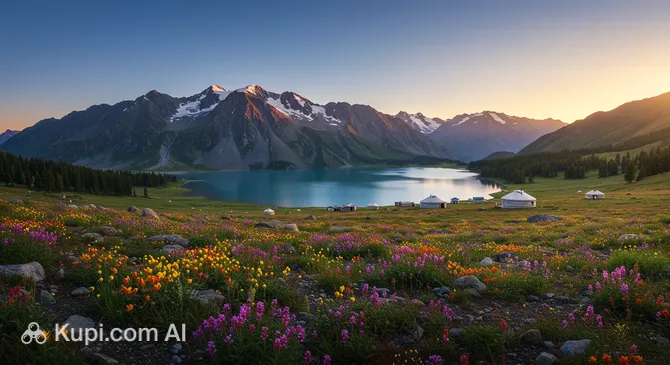
Welcome to Altay, a captivating city located in the northernmost part of the Xinjiang Uygur Autonomous Region. Nestled at the foot of the majestic Altai Mountains, this destination serves as a gateway to some of the most stunning landscapes in northwest China. Known for its pristine environment and distinct atmosphere, the city offers a unique blend of breathtaking natural scenery and a tranquil pace of life that appeals to travelers seeking an escape from the bustle of major metropolises.

Altay. Source: Kupi.Binoculars

Geographically, Altay is situated in a region defined by its rugged terrain and alpine beauty. With a population of approximately 142,000 residents, it maintains a welcoming community feel while acting as the political and cultural center of the prefecture. The climate here is continental, featuring pleasant summers and cold, snowy winters which have significantly influenced the local lifestyle. To truly appreciate the region's heritage, exploring the history of Altay reveals a fascinating tapestry of nomadic traditions and ancient cultures that have thrived in these mountains for centuries.

The city is celebrated as a premier destination for outdoor enthusiasts. It is famously regarded by many as the origin of human skiing, boasting exceptional snow quality and a long winter season that attracts skiers and snowboarders from around the world. Beyond winter sports, the area is renowned for the scenic Birch Forest Park, where visitors can enjoy leisurely walks amidst lush greenery and flowing waters during the warmer months.

Whether you are looking to carve fresh tracks on snowy slopes or simply wish to immerse yourself in the serene beauty of the mountains, Altay promises an unforgettable experience. We invite you to discover the charm of this northern gem and experience the warm hospitality of its diverse people.

Weather Overview

The climate in Altay is continental, characterized by significant contrasts between the seasons. Generally, visitors can expect mild, pleasant summers and long, very cold winters, with relatively low precipitation volume throughout the year. This distinct weather pattern plays a major role in shaping the local landscape and the variety of outdoor activities available.

Winter is rigorous and dominates a large part of the year, with January typically being the coldest month. During this deep freeze, average temperatures hover around -16.8°C, while minimums can drop sharply to -21.7°C. Despite the severe cold, the region sees minimal precipitation volume in winter, though the low temperatures ensure that snow cover remains consistent for the ski season.

In contrast, the summer months from June to August offer a refreshing escape with moderate warmth. July is usually the warmest time, featuring average highs of 22.9°C and daily averages around 16.9°C. For a more detailed breakdown of seasonal trends to help you pack, you can consult the guide on the weather in Altay. Spring and autumn are short transitional periods, where temperatures range from freezing to cool, often accompanied by 7 to 10 days of light precipitation per month.

Interesting Facts

Beyond the scenic landscapes and winter sports fame, Altay holds several fascinating secrets that reveal its deep historical and geographical significance. From ancient linguistic roots to cosmic discoveries, here are a few intriguing details about this northern city.

  • The name "Altay" is deeply symbolic; in Mongolian and Turkic languages, it translates to "gold." This is a direct reference to the Altai Mountains' long history as a rich source of this precious metal. The region has been known as the "Gold Mountains" for centuries, with a legacy of gold panning that continues to be part of local lore.

  • While the city is celebrated as the birthplace of skiing, the physical evidence is truly ancient. Archaeologists have discovered rock paintings in a cave near the city that date back approximately 10,000 to 12,000 years. These carvings clearly depict figures hunting on ski-like boards, predating similar artifacts found elsewhere in the world.

  • Unlike many urban centers in the arid Xinjiang region, the city is uniquely defined by flowing water. The Kelan River runs directly through the heart of the city, providing a lush, refreshing atmosphere. The river's name is often interpreted to mean "beaver" in the local language, hinting at the rich wildlife that once thrived along its banks.

  • The region is a geological hotspot not just for earthly minerals but for visitors from space. The prefecture is famous for the discovery of massive iron meteorites, including some of the largest ever found in China. These extraterrestrial remnants, known as "tears of the sky" in local legends, add a cosmic dimension to the area's rugged beauty.

How to Get There

Reaching the northern reaches of Xinjiang is an adventure that begins with choosing the right mode of transport. While the region is known for its remote and pristine beauty, it is well-connected to the rest of the country by air and road. For travelers planning their journey, you can find more about how to get to Altay and the various options available to suit your itinerary.

The most direct way to arrive is via Altay Airport (IATA: AAT), which serves as the primary aviation hub for the city. It is conveniently located just 11.1 km from the city center. Flights here connect passengers to major regional hubs like Urumqi, making it a straightforward entry point. The transfer from the airport to the downtown area is quick; a taxi ride typically takes approximately 15 to 20 minutes, though taking a bus may require more time.

For those visiting the wider region, particularly the scenic Kanas area, Kanasi Airport (IATA: KJI) is another viable option. Please note that this airport is not located in Altay itself but in the city of Burqin, approximately 95 km away. While it brings you closer to the famous lake, the journey to Altay city center from here is longer, taking about 2.5 to 3 hours by road. This airport is smaller but essential for tourism in the northern prefecture.

For clarity, here is a summary of the main airports in the vicinity:

Airport Name City Passenger Traffic Km from City
Altay Airport Altay Medium 11.1
Kanasi Airport Burqin Small 94.7
Olgii Airport Olgii Small 183.5
Zaisan Zaysan Small 247.6
Khovd Airport Khovd Small 260.6

In addition to air travel, the city is accessible by land. A railway line connects the region to the extensive Chinese rail network, offering a scenic and comfortable alternative for those traveling from Urumqi. Long-distance buses also operate regularly, traversing the impressive landscapes of the Gobi Desert and the Junggar Basin, providing a truly immersive travel experience for those with more time to spare.

Main Attractions

The city of Altay is a destination where rugged wilderness meets urban convenience, offering a variety of experiences ranging from adrenaline-pumping winter sports to serene cultural explorations. Whether you are visiting for the legendary snow or the lush summer landscapes, the local attractions provide a deep connection to the region's unique environment and history.

Jiangjunshan Ski Resort is the pride of the city and a unique phenomenon in the world of winter sports. Unlike most resorts that are tucked far away in remote mountains, Jiangjunshan is located right on the edge of the city center, allowing visitors to reach the slopes in just a few minutes. It is famous for its high-quality powder snow and the breathtaking experience of skiing while watching the sunset over the city lights below. For ski enthusiasts, this is an unmissable stop in the "Snow Capital."

For a relaxing immersion in nature, Birch Forest Park (Hualin Park) offers a picturesque retreat located centrally within the city. The park is situated on an island in the Kelan River and is defined by its dense groves of birch trees, which turn a spectacular golden hue in the autumn. With its flowing waters, wooden walkways, and fresh mountain air, it is the perfect spot for a leisurely afternoon walk or a picnic, providing a tranquil contrast to the rugged mountains surrounding the valley.

Although it requires a journey from the city proper, Kanas Lake is the undisputed highlight of the prefecture and the primary reason many travelers visit the region. Located deep in the Altai Mountains, this alpine lake is renowned for its mesmerizing, color-changing waters and the surrounding virgin forests. Visitors are drawn here not only for the "Switzerland-like" scenery but also to visit the local Tuwa villages and explore the legends of the mysterious "Kanas Lake Monster."

To understand the rich heritage of the area, the Altay Museum is an essential cultural stop. The museum showcases the region's long history, including its claim as the birthplace of human skiing, evidenced by ancient rock carvings found nearby. Exhibits display a wide array of artifacts related to the nomadic cultures of the Silk Road, local geology, and the diverse flora and fauna of the Altai Mountains, offering valuable context to your travels in this northern frontier.

Local Cuisine

The local cuisine in Altay is a robust and flavorful reflection of the region's diverse ethnic tapestry and its cold, northern climate. Heavily influenced by Kazakh and Uyghur traditions, the food here is designed to provide warmth and energy. Meat and dairy are the cornerstones of the local diet, offering travelers a hearty culinary experience that differs significantly from the rice-based cuisines found in eastern China.

One of the most iconic dishes to try is Beshmarmak (often called "meat and noodles"). A staple of the local Kazakh community, this dish consists of boiled lamb or beef served over a bed of wide, flat noodles and topped with an onion sauce. It is traditionally eaten with hands and is a symbol of hospitality. Another regional specialty is Cold Water Fish, sourced from the pristine, icy rivers and lakes of the Altai Mountains. Whether grilled with spices or stewed, the fish is prized for its firm texture and rich taste, making it a must-try delicacy for seafood lovers visiting the area.

When it comes to beverages, the local culture offers unique tastes that may be new to many visitors. The most common drink is salty milk tea, a warm, savory blend of strong tea, milk, salt, and sometimes butter, often consumed with every meal to combat the cold. For those looking to try a traditional alcoholic beverage, Kumis (fermented mare's milk) is a distinctive choice. Slightly sour and fizzy with a low alcohol content, it has been a traditional drink of the nomadic people for centuries.

The dining scene in Altay ranges from casual street food to immersive cultural experiences. In the evenings, local night markets come alive with the smoke of charcoal grills, where you can enjoy spicy lamb skewers (shashlik) and fresh naan bread. For a more authentic atmosphere, many tourists head to the surrounding grasslands to dine in a traditional yurt. Here, you can enjoy a feast of boiled mutton and dairy products while experiencing the genuine hospitality of the local herders.

Travel Tips

Visiting Altay is an adventure into one of the most rugged and culturally distinct frontiers in the region, so a little preparation goes a long way. To help you navigate the unique climate, local customs, and logistics of this northern gem, here are some practical tips to ensure your journey is smooth and enjoyable.

  1. Clothing and Gear: If you are visiting in winter, extreme cold protection is mandatory. Temperatures can drop well below -20°C, so pack high-quality thermal layers, a heavy down jacket, windproof trousers, and boots with excellent grip for icy streets. In summer, the weather is mild, but the UV radiation is strong due to the altitude; bring sunglasses, a hat, and sunscreen. A universal power adapter is useful, though China uses Type A, C, and I plugs.
  2. Transportation: Within the city, taxis are the most convenient and affordable way to get around; you can flag them down or use ride-hailing apps like DiDi (if available in English). However, for visiting major scenic spots like Kanas Lake or the ski resorts, public transport is limited. It is highly recommended to hire a private driver or join a local tour group, as distances between attractions are vast and roads can be challenging.
  3. Finances: The local currency is the Chinese Yuan (RMB). While credit cards are rarely accepted in small shops or restaurants, mobile payments via Alipay or WeChat Pay are ubiquitous and essential. Link your international card to these apps before arrival. It is also wise to carry some cash, particularly smaller denominations, for transactions in remote areas or traditional markets where digital signals might be weak.
  4. Health and Safety: The climate is extremely dry, so bring heavy-duty moisturizer, lip balm, and hydrating nasal sprays to prevent discomfort. Pharmacies are available in the city (look for a green cross sign), but staff may not speak English, so have a translation app ready or a photo of the medicine you need. The city is generally very safe for tourists, but standard precautions against petty theft should be taken in crowded bazaars.
  5. Communication: Mandarin Chinese is the primary language, though you will also hear Kazakh and Uyghur. English is not widely spoken, even in service industries. It is crucial to download a reliable translation app that works offline. For internet access, purchase a SIM card at the airport or a major provider's official store using your passport, and ensure you have necessary apps installed before entering the country to stay connected.
  6. Local Etiquette: Hospitality is a core part of the local culture. If you are invited into a local home or a yurt, always remove your shoes unless told otherwise. When offered tea or food, receive it with both hands as a sign of respect. It is polite to taste at least a little of what is served, even if you are not hungry, to honor your host.
  7. What to Avoid: Do not photograph locals, especially older individuals or those in traditional attire, without asking for permission first. Additionally, avoid stepping on the threshold of a door when entering a yurt or house; step over it instead, as stepping on it is considered bad luck and disrespectful to the owner.
  8. Time Zone Awareness: Be aware of the "Xinjiang Time" phenomenon. While the official time is Beijing Time (UTC+8), local daily life often runs about two hours later due to the geographical location. For example, lunch might be served at 2:00 PM and dinner at 8:00 PM. Always clarify if a scheduled time refers to "Beijing Time" or "Local Time" to avoid missing buses or appointments.

By keeping these practicalities in mind, you will be well-equipped to embrace the wild beauty and warm hospitality of Altay. Enjoy the stunning snowy peaks and the rich cultural tapestry of this extraordinary region!

Entertainment & Nightlife

Entertainment in Altay is a unique blend of outdoor adventure and cozy, culturally rich gatherings. Unlike the frenetic neon-lit districts of major metropolises, the nightlife here is more relaxed and intimate, often centered around warm food, good company, and the region's spectacular winter sports culture. The city center is where you will find the highest concentration of activity, with various venues staying open late to welcome locals and travelers alike.

The undisputed highlight of the local nightlife, particularly during the winter season, is the Jiangjunshan Ski Resort. Located just on the edge of the city, this venue transforms after dark into a vibrant hub of activity. It is famous for its "Sunset Parties" and night skiing sessions, where the slopes are illuminated, and DJs play music against the backdrop of the glittering city lights below. It offers a rare opportunity to combine adrenaline sports with a party atmosphere, making it a must-visit spot for anyone looking for evening entertainment.

For a more traditional experience, the Altay Night Market is the beating heart of the city's culinary nightlife. As evening falls, this area comes alive with the aroma of charcoal-grilled lamb skewers, roasted fish, and freshly baked naan. It is a bustling, friendly environment where you can mingle with locals, sample authentic Xinjiang delicacies, and shop for small handicrafts. The atmosphere is casual and lively, perfect for a late dinner or a midnight snack after a day of exploring.

Beyond the slopes and markets, the city offers a selection of KTV (Karaoke) clubs and quiet bars, mostly situated in the downtown area. These venues are popular with local residents for socializing and singing. The vibe is generally laid-back, with no strict dress codes; casual, warm clothing is the norm, especially in winter. Most bars and KTVs operate until the early hours of the morning, providing a warm refuge from the chilly night air.

During the daytime, entertainment in Altay shifts towards cultural and nature-based activities. The Altay Museum is a fantastic place to spend an afternoon, offering deep insights into the region's history, including its rock art and skiing heritage. For a relaxing day out, Birch Forest Park provides a serene setting for walks and photography, serving as a natural amusement park of sorts where visitors can enjoy the changing seasons.

Practical Advice: The best time to experience the nightlife, especially the outdoor festivities, is between 8:00 PM and midnight (local time). Prices are generally very affordable compared to eastern China. Taxis are the easiest way to get around at night; they are plentiful and can be hailed on the street or booked via apps. Altay is extremely safe for night walks, even for solo travelers, thanks to well-lit streets and a helpful community. Just remember to dress in heavy layers if you are venturing out in winter, as temperatures drop significantly after sunset.

Parks & Museums

While Altay is globally renowned for its winter sports, the city is also a sanctuary of lush greenery and deep historical roots. Visitors will find that the urban landscape is seamlessly integrated with the natural environment, offering a refreshing selection of parks and cultural institutions that celebrate the region's unique geography and the diverse heritage of the Silk Road.

Birch Forest Park (Hualin Park) is the city's most beloved green space and a defining feature of its landscape. Located on an island in the winding Kelan River, this park is a natural oasis consisting of dense groves of wild birch trees. It is particularly spectacular in late September, when the leaves turn a vibrant gold, creating a photographer's paradise. For tourists, it offers a peaceful escape with well-maintained wooden boardwalks, murmuring streams, and fresh mountain air, making it an ideal spot for a leisurely afternoon stroll or a picnic away from the city streets.

For those seeking panoramic views and a bit of exercise, Jiangjunshan Park (General Mountain Park) is the place to go. While it serves as a world-class ski resort in winter, during the warmer months, it transforms into a scenic hiking area. Trails lead up the mountain, rewarding climbers with a sweeping bird's-eye view of the entire city and the surrounding valley. It is an excellent location to watch the sunset, as the fading light casts a golden glow over the urban area below, highlighting the contrast between the modern city and the rugged wilderness.

To delve into the rich cultural tapestry of the region, a visit to the Altay Museum is essential. This modern facility houses an impressive collection of artifacts that trace the history of the Altai Mountains from the Stone Age to the present. The museum is most famous for its exhibits on the "Origin of Human Skiing," showcasing reproductions of ancient rock paintings found in the area that depict prehistoric skiers. Additionally, visitors can explore displays of colorful ethnic costumes, tools, and geological specimens, including samples of the region's famous gold and gemstones.

Just a short drive from the city center lies the Chemurchek (Qiemu'er Qieke) Cultural Park, which functions as an open-air museum. This archaeological site is home to a mysterious collection of ancient stone men (balbals), burial mounds, and rock carvings dating back thousands of years. It offers a fascinating glimpse into the early nomadic civilizations that once roamed these steppes. The site also features some of the massive iron meteorites discovered in the prefecture, adding a cosmic element to the historical experience.

Insider Tip: For a truly authentic local experience, take an evening walk along the Kelan River promenade. As the sun sets, this riverside path comes alive with locals enjoying the cool air. It is a fantastic way to see the daily life of the city's residents, enjoy the sound of the rushing water, and perhaps stumble upon impromptu traditional dance or music performances by the riverbank.

Getting Around

Navigating Altay is straightforward and convenient, thanks to the city's compact size and well-organized transport network. Unlike the sprawling metropolises found elsewhere in the region, this city does not rely on a complex metro or light rail system. Instead, the public transportation infrastructure is primarily built around a reliable network of buses and an abundance of affordable taxis, making it easy for visitors to move between the downtown area, hotels, and nearby scenic spots.

The public bus system serves as the main artery of local transit. Routes cover the majority of the urban area, connecting key locations such as the commercial center, the bus terminal, and major residential districts. The buses are generally modern, clean, and heated—a crucial feature during the freezing winter months. Stops are marked with signs, though they are predominantly in Chinese and Uyghur/Kazakh languages. It is advisable to have your destination written down in Chinese characters or to use a map app to identify the correct route number.

For most tourists, taxis are the preferred mode of transport due to their low cost and high availability. You can easily flag one down on the street, and they are identifiable by their distinct colors. Taxis here operate on a meter system, with a very reasonable starting fare that covers the first few kilometers. Given the small size of the city, a trip from one end to the other is quick and inexpensive. Ride-hailing apps are also operational and offer a convenient alternative if you prefer to input your destination digitally to avoid language barriers.

A unique feature of the local transport landscape is the dedicated ski shuttles. During the winter season, special bus lines or shuttle services frequently operate between the city center and the Jiangjunshan Ski Resort. Since the resort is located practically on the city's edge, these shuttles are quick, often taking only 10 to 15 minutes. Many hotels also offer their own transfer services to the slopes for guests, so it is worth checking with your accommodation upon arrival.

regarding payment, the system is heavily digitized. While buses typically have a coin box for cash fares (usually a flat rate of 1 to 2 RMB), carrying exact change is necessary as drivers do not provide it. The most common way to pay is via mobile apps like Alipay or WeChat Pay, which have specific "Transport Code" mini-apps that can be scanned upon entry. Taxis also overwhelmingly prefer mobile payments, though cash is generally accepted if you have small denominations.

For those who prefer a slower pace, walking is a viable and pleasant option, especially in the downtown area near the Kelan River. The city center is walkable, with pedestrian-friendly paths along the water. Shared bicycles may be available during the warmer summer months, offering a breezy way to explore the parks, but they are typically removed or less frequent during the snowy winter season due to safety concerns.

Accommodation

Accommodation in Altay has evolved significantly in recent years, transforming from simple transit lodging to a diverse array of options that cater to the city's growing status as a premier winter sports destination. Visitors can choose from modern mid-range hotels in the city center, specialized ski-themed accommodations near the slopes, and even traditional lodging experiences that reflect the local culture. Whether you are here to carve up the powder snow or explore the summer landscapes, there is a suitable place to stay for every budget.

The most popular area for tourists is the downtown district, particularly near the Kelan River and the municipal government buildings. Staying here places you within walking distance of the bustling Night Market, local restaurants, and the Altay Museum. It is the most convenient location for transport, offering easy access to taxis and buses that run to the airport or the train station. Hotels in this area are typically well-heated and equipped with modern amenities, catering to both business travelers and tourists.

For winter sports enthusiasts, the prime location is the area surrounding the Jiangjunshan Ski Resort. Unlike many ski destinations where the slopes are far from urban life, Jiangjunshan is located right on the edge of the city. Several hotels and homestays have sprung up at the foot of the mountain, offering "ski-in/ski-out" convenience or short shuttle rides to the lifts. These accommodations often provide specialized services such as ski storage lockers and ticket booking assistance, making them the preferred choice for those whose main focus is hitting the slopes.

For a truly unique experience during the warmer months (typically June to September), adventurous travelers can look for Kazakh yurts. These traditional felt tents are often set up by local herders in the scenic grasslands surrounding the city or near Birch Forest Park. Staying in a yurt offers an immersive cultural experience, allowing you to sleep under the stars and enjoy traditional hospitality, though amenities are generally more basic compared to standard hotels.

Booking Tips and Prices: The price range in Altay is generally moderate compared to China's eastern metropolises, but rates fluctuate heavily based on the season.

  • Peak Season: The winter ski season (December to February) and the summer holiday period (July to August) see the highest demand. During these times, prices can double, and popular hotels book out weeks in advance. It is highly recommended to secure your reservation at least a month ahead.
  • Foreign Travelers: A critical consideration for international visitors is that not all hotels in the region are authorized to host non-Chinese citizens. When booking online through platforms like Trip.com or Agoda, always check the property policies to ensure they accept foreign guests.
  • Payment: Most bookings are done online. While major hotels accept credit cards, smaller guesthouses or yurts will likely require cash or mobile payment (Alipay/WeChat Pay).

Nearby Cities

Nearby Cities:

Situated in the vast expanses of the Xinjiang Uygur Autonomous Region, Altay serves as a northern gateway for travelers exploring this geographically diverse part of China. Due to the immense scale of the region, "nearby" cities are often separated by hundreds of kilometers, traversing landscapes that shift dramatically from alpine forests to arid deserts. These neighboring urban centers offer distinct cultural and historical experiences, making them excellent next stops on a broader itinerary.

The following table lists the closest major cities, providing a reference for planning onward travel. Note that the distances listed are approximate straight-line measurements; actual travel times by road or rail may vary significantly due to the terrain.

City Population Distance (km)
Karamay 391,008 354
Shihezi 717,000 424
Urumqi 4,335,017 449
Turpan 622,903 550
Shuanghe 360,000 556

Urumqi, the regional capital, is the most prominent hub on this list. Despite being roughly 450 km away in a straight line, it is the primary connection point for flights and trains serving Altay. Karamay, known as the "Oil City," is the closest major urban center and offers a glimpse into the industrial development of the desert region. Further afield, Turpan is famous for its grape valleys and ancient ruins, presenting a stark contrast to the snowy mountains of the north.

Shopping & Souvenirs

Shopping in Altay offers a distinctive experience that mirrors the city's role as a cultural melting pot and a gateway to the wilderness. While you will not find the sprawling luxury avenues of Shanghai or Beijing, the city provides a charming mix of modern convenience and traditional trade. The retail scene is heavily influenced by the region's ethnic heritage and its natural resources, making it an excellent place to find outdoor gear, unique local handicrafts, and specialty foods that are difficult to find elsewhere in China.

The primary commercial activity is concentrated in the city center, particularly along the main thoroughfares that run parallel to the Kelan River. This downtown area serves as the commercial heart of the prefecture, where visitors can wander through bustling streets lined with sporting goods stores, pharmacies selling local herbs, and boutiques offering ethnic clothing. It is a compact area, easily explorable on foot, where the modern urban vibe blends seamlessly with the laid-back pace of the local lifestyle.

For a more concentrated shopping experience, the city features several department stores and shopping centers located in the downtown core. These venues typically sell branded clothing, electronics, and cosmetics. Given the city's status as the "Snow Capital," these malls are particularly well-stocked with high-quality winter sports equipment. If you arrived without your ski gear or need an upgrade, this is the perfect place to purchase thermal layers, goggles, and snowboards often at competitive prices compared to major international resorts.

The true spirit of local commerce, however, is found in the markets. The Altay Night Market is not just a dining venue but a vibrant bazaar where you can find small vendors selling trinkets, dried fruits, and local crafts. During the day, various farmers' markets operate around the city, offering a colorful array of fresh produce and dairy products. These markets are the best places to interact with local traders and observe the daily life of the Kazakh and Han residents.

When it comes to souvenirs, the city's name itself—meaning "Gold"—gives the first hint. The region is rich in mineral resources, making gold jewelry and semi-precious stones (such as tourmaline and aquamarine) popular purchases. Collectors often look for the unique "Gobi stones" or processed gems from the Altai Mountains. For foodies, the must-buy item is cold-water fish, often sold dried or vacuum-packed, which is famous for its texture and flavor. Additionally, traditional Kazakh dairy products like dried cheese curds and locally produced honey make for excellent, authentic gifts.

Opening hours in Altay can be a bit confusing due to the time difference. Although the official time is Beijing Time, local life often lags by about two hours. Consequently, most shops typically open around 10:30 AM or 11:00 AM (Beijing Time) and stay open until 9:00 PM or 10:00 PM. In summer, when daylight lasts late into the evening, shops may remain open even longer.

Regarding payment methods, the city is highly digitized. While some smaller market vendors might accept cash, the overwhelming majority of transactions are conducted via WeChat Pay or Alipay. It is highly recommended to have these apps set up on your phone before heading out to shop. International credit cards are rarely accepted outside of high-end hotels, so digital wallets or cash are your best options.

Currently, there is no specific tax-free shopping scheme for international tourists in Altay comparable to those in China's major coastal cities. Visitors should expect to pay the listed price, which includes all applicable taxes. However, prices for local goods are generally reasonable, and bargaining is acceptable and expected in markets and smaller independent shops.
Reached the end of the page?

That means the route is fully explored