Support

Khovd

About

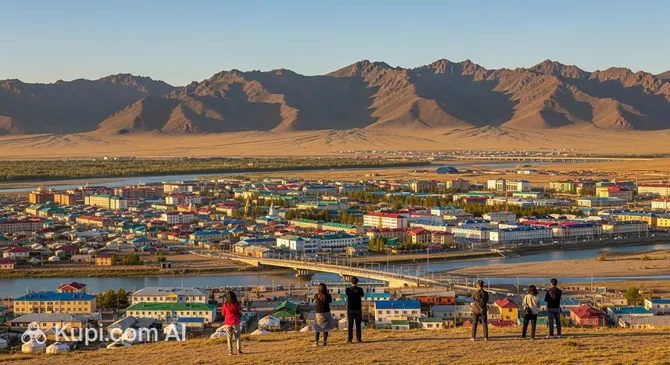
Khovd is a vibrant and historically significant city located in the western part of Mongolia. Situated at the foot of the majestic Mongol Altai Mountains, it serves as the administrative center of the Khovd Aimag. Unlike many other provincial centers, this city boasts a distinct multicultural atmosphere, home to more than ten different ethnic groups, each preserving their unique traditions, music, and clothing.

Khovd. Source: Kupi.Binoculars

With a population of approximately 30,500 residents, the city is a bustling hub in a relatively remote region. The history of Khovd is rich and deeply rooted in trade and agriculture, dating back several centuries. It is particularly famous across the country for its delicious watermelons and fruits, grown thanks to the fertile soil along the Buyant River. Visitors are often drawn to the ruins of the Sangiin Kherem, a Manchu fortress built in the 18th century, which stands as a fascinating testament to the city's past strategic importance.

Travelers venturing to this corner of the country will find a unique blend of nomadic heritage and settled culture. Whether you are interested in exploring the nearby natural wonders, such as Khar-Us Lake, or experiencing the famous western Mongolian throat singing, Khovd offers an authentic and unforgettable experience for every adventurer.

Weather Overview

The climate in this region is continental, characterized by sharp contrasts between the seasons. When planning your journey, it is essential to consider the weather in Khovd, as conditions can vary significantly depending on the time of year. Generally, the area experiences clear skies and dry air, which can make the temperatures feel distinct.

Winters are long and intensely cold, requiring heavy thermal clothing. January is typically the coldest month, with average temperatures sitting around -17.5°C and lows frequently dropping to -23.6°C. Despite the freezing conditions, precipitation is almost non-existent during the winter months, resulting in dry and often sunny days.

Summer brings a welcome warmth, transforming the landscape. July is the peak of the season, with average temperatures of 18.4°C and daily highs reaching a pleasant 24.6°C. This period also sees the most moisture, with July recording about 10 wet days, though rainfall is generally light. Overall, you can expect warm summers with occasional rain and cold, dry winters.

Interesting Facts

Beyond the main attractions, Khovd holds many fascinating secrets that reveal its deep historical roots and unique cultural identity. From ancient artistic masterpieces to distinctive local traditions, here are some intriguing details about this western hub.

  • One of the Oldest Settlements: Unlike many Mongolian cities that began as mobile monastic camps, Khovd was founded as a fixed settlement in 1685 by Galdan Boshugtu Khan. It was originally established to support agriculture and trade in the region, making it one of the oldest continuously inhabited places in Mongolia.

  • The "Lascaux of Mongolia": Just a short distance from the city lies the Khoit Tsenkher Cave, a site of immense archaeological importance. Its walls are adorned with rock paintings dating back to the Paleolithic era, depicting animals like mammoths and ostriches that roamed the region over 20,000 years ago.

  • Birthplace of Bielgee: The region is considered the heartland of "Bielgee," a traditional folk dance unique to Western Mongolia. This dance was developed to be performed within the confined space of a ger (yurt), relying almost entirely on intricate upper body movements and facial expressions rather than the wide footwork seen in other styles.

  • A Melting Fortress: The ruins of Sangiin Kherem are a vanishing historical landmark. Built primarily of rammed earth and clay in the 18th century, the walls of this former Manchu garrison are slowly eroding back into the soil, creating a haunting and temporary monument to the city's strategic past.

How to Get There

Reaching this remote western hub is an adventure in itself, with air travel being the most time-efficient method for most visitors. While the journey overland offers spectacular views of the steppe, it is long and demanding. You can find detailed information about all transport options on our page about how to get to Khovd.

The city is served by its own facility, Khovd Airport (HVD), which is conveniently located just 4.9 km from the city center. It is a key regional transport hub, and the transfer to downtown typically takes just a short drive by taxi or local transport. For those exploring the wider region, Olgii Airport (ULG) is another option, situated in the city of Olgii, about 168 km away. The transfer from Olgii to Khovd generally requires a drive of several hours through the rugged landscape.

Additionally, Altay Airport (AAT) is located roughly 267 km from Khovd in the city of Altay, China. It is important for travelers to note that while this airport is geographically nearby, accessing Khovd from here involves crossing an international border, which adds complexity and significantly extends the travel time compared to domestic routes.

For clarity, here is a summary of the main airports:

Airport Name City Passenger Traffic Km from City
Altay Airport Altay Medium 267.3
Khovd Airport Khovd Small 4.9
Olgii Airport Olgii Small 168.1

The city of Khovd does not have a railway station, as the rail network does not extend to this mountainous western part of the country. Travelers wishing to arrive by land typically rely on long-distance buses or private jeeps from the capital or other provinces, though these journeys can take several days depending on road conditions.

Main Attractions

Khovd is a destination where history and nature converge, offering visitors a chance to explore ancient ruins, diverse cultural heritage, and stunning landscapes. While the city itself is compact, it serves as a gateway to some of Western Mongolia's most significant sites.

Khovd Aimag Museum is arguably the most important cultural stop in the city. Given the region's status as a melting pot of ethnicities, this museum provides an invaluable insight into the local demographics. Visitors can admire an impressive collection of traditional costumes, musical instruments, and jewelry representing the more than ten distinct ethnic groups residing in the province. The museum also houses Buddhist artifacts, tankas, and archaeological finds that trace the area's history back to the Stone Age.

For those seeking a connection with nature, Khar-Us Lake is a spectacular destination located roughly 40 kilometers from the city. As part of a designated National Park, this vast body of water is a paradise for birdwatchers and nature photographers. The lake is famous for its extensive reed beds and islands, which serve as a nesting ground for migratory birds, including the rare Dalmatian pelican and various species of gulls and ducks. It offers a serene escape from the dusty streets of the town.

In the heart of the city stands the Statue of Galdan Boshugtu Khan, dominating the central square. This monument honors the Oirat Mongol hero and the city's founder, serving as a focal point for local pride. The square surrounding the statue is a popular gathering place for locals and a great spot for tourists to observe daily life. It provides a modern contrast to the ancient history that permeates the rest of the region.

Although the Sangiin Kherem fortress ruins are a well-known landmark, visiting them in person offers a tangible connection to the past. Walking among the eroding clay walls of this 18th-century Manchu garrison allows travelers to grasp the scale of the former military stronghold. Inside the perimeter, you can still find remnants of temple foundations and scattered artifacts, making it an atmospheric site for a sunset walk.

Baatar Khairkhan Mountain is another noteworthy site located just south of the city. It is revered not only for its scenic hiking opportunities but also for the ancient petroglyphs etched into its rocks. These rock carvings depict hunting scenes and wild animals, offering a glimpse into the lives of the prehistoric inhabitants of the Altai region. The hike provides panoramic views of Khovd city and the surrounding river valley.

Local Cuisine

The local cuisine in Khovd stands out within Mongolia due to the region's unique agricultural capabilities. Unlike the rest of the country, where the diet consists almost entirely of meat and dairy, Khovd is famous for its fertile soil along the Buyant River. This allows for the cultivation of vegetables and fruits, making the city the undisputed watermelon capital of the nation. In late summer and early autumn, trying the sweet, locally grown watermelons and melons is an absolute must for any visitor.

Regarding main courses, the city's multicultural population—including Khalkha Mongols, Zakhchin, and Kazakhs—brings variety to the table. You will find excellent preparations of standard Mongolian staples like Tsuivan (stir-fried noodles with meat and vegetables) and Khuushuur (deep-fried meat dumplings). Additionally, due to the strong western Mongolian influence, you can enjoy authentic Besbarmak. This hearty dish features boiled meat (often mutton or horse) served over wide, flat noodles with a savory onion sauce, traditionally eaten with your hands.

When it comes to beverages, the most common drink is Suutei Tsai, a salted milk tea that accompanies almost every meal. It is rich, warm, and sometimes enriched with butter or millet. For those looking to try a traditional alcoholic drink, Airag (fermented mare's milk) is popular during the summer months, offering a sour and slightly fizzy taste. Local vodka is also widely available and is often shared during celebrations or when guests visit.

The food culture in Khovd is unpretentious and community-oriented. There are few high-end restaurants; instead, locals and tourists alike frequent small canteens known as guanz. These establishments offer generous portions of freshly cooked food at very affordable prices. For a more immersive experience, visiting the local market is highly recommended. Here, you can buy fresh dairy products like aaruul (dried curd) and the famous local fruits directly from the farmers, providing a fresh and colorful contrast to the typical steppe diet.

Travel Tips

Preparing for a trip to Khovd requires a bit more foresight than visiting the capital, as this western outpost operates on its own distinct rhythm. Here are some practical tips to help you navigate the rugged terrain and rich culture of this unique region comfortably and respectfully.

  1. Clothing and Gear: The weather here is strictly continental, so the "onion principle" of layering is your best friend. Even in summer, nights can become surprisingly chilly, so bring a warm fleece or windbreaker. If you visit in winter, thermal underwear and a heavy down coat are non-negotiable. Since the air is often dry and dusty, packing a scarf or a "buff" to cover your face is highly recommended. Comfortable, broken-in hiking boots are essential, as sidewalks can be uneven and excursions to nature spots involve rocky terrain.

  2. Transportation: Within the city limits, walking is often the easiest way to get around, as the center is compact. Taxis are available but rarely have meters; you simply hail a car and agree on a fixed price (usually very cheap) before getting in. However, to see the main sights like Khar-Us Lake or rock art sites, public transport is not an option. You will need to hire a private driver with a 4WD vehicle, as roads outside the city are unpaved and rugged.

  3. Finances: Cash is king in Khovd. While a few larger supermarkets and hotels might accept cards, most small shops, local canteens (guanz), and the market operate solely on cash. There are ATMs in the city center that accept international cards (Visa/Mastercard), but they can occasionally run out of bills or face technical issues. It is wise to withdraw ample Mongolian Tugrik (MNT) in Ulaanbaatar before flying west or carry USD/EUR to exchange at a local bank.

  4. Health and Safety: The city is generally very safe, but you should be cautious of stray dogs, which can be aggressive, especially on the outskirts. Medical facilities are basic compared to Western standards; pharmacies are available but generally close by early evening and may not stock specific prescription brands. Always drink bottled or boiled water, as tap water quality can vary. Carrying a basic first-aid kit with painkillers and stomach medication is a smart move.

  5. Communication: English is not widely spoken outside of tour agencies and a few younger locals. It is highly advisable to download an offline translation app and an offline map (like Maps.me) before arrival. You can purchase a local SIM card (Unitel or Mobicom provide the best coverage in the west) at the airport or in the city center to stay connected. Learning a simple "Sain baina uu" (Hello) and "Bayarlalaa" (Thank you) will go a long way in breaking the ice.

  6. Local Etiquette: The culture in Western Mongolia is deeply rooted in nomadic traditions. When offering or receiving an item (money, food, or a gift), always use your right hand or both hands; using only the left hand is considered impolite. If you are invited into a local home or a ger (yurt), remember to step over the threshold, never on it, and move in a clockwise direction once inside.

  7. What to Avoid: Avoid whistling inside a building or a ger, as it is believed to summon bad spirits or storms. Additionally, never touch a local person's head or their hat, even in a friendly manner. The head is considered the most sacred part of the body, and touching it is seen as a sign of disrespect.

  8. Seasonal Market Tip: If you are visiting in late August or September, do not miss the local "Black Market" (Zakh). This is the harvest season for the famous Khovd watermelons and melons. Buying fresh fruit directly from the growers here is not only cheaper but offers a taste that locals claim is the best in the entire country.

By keeping these practicalities in mind, you will be well-equipped to enjoy the stunning landscapes and warm hospitality that define this part of the world. Khovd is a place that rewards the prepared traveler with authentic experiences and unforgettable memories.

Entertainment & Nightlife

Nightlife in Khovd is significantly quieter and more laid-back than in the bustling capital of Ulaanbaatar. You will not find sprawling nightclub districts or high-tech rave venues here. Instead, the evening entertainment scene revolves around cozy pubs, hotel bars, and the ever-popular Mongolian pastime: karaoke. The atmosphere is generally casual and friendly, offering a chance to mingle with locals who are often eager to practice their English or share a song.

The heart of the city's social life is concentrated in the downtown area, particularly around Ard Ayush Square. This central district is where most of the dining and entertainment facilities are located, making it easy to hop from a restaurant to a nearby pub. The streets here are relatively safe for walking in the early evening, but the lighting can be dim, so it is advisable to stick to the main roads.

For a taste of local evening culture, Winners Restaurant & Pub is a popular spot among residents. It offers a relaxed environment where you can enjoy a cold beer and hearty Mongolian dishes after a long day of travel. It is a great place to experience the local hospitality without the intensity of a loud club. If you are looking for something more interactive, the Myangan Ugalz Hotel is a well-known venue that features private karaoke rooms and a snooker table. Karaoke is a serious hobby in Mongolia, and spending an hour or two singing in a private booth is a quintessential local experience.

Another reliable option for a nightcap is the bar at the Steppe Hotel. As one of the better accommodation options in town, its bar provides a cleaner and more modern setting for travelers who want a quiet drink in a comfortable atmosphere. Most of these venues close relatively early compared to western standards, usually winding down by midnight or 1:00 AM, so it is best to start your evening early.

When it comes to daytime entertainment, the city offers a few cultural gems. The Khovd Music and Drama Theater, located prominently on the main square, is the hub of the region's artistic life. It frequently hosts performances of traditional folk music, throat singing, and dance, showcasing the diverse ethnic heritage of the province. While there are no large amusement parks, the central square itself serves as a lively gathering space where children play and families stroll, especially during the warmer summer months.

Practicality is key when enjoying a night out in Khovd. Almost all venues operate on a cash-only basis, so ensure you have enough Tugriks (MNT) with you. Taxis are available but do not use meters; you can flag one down on the street, but be prepared to agree on a fare—usually a small fixed amount for rides within the city—before getting in. For safety, avoid unlit backstreets late at night and be cautious of stray dogs, which can be more active and aggressive after dark.

Parks & Museums

While Khovd is not defined by manicured botanical gardens or sprawling art districts, its charm lies in the seamless blend of rugged natural beauty and deep-rooted history. The city offers visitors a few key cultural institutions that preserve the heritage of Western Mongolia, alongside natural green spaces that serve as the community's living room.

The Banks of the Buyant River act as the city's primary natural park and recreational area. Unlike a traditional fenced park, this riverside zone is a lush, open strip of greenery that cuts through the arid landscape. In summer, the willows and poplars along the water provide much-needed shade, making it the favorite spot for locals to organize picnics, swim, or simply escape the heat. For tourists, a walk along the river offers a peaceful glimpse into daily life, where you might see families relaxing or livestock grazing near the water's edge.

The Central Park and Square form the heart of the city's public life. Located near the government buildings, this area features paved walkways, benches, and seasonal flower beds. It is less of a nature reserve and more of a social hub where children drive toy cars and elders gather to chat. In the evenings, the park comes alive with residents enjoying the cooler air, providing an excellent opportunity for people-watching and soaking in the local atmosphere.

For culture enthusiasts, the Khovd Aimag Museum is the undisputed highlight. Housed in a prominent red building, this institution is celebrated for having one of the best ethnographic collections in the country outside of the capital. It dedicates significant space to the costumes, tools, and traditions of the region's diverse ethnic groups, including the Zakhchin, Torguud, and Uriankhai. Beyond culture, the museum also features a natural history section showcasing the flora and fauna of the Altai Mountains, including taxidermy specimens of snow leopards and ibexes.

Another significant site is the Sangiin Kherem (Manchu Fortress), which functions as an open-air historical park. While described in history books as a military garrison, today it serves as a quiet, atmospheric space for exploration. Visitors can wander between the weathering clay walls that once enclosed a city within a city. The site is particularly evocative at sunset, offering a tangible connection to the 18th century when this was a pivotal outpost of the Qing Dynasty.

Insider Tip: If you are interested in local art, peek into the foyer of the Music and Drama Theater. While not a formal gallery, it often displays works by local painters and craftsmen depicting the dramatic landscapes of the Altai region. Additionally, for a panoramic view of the city and its green river belt, a short hike up the hills directly behind the Sangiin Kherem ruins offers the best vantage point for photography.

Getting Around

Navigating Khovd is a straightforward experience, primarily because the public transport system is quite different from what you might find in a large metropolis. Due to the city's relatively small population and compact size, there is no complex network of metros, trams, or trolleybuses. The infrastructure is simple, relying heavily on informal transit methods rather than strict schedules and designated routes.

The most common form of motorized transport within the city is the taxi. However, you will rarely see official vehicles with roof lights or branding. In Khovd, the taxi system is largely informal; almost any private car can function as a taxi. Locals simply stand by the side of the road and hold out their hand. If a driver stops, it indicates they are willing to take passengers. This shared, community-based approach is efficient and serves as the primary way to cover distances that are too long to walk.

When it comes to payment, cash is the only accepted method. There are no travel cards, passes, or mobile transport apps operating within the city. You must carry Mongolian Tugriks (MNT), preferably in smaller denominations, as drivers may not always have ample change for large bills. Fares for rides within the city limits are generally fixed at a low rate per person, regardless of the exact distance, though it is always wise to confirm the price with the driver before getting in.

For tourists, the most practical advice is to rely on walking for exploring the downtown area. Key attractions, administrative buildings, and the main square are all located within close proximity to one another. Walking not only saves money but also allows you to soak in the local atmosphere at your own pace. If you need to travel to the outskirts or the airport, asking your hotel reception to arrange a trusted driver is often more reliable than hailing a car on the street.

Minibuses, known locally as "mikrs," do operate in the region, but they typically serve routes connecting the city to nearby soums (districts) or the suburbs rather than acting as a hop-on-hop-off city bus service. These can be crowded and lack fixed timetables, leaving when full rather than at a set time. Consequently, for a short-term visitor, they are rarely the most convenient option for getting around the city center itself.

Alternatives like international car-sharing apps, bike rental stations, or electric scooters are not currently available in Khovd. If you plan to explore the surrounding natural sights, such as Khar-Us Lake, the standard "transport" solution is to hire a private vehicle with a driver for the day. This is a common service offered by local guesthouses and provides the flexibility needed to navigate the rugged terrain outside the paved city streets.

Accommodation

Where to Stay:

Accommodation in Khovd is primarily functional and practical, reflecting the city's status as a remote regional hub rather than a luxury tourist destination. The options generally range from simple guesthouses and older Soviet-style hotels to a few newer establishments that offer more modern amenities. For travelers seeking an authentic Mongolian experience, there are also opportunities to stay in traditional ger camps on the outskirts of the city, particularly during the summer months.

The most convenient area to stay is the City Center, specifically around the main square. Staying here places you within walking distance of the key museums, the drama theater, and the few supermarkets and restaurants available. This central location is ideal for those who want to explore the town on foot and have easy access to taxis for day trips.

For those looking for the most comfortable stay in town, the Steppe Hotel is widely considered the top choice. Built relatively recently, it offers a "boutique" feel with clean rooms, private bathrooms, and reliable Wi-Fi, which can be a luxury in this part of the country. Another respectable option is the Minj Hotel, which provides decent service and modern facilities suitable for international travelers. These establishments typically feature on-site restaurants, making dining convenient after a long day of travel.

Budget travelers often opt for smaller guesthouses or older hotels like the Buyant Hotel. While these places are significantly cheaper, amenities can be basic, with shared bathrooms and intermittent hot water being common. However, they offer a warm welcome and a chance to meet other adventurous backpackers.

Booking Tip: During the peak travel season (June to August) and especially during the Naadam Festival in July, accommodation can sell out weeks in advance. It is highly recommended to book your room as early as possible. While the larger hotels may be listed on international booking platforms, many smaller guesthouses still rely on phone reservations or walk-ins, so having a local guide or driver assist you can be very helpful.

In terms of pricing, Khovd is very affordable compared to the capital. Most options fall into the budget to mid-range category. Be aware that while the top hotels may accept credit cards, smaller establishments and guesthouses almost exclusively require payment in cash (Mongolian Tugrik). Always ensure you have enough local currency on hand before checking in.

Nearby Cities

For those looking to explore the surroundings, Khovd serves as an excellent base for day trips to several interesting nearby locations. While the vast scale of the Mongolian landscape means that other major provincial capitals are often hundreds of kilometers away, there are smaller settlements and unique cultural hubs relatively close by that are well worth a visit.

Mankhan is one of the most popular destinations for a day trip, located approximately 80 kilometers southeast of the city. This small town (soum) is the gateway to the famous Khoit Tsenkher Cave, known for its Paleolithic rock art. Visitors can explore the ancient red ochre paintings inside the cave and then spend time in the local settlement to experience the quiet pace of rural Mongolian life. The journey offers scenic views of the steppe and is easily manageable within a single day.

Olgii, situated roughly 220 kilometers to the northwest, offers a distinct cultural contrast. As the capital of the Bayan-Olgii province, it is the center of the country's Kazakh minority. A visit here introduces travelers to a different side of Mongolia, characterized by Islamic architecture, traditional embroidery, and the famous eagle hunting heritage. While it requires a longer drive, those with a private vehicle can experience this unique cultural enclave and return to Khovd in the evening, or use it as a next stop on their itinerary.

For reference, here are the distances to other major cities in the country from Khovd:

City Population Distance (km)
Ulaanbaatar 1396288 1139
Muren 134530 652
Erdenet 106810 924
Darkhan 74738 1065
Nalaikh 37659 1166

These nearby destinations offer a glimpse into the diverse culture and landscapes of the region.

Shopping & Souvenirs

Shopping in Khovd is less about browsing high-end fashion boutiques and more about immersing yourself in the authentic daily life of Western Mongolia. The retail scene here is practical and community-focused, offering everything from essential outdoor gear to unique local produce. For tourists, it provides a fascinating opportunity to see what sustains the local population and to find goods that are distinctly different from those available in the capital.

The main commercial activity is concentrated in the city center, particularly along the streets radiating from the central square. This area is walkable and lined with various small shops, pharmacies, and grocery stores. Unlike in larger metropolises, there isn't a single "shopping mile"; instead, independent retailers are clustered together, making it easy to hop from one store to another to find what you need.

While the city does not host massive international shopping malls, it features several multi-story "Trade Centers" or department stores. These buildings are typically filled with individual stalls or small glass-fronted shops selling imported clothing, shoes, cosmetics, and household electronics. They are excellent places to find warm clothing if you underestimated the local weather, offering sturdy boots and wool layers at reasonable prices.

The true heart of the city's commerce is the central market, locally known as the "Zakh." This bustling area is a maze of shipping containers and open-air stalls where locals buy everything from horse tack and motorbike parts to fresh meat and dairy. It is a vibrant, sometimes chaotic, sensory experience. In late summer and early autumn, the food section of the market becomes the city's highlight, overflowing with the famous Khovd watermelons and melons, which are celebrated nationwide for their sweetness.

When looking for souvenirs, the region's multicultural heritage offers unique options. Due to the significant Kazakh influence in the area, you can often find beautiful hand-embroidered textiles, such as wall hangings and bags featuring intricate traditional patterns. Silver jewelry and snuff bottles are also prized local crafts. Additionally, dried dairy products like "aaruul" (dried curd) made by local nomads are a popular, lightweight, and authentic edible souvenir to take home.

Most shops and trade centers open around 10:00 AM and close by 7:00 PM or 8:00 PM. The central market often starts winding down earlier, around 5:00 PM or 6:00 PM. Payment methods are heavily skewed towards cash. While a few larger supermarkets and modern shops in the city center may accept credit cards, the vast majority of vendors, especially in the market, deal exclusively in Mongolian Tugriks (MNT). Visitors should ensure they have ample small denominations for easier transactions.

Tax-free shopping and VAT refund schemes are not available in Khovd. The prices you see are final, though friendly bargaining is expected and accepted when purchasing items at the outdoor market or from private stalls.
Reached the end of the page?

That means the route is fully explored