Support

Ulaangom

About

Welcome to Ulaangom, a fascinating city that serves as the administrative and cultural capital of the Uvs Province. Situated in the far west of Mongolia, this city is more than just a transit point; it is a vibrant hub where traditional nomadic heritage meets modern life. With a population of approximately 26,000 people, Ulaangom offers a unique atmosphere that feels both remote and welcoming, providing travelers with an authentic glimpse into the daily life of the region.

Geographically, the city is located on the slopes of the Kharkhiraa mountains, near the Russian border. It sits at a relatively low altitude for the country, which contributes to its specific climate conditions. Travelers should be prepared for an extreme continental climate: Ulaangom is known for having some of the coldest winters in the country, yet it enjoys warm and pleasant summers, making the warmer months the ideal time for exploration. Its location makes it the perfect gateway to the Great Lakes Depression.

The city has deep roots in the region's past. Founded in 1686, it began as a settlement focused on agriculture and trade. Exploring the history of Ulaangom reveals its evolution from a monastic center to a modern provincial capital. Historical records suggest that grain plantations existed here as early as the late 17th century, marking it as one of the few places in the country with a long tradition of farming alongside herding.
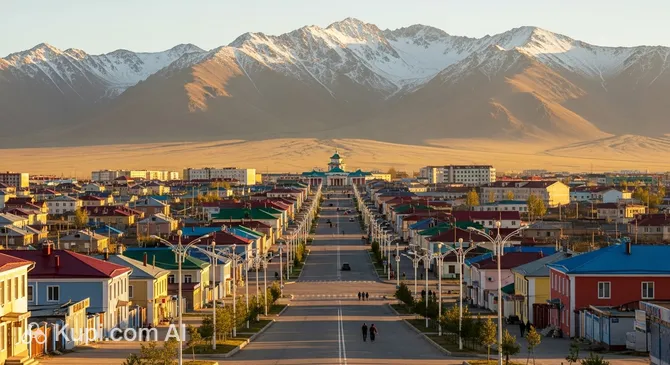
Ulaangom. Source: Kupi.Binoculars

For tourists, Ulaangom serves as the primary base for visiting the spectacular Uvs Nuur (Uvs Lake). This UNESCO World Heritage site is the largest lake in the country by surface area and is famous for its high salinity and diverse birdlife. Closer to the city center, you can visit the Uvs Aimag Museum, which houses an impressive collection of artifacts, costumes, and exhibits dedicated to the local flora and fauna, as well as the region's famous historical figures. Another notable site is the Dechinravjaa Monastery, a spiritual center that offers insight into the Buddhist traditions that have shaped the local culture.

Whether you are passing through on your way to the pristine lakes and mountains or staying to experience the local culture, Ulaangom invites you to discover a different side of the country. We recommend spending a few days here to acclimatize, enjoy the local hospitality, and prepare for the breathtaking natural adventures that await in the surrounding Uvs Province.

Weather Overview

Travelers planning a visit should be aware that the city experiences an extreme continental climate characterized by distinct seasonal contrasts. Winters are harsh, dry, and intensely cold, with January typically being the coldest month, seeing average temperatures around -19.3°C and lows dropping to -23.0°C. Conversely, the summer months offer pleasant warmth; July is usually the hottest time of the year, with average temperatures of 19.6°C and daily highs reaching up to 24.4°C.

Precipitation is generally low, but rainfall is most frequent during the summer season. July sees the highest frequency of precipitation with about 16 wet days, followed by August with 13 wet days, so carrying waterproof gear is recommended for summer trips. To help you pack efficiently for your specific travel dates, we recommend checking the detailed forecast for the weather in Ulaangom. Overall, expect warm summers with occasional rain and cold, dry winters.

Interesting Facts

Beyond the main attractions, Ulaangom holds many fascinating secrets that reveal its unique position in Mongolia's cultural and political landscape. From its reputation as a breeding ground for elite athletes to its distinct local produce, there is much to uncover in this provincial capital.

  • The Land of Wrestlers: The city and its surrounding province are legendary for producing a disproportionate number of state champion wrestlers. In traditional Mongolian wrestling (Bökh), athletes from Uvs are renowned for their skill and strength, making Ulaangom a true powerhouse in the national sports arena.

  • A Rare Diplomatic Outpost: During the socialist era, Ulaangom was one of the very few provincial cities in the country to host a foreign diplomatic mission. A Soviet consulate operated here for years, underscoring the city's strategic importance for trade and relations with the neighboring Tuva region.

  • Sea Buckthorn Capital: The region is famous for its abundant wild sea buckthorn (chatsargana). The berries harvested around Ulaangom are highly prized for their exceptional nutritional value and oil content, serving as a signature local product that visitors can taste in various forms, from juices to jams.

  • A Leader’s Legacy: The city center features a prominent monument dedicated to Yumjaagiin Tsedenbal, who served as the country's leader for over 40 years. As a native of Uvs Province, his legacy is deeply celebrated here, and the statue stands as a significant local landmark and meeting point.

How to Get There

Reaching Ulaangom is an adventure that takes you through some of the most scenic landscapes in Western Mongolia. The most direct and common way to arrive is by flying into the local Ulaangom Airport, which receives regular domestic flights from Ulaanbaatar. This saves significant travel time compared to overland routes and places you right at the heart of Uvs Province. For a detailed breakdown of routes, schedules, and tips, you can read more about how to get to Ulaangom.

For those planning a broader exploration of the region or a road trip through the Altai Mountains, utilizing regional transport hubs in neighboring cities is a popular alternative. Olgii Airport (ULG), located approximately 190 km away in the city of Olgii, is a frequent choice for travelers combining a visit to Bayan-Olgii with Uvs. Upon arrival, you can arrange a jeep or taxi transfer; the drive offers stunning views but typically takes about 5 hours on unpaved roads.

Another accessible entry point for the wider region is Khovd Airport (HVD), situated roughly 228 km from Ulaangom. Serving as a key gateway to western Mongolia, this airport handles a steady flow of visitors. The journey from Khovd to Ulaangom by road generally takes around 6 hours. Both regional airports provide practical alternatives if flights to Ulaangom are fully booked or if your itinerary includes multiple provinces.

For clarity, here is a summary of the main airports in the surrounding region that may serve as transit points:

Airport Name City Passenger Traffic Km from City
Kyzyl Airport Kyzyl Medium 249.2
Khovd Airport Khovd Small 227.8
Olgii Airport Olgii Small 190.4

Main Attractions

One of the best places to start your exploration of the city is the Uvs Aimag Museum. Located in the heart of the town, this institution offers a deep dive into the rich history and cultural diversity of western Mongolia. Visitors can admire an extensive collection of traditional costumes representing the various ethnic groups of the province, such as the Durvud, Bayad, and Khoton people. The museum also features exhibits on the local wildlife, including the elusive snow leopard and other species found in the nearby mountains and basins.

For a glimpse into the spiritual life of the region, the Dechinravjaa Monastery is a significant landmark. This Buddhist complex serves as an active place of worship and a symbol of the revival of religious traditions in the area. Tourists are often welcomed to walk around the grounds, observe the daily rituals of the monks, and appreciate the colorful architecture that stands out against the backdrop of the rugged landscape. It provides a peaceful atmosphere for reflection and photography.

The central gathering point of the city is the main square, dominated by the Monument to Yumjaagiin Tsedenbal. As a native of Uvs Province and a prominent figure who led the country for over four decades, Tsedenbal is commemorated here with a large statue. The square is a popular spot for locals to meet and stroll, offering travelers a chance to observe modern local life while surrounded by Soviet-style architecture and government buildings.

While technically just outside the city limits, Uvs Nuur is the crown jewel of the region and the primary reason many travelers visit Ulaangom. As the largest lake in the country by surface area, this UNESCO World Heritage site is a haven for birdwatchers and nature enthusiasts. A short drive from the city center brings you to its shores, where you can witness a unique ecosystem that combines desert dunes, wetlands, and snow-capped mountains in a single panoramic view.

Local Cuisine

The culinary landscape of Ulaangom is a reflection of the nomadic lifestyle and the harsh climate of Western Mongolia, centered heavily on hearty, warming meals. Meat is the undisputed king of the local table, with mutton and goat featuring in almost every dish to provide the energy needed to withstand the cold winters. Visitors should definitely try Buuz, steamed dumplings filled with minced meat and onions, which are a staple across the country but often taste best in the provinces where the meat is incredibly fresh. Another favorite is Khuushuur, the fried version of these dumplings, offering a crispy, savory treat that is perfect for a quick lunch.

One cannot talk about the flavors of Ulaangom without mentioning the region's most famous produce: Sea Buckthorn (Chatsargana). Uvs Province is renowned as the "Sea Buckthorn Capital" of the country, producing berries that are prized for their high nutritional value. You will find this bright orange berry processed into delicious organic juices, jams, and oils. Drinking a glass of fresh, tangy sea buckthorn juice is not only a refreshing experience but also a local health ritual. For a more traditional beverage, expect to be served Suutei Tsai, a salty milk tea that accompanies nearly every meal, sometimes enriched with butter or millet.

The food culture in Ulaangom is unpretentious and community-oriented. While there are a few formal restaurants in the city center and within hotels, the most authentic dining experiences are often found in small local canteens known as a Guanz. These eateries serve large portions of home-style food, such as Tsuivan (stir-fried noodles with meat and vegetables), at very affordable prices. For those interested in local ingredients, a visit to the city's market offers a chance to taste various dairy products, including Aaruul (dried curd), which is a popular snack among locals for long journeys.

Travel Tips

Preparing for a trip to Ulaangom requires a bit of specific planning due to its remote location in Western Mongolia and its distinct climate. To help you navigate the provincial capital smoothly and enjoy your stay without hassle, we have compiled a list of essential practical advice.

  1. Clothing and Gear: The weather here is strictly continental. If you visit in summer, bring layers; days can be warm, but evenings near the mountains are cool. A waterproof jacket is essential for July and August rain. For winter visits, heavy thermal gear, insulated boots, and windproof outer layers are mandatory as temperatures drop drastically. If you plan to visit the Dechinravjaa Monastery, dress modestly by covering your shoulders and knees.

  2. Transportation: The city center is compact and best explored on foot. For longer distances within the city, taxis are available and very affordable; they often do not have meters, so agree on a fare beforehand or ask a local for the standard rate. To visit attractions outside the city, such as Uvs Nuur, renting a 4WD vehicle with an experienced local driver is highly recommended, as roads can be rough and unmarked.

  3. Finances: The official currency is the Mongolian Tugrik (MNT). While there are ATMs in the city center (look for Khan Bank or State Bank) that accept international Visa and Mastercards, cash is king in Ulaangom. Smaller shops, local canteens (guanz), and the market will likely not accept cards, so always carry a sufficient amount of cash in smaller denominations.

  4. Health and Safety: Ulaangom is generally a safe city for tourists. Pharmacies (marked as "Emiin San") are available in the center, but they may not have English-speaking staff, so it is wise to bring a translation app or photos of the medicine you need. Be cautious of stray dogs, especially on the outskirts of the city, and avoid walking alone in poorly lit areas late at night.

  5. Communication: The primary language is Mongolian. English is not widely spoken outside of tour agencies or hotels, so downloading an offline translation app and offline maps is crucial. You can purchase SIM cards from major providers like Unitel or Mobicom in the city center to stay connected; coverage is generally good in town but spotty in the countryside.

  6. Local Etiquette: Mongolian culture places high importance on respect. When offering or receiving money, food, or gifts, always use your right hand or both hands; never use just your left hand. If you are invited into a local home or a ger, remember not to step on the threshold when entering, as this is considered bad luck.

  7. What to Avoid: Avoid whistling indoors or inside a ger, as it is believed to summon negative spirits or storms. Additionally, do not point your finger directly at people or religious altars; instead, gesture with an open hand if you need to indicate a direction or object.

  8. Local Specialty: Take advantage of being in the "Sea Buckthorn Capital." Visit the local market to buy pure sea buckthorn oil or juice concentrate. It is much cheaper and fresher here than in Ulaanbaatar, and it makes for a healthy, authentic souvenir from the Uvs region.

By keeping these practical tips in mind, you will be well-equipped to handle the local customs and conditions. Ulaangom is a welcoming gateway to the wild beauty of the west, and a little preparation ensures that your focus remains on the incredible landscapes and warm hospitality.

Entertainment & Nightlife

Entertainment and nightlife in Ulaangom differ significantly from the bustling scenes found in larger metropolitan areas. As a relatively small provincial capital, the city offers a more subdued and authentic experience where evenings are best spent enjoying local hospitality rather than hopping between loud nightclubs. The nightlife here is concentrated almost entirely in the city center, particularly around the main square and the major hotels, which serve as the primary social hubs for both locals and visitors.

For a taste of local culture after dark, the Uvs Aimag Music and Drama Theatre is a focal point. Located centrally, this venue occasionally hosts concerts, traditional folk performances, and plays. It is a source of pride for the region, and catching a show here offers a unique glimpse into the artistic heritage of Western Mongolia. If there are no scheduled performances, the square outside remains a popular gathering spot where families and friends meet for evening strolls during the warmer months.

The most popular form of late-night entertainment in Ulaangom, as in much of the country, is karaoke. You will find several karaoke bars scattered near the center, often attached to hotels or larger dining establishments. These venues are where the locals truly unwind, singing everything from traditional ballads to international pop hits. The atmosphere is casual and lively, with private rooms available for groups who want a more intimate setting. Dress codes are virtually non-existent; casual travel attire is perfectly acceptable everywhere.

Dining and drinking often go hand-in-hand here. The Uvs Hotel Restaurant is one of the most reliable spots for an evening meal that transitions into drinks. It attracts a mix of travelers and local business people, offering a safe and comfortable environment to try local beers or vodka. Another notable mention is the restaurant at the Bayan Uul Hotel, which often stays open a bit later and serves hearty meals. Prices in these venues are very reasonable compared to the capital, with a beer costing just a few dollars.

Regarding daytime entertainment, the city is quieter. Apart from the museum and monastery mentioned earlier, visitors can stop by the local sports stadium during festivals or training sessions to watch wrestling or archery, which are deeply ingrained in the local lifestyle. For a relaxing afternoon, the small parks around the government buildings provide a pleasant space to sit and observe the slow pace of provincial life.

Practical Nightlife Tips:

  • Timing: Venues close relatively early. Most restaurants stop serving food by 9:00 PM or 10:00 PM, and bars typically close by midnight or 1:00 AM.
  • Safety: The city center is generally safe, but street lighting can be sparse or non-existent on side streets. It is advisable to carry a flashlight and avoid walking alone late at night. Be cautious of stray dogs, which become more active after dark.
  • Getting Around: Taxis are the best way to get back to your accommodation at night. They are inexpensive, but you will likely need to flag one down or ask your restaurant to call a driver for you, as ride-hailing apps are not available.
  • Cash is King: While major hotels may accept cards, smaller bars and karaoke joints will almost certainly require cash (MNT).

Parks & Museums

While Ulaangom is a compact city, it serves as a cultural anchor in Western Mongolia, offering a mix of modest urban green spaces and rich historical institutions. The city does not boast sprawling botanical gardens in the traditional sense, but its proximity to vast natural landscapes and its dedication to preserving local heritage make it a fascinating stop for travelers interested in the history and geography of the Uvs Province.

Key Parks and Green Spaces

The Central Square and Park is the beating heart of the city and the primary green space for locals. Located in front of the government palace, this area is lined with trees and flower beds that bloom vibrantly during the short summer. It is a peaceful place to sit and observe the slow pace of provincial life, watch children playing, or see elders gathering for conversation. In the evenings, the square transforms into a social hub, offering a pleasant atmosphere for a sunset walk with views of the distant mountains.

Although technically a natural reserve rather than an urban park, the Uvs Nuur Basin acts as the city's vast backyard. Just a short drive from the city limits, this UNESCO World Heritage site offers an unparalleled natural experience that far exceeds any city park. Visitors can explore wetlands, sand dunes, and steppe landscapes all in one area. It is the ultimate spot for birdwatching and picnicking, providing a raw and untouched environment that defines the character of the entire region.

Museums and Galleries

The Uvs Aimag Museum is the city's premier cultural institution and a must-visit for anyone wanting to understand the complex ethnography of Western Mongolia. The museum is renowned for its detailed exhibits showcasing the traditional clothing and jewelry of the varied ethnic groups in the province, including the Durvud, Bayad, and Khoton peoples. Beyond ethnography, it houses significant archaeological finds, such as deer stones and artifacts from the Hunnu period, as well as a natural history section featuring the diverse flora and fauna of the Great Lakes Depression.

While primarily a religious site, the Dechinravjaa Monastery functions as a living museum of Buddhist art and philosophy. Rebuilt on the site of an older monastery destroyed during the political purges, it features bright, intricate architectural details and traditional thangka paintings. Visitors can explore the grounds to see the fusion of Tibetan and Mongolian architectural styles and gain insight into the spiritual revival that has taken place in the region since the 1990s.

Historical and Architectural Sites

Dominating the main square is the Monument to Yumjaagiin Tsedenbal, a towering statue dedicated to the former leader of the country who was born in this province. The monument is not just a piece of political history but a focal point for city ceremonies and a stark example of socialist-era monumental art. The surrounding architecture of the square reflects the Soviet influence of the mid-20th century, providing a visual timeline of the city's development.

Authentic Experiences

For a truly local experience, take a walk to the outskirts of the city towards the foothills of the Kharkhiraa Mountains. There are no official trails, but the open terrain allows for easy hiking. From the slightly elevated slopes, you can get a panoramic view of Ulaangom nestled against the vast steppe, offering a unique perspective on how this remote settlement interacts with its rugged environment.

Getting Around

Public transport in Ulaangom is reflective of its status as a small provincial capital. Travelers should not expect the complex infrastructure found in larger metropolitan areas; there is no metro, tram, or trolleybus system here. Instead, the city relies primarily on a modest network of paved roads served by private vehicles, taxis, and a limited number of public buses or minibuses that connect the center with the outlying ger districts. For most visitors, the compact nature of the city center means that walking is often the most efficient and pleasant way to get around.

The few buses and minibuses (often referred to as mikrs) that operate do not follow strict, minute-by-minute timetables familiar to European tourists. They generally run on fixed routes, departing when the vehicle is sufficiently full rather than at a specific time. These vehicles are used almost exclusively by locals for commuting to work or school. While taking a ride can be an authentic local experience, it can be confusing for those who do not speak the local language, as route maps are nonexistent and destinations are usually displayed on placards in the front window in Cyrillic.

The payment system for all forms of local transport is strictly cash-based. There are no travel cards, mobile apps, or electronic passes available in Ulaangom. Passengers pay the driver or a conductor directly upon boarding or exiting. Fares are very low, typically amounting to a few hundred Tugriks. It is essential to carry small denominations of the local currency, as drivers often do not have change for large banknotes. If you choose to use public transit, simply watch what the locals pay and offer the same amount.

Taxis are the most practical alternative to walking and are widely used by visitors. In Ulaangom, you will rarely see official taxi companies with branded cars. Instead, most taxis are private vehicles; drivers will simply slow down or flash their lights if they are looking for passengers. To hail one, stand by the roadside and hold out your hand. Fares within the city limits are generally a flat rate or negotiated before the ride begins. Since there are no meters, it is advisable to ask your hotel reception for the current standard rate for a trip across town to avoid overpaying.

For those planning to explore beyond the city limits—such as trips to Uvs Lake or the nearby mountains—standard city taxis are not suitable. In these cases, hiring a private driver with a sturdy 4WD vehicle is necessary. This can usually be arranged through your accommodation or at the local market area where drivers gather. Car sharing apps and international rental agencies are not present in the city, so relying on local contacts and cash negotiation is the standard practice.

Ultimately, the best advice for navigating Ulaangom is to rely on your feet for the city center and hire a private car for anything further afield. The central area, containing the main square, museums, and markets, is small enough to traverse in less than an hour. Walking allows you to absorb the atmosphere at your own pace without the hassle of navigating an informal transit system.

Accommodation

Where to Stay:

Finding accommodation in Ulaangom is a straightforward affair, though travelers should adjust their expectations to the realities of a remote provincial capital. The city does not offer international luxury chains or high-end resorts. Instead, visitors will find a selection of functional, often Soviet-style hotels, modest guesthouses, and traditional ger camps that provide a comfortable, albeit basic, base for exploring the region.

The most convenient area to stay is undoubtedly the city center, particularly near the main square and the government buildings. Staying here places you within walking distance of the museums, the monastery, and the few dining options available. For those seeking a more immersive experience, ger camps located on the outskirts of the city or closer to Uvs Lake offer the chance to sleep in traditional felt yurts while enjoying the vast open skies and silence of the steppe.

Among the established options in the city is the Uvs Hotel, which is often considered the primary lodging choice for business travelers and tourists alike due to its central location. It offers standard amenities and is a reliable meeting point. Another frequently mentioned establishment is the Bayan Uul Hotel, known for its attached restaurant and reasonable comfort levels. These hotels typically provide en-suite bathrooms and hot water, though travelers should be aware that service and infrastructure can be simpler than what is found in the national capital.

Booking Tips and Prices: Accommodation in Ulaangom is generally very affordable, falling strictly into the budget to mid-range categories by international standards. During the peak summer season, especially around the Naadam Festival in July, rooms can fill up quickly, so booking in advance is highly recommended. While the main hotels may be listed on major online booking platforms, many smaller guesthouses rely on direct phone reservations or walk-ins. It is crucial to carry sufficient cash (MNT), as credit card terminals at reception desks can be unreliable or non-existent.

Nearby Cities

For those looking to explore the surroundings, Ulaangom serves as an excellent base for day trips to several interesting nearby locations:

Due to the vast and remote nature of Western Mongolia, exploring "nearby" towns often involves immersing oneself in the unique rural districts (soums) rather than visiting large urban centers. A popular destination for a short excursion is Tarialan, located approximately 30 kilometers south of the city. This area is distinct for its rich agricultural heritage, offering a rare sight of extensive grain fields and farming communities in a largely nomadic country. It provides a fascinating contrast to the herding lifestyle seen elsewhere in the province.

Another excellent option for a day trip is exploring the foothills of the Kharkhiraa Mountains. Just a short drive from the city center, this area offers breathtaking alpine scenery, pristine river valleys, and opportunities to encounter local herder families in their summer pastures. While the major cities listed in the table below are situated at significant distances and represent the next major stops for cross-country travelers, the immediate vicinity of Ulaangom is perfect for discovering the quiet beauty of the Uvs region.

City Population Distance (km)
Ulaanbaatar 1396288 1110
Muren 134530 585
Erdenet 106810 875
Darkhan 74738 1003
Nalaikh 37659 1139

These nearby destinations offer a glimpse into the diverse culture and landscapes of the region.

Shopping & Souvenirs

Shopping in Ulaangom offers a functional and authentic experience rather than a recreational one. As a remote provincial capital, the city does not feature high-end fashion boutiques or international luxury brands. Instead, the retail landscape is designed to meet the practical needs of the local population and the herders from the surrounding Uvs Province. For tourists, this provides a unique opportunity to browse goods that are essential for life on the steppe, ranging from durable outdoor clothing to traditional household items.

The main commercial activity is concentrated in the city center, particularly along the streets radiating from the central square. Here, you will find a variety of small, independent shops and convenience stores. Walking through this area allows you to visit photo studios, stationary shops, and small boutiques selling imported clothes and shoes. It is a compact area, easily navigable on foot, where the pace of commerce is relaxed and friendly.

Travelers looking for a modern shopping experience will not find sprawling shopping malls in Ulaangom. The closest equivalents are the local Trading Centers (often marked as "Ikh Delguur" or simply "Tuv"). These are typically multi-story buildings housing various individual counters and stalls under one roof. They function like department stores, offering everything from electronics and cosmetics to fabric and kitchenware. While they lack the entertainment facilities of western malls, they are efficient places to stock up on supplies.

The true highlight of the local shopping scene is the Ulaangom Market (Zakh). This bustling bazaar is the economic heart of the province. Like many markets in the country, it is a mix of indoor halls and outdoor shipping containers. It is a vibrant place where you can find almost anything: fresh meat and dairy products, tools, horse riding gear, and traditional deel (clothing). It is also the best place to observe local life and interact with residents from rural districts who come to town to trade.

When it comes to souvenirs, Ulaangom has a specific claim to fame: Sea Buckthorn. Since Uvs Province is the country's leading producer of this "orange gold," the best gift to take home is a bottle of pure sea buckthorn oil, organic juice concentrate, or local jams. These products are significantly cheaper and fresher here than in the capital. Additionally, you can find high-quality wool and cashmere items, as well as handmade felt products like slippers, which are perfect for cold climates.

Most shops in the city open around 10:00 AM and close by 7:00 PM or 8:00 PM. The central market typically operates from morning until late afternoon and may have reduced hours or be closed on certain days of the week (often Monday or Tuesday), so it is wise to check locally. Regarding payment, cash is essential. While a few larger supermarkets and trading centers in the city center may accept domestic cards, international credit card acceptance is rare. Small shops and market vendors deal exclusively in Mongolian Tugrik (MNT).

Tax-free shopping or VAT refund schemes are not available for tourists in Ulaangom. The prices displayed are final, though friendly bargaining is common and expected when purchasing items at the outdoor market or from private vendors.

Nearby cities

Reached the end of the page?

That means the route is fully explored