Support

Kyzyl

About

Welcome to Kyzyl, the vibrant capital of the Republic of Tuva. Situated at the picturesque confluence where the Big Yenisey and Little Yenisey rivers merge to form the mighty Yenisey River, this city offers a truly distinct cultural experience within the Russian Federation. With a population of approximately 116,000 residents, it serves as the administrative, economic, and cultural heart of the region, providing a warm and intriguing atmosphere for travelers.
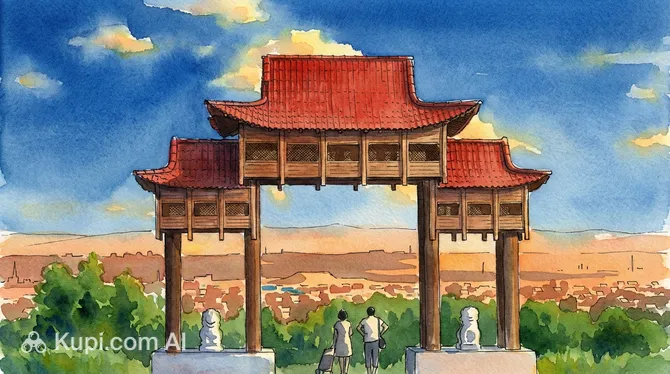
Kyzyl. Source: Kupi.Binoculars

Kyzyl holds a special status on the world map as the widely recognized geographical center of Asia. Visitors flock to the scenic river embankment to see the iconic "Center of Asia" monument, a magnificent sculpture designed by Dashi Namdakov that symbolizes the city's unique location. The surrounding landscape, characterized by vast steppes and rolling hills, offers a stunning natural backdrop to the urban environment.

The city is a fascinating melting pot where ancient traditions of Buddhism and Shamanism coexist harmoniously with modern life. delving into the history of Kyzyl reveals a rich tapestry of nomadic heritage and spiritual depth that continues to shape the local identity. This cultural richness is reflected in the city's temples, festivals, and the world-renowned art of Tuvan throat singing.

One of the must-visit attractions is the Aldan-Maadyr National Museum. It houses the legendary "Scythian Gold" collection from the Arzhan-2 burial mound, showcasing exquisite ancient jewelry and artifacts that rival those found in major global museums. Whether you are an archaeology enthusiast or simply a curious explorer, the treasures here are sure to captivate your imagination.

We invite you to discover the heart of Asia in Kyzyl. From its spiritual monuments to its breathtaking natural surroundings, this city promises an unforgettable journey filled with discovery and the warm hospitality of the Tuvan people.


Weather Overview

Travelers planning a trip to the heart of Asia should be prepared for a sharp continental climate, where the contrast between seasons is quite pronounced. Understanding the local weather in Kyzyl is essential for packing the right gear, as conditions shift significantly throughout the year. The region is known for its distinct seasonal changes, offering everything from snowy, crisp winters to pleasantly warm summers.

Winter in Kyzyl is long and intensely cold, with January often being the coldest month. Average temperatures can drop to around -22.3°C, and nights are even chillier, sometimes reaching lows of -26.9°C. Despite the freezing temperatures, this season is typically very dry, with almost no precipitation, allowing for clear, frosty days perfect for viewing the winter landscapes.

As spring arrives, temperatures climb steadily, transitioning from the freezing averages of March to a milder 10.6°C by May. Summer brings a welcome warmth, with July seeing average highs of 25.3°C. However, this is also the wettest time of the year; while rainfall amounts remain relatively low, you can expect about 10 to 13 wet days per month during the summer season. Generally, expect warm summers with occasional rain and cold, dry winters.

Interesting Facts

Beyond the main attractions, Kyzyl holds many fascinating secrets that reveal the deep spiritual and historical roots of the region. Here are some intriguing facts about this unique city:

Tsechenling Buddhist Center. Source: Kupi.Binoculars
  • The city's name has evolved significantly over the last century. Originally founded in 1914 as Belotsarsk, meaning "Town of the White Tsar," it was renamed Khem-Beldir ("river confluence") in 1918. It was not until 1926 that the city adopted its current name, Kyzyl, which translates to "Red" in the Tuvan language.

  • Kyzyl is one of the few places in the world where Shamanism is formally institutionalized alongside modern medicine. The city is home to official "Shaman societies" or clinics, where licensed shamans provide consultations, rituals, and healing services to the local population.

  • The Tsechenling Buddhist Center is not merely a temple but a symbol of the region's spiritual revival. Its name means "The Abode of Great Compassion," and the building uniquely houses a prayer hall on the upper floor while the ground floor serves as a residence for Lama representatives.

  • While the geographical marker is famous, the current Obelisk Center of Asia is a relatively recent masterpiece. Designed by the renowned artist Dashi Namdakov and unveiled in 2014, the sculpture depicts three legendary lions holding a globe, surrounded by figures of the twelve animals of the Eastern zodiac.

How to Get There

Reaching the heart of Asia can be an exciting part of your journey. The most convenient and direct way to visit is by air. You can fly into Kyzyl Airport (IATA: KYZ), which is located just 6.4 km from the city center. As a regional hub, it welcomes travelers primarily from neighboring major cities. Once you land, the transfer to the city is quick; a taxi or bus ride typically takes about 30 minutes. For a complete overview of routes and travel tips, you can read more about how to get to Kyzyl.

For clarity, here is a summary of the main airport:
Airport Name City Passenger Traffic Km from City
Kyzyl Airport Kyzyl Medium 6.4

Travelers preferring rail transport should be aware that the city of Kyzyl does not have a railway station. The railway network ends in the neighboring regions. The most significant nearby hub is the Minusinsk Railway Station in the city of Minusinsk, which is about 286 km from Kyzyl. From there, you can get a taxi or take a bus across the picturesque Sayan Mountains, a journey that usually takes around 5 to 6 hours. You might also consider Koshurnikovo Station in Artyomovsk, located approximately 296 km away.

Here are the nearest railway stations to the city:
Station City Passenger Traffic Km to Center
Minusinsk Railway Station Minusinsk Medium 285.9
Koshurnikovo Station Artyomovsk 296.1
Kizir Railway Station Artyomovsk 276.2

Main Attractions

Kyzyl offers a fascinating blend of cultural heritage and natural beauty, making it a unique destination for travelers. The city's main sights revolve around its spiritual significance and its geographical claim to fame, providing visitors with an insightful look into the traditions of the Tuvan people.

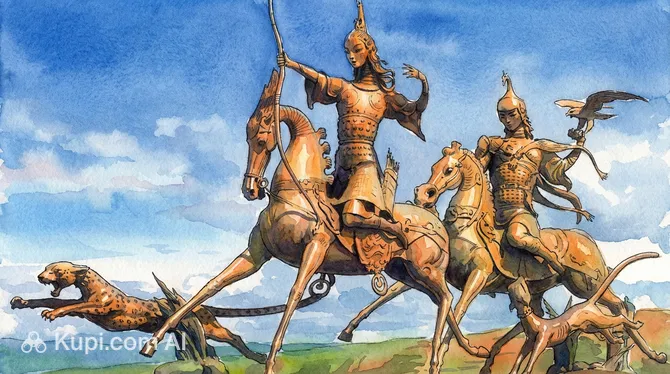
No visit to the city is complete without seeing the famous Obelisk Center of Asia. Located on the scenic embankment of the Yenisey River, this landmark marks the geographical heart of the Asian continent. The site features a striking sculpture of three lions holding a globe and is surrounded by twelve figures representing the Eastern zodiac, making it a perfect spot for memorable photos and a relaxing walk along the river.

Obelisk Center of Asia. Source: Kupi.Binoculars

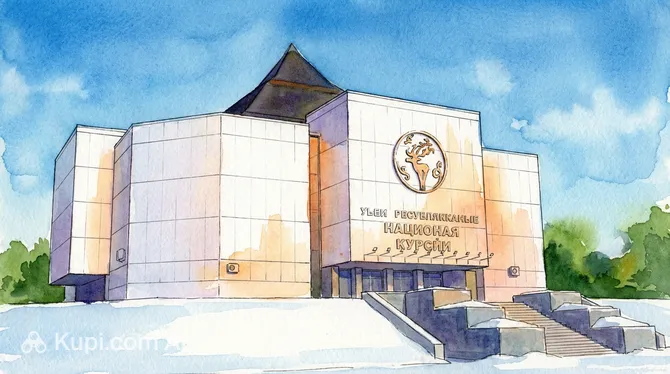
For those interested in history and archaeology, the Tuva National Museum is an absolute treasure trove. Also known as the Aldan-Maadyr National Museum, it is renowned for housing the magnificent "Scythian Gold" collection found in the Arzhan-2 burial mound. Visitors can explore thousands of artifacts that tell the story of the region's ancient nomadic past, traditional Tuvan culture, and the development of the republic.

Tuva National Museum. Source: Kupi.Binoculars

The beating heart of the city is Arat Square, a central gathering place that showcases the local lifestyle. It is home to the stunning Musical Drama Theatre and a large Buddhist prayer drum, which is believed to bring good luck to those who spin it. The square is often the venue for vibrant celebrations and festivals, offering tourists a chance to experience the lively atmosphere of Kyzyl firsthand.

Arat Square. Source: Kupi.Binoculars

Nature lovers should take the opportunity to visit the Tyva Republic National Park. This protected area offers a glimpse into the diverse landscapes of the region, from steppes to forests. It serves as an excellent introduction to the vast wilderness that surrounds the city, providing trails and scenic spots for those wishing to escape the urban environment and connect with nature.

Local Cuisine

The local cuisine in Kyzyl is a direct reflection of the nomadic heritage of the Tuvan people, characterized by hearty, energy-rich foods designed to sustain life in the harsh Siberian climate. Meat and dairy are the cornerstones of the diet, with mutton being the most prized ingredient. Visitors will find that the food here is simple yet incredibly flavorful, relying on the quality of natural, organic products rather than complex spices.

One of the absolute must-try dishes is buuzy, which are large, steamed dumplings filled with minced meat (usually mutton or beef) and onions. They are shaped like a yurt with a small opening at the top, holding a delicious, savory broth inside that you drink before eating the dumpling. Another delicacy for the adventurous eater is sogazha, a tender piece of liver wrapped in caul fat and grilled over charcoal, often served as a rich and satisfying snack.

Aristokrat. Source: Kupi.Binoculars

No meal in Tuva is complete without the region's signature drink, suttug-shay. This is not your typical tea; it is green tea brewed with milk and salt, and sometimes enriched with butter or rendered fat. It is served in large bowls and is considered a meal in itself by many locals. For those interested in traditional alcoholic beverages, you might encounter araka, a mild and clear vodka distilled from fermented milk, known for its distinct sour-milk aroma and smooth taste.

The food scene in Kyzyl ranges from traditional yurts and simple canteens serving authentic local fare to more modern establishments. Locals often frequent bustling markets to buy fresh dairy products like kurut (dried cheese curds) or dalgan (roasted barley flour). For a comfortable sit-down meal where you can relax after a day of sightseeing, you can visit Aristokrat, a popular restaurant in the city that offers a welcoming atmosphere for tourists.

Travel Tips

Visiting the geographical center of Asia is a unique adventure that rewards those who come prepared. To help you navigate the distinct culture, climate, and logistics of Kyzyl smoothly, we have compiled a list of essential practical tips for your journey.

  1. Clothing and Gear: The climate here is sharply continental, meaning you need to pack according to the specific season. For winter visits, heavy-duty insulated clothing, thermal underwear, and non-slip boots are mandatory as temperatures drop significantly. In summer, light clothing is suitable for the day, but always bring a warm layer for cool evenings. If you plan to visit Buddhist temples or sacred sites, dress modestly by covering your shoulders and knees.
  2. Transportation: Kyzyl is a relatively compact city, and the most convenient way to get around is by minibus (marshrutka) or taxi. Public transport covers most key areas, but taxis are affordable and offer more comfort, especially in winter. Ride-hailing apps may be available, but it is reliable to keep the numbers of local taxi services handy. Car rental is not strictly necessary unless you plan to explore the remote wilderness outside the city.
  3. Finances: The local currency is the Russian Ruble (RUB). While credit cards are accepted in major supermarkets, hotels, and larger restaurants, cash is essential for public transport, small shops, and the local markets. It is advisable to withdraw or exchange money at major bank branches in the city center to ensure you always have small change.
  4. Health and Safety: Pharmacies (marked as Apteka) are widely available, with some operating 24/7 in the city center. Kyzyl is generally safe for tourists, but standard precautions apply; avoid poorly lit areas on the outskirts at night. In summer, if you plan to hike in the surrounding steppes or forests, use insect repellent to protect against ticks.
  5. Communication: The primary language for communication is Russian, while the local population also speaks Tuvan. English is not widely spoken, so having an offline translation app or a phrasebook is highly recommended. You can purchase a SIM card from major mobile operators at the airport or in the city center with your passport to stay connected.
  6. Local Etiquette: Tuvan culture blends Buddhism and Shamanism, and respect for traditions is paramount. When visiting a Buddhist temple, walk around the interior in a clockwise direction. It is polite to ask for permission before taking photos of people, particularly monks or shamans. Greeting locals with a handshake is common, but always show deference to elders.
  7. What to Avoid: Never treat fire disrespectfully, such as throwing rubbish into a campfire, as fire is considered sacred in local beliefs. Additionally, avoid pointing your feet at a religious altar or at another person, as this is considered rude.
  8. Market Life: For a truly authentic experience, visit the central market early in the day. This is the best place to buy local delicacies like kurut (dried cheese) or pine nuts, and it offers a glimpse into the daily life of the residents that you won't find in a supermarket.

By keeping these tips in mind, you will be well-equipped to enjoy the warm hospitality and spiritual depth of Kyzyl. We hope your journey to the heart of Asia is filled with unforgettable discoveries and pleasant encounters!

Entertainment & Nightlife

Nightlife in Kyzyl is relatively quiet and distinct from the bustling 24-hour rhythm of larger metropolises. Instead of sprawling nightclub districts, the city’s evening entertainment is primarily centered around restaurants that transition into lively venues with music and dancing as the night progresses. The atmosphere is generally cozy and welcoming, with a focus on good food, conversation, and local hospitality. The most active area for evening leisure is the city center, particularly along Lenin Street and the surroundings of Arat Square, where the streets are well-lit and populated.

For those seeking a sophisticated evening out, Aristokrat is a popular choice among locals and visitors alike. This establishment functions as a high-quality restaurant during the day but often hosts evening programs or provides a refined setting for late-night dining. It is an excellent place to experience the local social scene in a comfortable environment, where the dress code is generally smart-casual.

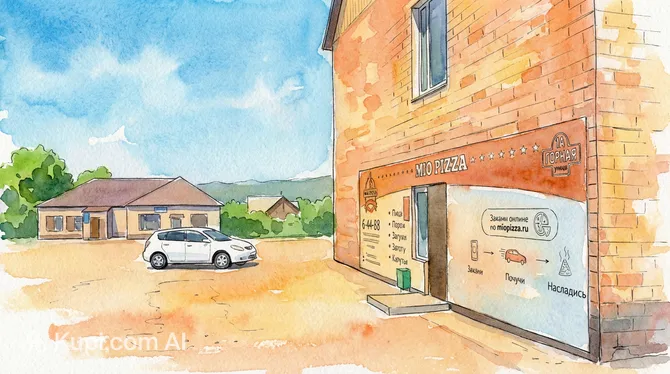
If you prefer a more laid-back vibe for your evening, Mio Pizza offers a casual atmosphere perfect for gathering with friends. While primarily known for its food, it serves as a relaxed spot to unwind after a day of sightseeing. In Kyzyl, many such cafes become hubs for social interaction in the evenings, offering a warm respite from the often chilly night air.

Mio Pizza. Source: Kupi.Binoculars

Cultural entertainment plays a significant role in the city's evening life. Before heading out for dinner, visitors can enjoy performances at the National Music and Drama Theatre located on Arat Square. While daytime hours are best spent exploring museums like the Tuva National Museum or walking in the parks, the theater provides a glimpse into the rich artistic traditions of the region once the sun goes down.

When enjoying a night out in Kyzyl, practical safety measures are essential. While the central districts and the embankment are popular for early evening strolls, it is highly advisable to avoid walking in unlit areas or the outskirts of the city late at night. The safest and most convenient way to get around after dark is by taxi. You can easily order one through local phone services or apps, which are affordable and reliable. Prices for evening rides are generally low, making it the preferred option for returning to your accommodation safely.

Parks & Museums

Kyzyl offers a compelling mix of natural beauty and rich cultural heritage, with green spaces that celebrate the region's unique geography and institutions that preserve its deep history. Visitors can easily transition from a relaxing walk by the river to admiring ancient artifacts within the city's top cultural venues.

For a refreshing break within the city, head to the Tyva Republic National Park. Located at the scenic confluence of the Big and Little Yenisey rivers, this is a beloved urban recreational area rather than a remote wilderness. It serves as a forest park featuring paved paths, wooded groves, and peaceful spots for walking or cycling. It is the perfect place to observe the meeting of the two great rivers that form the Yenisey and to enjoy a quiet moment in nature without leaving the city limits.

Tyva Republic National Park. Source: Kupi.Binoculars

When it comes to museums, the Tuva National Museum (Aldan-Maadyr) is the undisputed cultural centerpiece of the city. While it is internationally famous for the "Scythian Gold" collection from the Arzhan-2 burial mound, the museum also boasts an impressive array of ancient stone steles and "deer stones" displayed in the courtyard. Inside, visitors can delve into the history of Shamanism in Tuva, viewing authentic ritual costumes, drums, and other sacred objects that offer a glimpse into the spiritual life of the nomads.

To fully understand the living heritage of the region, a visit to the Center of Tuvan Culture is highly recommended. Although not a traditional museum, this venue is dedicated to the preservation and promotion of Tuva's traditional arts, particularly the world-renowned throat singing (khoomei). It often hosts exhibitions, workshops, and performances that allow visitors to connect deeply with the artistic soul of the Tuvan people.

Insider Tip: After visiting the National Museum, take a walk around its exterior grounds. You will find a fascinating open-air display of ancient stone idols and petroglyphs brought from various parts of the republic. These historical treasures are free to view and provide a unique photo opportunity against the backdrop of the modern museum building.

Getting Around

The public transport system in Kyzyl is straightforward and relatively compact, reflecting the size of the city. Unlike larger metropolises, there is no metro, tram, or trolleybus network here. The primary mode of transportation for locals and visitors alike consists of buses and minibuses (known locally as marshrutkas). These vehicles cover the majority of the city, connecting residential districts with the city center, markets, and key landmarks like Arat Square.

Payment for rides is simple and usually handled directly with the driver. While some modern buses may accept bank cards, the system is predominantly cash-based. It is highly recommended to carry small denominations of Russian Rubles (coins and small notes), as drivers may not always have change for large bills. Fares are very affordable compared to larger cities, making public transport a budget-friendly way to get around.

For tourists, navigating the system requires a bit of attention to operating hours. Buses and marshrutkas typically start running early in the morning, around 6:00 AM, but service tends to wind down significantly in the evening. By 8:00 PM or 9:00 PM, finding a bus can become difficult. There are no strict timetables displayed at every stop, so the general rule is to wait at designated bus stops; vehicles usually arrive at intervals of 10 to 15 minutes during the day.

Given that public transport stops relatively early, taxis are a popular and necessary alternative for evening travel. Local taxi services are abundant and inexpensive. You can hail a car using popular mobile apps available in the region or by calling a local dispatcher, which is often more reliable. Since the city center is quite compact, many attractions are also easily accessible on foot, allowing you to explore the scenic river embankment and central squares at your own pace.

Accommodation

Accommodation:

Finding a place to stay in Kyzyl is relatively straightforward, though the options are more limited compared to major tourist hubs. The city primarily offers a selection of mid-range hotels, smaller guesthouses, and Soviet-era establishments that have been updated to meet modern standards. While luxury resorts are not part of the urban landscape, visitors will find comfortable and clean facilities that provide a good base for exploring the region. For a truly authentic experience, many travelers choose to stay in yurt camps (tourist bases) located just outside the city limits, offering a chance to live like a nomad while enjoying basic amenities.

The most convenient area for tourists to stay is the city center, particularly near the Yenisey River embankment and the central squares. staying in this district places you within walking distance of key attractions such as the National Museum and the Center of Asia monument. This area is also the safest and most well-lit, with easy access to shops, cafes, and transport links. Since the city is compact, booking a hotel in the central administrative district ensures you are never far from the main sights.

When planning your trip, it is highly advisable to book accommodation in advance, especially if you are visiting during the summer months or during major local festivals like Naadam. The number of high-quality rooms is limited, and they tend to fill up quickly with both business travelers and tourists. Regarding costs, prices in Kyzyl are generally moderate and affordable. While some larger hotels may accept credit cards and appear on major booking platforms, smaller guesthouses and yurt camps may require direct booking and often prefer payment in cash.

Nearby Cities

For those looking to explore the surroundings, Kyzyl serves as an excellent base for starting journeys to several interesting nearby locations in the wider Siberian region. While the distances in this vast part of the world are significant, the scenic drives through the Sayan Mountains make the trip itself an unforgettable part of the experience.

Abakan, the capital of the neighboring Republic of Khakassia, is a primary destination for travelers leaving Tuva. Located approximately 300 km away via the breathtaking Usinsky Tract highway, it offers a distinct cultural contrast. Visitors can explore the Khakass National Museum to see ancient stone steles and petroglyphs, or enjoy the city's lush parks and gardens, particularly the dreamy Gardens of Dreams topiary park.

Another historical gem located nearby is Minusinsk. Often referred to as an open-air museum, this town is one of the oldest in Southern Siberia and is famous for its well-preserved 19th-century merchant architecture. It is also renowned for its unique microclimate, which allows locals to grow record-breaking tomatoes, celebrated annually during the vivid Tomato Festival in August.

City Population Distance (km)
Krasnoyarsk 1,083,865 490
Abakan 181,709 302
Mezhdurechensk 96,299 485
Chernogorsk 75,067 316
Minusinsk 68,007 289

These nearby destinations offer a glimpse into the diverse culture and landscapes of the region, ranging from the steppes of Khakassia to the historic merchant towns of the Krasnoyarsk Territory.

Shopping & Souvenirs

Shopping in Kyzyl is less about high-end fashion brands and sprawling mega-malls, and more about discovering the unique cultural heritage of Tuva through authentic local products. The city offers a distinct retail experience where visitors can find rare ethnic items, traditional crafts, and organic local foods that are difficult to find anywhere else in the world. Exploring the local shops provides a window into the nomadic lifestyle and artistic traditions of the region.

The main commercial activity is concentrated in the city center, particularly along Lenin Street and Kochetova Street. These central avenues are lined with a variety of small shops, boutiques, and souvenir stores. A stroll down these streets allows tourists to browse for everything from everyday necessities to specialized local crafts, all while enjoying the architectural mix of the city center.

While you will not find massive western-style entertainment and shopping complexes, Kyzyl has several modern trade centers (TC) that cater to local needs. Centers like TC Alekseevsky or TC Five Stars offer a range of clothing, electronics, and household goods. These venues are compact but convenient, providing a comfortable indoor environment for shopping, especially during the cold winter months.

For a truly atmospheric experience, a visit to the Central Market is essential. This bustling hub is where the local pulse beats strongest. Here, farmers and traders sell fresh regional produce, including dairy products like traditional cheese curds, wild berries, and the famous Siberian pine nuts (cedar nuts). It is also a great place to find affordable clothing and household items while observing the daily lives of Kyzyl's residents.

When it comes to souvenirs, Kyzyl is a treasure trove. The most iconic gift to bring home is a figurine made of agalmatolite (chona-dash), a soft stone found in western Tuva that local artisans carve into intricate animals and mythical creatures. Other popular items include shamanic attributes like amulets and souvenir drums, traditional Tuvan clothing made of silk and felt, and silver jewelry featuring national patterns. Music lovers should look for CDs of traditional throat singing (Khoomei), a cultural hallmark of the republic.

Most shops in Kyzyl operate from around 10:00 AM to 7:00 PM or 8:00 PM, though smaller boutiques may close earlier on weekends. The Central Market typically operates from early morning until late afternoon. While major supermarkets and shopping centers accept credit cards, cash is king in smaller souvenir shops, kiosks, and especially at the market. It is highly recommended to carry Russian Rubles in smaller denominations for these transactions.

Regarding tax refunds, the Tax-Free shopping system is generally not available in Kyzyl. Tourists should not expect to claim VAT refunds on purchases made in the city, as the participating stores are typically located only in Russia's largest federal centers.

Nearby cities

Reached the end of the page?

That means the route is fully explored