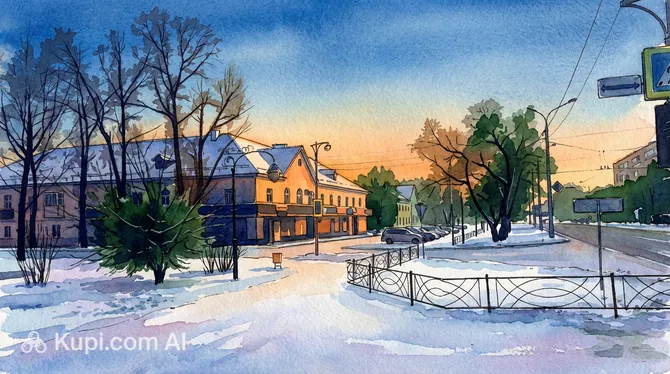
Welcome to Abakan, a charming and verdant city located in the heart of Siberia. As the capital of the Republic of Khakassia, this city serves as a cultural and administrative center within the Russian Federation. Often referred to as one of the greenest cities in Siberia, Abakan offers a surprisingly mild atmosphere compared to the surrounding rugged landscapes, making it a welcoming destination for travelers seeking to explore the unique heritage of the region.
Geographically, the city is situated at the scenic confluence of the Abakan and Yenisei rivers, providing a picturesque backdrop for its approximately 181,000 residents. The climate here is continental, characterized by warm summers that allow for pleasant strolls through the city's numerous parks and squares.
Abakan. Illustration.
Source: Kupi.com AI
The area is rich in archaeological significance, often called the "Mecca of Siberian Archaeology." The history of Abakan is deeply intertwined with ancient civilizations, as evidenced by the mysterious stone stelae and burial mounds found throughout the republic. While the modern city was established relatively recently, the land it occupies has been a crossroads of cultures for thousands of years.
Visitors are particularly drawn to the Gardens of Dreams (Sady Mechty), a beautifully landscaped topiary park that features exotic plants and whimsical sculptures. Another must-visit is the Khakass National Museum of Local Lore, where you can see the famous collection of ancient stone idols and petroglyphs. Whether you are interested in the vibrant local culture or the serene natural beauty, Abakan stands as an inviting gateway to the wonders of Khakassia.
Weather Overview
The city experiences a sharply continental climate, characterized by distinct seasonal contrasts that shape the local lifestyle. Before packing for your trip, it is advisable to consult the forecast for the weather in Abakan, as conditions change significantly depending on the time of year. Generally, the region is known for its sunny disposition, often receiving more sunlight hours than many other Siberian cities.
Winters are typically cold and dry, with January being the coldest month, averaging around -17.6°C and occasionally dropping below -20°C. Conversely, summers are warm and inviting, with July temperatures averaging 20.0°C and daily highs often reaching 25°C. While winter sees very few wet days, the summer months bring more frequent precipitation, peaking in July with about 12 wet days. Expect warm summers with occasional rain and cold, dry winters.
Average monthly temperature
Average monthly precipitation
Interesting Facts
Beyond the well-trodden paths of its beautiful parks, Abakan holds several surprising secrets and unique features that delight visitors. This Siberian city is not just an administrative center but a place where ancient history and modern whimsy intertwine in unexpected ways.
Abakan is home to a surprising piece of Paris; within the Dream Gardens, visitors can find a 14-meter replica of the Eiffel Tower. This park is a masterpiece of landscape design, featuring not only this French icon but also diverse topiary art and themed zones that transport you to different parts of the world.
The city boasts the largest zoological park in Eastern Siberia, the Center of Living Nature. Unlike typical zoos, this facility focuses heavily on conservation and houses over 150 species of animals, including rare snow leopards and tigers, right within the city limits.
History runs deep beneath the region; archaeologists discovered ruins of an ancient Chinese-style palace dating back to the Han Dynasty (around 99 BC) near the city. This suggests the area was once home to a high-ranking Chinese general, and many artifacts from this era are preserved in the Khakassian National Museum.
Abakan is widely recognized as a pioneer of topiary art in Russia. It was the first city in Siberia to extensively implement the art of shaping bushes and trees into sculptures, resulting in green figures of eagles, cats, and elephants adorning ordinary street corners and the popular Orlyonok Park.
Dream Gardens. Illustration.
Source: Kupi.com AI
Traveler photos:
How to Get There
Reaching this Siberian gem is relatively straightforward, with options to suit different travel preferences. Whether you prefer flying directly into the republic or taking a scenic train ride through the Russian landscape, there are several convenient routes available. To plan your journey in detail, you can read more about how to get to Abakan and choose the best option for your itinerary.
The most convenient entry point is Abakan Airport (IATA: ABA), located directly in the city, just 3.8 km from the center. As a key regional hub, it handles a steady flow of travelers and offers the quickest access to the city's attractions. The commute from the terminal to downtown is very short, taking approximately 25 minutes by taxi or bus.
For more flight options, many travelers choose Krasnoyarsk International Airport (IATA: KJA) in the city of Krasnoyarsk. While it is situated about 281.7 km from Abakan, this large international airport offers a wider range of connections. Visitors arriving here should be prepared for a longer transfer; the journey by road to Abakan takes roughly 7.5 hours.
For clarity, here is a summary of the main airports:
If you prefer rail travel, the city is well-served by the Abakan Railway Station. It is centrally located only 2.9 km from the heart of the city, ensuring a quick and easy transfer upon arrival. The drive to the city center takes about 25 minutes. Alternatively, you can arrive at the Minusinsk Railway Station in the neighboring city of Minusinsk, which is about 16.9 km away. From there, a taxi or bus ride to Abakan takes approximately 45 minutes.
Below is a list of the nearest railway stations:
Station
Passenger traffic
Distance
Abakan Railway Station
365 000
3 km
Minusinsk Railway Station
250 000
17 km
Kapchaly Station
15 000
47 km
Khankul Station
—
50 km
Erbinskaya Station
20 000
79 km
Tuim Station
12 000
121 km
Main Attractions
Abakan is a city where history and modernity coexist in a lush, green setting. While it serves as a busy administrative capital, its layout is surprisingly human-scale, dotted with unique parks and cultural institutions that reflect the rich heritage of Khakassia. Visitors will find that the main sights are easily accessible, offering a blend of archaeological wonders, landscape art, and wildlife encounters.
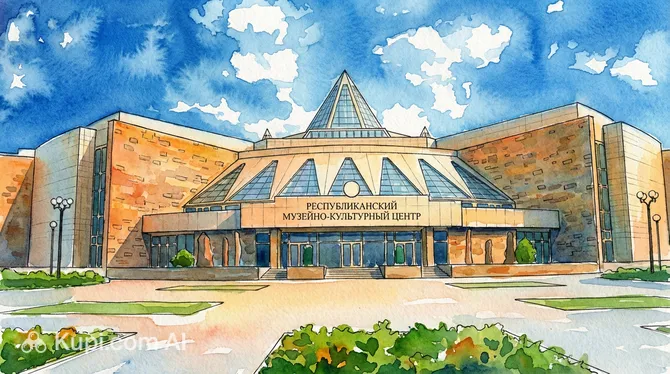
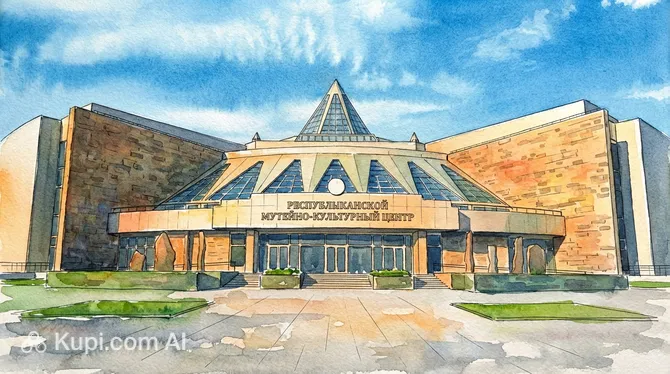
One of the most significant cultural sites in the entire region is the Khakassian National Museum. Housed in a striking modern building, this institution is world-renowned for its extensive collection of ancient monumental stone art. Tourists flock here to see the enigmatic stone stelae and idols, some dating back thousands of years, which offer a glimpse into the spiritual life of the ancient steppe civilizations. The museum also features comprehensive exhibits on the ethnography and history of the Khakassian people.
Khakassian National Museum. Illustration.
Source: Kupi.com AI
Traveler photos:
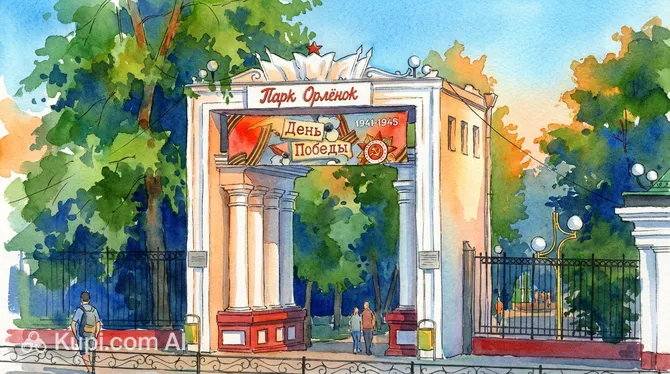
For a leisurely outdoor experience, Orlyonok Park is a favorite destination for both locals and travelers. Located in the city center, this park is celebrated for its whimsical topiary art, where bushes are skillfully trimmed into the shapes of animals, fantastic creatures, and geometric figures. It is an excellent spot for families, offering amusement rides and paved paths that are perfect for a relaxing afternoon stroll amidst the greenery.
Orlyonok Park. Illustration.
Source: Kupi.com AI
Traveler photos:
Animal lovers should not miss the Center of Living Nature, which serves as the city's zoological park. It is the largest facility of its kind in Eastern Siberia and focuses on the conservation of rare and endangered species. The zoo provides a chance to observe a wide variety of animals, including predators like tigers and snow leopards, in well-maintained enclosures. It is an educational and engaging stop, particularly for those traveling with children.
Another notable public space is Montenegrin Park (Chernogorskiy Park). This expansive area often serves as a venue for city celebrations and events. It is a dignified and spacious square that features monuments honoring local history and heroes. The park's wide avenues and tranquil atmosphere make it a popular place for evening walks, allowing visitors to soak in the local vibe away from the bustle of the main streets.
Local Cuisine
The culinary landscape of Abakan is a fascinating blend of traditional Siberian heartiness and the unique nomadic heritage of the Khakassian people. The local cuisine is heavily centered around meat and dairy products, designed to sustain people through the harsh continental climate. For travelers, this offers a chance to taste authentic dishes that are rarely found outside the republic. The food here is simple but flavorful, relying on the quality of local ingredients like lamb, beef, and river fish.
One of the most iconic specialties you must try is Talgan. This ancient "superfood" is made from roasted barley or wheat grains that are ground into a coarse flour. Locals mix it with butter, sugar, bird cherry powder, or milk to create various snacks and desserts. It is considered a staple of the Khakassian diet, celebrated for its nutritional value and distinct nutty flavor. Another traditional delicacy for the adventurous eater is Khan, a type of blood sausage prepared from fresh mutton blood and milk, often served boiled. For a main course, look for hearty meat soups like ugre, which typically features lamb and homemade noodles.
When it comes to beverages, the region is famous for Ayran, a fermented milk drink that is both refreshing and healthy. It is widely consumed particularly in the summer and is often offered to guests as a sign of hospitality. If you prefer something warm, the local herbal teas are exceptional. Gathered from the pristine Khakassian steppes and taiga, blends often include thyme, oregano, and currant leaves, providing a soothing end to a meal.
Pertsy. Illustration.
Source: Kupi.com AI
Traveler photos:
The dining scene in Abakan is diverse, ranging from authentic ethnic cafes to modern European-style establishments. While exploring the city, you will find that locals enjoy a mix of traditional flavors and international comfort food. For a reliable and popular dining experience, many visitors head to Pertsy, a restaurant known for its welcoming atmosphere and varied menu. If you are craving a slice of pizza or classic pasta after a day of sightseeing, Mama Roma offers a familiar Italian menu in the heart of Siberia.
For those looking to unwind in the evening, the city has a developing nightlife and bar culture. Places like Grenka Bar are popular spots where you can enjoy a selection of drinks and snacks in a lively setting. Whether you are sampling a ball of sweet Talgan at a market or enjoying a modern dinner downtown, the tastes of Abakan are sure to leave a lasting impression.
Travel Tips
To ensure your journey to the heart of Khakassia is as smooth and enjoyable as possible, we have compiled a list of essential advice. These practical tips will help you navigate local customs, manage your logistics, and make the most of your time in this welcoming Siberian city.
Clothing and Gear: Pack according to the season, as the climate is sharply continental. In winter, thermal underwear, a heavy down coat, and non-slip boots are essential to withstand temperatures that can drop significantly below freezing. Summers can be surprisingly hot, so light, breathable fabrics are best, but always bring a light jacket for cool evenings. If you plan to visit the surrounding steppes or nature reserves, sturdy walking shoes and sun protection are a must.
Transportation: The city center is compact and walkable, but for longer distances, the public transport network is reliable. Abakan operates a system of trolleybuses and buses that cover most key areas; tickets are inexpensive and usually purchased from the conductor on board. For convenience, ride-hailing apps like Yandex Go are widely used and offer an affordable alternative to street taxis. Car rental is available but generally not necessary unless you plan to explore the remote regions of the republic on your own.
Finances: The local currency is the Russian Ruble (RUB). While credit cards and contactless payments are standard in supermarkets, restaurants, and hotels, international cards issued abroad may not work due to current banking limitations. It is highly advisable to bring cash (USD or EUR) to exchange at local banks upon arrival. Keep a supply of smaller ruble notes for bus fares, small souvenir shops, and local markets where card terminals might be unavailable.
Health and Safety: Abakan is generally a safe and peaceful city for tourists. Pharmacies (marked as "Apteka") are plentiful, and many operate 24 hours a day in the city center. If you plan to hike in the nearby nature reserves or tall grass during late spring and summer, be vigilant about ticks. Wear long sleeves and use high-quality insect repellent, as this is a common concern in Siberian nature.
Communication: The primary language is Russian, and English is not widely spoken outside of major hotels or tourist agencies. It is strongly recommended to download an offline translation app and an offline map (apps like 2GIS are extremely popular and accurate in Siberia) before you arrive. Buying a local SIM card from a major provider like MTS or Tele2 is easy at official stores and will ensure you have internet access for navigation and translation.
Local Etiquette: Siberians are known for their hospitality but can appear reserved at first. A firm handshake is a common greeting for men. If you are invited to a local's home, the most important rule is to remove your shoes immediately upon entering; hosts usually provide slippers for guests. It is also polite to bring a small gift, such as chocolates or pastries, when visiting someone.
What to Avoid: Avoid shaking hands across a threshold (doorway), as this is considered bad luck. Additionally, refrain from whistling indoors, especially in private homes or businesses, as a widespread local superstition suggests it leads to financial loss. Respecting these small cultural nuances goes a long way in making a good impression.
Local Insight: When shopping for souvenirs, look for products made from local herbs and berries. Khakassian herbal teas (often containing thyme and oregano) and pine cone jam are unique, healthy, and make for excellent, authentic gifts that you won't easily find elsewhere.
By keeping these tips in mind, you will be well-prepared to experience the unique blend of ancient history and Siberian warmth that Abakan has to offer. Enjoy your travels and the discovery of this hidden gem in Khakassia!
Entertainment & Nightlife
While Abakan is primarily known for its green parks and cultural heritage, the city also offers a pleasant variety of entertainment options for those looking to unwind after sunset. The nightlife here is more relaxed and intimate compared to Russia's larger metropolises, but visitors will still find a welcoming atmosphere in the city's bars, entertainment centers, and late-night venues. The action is largely concentrated in the city center, particularly along Lenin Avenue and Shchetinkin Street, where the lights of cafes and restaurants create a lively evening ambiance.
For a comprehensive evening out that combines dining, leisure, and fun, the city's modern shopping and entertainment complexes are very popular among locals. One of the prime destinations is Evropa. This is not just a place for shopping; it serves as a major hub for social life, featuring a cinema and bowling alley that attract crowds well into the evening. It is an excellent spot for families or groups of friends looking for a safe and bustling environment to spend a few hours.
Evropa. Illustration.
Source: Kupi.com AI
Traveler photos:
Another key player in the local entertainment scene is Rolbi. Known for its modern cinema complex, it is a go-to location for catching the latest movie releases. The center often hosts younger crowds and couples, offering a classic date-night experience with comfortable seating and nearby food courts. These centers are typically open until late, providing a reliable option for indoor entertainment regardless of the weather.
If you prefer an open-air experience, the Park of Culture and Leisure transforms into a charming promenade in the evening. During the warmer months, the park is illuminated and filled with locals enjoying the fresh air. It often hosts small concerts or seasonal festivals, making it a perfect place for a romantic walk or a casual night out without the noise of a club.
Park of Culture and Leisure. Illustration.
Source: Kupi.com AI
Traveler photos:
For those seeking a more spirited nightlife experience with music and drinks, the city has several bars and clubs. The atmosphere in these venues is generally casual; while some nightclubs may have a "face control" policy, a neat casual outfit is usually sufficient to get in. Establishments like the previously mentioned Grenka Bar offer a mix of good food and a pub-style vibe, while other local dance clubs pick up the pace after 11:00 PM on Fridays and Saturdays.
Daytime Entertainment: Before the sun goes down, Abakan offers cultural enrichment through its theatrical scene. The Lermontov Russian Drama Theatre is a cornerstone of local culture, staging classic and contemporary plays. For those traveling with children, the "Skazka" Puppet Theatre provides delightful performances that transcend language barriers through visual storytelling.
Practical Nightlife Tips:
Safety: Abakan is considered quite safe for tourists. The central districts are well-lit and patrolled. However, as in any city, it is advisable to stick to main streets late at night and avoid unlit residential courtyards.
Transport: Public transport runs until around 10:00 PM or 11:00 PM. If you are staying out later, using a taxi app like Yandex Go is the most convenient and affordable way to get back to your hotel.
Prices: The cost of entertainment is very reasonable. A movie ticket, a game of bowling, or a cocktail in a bar will cost significantly less than in Moscow or St. Petersburg.
Parks & Museums
Abakan is widely celebrated as a "garden city," where urban planning seamlessly integrates with nature to create a serene and inviting atmosphere. The city's dedication to green spaces is evident in its numerous squares, boulevards, and meticulously maintained gardens, which serve as the lungs of the city and popular gathering spots for residents. Alongside its natural beauty, Abakan preserves a deep cultural heritage, showcased through its museums and monuments that tell the story of the region's ancient past and modern development.
One of the most solemn and beautifully landscaped areas in the city is Victory Park (Park Pobedy). Dedicated to the memory of soldiers who fought in the Great Patriotic War, this park is a place of quiet reflection and historical significance. Its centerpiece is a striking monument with an Eternal Flame, surrounded by well-paved paths and mature trees that offer shade in the summer. It is a dignified space where history meets nature, allowing visitors to pay their respects while enjoying a peaceful walk.
Victory Park. Illustration.
Source: Kupi.com AI
Traveler photos:
Another central hub for outdoor leisure is Montenegrin Park (Chernogorskiy Park). Located in the heart of the city, this expansive square is a favorite venue for public events, festivals, and holiday celebrations. The park features wide avenues perfect for strolling, as well as monuments honoring local heroes. Its open layout and proximity to other city attractions make it a convenient and pleasant stop during a sightseeing tour of Abakan.
Montenegrin Park. Illustration.
Source: Kupi.com AI
Traveler photos:
While exploring the city's greenery, it is impossible to overlook the renowned Dream Gardens. As a masterpiece of landscape architecture, it divides into various thematic zones, including a Japanese garden and a French formal garden. This park is not just a collection of plants but a gallery of living art, where topiary figures and creative design elements provide endless photo opportunities.
For those seeking to delve into the rich cultural tapestry of the region, the Khakassian National Museum is the undisputed highlight. This state-of-the-art facility houses a unique archaeological collection that rivals many larger institutions. Its most famous exhibits are the ancient stone stelae and idols of the Okunev culture, often referred to as the "Siberian Phantoms." These monumental artifacts, some dating back over 4,000 years, offer a fascinating glimpse into the spiritual beliefs of the ancient steppe peoples.
Art enthusiasts should also seek out the Abakan City Picture Gallery. Although smaller than the national museum, it plays a vital role in the local art scene by exhibiting works from regional painters and sculptors. The gallery frequently hosts temporary exhibitions that showcase the landscapes of Khakassia and the distinct artistic style of southern Siberia, providing a more intimate cultural experience.
Architecturally, the city is dominated by the golden domes of the Spaso-Preobrazhensky Cathedral. Situated near a picturesque park with fountains, this cathedral is a stunning example of modern Russian Orthodox architecture. Its bright white walls and gleaming domes are visible from many parts of the city, acting as a spiritual beacon and a beautiful landmark for photographers.
For a family-friendly cultural experience that focuses on the natural world, the Center of Living Nature offers an educational look at global wildlife. As the largest zoo in Eastern Siberia, it plays a crucial role in conservation education, allowing visitors to learn about the diverse fauna of the region and beyond.
Insider Tip: For a truly local experience, head to the Zone of Recreation (Zona Otdykha) along the riverbank. This area is not just a park but a beloved summer retreat with a sandy beach where locals go to swim, sunbathe, and enjoy picnics. It offers a genuine slice of Abakan life, especially on warm weekends when the city comes alive by the water.
Getting Around
Navigating Abakan is straightforward and convenient, thanks to its compact size and well-organized public transport network. For many tourists, the city center is small enough to explore comfortably on foot, allowing you to admire the architecture and green spaces at a leisurely pace. However, when you need to cover longer distances or reach the outskirts, the city offers a reliable system of trolleybuses and buses that connect all major districts, railway stations, and the airport.
The backbone of the city's public transit is its trolleybus network, which is favored by locals for being eco-friendly and regular. Complementing the electric transport are numerous bus routes, served by both large municipal buses and smaller commercial minibuses (often referred to as "marshrutkas"). These smaller buses tend to run more frequently and reach areas that trolleybuses do not, ensuring that even remote neighborhoods are accessible. There is no metro system in the city, but the surface transport is more than sufficient for the population's needs.
Paying for your ride is simple and user-friendly. In most trolleybuses and large buses, a conductor will approach you to collect the fare after you board. You can pay in cash or, increasingly, with a contactless bank card. In smaller commercial buses, you typically pay the driver directly upon entering or exiting, depending on the specific route's custom—just watch what the locals do. The fare is very affordable, generally costing around 26 to 30 rubles per trip. While card terminals are becoming standard, it is highly recommended to carry some small cash and coins, as technology can occasionally fail or be unavailable on private minibuses.
Public transport generally operates from early morning, around 6:00 AM, until approximately 10:00 PM or 11:00 PM. Frequency is good during the day, with vehicles arriving every 10 to 15 minutes on popular routes, but intervals can increase significantly late in the evening. If you are planning a night out, be aware that buses may stop running earlier than in larger metropolitan areas, so having a backup plan is wise.
For a more flexible and comfortable alternative, taxis are widely available and inexpensive compared to European standards. Popular ride-hailing apps like Yandex Go operate in the city, allowing you to book a car without needing to speak the language or negotiate the price. This is often the best option for traveling with heavy luggage or getting to the airport quickly. Additionally, during the warmer months, electric scooters and bicycles are becoming popular for short trips around the city center and parks, with rental points often available near major recreational areas.
Accommodation
Accommodation in Abakan caters to a variety of preferences, although the options are generally more modest compared to larger Russian tourist hubs. The city offers a range of lodging choices, from renovated Soviet-era hotels and modern mid-range properties to a growing market of comfortable guesthouses and hostels. For those seeking a more home-like environment, short-term apartment rentals are extremely popular and widely available, often providing excellent value for money and a chance to live like a local.
The most convenient area for tourists to stay is the city center, particularly along the main arteries like Lenin Avenue and Shchetinkin Street. Staying in this district places you within walking distance of the main cultural attractions, parks, and the best dining spots. Unlike many other cities, the airport is located very close to the residential areas, so even if you choose accommodation near the air hub, you are still only a short taxi ride away from the heart of the action.
While you will not find international luxury hotel chains here, there are several reputable local establishments that offer high standards of service and comfort. Many of the newer small hotels and "mini-hotels" provide cozy, personalized experiences with modern amenities. These smaller venues often feature on-site cafes and saunas, which are perfect for relaxing after a day of exploring the Khakassian steppes.
Booking and Prices:
The cost of accommodation in Abakan is generally affordable and lower than the national average. Budget travelers can find hostels and simple rooms for a very reasonable price, while mid-range hotels offer good quality without breaking the bank. It is advisable to book your stay in advance, especially if you plan to visit during the summer months or around major regional holidays, as the best options can fill up quickly. While major online booking platforms are useful, checking local real estate listings or contacting smaller hotels directly can sometimes yield better rates and availability.
Nearby Cities
For those looking to explore the surroundings, Abakan serves as an excellent base for day trips to several interesting nearby locations. The region offers a mix of historical towns and industrial marvels set against the backdrop of the stunning Siberian landscape, making it easy to plan a short excursion.
One of the most popular destinations is Minusinsk, located just a short drive across the Yenisei River. Known as one of the oldest towns in Southern Siberia, it preserves the atmosphere of a 19th-century merchant city with its historic stone buildings and wooden architecture. Visitors often come to see the renowned Martyanov Museum of Local Lore and to experience the town's famous "Tomato Festival" in late summer. Another intriguing option is Sayanogorsk, situated closer to the mountains. It serves as the gateway to the majestic Sayano-Shushenskaya Dam, Russia's largest hydroelectric power station, offering breathtaking views of the Yenisei River and the surrounding peaks.
City
Population
Distance
Chernogorsk
75 067
14 km
Minusinsk
68 007
18 km
Sayanogorsk
60 317
69 km
Sorsk
11 416
84 km
Shira
9 448
129 km
These nearby destinations offer a glimpse into the diverse culture and landscapes of the region.
Shopping & Souvenirs
Shopping in Abakan offers a pleasant mix of modern convenience and authentic regional flavor. While the city may not be a global fashion capital, it provides a well-rounded retail experience where travelers can find everything from essential travel gear to unique Siberian souvenirs. The shopping scene is characterized by several large malls that serve as community hubs, alongside smaller specialty stores that showcase the rich heritage of the Republic of Khakassia.
For a contemporary shopping experience, locals and visitors alike head to the city's major trade centers. Evropa is a prominent destination, housing a wide array of clothing boutiques, electronics stores, and a large supermarket. It is a convenient one-stop location for those looking to update their wardrobe or pick up supplies. Another key player in the local retail landscape is Rolbi. This complex is popular not only for its diverse range of shops, selling everything from shoes to household goods, but also for its vibrant atmosphere, making it a lively place to browse and shop.
Beyond the malls, the true treasure of shopping in Abakan lies in its local souvenirs and gastronomic gifts. The region is famous for its natural bounty, and visitors should not leave without purchasing some Khakassian herbal tea. Gathered from the ecological clean steppes and taiga, these blends often include thyme, oregano, and rosebay willowherb (ivan-chai). Another iconic Siberian treat is pine cone jam, a sweet and resinous delicacy that is both delicious and considered good for the immune system.
For those interested in cultural artifacts, the city offers unique handicrafts inspired by its nomadic and shamanic history. Look for leather goods, traditional ceramics, and miniature souvenir versions of shaman drums. You can also find Talgan, the roasted grain flour that is a staple of Khakassian cuisine; packaged beautifully, it makes for an authentic and healthy gift to take home. Most souvenir shops are located in the city center or near major museums.
Shops in Abakan typically operate daily, with larger malls open from 10:00 AM to 10:00 PM. While credit cards are widely accepted in shopping centers and supermarkets, it is advisable to carry some cash (rubles) when visiting smaller kiosks or buying handmade items from local artisans.