Support

Fuyun

About

Fuyun is a captivating destination located in the northern part of the Xinjiang Uyghur Autonomous Region. Nestled near the majestic Altay Mountains, this remote county offers a unique blend of breathtaking natural landscapes and significant industrial heritage. As you explore this fascinating corner of China, you will discover a place where rugged granite peaks meet pristine rivers, creating a dramatic backdrop for adventure.

With a population of approximately 80,000 people, the city maintains a serene and welcoming atmosphere, distinct from the bustling metropolises of the east. The area is culturally diverse and deeply rooted in its geological significance. The history of Fuyun is intrinsically linked to its abundant mineral wealth, particularly the legendary No. 3 Mine, which played a crucial role in the nation's industrial development and is now a site of great interest for visitors.
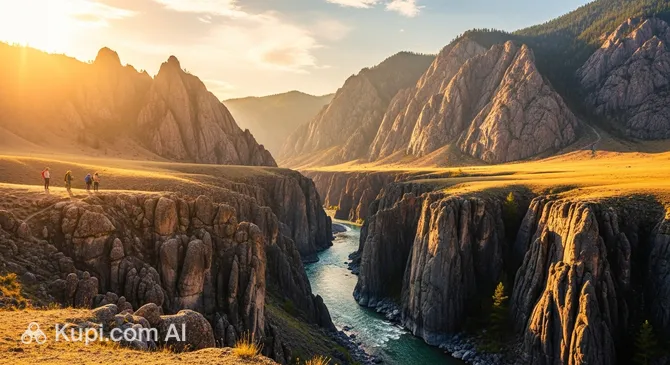
Fuyun. Source: Kupi.Binoculars

Travelers are primarily drawn here to visit the spectacular Koktokay National Geopark, a UNESCO Global Geopark known for its stunning Irtysh Grand Canyon and massive granite formations like the Divine Bell Mountain. The region is also famous for being the source of the Irtysh River, the only river in the country that flows into the Arctic Ocean. While the winters can be intensely cold, the summers offer cool, refreshing weather that is perfect for hiking, photography, and exploring the wild beauty of the frontier.

Whether you are a geology enthusiast or a nature lover seeking untouched scenery, Fuyun promises an unforgettable experience. Its combination of dramatic geological features and rich cultural tapestry makes it a truly rewarding stop on any itinerary through the northern reaches of the region.

Weather Overview

The climate in this northern region is distinctly continental, defined by significant temperature shifts between seasons. To plan your activities effectively, it is helpful to review the current weather in Fuyun, as conditions change drastically throughout the year. Generally, you can expect mild, comfortable summers and long, intensely cold winters with very little precipitation overall.

Winter dominates much of the calendar, with temperatures plunging significantly from November through March. January is typically the coldest month, where the average temperature sits around -16.4°C, and lows can reach a freezing -22.3°C. Despite the biting cold, the air remains quite dry, with almost negligible rainfall and only about three wet days per month during this period.

Summers offer a welcome respite and are widely considered the best time to visit the area. During July, the warmest month, the average temperature rises to a pleasant 20.2°C, with daily highs reaching up to 26.7°C, creating ideal conditions for hiking and sightseeing. Spring and autumn are brief transition periods; May and September offer cool but manageable temperatures ranging from roughly 5°C to 19°C, making them suitable alternatives for travelers seeking to avoid the peak chill of winter.

Interesting Facts

Beyond its reputation for scenic geological parks, Fuyun holds a collection of fascinating secrets that highlight its extreme climate and pivotal role in history. From record-shattering temperatures to legendary industrial feats, this remote county offers stories as dramatic as its landscape.

  • The "Heroic" Mine: The Koktokay No. 3 Mine is legendary not just for its geological richness, but for its immense historical contribution. It is widely cited that the rare earth minerals and metals extracted from this single pit helped repay a significant portion of China's national debt in the 1960s, earning it the nickname "The Hero Mine."

  • A Record-Breaking Chill: Fuyun is officially one of the coldest places in the country. In February 2024, the township of Tuerhong recorded a bone-chilling temperature of -52.3°C, shattering the historical cold record for the Xinjiang region and rivaling the freezing extremes found in the nation's far northeast.

  • Preserved Seismic Scars: The landscape bears the distinct and visible marks of the massive 1931 Fuyun earthquake, which registered a magnitude of 8.0. The resulting surface rupture stretches for nearly 176 kilometers and remains one of the world's best-preserved earthquake fault zones, serving as an open-air laboratory for geologists.

  • The Arctic Connection: Despite being landlocked deep in Central Asia, Fuyun is the birthplace of the Irtysh River. This waterway holds a unique geographical distinction as the only river in the country that flows north, eventually crossing borders to drain into the Arctic Ocean.

How to Get There

Reaching the scenic county of Fuyun has become increasingly convenient, offering travelers a mix of direct flights and scenic overland journeys through Northern Xinjiang. To help you organize your trip, we recommend checking all ways to reach the city to find the itinerary that best fits your schedule.

The most direct and time-efficient method is to fly into Fuyun Koktokay Airport. Located very close to the county center, this airport is the nearest gateway to the famous geological park and the city itself. While it offers the ultimate convenience for getting straight to your destination, flight frequencies may vary, so it is wise to book tickets in advance.

Alternatively, many visitors choose to fly into Altay Airport (AAT), which acts as a major regional hub. Although it is situated in the neighboring city of Altay, approximately 137.5 km away, it often supports a higher volume of flights. The transfer from Altay to Fuyun typically involves a drive of under 3 hours, allowing you to enjoy the passing landscapes of the Junggar Basin.

Another domestic option is Kanasi Airport (KJI) in Burqin. Located about 234 km away, this airport is further afield but serves as a key entry point for tourists exploring the wider Kanas region before making their way to Fuyun.

When researching travel options, you may encounter airports that appear geographically close but are located across the national border in Mongolia. Specifically, Khovd Airport and Olgii Airport are nearby in terms of straight-line distance, but accessing Fuyun from these locations requires an international border crossing. For most travelers visiting from within China, the domestic airports in Altay or Burqin are far more practical choices.

Below is a summary of the nearest airports, including their distance and location:

Airport Name City Country Distance to Fuyun
Altay Airport Altay China 137.5 km
Kanasi Airport Burqin China 233.8 km
Khovd Airport Khovd Mongolia 191.2 km
Olgii Airport Olgii Mongolia 224.4 km

In addition to air travel, Fuyun is accessible via the regional railway network. The Fuyun Railway Station connects the county to Urumqi, the regional capital. The train journey offers an affordable and comfortable alternative, winding through the vast desert and steppe landscapes that define this unique part of the country.

Main Attractions

Koktokay National Geopark is undoubtedly the crown jewel of the region and a primary reason travelers venture to Fuyun. As a UNESCO Global Geopark, it offers a spectacular landscape defined by the Irtysh Grand Canyon, where the pristine Irtysh River winds through towering granite peaks. The park is famous for its dramatic rock formations, such as the iconic Divine Bell Mountain, and its birch forests are particularly breathtaking in autumn when they turn a vibrant gold. It is a paradise for hikers, photographers, and anyone seeking to witness the raw geological beauty of Northern Xinjiang.

For those interested in industrial heritage, the Koktokay No. 3 Mine provides a fascinating glimpse into the area's history. Often described as a "Geological Mineral Museum," this massive open-pit mine is renowned for its rich deposits of rare earth elements and minerals. It played a pivotal role in the nation's industrial development during the mid-20th century. Visitors can gaze into the immense spiral pit and visit the on-site museum to learn about the geological treasures that lie beneath the surface.

Nature lovers looking for serenity should visit Kekesuli Lake, also known as Coco Suri. Located on the route to the geopark, this wetland oasis is characterized by its dense reeds and calm, reflective waters. It serves as a vital habitat for numerous species of wild birds, making it an excellent spot for birdwatching. The contrast between the soft, watery landscape of the lake and the distant rugged mountains creates a peaceful and photogenic setting.

Another site of immense geological significance is the Fuyun Earthquake Fault Zone. This area preserves the distinct rupture traces of the magnitude 8.0 earthquake that struck the region in 1931. Stretching for nearly 176 kilometers, it is considered one of the best-preserved earthquake fault zones in the world. For geology enthusiasts and curious tourists alike, it offers a unique opportunity to see the visible scars left by the earth's tectonic movements almost a century ago.

Local Cuisine

The local cuisine in Fuyun is a hearty reflection of its rugged geography and the strong cultural influence of the Kazakh people who call this region home. Given the cold climate and the area's nomadic heritage, the food here is designed to provide warmth and energy. The diet is heavily centered around high-quality meat—particularly lamb, beef, and horse—and an abundance of dairy products, offering a distinct culinary experience that differs from the rice-based diets found in southern China.

One of the absolute must-try dishes is Beshbarmak (often called "Naaren" locally), a traditional Kazakh meal that translates to "five fingers" because it was historically eaten by hand. It consists of boiled meat, usually horse or mutton, served over a bed of wide, flat noodles and topped with an onion sauce. Another local specialty is Kazy, a smoked horse meat sausage that is rich in flavor and often served as a cold appetizer or part of a larger platter. Due to Fuyun's location along the Irtysh River, cold-water fish is also a delicacy here; the fish grows slowly in the icy waters, resulting in a tender and firm texture that is excellent when grilled or stewed.

When it comes to beverages, the local culture is defined by salty milk tea. This hot drink is a staple of daily life and hospitality, made by boiling brick tea with cow's or camel's milk and adding a pinch of salt. It is typically served with baursak, small pillows of fried dough. For those looking to try a traditional alcoholic drink, Kumiss (fermented mare's milk) is a unique regional specialty. It has a slightly sour, fizzy taste and a low alcohol content, revered by locals for its purported health benefits.

The food culture in Fuyun is deeply rooted in hospitality. Whether you are dining in a restaurant in the county center or visiting a traditional yurt in the grasslands near the Koktokay Geopark, portions are generous and meant for sharing. Meals are often communal affairs, reflecting the welcoming spirit of the frontier. For a casual experience, local markets and small eateries offer freshly baked naan bread and skewers of roasted lamb, filling the air with the savory scent of cumin and spices.

Travel Tips

Visiting Fuyun offers a unique adventure into the wild frontiers of Northern Xinjiang, but its remote location and distinct climate require a bit of extra preparation. To help you navigate this ruggedly beautiful region with ease, here are some practical tips to ensure your journey is as smooth as it is memorable.

  1. Clothing and Gear: The weather here is defined by extremes. If you are visiting in winter, you must bring professional-grade cold-weather gear, including heavy down jackets, thermal layers, insulated boots, and windproof accessories, as temperatures can drop well below -30°C. In summer, the days are pleasant, but the UV radiation is strong, and nights can still be chilly; pack breathable layers, a sun hat, and high-SPF sunscreen. Comfortable, sturdy hiking boots are essential for exploring the rocky terrain of the Koktokay Geopark.

  2. Transportation: Public transport within the county town consists mainly of taxis and occasional buses, but they do not serve the scenic spots scattered far outside the city. To visit attractions like the No. 3 Mine or the Irtysh Grand Canyon, it is best to hire a private car with a driver or negotiate a day rate with a local taxi. Ride-hailing apps may work in the town center but are less reliable in remote areas.

  3. Finances: The local currency is the Chinese Yuan (CNY). While digital payments via Alipay and WeChat Pay are almost universally accepted—even by small vendors in yurts—it is wise to carry some cash for backup in areas with poor signal. International credit cards are rarely accepted outside of major hotels, so ensure you have your mobile payment apps set up before arrival or withdraw cash from ATMs in the town center.

  4. Health and Safety: Fuyun is generally very safe for tourists, but the dry climate and altitude can cause dehydration or mild altitude sickness; drink plenty of water and carry lip balm and moisturizer. Pharmacies are available in the town (look for the green cross sign), but they may not have English-speaking staff, so bring a translation app or photos of the medicine you need. In winter, be extremely cautious of frostbite and slippery ice.

  5. Communication: Mandarin Chinese is the primary language, though many locals also speak Kazakh. English is not widely spoken, making a translation app on your phone an absolute necessity (apps that work offline are best). You will need a local SIM card or an international roaming plan to access the internet, as many Western apps and sites are blocked in China without specific roaming solutions.

  6. Local Etiquette: The region has a significant Kazakh population, known for their warm hospitality. If you are invited into a local home or yurt, it is polite to accept a cup of milk tea. Be mindful of traditional customs; for example, do not step on the threshold when entering a yurt, and wait to be seated by the host. Always ask for permission before taking close-up portraits of locals.

  7. Photography Rules: While the landscapes are photogenic, be mindful of local regulations. Strictly avoid taking photographs of checkpoints, police stations, or government buildings, as this is prohibited throughout the region. Always respect privacy and ask for consent before photographing people or their private property.

  8. Time Zone Awareness: Although the entire country officially operates on Beijing Time (UTC+8), locals in Xinjiang often refer to "Xinjiang Time," which is two hours behind. When booking transport, tours, or agreeing on dinner plans, always clarify whether the time stated is "Beijing Time" or "Local Time" to avoid missing your appointment.

By keeping these practicalities in mind, you will be well-equipped to embrace the stunning natural beauty and rich cultural heritage of Fuyun. Prepare for the elements, respect the local customs, and you are sure to have an incredible experience in this captivating corner of the world.

Entertainment & Nightlife

The entertainment scene in Fuyun reflects its frontier spirit—quieter and more intimate than the bustling metropolises of eastern China, yet full of local character. Nightlife here is not about thumping nightclubs or neon-lit skylines; instead, it revolves around social dining, riverside strolls, and the warm, communal atmosphere of local gathering spots. The evenings are best spent immersing yourself in the slow-paced lifestyle of Northern Xinjiang, where food and conversation take center stage.

The heart of evening activity in the county seat is the Riverside Scenic Area along the Irtysh River. This area comes alive after sunset, offering a beautifully illuminated promenade perfect for a relaxing walk. The centerpiece is the public square featuring a musical fountain, where locals gather to watch water shows synchronized with ethnic and modern music, typically during the summer months. The atmosphere is family-friendly and safe, with children playing and elders dancing in the plazas.

For a more culinary-focused night out, the local culture revolves around "Night Markets" and barbecue streets. These are clusters of open-air stalls and restaurants where the air is thick with the scent of cumin and roasting meat. The vibe is casual and unpretentious; there is no strict dress code, but given the sharp temperature drop at night, dressing warmly is the most practical fashion advice. It is here that you will find the true spirit of the city, with locals toasting with "Da Wusu" (the famous local beer) and enjoying large platters of food.

While Fuyun does not have a standard western-style clubbing scene, there are several types of venues where you can enjoy a drink or a lively meal:

  • Hotel Bars and Lounges: Located primarily in the tourist hubs near the geopark, these venues offer a modern setting for travelers looking to unwind after a day of hiking. They serve as comfortable social hubs where you can relax with a drink in a refined atmosphere, distinct from the more rustic street-side options.

  • Local Barbecue Joints: For an authentic taste of local nightlife, these spots are highly recommended. They capture the essence of a Xinjiang evening—endless skewers of spicy lamb kebab, cold dishes, and a lively crowd. It is the perfect place to mingle with residents and experience the boisterous, friendly dining culture of the region.

  • Cultural Tea Houses: If you prefer a quieter evening, look for the local cultural centers or tea lounges. These venues often offer a unique blend of immersion and relaxation, functioning as spaces where you can enjoy tea, read, or have a quiet conversation in settings that often pay homage to the area's industrial and mining history.

When planning your evening, keep in mind that nightlife in Fuyun ends relatively early compared to major coastal cities. Most restaurants and markets bustle from 9:00 PM to midnight. Note that while the official time is Beijing Time, local life often follows "Xinjiang Time" (two hours behind), so dinner might start later than you expect. The county town is small enough to navigate on foot, but taxis are inexpensive and safe. Always carry your ID or passport, even for a night walk, as this is standard practice in the region.

Before the sun goes down, the area offers rich educational and natural entertainment. The Koktokay National Geopark is the primary draw, offering world-class hiking and photography opportunities. For history buffs, the museum at the No. 3 Mine provides a deep dive into the industrial heritage that shaped the region. In the town itself, the Cultural Sculpture Square offers a quick daytime diversion to learn about the local Kazakh heritage through art.

Parks & Museums

The cultural and recreational landscape of Fuyun is deeply intertwined with its geological marvels. Unlike typical cities where parks are man-made escapes, here the green spaces are vast, ancient, and carved by nature itself, while the museums serve as time capsules preserving the region's industrial glory and mineral wealth. Visitors will find that exploring these venues offers a profound understanding of how the earth and human history have shaped this northern frontier.

Koktokay National Geopark is the region's premier natural area, functioning as a massive outdoor park that dwarfs standard city gardens. While famous for its geology, it is also a sanctuary for biodiversity and leisure. The Irtysh Grand Canyon section offers well-maintained hiking trails that wind through lush birch forests and along the turquoise Irtysh River, providing a refreshing escape during the warm summer months. Further out, the Kekesuli Wetland acts as a natural garden of reeds and water, attracting thousands of migratory birds. It is an ideal spot for a quiet afternoon of birdwatching or photography, offering a peaceful contrast to the rugged granite peaks nearby.

For a more accessible urban experience, the Riverside Scenic Area (Binhe Park) stretches along the banks of the Irtysh River right in the county center. This 5-kilometer "Green Corridor" is the heartbeat of local leisure, featuring wooden boardwalks and cycling paths shaded by poplars and willows. It is home to the Cultural Sculpture Square, where the towering "Soul of Fuyun" sculpture symbolizes the city's mining heritage and nomadic roots. In the evenings, the park transforms into a lively social hub with a musical fountain show, making it the perfect place to mingle with locals and enjoy a riverside stroll.

The city's museum offerings are unique, centering on its identity as a mineral capital. The Keketuohai Geological Exhibition Hall, located within the mining park, is a must-visit for history buffs. Housed in a building that reflects the area's industrial past, the museum displays an impressive collection of rare ore specimens extracted from the legendary No. 3 Mine. Exhibits detail the mine's pivotal contribution to China's aerospace and defense industries, offering a fascinating narrative that elevates a simple hole in the ground to a site of national importance.

Another significant venue is the Fuyun Museum of Natural History, located in the town center. This facility provides a broader look at the region's ecology, showcasing the diverse flora and fauna of the Altay Mountains. It is an excellent educational stop for families, featuring exhibits on the wildlife that inhabits the surrounding taiga and steppe. Additionally, the restored Mine Workers' Village offers an open-air museum experience, where visitors can walk through 1950s-style buildings and workshops to see how the miners lived and worked during the peak of the excavation era.

For a truly authentic insight, look for the smaller, seasonal Kazakh Yurts often set up near the major scenic spots. While not museums in the traditional sense, these living exhibits allow you to step inside a traditional nomadic home, inspect the intricate embroidery of the wall hangings, and learn about the local customs directly from the hosts. It is an intimate cultural experience that brings the history of the steppes to life in a way no glass display case can.

Getting Around

Navigating Fuyun is straightforward and relatively simple, reflecting its status as a small, remote county town rather than a bustling metropolis. Unlike the major urban centers of the country, there is no metro, tram, or light rail system here. The public transport infrastructure is modest, relying primarily on a network of public buses and taxis to move residents and visitors between the town center, residential areas, and key transit hubs like the bus station.

The local bus system serves as the backbone of public transportation within the county seat. These buses are generally modern and clean, operating on a few fixed routes that cover the main streets and essential services. While there are no complex zone maps to decipher, route information at stops is typically displayed only in Chinese (and sometimes Uyghur), so having a translation app or a destination card written in local characters is highly recommended for tourists. The buses are an economical way to get a feel for the local pace of life, though they may run less frequently during non-peak hours.

Payment for public transport has become increasingly digital, mirroring the trend across the region. While you can still pay with small denomination cash (usually 1 or 2 RMB coins or notes dropped into the fare box upon entry), the most common method is scanning a QR code. International tourists should set up Alipay or WeChat Pay on their smartphones before arrival, as these apps have "Transport" mini-programs that generate a scannable code for buses. Physical travel cards are not commonly used by short-term visitors here, as the mobile payment ecosystem is ubiquitous.

For most travelers, taxis are the most practical and efficient alternative to buses. Taxis in Fuyun are generally inexpensive compared to larger cities and can be hailed on the street or found waiting at designated stands near hotels and shopping areas. While many drivers use meters, it is also common to agree on a flat rate for trips within the small town center. Ride-hailing apps like Didi Chuxing are available and can be a lifesaver for overcoming language barriers, as you can input your destination in English on the app. However, availability might be lower late at night or in bad weather.

A unique aspect of the "public" transport experience in Fuyun is specifically related to its main attraction, the Koktokay National Geopark. Since private vehicles are generally not allowed inside the core scenic areas of the park, visitors must rely on the park's dedicated shuttle bus system. These eco-friendly buses run frequently between the entrance gate and key sites like the Divine Bell Mountain. The cost of this transport is usually bundled with the park entrance ticket, and the buses are spacious, offering large windows for viewing the spectacular canyon scenery.

Given the compact nature of the county town, walking is often a viable and pleasant option, especially in the warmer months. There are no large-scale bike-sharing schemes like the "Mobike" or "HelloBike" fleets seen in Beijing or Shanghai, though some local hotels may offer private bike rentals for guests. For day trips to outlying areas or the No. 3 Mine, hiring a private driver for the day is often the best solution, offering flexibility that the scheduled public bus service cannot match.

Accommodation

Finding accommodation in Fuyun is an integral part of the adventure, offering options that range from modern convenience to immersive cultural experiences. As a remote destination primarily visited for its geological wonders, the lodging landscape is functional and diverse, designed to cater to both weary hikers and culture-seeking travelers. Visitors can generally choose between standard hotels in the county seat, rustic guesthouses in the tourist towns, or traditional yurts set against the backdrop of the steppes.

For those prioritizing logistics and comfort, the County Seat is the most practical area to stay. Here, you will find a selection of mid-range hotels that offer standard amenities such as private bathrooms, Wi-Fi, and 24-hour hot water. Staying in the town center provides easy access to local restaurants, supermarkets, and the bus station, making it a convenient base for travelers who plan to commute to the scenic spots during the day. It is the best option for those visiting during the harsh winter months when warmth and reliability are paramount.

Alternatively, many tourists choose to stay in Koktokay Town (Keketuohai Town), located closer to the entrance of the National Geopark. This area has a distinct "frontier" atmosphere and is populated with numerous family-run guesthouses and boutique inns. Staying here allows you to beat the morning crowds to the park entrance. The accommodations often feature local architectural elements and offer a more personalized hospitality experience, with hosts who can provide direct advice on hiking trails and hidden scenic spots.

For a truly unique experience, consider spending a night in a Kazakh Yurt. These traditional felt tents are often set up in designated tourist camps near the scenic areas or on the grasslands surrounding the town. While facilities can be basic—sometimes involving shared bathrooms or no running water inside the tent—the opportunity to sleep under the stars and wake up to the sight of grazing livestock and rolling mountains is unforgettable. It is a popular choice for photographers and nature lovers visiting in the summer.

Booking Tips and Prices: The cost of accommodation varies significantly by season. During the peak travel months of July, August, and September, prices can double or triple, and rooms fill up rapidly. It is highly recommended to book well in advance during this period. Conversely, in winter, prices drop, but many smaller guesthouses and yurt camps close for the season. When booking online, international travelers should verify that the hotel is licensed to accept foreign guests, as regulations can vary by establishment in this region.

Nearby Cities

For those looking to explore the surroundings, Fuyun serves as an excellent base for day trips to several interesting nearby locations:

While Fuyun is nestled in a relatively remote part of the Altay prefecture, it is well-connected to some of the most significant cities in the region. Urumqi, the regional capital, is a common next stop for many travelers. Although it is a bit of a journey, it offers a complete change of pace with its bustling International Grand Bazaar, the Xinjiang Regional Museum, and a vibrant mix of cultures that defines the Silk Road. It serves as the primary transit hub and offers deep insights into the history of the area.

Another fascinating destination for a short visit is Karamay. Known as the "Oil City," it is famous for its wealthy, modern infrastructure and the nearby Urho Ghost City, a spectacular Yardang landform park where wind-eroded rock formations create an eerie, castle-like landscape. It provides a stark contrast to the granite peaks of Fuyun and is a paradise for photographers looking for desert scenery.

For those interested in agriculture and ancient history, Turpan offers a unique climate and landscape. Known as the "Land of Fire" due to its intense summer heat, it is renowned for the Flaming Mountains, the lush Grape Valley, and the Karez irrigation system. While it requires a longer travel time, the rich cultural heritage and sweet fruits make it a rewarding excursion for those extending their journey through the region.

City Population Distance (km)
Urumqi 4,335,017 382
Shihezi 717,000 402
Turpan 622,903 450
Karamay 391,008 390
Shanshan 230,000 462

These nearby destinations offer a glimpse into the diverse culture and landscapes of the region, ranging from modern industrial hubs to ancient oases.

Shopping & Souvenirs

Shopping in Fuyun offers a distinct experience that contrasts sharply with the glitzy commercial hubs of eastern China. Instead of high-end luxury fashion malls, visitors here will find a treasure trove of geological wonders and authentic ethnic craftsmanship. The city is often referred to as a "hometown of gems," and the retail scene largely revolves around its mineral wealth, outdoor necessities, and the rich cultural heritage of the Kazakh people. It is the perfect place to hunt for unique souvenirs that tell the story of the land.

The main commercial activities are concentrated in the county seat, particularly along the central streets near the Riverside Scenic Area. Here, you can find a variety of shops selling outdoor gear, which is essential for tourists planning to hike in the nearby geoparks. In the tourist-centric town of Koktokay (Keketuohai), the streets are lined with smaller boutiques and stalls specifically catering to visitors, offering everything from local handicrafts to intricate stone carvings.

While Fuyun does not boast massive, modern shopping malls, it has several comprehensive department stores and medium-sized supermarkets in the town center. These venues are reliable for restocking travel supplies, purchasing high-quality winter clothing to combat the local climate, or buying daily necessities. They serve as the primary retail hubs for the local population and offer a glimpse into the everyday life of the residents.

The most fascinating shopping destinations are undoubtedly the local markets. The Gemstone and Mineral Markets are the highlight, reflecting the region's status as a major geological site. You will find rows of vendors displaying glittering arrays of rough stones, polished crystals, and semi-precious gems. Additionally, traditional bazaars and farmers' markets offer a sensory delight with piles of dried fruits, nuts, and dairy products, providing an authentic atmosphere where bargaining is part of the experience.

When looking for souvenirs, the top choice is undoubtedly gemstones and mineral specimens. The region is famous for producing tourmaline, aquamarine, and garnet; visitors can buy anything from expensive, custom-set jewelry to affordable raw stones. Another excellent local product is Xinjiang Black Bee Honey, a specialty of the Altay region known for its purity and unique floral taste. For cultural keepsakes, look for Kazakh handicrafts, such as intricately embroidered felt hats, tapestries, and rugs, which make for beautiful and lightweight gifts.

Store hours in Fuyun are influenced by its western longitude. Although the official time is Beijing Time, shops typically open later than in the east, usually around 10:00 AM or 11:00 AM, and remain open until late in the evening, often past 9:00 PM. Digital payments via Alipay and WeChat Pay are almost universally accepted, even by small street vendors, but it is wise to carry some cash for smaller transactions in remote areas.

Tourists should be aware that Fuyun is a remote county, and a tax-free shopping refund system for international visitors is generally not available here. It is best to assume that the price you pay is final, although friendly negotiation is common and expected in markets and independent souvenir shops.

Reached the end of the page?

That means the route is fully explored