Support

Burqin

About

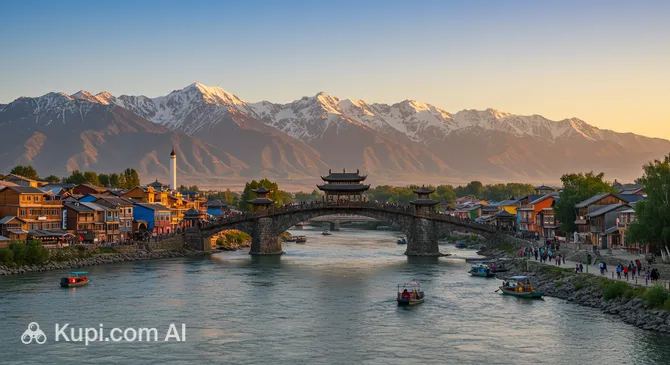
Welcome to Burqin, a picturesque county often described as a fairytale border town in the northern tip of China. Known for its clean streets, unique European-style architecture, and lush greenery, this destination offers a refreshing atmosphere that stands out in the Xinjiang Uyghur Autonomous Region. It serves as a vital hub for travelers exploring the breathtaking landscapes of the Altay Mountains.

Burqin. Source: Kupi.Binoculars

Geographically, Burqin is situated at the confluence of the Burqin and Irtysh rivers, providing it with a relatively mild and pleasant climate compared to the surrounding arid areas. While the history of Burqin has been shaped by its strategic location near the borders of Russia, Kazakhstan, and Mongolia, today it is best known as a vibrant tourist center. The town creates a unique cultural blend, evident in its local customs and distinct architectural charm.

Visitors are drawn to Burqin primarily as the gateway to the famous Kanas Nature Reserve, but the town boasts its own spectacular attractions. The Colorful Beach (Wucaitan) is a must-see, renowned for its stunning Yardang landforms that display a vibrant array of reds, yellows, and purples against the backdrop of the blue Irtysh River, especially during sunset. Additionally, the town's famous Night Market offers a culinary adventure, where you can taste the celebrated local grilled cold-water fish and fresh kvass.

Whether you are passing through on your way to the wild northern landscapes or stopping to enjoy the relaxed pace of the town itself, Burqin promises a memorable experience. Its blend of natural beauty, colorful geology, and warm hospitality makes it a delightful stop on any Silk Road journey.

Weather Overview

The climate in Burqin is continental, characterized by distinct seasonal shifts that dramatically transform the landscape. Winters are typically long, cold, and dry, with January seeing average temperatures drop to around -15.1°C, making heavy warm clothing essential for any travel during this period.

Summer brings a delightful contrast with warm and sunny weather, which is ideal for exploring the surrounding nature reserves. July is usually the warmest month, boasting an average temperature of 23.8°C and daily highs often reaching nearly 30°C. Although the overall precipitation volume is quite low, light rain can occur occasionally. To help you pack appropriately for your specific travel dates, you can view the detailed weather in Burqin.

Interesting Facts

Beyond the main attractions and scenic views, Burqin holds fascinating secrets rooted in its unique geography and local lore. Here are some intriguing facts that make this border county truly special:

  • The River to the Arctic: The Irtysh River, which flows through Burqin, holds a unique geographical distinction. It is the only river in China that ultimately flows into the Arctic Ocean. While most major Chinese rivers flow east toward the Pacific, the Irtysh travels northwest, crossing into Kazakhstan and Russia before joining the Ob River and reaching the polar seas.

  • Whispering Rocks: While the Colorful Beach (Wucaitan) is famous for its hues, it is also a classic example of a "Yardang" landform. Locals sometimes refer to such areas as "Ghost Castles" because strong winds blowing through the complex rock formations can create eerie whistling and howling sounds, adding a mysterious aura to the landscape.

  • A Golden Name: Burqin is located at the foot of the Altay Mountains. The name "Altay" is derived from a Turkic-Mongolic word meaning "gold." Historically, this region has been known for its significant gold deposits, and legend has it that the mountains are as rich in minerals as they are in natural beauty.

  • Legend of the Lake Monster: As the primary gateway to Kanas Lake, Burqin is the hub for stories about the "Kanas Lake Monster." For centuries, local folklore has described giant, mysterious creatures lurking in the deep waters, often speculated by scientists to be enormous specimens of the Hucho taimen fish.

How to Get There

Reaching this scenic border county is an adventure in itself, often involving a journey through the stunning landscapes of northern Xinjiang. While the region is remote, it is accessible by air, allowing travelers to reach its natural wonders. For a complete guide on planning your journey, you can read more about how to get to Burqin.

The most direct way to arrive is via Kanasi Airport (KJI), which is located within the administrative area of Burqin itself. Although it is a smaller facility primarily serving tourists heading to the nature reserve, it offers the closest access point, situated approximately 59 km from the city center. Travelers can reach the town from here by taxi or bus, enjoying a route that winds through the picturesque terrain.

Alternatively, many visitors choose to fly into Altay Airport (AAT) in the neighboring city of Altay. This airport handles a higher volume of passengers and generally offers more flight connections. It is located about 92 km away from Burqin. The transfer from Altay to Burqin involves a scenic drive by road, making it a viable and popular option for those visiting the region.

For clarity, here is a summary of the main airports in the vicinity:

Airport Name City Passenger Traffic Km from City
Altay Airport Altay Medium 92.0
Karamay Airport Karamay Medium 276.7
Kanasi Airport Burqin Small 58.7
Zaisan Zaysan Small 150.5
Olgii Airport Olgii Small 268.5

Main Attractions

Kanas Nature Reserve

Often the primary reason travelers venture to this part of the world, Kanas Lake is a breathtaking alpine jewel located within the administrative bounds of Burqin County. The reserve is famous for its mysterious, changing water colors—shifting from crystal blue to emerald green depending on the weather and season. Visitors can hike up to the Guanyu Pavilion for a panoramic view of the lake nestled among dense Siberian taiga forests and snow-capped peaks. It is a paradise for nature lovers and photographers seeking untouched wilderness.

Five-colored Beach (Wucaitan)

Located just a short drive from the county seat, this geological wonder offers one of the most surreal landscapes in the region. The site is defined by its dramatic Yardang landforms, where wind and water have eroded the sandstone into peculiar shapes and vibrant bands of red, yellow, purple, and orange. What makes Wucaitan particularly unique is the stark contrast it presents: one bank of the Irtysh River features these arid, colorful cliffs, while the opposite bank is lush with dense green poplar forests, creating a stunning visual duality, especially at sunset.

Hemu Village

For a glimpse into the traditional lifestyle of the local inhabitants, Hemu Village is an unmissable stop. Tucked away in a valley and surrounded by birch forests and rivers, this village is renowned for its wooden log cabins and serene atmosphere. It is widely considered one of the most beautiful villages in China, particularly in autumn when the golden foliage lights up the valley. Watching the morning mist rise over the village from the viewing platform is a highlight for many tourists.

Baihaba Village

Situated right on the border with Kazakhstan, Baihaba is often referred to as the "First Village in Northwest China." Much like Hemu, it preserves the rustic charm of wooden architecture and a peaceful, slow-paced way of life. The village offers a secluded escape where visitors can enjoy the harmony between the local culture and the majestic Altay landscape. It serves as a quieter alternative to the more bustling tourist spots, perfect for those looking to disconnect and enjoy the mountain air.

Local Cuisine

The culinary landscape of Burqin is a delightful reflection of its border location and diverse cultural influences. Blending traditional Xinjiang flavors with distinct Russian and Kazakh touches, the local food scene offers a unique gastronomic journey. The ingredients are exceptionally fresh, often sourced directly from the surrounding grasslands and the cold waters of the Irtysh River.

The absolute signature dish that every visitor must try is the grilled cold-water fish. Caught in the icy, fast-flowing rivers of the Altay region, these fish—such as pike or perch—are prized for their firm texture and lack of earthy taste. Local chefs typically marinate the fish with a robust mix of cumin, chili powder, and salt before grilling it to perfection over charcoal. The result is a smoky, spicy, and savory treat that defines the taste of Burqin.

Beyond seafood, the region is famous for its high-quality meat and dairy. Roasted lamb, served either as large cuts or as succulent chuanr (skewers), is a staple, known for being tender and flavorful. For breakfast or a light snack, you will often find traditional dairy products like hard cheeses, thick yogurt, and baursak—fried dough pillows that are perfect for dipping in tea.

When it comes to drinks, Burqin offers a refreshing specialty known as Kvass. This fermented non-alcoholic (or very low alcohol) beverage, made from bread, honey, and hops, was introduced by Russian settlers and has become a beloved local refreshment. It has a sweet, tangy flavor that pairs wonderfully with the spicy grilled fish. For those looking for something stronger, the regional Wusu beer is a popular choice to accompany a hearty dinner, while hot, salty milk tea remains a comforting daily staple for locals.

The heart of the city's food culture beats strongest at the famous Burqin Night Market (often referred to as the Riverbank Night Market). As the sun sets, this area transforms into a bustling hub of activity, filled with the smoke of charcoal grills and the chatter of hungry travelers. It is the perfect place to immerse yourself in the local atmosphere, hopping from stall to stall to sample various fish dishes, fresh melons, and dried fruits while enjoying the cool evening breeze.

Travel Tips

Planning a trip to Burqin requires a bit of foresight, given its location on the northwestern border of China and its proximity to wild natural reserves. These practical insights will help you navigate the local environment and culture, ensuring your journey to the Altay region is as comfortable as it is breathtaking.

  1. Clothing and Gear: The weather in the Altay region is famously unpredictable, with significant temperature drops between day and night. Even if you visit in summer, bring a warm jacket and long pants for the evenings, along with comfortable hiking shoes for exploring the rocky terrains of Kanas and Wucaitan.

  2. Transportation: Within Burqin town, taxis are affordable and easy to hail, though the center is compact enough to explore on foot. To reach the scenic spots like Kanas or Hemu, you will typically need to arrange a private driver or take the designated tourist shuttle buses, as public transit to these remote areas is limited.

  3. Finances: While mobile payments like Alipay and WeChat Pay are widely accepted even in small stalls, international credit cards are rarely useful outside high-end hotels. It is highly recommended to carry a sufficient amount of Chinese Yuan (RMB) in cash, especially for small transactions at the Night Market or in remote villages.

  4. Health and Safety: Pharmacies are available in the town center, but it is wise to bring a basic first-aid kit and any personal prescription medications. Be aware that the "Colorful Beach" area is known for having aggressive mosquitoes in the summer, so packing a strong insect repellent is absolutely necessary.

  5. Communication: Mandarin is the primary language, and English proficiency among locals is generally low. Before you arrive, download a reliable translation app that works offline and ensure you have a SIM card or roaming plan that functions in China, as staying connected is vital for navigation.

  6. Local Etiquette: Burqin is home to diverse ethnic groups, so respecting local customs is important. Always ask for permission before taking close-up photographs of locals, and if you are dining in a Halal restaurant, ensure you do not bring in outside food or alcohol unless explicitly permitted.

  7. What to Avoid: As a border county, there are strict regulations regarding drones and photography near sensitive areas. Avoid taking photos of border checkpoints, police stations, or military personnel to prevent any misunderstandings with authorities.

  8. Time Zone Awareness: Although the official time is Beijing Time, the local solar time is about two hours behind. This means locals often eat dinner late, and shops stay open well past midnight, so adjust your schedule to the local rhythm rather than the clock.

By keeping these tips in mind, you will be well-prepared to embrace the rugged beauty and warm hospitality of Burqin. Enjoy the stunning sunsets, the delicious fish, and the unforgettable adventure that awaits in this fairytale border town.

Entertainment & Nightlife

When the sun sets over the Altay Mountains, Burqin undergoes a dazzling transformation. Unlike the high-energy clubbing scenes found in China's massive coastal metropolises, nightlife here is defined by a vibrant, communal atmosphere centered around food, open-air socializing, and the town's unique "European-style" illumination. The streets are lined with buildings decked in neon outlines, creating a fairytale-like glow that makes simply walking around the city center an entertaining experience in itself.

The absolute heart of the evening action is the famous Burqin River Night Market (He Di Ye Shi). Located near the banks of the Irtysh River, this bustling district is where nearly every tourist and local ends their day. The air is thick with the savory smoke of charcoal grills, and the atmosphere is electric with the sounds of vendors hawking their fresh catches. It is less about dancing and more about feasting; long tables are set up outdoors where groups gather to enjoy the cool night breeze.

For those looking for a drink, the nightlife culture here leans heavily towards laid-back beer gardens and barbecue joints rather than thumping discotheques. You will find numerous establishments along Gedeng Road and the surrounding "Food Streets" where the local Wusu Beer flows freely. Another staple of the night is the locally brewed Kvass, a honey-flavored fermented drink that is ubiquitous in local bars and stalls. The vibe is casual and friendly, with no strict dress codes—comfortable travel wear is the norm everywhere.

If you prefer a quieter evening, the Irtysh River Waterfront offers a serene alternative. The paved promenade is beautifully lit and perfect for a romantic post-dinner stroll. You can watch the river flow silently towards the Arctic while enjoying the view of the illuminated bridges. For a more local form of entertainment, keep an eye out for KTV (karaoke) venues, which are popular across Xinjiang and offer private rooms for singing and socializing until the early hours.

Practical Advice and Safety: Burqin is a safe town for night walks, even late into the evening. The city center is compact, and you can easily hail a taxi from the street; fares are generally very affordable, often starting at a low flat rate for trips within the town limits. Most night market stalls and bars stay open until at least 1:00 AM or 2:00 AM (local solar time is behind Beijing time, so nights start and end later). Average prices for a hearty meal with drinks at the night market are reasonable, though seafood prices can vary by weight, so it is wise to confirm the price before ordering.

While the nights are lively, daytime entertainment in the city focuses on relaxation and culture. Before the evening rush, visitors often spend their time exploring the Burqin People's Park, a green oasis ideal for a leisurely walk. The town's architecture, with its Russian-influenced spires and colorful facades, also acts as an open-air museum, offering plenty of photo opportunities for those wandering the clean, tree-lined avenues.

Parks & Museums

While most travelers view Burqin primarily as a gateway to the wilderness, the town itself is a surprisingly green and culturally rich destination. Its urban planning integrates lush public spaces with distinctive architecture, offering visitors a chance to explore local history and enjoy nature without leaving the city limits. From riverside promenades to cultural exhibitions, there are several spots where you can unwind and learn about the region's heritage.

Irtysh River Waterfront Park

The crown jewel of the city’s green spaces is undoubtedly the park stretching along the banks of the Irtysh River. This beautifully landscaped area takes full advantage of Burqin’s unique geography, bordering the only river in China that flows toward the Arctic Ocean. It is the perfect place for a leisurely stroll, featuring paved walking paths, sculptures, and flower beds that bloom vividly in the summer. In the evenings, the park comes alive with locals enjoying the sunset, while the cool breeze from the river provides a refreshing escape from the day's heat.

Burqin People's Park

Located in the heart of the county, the People's Park serves as the central hub for local leisure and recreation. It is a well-maintained oasis of trees and lawns where you can witness the daily life of the diverse ethnic groups residing in the area. The park often hosts small gatherings where elders play traditional instruments or practice dance. For tourists, it offers a quiet, shaded retreat to relax after a long journey on the road, surrounded by the town's characteristic peaceful atmosphere.

Burqin County Museum

To gain a deeper understanding of the region, a visit to the local museum is highly recommended. Although relatively small, it houses an impressive collection that chronicles the area's rich history and natural diversity. Exhibits typically include ancient rock paintings found in the Altay Mountains, specimens of local wildlife, and artifacts related to the gold mining history that gave the mountains their name. It also features cultural displays showcasing the costumes, tools, and yurts of the Kazakh and Tuvan peoples, providing context to the traditions you will encounter in the surrounding villages.

China-Russia Old Wharf

For a touch of history, head to the site of the Old Wharf on the Irtysh River. In the past, this was a bustling port facilitating trade between China and Russia. Today, it stands as a historical landmark that reflects the town's strategic importance as a commercial hub on the Silk Road. The area around the wharf has been preserved and often features statues or markers explaining the trade routes of the early 20th century, adding a layer of historical depth to the scenic river views.

Russian-Style Architecture

While not a museum in the traditional sense, the city center of Burqin functions as an open-air gallery of architectural fusion. The local government has cultivated a unique "fairytale" aesthetic, where buildings are designed with colorful facades, onion domes, and spires reminiscent of Russian styles. Walking down the main streets feels like stepping into a movie set, making the town itself a visual attraction that celebrates its borderland identity.

For a truly authentic experience, try visiting the Riverside Park early in the morning, just after sunrise. While the evenings are busy with tourists, the mornings are serene and misty. You might catch local fishermen casting their lines into the Irtysh River or photographers capturing the soft morning light hitting the colorful buildings—a quiet, magical side of Burqin that few travelers take the time to see.
Getting Around

Navigating Burqin is refreshingly simple compared to the complex transit webs of larger metropolises. As a relatively small county town with a population of around 10,000, it does not possess a metro, tram, or light rail system. Instead, the public transport infrastructure is designed to serve the local community's daily needs and to facilitate the flow of visitors heading toward the major nature reserves. For most tourists, the town is compact enough to be explored comfortably on foot or by a short taxi ride.

The local bus system consists of a few lines that connect key areas, such as residential districts, the bus terminal, and the commercial center. These buses are generally clean and reliable, though they run less frequently than in big cities. Operating hours typically range from around 8:00 AM to 8:00 PM (adjusting for the local solar time difference), so do not rely on them for late-night travel. Bus stops are marked, but route information is often displayed only in Chinese, so having a translation app or a map with your destination written in Mandarin is highly advisable.

Taxis are the most popular and convenient motorized option for visitors. You will see them frequently cruising the streets, and they can be easily hailed from the curbside. In a town of this size, taxi fares are very affordable. Drivers usually use a meter, but for short trips within the city limits, it is not uncommon to agree on a flat rate before starting the journey. Ride-hailing apps like Didi Chuxing are available, but given the abundance of street taxis and the small size of the town, simply flagging one down is often faster.

regarding payment, the system is heavily digitized. While local buses generally have a coin box for exact change (usually 1 or 2 RMB), the preferred method for almost all transport—including taxis—is mobile payment via Alipay or WeChat Pay. Tourists are strongly encouraged to set up these apps on their phones beforehand, as international credit cards are not accepted for direct transport payments. If you prefer to use cash, ensure you carry plenty of small denomination bills and coins, as drivers may not always have change for large notes.

For those planning to visit the surrounding scenic areas, the Tourist Shuttle Buses are a crucial part of the "public" transport network. These dedicated coaches depart from the Burqin Passenger Transport Station (Bus Terminal) or designated tourist centers and head directly to Kanas and Hemu. Tickets for these shuttles can be purchased at the station windows. During the peak summer season, it is wise to buy your tickets a day in advance to secure a seat.

Finally, do not underestimate the value of walking. Burqin's city center is famous for its "fairytale" architecture and clean, paved streets. Many of the hotels, restaurants, and the Night Market are within easy walking distance of each other. Strolling allows you to appreciate the unique Russian-style buildings and the relaxed atmosphere at your own pace, making it a viable and pleasant alternative to motorized transport.

Accommodation

Accommodation in Burqin caters primarily to the influx of travelers heading to the Kanas Nature Reserve, resulting in a hospitality scene that is surprisingly well-developed for a town of its size. The options generally range from standard business hotels and family-run guesthouses to more distinctive, tourism-focused resorts. Many of the larger hotels in the city center embrace the town's signature "fairytale" aesthetic, featuring Russian-style facades, colorful spires, and European-inspired interiors that add a whimsical touch to your stay.

For location, the most convenient area to stay is undoubtedly the city center, particularly near the Food Street and the famous Night Market. Staying here places you within walking distance of the best dining options, allowing you to easily enjoy the local grilled fish after a long day of travel. Alternatively, visitors seeking a more tranquil atmosphere often prefer hotels located along the Irtysh River. These properties often offer scenic waterfront views and are situated close to the riverside promenades, perfect for peaceful morning or evening strolls.

A crucial tip for booking in Burqin is to plan as far ahead as possible, especially if you are visiting during the peak seasons of July, August, and September. During the "Golden Autumn" period, when the foliage in the surrounding Altay Mountains is at its most spectacular, the town fills up rapidly with photographers and nature enthusiasts. Consequently, room availability becomes scarce, and prices can surge significantly compared to the quiet winter months.

In terms of pricing, the range is quite broad, accommodating various budgets. Backpacker-friendly inns and simple guesthouses offer economical choices, while mid-range hotels provide modern amenities at reasonable rates. When booking, most travelers use major online platforms; however, international visitors should be mindful of local regulations. Not all accommodations in this region are authorized to host foreign guests, so it is highly recommended to verify that your chosen hotel is licensed to accept international passports before confirming your reservation.

Nearby Cities

For those looking to explore the surroundings, Burqin serves as an excellent base for day trips to several interesting nearby locations. While the vastness of the Xinjiang region means that "nearby" can still involve a bit of travel, the unique landscapes and cultural hubs in the vicinity are well worth the journey.

Altay City is the closest major urban center, located approximately 100 kilometers away. It serves as the administrative seat of the prefecture and is renowned for its rich history and winter sports. Visitors can explore the local museum to learn about the region's ancient rock art and nomadic heritage, or visit the nearby ski resorts which are famous for their high-quality "powder" snow. It is an easy and rewarding day trip for those wanting to see more of the local culture.

Further south lies Karamay, a city famous for its oil history and the spectacular Urho Ghost City (World Devil City). Although it requires a longer drive, it is a fascinating destination where travelers can witness dramatic wind-eroded Yardang landforms that resemble medieval castles. The contrast between Burqin's lush river valleys and Karamay's rugged desert geology makes for a striking experience.

City Population Distance (km)
Urumqi 4,335,017 434
Shihezi 717,000 382
Karamay 391,008 280
Shuanghe 360,000 471
Bole 235,585 487

These nearby destinations offer a glimpse into the diverse culture and landscapes of the region, ranging from bustling industrial hubs to scenic historical towns.

Shopping & Souvenirs

Shopping in Burqin offers a unique experience that differs significantly from the high-end retail therapy found in China's major metropolises. As a small border county, the shopping scene here is intimate and culturally distinct, focusing heavily on local specialties, outdoor gear for nature expeditions, and goods influenced by the neighboring countries. Visitors will not find sprawling luxury malls, but rather charming streets lined with independent shops housed in buildings with colorful, Russian-style architecture.

The primary shopping areas are concentrated in the city center, particularly around the pedestrian-friendly streets near the Food Street and the central square. These avenues are perfect for a leisurely walk, where you can browse through small boutiques selling everything from daily necessities to intricate handicrafts. The architecture itself adds to the enjoyment, with the town's signature "fairytale" aesthetic making window shopping a visual delight.

While Burqin does not boast massive modern shopping complexes, there are several medium-sized trade centers and supermarkets where travelers can restock on supplies. These are essential stops for those heading into the Kanas Nature Reserve, allowing you to purchase snacks, water, and warmer clothing before venturing into the mountains. The selection is practical and geared towards the needs of tourists and locals living in this remote region.

The most vibrant part of the local commerce is undoubtedly the Burqin Night Market. While famous for its grilled fish, the market and its surrounding stalls are also excellent places to find local curiosities. Here, vendors display a variety of goods under the evening lights, creating a bustling atmosphere where bargaining is part of the fun. It is the best spot to interact with local merchants and see the variety of products that define the region's trade.

When it comes to souvenirs, Burqin has several distinct specialties worth bringing home:

  • Gobi Stones and Jade: The Altay region is renowned for its geology. You will find many shops selling colorful stones, "Gobi jade," and semi-precious gems collected from the surrounding deserts and riverbeds.
  • Dried Cold-Water Fish: A signature local product, vacuum-packed dried fish (such as pike or perch) is a popular savory snack that tourists often buy for friends and family.
  • Russian Goods: Due to the proximity to the border, many shops specialize in imported Russian items, including chocolate, honey, vodka, binoculars, and traditional nesting dolls (matryoshka).
  • Local Dairy Products: Dried cheese curds and yogurt snacks are traditional treats of the nomadic herders in the area and make for lightweight, authentic gifts.

Opening hours in Burqin are influenced by the local solar time, which is about two hours behind Beijing Time. Consequently, shops typically open later in the morning, around 10:00 AM or 11:00 AM, and stay open well into the night, often until midnight or later, especially during the peak summer tourist season.

Regarding payment, digital methods are the norm. Alipay and WeChat Pay are accepted almost everywhere, from established stores to small street stalls. While cash (RMB) is accepted, vendors may struggle with change for large bills, so carrying smaller denominations is advisable if you prefer not to use mobile payments. Tax-free shopping for tourists is generally not available in this remote county, so visitors should not expect VAT refunds on their purchases.

Reached the end of the page?

That means the route is fully explored