Support

Zaysan

About

Welcome to Zaysan, a picturesque town located in the far east of Kazakhstan. Known for its serene atmosphere and proximity to stunning natural wonders, this settlement serves as a gateway to some of the most unique landscapes in the region. With a population of approximately 17,600 people, Zaysan offers a quiet retreat away from the hustle and bustle of major metropolises, allowing travelers to immerse themselves in the authentic rhythm of local life.

Geographically, the town is situated in the Abai Region, nestled at the foothills of the majestic Saur Mountains and near the border with China. The climate here is continental, characterized by warm summers and cold winters, which shapes the rugged beauty of the surrounding terrain. The town is named after the nearby Lake Zaysan, a massive freshwater basin that is considered one of the oldest lakes in the world, dating back to the Cretaceous period.

The history of Zaysan is deeply rooted in its location along ancient trade routes. Established in the 19th century, it grew as a significant commercial hub facilitating exchange between Central Asia and neighboring regions. Today, visitors can still sense echoes of the past in the town's layout and the enduring traditions of its hospitable residents.
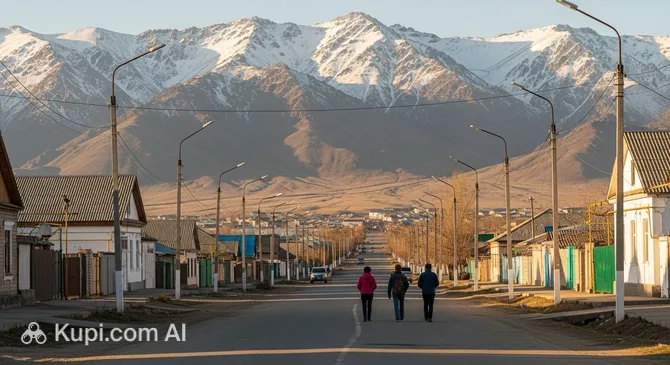
Zaysan. Source: Kupi.Binoculars

Nature enthusiasts flock to this area primarily to visit the breathtaking Kiin-Kerish canyon, often referred to as the "City of Spirits." This geological marvel features vibrant red, orange, and white clay cliffs that create a Mars-like landscape, unlike anything else in the country. Another key attraction is the Ashutas nature reserve, famous for its unique petrified flora preserved in clay sediments.

Whether you are an adventurer looking to explore the surreal clay canyons or a traveler seeking a peaceful stopover near the mountains, Zaysan is a destination that promises unforgettable impressions. We invite you to discover the hidden charms of this eastern corner of the country.

Weather Overview

The climate in this region is distinctly continental, marked by significant contrasts between the seasons. For travelers planning their wardrobe and activities, checking the detailed weather in Zaysan is highly recommended before departure. Generally, the area experiences cold winters and pleasantly warm summers, with relatively low precipitation levels throughout the year.

Winter brings freezing temperatures, particularly in January, which is typically the coldest month with an average of -13.8°C and lows dropping to -18.0°C. Despite the cold, heavy snowfall is rare, as precipitation usually stays around 1mm per month. Conversely, summer offers ideal conditions for outdoor exploration. July is the warmest month, featuring average temperatures of 20.9°C and daytime highs reaching 26.9°C. Expect warm summers with occasional light rain and cold, dry winters.

Interesting Facts

Beyond the scenic landscapes and well-trodden paths, Zaysan holds fascinating secrets that reveal its deep historical and cultural layers. Here are some intriguing facts about this unique corner of the region that often go unnoticed by casual visitors.

  • The Valley of Kings: Just a short distance from the town lies the Shilikty Valley, a site of immense archaeological significance often compared to the pyramids for its historical value. This plain contains over 50 ancient burial mounds (kurgans) of the Saka elite, where archaeologists have discovered thousands of gold artifacts, including the famous "Golden Man," making it a treasure trove of Kazakhstan's ancient history.

  • A Legend of Survival: Local folklore offers a compelling origin for the name "Zaysan." Legend has it that during a year of terrible famine, starving Oirat nomads reached the lake and were saved by its abundance of fish. In gratitude, they exclaimed "Zai-san," a phrase interpreted to mean "noble bounty" or "good food," which eventually became the name of both the lake and the settlement.

  • A Sanctuary for Tigers: While it is hard to imagine today, the dense reed thickets surrounding the nearby water basins were once the hunting grounds of the majestic Turan tiger. Historical records from the 19th century describe the Zaysan depression as a habitat for these now-extinct predators, highlighting the area's wild and untamed past.

  • Distinctive Architecture: Unlike many towns that were completely rebuilt during the Soviet era, Zaysan has preserved pockets of its 19th-century merchant charm. Notable structures like the Akhmet-Kaki Mosque and various red-brick merchant houses showcase a unique architectural style that blends Tatar and Russian influences, standing as silent witnesses to the town's days as a bustling trade hub.

How to Get There

Reaching this remote eastern corner of the country requires a bit of planning, but the journey offers scenic views of the vast steppes and mountains. For a detailed guide on all transport options, including road routes and schedules, you can read more about how to get to Zaysan.

The most convenient way to arrive is by air, as the town is served by its own local aviation hub. You can fly directly into Zaisan (IATA: SZI), which is located just 2.1 km from the center. This small regional airport handles domestic connections, making it the primary entry point for travelers. Due to the close proximity, the trip from the terminal to the town center is very quick, taking only about 5 minutes by taxi or car.

Alternatively, some travelers might notice airports in neighboring regions on the map, though they are significantly farther away and involve cross-border travel. For instance, Tacheng (IATA: TCG) is located in the city of Tacheng, about 146.4 km from Zaysan. The overland journey from there would take around 4 hours. Given the distances and border logistics, flying directly to Zaysan is usually the most practical choice for visitors within Kazakhstan.

For clarity, here is a summary of the main airports in the wider vicinity:

Airport Name City Passenger Traffic Km from City
Zaisan Zaysan Small 2.1
Tacheng Tacheng Medium 146.4
Kanasi Airport Burqin Small 179.6
Karamay Airport Karamay Medium 206.0
Altay Airport Altay Medium 243.5

Regarding rail travel, Zaysan does not have its own railway station. The closest major railway hubs are located in larger regional cities, such as Oskemen (Ust-Kamenogorsk). From there, tourists typically continue their journey by intercity bus or private taxi, which allows them to enjoy the changing landscapes of the Abai Region along the way.

Main Attractions

For travelers venturing into this remote part of the world, the attractions of Zaysan offer a blend of surreal natural beauty and deep historical roots. The town itself serves as the perfect base for exploring the unique geological formations of the region, while its streets preserve the architectural legacy of the 19th-century merchants who once thrived here. From "Martian" landscapes to ancient sacred sites, the area promises a journey unlike any other.

One of the most famous destinations nearby is the Kiin-Kerish Canyon, often called the "City of Spirits." Located in the middle of the steppe, this geological wonder consists of eroded clay cliffs in vibrant shades of red, orange, and white. The landscape is so alien that it is frequently compared to the surface of Mars. Visitors can wander through the maze of colorful hills, which are rich in paleontological finds from the Mesozoic era, including fossils of ancient tropical plants and animals that once inhabited this land when the climate was much warmer.

Another spectacular natural site is Shekelmes Cape, situated on the shores of Lake Zaysan. Often described as the "younger brother" of Kiin-Kerish, it features similar multi-colored clay formations but with the added beauty of the vast blue water in the background. The cape is known for its intricate caves and clay labyrinths formed by wind and water erosion. It is also a haven for birdwatchers, as flocks of pelicans and cormorants can often be seen nesting or resting along the sandy beaches.

Within the town limits, the Zaysan Local History Museum is a must-visit for culture lovers. Housed in a beautifully preserved merchant's mansion built in 1894, the building itself is an architectural gem. Inside, the museum showcases a rich collection of artifacts that tell the story of the region, from its natural history and ethnography to the vibrant trade that once flowed through these streets. The exhibits provide a fascinating glimpse into the lives of the local nomads and the diverse communities that settled here.

Architecture enthusiasts should not miss the historic Akhmet-Kaki Mosque. Built in the early 20th century by the renowned local architect Bayazit Satpayev, this structure stands out for its distinctive red-brick craftsmanship and unique design that blends Tatar and Russian influences. It remains one of the most significant historical buildings in the town, serving as a silent witness to Zaysan's past as a bustling center of commerce and faith on the edge of the steppe.

Local Cuisine

The cuisine of Zaysan is a delightful reflection of its geography, blending the hearty, meat-centric traditions of the Kazakh steppe with the bounty of the nearby freshwater lake. While the region shares the national love for livestock-based dishes, the abundance of fresh fish sets the local menu apart, offering travelers a unique gastronomic experience in East Kazakhstan.

The most iconic dish to try here, as in the rest of the country, is beshbarmak. This communal meal consists of boiled meat—usually mutton, beef, or horse meat—served over thin sheets of homemade pasta and drenched in a savory onion broth called sorpa. However, in Zaysan, you must also sample the local fish delicacies. Fried carp or pike-perch, caught fresh from Lake Zaysan, is a staple in many local households and eateries. You might also encounter koktal, a method of hot-smoking whole fish with vegetables, which preserves the tender texture and adds a rich, smoky flavor.

No meal is complete without traditional sides and snacks. Baursaks, puffy golden pieces of fried dough, are served with almost every meal and are best enjoyed hot. For a quick snack on the go, look for kurt, hard balls of dried salty cheese that are a favorite among locals. These are perfect for sustaining energy during long trips to the nearby canyons or mountains.

When it comes to drinks, tea culture reigns supreme. Locals drink hot black tea with milk at any time of day, often accompanied by sweets or dried fruits. For those looking to try something more distinctively traditional, kumis (fermented mare's milk) or shubat (fermented camel's milk) offer a sour, slightly fizzy taste that is renowned for its health benefits. These beverages are an acquired taste for some but are an essential part of the nomadic heritage.

The dining scene in Zaysan is modest and authentic. You won't find high-end fine dining chains here; instead, the town is dotted with small, family-run cafes and canteens (known as as-hana) that serve generous portions of home-style food. The local bazaar is another focal point for food lovers, where you can buy fresh fish, homemade dairy products, and seasonal vegetables directly from the producers, offering a true taste of the region's agricultural richness.

Travel Tips

To ensure your journey to this remote eastern frontier is as smooth and enjoyable as possible, a little preparation is key. Here are some practical tips to help you navigate local customs and the unique logistical aspects of visiting Zaysan.

  1. Clothing and Gear: Since the climate is continental, packing requires versatility. For summer visits, bring lightweight, breathable clothing, sunglasses, and a hat to protect against the intense sun, especially if you plan to explore the open steppes or canyons. However, evenings can get cool, so a fleece jacket is useful. If visiting in winter, heavy thermal layers, a windproof coat, and insulated boots are mandatory. Regardless of the season, sturdy trekking shoes are essential for walking on the uneven clay surfaces of Kiin-Kerish.
  2. Transportation: Public transport within the town is limited to local buses, which may not run on a strict schedule convenient for tourists. The best way to get around Zaysan is by local taxi; these are affordable and easy to flag down or order via phone. To visit the surrounding natural attractions like the canyons or the lake, it is highly recommended to hire a private car with a driver or rent a 4x4 vehicle (SUV), as the roads leading to these sites can be rough and unpaved.
  3. Finances: The local currency is the Kazakhstani Tenge (KZT). While some larger shops and hotels in the town center may accept cards, cash is absolutely essential for daily life, including paying for taxis, small meals, and purchases at the bazaar. There are ATMs in the town, but they can occasionally be out of service, so it is wise to withdraw sufficient cash in a larger city before arriving or as soon as you find a working machine.
  4. Health and Safety: Zaysan is generally a safe and peaceful town. Pharmacies (marked as Daryhana or Apteka) are available in the center, but they may not operate 24/7, so bring a personal kit with essential medications, painkillers, and allergy relief. When exploring nature, stay hydrated and carry plenty of bottled water, as tap water is not recommended for drinking without boiling. Be cautious of the sun and potential insects in the steppe during summer.
  5. Communication: The primary languages spoken are Kazakh and Russian. English is not widely spoken, so having a translation app that works offline is incredibly helpful. It is advisable to purchase a local SIM card (providers like Beeline, Kcell, or Tele2) in a major city before traveling to Zaysan to ensure connectivity, though signal reception may drop significantly in the remote canyons outside the town.
  6. Local Etiquette: Hospitality is a cornerstone of local culture. If you are invited into a home for tea, it is polite to accept; refuse gently if you must. Always remove your shoes before entering a private residence or a mosque. When greeting people, a handshake is common among men, while a polite nod and verbal greeting suit mixed company. Showing respect to elders is deeply ingrained in social interactions here.
  7. What to Avoid: Avoid taking photographs of military personnel, border guards, or any infrastructure that looks like a checkpoint. Zaysan is located very close to the state border, and strict security rules apply. Also, avoid being loud or boisterous in public spaces, as the local lifestyle is generally quiet and reserved.
  8. Border Zone Awareness: Due to its proximity to the Chinese border, Zaysan is situated in a sensitive border zone. Always carry your passport with you, even for short trips around town. If you plan to venture deep into the wilderness or close to the border line (some parts of the lake or specific routes), check beforehand if a special border permit is required to avoid any legal issues.

By keeping these practicalities in mind, you will be well-equipped to relax and fully appreciate the rugged beauty and warm hospitality of Zaysan. Safe travels and enjoy your adventure in this unique corner of Kazakhstan!

Entertainment & Nightlife

Entertainment and nightlife in Zaysan reflect the town's calm, measured pace of life. Unlike the bustling metropolises of Kazakhstan, you will not find noisy nightclubs, neon-lit dance floors, or 24-hour party districts here. Instead, the evening scene revolves around cozy gatherings, delicious local food, and leisurely strolls under the starry steppe sky. The atmosphere is warm and family-oriented, offering a unique opportunity to experience the authentic hospitality of the region away from the crowds.

The center of social life in the evenings is primarily concentrated along Konaev Street and the area surrounding the Central Square. This is where locals come to relax after a day of work, meet friends, and enjoy the fresh air. In the warmer months, the square becomes a lively hub where families walk with children, and youth gather to chat. The vibe is casual and safe, making it a pleasant place for tourists to observe local culture and perhaps strike up a conversation with friendly residents.

For dining and evening entertainment, options are limited but welcoming. One of the most reliable spots is the restaurant at the Zaisan Hotel, located on Konaev Street. It serves as a primary venue for both travelers and locals, offering a menu of hearty national dishes and a comfortable setting for a late dinner. While it operates more as a dining establishment than a bar, it is a great place to unwind with a drink and enjoy some music. Another popular activity is taking an evening promenade through Abai Park. Although it is not a nightlife venue in the traditional sense, the park is a focal point for evening recreation, often hosting small seasonal kiosks or local events during holidays.

When planning a night out, keep in mind that "nightlife" here ends relatively early. Most cafes and restaurants close by 10:00 PM or 11:00 PM. The dress code is completely casual; there is no need for fancy attire, although modest clothing is appreciated in line with local customs. Prices are very affordable compared to larger cities, with a substantial dinner often costing a fraction of what you would pay in Almaty or Astana. It is highly recommended to carry cash (Tenge), as small local establishments may not always accept credit cards.

Safety is one of Zaysan's strong points. The town is small, close-knit, and generally very safe for night walks, especially in the illuminated center around the square and main government buildings. However, as with any travel destination, it is wise to stay in well-lit areas and avoid unlit outskirts late at night. If you need to get back to your accommodation, there are local taxis available. You can usually flag one down or ask your restaurant server to call a trusted driver for you, as ride-hailing apps may not be active here.

During the day, entertainment shifts towards cultural and natural exploration. Before the sun sets, visitors can explore the Zaysan Local History Museum to learn about the region's rich trading past and diverse ethnography. For those willing to venture further, the town serves as the launching pad for trips to the surreal Kiin-Kerish clay canyons, which offer a spectacular daytime adventure before returning to the town's quiet comfort for the evening.

Parks & Museums

While Zaysan is a small town, its charm lies in the seamless blend of historic urban greenery and the vast, untamed wilderness that surrounds it. Visitors here will not find sprawling botanical gardens, but rather cozy, tree-lined spaces that offer a respite from the continental climate, alongside cultural institutions that preserve the rich heritage of the East Kazakhstan region.

The most prominent green space in the town center is Abai Park. Named after the great Kazakh poet and philosopher Abai Qunanbaiuly, this park serves as the social heart of the community. It is a favorite spot for locals to enjoy evening strolls along paved pathways shaded by mature trees. The park often hosts small local gatherings and offers a peaceful atmosphere where travelers can observe the slow, measured pace of daily life in the town. In the warmer months, the greenery provides welcome shade from the steppe sun, making it an ideal place for a quiet break.

Beyond the manicured limits of the town, the foothills of the Saur Mountains function as a vast natural park for outdoor enthusiasts. Just a short drive or a long walk from the city center, these natural areas offer fresh mountain air and panoramic views of the Zaysan depression. Unlike fenced city parks, this area allows visitors to immerse themselves in the raw beauty of the landscape, with opportunities for hiking and picnicking near mountain streams that feed into the lush vegetation of the valley.

For those interested in the region's past, the Zaysan Local History Museum is the cultural crown jewel of the town. Housed in a historic merchant's mansion dating back to the late 19th century, the building itself is an architectural artifact. Inside, the museum presents a comprehensive look at the area's history, featuring exhibits on the ancient Saka burial mounds found in the nearby Shilikty Valley, as well as ethnography displays showcasing the tools, clothing, and yurts of the Kazakh nomads. A highlight for many is the natural history section, which details the diverse flora and fauna of the region, including the now-extinct Turan tigers that once roamed these lands.

Another significant cultural landmark is the Akhmet-Kaki Mosque. While primarily a place of worship, it stands as a monument to the town's architectural heritage. Built in the early 20th century, the mosque is an excellent example of the brick style popularized by the architect Bayazit Satpayev. Its intricate masonry and preservation make it a key site for those appreciating the unique blend of Tatar and Central Asian design influences that characterize old Zaysan.

Walking through the town feels like visiting an open-air museum due to the presence of numerous 19th-century merchant houses. These red-brick structures, with their distinctive decorative elements, line the older streets and tell the story of Zaysan's era as a bustling trade hub on the Silk Road routes. Photography enthusiasts will find these buildings particularly photogenic, especially in the golden light of the late afternoon.

For a truly authentic experience, take a walk to the edge of town where the urban grid meets the steppe. Here, you can find small, informal viewpoints that offer unobstructed vistas of the majestic mountains to the south and the vast plains to the north. It is a simple yet profound way to connect with the geography that has shaped the culture and history of this remote settlement.

Getting Around

Public transport in Zaysan is straightforward and modest, reflecting the town's compact size and population. Unlike larger metropolitan areas, there is no complex network of metros, trams, or trolleybuses here. The primary mode of public transit consists of minibuses (often referred to as marshrutkas) and small local buses that circulate along a few main fixed routes. These routes typically connect the residential outskirts with the town center, the main bazaar, and administrative buildings.

For tourists, using these buses is an authentic way to experience local life, though it requires some patience. There are no digital timetables or mobile apps to track arrivals. Buses generally run at intervals of 15 to 30 minutes during peak hours but become much less frequent in the middle of the day and stop running relatively early in the evening, usually around 8:00 PM. Stops are marked, but locals often know the schedule by heart, so asking a bystander is often the best way to find out when the next bus is due.

The payment system is entirely cash-based. You will not find electronic card readers or validation machines on board. Passengers pay the driver directly upon entering or exiting the vehicle. The fare is very affordable, typically costing a small amount in the local currency. It is highly recommended to carry small change (coins or small denomination notes), as drivers may not always have change for large bills. Travel passes or day tickets are not available; you simply pay for each ride individually.

Given the limited schedule of buses, taxis are the most popular and convenient alternative for visitors. In Zaysan, taxi services are inexpensive and cover the entire town and its immediate surroundings. While global ride-hailing apps may not be active or reliable here, there are local dispatch services that you can call. Alternatively, it is common to simply flag down a car on the street. Prices for rides within the town limits are often a fixed flat rate, but it is always wise to agree on the fare with the driver before starting your journey.

For those who prefer active travel, the town center is small enough to be navigated comfortably on foot. Most key attractions, shops, and cafes are located within walking distance of each other. There are no official bike-sharing or scooter rental systems currently operating in the town. If you plan to visit the surrounding natural sights, such as the canyons or the lake, relying on public transport is not feasible; hiring a private driver or arranging a transfer through your accommodation is the necessary approach.

Accommodation

Finding a place to stay in Zaysan is a straightforward experience, though options are somewhat limited compared to larger tourist hubs. The accommodation scene primarily consists of small, locally-run hotels and modest guesthouses. Travelers should not expect international luxury chains or sprawling resorts; instead, the town offers simple, clean, and hospitable lodgings that reflect the unpretentious nature of the region.

The most convenient area to base yourself is the town center, particularly near the main square and Abai Park. Staying here places you within walking distance of the local administration, the history museum, and the few available cafes and shops. Since the town is compact, a central location ensures that you are never far from the essential amenities or a taxi stand for excursions into the surrounding nature.

As for specific establishments, the Zaisan Hotel is the most prominent option in town. It is widely known among locals and frequent visitors, serving as the primary choice for those seeking standard hotel amenities. While it is modest by international standards, it provides a reliable base with a restaurant on-site, making it a practical hub for travelers exploring the East Kazakhstan region.

When planning your trip, it is important to note that the booking process can be old-fashioned. Major international online booking platforms often have little to no inventory listed for Zaysan. It is highly advisable to book in advance, preferably by finding contact numbers and calling directly or arranging your stay through a local tour operator.

Price ranges are generally very affordable, falling into the budget to lower mid-range category. Payment is almost exclusively expected in cash (Tenge), so ensure you have sufficient funds before arriving at your hotel. Due to the limited number of rooms in the town, availability can be tight during the summer season or local holidays, so securing your accommodation early is a smart move to avoid any inconvenience.

Nearby Cities

For those planning to explore further, Zaysan serves as a remote starting point for discovering the wider East Kazakhstan region. While the town itself is secluded, several significant urban centers lie within driving distance, making them excellent options for next destinations on your itinerary.

The most prominent regional hub is Oskemen (Ust-Kamenogorsk), situated at the confluence of the Irtysh and Ulba rivers. It offers a mix of history and modern parks, serving as a gateway to the Altai Mountains. Nature lovers might prefer heading towards Ridder, a town renowned for its alpine scenery and winter sports potential. For a deep dive into the nation's cultural heritage, Semey is a historic city that played a pivotal role in the intellectual life of the country.

It is important to note that the distances in this vast steppe region are substantial. With the nearest major cities located over 300 kilometers away, these locations are not suitable for single-day return trips. Instead, they are best approached as continuing your journey or as overnight excursions, allowing ample time to enjoy the scenic drive through the Abai Region and explore each destination fully.

City Population Distance (km)
Semey 350,201 472
Oskemen 346,127 325
Taldykorgan 175,000 570
Qonayev 61,767 728
Ridder 49,695 334

These cities offer a diverse range of experiences, from industrial heritage to natural wonders, providing a perfect continuation for travelers moving through Eastern Kazakhstan.

Shopping & Souvenirs

Shopping in Zaysan is a modest but authentic experience that reflects the town's status as a quiet regional center rather than a bustling commercial hub. Visitors should not expect high-end fashion boutiques or sprawling international shopping complexes. Instead, the retail scene here is focused on practical necessities, local produce, and the unique goods that characterize life in East Kazakhstan. For tourists, the charm lies in exploring the local markets where the spirit of the Silk Road still lingers in the form of friendly bargaining and fresh, locally sourced products.

The main commercial activity is concentrated in the town center, particularly along the streets surrounding the central square and the administrative buildings. Here, you will find a variety of small, family-owned shops selling everything from clothing and household goods to groceries. Walking down these streets offers a glimpse into the daily lives of the residents, with storefronts often displaying their wares on the sidewalk during warmer months.

Unlike major cities, Zaysan does not have large, modern shopping malls with cinemas and food courts. The closest equivalents are small trading houses (known locally as Savda Uyi). These multi-story buildings typically house a collection of independent stalls and small boutiques under one roof. They are good places to find imported clothes, shoes, and electronics, often brought in from nearby China due to the town's proximity to the border.

The true highlight of shopping in Zaysan is the Central Bazaar. This bustling market is the heartbeat of the town and the best place to immerse yourself in local culture. It is a vibrant mix of sights and smells, where farmers from nearby villages come to sell their harvest. You can wander through rows of fresh fruits and vegetables, aromatic spices, and mountains of dried fruits. It is also the go-to spot for affordable clothing and general supplies.

When it comes to souvenirs, the best items to bring back are edible treats that showcase the region's natural bounty. Smoked fish from Lake Zaysan is the most famous local specialty; pike-perch and carp are often prepared using traditional smoking methods and make for a delicious gift. Additionally, the East Kazakhstan region is renowned for its honey, which is produced in the pristine alpine meadows of the Altai foothills. You might also find kurt (dried salty cheese balls) and other traditional Kazakh dairy products that are perfect for snacking.

Opening hours for most shops are generally from 9:00 AM to 6:00 PM or 7:00 PM. The bazaar typically starts earlier, with activity peaking in the morning and winding down by late afternoon. Many smaller shops may close for a lunch break between 1:00 PM and 2:00 PM, and some may have reduced hours on Sundays.

Regarding payment methods, cash is the absolute king in Zaysan. While a few larger grocery stores or the main hotel might accept credit cards, the vast majority of vendors at the bazaar, small kiosks, and local shops deal exclusively in Kazakhstani Tenge (KZT). It is highly recommended to withdraw sufficient cash from an ATM in the town center before heading out to shop.

Tourists should be aware that Tax-Free shopping (VAT refund) is not available in Zaysan. This service is typically restricted to select luxury retailers in the country's largest metropolitan areas like Almaty or Astana. Therefore, all prices you see are final, though polite bargaining is acceptable and expected when purchasing goods at the bazaar.

Reached the end of the page?

That means the route is fully explored