Support

Tacheng

About

Tacheng is a captivating city located in the northwestern part of the Xinjiang Uyghur Autonomous Region. Situated near the border with Kazakhstan, this city in China is known for its distinct multicultural atmosphere and strategic geographical position. With a population of approximately 160,000, it offers a welcoming and relatively tranquil environment compared to the country's bustling megacities, making it an intriguing stop for travelers venturing into the western frontiers.

The history of Tacheng is deeply rooted in trade and cultural exchange, serving as a vital node on ancient commercial routes. This heritage has fostered a unique diversity where various ethnic groups coexist, earning the city the nickname "City of Accordions" due to the locals' love for music and dance. The influence of neighboring cultures is palpable in the streets, where one can find Russian-style architecture and enjoy traditional baked goods that are famous throughout the region.
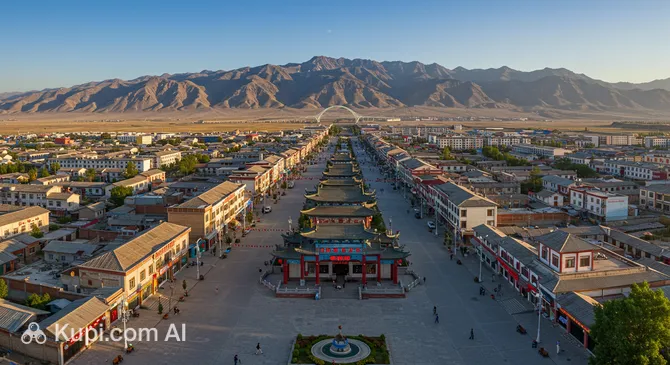
Tacheng. Source: Kupi.Binoculars

Visitors to Tacheng can explore several notable sites that highlight its eclectic character. The Red Tower (Honglou) is a significant architectural landmark that stands as a testament to the city's past commercial prosperity. Another key point of interest is the Baketu Port, one of the oldest land ports in the region, which offers a glimpse into the bustling border trade. Nature lovers will also appreciate the city's scenic surroundings, with the majestic Tarbagatay Mountains providing a stunning backdrop and opportunities for outdoor excursions.

If you are looking for a destination that blends rich cultural traditions with genuine hospitality, Tacheng is an excellent choice. Its unique mix of Central Asian and European influences, combined with its clean air and green streets, makes it a delightful place to discover a different facet of the region's vast cultural tapestry.

Weather Overview

The climate in this region is defined by distinct seasonal contrasts, ranging from freezing winters to warm, sunny summers. For a detailed breakdown of conditions for your specific travel dates, you can check the weather in Tacheng. January is typically the coldest month, with average temperatures hovering around -9.9°C and dropping as low as -14.4°C, so warm clothing is essential for winter visits.

By contrast, the summer months bring comfortable warmth, with July averages reaching 23.2°C and daily highs peaking near 30.0°C. Rainfall is minimal throughout the year, usually recording very low accumulation, though you might encounter a few wet days each month. Generally, visitors can expect warm summers with occasional light precipitation and cold, relatively dry winters.

Interesting Facts

Beyond its scenic landscapes and multicultural atmosphere, Tacheng holds fascinating secrets that surprise many visitors. From its unique musical heritage to the curious origins of its name, the city offers a treasure trove of stories waiting to be discovered.

  • The City of Accordions: Tacheng is often called the "Accordion Capital of China." It is estimated that a significant portion of the local population can play the instrument, a tradition passed down through generations of diverse ethnic communities. The city even houses a dedicated museum displaying over 900 accordions from ten different countries, some dating back more than 160 years.

  • A Name Inspired by Marmots: The name "Tacheng" is actually an abbreviation of "Tarbagatay," a Mongolian word meaning "Mountain of Marmots." This historical name references the abundance of these animals in the nearby mountain range, highlighting the region's deep connection to its natural environment long before it became a modern urban center.

  • The "Green Channel" Speed: The nearby Baketu Port is not just one of Xinjiang's oldest trading posts (with a history spanning over two centuries); it is famous for its incredible efficiency. Thanks to a special "Green Channel" for agricultural products, fresh vegetables harvested in Tacheng in the morning can often reach dinner tables in neighboring countries by the same evening.

  • The Many Lives of the Red Tower: The iconic Red Tower (Honglou), built in 1910 by a Russian businessman, has served many purposes throughout its century-long history. Before becoming a protected cultural site, this striking red-brick building functioned as a bustling trading house, a hospital, and even a local newspaper office, silently witnessing the city's transformation over the decades.

How to Get There

Reaching this northwestern border city is an adventure in itself, offering travelers a chance to witness the vast landscapes of Xinjiang. While it is located far from the eastern metropolises, the transportation network has improved significantly, connecting the region to major hubs. For a comprehensive guide on all available routes and travel tips, you can read more about how to get to Tacheng.

The most convenient way to arrive is by air directly into the region. The city is served by Tacheng Airport (TCG), which is located approximately 29 km from the city center. A taxi or shuttle bus from the airport typically takes about 30 to 40 minutes. For those who cannot find a direct flight, Karamay Airport (KRY) is a viable alternative, situated about 193 km away. Traveling from Karamay to Tacheng by road is a scenic journey, taking around 3 hours, allowing you to see more of the rugged terrain.

Travelers should be aware that some nearby airports, specifically Usharal and Zaisan, are located across the border in Kazakhstan. Using these hubs requires crossing international borders, so please ensure you have the necessary visas and documentation prepared in advance.

Airport Name City Passenger Traffic Km from City
TachengTachengMedium28.7
Karamay AirportKaramayMedium193.1
Bole AirportBoleMedium212.3
UsharalUsharalSmall176.2
ZaisanZaysanSmall166.5

For those preferring rail travel, travelers can access the region via key railway hubs situated along the border areas. Dostyk Railway Station in Alashankou acts as a major point of entry, located about 170 km from Tacheng. It is important to note that other stations listed, such as Beskol and Ayagoz, are situated in Kazakhstan. Accessing Tacheng from these locations involves cross-border travel, which requires careful planning regarding customs and entry requirements.

Station City Passenger Traffic Km to Center
Ayagoz Railway StationAyagozMedium234.6
Dostyk Railway StationAlashankouMedium170.4
Beskol StationUsharalSmall158.1

Main Attractions

Tacheng offers a delightful mix of cultural heritage and natural beauty, making it a unique destination for travelers. The city's attractions reflect its history as a melting pot of ethnic groups and its strategic location on the ancient Silk Road. From museums celebrating local traditions to scenic border posts, there is much to explore in this charming "City of Accordions."

A visit to the Tacheng Accordion Museum is essential to understanding the local soul. Tacheng is famous for its musical atmosphere, where the accordion is a beloved instrument played by people of various ethnic backgrounds. This museum houses an impressive collection of over 1,000 accordions from ten different countries, including rare instruments that are over a century old. It is a fascinating place to learn about the city's nickname, the "City of Accordions," and witness the deep love the locals have for music and dance.

For history enthusiasts, the Honglou Museum, also known as the Red Tower, is a standout landmark. Built in 1910 by a Russian businessman, this striking red-brick building features a blend of architectural styles that highlights the city's past as a commercial hub. Originally a trading firm, it has served various roles over the decades, including a hospital and a newspaper office. Today, it stands as a protected cultural site where visitors can explore exhibits detailing the region's diverse ethnic folklore and commercial history.

Just a short drive from the city center lies the Baketu Port, one of the oldest land ports in Xinjiang with a history spanning more than 200 years. Situated on the border with Kazakhstan, it is a bustling center of international trade and a symbol of the region's openness. Tourists can visit the designated scenic area to see the majestic national gateway and border markers, offering a unique opportunity to stand at the very edge of the country while observing the lively cross-border commerce.

Nature lovers should venture out to the Tarbagatay Mountains and the nearby Barluk Scenic Area. This region is renowned for its rolling grasslands and vibrant wildflowers, particularly the wild almonds and peonies that bloom in late spring. It is also home to the famous "Little White Poplar" Sentry Post, a site immortalized in a well-known Chinese song. The combination of stunning mountain vistas and cultural significance makes it a rewarding spot for hiking and photography.

Local Cuisine

The culinary landscape of Tacheng is as diverse as its population, offering a unique fusion of flavors that distinguishes it from other parts of Xinjiang. Thanks to its location on the border and its rich history of cultural exchange, the local cuisine blends traditional Uyghur and Kazakh staples with distinct Russian influences. This gastronomic melting pot creates a food scene where savory Central Asian meat dishes sit comfortably alongside European-style baked goods, promising a delightful journey for any food lover.

One of the city's most famous signature foods is its Russian-style baking. Unlike most Chinese cities, Tacheng is renowned for its artisanal breads, cookies, and cakes. You must try the local variation of Lieba, a hearty sourdough bread often baked with hops, which pairs perfectly with homemade jams or fresh butter. Local bakeries also produce an array of delicate pastries and cookies that are widely enjoyed during afternoon tea, a tradition deeply embedded in the local lifestyle.

For meat lovers, the region's Wind-Dried Meat (Fenggan Rou) is a culinary highlight. Prepared to withstand the long, cold winters, this beef or lamb is seasoned, air-dried, and then typically boiled or steamed to create a tender, flavorful dish. It is often served as a cold appetizer or cooked with noodles. Additionally, the influence of the Kazakh community ensures that high-quality horse meat sausages (kazy) and roasted lamb are staples at celebratory feasts.

When it comes to beverages, Kvass (Gevasi) is the undisputed local favorite. This non-alcoholic fermented drink, made from bread, honey, and hops, is brewed in many households and restaurants. It has a refreshing, slightly tangy taste that complements the rich local food. For something warmer, salty milk tea is consumed daily, often accompanied by fried dough or naan. On the stronger side, the local drinking culture is convivial, often involving regional spirits or beers enjoyed alongside music and dance.

Dining in Tacheng is a social affair. The city is dotted with small, family-run restaurants and specialized bakeries rather than large commercial chains. In the evenings, locals gather at bustling night markets to enjoy charcoal-grilled skewers and cold dishes. The atmosphere is relaxed and welcoming, with the aroma of freshly baked bread and grilling meat filling the air, inviting visitors to sit down and share a meal with the friendly residents.

Travel Tips

Visiting Tacheng offers a unique glimpse into a multicultural border city where diverse traditions blend seamlessly, but traveling to this northwestern frontier requires some specific preparation. To help you navigate the local lifestyle and enjoy a smooth journey, here are some practical tips to keep in mind before you pack your bags.

  1. Clothing and Gear: The climate varies significantly by season. If visiting in winter, bring heavy thermal layers, a down jacket, and non-slip boots, as temperatures frequently drop well below freezing. Summers are warm and pleasant, but the sunlight can be intense, so pack sunglasses and sunscreen. Since Tacheng is a great city for walking, especially around the cultural squares, comfortable walking shoes are a must.

  2. Transportation: The city center is relatively compact, and taxis are the most convenient and affordable way to get around. You can easily hail them on the street, and fares are generally inexpensive compared to larger Chinese cities. While ride-hailing apps are available, local taxis are often more reliable for tourists. Public buses are available but can be crowded and signage is primarily in Chinese.

  3. Finances: The official currency is the Chinese Yuan (RMB). While mobile payments like WeChat Pay and Alipay are ubiquitous and accepted almost everywhere (even by small street vendors), it is wise to carry some cash, particularly in smaller denominations. International credit cards are rarely accepted outside of major hotels, so ensure you have your mobile payment apps set up or withdraw cash from ATMs at major banks like the Bank of China.

  4. Health and Safety: Tacheng is generally very safe for tourists. Pharmacies are easy to find and are usually marked with a green cross, though carrying a basic first-aid kit and your own prescription medications is recommended. Due to its location as a border city, security checks may be more frequent than in other parts of the country; always keep your passport with you, as you may need to show it at checkpoints or when entering certain public areas.

  5. Communication: Mandarin Chinese is the primary language, though you will also hear Uyghur and Kazakh. English proficiency is limited, so downloading an offline translation app and having key addresses written in Chinese is essential. For internet access, be aware that many Western apps and websites may be inaccessible; purchasing a local SIM card upon arrival is the best way to stay connected, though this usually requires passport registration.

  6. Local Etiquette: Tacheng is a multi-ethnic city with a significant Muslim population. Always ask for permission before taking photos of locals, especially the elderly. When dining in halal restaurants, avoid bringing in outside food or alcohol unless explicitly permitted. Handshakes are a common greeting, often accompanied by a warm smile, reflecting the city's friendly and hospitable nature.

  7. What to Avoid: As a sensitive border region, strictly avoid photographing police stations, military personnel, checkpoints, or government buildings. This is taken very seriously and can lead to questioning or confiscation of your device. Also, avoid discussing sensitive political topics or religious issues in public spaces.

  8. Local Insight: Don't miss the chance to visit a local bakery in the morning. Tacheng is famous for its fresh, Russian-style bread and pastries. These items sell out quickly, so follow the locals and head to the shops early to grab a loaf of Lieba or some cookies for a perfect travel snack.

By keeping these practicalities in mind, you will be well-equipped to explore the "City of Accordions" with confidence and ease. Embracing the local customs and being prepared for the frontier environment will ensure your trip to Tacheng is not only safe but also culturally enriching and memorable.

Entertainment & Nightlife

Nightlife in Tacheng offers a refreshing departure from the high-energy club scenes of larger metropolises. Instead of frenetic discos, the evening atmosphere here is defined by conviviality, music, and culinary indulgence. As the "City of Accordions," Tacheng truly comes alive after dark, when the heat of the day dissipates and locals gather in public spaces to socialize, dance, and enjoy the cool evening breeze. The vibe is welcoming and safe, characterized by a unique blend of Central Asian hospitality and a relaxed, small-town pace.

The heart of the city's evening entertainment is undoubtedly Cultural Square (Wenhua Square). This is not just a place to walk; it is a live performance venue where the community's musical soul shines. On any given evening, you will find groups of residents playing accordions, dancing traditional folk steps, and singing Russian or local songs. It is an immersive experience where tourists are often welcomed to join the circle. For a more tranquil evening, a stroll along the Riverside Park offers beautifully lit paths and a peaceful ambiance perfect for digesting a heavy dinner.

For those seeking a lively gastronomic adventure, the local Night Markets are the place to be. These bustling hubs are where the city's multicultural flavors fuse. The air is thick with the smoke of charcoal-grilled lamb skewers (shashlik) and the scent of freshly baked naan. Here, you can sit at open-air tables and enjoy local specialties paired with Wusu Beer or the non-alcoholic, bread-fermented drink Kvass. The atmosphere is boisterous and friendly, with vendors often open until well past midnight.

If you prefer indoor entertainment, Karaoke (KTV) is a popular pastime in Tacheng, much like in the rest of China. You will find several KTV venues and casual bars concentrated around the commercial streets near Tuanjie Road. These spots range from private singing rooms to lounge-style bars where you can enjoy a drink in a more intimate setting. The dress code is almost universally casual; comfort is key, especially after a day of exploring.

During the day, entertainment in Tacheng leans towards cultural and outdoor activities. Before the sun sets, visitors can explore the city's green spaces or visit local museums to learn about the region's history. While the nightlife focuses on food and music, the daytime offers a chance to appreciate the architecture and the surrounding natural beauty of the Tarbagatay Mountains visible from the city.

From a practical standpoint, enjoying Tacheng at night is straightforward. The city is compact, and the main entertainment areas are often within walking distance of central hotels. Taxis are readily available and affordable if you need to travel between the square and your accommodation late at night. The city is generally very safe for night walks, even for solo travelers, though it is always wise to keep your belongings secure in crowded markets.

Parks & Museums

Tacheng is widely recognized as a "Garden City" within the region, boasting a high coverage of greenery that transforms the urban landscape into a refreshing oasis. Beyond its historical landmarks, the city is dotted with serene parks and ecological belts that offer visitors a chance to slow down and appreciate the harmonious blend of nature and urban life.

People's Park (Renmin Park) stands as a central hub of leisure for the community. Unlike the bustling tourist sites, this park offers a glimpse into the daily rhythm of local life. The grounds are meticulously landscaped with manicured flower beds and winding paved paths that lead to traditional Chinese pavilions. It is an ideal spot for a morning walk, where you can observe residents practicing Tai Chi or flying kites, surrounded by rows of mature elm and poplar trees that provide ample shade during the summer months.

For those interested in the city's ecological efforts, the Riverside Scenic Belt along the Kalanggur River offers a modern approach to urban greening. This extensive linear park functions as the city's "green lung," featuring boardwalks that hug the water's edge and open lawns perfect for picnics. The sound of the flowing river combined with the weeping willows creating a canopy over the water creates a tranquil atmosphere, distinct from the lively evening social scene, making it perfect for a quiet afternoon of contemplation or photography.

While the Red Tower is primarily known for its architectural significance, its courtyard deserves special attention from nature lovers. The grounds are home to magnificent ancient trees, some of which have stood for over a century. These towering oaks and lush shrubs create a secluded garden atmosphere that contrasts beautifully with the red brick of the main building. Visitors often find the garden to be a peaceful retreat, offering a cool respite and a unique perspective on the historic structure framed by vibrant foliage.

Similarly, the Tacheng Accordion Museum offers more than just its vast collection; the venue itself is a testament to artistic design. The architecture and interior layout are crafted to enhance the acoustic experience, with halls designed to make visitors feel as though they are walking inside a melody. The immersive environment, often adorned with sculptures and artistic representations of musical notes, turns a visit into a sensory journey, focusing on the aesthetics of music rather than just the history of the instruments.

Getting Around

Navigating Tacheng is a straightforward and stress-free experience, primarily because of the city's compact size and well-organized layout. Unlike the sprawling metropolises found elsewhere, this city does not rely on a complex subway system. Instead, the public transport network is anchored by a reliable fleet of buses and an abundance of affordable taxis, making it easy for visitors to move between hotels, scenic spots, and markets without the fear of getting lost in a maze of transit lines.

The public bus system is the most economical way to get around. Routes crisscross the main urban area, connecting key locations such as the Cultural Square, the commercial districts, and the railway station. Buses are generally clean and run frequently during the day. The fare is incredibly low, typically costing just 1 or 2 RMB per ride regardless of the distance. Information at bus stops is almost exclusively in Chinese, so it is highly advisable to use a navigation app to identify the bus number you need before heading out.

For most tourists, taxis are the preferred mode of transport due to their convenience and low cost. You can easily hail a taxi on the street, and they are usually painted in distinct colors like green or yellow. Fares are strictly metered, starting at a very reasonable base rate that covers the first few kilometers. Given the city's size, a trip across town rarely costs more than the price of a coffee. Ride-hailing apps are also operational here, but hailing a cab the traditional way is often faster and just as reliable in the city center.

When it comes to payment, the system is heavily digitized. While buses still have cash boxes near the driver for those paying with coins or small bills (exact change is required), the most common method is scanning a QR code. Apps like Alipay and WeChat Pay are universally accepted on buses and by taxi drivers. If you do not have these mobile payment methods set up, ensure you carry plenty of small denomination banknotes, as drivers may not always have change for large bills.

For those who prefer a slower pace, Tacheng is a delightful city for walking and cycling. The flat terrain and wide, tree-lined streets make exploring on foot particularly pleasant, especially around the Riverside Scenic Belt. Shared bicycles are available in various parts of the city, accessible via the same mobile apps used for payments. This is an excellent option for short trips between nearby attractions or for a leisurely ride to enjoy the local architecture and greenery.

A few practical tips will ensure a smooth journey. First, always have your destination written in Chinese characters to show the driver, as English is not widely spoken. Second, be aware of the operating hours; while taxis run 24/7, regular bus services may stop running earlier in the evening compared to major coastal cities. Finally, traffic here is generally light, meaning travel times are predictable, allowing you to maximize your day exploring the "City of Accordions."

Accommodation

Accommodation in Tacheng generally leans towards functional and comfortable mid-range options rather than ultra-luxury international resorts. As a border city, the hospitality scene is geared primarily towards domestic business travelers and tourists exploring the Silk Road routes. Visitors will find a selection of reliable 3-star and 4-star hotels that offer clean, modern amenities, alongside a variety of budget-friendly guesthouses. While you won't find many high-end global hotel chains, the local establishments are known for their warm service and often feature architectural touches that reflect the region's multicultural heritage.

The most convenient area to stay is undoubtedly the City Center, particularly around Wenhua Road and the streets surrounding the Cultural Square. Staying here places you within walking distance of the city's vibrant night markets, the Tacheng Accordion Museum, and the main commercial districts. This central location allows you to easily step out in the evening to enjoy the local music and dining scene without worrying about transportation. Another practical option is the area near the long-distance bus station, which serves as a good base for transit travelers planning to head towards the border or nearby nature reserves.

For those seeking established and reputable lodging, the city offers several well-known options. The Ningcheng Hotel is a prominent choice often favored by business travelers for its central location and comprehensive facilities. Alternatively, visitors looking for consistent standards often choose the Ji Hotel (Tacheng Wenhua South Road), which provides the reliable, modern comfort associated with the chain. These hotels typically offer essential amenities such as Wi-Fi, on-site dining serving local halal cuisine, and assistance with travel arrangements.

Important Booking Tip: If you are a foreign traveler (non-Mainland China ID holder), it is critical to verify that your chosen hotel is licensed to accept foreign guests. In the Xinjiang region, accommodation regulations can be strict, and not all budget hotels or guesthouses are authorized to host international tourists. It is highly recommended to call the hotel directly or check specifically for "Foreigners Allowed" policies on booking platforms before confirming your reservation.

In terms of pricing, Tacheng is quite affordable compared to China's eastern metropolises. Most comfortable mid-range hotels fall into a very reasonable price bracket, making it easy to find quality lodging without stretching your budget. Booking is best done through major online travel platforms like Trip.com or Ctrip, which generally indicate whether a property accepts international guests. During the peak summer travel season (July and August), rooms can fill up quickly due to the influx of tourists heading to the grasslands, so securing your booking a few weeks in advance is advisable.

Nearby Cities

For those looking to explore the surroundings, Tacheng serves as an excellent base for day trips to several interesting nearby locations.

One of the most intriguing destinations within driving distance is Karamay. Situated approximately 196 kilometers away, this city is famous for its unique geological features, most notably the Urho Ghost City. This spectacular Yardang landscape features wind-eroded rock formations that create an eerie yet majestic scenery, often compared to medieval castles rising from the desert. The city is also known as the "Oil City," offering a modern urban contrast to the rugged natural beauty surrounding it.

For a change of scenery involving lush greenery and vibrant culture, a trip towards Yining (Gulja) is highly recommended. Although it lies about 328 kilometers away, making it better suited for a very long day trip or an overnight stay, it is worth the journey. The city is renowned as a "Garden City" in the Ili River Valley, famous for its lavender fields, traditional blue-walled courtyards in the Kazanqi Folk Tourism District, and the scenic beauty of the Ili River.

Another notable stop is Shihezi, often celebrated for its meticulous urban planning and green spaces. Located roughly 363 kilometers from Tacheng, it offers visitors a chance to explore the history of the region's agricultural reclamation. The city is dotted with parks and museums that tell the story of how this area was transformed into a productive oasis, providing a quiet and educational excursion for history enthusiasts.

City Population Distance (km)
Urumqi 4,335,017 487
Shihezi 717,000 363
Yining 542,507 328
Karamay 391,008 196
Shuanghe 360,000 217

These nearby destinations offer a glimpse into the diverse culture and landscapes of the region, ranging from dramatic desert geologies to verdant river valleys.

Shopping & Souvenirs

Shopping in Tacheng offers a unique experience that reflects its status as a vibrant border city and a melting pot of cultures. Unlike the high-end luxury retail found in China's eastern metropolises, the shopping scene here is defined by its fascinating blend of local Xinjiang specialties and imported goods from Central Asia and Russia. Visitors can expect to find a wide array of exotic products, from hearty Russian-style breads to intricate handicrafts, all within a friendly and relaxed atmosphere that encourages browsing and discovery.

The commercial heart of the city is concentrated around Wenhua Road and the streets surrounding the central square. This area serves as the main shopping district, bustling with activity from morning until late evening. Here, travelers can wander through a mix of modern clothing boutiques, traditional pharmacies, and local specialty stores. The streets are lined with shops selling everything from daily necessities to regional delicacies, making it the perfect place to soak up the local lifestyle while hunting for gifts.

While Tacheng does not host massive international mega-malls, it features several comprehensive department stores and commercial centers that cater to all needs. The Tacheng Commercial Building and other mid-sized shopping complexes in the city center provide a comfortable, air-conditioned environment where you can find branded apparel, electronics, and cosmetics. These centers often serve as community hubs, combining retail with dining options on the upper floors.

For a more distinctive shopping experience, the local markets are unmissable. The city is famous for its Border Trade Markets, where the influence of neighboring Kazakhstan and Russia is most visible. In these bustling bazaars and specialized import shops, you can find shelves stocked with authentic Russian chocolates, honey, flour, and crafts. The morning markets are also worth a visit for their vibrant display of fresh local produce, dairy products, and the aroma of freshly baked goods that fills the air.

When it comes to souvenirs, Tacheng has several signature items that are perfect for taking home. The region is renowned as the "Hometown of Safflower," so safflower oil and dried safflower tea are top choices for health-conscious friends. Tacheng Black Bee Honey is another premium local product, prized for its purity and rich flavor. Of course, no trip is complete without buying some fresh Lieba (Russian-style sourdough bread) or traditional cookies from a local bakery, though these are best consumed quickly. For lasting mementos, look for Central Asian handicrafts or small accordion-themed trinkets that celebrate the city's musical heritage.

Stores in Tacheng typically open around 10:00 AM and remain open until 9:00 PM or 10:00 PM, with hours often extending later during the summer months. Payment methods are highly digitized; WeChat Pay and Alipay are universally accepted, even by small street vendors. While some larger department stores may accept credit cards, it is rare, so having mobile payment apps set up is essential. Cash (RMB) is accepted but is becoming less common for small transactions.

Regarding tax-free shopping, Tacheng is not a designated tax-refund zone for international tourists in the same way as major global hubs like Shanghai or Beijing. Visitors should not expect to claim VAT refunds on their purchases here. The prices, however, are generally very reasonable, especially for local agricultural products and imported border goods, offering great value without the need for tax rebates.

Reached the end of the page?

That means the route is fully explored