Support

Macau

Cities in the country

About the Country

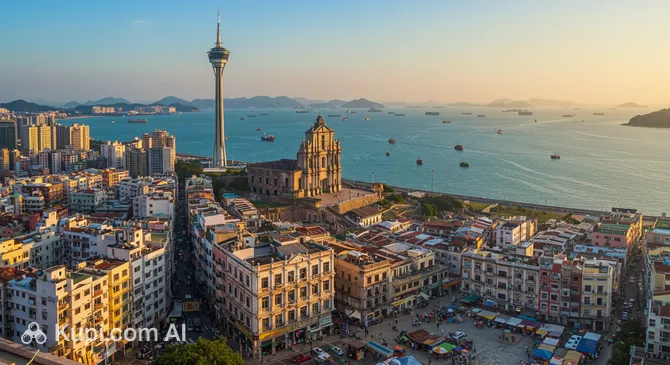
Macau is a remarkable corner of Asia, known for its unique blend of Chinese and Portuguese cultures. This Special Administrative Region of China, situated on a small peninsula and two islands in the Pearl River Delta, is a place of striking contrasts. On one hand, it is a world-renowned hub for entertainment with luxurious integrated resorts, and on the other, a place with a rich history where Eastern traditions harmoniously intertwine with European heritage.
Macau. Source: Kupi.com Binoculars

The heart of this region is its eponymous capital, the city of Macau, whose historic centre is a designated UNESCO World Heritage site. Here, you can wander for hours through narrow, cobbled streets, admiring the colonial architecture, ancient temples, and churches. When visiting these historic and religious sites, it is advisable to dress modestly as a sign of respect. The atmosphere in Macau is filled with a spirit of adventure and discovery. Beyond the glamour of its famous resorts like the Wynn Macau, the region offers many cultural attractions, including the unique Eiffel Tower in Macau. It also boasts an exquisite cuisine that combines the best of Eastern and Western traditions, with a growing number of halal-certified and Muslim-friendly options available for visitors.

The climate in Macau is subtropical, with hot, humid summers and mild winters, making it an attractive destination to visit almost all year round. Travellers will find entertainment to suit every taste: from spectacular shows and world-class shopping to leisurely strolls through picturesque parks and visiting the island of Taipa, known for its modern developments and family-friendly resorts. Macau leaves a lasting impression as a dynamic, vibrant, and welcoming destination where there is something for everyone.
Currency

The official currency of Macau is the Macanese pataca (MOP). Interestingly, pataca banknotes are issued by two commercial banks: the Banco Nacional Ultramarino and the Bank of China, so you may come across notes of the same denomination with different designs. Banknotes in denominations of 10, 20, 50, 100, 500, and 1000 patacas are in circulation, as well as coins. It is important to know that the Hong Kong dollar (HKD) is also widely accepted for payment throughout Macau, often at a rate close to 1:1, although the official exchange rate may differ slightly.

You can exchange currency at banks or licenced exchange offices, which are easy to find in tourist areas, hotels, casinos, and shopping centres. It is advisable to avoid exchanging money with street money changers due to the risk of fraud or unfavourable rates. Credit cards such as Visa, MasterCard, and UnionPay are widely accepted in most hotels, restaurants, and large shops. However, for small purchases at markets or in smaller establishments, it is best to have some cash in either Macanese patacas or Hong Kong dollars.

Visa Requirements

When planning a trip to Macau, it is essential to understand the visa requirements. For citizens of the United Arab Emirates, entry into Macau is visa-free for up to 30 days. Many other nationalities, including those from the European Union, the United States, Canada, and Australia, also benefit from visa-free entry for short stays. However, for all travellers, a valid passport is required for entry, and its validity should extend beyond your intended period of stay.

In addition to your passport, immigration authorities may request to see your return or onward tickets, confirmation of a hotel booking, and proof of sufficient funds for your stay. It is also highly recommended to have comprehensive travel insurance for any international trip. As visa regulations can change, it is strongly advised to verify the most current information on the official website of the Macao Public Security Police Force before travelling.

We'll tell you if you need a visa

Specify where you are going, or
Your citizenship
Destination

Time Zones

When planning your trip to Macau, you will not need to worry about changing time zones within the region. The entire territory of Macau operates on a single time zone: UTC+8 (China Standard Time, CST). This means the time is always the same, no matter which part of this compact region you are in.

Thanks to the absence of internal time differences, you can easily plan your travel between various attractions and districts without any time-related confusion. This makes travelling around Macau even more convenient and predictable.

How to Get There

There are several ways to get to Macau, an amazing corner of Asia, with the most popular option being by air. The main gateway is Macau International Airport (MFM), which handles flights from many major cities in Asia, including Beijing, Shanghai, Seoul, Bangkok, Manila, and Singapore. For travellers from the UAE, the most convenient route is often a direct flight to Hong Kong followed by a short ferry or bus journey. Major airlines like Emirates and Cathay Pacific offer numerous non-stop flights from Dubai to Hong Kong. From there, you can easily reach Macau.

In addition to air travel, Macau has a highly developed sea transport network. This is one of the most popular ways to arrive from neighbouring Hong Kong. Numerous high-speed ferries operate almost around the clock between various terminals in Hong Kong (including Hong Kong International Airport's SkyPier) and Macau (the Outer Harbour and Taipa ferry terminals), with a journey time of about one hour. There is also a land border with mainland China (the city of Zhuhai), which can be crossed at several checkpoints. This is a convenient option for those travelling through southern China. Regardless of your chosen route, it is advisable to book tickets in advance, especially during national holidays or the peak tourist season, to secure your place and get better fares.

For clarity, here is a summary of the main airport:

Airport Name City Size
Macau International AirportMacauMajor

Known as the "Las Vegas of Asia", Macau offers tourists a unique blend of Chinese and Portuguese cultures, luxurious casinos, and historical attractions. Although Macau is a Special Administrative Region, it can be informally divided into several key areas, each with its own distinct charm that attracts travellers.

Macau. Source: Kupi.com Binoculars

The main centre of attraction is undoubtedly the city of Macau itself, located on the peninsula of the same name. This area is home to historic monuments listed as a UNESCO World Heritage site, such as the Ruins of St. Paul's and Senado Square, as well as famous casinos and modern entertainment complexes. It is a place where East meets West, creating an unforgettable atmosphere. When visiting historical and religious sites, it is advisable to dress modestly as a sign of respect.

Another popular destination is the island of Taipa, connected to the Macau Peninsula by several bridges. Once a quiet village, Taipa has transformed into a bustling district with modern hotels, casinos, restaurants, and shops. For visitors from the UAE, it is worth noting that Macau is enhancing its Muslim-friendly amenities, with a growing number of establishments offering halal food options. Major hotels and the Macau International Airport also provide prayer facilities. Taipa has also preserved its charming colonial streets and traditional Chinese temples, making it an interesting place for those who wish to see the different facets of Macau. These areas offer a variety of experiences, from world-class gaming to peaceful strolls through historic quarters.

Top Attractions

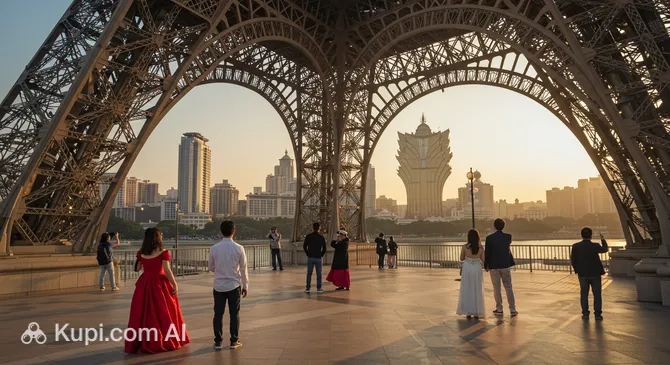
Known as the "Las Vegas of the East", Macau offers tourists more than just gaming, with a host of unique attractions. Among them, the Eiffel Tower at The Parisian Macao stands out – an impressive half-scale replica of the famous Parisian symbol. It offers breathtaking views of the city and the Cotai Strip from its observation decks on the 7th and 37th floors, making it a wonderful spot for photographs. This structure has quickly become one of Macau's new iconic landmarks.

Eiffel Tower Macau. Source: Kupi.com Binoculars

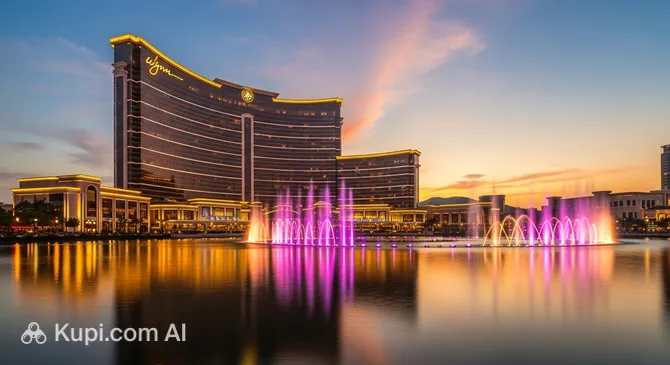
Equally famous is the luxurious Wynn Macau resort complex. This is not just a hotel and casino, but a true entertainment centre that amazes with its splendour, featuring fountain shows, exquisite restaurants, and world-class boutiques. A visit to Wynn Macau leaves a lasting impression of glamour and scale, with attractions like the captivating Performance Lake, where water, light, and fire dance to music, and the opulent Tree of Prosperity.

Wynn Macau. Source: Kupi.com Binoculars

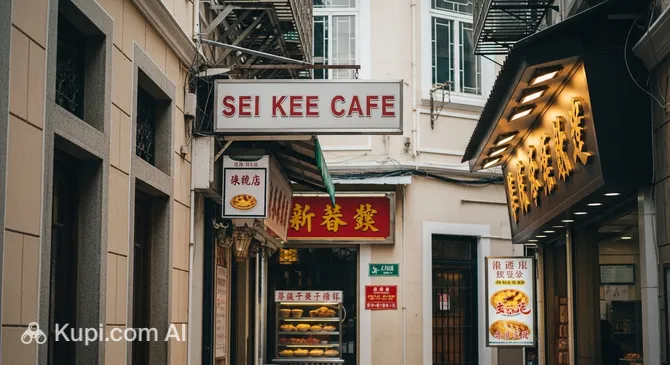
For those wanting an authentic taste of Macau, a visit to Sei Kee Cafe is a must. This popular local spot is famous for its traditional snacks. While its signature pork chop bun is well-known, the cafe also offers other local delights and its aromatic milk tea. For visitors seeking halal options, Macau has a growing number of certified restaurants, particularly offering Indian, Pakistani and Middle Eastern cuisine, ensuring a welcoming dining experience for everyone.

Sei Kee Café. Source: Kupi.com Binoculars

Families and water-park enthusiasts will love the Grand Resort Deck at Galaxy Macau. Spanning 75,000 square metres, this massive water park is part of a large resort complex and features the world's largest Skytop Wave Pool and the 575-metre Skytop Adventure Rapids. It also offers a 150-metre-long white sand beach, thrilling waterslides, and a dedicated kids' aquatic zone, guaranteeing fun for visitors of all ages.

Best Time to Visit

Macau has a subtropical climate, and choosing when to visit can significantly affect your experience. The high season traditionally falls in autumn, from October to December. During these months, the weather is most favourable: sunny, with moderate humidity and comfortable temperatures, perfect for long strolls through the historic streets and exploring its many attractions. However, it's worth noting that tourist numbers increase during this period, which can affect prices and how crowded popular spots become.

The low season, or off-season, in Macau covers spring (March-May) and summer (June-September). In spring, the weather becomes warmer and more humid, with a chance of rain. Summer is the hottest and most humid period, and it is also the typhoon season, especially from July to September, which could disrupt your travel plans. The advantages of visiting at this time can include lower prices for accommodation and fewer tourists, except during major events. Winter (January-February) is generally mild, but it can be quite cool and cloudy. A major event that affects tourist flow is Chinese New Year (the date varies, usually in January or February), when the city is transformed with parades and fireworks, but prices also rise sharply. Additionally, the famous Macau Grand Prix takes place in November, attracting many motorsport fans from around the world.

Traditions

The culture of Macau is a unique blend of Chinese traditions and Portuguese heritage, which is reflected in daily life and customs. Greetings here are quite standard: a handshake is a common form, especially in a business environment. A slight nod of the head is also appropriate, particularly when interacting with elders. Maintaining eye contact during a conversation is considered normal. Hospitality is highly valued; if you are invited to someone's home, it is considered good manners to bring a small gift for the hosts, such as fruit or sweets. When visiting temples or churches, it is recommended to dress modestly, covering your shoulders and knees. This is similar to the respectful attire expected when visiting mosques. Otherwise, there are no strict dress code requirements in public places.

At the dining table in Macau, Chinese etiquette prevails. For instance, it is not customary to stick chopsticks upright in a bowl of rice, as this is associated with funeral rituals. It is considered polite to try all the dishes that are offered to you. Key holidays include the Chinese New Year, which is celebrated on a grand scale with fireworks and family feasts, and the A-Ma Festival, dedicated to the patron goddess of seafarers, after whom, according to legend, Macau was named. To show respect for local residents, try to avoid loud arguments in public and excessive displays of emotion. Also, remember that when giving or receiving items, such as business cards, it is customary to use both hands as a sign of respect.

Entertainment

Macau offers tourists a kaleidoscope of entertainment, where East meets West, creating a unique atmosphere for a holiday. Here, everyone will find something to their liking: from immersing themselves in rich history and culture to the excitement of world-famous entertainment complexes and peaceful strolls.

For lovers of cultural pursuits, Macau is a real treasure trove. The Historic Centre, a UNESCO World Heritage site, amazes with its blend of Portuguese and Chinese architecture. Numerous museums and galleries tell the unique story of the region. In the evening, you can enjoy impressive world-class shows or attend theatrical performances. Although Macau is not famous for extreme sports, pleasant walks through picturesque streets and parks, as well as the opportunity to visit modern sports complexes, are available to stay active.

Evening entertainment in Macau is legendary and centred around luxurious integrated resorts, especially in the Macau and Taipa districts. Alongside the renowned entertainment venues, you will find exquisite restaurants, stylish lounges, and world-class shows. For Muslim visitors, many establishments offer certified halal menus, and major resorts can provide prayer facilities upon request. Shopping in Macau is another popular pastime. From huge shopping centres with global brands to quaint little shops where you can purchase traditional Chinese delicacies and unique souvenirs to remember your trip.

Family holidays in Macau are also meticulously planned. Many resorts offer special areas for children, as well as entertainment centres and attractions. For example, you can visit exciting theme parks or water parks, such as the Grand Resort Deck, where fun is guaranteed for the whole family. Educational interactive museums and the chance to see giant pandas will also make a trip with children unforgettable.

Currency rates

Planning a trip? Wonderful! To ensure the financial aspects of your journey don't come as a surprise, it's important to remember that currency exchange rates are constantly changing. Therefore, we strongly advise you to monitor the latest rates both before your departure and throughout your trip. For this, you can use the data provided below — we monitor exchange rates 24/7 and strive to provide the most up-to-date information.

Reached the end of the page?

That means the route is fully explored