North Korea is one of the most unusual and authentic travel destinations in East Asia. Located on the Korean Peninsula, the country attracts travelers with its unique atmosphere, monumental architecture, and carefully preserved traditions. Here, the modern face of cities exists alongside majestic natural landscapes, from misty mountain peaks to the picturesque coastlines of the Yellow and Japan Seas.
Illustration.
Source: Kupi.com AI
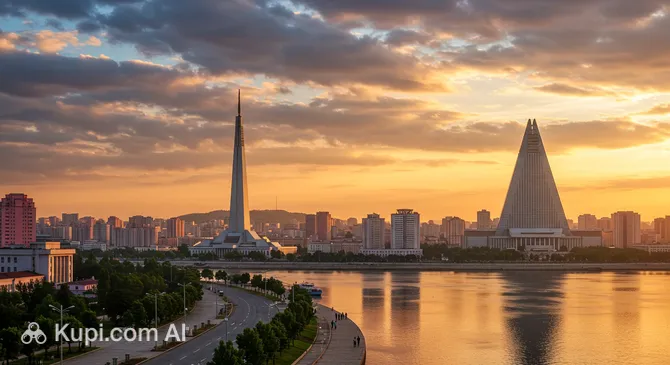
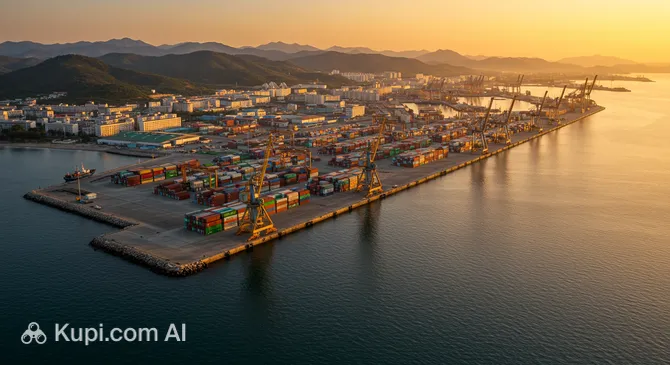
The heart of the country is Pyongyang — a city of wide avenues and grand monuments. Beyond the capital, travelers can discover other facets of the country: the ancient monuments of Kaesong, listed as a UNESCO World Heritage site, and the port flavor of the city of Rajin. A trip here is primarily an opportunity to see a world organized by its own special rules and to get acquainted with a culture that has maintained its identity for decades.
Currency
The official currency of the country is the North Korean won (KPW). Banknotes are decorated with images of significant architectural sites, labor achievements, and symbols of progress. However, it is important for tourists to know that using local currency in regular shops for foreigners is often restricted. Most payments in hotels and specialized retail outlets for travelers are usually made in Euros, Chinese Yuan, or US Dollars.
Currency exchange should only be carried out at official points — at the airport, hotels, or specialized banks. Credit cards and traveler's checks are practically not accepted in North Korea, so it is necessary to carry an adequate supply of cash in small denominations for convenience in payments and purchasing souvenirs. There are no ATMs for international cards in the country.
Visa Requirements
To visit North Korea, citizens of almost all countries in the world require a pre-arranged tourist visa. The process of obtaining it is specific: the visa is not processed individually, but through authorized travel companies that organize your trip. After the tour program is agreed upon and the necessary data is provided, visa confirmation is issued by the consular section of the embassy or as a separate document issued before entering the country.
A valid passport is mandatory for the trip, with a validity period of at least six months at the time of the planned departure from the country. Photos and a completed application form may also be required. Since entry rules and the list of required documents can change, it is strongly recommended to check the latest information with the DPRK embassy or your tour operator several months before the intended journey.
We’ll tell you if you need a visa
Enter where you’re going, or
Your citizenship
Destination
Timezones
The entire territory of North Korea is in a single time zone, officially known as Pyongyang Time. The standard offset is UTC+9. This matches the time zone of neighboring Japan and South Korea.
For travelers, this means there is no need to adjust watches when moving between different regions of the country, from Pyongyang to remote Chongjin. When planning flights or train trips, tourists should rely on this single time, which is in effect year-round without a transition to summer or winter time.
Getting There
The primary way to reach North Korea is by air. The country's main transport hub is Pyongyang Sunan International Airport, located near the capital. Regular flights connect Pyongyang with Beijing, Shenyang, and Vladivostok. Flights are operated by the national airline Air Koryo, as well as Chinese airlines.
Another popular and scenic way to enter the country is by rail. International trains regularly run between Beijing and Pyongyang, passing through the border city of Sinuiju. This journey allows you to see the country's rural landscapes and provincial life from the carriage window. There is also a rail link with Russia via the Khasan station.
When planning a trip, keep in mind that visiting the country is only possible as part of an organized group or through an accredited travel agency. It is recommended to book tickets and arrange all necessary permits in advance, as logistics require careful coordination of all itinerary details with the host party.
North Korea offers travelers a variety of routes: from monumental cities to ancient historical centers. Pyongyang is certainly the main highlight with its grand squares and metro system. For those interested in history, a visit to Kaesong is a must, where monuments of the Koryo dynasty are preserved and the atmosphere of old Korea prevails.
Illustration.
Source: Kupi.com AI
In the northeast of the country lies the city of Rajin, part of a special economic zone, offering insight into port life and coastal landscapes. Nature lovers and fresh mountain air enthusiasts should head to Samjiyon, which serves as the starting point for trips to the sacred Lake Chonji atop Mount Paektu. Each of these cities reveals its own unique page in the life of this fascinating country.
Top Attractions
The main attractions of North Korea are striking in their scale and symbolism. One of the most recognizable structures is the Juche Idea Tower in Pyongyang. This 170-meter monument, topped with a glowing torch, offers guests the best panoramic viewing platform with a breathtaking view of the entire capital and the Taedong River.
In the south of the country, near Kaesong, lies the famous Demilitarized Zone (DMZ) and the village of Panmunjom. This is a place where history literally stands still in time and is one of the most impressive points on the itinerary. Tourists can see the legendary "blue houses" and the line dividing the peninsula, providing a deep understanding of the region's historical context.
The country's natural beauty is as impressive as its man-made monuments. Mount Kumgang (the Diamond Mountains) is famous for its bizarre rock formations, waterfalls, and Buddhist temples. And in the far north, near the city of Samjiyon, Mount Paektu rises majestically — a dormant volcano with the crystal-clear Heaven Lake in its crater. These places are objects of pilgrimage and admiration for anyone who values pristine nature and the grandeur of mountains.
Best Time to Visit
The transitional seasons are best suited for a trip to North Korea. Spring (April and May) is considered the ideal time: during this period, nature comes alive, and in April, you can catch the blooming of apricots and cherries. The weather is mild and sunny, making city walks and trips to natural attractions as comfortable as possible. Large-scale national holidays also take place in spring, accompanied by colorful parades and performances.
Autumn (September and October) is another favorable period. This time of year pleases with a dry climate and comfortable temperatures. The country's mountain regions, such as Mount Myohyang or Mount Kumgang, turn bright crimson and golden tones in October, presenting a magnificent sight for hikers. This is the peak tourist season when the landscapes are most picturesque.
Summer in the country is quite hot and humid, with frequent rains in July and August, which can make traveling on mountain roads difficult. Winter can be harsh and frosty, especially in northern regions such as Samjiyon. However, lovers of winter landscapes and skiing can find their own charm in this season by visiting modern ski resorts.
Traditions
The cultural traditions of North Korea are deeply rooted in Confucian ethics and respect for elders. When communicating with locals, it is important to be polite: greetings are often accompanied by a slight bow, and when passing items or money, it is customary to use both hands as a sign of respect. Direct and long eye contact may be perceived as overly aggressive, so it is better to stick to reserved manners.
Hospitality plays an important role in Korean life. Dining here is an entire ritual. There are usually many banchan appetizers on the table, and the central place is occupied by kimchi — a spicy dish of fermented vegetables, without which no meal is complete. During a meal, it is not customary to stick chopsticks vertically into rice, as this is associated with memorial rites. It is also important to wait until the oldest person at the table starts eating.
Special attention should be paid to behavior in public places and at monuments. Clothing should be neat and fairly modest, especially when visiting memorials and official institutions. Major holidays, such as the Day of the Sun or Republic Day, are celebrated on a large scale: people take to the squares for mass dances, which is a great opportunity to see choson-ot folk costumes and feel the atmosphere of unity.
Entertainment
Entertainment in North Korea is primarily cultural and educational in nature. One of the most magnificent spectacles is the Mass Games — large-scale gymnastic and choreographic performances involving tens of thousands of people. This unique show amazes with its synchronization of movements and visual effects, leaving an unforgettable impression on spectators.
For outdoor enthusiasts, the country offers excellent opportunities for hiking in Mount Myohyang or climbing the sacred Mount Paektu near the city of Samjiyon. In winter, the Masikryong ski resort is popular, offering modern slopes and quality service. Sea lovers can visit beaches near Rajin or the port city of Nampo.
The cultural program usually includes visits to capital theaters, where traditional Korean operas can be seen, or visits to the Pyongyang Circus, famous for its acrobats. Evening leisure can be spent in local restaurants tasting national cuisine, or visiting one of the breweries where the famous local Taedonggan beer is served in a relaxed atmosphere.
Currency rates
Planning a trip? Wonderful! To ensure the financial side of your travels doesn’t come as a surprise, it is important to remember that currency exchange rates are constantly changing. Therefore, we strongly advise you to monitor the latest rates, both before you fly and throughout your trip. You can use the data provided below for this; we monitor currency rates 24/7 and strive to provide the most up-to-date information.