Support

Pyongyang

About

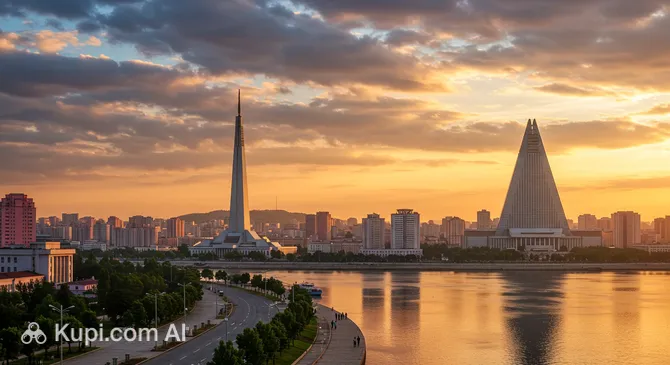
Pyongyang is a city that immediately captures the attention of visitors with its grand scale and orderly layout. As the capital and largest city of Korea, Democratic Peoples Republic, it serves as the cultural and political heart of the nation. The cityscape is defined by wide avenues, monumental architecture, and expansive public squares that create a unique visual atmosphere unlike any other metropolis.

Geographically, the city is situated in the west-central part of the country, gracefully spanning the banks of the Taedong River. With a population of approximately 2.8 million people, it is a significant urban center that experiences a continental climate, offering distinct and scenic views across the four seasons.

Travelers interested in the past will find the history of Pyongyang fascinating. As one of the oldest cities on the Korean peninsula, it holds a deep heritage that blends ancient legends with modern reconstruction, creating a compelling narrative for visitors to explore.

Pyongyang. Source: Kupi.Binoculars

Among the city's most notable features are its impressive landmarks. The Juche Tower stands tall on the riverbank, offering panoramic views of the skyline, while the Pyongyang Metro is famous not just for its depth but for its elaborate chandeliers and mosaics. Visitors are also often drawn to the massive Kim Il Sung Square, a central point for major events and a striking example of the city's architectural style.

For those seeking a travel experience off the beaten path, Pyongyang offers a glimpse into a distinct culture and environment. It is a destination that invites curiosity and leaves a lasting impression on those who make the journey.

Weather Overview

The city experiences a continental climate with four distinct seasons, ranging from cold winters to warm, humid summers. For a detailed breakdown of conditions throughout the year, you can check the weather in Pyongyang page to help plan your trip.

Winters are generally cold and dry, with January seeing average temperatures around -4.9°C and lows dipping to -9.6°C. In contrast, the summer months are significantly warmer; July and August feature average temperatures of approximately 25°C, with highs reaching nearly 29°C. Travelers should expect warm summers with frequent rainfall, as August can have up to 18 wet days, while spring and autumn offer milder and more comfortable transition periods.

Interesting Facts

Beyond its grand monuments and well-planned layout, Pyongyang holds several intriguing details that often surprise visitors. This city is defined not just by its scale, but by unique urban features and architectural records that are rarely found elsewhere.

  • The Rungrado 1st of May Stadium is widely considered the largest stadium in the world by seating capacity. It is designed to accommodate approximately 150,000 spectators and features a distinctive roof that resembles a magnolia blossom floating on the river.

  • The Arch of Triumph in Pyongyang bears a striking resemblance to the famous monument in Paris, but it was intentionally built to be larger. Standing sixty meters high, it exceeds its French counterpart by ten meters, making it the second tallest triumphal arch in the world.

  • For decades, the city's intersections were famously managed by traffic security officers, often referred to as "traffic ladies," rather than automated lights. Known for their precise, choreographed movements, they became a cultural icon of the capital, though LED traffic lights have become more common in recent years.

  • The Pyongyang Metro is one of the deepest subway systems on the globe, with tracks positioned over 100 meters underground. This substantial depth maintains a consistent temperature of roughly 18°C throughout the year, serving as a cool refuge in summer and a warm shelter in winter.

How to Get There

Reaching Pyongyang is a unique aspect of the travel experience, with specific routes and hubs serving as the primary gateways. For a comprehensive guide on planning your journey, you can read more about how to get to Pyongyang.

The most direct way to arrive is via Pyongyang Sunan International Airport (FNJ), which is the main aviation hub serving the capital. Located approximately 21.1 km from the city center, it welcomes international flights, primarily from Beijing and Vladivostok. The journey from the airport to downtown Pyongyang typically takes around 52 minutes by vehicle, offering visitors their first glimpse of the Korean countryside and urban outskirts.

Another notable transport option often used as a transit point is Langtou Airport (DDG), situated in the city of Dandong across the border. While this airport is about 169 km away from Pyongyang, Dandong serves as a major transfer city for travelers entering by train or car. A theoretical journey by road from this distance would take approximately 4 hours and 35 minutes, though travel logistics in this region are generally organized via specific tour arrangements.

For clarity, here is a summary of the main airports:

Airport Name City Passenger Traffic Km from City
Incheon International AirportSeoulLarge188.6
Gimpo International AirportSeoulLarge188.1
Langtou AirportDandongMedium168.9
Pyongyang Sunan International AirportPyongyangSmall21.1

Traveling by train is a classic and popular method for reaching the capital. The city of Pyongyang does not have a railway station listed in the immediate vicinity for international arrivals other than the main central station, but travelers frequently transit through Dandong Railway Station (DDA) in the city of Dandong. This station is located about 170.5 km from Pyongyang and serves as a key junction for international trains crossing the Yalu River. The train ride or road transfer from this distance involves a travel time of roughly 4 hours and 36 minutes.

Below is a summary of the relevant railway stations:

Station City Passenger Traffic Km to Center
Gwangmyeong StationGwangmyeongLarge206.2
Dandong Railway StationDandongMedium170.5

Main Attractions

Pyongyang offers a distinct array of sights, characterized by monumental architecture, vast public spaces, and sites of deep cultural significance. The city's attractions are designed on a grand scale, often leaving a lasting impression of order and magnitude. Below are some of the most prominent places to visit.

Kim Il Sung Square
Located in the heart of the city on the west bank of the Taedong River, this is one of the largest public squares in the world. It serves as the country's geographical and symbolic center (Point Zero). Visitors are often struck by the immense open space surrounded by neoclassical government buildings. It is a prime location for photography, offering a clear line of sight across the river to the Tower of the Juche Idea, making it an essential stop for understanding the city's layout.

Tower of the Juche Idea
Standing 170 meters tall on the banks of the Taedong River, this stone monument dominates the skyline. It is topped with a red torch that glows at night, creating a beacon visible from most parts of the city. The primary draw for tourists is the elevator ride to the observation deck, which provides arguably the best 360-degree panoramic view of the capital, allowing visitors to see the colorful apartment blocks and the river winding through the metropolis.

Pyongyang Metro
A ride on the city's subway system is widely considered a must-do experience. Far from being a simple transit network, the stations—particularly Puhung and Yonggwang—are designed like underground palaces. They feature high arched ceilings, elaborate chandeliers, marble pillars, and intricate mosaic murals. It offers travelers a chance to admire unique architectural aesthetics while briefly experiencing the daily rhythm of local life.

Mansu Hill Grand Monument
This site is famous for its two massive bronze statues of the country's leaders, standing over 20 meters high. Flanked by large stone sculptures depicting soldiers and workers, the monument is a place of high reverence. For tourists, it presents an opportunity to witness the scale of bronze casting and the meticulous maintenance of the surrounding parklands, which also offer commanding views over the city center.

Arch of Triumph
Located at the foot of Moran Hill, this granite arch was built to commemorate Korean independence. While it bears a resemblance to the famous arch in Paris, it was constructed to be taller and is comprised of thousands of white granite blocks. It serves as a grand gateway to the city and is particularly impressive in the evening when it is floodlit, highlighting the detailed reliefs carved into its structure.

Local Cuisine

The culinary landscape of Pyongyang offers a distinct and authentic taste of Korean tradition, characterized by mild flavors and a reliance on fresh, natural ingredients. Unlike the fiery spice often associated with Korean food elsewhere, the cuisine here tends to be more subtle, focusing on the purity of the broth and the quality of the grain. For gastronomic travelers, the city presents a unique opportunity to taste dishes prepared according to recipes that have been passed down for generations.

The undisputed signature dish of the capital is Pyongyang Naengmyeon (cold noodles). This famous meal consists of chewy buckwheat noodles served in a chilled, clear broth made from beef, pork, or pheasant, typically garnished with slices of meat, half a boiled egg, pear, and cucumber. It is traditionally seasoned with vinegar and mustard to taste. Another local favorite is Pyongyang Onban, a savory rice soup topped with shredded chicken, mushrooms, and mung bean pancakes. It is a hearty, warming dish often consumed during celebrations or special occasions.

For those who enjoy grilled flavors, roast duck is a popular delicacy in the city. Restaurants often serve marinated duck slices that diners cook themselves over charcoal grills, wrapped in lettuce with garlic and bean paste. Seafood is also prominent due to the proximity to the coast, with the local grey mullet soup being a revered dish, historically served to guests as a sign of hospitality.

When it comes to beverages, the city takes pride in its brewing culture. Taedonggang Beer is the most well-known local lager, praised for its crisp and clean taste. It is widely available in bars and restaurants throughout the capital. For a more traditional experience, visitors can try Soju, a clear distilled liquor made from rice or corn, which is a staple accompaniment to dinner. Non-alcoholic options include refreshing teas made from ginseng or barley, as well as locally produced sodas.

The dining culture for tourists typically revolves around designated restaurants and hotel dining halls, which are known for their grand interiors and generous portion sizes. Meals are often communal affairs, with a variety of side dishes, or banchan, shared among the table. While street food is less pervasive than in other Asian capitals, small kiosks selling roasted sweet potatoes, chestnuts, or simple pancakes can occasionally be found, offering a simple and warm snack during the colder months.

Travel Tips

Visiting Pyongyang is a unique travel experience that differs significantly from typical city breaks, requiring careful preparation and an understanding of local protocols. These practical tips are designed to help you navigate the logistics of your trip smoothly so you can focus on the fascinating architecture and culture of the capital.

  1. Dress Smartly and Seasonally: The climate varies greatly, so pack thermal layers and a heavy coat for the freezing winters, and light, breathable fabrics for the humid summers. More importantly, adhere to a smart casual dress code. When visiting sites of national significance, such as the Mansu Hill Grand Monument, respectful attire is required; avoid wearing ripped jeans, shorts, sandals, or clothing with large slogans.

  2. Transportation is Pre-Arranged: Unlike most capitals, you will not need to worry about navigating public transport maps or hailing taxis on the street. Movement around the city is almost exclusively conducted via private buses or cars arranged by your tour operator. While you may ride the Pyongyang Metro or a trolleybus, this will be a scheduled part of your itinerary rather than a method of independent commuting.

  3. Cash is Essential: International credit and debit cards are generally not accepted in Pyongyang, and ATMs are not available for tourist use. You must bring enough cash to cover your entire stay, including spending money for souvenirs and extra drinks. Euros (EUR) are the most widely accepted currency for visitors, though US Dollars (USD) and Chinese Yuan (CNY) are often usable; bring small denominations as change can sometimes be limited.

  4. Health and Preparation: It is highly recommended to bring a well-stocked personal medical kit, including any prescription medications, painkillers, and stomach remedies, as local pharmacies may not stock the specific brands you are used to. In terms of safety, the city is extremely safe regarding street crime, but it is vital to stay with your guides and follow their instructions at all times to ensure a trouble-free visit.

  5. Communication and Connectivity: Be prepared for a digital detox, as international roaming does not work here. While it is possible to purchase a local SIM card at the airport for foreigners that allows international calls, internet access is restricted and expensive. Most communication with home is done via hotel telephones or email services provided at hotel business centers. Your guides will speak excellent English, but learning a few Korean phrases like Annyeonghaseyo (Hello) is a warm gesture.

  6. Respect Local Etiquette: Politeness and respect are paramount in interactions. It is customary to show reverence at monuments and statues, which often involves bowing as a group. When taking photos, always ask for permission from your guide first, especially if you wish to photograph people, officials, or construction sites, to ensure you are not breaching any local regulations.

  7. Handle Images with Care: Be mindful of how you treat newspapers, magazines, or brochures that feature images of the country's leaders. It is considered deeply offensive to crumple, fold through the faces, or throw away such materials in a disrespectful manner. If you need to dispose of them, ask your guide for the proper way to do so.

  8. Souvenir Shopping: A unique aspect of shopping in Pyongyang is the opportunity to buy high-quality insam (ginseng) products, which are famous in the region. Tourist shops also offer hand-painted posters, stamps, and traditional embroidery. Shops typically have fixed opening hours aligned with tour schedules, so if you see something you like, it is best to buy it then rather than waiting for a later opportunity.

By keeping these practicalities in mind, you can ensure a respectful and comfortable journey through this distinctive metropolis. A well-prepared traveler is best placed to appreciate the grand scale and quiet atmosphere that define a visit to Pyongyang.

Entertainment & Nightlife

Entertainment and nightlife in Pyongyang offer a distinct experience that differs significantly from the bustling club scenes found in other Asian capitals. Rather than raucous nightclubs or sprawling party districts, the evening culture here is characterized by a relaxed and social atmosphere, centered around dining, microbreweries, and cultural performances. For visitors, it is a chance to unwind in a unique setting, enjoying local hospitality and observing a quieter, more orderly side of urban life.

The city has developed a surprising and robust beer culture, which serves as the cornerstone of its nightlife. The Taedonggang Beer Bar (often referred to as Kyonghungguan) is one of the most popular venues, drawing both locals and tourists. Here, you can sample various types of the famous state-produced lager on tap, ranging from light pilsners to rich dark beers. Another staple of the evening scene is the Diplomatic Club, locally known as "The Diplo." This multi-purpose complex features karaoke rooms, bars, and billiard tables, providing a retro yet comfortable environment for socializing.

While Pyongyang does not have designated nightlife districts in the Western sense, evening activity tends to cluster around major hotels and specific leisure parks. The Kaeson Youth Park is a highlight that comes alive after sunset. Unlike typical tourist stops, this amusement park is a vibrant hub where locals go to enjoy thrill rides and street food under bright neon lights. It offers a rare and energetic atmosphere, making it one of the best places to experience the city's modern pulse.

For those interested in a view with their evening meal, the revolving restaurant at the Yanggakdo International Hotel provides a slow, 360-degree panorama of the illuminated skyline. It is an ideal spot for a quiet drink while looking out over the Taedong River. Karaoke is also a favorite pastime, and most major hotels, including the Koryo Hotel, feature private rooms where guests can sing a mix of international and Korean songs.

Practical planning is essential for enjoying a night out. Independent wandering is not permitted, so all evening excursions must be arranged in advance with your guides, who will accompany you. Venues typically close earlier than in many other countries, often around midnight. The dress code is generally smart casual; while not overly formal, neat attire is appreciated. Prices for drinks and entertainment are reasonable by international standards, and payment is usually made in Euros or other hard currencies.

Safety is not a concern in the traditional sense, as the city is extremely secure at night. However, it is crucial to follow local regulations and stay with your group or guide at all times. Taxis are available but are reserved for locals or specific authorized transfers, so you will rely on your pre-arranged private transport to move between venues.

Beyond the nightlife, the city offers impressive daytime entertainment options that focus on the arts and physical prowess. The Pyongyang Circus is world-renowned for its acrobatic feats and high-flying stunts, often leaving audiences in awe. Cultural enthusiasts can also visit the Pyongyang Grand Theatre to witness elaborate operas and musical performances that showcase the country’s dedication to the performing arts.
Parks & Museums

Pyongyang balances its monumental architecture with a surprising array of green spaces and grand educational institutions, offering visitors a chance to explore both the natural beauty and the curated heritage of the nation. Beyond the wide avenues, the city is dotted with landscaped parks and vast museums that provide deep insight into the country’s culture, history, and daily recreational life.

Moranbong Park is arguably the most famous and beloved green space in the capital. Often referred to as the "garden of the city," it is located on a hill that offers scenic views over the Taedong River. The park is not just a natural retreat but a historical treasure trove, containing remnants of the ancient walled city of Pyongyang, including the picturesque Ulmil Pavilion. It is a fantastic place to observe local culture, especially on Sundays and holidays when residents gather for picnics, singing, and dancing, creating a lively and welcoming atmosphere.

Another significant natural area is Taesongsan (Mount Taesong), located on the outskirts of the city. This area serves as a major pleasure ground, combining historical fortifications with leisure facilities. Visitors can explore the Korea Central Zoo, which has been modernized in recent years to house a diverse collection of animals. The mountain itself is rich in history, featuring the remains of the Taesong Mountain Fort, and offers hiking paths that are particularly beautiful during the autumn foliage season.

For a deep dive into the nation's narrative, the Victorious Fatherland Liberation War Museum is an essential stop. This massive complex is world-class in its scale and presentation, featuring elaborate dioramas, a 360-degree revolving panorama, and grand marble halls. One of the primary draws for international tourists is the outdoor exhibition of captured military hardware and the USS Pueblo, a US Navy spy ship that is docked on the adjacent river and open for guided tours. The museum provides a comprehensive look at the conflict from the local perspective.

Located directly on Kim Il Sung Square, the Korean Central History Museum offers a broader look at the peninsula's past. The collection spans from prehistoric times through the various dynastic periods, showcasing artifacts such as celadon pottery, ancient tools, and weapons. It provides valuable context to the long and complex history of the Korean people, distinct from the modern political narrative found elsewhere in the city.

A site that blends parkland with historical significance is the Mangyongdae Native House. Situated in a quiet, wooded area about 12 kilometers from the city center, this preserved thatched-roof cottage is the birthplace of President Kim Il Sung. The surrounding well-manicured gardens and the peaceful atmosphere make it a pleasant excursion, offering a glimpse into the humble agrarian origins that are celebrated in the national history.

For an authentic experience, try to visit Moranbong Park on a Sunday afternoon. While the monuments are impressive, seeing groups of locals playing traditional instruments and sharing food on the grass offers a rare and genuine human connection. It is one of the few places where the formal atmosphere of the city relaxes, and visitors are often invited to join in the dancing or share a toast.

Getting Around

Reaching Pyongyang is a unique part of the travel experience, defined by specific routes and strict regulations. Unlike most destinations, independent travel to the capital of Korea, Democratic Peoples Republic is not permitted; all transportation logistics are typically handled as part of an organized tour package arranged by authorized travel agencies.

The primary point of entry by air is Pyongyang Sunan International Airport (FNJ), located approximately 24 kilometers north of the city center. International flight connections are limited, with the most frequent routes operating from Beijing and Vladivostok. The national carrier, Air Koryo, serves these routes, and the flight offers visitors their first glimpse of the country. Upon landing, travelers are immediately met by their guides for a private transfer to the city.

For many visitors, traveling by train is the preferred method of arrival, offering a scenic transition into the country. The most common rail route departs from Beijing and passes through the Chinese border city of Dandong. From Dandong, the train crosses the Yalu River via the Sino-Korean Friendship Bridge. The subsequent journey through the countryside to Pyongyang takes several hours, providing a rare opportunity to observe rural landscapes and local villages before arriving at the central Pyongyang Railway Station.

Since public transport is not available for tourist use upon arrival, getting around the city is exclusively conducted via tour buses or private cars provided by the host agency. Whether arriving by plane or train, the transfer to your hotel is seamless and pre-arranged, ensuring a smooth start to your visit.

Accommodation

Where to Stay:

Accommodation in Pyongyang offers a unique experience that differs significantly from the typical array of options found in other international cities. There are no backpacker hostels, private vacation rentals, or familiar global hotel chains. Instead, visitors are hosted in large, state-run hotels designed specifically to accommodate foreign travelers. These establishments are often grand in scale, featuring retro-modern architecture and spacious interiors that reflect the city's distinctive style.

The location of your stay is generally determined by the hotel assigned to your tour group, but most options are conveniently situated. Hotels are typically found either in the bustling city center, close to the main railway station and urban landmarks, or on islands within the Taedong River. Staying on the river islands offers a quieter environment with panoramic views of the water and the city skyline, while the downtown options place you closer to the daily rhythm of the capital.

Two of the most well-known establishments where tourists frequently stay are the Yanggakdo International Hotel and the Koryo Hotel. The Yanggakdo is the largest operating hotel in the country, located on its own island, and is famous for its revolving restaurant on the 47th floor which provides sweeping views of the metropolis. The Koryo Hotel, easily recognizable by its twin 45-story towers, is situated in the Chung-guyok district and offers guests a central base near the primary transport hubs.

Booking Tip: You cannot book accommodation in Pyongyang through standard online travel agencies or hotel aggregators. Instead, your hotel is arranged as part of your all-inclusive tour package. If you have a preference for a specific hotel, such as the Koryo or Yanggakdo, you should mention this to your tour operator when booking your trip, although final placement often depends on availability.

In terms of standards and pricing, the cost of lodging is bundled into the tour fee. While local ratings often classify these hotels as luxury or deluxe (4 to 5 stars), international travelers typically find the amenities comparable to comfortable mid-range options. Rooms are generally clean, well-maintained, and equipped with basic necessities, offering a comfortable and fascinating rest point after a day of exploring the city.

Nearby Cities

Nearby Cities:

For those looking to explore the surroundings, Pyongyang serves as an excellent base for day trips to several interesting nearby locations.

Nampo is one of the most accessible and popular destinations for a short excursion from the capital. Located on the west coast, this major port city is best known for the massive West Sea Barrage, an impressive 8-kilometer-long dam and lock system that connects the Taedong River to the Yellow Sea. Visitors can enjoy scenic views of the coastline and observe the maritime activity that defines the region.

Wonsan, situated on the eastern side of the peninsula, offers a completely different atmosphere. Known as a resort city, it features sandy beaches and clear waters, making it a favored spot for relaxation. It also serves as a gateway to the scenic Mount Kumgang area, offering a mix of coastal beauty and mountainous landscapes.

Sunchon is another nearby city that, while more industrial in nature, provides a glimpse into the everyday urban life of the province outside the main metropolis. Its proximity makes it a feasible stop for those interested in seeing the diverse facets of the country's development.

City Population Distance (km)
Hamhung768,551184
Nampo703,31756
Sunchon437,00040
Wonsan363,127141
Sinuiju352,000163

These nearby destinations offer a glimpse into the diverse culture and landscapes of the region.

Shopping & Souvenirs

Shopping in Pyongyang is a distinct experience that differs significantly from the commercialized retail therapy found in other global capitals. Rather than browsing international chain stores or sprawling luxury avenues, visitors encounter a state-managed retail environment focused on locally produced goods. The experience is often curated as part of the tour itinerary, offering a fascinating glimpse into the domestic economy and the unique aesthetic of Korean consumer products.

The city does not have "shopping districts" in the Western sense, but several modern streets feature clusters of shops and convenience stores. Changjon Street and Mirae Scientists Street are two of the most prominent areas. These modern developments are lined with colorful storefronts selling everything from groceries to electronics. Walking these streets provides an opportunity to see the newer side of the capital's urban development, with shops often located on the ground floors of high-rise residential towers.

For a more comprehensive shopping experience, the Kwangbok Area Supermarket (also known as the Kwangbok Department Store) is a highlight for many travelers. It is one of the few places where visitors can exchange foreign currency for local Won and shop alongside local residents. The complex spans several floors: a bustling supermarket on the ground floor, clothing and household goods on the middle levels, and a food court at the top. Pyongyang Department Store No. 1, located near Kim Il Sung Square, is another major venue, offering a vast array of goods ranging from traditional crafts to daily necessities in a grand architectural setting.

While traditional open-air markets play a role in the local economy, they are generally not part of the standard tourist itinerary. Tongil Market is the largest and most well-known marketplace in the city, where locals buy fresh produce and clothing. However, access for foreign visitors is often restricted or requires special arrangement. Instead, tourists are typically guided to specialized souvenir shops or the aforementioned department stores, which offer a similar variety of goods in a more formal setting.

When it comes to souvenirs, Pyongyang offers high-quality traditional items that make for unique keepsakes. Kaesong Koryo Insam (ginseng) is the most famous local product, renowned worldwide for its quality and health benefits; it can be bought as tea, extract, or in its natural root form. Philately is also popular, with beautifully designed stamps featuring nature, politics, and history available in collections. Other recommended purchases include hand-painted art posters, traditional embroidery, brassware, and bottles of local Soju or Taedonggang beer.

Opening Hours and Payment: Most shops generally operate between 10:00 AM and 6:00 PM, though hours can vary. A crucial detail for tourists is that international credit cards are not accepted. You must bring sufficient cash to cover all your purchases. Euros (EUR) are the most widely accepted and preferred currency, though US Dollars (USD) and Chinese Yuan (CNY) are also commonly used. It is advisable to carry small denominations, as change can sometimes be difficult to obtain.

Tax-Free: There is no tax-refund or tax-free shopping scheme available for tourists in Pyongyang. The price you see on the item is the final price you pay.

Reached the end of the page?

That means the route is fully explored