Support

Chungju

About

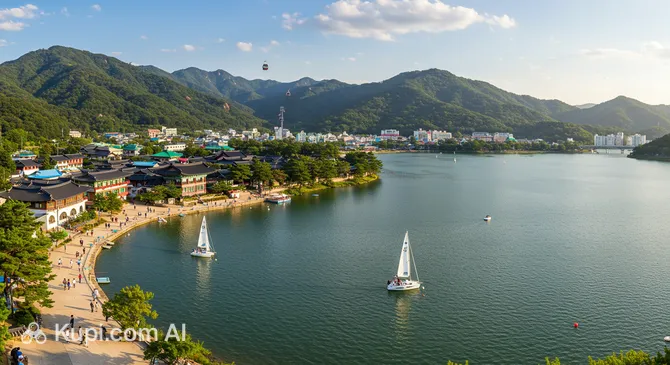
Discover the charm of Chungju, a vibrant city nestled in the heart of the peninsula. Known for its abundant water resources and scenic mountain landscapes, this destination offers a perfect blend of relaxation and outdoor adventure. Situated in North Chungcheong Province, the city is a key part of the Republic of Korea, serving as a central hub that connects various regions.
Chungju. Source: Kupi.Binoculars

Home to approximately 211,000 people, Chungju maintains a welcoming community atmosphere amidst its natural splendor. The city's geography is defined by the majestic Namhan River and expansive reservoirs, earning it the nickname "City of Water." Beyond its natural beauty, visitors are encouraged to delve into the fascinating history of Chungju. As a historically significant area dating back to the Three Kingdoms period, it holds a treasure trove of stories and cultural heritage waiting to be explored.

Travelers flock to this region for several standout attractions. Chungju Lake is a highlight, famous for its breathtaking ferry cruises that offer views of dramatic cliffs and calm waters. The city is also celebrated for the Suanbo Hot Springs, where visitors can soak in natural mineral waters believed to have healing properties. Additionally, Chungju is known as a center for traditional martial arts and produces some of the country's sweetest apples.

Whether you are eager to hike through national parks, enjoy a peaceful boat ride, or simply unwind by the lakeside, Chungju invites you to experience its unique serenity. It is an ideal destination for those looking to discover the authentic charm and hospitality of the Korean countryside.
Weather Overview

Chungju experiences four distinct seasons, each bringing its own unique atmosphere to the city. Travelers can generally expect warm summers with frequent rainfall and cold, dry winters that are perfect for enjoying crisp air and clear skies. Understanding these seasonal shifts is key to packing the right gear for your trip.

For a more detailed forecast during your specific travel dates, you can consult the guide to weather in Chungju. Winter is typically the coldest time of year; in January, average temperatures hover around -1.9°C, with lows dipping to -6.2°C. Despite the chill, this season is quite dry, seeing very few wet days.

As the city transitions into spring, the climate becomes much milder, with average temperatures climbing to 17.2°C by May. Summer brings the most significant heat, particularly in August when daily maximums reach 29.0°C. This is also the wettest period in terms of frequency, with July experiencing approximately 18 rainy days. By contrast, autumn offers a refreshing cool-down, with comfortable temperatures in September and October ideal for outdoor exploration.

Interesting Facts

Beyond its scenic landscapes, Chungju holds many fascinating secrets that reveal its deep cultural and historical significance. From ancient musical traditions to its status as a geographic focal point, the city offers surprising stories for curious explorers.

  • Chungju is historically celebrated as the "Center of Korea." During the Unified Silla period, the kingdom erected the Seven-Story Stone Pagoda, known locally as Jungangtap, to mark the exact geographic center of the country. This massive stone structure still stands today as a testament to the city's pivotal location on the peninsula.

  • The city is the birthplace of the gayageum, a traditional Korean twelve-stringed zither. The famous musician Ureuk is said to have composed and played his melodies on the cliffs of Tangeumdae Park, a name which poetically translates to "the terrace where the zither is played."

  • Chungju is recognized globally as a hub for traditional martial arts. It is the home of Taekkyeon, the first martial art listed as a UNESCO Intangible Cultural Heritage of Humanity. The city hosts an annual World Martial Arts Festival, gathering practitioners from dozens of countries to showcase their unique fighting styles.

  • The calm and expansive waters of Tangeum Lake Park are world-class sports grounds. In 2013, the city hosted the World Rowing Championships here, marking the first time the premier event was held in Asia outside of Japan, thanks to the lake's ideal natural conditions.

Tangeumdae Park. Source: Kupi.Binoculars

How to Get There

Reaching Chungju is relatively straightforward thanks to South Korea's efficient transportation network. Located in the center of the country, the city is accessible from various major hubs. For a detailed breakdown of all transport options, you can read more about how to get to Chungju on our dedicated page.

The city of Chungju does not have its own commercial airport, but travelers can fly into Cheongju Airport (CJJ) in the city of Cheongju, which is the closest option at about 49 km away. It serves as a regional hub with medium passenger traffic, handling both domestic and select international flights. The journey from the airport to Chungju by road typically takes around 1 hour and 30 minutes. Alternatively, most international visitors arrive via Incheon International Airport (ICN) in Seoul. This massive transport facility is the primary gateway to the country, situated approximately 141 km from Chungju. A transfer by bus or taxi from Incheon can take roughly 3 hours and 50 minutes depending on traffic conditions.

For clarity, here is a summary of the main airports:

Airport Name City Passenger Traffic Km from City
Incheon International Airport Seoul Very Large 140.8
Gimpo International Airport Seoul Large 118.9
Cheongju Airport Cheongju Medium 48.7
Daegu International Airport Daegu Medium 137.9
Ulsan Airport Ulsan Small 200.7

For those preferring rail travel, it is important to note that while Chungju has local rail access, high-speed KTX connections often route through major neighboring hubs. You can arrive at Daejeon Station in the city of Daejeon, which is a significant railway junction about 86 km from Chungju. From there, you can get a taxi or bus, which takes about 2 hours and 30 minutes. Another option near the capital area is Gwangmyeong Station in Gwangmyeong, located approximately 104 km away. This station handles heavy passenger traffic and serves as a convenient transfer point for those coming from the northwest, with a subsequent road journey to Chungju taking roughly 3 hours.

Below is a list of major railway stations in the wider region:

Station City Passenger Traffic Km to Center
Dongdaegu Station Daegu Very Large 138.1
Daejeon Station Daejeon Very Large 85.8
Gwangmyeong Station Gwangmyeong Large 104.2
Gwangju Songjeong Station Gwangju Medium 229.3
Jinju Station Jinju Small 204.5

Main Attractions

Chungju offers a delightful mix of scenic beauty, historical depth, and recreational activities. From serene lakesides to ancient cultural sites, the city's landmarks provide a perfect escape for nature lovers and history enthusiasts alike. Here are some of the top places to include in your itinerary.

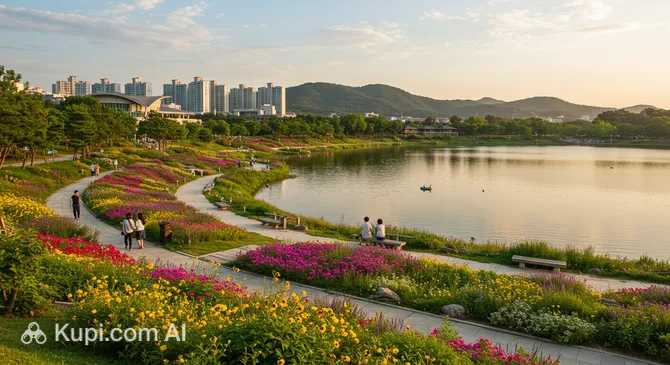
One of the city's most beloved destinations is Tangeum Lake Park. This expansive recreational area is famous for its calm waters and well-maintained facilities, making it a prime spot for picnics, cycling, and leisurely walks. The park gained international recognition after hosting the World Rowing Championships, and today it continues to attract visitors who want to enjoy water sports or simply relax by the riverside. The scenic Rainbow Bridge, which lights up beautifully at night, offers a romantic atmosphere for evening strolls.

Tangeum Lake Park. Source: Kupi.Binoculars

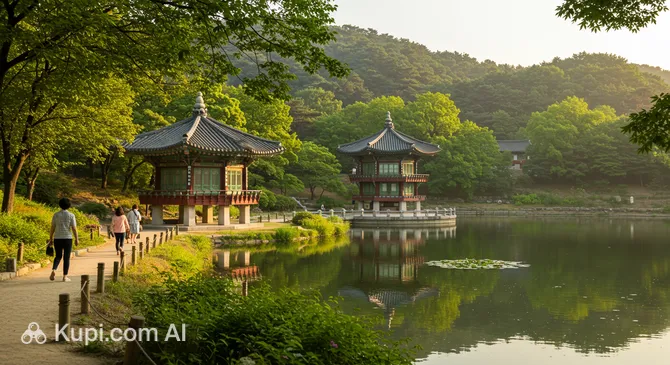
Just a short distance away lies the historically significant Tangeumdae Park. Perched on a cliff overlooking the Namhan River, this site is steeped in legend and is said to be where the famous musician Ureuk played the gayageum (a traditional Korean zither). The park features lush pine forests and walking trails that lead to spectacular viewpoints. It is a peaceful sanctuary where visitors can contemplate the city's past while enjoying the refreshing river breeze and the sound of rustling pine needles.

For those seeking relaxation, the Suanbo Hot Springs are a must-visit. Unlike many other hot springs that use pumped water, Suanbo boasts naturally rising spring water with a temperature of 53°C. Known for its rich mineral content, the water is believed to be beneficial for skin health and fatigue relief. It has been a popular retreat for centuries, favored by kings in the past, and remains a top spot for travelers looking to unwind after a day of exploration.

Another iconic landmark is Chungju Lake, the largest multi-purpose dam lake in South Korea. The lake is surrounded by majestic mountains, including Woraksan and Gudambong, creating a breathtaking panoramic view. Visitors can take a ferry cruise to fully appreciate the dramatic landscape of towering cliffs reflecting on the water. The area is especially beautiful in autumn when the surrounding foliage turns into vibrant shades of red and orange, making it a photographer's paradise.

Local Cuisine

The culinary landscape of Chungju is deeply influenced by its geography, particularly its clean waters and mountainous terrain. As a city famous for its agriculture and rivers, the local food scene focuses on fresh, natural ingredients. Visitors can expect hearty, healthy meals that highlight the region's bountiful produce, with a special emphasis on unique proteins and fruits that are hard to find elsewhere in the country.

One of the most distinctive dining experiences in Chungju is Pheasant Cuisine, or kkwong-yori. The area around the Suanbo Hot Springs is particularly renowned for this delicacy, hosting a street dedicated to restaurants specializing in the game bird. Unlike chicken, pheasant has a leaner texture and a subtle, earthy flavor. It is often served as a multi-course meal, which may include pheasant shabu-shabu (thinly sliced meat cooked in broth), dumplings, and spicy seasoned raw meat. This dish was historically served to royalty and remains a must-try for adventurous gourmands.

Given the city's location next to the Namhan River and Chungju Lake, freshwater fish stew (maeuntang) is another local staple. Restaurants overlooking the water often serve spicy, bubbling pots filled with catfish or mandarin fish, seasoned with red chili paste and local vegetables. The broth is rich and savory, perfect for warming up after a boat tour or a hike. For a lighter option, visitors should look for dishes made with locally grown vegetables and wild herbs collected from the nearby mountains.

No gastronomic tour of the city is complete without tasting its most famous export: Chungju Apples. Known for their high sugar content and crisp texture, these apples are celebrated throughout Korea. Beyond eating the fresh fruit, tourists can enjoy various apple-based products found in local cafes and markets, such as apple bread, apple noodles, and refreshing apple wine. The local traditional markets are excellent places to sample these treats and soak in the bustling atmosphere of daily life in the province.

Travel Tips

To ensure your trip to Chungju is as smooth and enjoyable as possible, we have compiled a list of essential practical advice. Whether you are here for the soothing hot springs or the scenic lakeside views, keeping these tips in mind will help you navigate the city with confidence and ease.

  1. Clothing and Gear: The weather varies significantly by season, so pack accordingly. Summers are hot and humid, requiring light, breathable fabrics and rain gear, while winters can be freezing, necessitating heavy coats and thermal layers. Since Chungju is known for its beautiful parks and nearby hiking trails, bring sturdy, comfortable walking shoes. South Korea uses Type C and F power outlets (220V), so bring a universal travel adapter if your devices differ.
  2. Transportation: Unlike Seoul, Chungju does not have a subway system. The city is well-connected by a network of local buses, but for tourists, taxis are often the most convenient option; they are relatively affordable and easy to find. Downloading the Kakao T app is highly recommended for hailing rides without language barriers. If you plan to explore the scenic drives around Chungju Lake, renting a car is a fantastic idea.
  3. Finances: The local currency is the South Korean Won (KRW). Credit and debit cards are widely accepted in most restaurants, cafes, and shops. However, it is wise to carry some cash for street food vendors, traditional markets, or small purchases. ATMs are plentiful, especially in 24-hour convenience stores; look for machines marked "Global" or "International" to use foreign cards. Tipping is not part of the culture and is not expected.
  4. Health and Safety: Chungju is a very safe city for travelers. Pharmacies are common and can be identified by the "Yak" (약) sign; they can provide basic over-the-counter medicine. For non-emergency travel assistance and translation help, you can dial 1330, a 24-hour service available in English. In case of a medical emergency, dial 119.
  5. Communication: While younger locals may speak some English, it is not widely spoken in smaller establishments or by taxi drivers. It is essential to download a translation app like Papago or Google Translate. Google Maps functionality is limited in South Korea, so use Naver Map or KakaoMap for accurate navigation. SIM cards or portable Wi-Fi routers are best purchased at the airport upon arrival in Korea.
  6. Local Etiquette: Politeness is highly valued. A slight bow is the standard way to greet people. When handing over cash or a credit card, use both hands (or support your right arm with your left hand) as a sign of respect. If you visit a traditional restaurant or accommodation, be prepared to remove your shoes at the entrance.
  7. What to Avoid: Avoid talking loudly on public transportation, as it is considered rude. Also, be mindful of chopstick etiquette: never stick your chopsticks vertically into a bowl of rice, as this gesture is associated with funeral rites and is considered bad luck.
  8. Special Local Tip: If you visit the famous Suanbo Hot Springs, remember that these are traditional public baths. You must wash thoroughly before entering the pools, and unlike some western spas, swimsuits are not allowed in the gender-segregated bath areas—you must be completely naked. Embrace the local custom for the most authentic relaxing experience!

By following these simple guidelines, you will be well-prepared to immerse yourself in the local culture and enjoy everything Chungju has to offer. We hope you have a safe journey and create wonderful memories in this beautiful "City of Water."

Entertainment & Nightlife

While Chungju is known for its serene nature, the city transforms after sunset, offering a relaxed yet lively nightlife scene. The atmosphere here is distinct from the high-energy clubs of Seoul, focusing instead on social dining, casual drinking, and scenic evening walks. The primary hub for night entertainment is Yeonsu-dong. This modern district is illuminated by neon signs and bustling with locals enjoying their evenings. It is the best place to find "Hof" style pubs (Korean beer bars), karaoke rooms (noraebang), and a variety of late-night eateries.

For those starting their night with a meal, the city offers several inviting spots. You can grab a casual bite at the Burger Restaurant, a venue that provides a laid-back setting perfect for gathering with friends before heading out for drinks. If you are in the mood for something different, Poyutam offers delicious flavors that contribute to the city's growing culinary diversity. Most restaurants and bars in this area stay open late, often until 2:00 AM or 3:00 AM on weekends, welcoming a crowd that is friendly and unpretentious.

Burger Restaurant. Source: Kupi.Binoculars

Beyond food and drink, Chungju offers spectacular views for those who prefer a quieter evening. A night walk at Tangeum Lake Park is highly recommended. The park features the stunning Rainbow Bridge, which lights up in vibrant colors after dark, casting beautiful reflections on the water. It is a safe and romantic spot for a stroll, allowing you to enjoy the fresh river breeze away from the noise of the city center.

Practicalities for a night out in Chungju are straightforward. The dress code is almost universally casual; jeans and a comfortable top are suitable for nearly all bars and lounges. Prices are generally affordable, with a pint of beer costing between 4,000 and 6,000 KRW. In terms of safety, the city is very secure for walking at night. However, since city buses stop running around 10:30 PM, it is best to rely on taxis for late-night transport. They are easy to hail on the street or via the Kakao T app.

During the daylight hours, the entertainment options shift towards culture and recreation. Visitors can explore local museums that showcase the region's rich history or attend performances at the city's cultural centers. While there are no massive amusement parks, the riverside parks provide ample space for cycling and picnics, making for a pleasant day out before the evening festivities begin.

Parks & Museums

Chungju is a city where nature and history converge, offering visitors a rich tapestry of lush green spaces and insightful cultural institutions. From riverside promenades that celebrate the region's "City of Water" status to museums dedicated to ancient traditions, the city provides ample opportunity to explore its heritage and scenic beauty.

For those seeking fresh air and scenic views, Tangeumdae Park is an essential stop. This historically rich site features a dense pine forest and dramatic cliffs overlooking the Namhan River. It is a perfect place for a quiet walk, offering shaded trails that lead to pavilions with panoramic river vistas. Just as popular is the expansive Tangeum Lake Park, a hub for leisure and water sports. Here, visitors can cycle along well-paved paths, enjoy picnics on the grass, or watch rowing teams practice on the calm waters. The park's open design and proximity to the water make it a favorite for families and couples alike.

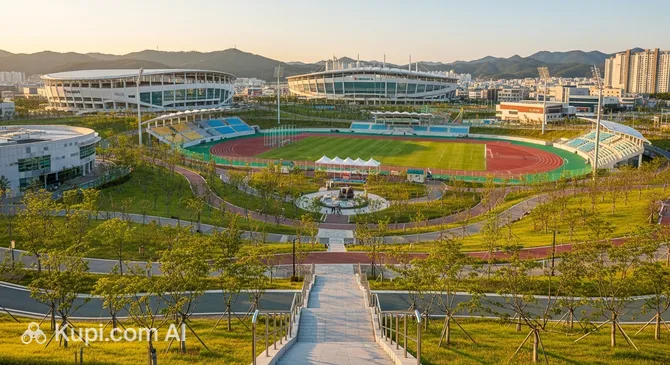
Another excellent spot for outdoor activities is Daegami Sports Park. While it serves as a functional space for local sports enthusiasts, its well-maintained grounds offer a glimpse into the daily life of Chungju's residents. It provides a spacious environment for jogging or simply enjoying the outdoors away from the busier tourist centers.

Daegami Sports Park. Source: Kupi.Binoculars

To delve deeper into the region's culture, the Chungju Museum is a must-visit. Located near the famous Central Pagoda, this institution houses a comprehensive collection of artifacts ranging from the prehistoric era to the Joseon Dynasty. It is particularly noted for its exhibits on the Three Kingdoms period, highlighting Chungju's strategic importance as a battleground and cultural melting pot. The museum grounds also feature outdoor exhibits of stone pagodas and monuments, blending history with a pleasant park-like setting.

Chungju is also the home of Taekkyeon, a traditional Korean martial art, and this heritage is celebrated at the World Martial Arts Museum. Situated within the World Martial Arts Park, this facility offers an interactive look at the history of martial arts not just in Korea, but around the globe. Visitors can learn about the fluid, dance-like movements of Taekkyeon and explore displays of weapons and uniforms from various cultures. For a different kind of cultural experience, the Liquorium (World Liquor Museum) offers a fascinating journey into the history of fermentation and distillation, showcasing drinking cultures from around the world right by the scenic Chungju Lake.

History enthusiasts should not miss the Chungju Goguryeo Monument, a significant archaeological treasure. It is the only surviving stone stele from the Goguryeo Kingdom on the Korean peninsula, providing vital insights into ancient history. Another landmark is the Seven-Story Stone Pagoda (Jungangtap), which stands majestically near the museum. Erected during the Unified Silla period, it marks the geographic center of the country and serves as a symbol of balance and unity.

For a truly authentic local experience, try visiting the Chungju Traditional Market. Wandering through its bustling alleys offers a sensory overload of sights and smells, from fresh local produce to steaming street food snacks. It is an excellent way to connect with the local rhythm of life before retreating back to the serenity of the city's parks.

Getting Around

Navigating Chungju is relatively straightforward, though it differs significantly from the bustling metropolises of the peninsula. Unlike larger cities, Chungju does not have a metro or subway system. The primary mode of public transportation within the city is the bus network, which connects the central districts with residential areas, tourist attractions, and the outskirts. For most visitors, a combination of buses and taxis will be the most efficient way to get around.

The city bus system is the backbone of local transit. Buses are generally numbered and color-coded, with green buses serving the main city routes. While the network is extensive, frequencies can vary; buses in the city center run frequently, typically every 15 to 20 minutes, but routes heading to more remote locations like Suanbo Hot Springs or specific hiking trails may run less often. It is highly advisable to check the schedule in advance or use a navigation map app to track arrival times.

For payment, the most convenient option is to use a rechargeable transportation card, such as T-money or Cashbee. These cards are widely used across the region and can be purchased and topped up at any major convenience store like CU, GS25, or 7-Eleven. Using a card is slightly cheaper than paying with cash and allows for free or discounted transfers between buses if you tap your card again when exiting. The fare for a standard city bus ride is approximately 1,500 KRW. If you choose to pay with cash, ensure you have small bills or coins, as drivers may not always have change for large denominations.

Buses typically operate from around 6:00 AM until 10:30 PM. Since late-night bus services are limited, tourists exploring the nightlife or dining late should plan an alternative way back to their accommodation. When boarding, enter through the front door and tap your card on the reader; when getting off, exit through the rear door and tap your card again to ensure the correct fare is calculated and transfer discounts are applied.

Taxis are a popular and affordable alternative, especially for those traveling in small groups or carrying luggage. You can easily hail a silver or white taxi on the street, or find them waiting at designated stands near bus terminals and major landmarks. For greater convenience, the Kakao T app allows you to request a ride without needing to speak the local language. Base fares start at around 3,300 to 4,000 KRW, making it a cost-effective option for short distances within the city center.

For a more scenic and leisurely mode of transport, renting a bicycle is a fantastic option, particularly around the Tangeum Lake area. The city has developed excellent cycling paths along the river, allowing visitors to explore the waterfront at their own pace. While not a practical solution for cross-town travel, it is perfect for sightseeing. Additionally, the Chungju Lake Ferry offers a unique travel experience, functioning less as a commuter service and more as a moving vantage point to admire the stunning cliffs and water landscapes.

Accommodation

Where to Stay:

Accommodation in Chungju caters to a diverse range of travelers, offering everything from practical city hotels to relaxing nature resorts. The options generally fall into three main categories: convenient business hotels in the city center, budget-friendly motels, and leisure-focused resorts located near the major natural attractions. Unlike the ultra-luxury high-rises found in the capital, the hospitality scene here is more grounded, focusing on comfort, accessibility, and access to the region's scenic beauty.

For those prioritizing transport connections and urban amenities, the city center (downtown) is the most practical area to stay. Being close to the Chungju Bus Terminal ensures easy access to intercity travel and local bus routes. This area is populated with modern business hotels and numerous motels, making it a convenient base for travelers who plan to explore different parts of the city during the day and enjoy the local dining scene at night.

Tourists seeking a unique wellness experience often prefer the Suanbo Hot Springs district. Located about 20 kilometers southeast of the city center, this area is famous for its natural mineral waters. It serves as a dedicated resort town featuring larger tourist hotels, condominiums, and traditional inns where hot spring baths are often directly accessible or available onsite. It is particularly popular among families and those looking to unwind after hiking in the nearby mountains.

When planning your trip, it is advisable to book accommodation in advance, especially if you intend to visit the Suanbo area during the winter peak season or on weekends. While walk-ins are often possible at smaller motels in the city center, popular resorts fill up quickly. Prices in Chungju are generally reasonable compared to major metropolitan areas, with budget stays available for economical travelers and mid-range options providing excellent value for money. Most major hotels can be booked via international online platforms, though some smaller traditional guesthouses may rely on local booking engines or direct inquiries.

Nearby Cities

For those looking to explore the surroundings, Chungju serves as an excellent base for day trips to several interesting nearby locations:

City Population Distance (km)
Daejeon 1,475,221 85
Icheon 1,076,369 54
Seongnam 948,757 85
Cheongju 833,276 56
Cheonan 651,661 73

One of the most accessible destinations is Cheongju, located just under an hour away. As the provincial capital, it offers a mix of urban convenience and historical depth. Visitors can hike along the walls of the impressive Sangdangsanseong Fortress or visit the Early Printing Museum, which celebrates the city's role as the birthplace of the world's oldest movable metal type print, the Jikji.

To the northwest lies Icheon, a city renowned for its rich tradition of ceramic arts. A member of the UNESCO Creative Cities Network, Icheon is the perfect place to explore traditional pottery villages. Travelers can visit master kilns, browse unique ceramic shops, and even participate in pottery-making workshops, making it a culturally immersive day trip.

For a more bustling urban experience, Daejeon serves as a major transportation and science hub in the region. It is home to the National Science Museum and the expansive Expo Park. Additionally, the city features the Yuseong Hot Springs district, offering a different style of relaxation compared to Chungju's Suanbo, set within a vibrant city atmosphere.

These nearby destinations offer a glimpse into the diverse culture and landscapes of the region.

Shopping & Souvenirs

Shopping

Shopping in Chungju offers a delightful mix of authentic local experiences and modern convenience. While the city may not have the massive luxury department stores found in the capital, it compensates with a vibrant local commerce scene that reflects the region's character. Visitors can explore bustling traditional markets, lively pedestrian streets, and well-stocked retail centers to find everything from unique souvenirs to daily travel essentials.

The heart of the local trade is undoubtedly the Chungju Traditional Market. This sprawling marketplace is more than just a place to buy goods; it is a sensory experience where you can observe the daily lives of the residents. Stalls are piled high with fresh seasonal vegetables, seafood, and household items. The market is the best place to purchase the city's most famous specialty: Chungju apples. Renowned across the country for their high sugar content and crisp texture, these apples are a must-buy. Vendors also sell apple-based products, such as fresh juice and apple bread, which make for excellent gifts.

For those interested in fashion and cosmetics, the Seongseo-dong district serves as the city's main downtown shopping area. Often referred to as the "Youth Street" or "Fashion Street," this pedestrian-friendly zone is lined with brand-name apparel stores, sportswear outlets, and popular Korean beauty shops. It is a lively spot where locals gather to shop for the latest trends, and the area comes alive in the evening with neon lights and a bustling atmosphere.

Travelers looking for practical items or a one-stop shopping experience can visit the large hypermarkets located in the city, such as E-Mart and Lotte Mart. These multi-story complexes are perfect for stocking up on groceries, toiletries, and Korean snacks to take home. Additionally, look out for local specialty shops selling apple wine and traditional liquors, which are distinctive to the North Chungcheong Province and serve as sophisticated souvenirs of your trip.

Reached the end of the page?

That means the route is fully explored