Support

Yeosu

About

Yeosu is a captivating port city that perfectly blends maritime beauty with modern vibrancy. Famous for its romantic night seascape, often immortalized in popular culture and songs, it serves as a major tourist hub known for its scenic ocean views and relaxing atmosphere.

Situated in the South Jeolla Province, this coastal gem is located on the southern tip of Korea, Republic Of. With a population of approximately 340,000 residents, the city encompasses a peninsula and hundreds of surrounding islands, creating a stunning archipelago landscape. Thanks to its geographical location, Yeosu enjoys a mild maritime climate, making it a pleasant destination to visit throughout the year.
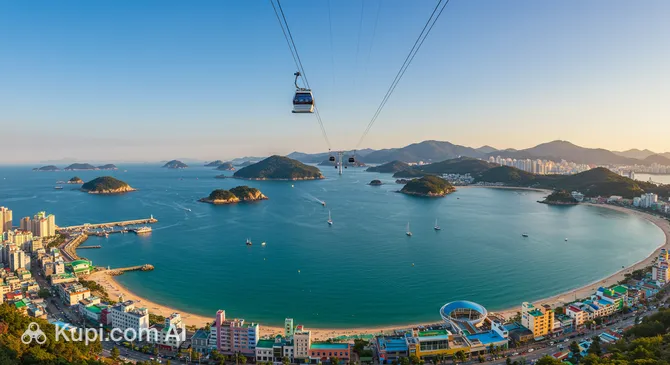
Yeosu. Source: Kupi.Binoculars

The city has played a pivotal role in naval defense throughout the centuries, particularly during the Joseon Dynasty. Visitors interested in the history of Yeosu will find fascinating tales of Admiral Yi Sun-sin and the legendary Turtle Ship, which are deeply ingrained in the local heritage. In more recent times, the city gained global recognition by successfully hosting the 2012 World Expo, transforming its waterfront into a dynamic cultural space.

Travelers are drawn to the scenic Odongdo Island, famous for its blooming camellias and lush walking trails. The Yeosu Maritime Cable Car offers breathtaking aerial views of the open sea and the illuminated Dolsan Bridge at night. The "Yeosu Night Sea" is a must-see spectacle that defines the city's romantic allure, especially when viewed from the vibrant pojangmacha (street food) district along the water.

Whether you are looking for fresh seafood, historical sites, or simply a relaxing walk along the illuminated waterfront, Yeosu promises an unforgettable escape. It is a destination that truly comes alive after sunset, inviting everyone to enjoy its unique coastal charm.

Weather Overview

The city experiences a mild maritime climate with four distinct seasons, heavily influenced by its coastal location. For those planning a trip, checking the current weather in Yeosu is recommended to pack appropriately. Generally, the area enjoys comfortable transitions between the seasons, making it accessible year-round.

Winter, spanning from December to February, is the coldest and driest time of the year. January typically sees average temperatures around 2.4°C, with lows occasionally dipping to -1.3°C. Precipitation is minimal during this period, with only about 4 to 5 wet days per month, ensuring mostly clear skies for winter sightseeing.

In contrast, the summer months of June through August are significantly warmer and more humid. August is usually the hottest month, with average highs reaching 29.1°C. Travelers should be prepared for rain during this season, as July and August can experience up to 17 wet days each. Overall, you can expect warm, humid summers with frequent rainfall and cold, dry winters.

Spring and autumn offer the most balanced conditions for outdoor activities. May and October are particularly pleasant, with average temperatures hovering between 16.8°C and 17.9°C. These months provide a comfortable climate perfect for exploring the islands and coastal trails without the extremes of summer heat or winter chill.

Interesting Facts

Beyond its famous night seascape and romantic atmosphere, Yeosu holds many fascinating secrets and historical footnotes that often escape the casual traveler. From legendary rock formations to rare geological features, the city offers unique stories waiting to be discovered.
  • One of the city's most spiritual sites, Hyangiram Hermitage, is famous for more than just its sunrise views. To reach the main sanctuary, visitors must squeeze through seven narrow rock crevices; local legend promises that anyone who successfully navigates all these stone gates will have one heartfelt wish granted.

  • Yeosu is home to the only black sand beach in Korea, known as Manseongri Black Sand Beach. The dark, volcanic sand is not just visually striking but is traditionally believed to have therapeutic properties, with locals often burying themselves in it during the summer to soothe neuralgia and skin conditions.

  • The vibrant red Hamel Lighthouse marks a significant point of connection between Korea and Europe. It commemorates Hendrik Hamel, a Dutch sailor who was shipwrecked in the 17th century; this spot represents where he and his crew escaped after 13 years, eventually publishing the first Western account of the "Hermit Kingdom."

  • While the Turtle Ship is a well-known symbol of Korean naval history, few realize that these iron-clad warships were constructed right here at the Admiral Yi Sun-sin Shipbuilding Site. This location served as the strategic heart of the Jeolla Left Naval Station, making it the true birthplace of the legendary fleet that defended the nation.

Hyangiram Hermitage. Source: Kupi.Binoculars

How to Get There

Reaching this southern coastal city is convenient thanks to a variety of transport options connecting it to major hubs across the country. Whether you prefer flying or taking the train, you can find all ways to reach the city and plan the route that best suits your itinerary.

The most direct way to arrive by air is via Yeosu Airport (RSU), which is located within the city limits, approximately 10 km from the center. It serves as a convenient regional hub, and a taxi ride to the downtown area typically takes around 35 minutes. For international travelers, a common alternative is to fly into Gimhae International Airport (PUS) in the city of Busan. Although it is a larger transport hub, it is situated about 125 km away from Yeosu; the journey by road from there generally takes about 3.5 hours.

For clarity, here is a summary of the main airports:

Airport Name City Passenger Traffic Km from City
Gimhae International AirportBusanHigh125.4
Gwangju AirportGwangjuMedium87.9
Yeosu AirportYeosuMedium10.0
Muan International AirportGwangjuSmall119.8
Sacheon AirportJinjuSmall52.0

Traveling by train is another excellent option, offering scenic views of the Korean countryside. The primary gateway is Yeosu Expo Station, which is centrally located just 7.9 km from the heart of the city. As the terminus of the Jeolla Line, it frequently welcomes high-speed KTX trains from Seoul and other major cities. Upon arrival, a taxi or bus ride to most central attractions takes only about 32 minutes, making it a highly accessible starting point for your visit.

Below is a list of relevant railway stations in the region:

Station City Passenger Traffic Km to Center
Dongdaegu StationDaeguVery High152.0
Gwangju Songjeong StationGwangjuHigh90.0
Mokpo StationMokpoMedium116.9
Yeosu Expo StationYeosu7.9
Jinju StationJinju60.0

Main Attractions

Yeosu is a destination where nature, history, and modern entertainment converge, offering visitors a diverse range of experiences. From walking through lush camellia tunnels to soaring above the ocean, the city's main sights capture the essence of its maritime charm. Here are some of the most compelling places to explore during your visit.

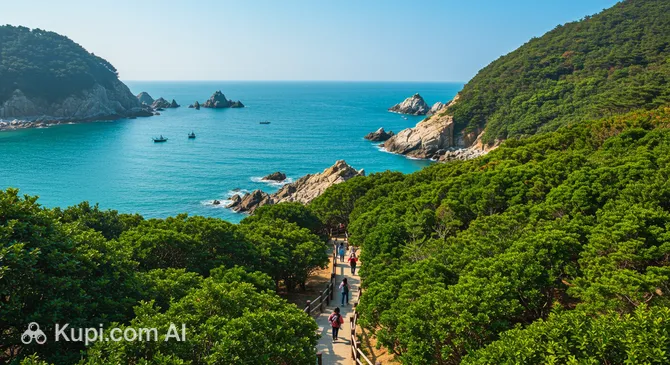
A true jewel of the city is Odongdo Island (Hallyeohaesang National Park), accessible via a long breakwater or a short camellia train ride from the mainland. Known as the "Island of Love," it is famous for its thousands of wild camellia trees that bloom vividly from winter to spring. Tourists love wandering the network of wooden boardwalks that wind through the dense forest, leading to a white lighthouse and rocky cliffs that offer sweeping views of the South Sea.

Odongdo Island (Hallyeohaesang National Park). Source: Kupi.Binoculars

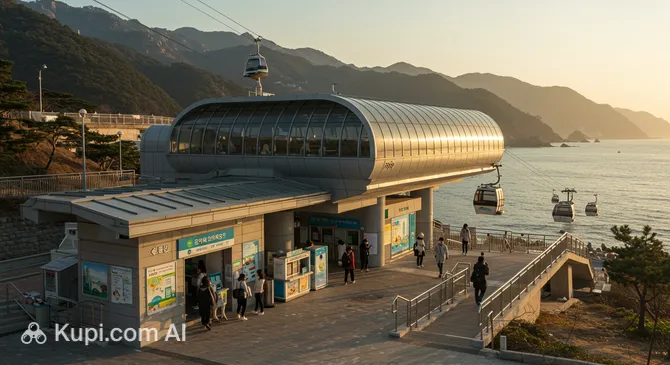
For the best panoramic vantage point, a trip to the Yeosu Cable Car Dolsan Station is essential. This attraction marks Korea's first maritime cable car, connecting Dolsan Island with the mainland over the open water. Riders can choose between standard cabins or crystal cabins with transparent floors for a thrilling perspective. It is particularly popular at sunset and night, when the illuminated Dolsan Bridge and the city lights reflect beautifully on the dark water.

Yeosu Cable Car Dolsan Station. Source: Kupi.Binoculars

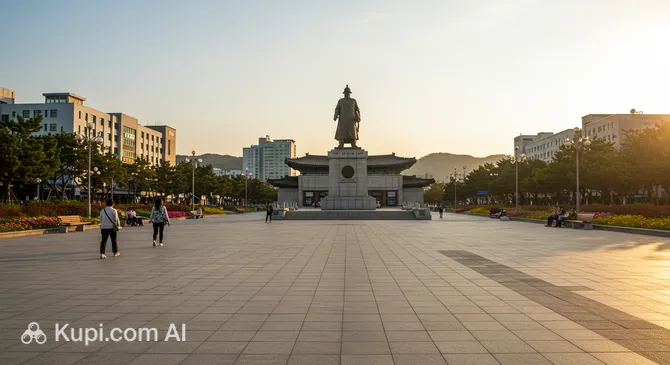
Located in the heart of the harbor area, Yi Sun-sin Square serves as a central gathering place and a tribute to Korea's greatest naval hero. The square features a prominent statue of Admiral Yi Sun-sin and a life-sized replica of the Turtle Ship, which visitors can enter to learn about naval history. It is a fantastic spot to enjoy the sea breeze, watch the boats in the harbor, and sample local street food, including the famous baguette burgers.

Yi Sun-sin Square. Source: Kupi.Binoculars

Families and marine life enthusiasts should not miss the Yeosu Aquarium, often referred to as Aqua Planet Yeosu. As one of the largest aquariums in the country, it showcases a vast array of marine species, including the rare and beloved Beluga whales. The facility is divided into different zones such as Marine Life, Aqua Forest, and Ocean Life, providing an educational and immersive underwater journey that highlights the rich biodiversity of the ocean.

Local Cuisine

Yeosu is widely recognized as a gastronomic paradise, where the abundance of the South Sea meets the rich culinary traditions of the South Jeolla Province. The city's food culture is defined by its freshness, with a heavy emphasis on seafood caught daily from the surrounding waters. For many travelers, a trip here is as much about the "gastronomic tour" as it is about sightseeing, offering a chance to savor bold flavors and unique local ingredients.

The most iconic dish of the city is undoubtedly Gejang (marinated raw crab), which draws visitors from all over the country. It is typically served in two varieties: Ganjang Gejang, marinated in a savory soy sauce, and Yangnyeom Gejang, covered in a spicy chili pepper sauce. To experience this local delicacy, you can visit Crispy Crab Village, a popular establishment known for serving generous portions of crab that perfectly capture the authentic taste of the region.

For those interested in the source of these fresh ingredients, the Yeosu Fish Market is an essential stop. This bustling market allows visitors to see tanks filled with live fish, octopus, and shellfish. It is a vibrant spot where you can select fresh seafood and have it prepared as hoe (sashimi) on the spot, enjoying the lively atmosphere of the port.

Another must-try specialty is Dolsan Gat-kimchi, a type of kimchi made from mustard leaves grown exclusively on Dolsan Island. Known for its distinct pungent aroma and crisp texture, it is often served as a side dish or bought as a souvenir. Visitors should also look for Seodae-hoe, a dish of raw tongue sole fish seasoned with a tangy and spicy vinegar paste, which offers a refreshing flavor that pairs beautifully with rice.

As the sun sets, the city's dining scene shifts to the waterfront, famous for its "Romantic Pocha" (street stall) culture. These outdoor eateries offer a festive environment to enjoy food and drinks against the backdrop of the illuminated night sea. A signature dish here is the Yeosu Samhap, a grilled trio of pork belly, seafood, and kimchi. 41 Beon Pocha is one of the notable spots where you can immerse yourself in this energetic nightlife and taste the local favorites.

For a more traditional dining experience, Soonine's Table offers a cozy setting to enjoy hearty home-style meals. Restaurants like this are perfect for sampling a wide array of banchan (side dishes) and experiencing the warm hospitality that characterizes southern Korean cuisine.

Travel Tips

Yeosu is a delightful coastal destination that offers a perfect mix of relaxation and adventure. To ensure your journey through this romantic port city is as smooth as the calm waters of the South Sea, here are some essential practical tips to keep in mind.

  1. Clothing and Gear: Summers are hot and humid, so lightweight, breathable fabrics are essential, while winters can be chilly, requiring warm layers and a windbreaker to protect against the coastal breeze. Since exploring attractions like Odongdo Island involves a fair amount of walking, bring comfortable sneakers, and remember that Korea, Republic Of uses Type C and F power outlets, so a universal adapter is necessary.
  2. Transportation: The city has a reliable bus system, but for tourists, taxis are an affordable and convenient way to navigate between scattered attractions. Downloading Kakao T is highly recommended for hailing rides, and since Google Maps can be limited in the country, use Naver Map or KakaoMap for accurate navigation and bus schedules.
  3. Finances: The local currency is the Korean Won (KRW). While international credit cards are widely accepted at most restaurants, cafes, and hotels, it is crucial to carry cash for recharging transportation cards (T-money), buying tickets at smaller vendors, and enjoying the famous street food at the pojangmacha stalls.
  4. Health and Safety: Yeosu is a very safe city for travelers, even for those walking alone at night. Pharmacies, easily identified by a "약" (Yak) sign, are plentiful for minor ailments, and tourists can dial 1330 for a 24-hour travel helpline that provides medical information and translation services in English.
  5. Communication: While staff at major hotels and tourist sites often speak English, it is not universally spoken in smaller shops or by taxi drivers. Installing a translation app like Papago is incredibly useful for smooth communication, and renting a portable Wi-Fi egg or buying a SIM card upon arrival is recommended to stay connected.
  6. Local Etiquette: Politeness is highly valued; a slight bow is the standard greeting, and you should always use two hands when giving or receiving items (like money or credit cards) as a sign of respect. Additionally, be prepared to remove your shoes when entering traditional guesthouses or restaurants with floor seating.
  7. What to Avoid: Avoid talking loudly on public buses or trains, as commuting is considered a quiet time. Also, never leave your chopsticks sticking vertically into a bowl of rice during a meal, as this resembles a funeral ritual and is considered widely offensive.
  8. City Specific: Embrace the local nightlife culture along the waterfront. The area near the Hamel Lighthouse comes alive at night with "Romantic Pocha" street stalls; unlike regular dining, these spots often have a queue, so arriving a bit earlier than peak dinner time (around 6:00 PM) can help you secure a seat with a great view.

With these practical tips in hand, you are all set to explore the charming streets and scenic islands of Yeosu without a hitch. May your trip be filled with delicious seafood, breathtaking sunsets, and unforgettable memories by the sea.

Entertainment & Nightlife

Beyond its scenic landscapes and historical sites, the city offers a variety of modern entertainment options that cater to travelers of all ages. From immersive art exhibitions to thrilling rides, there are plenty of ways to add excitement to your itinerary.

A highlight for art enthusiasts is the Arte Museum Yeosu, a massive immersive media art exhibition space. Located near the Expo site, this facility uses cutting-edge digital technology to create breathtaking visual displays centered around the theme of "Ocean." Visitors can wander through darkened halls illuminated by vibrant projections of crashing waves, blooming flowers, and surreal landscapes, making it a perfect spot for memorable photos.

For those seeking a more active experience, the Yeosu Luge Theme Park provides a fun-filled adventure for families and friends. The park features a gravity-fueled luge track where riders can zip down a winding course with views of the city and sea. It is part of a larger entertainment complex that often includes other attractions, making it a popular destination for a half-day of energy and excitement.

Travelers looking to relax or enjoy water activities can visit The Ocean Resort. This facility is well-known for its water park, which operates seasonally, and its sauna and spa facilities that offer sweeping views of the archipelago. It serves as a great place to unwind after a day of sightseeing, allowing visitors to soak in warm waters while gazing out at the calm blue sea.

As evening falls, the Yeosu Maritime Park becomes a hub of local culture and leisure. The promenade along the waterfront is a favorite spot for walking, often accompanied by the sounds of buskers performing against the backdrop of the illuminated night sea. It captures the romantic atmosphere the city is famous for, offering a laid-back environment to enjoy the cool ocean breeze.

Parks & Museums

While the city is famous for its shimmering ocean views, it also boasts a wealth of green spaces and cultural institutions that offer a deeper understanding of the region's heritage. From scenic hilltops overlooking the harbor to museums dedicated to marine life and history, there are plenty of places to explore the quieter side of this coastal hub.

One of the most popular vantage points in the city is Dolsan Park. Located at the entrance to Dolsan Island, this park sits on a hill facing the city center, providing spectacular panoramic views of the harbor and the iconic Dolsan Bridge. It is particularly enchanting at night when the bridge is illuminated with changing colors, making it a favorite spot for evening strolls and photography.

For those seeking a more modern recreational space, Ungcheon Beach Park offers a perfect blend of urban convenience and seaside relaxation. This artificial beach features soft sand and clear waters, along with a well-maintained wooden deck and camping ground. It is a hub for water sports and picnics, allowing visitors to enjoy the coastal atmosphere right in the heart of the city's developing district.

To dive into the region's ecological background, a visit to the Maritime and Fisheries Science Museum is highly recommended. The museum showcases the diverse marine life of the Southern Sea through large aquariums and extensive exhibits on fishing history and technology. It provides an educational experience for all ages, highlighting the importance of the ocean to the local way of life.

The city also preserves the memory of significant historical figures. The Reverend Son Yangwon Martyr Memorial Hall is a touching tribute to a local pastor known for his incredible acts of forgiveness and love during turbulent times in modern Korean history. The museum displays his personal artifacts and tells a moving story of sacrifice that resonates with many visitors.

History buffs should not miss the Admiral Yi Sun-sin Shipbuilding Site. This location is historically significant as the place where the legendary Turtle Ships were constructed and repaired during the Imjin War. Walking through this site offers a tangible connection to the naval strategies that defended the nation centuries ago.

For a unique excursion just outside the main city center, consider visiting Daraengi Village. Famous for its stunning terraced rice paddies that seem to drop directly into the sea, this picturesque village offers breathtaking coastal scenery and a glimpse into traditional farming life on the steep southern slopes.

Getting Around

Navigating Yeosu is relatively straightforward, even though the city does not have a metro system. The public transport network relies primarily on a well-connected fleet of city buses and an abundance of affordable taxis. For most tourists, a combination of these two methods, along with walking in the central harbor area, is the most efficient way to get around.

The city bus system covers all major attractions, residential areas, and the train station. Buses are generally color-coded: blue for regular city routes and green for village buses that serve more remote or narrow areas. While the bus network is extensive, intervals between buses on some routes can be long, so checking schedules in advance is advisable. For visitors wanting to hit the main sights without the hassle of navigation, the Yeosu City Tour Bus is an excellent option. It operates on specific courses, such as the Night View Course or the History Course, taking passengers directly to popular landmarks like Odongdo Island and Hyangiram Hermitage.

To pay for transit, the most convenient method is using a rechargeable transportation card, such as T-money or Cashbee. These cards can be purchased and topped up at any major convenience store (GS25, CU, 7-Eleven) found throughout the city. A standard bus fare is approximately 1,500 KRW to 1,700 KRW. Using a card not only offers a small discount compared to paying with cash but also allows for free transfers between different bus routes within 60 minutes. Remember to tap your card on the sensor both when boarding and when exiting to ensure the transfer discount is applied.

Taxis are a popular alternative, especially for travelers with luggage or those moving in groups. You can easily hail silver or white taxis on the street, or find them waiting at designated stands near the Yeosu Expo Station and bus terminals. The base fare is reasonable, making it a cost-effective choice for short distances. For ease of use, downloading the Kakao T app is highly recommended; it allows you to request a ride without needing to speak Korean and lets you track your journey in real-time.

For those who prefer a more active way to explore, the city operates a public bicycle rental system known as Yeosu U-Bike. Stations are located across the city, particularly along the waterfront and near the Expo grounds. It is an affordable and scenic way to travel along the coast, especially during the milder spring and autumn months.

A unique form of transport that doubles as a tourist attraction is the Yeosu Maritime Cable Car. While primarily scenic, it serves as a functional link between Dolsan Island and the mainland (Jasan Park), allowing visitors to cross the harbor through the air rather than by road. It operates until late at night, offering a spectacular way to move between these two key areas while enjoying the illuminated cityscape.

Accommodation

Accommodation:

Finding the perfect place to stay in Yeosu is easy, as the city offers a diverse range of accommodation options to suit every travel style and budget. From luxurious resorts with infinity pools overlooking the ocean to cozy guesthouses and budget-friendly hostels, visitors can choose the setting that best fits their itinerary. A unique feature of the local accommodation scene is the abundance of "pensions" (holiday rental homes), many of which are located along the coast and offer private amenities like spas and barbecue facilities.

For those prioritizing convenience and accessibility, staying near the Yeosu Expo Station and the central harbor area is highly recommended. This location places you within walking distance of major attractions like the Aqua Planet and the Big-O Show, and offers easy access to public transport. Alternatively, travelers seeking a more resort-like atmosphere often head to Dolsan Island. Connected to the mainland by a bridge, this area is famous for its boutique resorts and pool villas that offer stunning sunrise and sunset views over the water.

If you are looking for a luxurious escape with breathtaking scenery, the city boasts several high-end resorts. Le Grand Bleu Resort is a popular choice, known for its expansive infinity pool that seems to merge with the horizon of the South Sea. It provides a tranquil environment perfect for relaxation after a day of exploring.

Another excellent option for a comfortable stay is Vigor Resort, which offers modern facilities and spacious rooms designed to maximize ocean views. These types of accommodations are particularly favored by couples and families who want to enjoy the "Yeosu Night Sea" atmosphere in comfort and style.

When planning your trip, keep in mind that Yeosu is a favorite domestic travel destination, especially during the summer months and on weekends. Prices can vary significantly depending on the season, with budget guesthouses starting at reasonable rates and luxury pool villas commanding higher prices. To secure the best rooms and rates, it is strongly advised to book your accommodation well in advance using major online booking platforms.

Nearby Cities

For those looking to explore the surroundings, Yeosu serves as an excellent base for day trips to several interesting nearby locations. One of the most culturally rich destinations nearby is **Gwangju**, located about 85 km away. Known as the city of art and light, it is famous for the Asia Culture Center and the scenic Mudeungsan National Park. It serves as a great spot for travelers interested in modern art exhibitions and delicious regional cuisine, particularly the elaborate Jeolla-style table d'hôte. For a deep dive into traditional Korean culture, **Jeonju** is a highly recommended stop. Famous for its sprawling Hanok Village, where visitors can wear traditional Hanbok and wander through historic alleyways, it is also celebrated as the birthplace of Bibimbap. The city offers a unique atmosphere that contrasts beautifully with the coastal vibe of Yeosu. Although a bit further away, **Busan** is accessible for those willing to make a longer journey. As Korea's second-largest city, it boasts famous attractions such as Haeundae Beach, the colorful Gamcheon Culture Village, and the bustling Jagalchi Fish Market, offering a dynamic mix of metropolitan energy and seaside charm.
City Population Distance (km)
Busan3,453,198137
Gwangju1,490,09285
Changwon1,046,054105
Jeonju631,532129
Gimhae550,758123
These nearby destinations offer a glimpse into the diverse culture and landscapes of the region, allowing travelers to expand their itinerary beyond the immediate coast.

Shopping & Souvenirs

Shopping in Yeosu

Shopping in Yeosu offers a delightful mix of traditional coastal charm and modern convenience. While the city is not primarily known as a high-end fashion destination like Seoul, it excels in providing authentic local products and a relaxed retail atmosphere. Visitors can expect to find everything from bustling seafood markets rich with local flavor to convenient shopping complexes and quaint souvenir shops near major tourist attractions.

The most vibrant commercial hub for tourists is the area surrounding Yi Sun-sin Square and the Jungang-dong district. This central part of the city is walkable and lined with a variety of trendy cafes, bakeries, and small boutiques. It is the perfect place to stroll after visiting the harbor, offering a chance to buy local handicrafts or try famous street snacks like the Yeosu baguette burger.

For those looking for a modern shopping experience with familiar brands, Lotte Mall Yeosu is the key destination. Located in the Guk-dong area, south of the main harbor, this complex serves as a one-stop spot for fashion, cosmetics, and groceries. It houses a department store, a cinema, and Lotte Mart, a large hypermarket where travelers can easily stock up on daily necessities and popular Korean snacks.

Traditional markets are the heart and soul of the city's shopping scene. The Yeosu Fish Market is an essential stop, not just for sightseeing but for purchasing high-quality dried seafood, which is a regional specialty. Just across the street lies the Yeosu Seo Market (West Market), a historic market where you can find a wider array of goods, including clothing, household items, and traditional Korean treats, all at reasonable prices.

When searching for souvenirs, local food specialties are the most popular choice. Dolsan Gat-kimchi (mustard leaf kimchi) is the city's signature product, known for its unique spicy and pungent flavor; it is widely available in vacuum-sealed packaging suitable for transport. Other excellent gifts include dried anchovies and seaweed harvested from the clean southern waters, as well as camellia oil cosmetics inspired by the famous Odongdo Island.

Standard operating hours for most shops in the city center are from 10:00 AM to 9:00 PM or 10:00 PM. Traditional markets often start their day much earlier, with some stalls opening at dawn, though they may close a bit earlier in the evening. Major international credit cards are widely accepted in malls, convenience stores, and most restaurants, but it is advisable to carry cash when shopping at small market stalls or street vendors.

Tax-free shopping is available for international tourists at major supermarkets and designated stores displaying the "Tax Refund" or "Global Tax Free" signage. If you make a purchase over a certain amount (usually 30,000 KRW), remember to present your passport to receive a VAT refund voucher, which can be processed at the airport or select refund counters in the city.

Reached the end of the page?

That means the route is fully explored