Support

Fukuoka

About

Fukuoka is a vibrant and energetic metropolis serving as the gateway to the island of Kyushu. As one of the most dynamic cities in Japan, it effortlessly blends the convenience of modern urban life with a rich cultural heritage and a relaxed seaside atmosphere. Known for its welcoming spirit, the city offers travelers a unique mix of ancient traditions and contemporary style.

Geographically situated on the northern shore of Kyushu, the city faces the Genkai Sea, a location that has historically made it a vital hub for trade and cultural exchange with the Asian mainland. With a population exceeding 2.2 million, it is a bustling economic center that still manages to retain a friendly, community-focused vibe. The history of Fukuoka is particularly fascinating, as the modern city was formed by the merger of two distinct towns: the castle town of Fukuoka and the merchant port of Hakata.

Fukuoka. Source: Kupi.Binoculars

Visitors are often drawn to the city's unique culinary scene, particularly its famous open-air food stalls known as yatai. These charming riverside stalls offer delicious local specialties like Hakata ramen and provide a great way to mingle with locals. Beyond the food, the city boasts impressive attractions such as the serene Ohori Park, featuring a beautiful pond that was once part of the castle moat, and the futuristic Canal City Hakata, a "city within a city" perfect for shopping and entertainment.

Whether you are exploring ancient shrines, enjoying the nightlife, or simply taking a stroll along the waterfront, Fukuoka promises an unforgettable experience. It is a destination that perfectly captures the harmony between the old and the new, making it a must-visit spot for any traveler exploring the region.

Weather Overview

Travelers planning a trip to this dynamic city can expect a temperate climate with four distinct seasons, offering a variety of experiences depending on when you visit. For a detailed breakdown of what to pack and expect during your stay, you can consult the guide to the weather in Fukuoka. Generally, the city experiences hot, humid summers and mild winters, making it a year-round destination.

Winter in Fukuoka is relatively moderate compared to many other parts of Japan. In January, the average temperature is around 6.5°C, with lows rarely dropping below freezing. While snow is infrequent, the winter months typically see about 10 to 11 wet days, so carrying an umbrella is advisable. As the season shifts to spring, the weather becomes increasingly pleasant; by April, daily averages rise to a comfortable 14.6°C, creating ideal conditions for viewing cherry blossoms.

Summer brings heat and higher humidity levels. August is usually the hottest month, with average highs reaching 30.1°C and daily averages around 27.6°C. Visitors should also be prepared for the rainy season, particularly in July, which records the highest frequency of precipitation with approximately 19 wet days. The heat begins to subside in autumn, with October offering refreshing averages of 18.9°C, perfect for exploring the city's parks and outdoor attractions.

Interesting Facts

Beyond the main attractions, Fukuoka holds many fascinating secrets that reveal the city's complex identity. From ancient legends to unique urban quirks, these details offer a deeper glimpse into the local character that often escapes the casual observer.
Dazaifu Tenmangu Shrine. Source: Kupi.Binoculars
  • A Tale of Two Cities: Modern Fukuoka was actually formed by the merger of two distinct towns in 1889: the samurai castle town of Fukuoka and the merchant port of Hakata. This historical division explains why the city bears one name while its central rail hub is still famously known as Hakata Station, a compromise that keeps the identity of the old merchant district alive.

  • The Legend of the Flying Plum: The Dazaifu Tenmangu Shrine is home to a sacred plum tree known as Tobiume. According to local lore, this tree missed its exiled master, the scholar Sugawara no Michizane, so much that it flew through the air from Kyoto to reunite with him. It is traditionally the first tree to blossom in the shrine's grounds every spring.

  • The Last Yatai Stronghold: While traditional street food stalls have largely vanished from other Japanese metropolises due to strict regulations, Fukuoka remains the sanctuary of yatai culture. It is one of the few places in Japan where these open-air mobile restaurants are legally protected and regulated, preserving a nostalgic atmosphere where locals and visitors dine shoulder-to-shoulder.

  • Walls Against an Empire: Scattered along the coastline of Hakata Bay are the remnants of massive stone walls built in the 13th century. These fortifications were constructed to defend Japan against the Mongol invasions led by Kublai Khan, serving as a quiet historical reminder of the time this city was the frontline of national defense.

How to Get There

Reaching this dynamic hub on the island of Kyushu is convenient thanks to its excellent transport connections. Whether you are arriving by air from overseas or taking a high-speed train from another part of Japan, the city is well-integrated into the national and international network. For a comprehensive overview of all travel options, you can read more about how to get to Fukuoka in our detailed guide.

The most direct entry point is Fukuoka Airport (IATA: FUK), which is renowned for its incredible proximity to the downtown area. Located just 4.6 km from the city center, it allows travelers to reach their accommodation very quickly. A taxi ride typically takes around 27 minutes, making it one of the most accessible major airports in the country. It serves as a significant hub with high passenger traffic, connecting the region to numerous domestic and international destinations.

If flights to the main airport are unavailable, you can consider Saga Airport (HSG) in the neighboring city of Saga, situated approximately 49.7 km away. The journey by taxi or bus from there would take around 95 minutes. Another viable option is Kitakyushu Airport (KKJ) in Kitakyushu, which is about 65.2 km from Fukuoka. Traveling from Kitakyushu takes approximately 118 minutes by road. While further afield, these regional airports offer good alternatives for accessing the northern Kyushu area.

For clarity, here is a summary of the main airports:

Airport Name City Passenger Traffic Km from City
Fukuoka Airport Fukuoka Large 4.6
Nagasaki Airport Nagasaki Medium 87.4
Kitakyushu Airport Kitakyushu Medium 65.2
Yamaguchi Ube Airport Ube Medium 89.6
Saga Airport Saga Small 49.7

For those preferring rail travel, the city is a major stop on the Shinkansen (bullet train) network. Hakata Station serves as the central rail gateway, connecting the city efficiently to Tokyo, Osaka, and Hiroshima. It is the largest railway station in Kyushu and acts as a vital hub for local subway lines and buses, ensuring a smooth transition from intercity travel to local exploration.

Main Attractions

Fukuoka is a city where urban innovation meets natural beauty and deep-rooted history. While the city center is bustling with energy, there are numerous landmarks that offer breathtaking views, cultural insights, and serene escapes. Visitors can easily spend days exploring the diverse range of sites, from futuristic towers to ancient castle ruins.

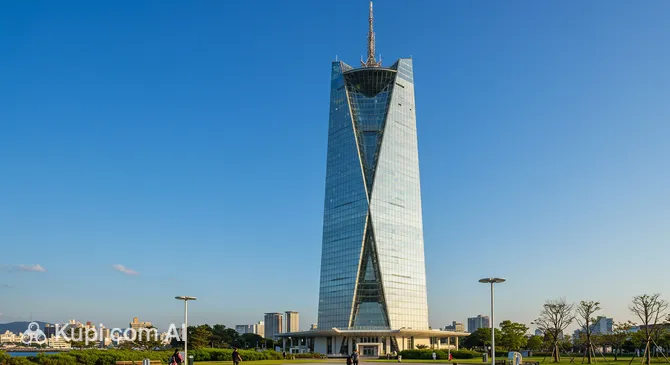
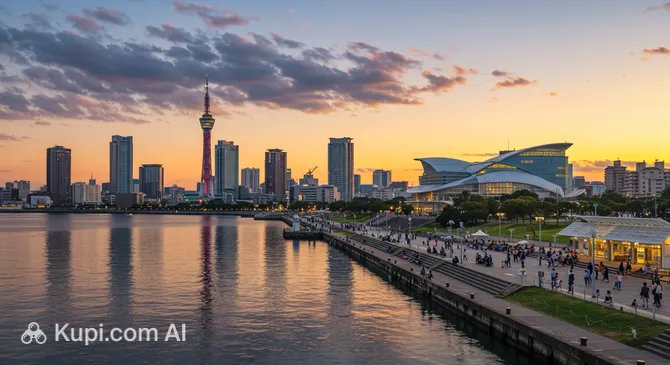
One of the most iconic symbols of the skyline is Fukuoka Tower. Standing at 234 meters, it holds the title of the tallest seaside tower in Japan. The observation deck, located 123 meters above the ground, offers a stunning 360-degree panoramic view of the city and Hakata Bay. It is particularly popular in the evening when the city lights create a romantic atmosphere, making it a favorite spot for couples and photographers alike.

Fukuoka Tower. Source: Kupi.Binoculars

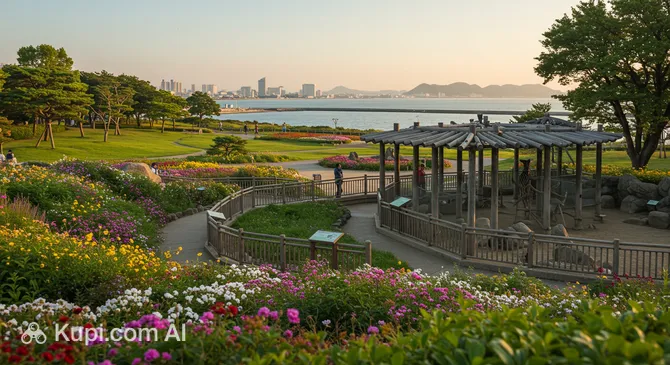
For those seeking a break from the concrete jungle, Uminonakamichi Seaside Park is a sprawling oasis located on a narrow peninsula across the bay. This massive park is famous for its seasonal flower gardens, displaying millions of cosmos in autumn and nemophila in spring. With extensive cycling trails, a zoo, and amusement areas, it is a perfect destination for families and outdoor enthusiasts looking to enjoy a full day of activities surrounded by nature.

Uminonakamichi Seaside Park. Source: Kupi.Binoculars

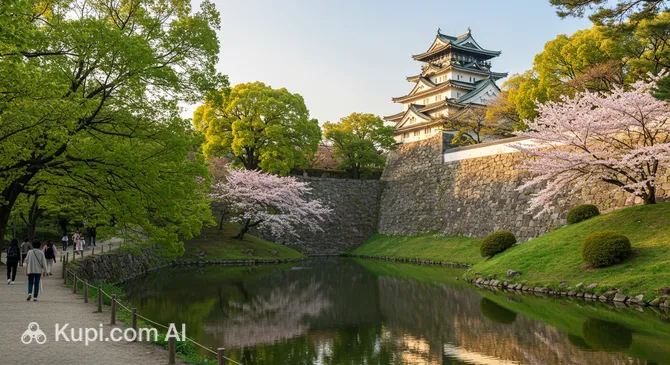
History buffs should not miss a visit to Maizuru Park, which houses the ruins of Fukuoka Castle. While the main keep no longer stands, the impressive stone walls, turrets, and gates remain, giving visitors a sense of the castle's former grandeur. The park is centrally located adjacent to Ohori Park and transforms into one of the city's premier cherry blossom viewing spots in early spring, drawing crowds for hanami picnics under the blooming trees.

Maizuru Park. Source: Kupi.Binoculars

A short train ride from the city center leads to the Kyushu National Museum in Dazaifu. Distinguished by its massive, modern blue roof that blends into the surrounding hills, this museum focuses on Japanese history from the perspective of Asian cultural exchange. The exhibits are dynamic and interactive, offering a fascinating look at how Japan has interacted with its neighbors over the centuries. It is often visited in conjunction with the nearby Dazaifu Tenmangu Shrine.

For a taste of modern digital art, teamLab Forest Fukuoka offers an immersive experience that appeals to all ages. This permanent exhibition allows visitors to explore a "forest" of light and color, interacting with digital animals and changing the environment through their movements. It is a visually spectacular attraction that provides a stark, futuristic contrast to the city's traditional sites.

Local Cuisine

Fukuoka is widely celebrated as one of Japan's premier gourmet cities, often hailed as the culinary capital of Kyushu. The local food scene is defined by rich flavors, fresh ingredients from the nearby Genkai Sea, and a dining culture that is both unpretentious and deeply satisfying. For many travelers, eating their way through the city is the highlight of their trip.

At the heart of the city's culinary identity is Hakata Ramen, a dish that has achieved global fame. This local variety features ultra-thin, straight noodles served in a creamy, rich tonkotsu (pork bone) broth, typically garnished with green onions and slices of chashu pork. Another must-try specialty is Motsunabe, a hearty hot pot made with beef or pork offal, cabbage, and garlic chives, simmered in a soy or miso-based soup. Despite its humble ingredients, it is incredibly flavorful and considered a local soul food.

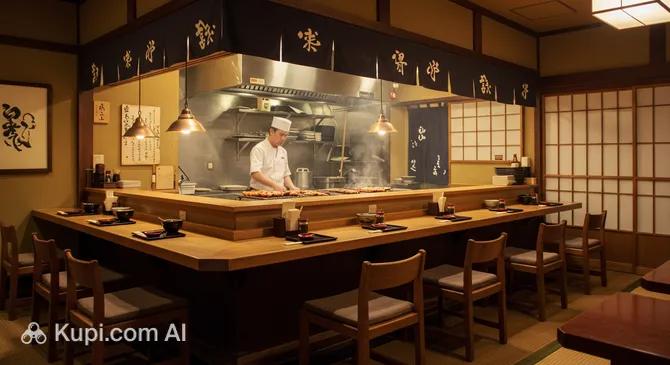
Yoshizuka Unagi. Source: Kupi.Binoculars

Beyond noodles and hot pots, the city is famous for Mentaiko, spicy salted pollock roe. You will find it served over rice, mixed into pasta, or even baked into bread at local bakeries. For those seeking a more refined traditional meal, the region is known for excellent unagi (freshwater eel). A historic and highly regarded establishment to experience this is Yoshizuka Unagi, which has been serving perfectly grilled eel for over a century.

The dining experience in Fukuoka is incomplete without visiting the iconic Yatai (food stalls). Unlike anywhere else in Japan, these open-air mobile restaurants line the streets in the evening, particularly in the Nakasu district. Seating only a few people at a time, they offer an intimate atmosphere where you can enjoy grilled skewers (yakitori), oden, and drinks while chatting with the chef and fellow diners.

When it comes to drinks, the region is a major producer of Shochu, a distilled spirit typically made from barley or sweet potatoes. It is often enjoyed on the rocks or mixed with warm water to accompany heavy dishes. Local sake is also exceptional, thanks to the high-quality rice and water in Fukuoka Prefecture. For a casual meal featuring popular beef cutlets, travelers might also enjoy Gyukatsu Motomura, a spot known for its tender, breaded beef cutlets that you can grill lightly at your table.

Travel Tips

Visiting Fukuoka is a delightful experience known for its warm hospitality and manageable size, but knowing a few local customs will make your journey even smoother. Here are some practical tips to help you navigate the city with confidence and ease.

  1. Clothing and Gear: Fukuoka experiences hot, humid summers and mild winters. If visiting between June and September, wear light, breathable fabrics to handle the humidity. In winter, a warm coat and layers are sufficient as it rarely freezes. A crucial tip is to wear comfortable slip-on shoes, as you will frequently need to take them off when entering traditional restaurants, izakayas, fitting rooms, and religious sites.

  2. Transportation: The city has one of the most convenient transport systems in Japan. The Subway connects the airport to the city center (Hakata Station) in just 5 minutes. Purchase a prepaid IC card (like Hayakaken, Suica, or PASMO) to tap in and out of trains and buses seamlessly. Taxis are safe but pricey, and renting a car is unnecessary unless you plan to explore the rural countryside of Kyushu.

  3. Finances: The local currency is the Japanese Yen (JPY). While credit cards are widely accepted in department stores and hotels, Fukuoka is famous for its open-air food stalls (yatai) and small eateries, which are often cash-only. Always carry sufficient cash. You can withdraw money from international cards at ATMs found in 7-Eleven or Japan Post branches. Tipping is not part of the culture and is unnecessary.

  4. Health and Safety: Fukuoka is an incredibly safe city for tourists, even at night. Pharmacies (drugstores) are ubiquitous and sell toiletries and basic medicine, though having a translation app is helpful for reading labels. Tap water is perfectly safe to drink. In case of a medical emergency, dial 119 for an ambulance.

  5. Communication: While staff at major hotels and tourist hubs speak English, it is not widely spoken in local shops or taxi cabs. Renting a Pocket Wi-Fi or getting a data SIM card at the airport is essential for using Google Maps and translation apps on the go. Learning simple phrases like "Arigato" (Thank you) and "Sumimasen" (Excuse me) is greatly appreciated by locals.

  6. Local Etiquette: Politeness is highly valued. When on public transport, set your phone to silent mode and avoid talking loudly on calls. When entering a home, a temple, or a restaurant with tatami mats, always check if you need to remove your shoes—usually indicated by a small step up or a row of slippers at the entrance.

  7. What to Avoid: Avoid eating or drinking while walking in public. It is considered bad manners. If you buy a snack or drink from a vending machine or street stall, stand near the shop to consume it before moving on. Also, never stick your chopsticks vertically into a bowl of rice, as this resembles a funeral ritual.

  8. Yatai Etiquette: A unique rule for Fukuoka's famous food stalls is to be mindful of your time. These stalls have limited seating (often just 8-10 spots). It is polite to order at least one drink per person and avoid lingering too long after you finish eating if there is a line of customers waiting behind you.

By keeping these practical tips in mind, you will be well-prepared to embrace the local lifestyle and enjoy everything this dynamic city has to offer. Fukuoka is a place that rewards curiosity, so step out, explore the streets, and enjoy the incredible food and culture worry-free!

Entertainment & Nightlife

Entertainment and Nightlife:

As the sun sets over the Genkai Sea, Fukuoka transforms into one of Japan's most exciting nightlife hubs. The city's compact nature allows visitors to easily hop between districts, each offering a distinct vibe. The most iconic area is Nakasu, an island between the Naka and Hakata rivers. Illuminated by blazing neon signs that reflect beautifully on the water, this district is the epicenter of adult entertainment, boasting over 3,500 bars, restaurants, and clubs packed into a small area. While it is famous for its traditional street food stalls, the deeper streets of Nakasu are filled with karaoke bars, snack bars, and lively pubs.

For a more youthful and trendy atmosphere, travelers should head to the Tenjin and Daimyo districts. Here, the streets are lined with hip cafes that turn into bars at night, standing bars (tachinomi), and dance clubs catering to a younger crowd. The dress code in Fukuoka is generally smart-casual; while some high-end venues might require trousers and closed shoes for men, most places in Daimyo are relaxed and welcoming to tourists in casual attire.

Those looking to dance the night away have several excellent options. One of the city's most established venues is Ibiza, a vibrant night club known for its energetic music, international crowd, and regular DJ events. It is a staple of the local clubbing scene and a great place to meet people. Similarly, Cat's offers a bustling atmosphere popular with both locals and visitors, featuring various music genres and a lively dance floor.

Ibiza. Source: Kupi.Binoculars

For a more sophisticated and unique evening, THEATER 010 provides a cutting-edge entertainment experience. Located in the Hakata area, this venue combines world-class immersive theater performances with fine dining and cocktails, offering a modern twist on nightlife that goes beyond the typical club experience. It is advisable to check their schedule and book in advance for the best experience.

Practicalities are important for a smooth night out. Most clubs and bars open around 9:00 PM or 10:00 PM, with the peak action occurring between midnight and 2:00 AM. Cover charges for clubs typically range from 1,500 to 3,000 JPY, often including one drink ticket. In terms of safety, the city is incredibly secure, and walking at night is generally fine. However, in the Nakasu district, you may encounter street touts trying to steer you into specific bars; the best advice is to politely ignore them and keep walking to your intended destination.

Public transportation, including the subway, usually stops running around midnight. If you stay out later, taxis are plentiful and reliable. You can easily hail one on the street or find them at designated stands near major stations like Hakata and Tenjin. Drivers are professional, though having your hotel address written in Japanese is highly recommended.

While the nights are electric, Fukuoka offers plenty of daytime entertainment as well. Families and marine life enthusiasts will enjoy Marine World Uminonakamichi, a large aquarium located near the seaside park that features impressive dolphin shows and a vast tank replicating the local Genkai Sea ecosystem. For art lovers, the Fukuoka Art Museum in Ohori Park showcases a remarkable collection ranging from ancient Buddhist statues to modern works by Salvador Dalí and Joan Miró.

Parks & Museums

Beyond its bustling shopping districts and neon-lit streets, the city offers a wealth of green spaces and cultural institutions that provide a deeper understanding of the region's heritage. From ancient archaeological sites to modern art venues, the parks and museums here allow visitors to step back in time or immerse themselves in contemporary creativity.

For those willing to venture slightly outside the immediate city center, the Yoshinogari Historical Park offers a remarkable journey into Japan's ancient past. This expansive archaeological park preserves the ruins of a massive settlement from the Yayoi Period (300 BC to 300 AD). Visitors can walk among reconstructed pit dwellings, watchtowers, and shrines, gaining a vivid insight into how people lived over 2,000 years ago. It is a fascinating educational experience that combines open-air history with spacious grounds perfect for a leisurely walk.

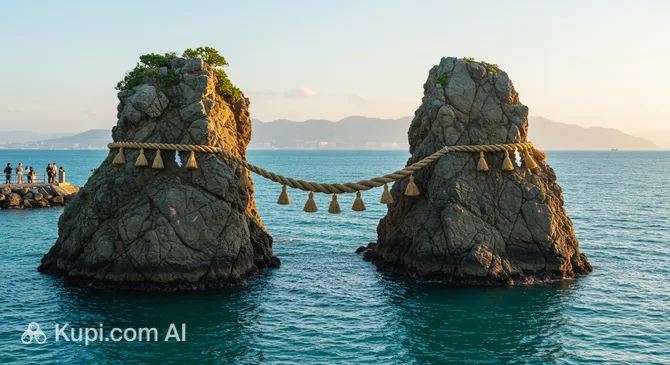
Nature lovers seeking scenic beauty should explore the Itoshima peninsula, located just west of the city. A standout attraction here is the Sakurai Futamigaura Couple Rocks. These two iconic rocks, joined by a sacred straw rope (shimenawa), sit just offshore and frame a magnificent sunset, making them one of the most photographed natural landmarks in the prefecture. Nearby, the Shiraito Waterfall provides a refreshing escape, especially in summer, where visitors can enjoy somen noodles flowing down bamboo flumes in the cool mountain air.

Sakurai Futamigaura Couple Rocks. Source: Kupi.Binoculars

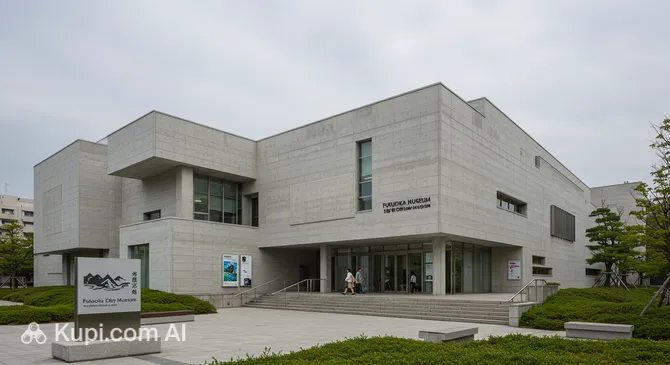
To understand the city's role as a gateway to Asia, a visit to the Fukuoka City Museum is essential. Located in the Momochi seaside area near Fukuoka Tower, this museum chronicles the history of the region from ancient times to the present. Its most famous exhibit is the Gold Seal (Kin-in), a national treasure gifted by a Chinese emperor in 57 AD, which serves as the oldest evidence of Japan's diplomatic history. The permanent exhibition offers a compelling narrative of trade and cultural exchange.

Fukuoka City Museum. Source: Kupi.Binoculars

Art enthusiasts will find a haven at the Fukuoka Art Museum, beautifully situated within Ohori Park. The museum houses an impressive collection that spans from pre-modern Japanese Buddhist art to contemporary works by world-renowned artists like Salvador Dalí, Jean-Michel Basquiat, and Yayoi Kusama. Its location allows travelers to combine a cultural viewing with a relaxing stroll around the park's lake.

Families traveling with young children should not miss the Fukuoka Anpanman Children's Museum. Located in the Hakata Riverain Mall, this interactive museum is dedicated to one of Japan's most beloved anime characters. It features stage shows, play areas, and shops that provide a joyful and entertaining environment specifically designed for toddlers and preschoolers.

For a truly local experience, consider taking a short ferry ride to Nokonoshima Island. Famous for the Nokonoshima Island Park, it offers spectacular seasonal flower displays—from cosmos in autumn to rapeseed blossoms in spring—set against the backdrop of the blue sea, a view that feels worlds away from the urban rush.

Getting Around

Navigating Fukuoka is remarkably easy and efficient, thanks to a compact city layout and a well-integrated public transport network. For most tourists, the system is intuitive and reliable, allowing for seamless travel between major shopping districts, historical sites, and the waterfront. The city’s transportation infrastructure is designed to handle high volumes of commuters and visitors alike, ensuring that you spend less time traveling and more time exploring.

The backbone of urban travel is the Fukuoka City Subway. It consists of three main lines, but the Kuko (Airport) Line is the most vital for visitors. It uniquely connects the airport directly to the city center—Hakata Station and Tenjin—in under 15 minutes, a convenience unmatched by most major global cities. The Nanakuma Line, which connects the southwestern residential areas to Hakata Station, is also useful for reaching specific dining and shopping spots. The subway is fast, punctual, and features signage in multiple languages, making it the most stress-free option for getting around the downtown core.

For destinations not covered by the subway, the Nishitetsu Bus network is extensive and covers virtually every corner of the city. In fact, you will see these buses everywhere. While the route map can initially seem complex, navigation apps work very well for planning your journey. When riding a bus, you enter through the rear door. If you are paying with cash, take a small numbered ticket from the machine by the door; this number corresponds to the fare displayed on the screen at the front. If you use an IC card, simply tap it on the reader as you enter and again as you exit through the front door.

To make travel seamless, it is highly recommended to purchase a prepaid IC card. In this region, the local cards are Hayakaken (Subway), Nimoca (Bus), and Sugoca (JR Trains). However, if you already have a Suica or PASMO card from Tokyo, or an ICOCA card from Osaka, they are fully compatible and can be used here. You can buy and top up these cards at ticket machines in any subway or train station. For tourists planning a heavy day of sightseeing, the Fukuoka Tourist City Pass is a great value option. It offers unlimited rides on buses, trains, and subways within a designated area for one day and requires a passport for purchase.

Regarding operating hours, public transport generally runs from around 5:30 AM until midnight. If you are enjoying the nightlife and miss the last train, alternatives are readily available. Taxis are plentiful and safe; you can hail them on the street or find them at taxi stands. Drivers are professional, though few speak fluent English, so having your destination written in Japanese or showing it on a map app is helpful. Taxis accept credit cards and often IC cards as well.

For a more active way to see the city, cycling is a popular alternative. The city is relatively flat and compact, making it perfect for biking. A bike-sharing service called ChariChari is widely used; you will spot their red bicycles parked at designated ports throughout the city. You can unlock them using a smartphone app, charging a small fee per minute. It is a fantastic way to hop between cafes or ride along the seaside areas.

A unique feature of the local transport landscape is the heavy reliance on buses even for short distances within the city center. To facilitate this, there are frequent loop buses connecting the two major hubs, Hakata and Tenjin, often for a very affordable fare. Additionally, the city serves as a major hub for JR Kyushu trains, allowing for easy day trips to nearby attractions like Dazaifu or the canals of Yanagawa using the convenient rail network.
Accommodation

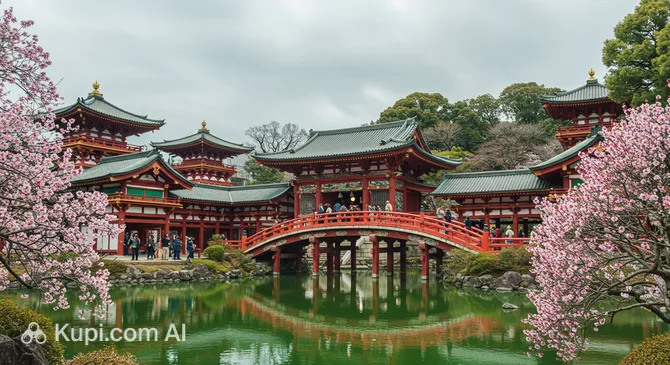
Finding the perfect place to stay in Fukuoka is relatively easy, as the city offers a diverse range of accommodation options to suit every budget and travel style. From high-end luxury hotels and stylish urban resorts to efficient business hotels and cozy guesthouses, travelers can find a comfortable base for their adventures. The city's compact size means that no matter where you stay, you are never too far from major attractions or transport links.

The two most popular areas for tourists are the districts surrounding Hakata Station and Tenjin. Staying near Hakata Station is incredibly convenient for those prioritizing transport connectivity; it is the main hub for the Shinkansen and is just minutes from the airport by subway. This area is packed with reliable business hotels and offers easy access to day-trip destinations. On the other hand, the Tenjin district is the heart of the city's fashion, dining, and nightlife scenes. Choosing a hotel here places you right in the middle of the action, with department stores, cafes, and the famous yatai food stalls just a short walk away.

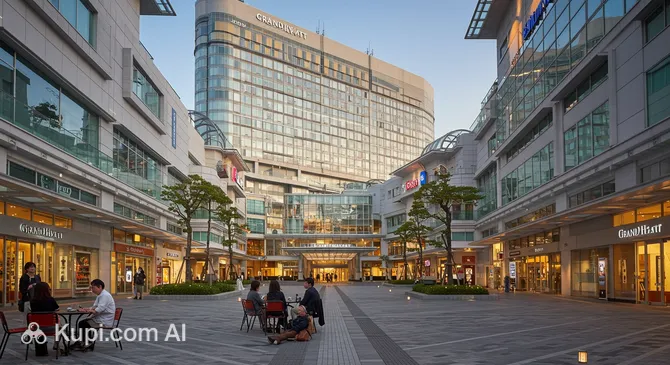
For those seeking a more unique or luxurious experience, the city boasts several standout properties. The Canal City Resort Hotel is a favorite for many visitors. Located directly within the massive Canal City Hakata shopping and entertainment complex, it offers a quiet, resort-like atmosphere despite being in the center of the city. Another exceptional option is With The Style Fukuoka, an urban boutique hotel inspired by Palm Springs mid-century design. It provides an intimate and exclusive retreat with lush greenery and open-air spaces, perfect for travelers looking to relax in style.

Canal City Resort Hotel. Source: Kupi.Binoculars

Travelers looking for a scenic escape might consider the seaside Momochi area, which offers ocean views and proximity to the Fukuoka Dome and Tower. While slightly removed from the downtown bustle, it provides a spacious and resort-like environment. Regardless of the location, the standard of hospitality is generally very high, with clean and well-maintained facilities being the norm across all price points.

Booking Tips: Fukuoka is a year-round destination, but accommodation can fill up quickly during major events like the Hakata Gion Yamakasa festival in July or during the Golden Week holidays in early May. It is highly recommended to book your room well in advance if you plan to visit during these peak times. Prices are generally reasonable, with business hotels offering excellent value for money. Most reservations can be easily made through major international online booking platforms, though booking directly can sometimes yield special offers.

Nearby Cities

For those looking to explore the surroundings, Fukuoka serves as an excellent base for day trips to several interesting nearby locations:

Itoshima is a stunning coastal destination located on a peninsula just west of the city. Known for its laid-back resort atmosphere, it is a favorite among locals for its beautiful beaches, trendy seaside cafes, and scenic driving routes. Visitors flock here to see the famous Sakurai Futamigaura Couple Rocks, especially at sunset, and to enjoy fresh oysters at seasonal huts during the winter months.

Another must-visit destination is Dazaifu, a historic city that was once the administrative heart of Kyushu. It is renowned for the Dazaifu Tenmangu Shrine, dedicated to the deity of learning, and the impressive Kyushu National Museum. The charming street leading to the shrine is lined with shops selling umegae mochi, a grilled rice cake treat that is a local specialty.

For a unique cultural experience, Yanagawa is often referred to as the "Venice of Kyushu." This castle town is famous for its extensive network of canals, where travelers can take relaxing punt boat tours guided by boatmen who often sing traditional songs. It is also celebrated for its exquisite steamed eel dishes, making it a perfect spot for a leisurely culinary excursion.

City Population Distance (km)
Iizuka 126136 28
Kasuga 111144 9
Chikushino 103185 15
Onojo 101603 9
Itoshima 98527 20

These nearby destinations offer a glimpse into the diverse culture and landscapes of the region.

Shopping & Souvenirs

Shopping in Fukuoka is a delightful experience that rivals Tokyo and Osaka in quality but offers a more compact and relaxed atmosphere. The city is a true shopper's paradise, blending high-end fashion, traditional crafts, and quirky local goods within a walkable downtown area. Whether you are looking for the latest Japanese trends, electronics, or centuries-old artisanal products, the city’s retail landscape caters to every taste and budget.

The city's shopping scene is anchored by two main districts: Tenjin and Hakata. Tenjin is known as the fashion capital of Kyushu, featuring department stores, boutiques, and the massive Tenjin Underground Shopping Mall (Tenjin Chikagai), which stretches for nearly 600 meters and houses over 150 shops. In contrast, the Hakata area surrounding the main station is perfect for convenient shopping, offering everything from souvenir sweets to modern lifestyle goods right where the bullet trains arrive.

For those who enjoy large-scale retail therapy, the city boasts impressive shopping complexes. One of the most prominent is Hakata City, a colossal building located directly above JR Hakata Station. It features a vast array of fashion boutiques, a dedicated floor for ramen restaurants, and a rooftop garden with panoramic views. It is the perfect place to shop for gifts before catching a train or flight.

Hakata City. Source: Kupi.Binoculars

Another must-visit destination is LaLaport Fukuoka, a newer addition to the city's retail map. This extensive mall is famous not only for its wide selection of international and local brands but also for the life-sized Gundam statue standing guard outside, which has become a major tourist attraction in its own right. It offers a family-friendly environment with plenty of entertainment options alongside shopping.

Travelers seeking a more traditional atmosphere should explore the city's markets and arcades. The Kawabata Shopping Arcade is the oldest shopping street in the city, connecting Nakasu to Canal City. Here, you can find traditional goods like kimonos, lanterns, and Buddhist altars, alongside shops selling local teas and sweets. For foodies, the Yanagibashi Rengo Market, often called "Hakata's Kitchen," offers fresh seafood, produce, and prepared foods, providing a glimpse into the daily lives of locals.

When it comes to souvenirs, Fukuoka has several iconic items worth bringing home. Hakata Ningyo (clay dolls) are beautiful, hand-painted figures that represent a 400-year-old tradition. For something practical, Hakata Ori textiles are renowned for their durability and intricate patterns, often used for wallets and card holders. Edible souvenirs are also popular, particularly sweets like Hiyoko (chick-shaped cakes) and Niwaka Senpei (humorous mask-shaped crackers), as well as products flavored with the city's famous spicy cod roe, mentaiko.

Most shops and department stores typically open around 10:00 AM and close between 8:00 PM and 9:00 PM. While major malls and convenience stores accept credit cards and IC cards, many smaller shops in traditional arcades or markets may still prefer cash, so it is wise to carry some yen. Japan offers a tax-free shopping scheme for tourists; look for the "Japan. Tax-Free Shop" logo. If you spend over 5,000 JPY (excluding tax) at participating stores, you can often get the consumption tax refunded instantly upon presenting your passport.

Reached the end of the page?

That means the route is fully explored