Support

Kanoya

About

Located on the scenic Osumi Peninsula in Kagoshima Prefecture, Kanoya is a welcoming city that serves as a central hub for the region. With a population of approximately 100,000 residents, it offers a relaxed atmosphere distinct from the bustling metropolises of Japan. The city is blessed with a mild climate and lush surroundings, making it an ideal destination for travelers seeking both cultural depth and natural beauty.

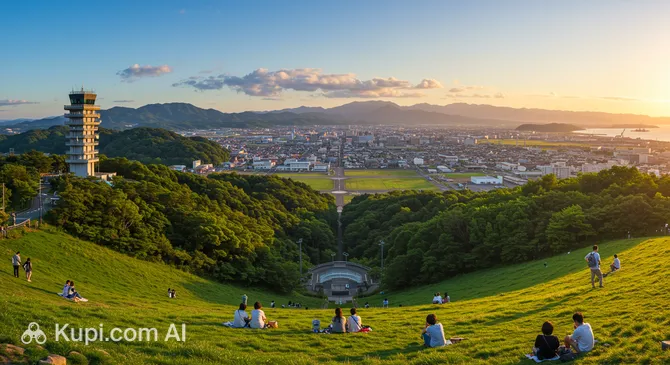
Kanoya. Source: Kupi.Binoculars

The history of Kanoya is rich and multifaceted, particularly known for its long-standing connection to aviation. Visitors interested in the past often visit the Kanoya Air Base Museum to learn about the area's heritage. Beyond its historical sites, the city is famous for the Kanoya Rose Garden, which is one of the largest in the country and features thousands of rose varieties that create a breathtaking display of colors and fragrances.

Food lovers will also find plenty to enjoy, as the region is renowned for its high-quality agricultural products, including delicious sweet potatoes and savory Kagoshima black pork. Whether you are strolling through fragrant gardens or exploring local culinary delights, Kanoya invites you to experience its unique charm and warm hospitality.

Weather Overview

Kanoya experiences a generally mild climate characterized by hot, humid summers and cool, relatively dry winters. To help plan your activities, it is helpful to check the current weather in Kanoya before your trip. The city enjoys distinct seasons, each bringing its own atmosphere to the Osumi Peninsula.

The summer months, particularly from June to August, are the warmest time of the year. August is typically the hottest month, with average temperatures around 27.8°C and daily highs reaching up to 30.3°C. Travelers should be prepared for rain during this season, as June and July are the wettest months; July alone can see up to 24 wet days. In contrast, winter offers a cooler and drier experience. January is usually the coldest month, with average temperatures dropping to 8.7°C and lows around 5.4°C, though precipitation remains low at just 2mm.

Spring and autumn provide comfortable transition periods ideal for sightseeing. By May, the weather warms up pleasantly to an average of 20.3°C, while October sees temperatures cooling to a mild 21.0°C. Expect warm summers with occasional rain and cold, dry winters, making Kanoya a destination that can be visited year-round depending on your preference for heat or cooler air.

Interesting Facts

  • The World's Only "Emily": The Kanoya Air Base Museum houses the only surviving Kawanishi H8K2 (Type 2 Flying Boat) in the world. Nicknamed "Emily" by Allied forces, this massive aircraft is considered a masterpiece of aviation history and sits on display as a rare testament to the engineering of the era.

  • Pink Curry: While the Kanoya Rose Garden is well-known, its on-site restaurant serves a truly unique dish: Rose Curry. To match the floral surroundings, this curry features a striking pink sauce, offering a visual and culinary experience that has become a quirky local legend.

  • Japan's "Athlete Factory": Kanoya is home to the National Institute of Fitness and Sports, the only national university in Japan dedicated exclusively to physical education and sports. The campus acts as a training ground for elite competitors and has produced numerous Olympic gold medalists, particularly in swimming and cycling.

  • The Amberjack Capital: The city is a premier producer of Kanpachi (Greater Amberjack), a high-grade fish prized in sushi. The local brand, Kanoya Kanpachi, is raised in the deep, warm waters of Kagoshima Bay and is so renowned for its quality that it is shipped to top restaurants across the country.

How to Get There

Reaching Kanoya is most convenient via air travel to regional hubs, as the city itself does not have an airport. For a comprehensive guide on all transport options, you can read more about how to get to Kanoya. The primary gateway for most travelers is Kagoshima Airport (KOJ), located in the city of Kagoshima, approximately 49 km from Kanoya. A journey from this airport by taxi or limousine bus typically takes around 95 minutes, offering a scenic route towards the Osumi Peninsula.

Another viable option is Miyazaki Airport (KMI) in Miyazaki, situated about 79 km away. While slightly further, it serves as a significant entry point for the region. The travel time from here is longer, taking roughly 2 hours and 20 minutes by road. Both airports offer good connectivity to major Japanese cities and serve as excellent starting points for your trip.

For clarity, here is a summary of the main airports:

Airport Name City Passenger Traffic Km from City
Kagoshima Airport Kagoshima Large 48.8
Miyazaki Airport Miyazaki Large 79.1
Tanegashima Tanegashima Small 86.7
Yakushima Airport Kumage Small 111.6
Amakusa Amakusa Small 138.9

Regarding rail travel, it is important to note that Kanoya is not directly connected to the national railway network, as the city does not have an active train station. Visitors typically take the Shinkansen (bullet train) to Kagoshima-Chuo Station in Kagoshima City. From there, travelers can transfer to a direct highway bus or take a ferry across Kagoshima Bay to reach Kanoya comfortably.

Main Attractions

Kanoya offers a delightful mix of historical significance, floral beauty, and scenic landscapes. While the city is often recognized for its aviation heritage, its natural attractions provide a peaceful retreat for visitors exploring the Osumi Peninsula. Here are some of the most interesting places to visit during your stay.

Kanoya Air Base Museum is undoubtedly the city's most famous landmark. Situated adjacent to an active Japan Maritime Self-Defense Force base, this museum offers a comprehensive look at the history of aviation in the region. Tourists are drawn here to see the impressive collection of restored aircraft displayed both indoors and outdoors. It is particularly renowned for housing the rare Kawanishi H8K2 "Emily" flying boat, a massive engineering marvel that aviation enthusiasts travel from all over the world to see.

For nature lovers, the Kanoya Rose Garden is a spectacular destination, especially during the spring and autumn blooming seasons. As one of the largest rose gardens in Japan, it features tens of thousands of roses representing hundreds of different varieties. The garden is designed to be a sensory experience, with vibrant colors and rich fragrances filling the air. It is a perfect spot for a relaxing stroll, and the hilltop location offers lovely views of the surrounding countryside.

A short distance from the city center lies the picturesque Arahiratenjin Shrine. This shrine is unique because it sits on a rocky outcrop that becomes an island during high tide, connected to the beach by a sandbar. It is famous for its red torii gate standing in the water, reminiscent of more famous shrines but with a quieter, more local charm. Visitors flock here for the stunning coastal views and the opportunity to take beautiful photographs of the gate against the backdrop of Kinko Bay and Mount Kaimon.

Adjacent to the rose garden is Kirishimagaoka Park, a sprawling recreational area that is popular with families and outdoor enthusiasts. The park features an observation deck that provides a panoramic sweep of Kagoshima Bay, offering one of the best vantage points in the area. With expansive lawns, go-kart tracks, and campsites, it is an excellent place to enjoy a picnic or simply unwind while admiring the dramatic volcanic landscape across the water.

Local Cuisine

The culinary landscape of Kanoya is a direct reflection of its bountiful natural surroundings, characterized by rich volcanic soil and the warm currents of Kagoshima Bay. For food enthusiasts, this city offers a "farm-to-table" and "ocean-to-plate" experience that is hard to match. The local dining scene is less about high-end luxury and more about exceptional freshness, with ingredients often sourced just miles from where they are served.

A must-try delicacy is the city's branded fish, Kanoya Kanpachi (Greater Amberjack). Raised in the pristine waters of the bay, this fish is celebrated for its firm texture and perfect balance of fat. While it is delicious as simple sashimi, many local restaurants serve it in a "zuke" style, where slices are marinated in a soy-based sauce and served over a bowl of hot rice. Another seafood treasure is unagi (freshwater eel). The Osumi Peninsula is one of Japan's leading producers of eel, and visitors can enjoy it grilled to perfection with a savory-sweet glaze, a dish known as unadon, which provides a hearty energy boost.

Meat lovers will find themselves in heaven with Kagoshima Kurobuta (Black Pork). This premium pork is famous throughout Japan for its tenderness and the natural sweetness of its fat. In Kanoya, you can enjoy it as a crispy, golden-fried tonkatsu cutlet or in a hot pot dish called shabu-shabu, where thin slices are swished in broth to preserve their delicate flavor. The quality of the meat is so high that it requires very little seasoning to shine.

To accompany these rich flavors, the local drink of choice is undoubtedly imo-jochu, or sweet potato shochu. Since Kagoshima is a major producer of sweet potatoes, this distilled spirit is a staple in Kanoya's izakayas. It has a distinct aroma and a robust taste that pairs excellently with fried foods and sashimi. Locals often drink it mixed with hot water (oyuwari) to enhance the fragrance, or on the rocks for a crisp finish.

The food culture in Kanoya is relaxed and accessible. While there are plenty of restaurants in the city center, some of the best culinary discoveries can be found at Michi-no-Eki (roadside stations). These facilities act as community hubs where farmers sell their morning harvest and small cafeterias serve generous set meals using local ingredients at very reasonable prices. For a lively evening, exploring the small izakaya bars offers a chance to mingle with friendly locals while sampling a variety of small dishes and regional sake.

Travel Tips

Visiting Kanoya offers a wonderful opportunity to experience the authentic lifestyle of the Osumi Peninsula, far removed from the hurried pace of Japan's major tourist hubs. To ensure your journey is as smooth and enjoyable as possible, here are some practical tips to help you navigate the local culture, transportation, and daily life with confidence.

  1. Clothing and Gear: Kanoya has hot, humid summers and cool winters. In summer, bring breathable, moisture-wicking fabrics and a hat to protect against the strong sun. For winter visits, a warm jacket and layers are necessary. Since you will likely visit traditional restaurants or possibly a ryokan, pack comfortable shoes that are easy to slip on and off, as removing footwear is mandatory in many indoor spaces. Japan uses Type A electrical outlets (two flat pins) with 100V voltage, so bring a universal adapter if your devices use a different plug type.

  2. Transportation: Public transport in Kanoya is limited compared to big cities, and there is no train service directly to the city. The most efficient way to explore the scattered attractions, such as the Rose Garden and coastal shrines, is to rent a car. While buses exist, schedules can be infrequent. Taxis are reliable for short distances but can become expensive for day trips. If you drive, remember that traffic flows on the left side of the road.

  3. Finances: The official currency is the Japanese Yen (JPY). While major hotels and supermarkets accept credit cards, Kanoya is a rural city where many small restaurants, local shops, and ticket counters operates on a cash-only basis. Ensure you carry sufficient cash. International ATMs are most reliably found at convenience stores like 7-Eleven or Lawson, which are open 24/7. Tipping is not part of the culture and can cause confusion; excellent service is standard and included in the price.

  4. Health and Safety: Kanoya is a very safe city with low crime rates. Tap water is safe to drink everywhere. Pharmacies (often marked with the kanji 薬 or "Kusuri") are well-stocked, but staff may not speak English, so having a translation app is helpful. In case of a medical emergency, dial 119 for an ambulance. Be aware that during summer, mosquitoes can be active in park areas, so carrying insect repellent is a good idea.

  5. Communication: Japanese is the primary language, and English proficiency may be lower here than in Tokyo or Osaka. Locals are generally kind and helpful, but a language barrier is to be expected. It is highly recommended to download an offline translation app like Google Translate before you arrive. Free Wi-Fi is available in some public spots but can be spotty; renting a Pocket Wi-Fi or buying a tourist SIM card at the airport upon arrival in Japan is essential for navigation and communication.

  6. Local Etiquette: Politeness is highly valued. A slight bow is the standard greeting. When using public transport or waiting in lines, keep your voice down and avoid talking on the phone, as silence is considered good manners. If you visit a hot spring (onsen) in the region, remember to wash your body thoroughly before entering the communal bath and keep in mind that tattoos may still be restricted in some public baths.

  7. What to Avoid: Do not eat or drink while walking down the street, as this is generally considered rude; it is better to stop at a designated area or finish your snack where you bought it. Also, never stick your chopsticks vertically into a bowl of rice, as this resembles a funeral ritual and is a major taboo at the dining table.

  8. Volcanic Ash Awareness: Since Kanoya is located across the bay from Sakurajima, one of Japan's most active volcanoes, you might occasionally experience "ash fall" depending on the wind direction. This is a normal part of life here. If you see grey dust falling, simply use an umbrella or wear a mask. It is harmless in the short term but can be messy, so avoid wearing white clothes on days when the wind blows from the volcano.

By keeping these practical tips in mind, you will be well-prepared to embrace the unique charm of Kanoya. Whether you are driving along the coast or enjoying a meal of local black pork, a little preparation goes a long way in ensuring a memorable and hassle-free adventure on the Osumi Peninsula.

Entertainment & Nightlife

Nightlife in Kanoya offers a distinct departure from the neon-lit intensity of Japan's major metropolises. Instead of sprawling clubbing districts, the city features a more intimate and authentic evening culture centered around izakayas (Japanese-style pubs), snack bars, and dining establishments that pride themselves on local hospitality. The atmosphere is relaxed and welcoming, providing travelers with a genuine glimpse into the social life of the Osumi Peninsula.

The primary hub for evening entertainment is located in the downtown areas of Honmachi and Kitada-cho. As the sun sets, the streets here come alive with the warm glow of red lanterns (akachochin) hanging outside small eateries. These districts are perfect for "bar hopping" (hashigo-zake), where locals move from one venue to another to enjoy different drinks and dishes. The crowd is typically a mix of local office workers unwinding after the day and groups of friends enjoying a meal, creating a friendly and safe environment for visitors.

For those looking to experience the local culinary scene with a drink in hand, Yumezo is a well-regarded establishment. Known for its charcoal-grilled yakitori, it offers a cozy setting where you can taste skewers made with locally sourced ingredients. If you prefer a more modern and European vibe, Kanoyabaru is a popular spot. This Spanish-style bar (bal) focuses on pairing wines with dishes crafted from Kanoya’s famous agricultural products, such as Kanpachi fish and black pork, offering a stylish twist on the traditional night out.

Entertainment in Kanoya often extends to karaoke, a staple of Japanese nightlife. While there are no massive dance clubs, you can find venues like Kaikatsu CLUB Kanoya, which offers private booths for karaoke, darts, and billiards, allowing for a fun and private group activity late into the night. Most bars and restaurants in the city typically close between midnight and 2:00 AM, which is earlier than in Tokyo, so it is best to start your evening around 7:00 PM to make the most of it.

Practical advice for a night out in Kanoya revolves around transportation. Public transport stops running relatively early, so taxis are the primary way to get around after dark. You can easily hail one at the main rotary in Honmachi or ask your restaurant to call one for you. If you have rented a car, be aware that Japan has a zero-tolerance policy for drinking and driving. Instead, use a Daiko service, where two drivers arrive—one to drive you and your car home, and another to follow behind. This is a common and safe practice in rural Japan.

During the daytime, entertainment in Kanoya takes a more laid-back pace. Rina City Kanoya is a central complex that houses a cinema, shops, and community spaces, acting as a gathering point for locals. For a cultural afternoon, the Kanoya Air Base Museum remains a top attraction, while shopping enthusiasts can visit the Aeon Kanoya Shopping Center to browse local goods and souvenirs. Whether day or night, the city’s charm lies in its slow-paced, friendly, and community-focused lifestyle.

Parks & Museums

Kanoya offers a compelling blend of botanical splendor and historical depth, with green spaces that celebrate the region's natural beauty and institutions that preserve its complex past. From vast floral displays to poignant memorials, the city’s parks and museums provide visitors with a chance to reflect and unwind amidst the scenic backdrop of the Osumi Peninsula.

Kanoya Rose Garden is the crown jewel of the city's outdoor attractions and a must-visit for nature enthusiasts. As one of the largest rose gardens in Japan, it showcases approximately 35,000 rose bushes spanning hundreds of varieties. The garden is particularly stunning during the peak blooming seasons in spring and autumn, when the air is filled with fragrance and the landscape is a tapestry of vibrant colors. Beyond the flowers, the grounds feature a chapel and a greenhouse, making it a romantic and picturesque spot for a leisurely afternoon walk.

For those seeking recreation with a view, Kirishimagaoka Park offers expansive lawns and outdoor activities adjacent to the rose garden. Located on a hill, it commands a magnificent view of Kinko Bay and the iconic Mount Kaimon. The park is a favorite among families for its go-kart track, campgrounds, and adventure playgrounds. It serves as an excellent vantage point to admire the sunset over the volcanic landscape, providing a peaceful escape from the city center.

Another significant green space is the Kushira Peace Park, located on the site of a former naval air base. While it is a place of historical remembrance with its memorial towers, it is also celebrated for its natural beauty, particularly during cherry blossom season. In spring, the park transforms into a tunnel of pink blooms, drawing locals for hanami (flower viewing) picnics under the trees, creating a harmonious blend of history and nature.

In terms of cultural heritage, the Kanoya Air Base Museum stands as the city's most important historical institution. Run by the Japan Maritime Self-Defense Force, the museum details the history of aviation in the region, from the wartime era to the present day. Inside, visitors can view rare artifacts, including a restored Zero fighter and personal letters from pilots of the Special Attack Corps. The exhibits are somber and educational, offering a deep insight into the human stories behind the conflicts of the 20th century.

For a unique local experience, seek out the Osumi Wide-Area Park. This expansive park is known for its life-sized dinosaur statues and extensive playground equipment, making it a hidden gem for travelers with children. It offers a whimsical contrast to the more serious historical sites and provides a fun, relaxed environment for a family day out.

Getting Around

Navigating Kanoya requires a shift in mindset for travelers accustomed to the extensive rail networks found in Japan's major metropolitan areas. The city does not have a train station or a subway system, as the former railway line was discontinued decades ago. Instead, the public transport network relies entirely on road-based options, primarily buses and taxis. For most visitors, understanding the bus system or arranging private transportation is essential for getting around the city and exploring the wider Osumi Peninsula.

The backbone of local transit is the bus network operated mainly by Kagoshima Kotsu. These buses connect the city center with key locations such as the Kanoya Rose Garden, the Kanoya Air Base Museum, and the ferry terminal in nearby Tarumizu. In addition to the standard routes, the city operates a community bus service known as "Kururin." These smaller buses run on loop routes through the central districts and are designed to help residents access hospitals, shopping centers, and public facilities. While they are convenient for short trips within the downtown area, their frequency is somewhat limited compared to big-city standards.

The payment system on buses can be a common point of confusion for international tourists. Unlike in Tokyo or Osaka, nationwide IC cards like Suica or Pasmo are generally not accepted on local buses in this region. The local transport network uses specific regional cards (such as Iwasaki Card or RapiCa), which are not typically held by short-term visitors. Therefore, it is highly recommended to pay with cash. You should carry a supply of 1000-yen notes and plenty of coins, as drivers cannot break large bills (5000 or 10,000 yen).

To use the bus, enter through the rear door and take a small numbered ticket (seiriken) from the machine next to the entrance. This number corresponds to your boarding zone. At the front of the bus, a digital display board shows the fare accumulating under your ticket number as the journey progresses. When you wish to get off, press the stop button, approach the driver, and drop both your ticket and the exact fare into the box by the driver's seat. If you do not have exact change, there is a change machine attached to the fare box that can break 1000-yen bills and 500-yen coins.

Operating hours for public transport are relatively short. Most local bus routes begin service around 6:00 or 7:00 AM and significantly reduce frequency after 7:00 PM, with many lines stopping completely by 8:00 or 9:00 PM. The "Kururin" community loop buses typically stop running in the early evening. Visitors should always check the return schedule in advance, especially when visiting outlying attractions, to avoid being stranded.

Given the dispersed nature of attractions and the infrequent bus schedules, rental cars are widely considered the most practical option for tourists. Renting a vehicle allows you to explore the scenic coastlines and parks at your own pace without worrying about timetables. Several rental agencies are located in the city center. Alternatively, taxis are readily available at major landmarks and the central bus terminal. While more expensive, they are reliable and can be booked via phone or hotel reception. For short distances within the flat city center, renting a bicycle is another pleasant alternative, often available at tourist information centers or hotels.

Finally, a unique aspect of reaching and leaving Kanoya involves the ferry connection. Since there are no trains crossing the bay, the bus-plus-ferry route via the Tarumizu or Sakurajima ports is a standard way to travel to and from the prefectural capital across the water. While not a "metro," this ferry ride offers stunning views of the volcano and is an integral part of the local transit experience.

Accommodation

Accommodation in Kanoya is primarily practical and affordable, catering well to both business travelers and tourists exploring the Osumi Peninsula. Unlike Japan's major tourist hubs, you will not find sprawling luxury resorts or international five-star hotel chains here. Instead, the city specializes in clean, functional business hotels, cozy guesthouses, and traditional inns that offer a genuine slice of local hospitality. The atmosphere is generally laid-back, with a focus on comfort and accessibility rather than opulence.

The most convenient area to stay is the city center, particularly around the districts of Kitada-cho and Nishihara. Staying here places you within walking distance of the main bus terminal, which is crucial if you are relying on public transport to visit attractions like the Kanoya Rose Garden or the Air Base Museum. This central zone is also where the city's nightlife and dining scene are concentrated, making it easy to enjoy local specialties like black pork and shochu without worrying about a long commute back to your room.

For those seeking modern comforts, the city offers several well-regarded business hotels. establishments like the Kotobuki Hotel provide a stylish, contemporary experience with updated amenities, often favored by younger travelers and couples. On the other hand, Hotel Satsukien is a long-standing local favorite that blends Western-style lodging with Japanese touches, often featuring on-site restaurants that serve excellent regional cuisine. Recently, unique options such as "container hotels" have also appeared, offering independent, cabin-style rooms that are perfect for travelers seeking privacy and direct car access.

Booking Tips: While Kanoya is rarely overcrowded, it is wise to book your accommodation in advance if you plan to visit during the peak blooming seasons of the Kanoya Rose Garden (spring and autumn). During these times, the best hotels can fill up quickly with domestic tourists. Prices are generally very reasonable, with most mid-range hotels costing significantly less than their counterparts in Tokyo or Osaka. While major hotels accept credit cards and can be booked via international online platforms, smaller inns may prefer cash payment, so it is recommended to carry sufficient Japanese Yen.

Nearby Cities

For those looking to explore the surroundings, Kanoya serves as an excellent base for day trips to several interesting nearby locations:

City Population Distance (km)
Kagoshima 593,754 37
Miyakonojo 159,878 43
Kirishima 123,812 41
Aira 76,610 44
Nichinan 50,518 56

Just across the bay lies Kagoshima, the prefectural capital often referred to as the "Naples of the Eastern World." It is easily accessible via a scenic ferry ride from the nearby Tarumizu or Sakurajima ports. Visitors here can explore the historic Sengan-en Garden, a traditional landscape garden with borrowed scenery from the active volcano Sakurajima, or enjoy the vibrant shopping and dining scene in the Tenmonkan district. It offers a lively contrast to the quieter pace of the Osumi Peninsula.

Located to the north, Kirishima is a premier destination for nature lovers and those seeking relaxation. The area is famous for the Kirishima Jingu Shrine, a designated National Treasure known for its stunning vermilion architecture set against deep green forests. Additionally, Kirishima is renowned for its high-quality hot springs (onsen) and volcanic hiking trails, making it a perfect spot to rejuvenate the body and spirit.

For a coastal adventure, a drive to Nichinan in Miyazaki Prefecture offers breathtaking ocean views. This area is known for the Udo Shrine, uniquely located inside a cave on a cliff facing the sea, and the Sun Messe Nichinan, which features authorized replicas of Easter Island's Moai statues. The tropical atmosphere and scenic coastal roads make it a popular choice for a driving day trip.

These nearby destinations offer a glimpse into the diverse culture and landscapes of the region.

Shopping & Souvenirs

Shopping in Kanoya offers a relaxed and authentic experience that contrasts with the frantic pace of Japan's major metropolitan areas. While you will not find high-end luxury fashion boutiques or massive department stores here, the city provides a charming selection of local goods that reflect the rich agricultural heritage of the Osumi Peninsula. The shopping scene is centered around practical necessities and regional specialties, making it the perfect place to hunt for unique food items, traditional crafts, and souvenirs that you cannot find anywhere else in Japan.

The main commercial activity is concentrated in the city center, particularly around the Kitada-cho and Honmachi districts. This area serves as the heart of the community, where small, family-run shops operate alongside modern conveniences. Strolling through these streets offers a glimpse into daily local life, with storefronts displaying everything from traditional Japanese ceramics to casual clothing. It is a pedestrian-friendly zone where visitors can enjoy a leisurely walk while browsing for hidden gems.

For a more comprehensive shopping experience, Rina City Kanoya is a key landmark. This commercial and community complex is built on the site of the former railway station and serves as a gathering point for locals. It houses a variety of specialty shops, a supermarket, and even a cinema, making it a convenient stop for travelers. Another major destination is the Aeon Kanoya Shopping Center. Like in many Japanese cities, this large mall is a one-stop-shop for clothing, electronics, groceries, and daily goods, offering a familiar and easy-to-navigate environment for international visitors.

The true highlight of shopping in Kanoya, however, lies in its markets and "Roadside Stations," known as Michi-no-Eki. These facilities are treasure troves for food lovers. Michi-no-Eki Kanoya is particularly popular for its direct-sales market where local farmers sell freshly harvested vegetables, fruits, and flowers every morning. It is the best place to see the agricultural bounty of the region up close, from giant radishes to bags of locally grown green tea.

When it comes to souvenirs, Kanoya has several distinct offerings. Thanks to the famous Kanoya Rose Garden, rose-themed products are a top choice; look for rose jam, rose syrup, and even rose-scented soaps or perfumes. The region is also a premier producer of sweet potatoes, so Imo-jochu (sweet potato shochu) is an essential buy for those who enjoy spirits. Additionally, processed goods featuring Kagoshima black pork, such as miso pastes or retort curries (including the famous pink "Rose Curry"), make for excellent and portable gifts.

Standard opening hours for most shops and shopping centers are typically from 10:00 AM to 8:00 PM. Supermarkets may stay open later, while smaller, independent boutiques often close around 6:00 PM or 7:00 PM and may have irregular holidays. Regarding payment, while major hubs like Aeon and convenience stores accept credit cards, Kanoya is still very much a cash-based society. Many small souvenir shops, local restaurants, and markets only accept cash (Japanese Yen), so it is crucial to keep a sufficient amount of currency on hand.

Tax-free shopping is available but limited compared to big tourist cities. You will mostly find tax-free counters at large chain stores, drugstores, or major electronics retailers within the city. Look for the "Japan. Tax-free Shop" symbol at the entrance or cash register. To claim a refund, you must present your passport, and the total purchase usually needs to exceed 5,000 or 5,500 yen excluding tax. Consumable goods like food and cosmetics are often sealed in special bags that must not be opened until you leave the country.
Reached the end of the page?

That means the route is fully explored