Support

Tanegashima

About

Tanegashima is a captivating destination where the past and the future coexist in harmony. Located in the Kagoshima Prefecture of southern Japan, this subtropical island is home to approximately 33,000 residents and offers a unique atmosphere that sets it apart from typical tourist spots. With its warm climate and lush landscapes, it serves as a fascinating retreat for travelers seeking both relaxation and discovery.

The island holds a pivotal place in the nation's chronicles as the site where firearms were first introduced by Portuguese explorers in 1543. You can delve deeper into this transformative era and the history of Tanegashima by visiting local museums that preserve the legacy of the famous "Tanegashima guns" and the cultural exchange that followed.

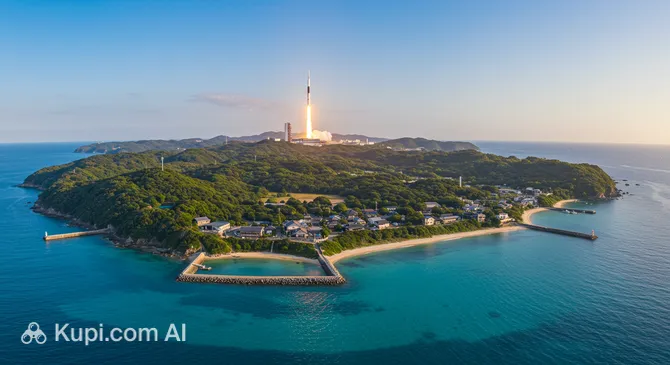
Tanegashima. Source: Kupi.Binoculars

Today, the island is perhaps best known as the home of the Tanegashima Space Center, often cited as the most beautiful rocket launch complex in the world due to its stunning coastal setting. Beyond space exploration, the island is a paradise for nature lovers and surfers, boasting pristine white sandy beaches and some of the best waves in the region. Whether you are watching a rocket launch or catching a wave, the scenery is truly spectacular.

From its role in modern science to its deep historical roots, Tanegashima offers a diverse range of experiences. We invite you to explore this hidden gem, where you can walk through history in the morning and gaze at the stars of the future by night.

Weather Overview

Tanegashima experiences a mild subtropical climate, offering comfortable conditions for exploration throughout most of the year. To help plan your trip, it is helpful to check the weather in Tanegashima, which generally features warm, humid summers and gentle winters. The island rarely sees extreme cold, making it a welcoming destination even during the cooler months.

Summer brings the highest temperatures, with August averaging around 28.2°C and daily highs reaching nearly 29.1°C. However, this season also brings frequent rainfall, particularly in June, which records precipitation on about 19 days of the month. Winters remain mild with average temperatures in January and February staying around 13°C to 14°C. Expect warm summers with occasional rain and mild winters where a light jacket is usually sufficient.

Interesting Facts

Beyond the main attractions, Tanegashima holds many fascinating secrets that surprise even seasoned travelers. From its culinary heritage to its unique craftsmanship, the island offers stories that go far beyond the guidebooks.

  • From Guns to Scissors: While the island is famous for introducing firearms to the country, that same iron-forging expertise evolved into a more peaceful tradition. Local craftsmen created "Tane-basami," traditional hand-forged scissors known for their incredible sharpness. These tools are still highly prized today by bonsai artists and chefs.

  • The Birthplace of Japanese Sweet Potatoes: Tanegashima was the first place in Japan where sweet potatoes were successfully cultivated in the 17th century after being brought from Okinawa. The island is particularly famous for the "Anno Imo" variety, a sweet potato with a high sugar content that tastes almost like a dessert when baked.

  • A Cavern Revealed by the Tides: The Chikura Cavern (Chikura-no-Iwaya) is a magnificent natural sea cave located on the eastern coast. Accessible only during low tide, this vast cavern is said to be spacious enough to hold a thousand people, offering a mystical and fleeting glimpse into the island's geological beauty.

How to Get There

Reaching this beautiful island is an adventure that primarily involves air or sea travel. Since Tanegashima is located south of Kyushu and is not connected to the mainland by bridges or tunnels, most travelers arrive via Kagoshima. You can find more about how to get to Tanegashima and explore the specific routes on our detailed transport page.

The most convenient entry point is the local Tanegashima Airport (TNE), which is situated just 1.3 km from the city center. It serves as a regional hub connecting the island directly to the mainland. For those traveling from further afield, Kagoshima Airport (KOJ) acts as a major international and domestic gateway. It is located about 134.7 km from Tanegashima, and the journey typically involves a transfer to a port for a high-speed ferry or a connecting flight. Another nearby option is Yakushima Airport (KUM), located on the neighboring island, approximately 39.5 km away.

For clarity, here is a summary of the main airports in the region:

Airport Name City Passenger Traffic Km from City
Kagoshima Airport Kagoshima Large 134.7
Miyazaki Airport Miyazaki Large 147.5
Yakushima Airport Kumage Medium 39.5
Tanegashima Tanegashima Small 1.3
Amakusa Amakusa Small 221.8

It is important to note that Tanegashima does not have a railway network. The island is not accessible by train, and there are no stations located here. Travelers preferring rail transport typically take the Shinkansen (bullet train) to Kagoshima-Chuo Station on the mainland and then transfer to a high-speed ferry (hydrofoil) or a car ferry to reach the island's ports.

Main Attractions

To explore Tanegashima is to journey through time, where the cutting edge of space exploration meets centuries of history and raw natural beauty. The island offers a distinct set of landmarks that appeal to science enthusiasts, history buffs, and nature lovers alike. Here are the main attractions you should not miss during your visit.

Undoubtedly the island's most famous landmark is the Tanegashima Space Center. Operated by JAXA, it is widely regarded as the most beautiful rocket launch complex in the world due to its stunning location along the southeastern coastline. Visitors can explore the Space Science and Technology Museum, which offers free admission and features interactive exhibits, real rocket engine parts, and models. On days without launches, guided bus tours take you closer to the launch pads and command center, offering a rare glimpse into Japan's space program.

For those interested in the island's pivotal role in Japanese history, the Teppokan (Gun Museum) in Nishinoomote city is an essential stop. This facility is shaped like a ship and is dedicated to the history of the first firearms introduced to Japan by Portuguese explorers in 1543. The museum houses an impressive collection of antique matchlock guns, known as "Tanegashima," alongside documents and artifacts that explain how this technology transformed the nation's warfare and culture. It is a fascinating educational experience that provides context to the island's heritage.

Nature has carved its own masterpiece at the Chikura Cavern (Chikura-no-Iwaya). Located on the eastern coast, this massive sea cave is a natural wonder accessible only during low tide. Over thousands of years, the waves have eroded the rock to create a spacious interior that is said to accommodate a thousand people. Walking inside reveals beautiful abstract patterns in the sand and rock walls, creating a mystical atmosphere that feels worlds away from the nearby space center.

Another scenic and historical highlight is Cape Kadokura, the southernmost point of the island. This is the recorded landing site of the Portuguese ship that brought firearms to Japan. A monument marks the event, but the location is equally worth visiting for its panoramic views of the ocean. An observation deck offers a sweeping look at the coastline, and on clear days, you can see the neighboring island of Yakushima rising from the sea.

Finally, no trip to Tanegashima is complete without visiting its pristine coastlines, such as Urada Beach. Located on the northern tip of the island, this white sandy beach boasts crystal-clear waters and is a popular spot for swimming, camping, and fishing. Unlike the busier beaches of mainland Japan, it offers a tranquil escape where you can relax and enjoy the subtropical scenery in peace.

Local Cuisine

The culinary landscape of Tanegashima is deeply influenced by its warm subtropical climate and the bountiful ocean that surrounds it. The island is famous across Japan for its unique agricultural products, most notably the Anno Imo sweet potato. Unlike standard varieties, Anno Imo has a distinctively high sugar content and a sticky, creamy texture when baked. You will often find them sold as yaki-imo (roasted sweet potato) at roadside stations and markets, tasting almost like a natural dessert.

Being an island, fresh seafood is a staple of the local diet. One of the most prized delicacies is the Asahi-gani (spanner crab), known for its unusual shape and rich, sweet meat. It is typically caught in the winter months and is a must-try for seafood enthusiasts. Another local favorite is the flying fish (tobiuo), which is often served as sashimi when fresh or ground into fish cakes and deep-fried, providing a savory treat that pairs perfectly with local meals.

When it comes to drinks, Shochu is the undisputed king of beverages in this region. Given the abundance of high-quality sweet potatoes, local distilleries produce distinctive imo-jochu (potato shochu) that is aromatic and smooth. It is commonly enjoyed mixed with warm water or on the rocks alongside dinner. For a non-alcoholic option, look for Tanegashima Tea. The island is known for producing Japan's earliest tea harvest of the year, offering a fresh and fragrant brew that reflects the mild spring climate.

The food culture in Tanegashima is relaxed and unpretentious. You won't find many high-end formal restaurants; instead, the island is dotted with cozy izakayas (Japanese pubs) and family-run eateries where locals and tourists mingle. The best way to experience the cuisine is to visit the local markets or roadside "Michi-no-Eki" stations, where farmers sell fresh produce and homemade snacks directly to visitors. It is a true farm-to-table experience where the freshness of the ingredients speaks for itself.

Travel Tips

Visiting Tanegashima offers a unique blend of island adventure and scientific discovery, but navigating this rural destination requires a bit of preparation. To help you enjoy a smooth and memorable journey, here is a collection of practical tips designed to help you travel like a pro.

  1. Clothing and Gear: The climate is subtropical, so lightweight, breathable clothing is essential for the hot and humid summers. However, the weather can be unpredictable; always pack a reliable raincoat or umbrella, as sudden showers are common, especially during the rainy season in June and typhoon season in late summer. Comfortable walking shoes are a must for exploring the coastline and the Space Center.

  2. Transportation: Public transport on the island is limited to infrequent bus services that may not reach all tourist spots efficiently. The best way to explore is to rent a car immediately upon arrival at the airport or ferry port. This gives you the freedom to visit remote beaches and observation decks at your own pace. Taxis are available but can become expensive for long distances.

  3. Finances: While major hotels and the Space Center gift shop accept credit cards, Tanegashima is still largely a cash-based society. Many local izakayas (pubs) and small shops only accept cash. Ensure you withdraw enough Japanese Yen (JPY) before leaving the mainland, or use ATMs at local convenience stores and Japan Post offices, which generally accept international cards.

  4. Health and Safety: The island is very safe, but visitors should be cautious of strong ocean currents when swimming or surfing; always check local advisories. Pharmacies and clinics are primarily located in Nishinoomote City. If you need serious medical attention, the Tanegashima Medical Center is the main facility. Don't forget strong insect repellent and high-SPF sunscreen.

  5. Communication: English is not widely spoken outside of major tourist facilities. It is highly recommended to download a translation app like Google Translate for smoother interactions. Free Wi-Fi is often limited to hotels, so renting a Pocket Wi-Fi or purchasing a SIM card at a major airport (like Kagoshima or Tokyo) before arriving on the island is crucial for staying connected.

  6. Local Etiquette: Politeness is key in Japan. Always remove your shoes when entering traditional accommodations (ryokan), private homes, and even some changing rooms. When visiting local hot springs (onsen), wash your body thoroughly before entering the communal bath. A small bow is a polite way to greet locals or express gratitude.

  7. What to Avoid: Never enter restricted zones around the Tanegashima Space Center, especially on launch days or during testing windows. These areas are strictly monitored for safety. Additionally, avoid walking on tatami mats with slippers or shoes on; this is considered very disrespectful and can damage the flooring.

  8. Rocket Launch Tips: If you plan to visit during a scheduled rocket launch, book your accommodation and rental car months in advance. The island's population swells significantly with space enthusiasts and media, causing hotels to sell out quickly. Traffic restrictions are also enforced on launch days, so plan your viewing spot early.

By keeping these practicalities in mind, you can focus on the incredible experiences Tanegashima has to offer. Whether you are there to catch the perfect wave or watch a rocket pierce the sky, a little preparation ensures your trip will be as relaxing as it is exciting.

Entertainment & Nightlife

Nightlife in Tanegashima reflects the island’s relaxed, subtropical character. Unlike the neon-lit districts of Tokyo or Osaka, the evening entertainment here is low-key, intimate, and centered around warm hospitality. The nightlife scene is primarily concentrated in Nishinoomote City, the island's main hub, where you will find a cluster of izakayas (Japanese pubs), small bars, and "snack" bars tucked away in the narrow streets near the port.

The atmosphere is casual and welcoming, with a crowd largely made up of locals, surfers, and space center staff. Dress codes are almost non-existent; jeans and t-shirts are perfectly acceptable everywhere. Most venues open around 18:00 and stay open until midnight or slightly later, though some local bars may close earlier on weekdays. A unique feature of island nightlife is the prevalence of "Snack" bars—cozy, retro establishments where you pay a cover charge to drink, chat with the owner (often called "Mama-san"), and sing karaoke with other patrons.

For a lively evening of food and drink, Nishinoomote is the best area to explore. You can start your night at a local favorite like Uosho Ichijo, a well-regarded izakaya known for serving fresh local seafood, including the island’s famous Asahi-gani (spanner crab) and sashimi. It is an excellent spot to sample imo-jochu (sweet potato shochu), the local spirit of choice. Further south in Minamitane, near the surf spots, you might find places like The Beach Club Sandalwood, which offers a more Western-style vibe with pizzas and drinks, perfect for a relaxed evening after a day in the waves.

Beyond drinking and dining, the island offers unique nocturnal experiences. Due to the lack of light pollution, stargazing is a premier form of night entertainment here. The area around the Tanegashima Space Center in Minamitane provides some of the clearest views of the Milky Way in Japan. During the autumn months, the island sometimes hosts the Tanegashima Space Art Festival, where light installations and planetarium projections illuminate the night, creating a magical atmosphere against the backdrop of rocket launch pads.

Practical advice for a night out includes carrying plenty of cash, as many smaller bars and izakayas do not accept credit cards. Public transport stops running early in the evening, so you will need to rely on taxis or a daiko (designated driver service) if you have a rental car. The island is incredibly safe for night walks, even in unlit areas, but it is wise to carry a flashlight if you are venturing outside the town centers to avoid tripping on uneven paths.

Parks & Museums

While Tanegashima is famous for its coastlines and rocket launches, the island also boasts serene green spaces and insightful museums that offer a deeper look into its unique heritage. From subtropical mangrove forests to galleries showcasing ancient artifacts and futuristic technology, the cultural landscape here is as diverse as its natural one.

Yogogo River Mangrove Park offers a distinct change of scenery from the island's sandy beaches. Located in the Minamitane area, this park protects a lush cluster of Kandelia obovata mangroves, which thrive in the brackish waters where the river meets the sea. Visitors can stroll along well-maintained wooden boardwalks to observe the unique ecosystem up close, spotting crabs and waterfowl among the roots. It is a peaceful spot that highlights the island's subtropical biodiversity.

For a panoramic view mixed with seasonal beauty, Uchiyama Park in Nishinoomote is a favorite among locals. The park is particularly famous for its early-blooming cherry blossoms, known as Ryukyu Kanhi-zakura, which paint the area in deep pink hues as early as late January or February. Even outside the blossom season, the park serves as a relaxing green retreat with elevated views over the town and the ocean, making it perfect for a leisurely afternoon picnic.

Tanegashima's museums bridge the gap between the ancient past and the cutting-edge future. The Space Science and Technology Museum, located within the Space Center complex, is a must-visit for its hands-on approach to science. Unlike the outdoor launch pads, the indoor exhibits focus on the intricacies of space travel, featuring full-scale models of satellites, a "Space Dome" theater, and interactive games that explain orbital mechanics. It provides an educational deep dive that complements the visual spectacle of the launch sites.

To understand the island's ancient roots, the Hirota Site Museum offers a fascinating glimpse into prehistoric life. Situated near the Hirota Ruins, a National Historic Site, this museum displays skeletal remains and exquisite shell accessories found in ancient burial grounds dating back to the Yayoi period. The artifacts suggest a unique shellfish culture that thrived here, distinct from mainland Japan. The modern facility contextualizes these findings, telling the story of the people who lived on these shores thousands of years ago.

History enthusiasts should also revisit the Teppokan (Gun Museum), not just for its firearms collection, but for its architecture. The building is designed to resemble a 16th-century European ship, symbolizing the arrival of the Portuguese. Inside, beyond the matchlocks, you will find exhibits detailing the local blacksmithing techniques that allowed the islanders to reverse-engineer the weapons, showcasing a legacy of craftsmanship that persists to this day.

For a truly authentic experience, seek out the Heman no Matsubara. This extensive pine grove along the coast of Minamitane stretches for about a kilometer and has been cherished for centuries. Walking through the tunnel of ancient pines while listening to the sound of the waves offers a meditative atmosphere that feels timeless, providing a quiet counterpoint to the island's modern technological pursuits.

Getting Around

Navigating Tanegashima requires a shift in mindset compared to traveling in Japan's major metropolitan areas. The most important thing to know is that there are no trains or subways on the island. The public transport system relies entirely on a network of local buses, which serve the main towns and key locations, including the airport and the port. While these buses are reliable, they operate with limited frequency, making advanced planning essential for those who choose not to drive.

The primary bus service runs along the island's main north-south artery, connecting Nishinoomote City in the north, the central town of Nakatane (where the airport is located), and Minamitane Town in the south, which is the gateway to the Space Center. Buses generally run approximately once an hour during the day, with services starting around 6:00 AM and ending relatively early in the evening. There are fewer buses on weekends and public holidays, so checking the latest timetable at the ferry terminal or airport information desk is crucial.

When using local buses, the payment system follows the standard rural Japanese model. You enter through the rear door and take a small numbered ticket from a machine next to the entrance. This ticket indicates your starting zone. At the front of the bus, a digital display board shows the fare corresponding to your ticket number, which increases as you travel. You pay the driver in cash upon exiting through the front door. Please note that IC cards like Suica or Pasmo are generally not accepted on these local island buses, so you must carry cash. There is usually a change machine near the driver that can break 1,000 yen notes and 500 yen coins, but having small change ready is appreciated.

Given the infrequent bus schedule, renting a car is overwhelmingly the most popular and practical choice for tourists. It offers the freedom to explore remote beaches, observation decks, and restaurants that are not located along the main bus route. Rental agencies are conveniently located near the ferry terminal in Nishinoomote and at Tanegashima Airport. Remember that you will need a valid International Driving Permit (IDP) to rent a vehicle in Japan.

Taxis are another alternative, readily available at the airport and the ferry port. They are convenient for short trips within Nishinoomote or for getting to your hotel with luggage. However, using a taxi for long-distance travel—such as from the north of the island to the Space Center in the south—can be quite expensive. For shorter excursions within the town centers, rental bicycles are a pleasant option. Some hotels and tourist information centers offer both standard and electric-assist bicycles, allowing you to enjoy the island's sea breeze at a leisurely pace.

For a smooth experience, always keep a copy of the bus schedule with you, as missing a bus can result in a long wait. If you plan to visit the Space Center by bus, be mindful of the return times, as the last bus back to the northern city leaves in the late afternoon. Whether you choose the independence of a rental car or the slow travel pace of the local bus, the island's scenic roads ensure the journey is part of the adventure.

Accommodation

Accommodation in Tanegashima is generally practical, welcoming, and deeply integrated with the local lifestyle. Unlike major luxury resort destinations, the island focuses on comfortable, functional stays that cater to business travelers, surfers, and space enthusiasts. The options range from standard Western-style business hotels to traditional Japanese inns, offering a chance to experience authentic island hospitality.

The majority of lodgings are concentrated in two main areas. Nishinoomote City in the north is the island's primary hub and the most convenient place to stay for those relying on public transport or the ferry. It offers easy access to supermarkets, restaurants, and the main port. Conversely, travelers interested in the Space Center or surfing often prefer Minamitane Town in the south. Staying here puts you closer to the launch sites and the best waves, though having a rental car is highly recommended for this area.

A popular choice for visitors is the traditional minshuku (family-run guesthouse). These establishments offer a more intimate experience than standard hotels, typically featuring tatami-mat rooms and shared baths. staying at a minshuku often includes home-cooked meals featuring fresh local seafood, providing a deep dive into the island's culinary culture. For those seeking more familiarity, several mid-range business hotels and a few resort-style properties are available, particularly near the coastlines, offering Western amenities and ocean views.

Booking Tip: Timing is everything when planning a trip to Tanegashima. During scheduled rocket launch windows, accommodation across the entire island sells out months in advance. If you plan to visit during a launch, secure your room as soon as the date is announced. Conversely, during the off-peak seasons, it is much easier to find availability, though booking ahead is still wise due to the limited number of rooms on the island.

Prices are generally reasonable, with budget-friendly guesthouses and mid-range hotels making up the bulk of the market. Luxury options are scarce, keeping the overall cost of a stay moderate. While major hotels can be booked via international online platforms, many smaller minshuku may only accept direct bookings by phone or through Japanese travel websites. Carrying cash is advisable, as smaller establishments may not accept credit cards for payment.

Nearby Cities

Tanegashima is an island destination, which means visiting neighboring urban centers involves a journey across the water to the mainland of Kyushu. The island is part of Kagoshima Prefecture, and the closest major cities are located across the Osumi Strait. These destinations serve not only as transport gateways but also as cultural and historical hubs worth exploring in their own right.

Here are the major cities located within a close radius of Tanegashima:

City Population Distance (km)
Kagoshima 593,754 117
Miyakonojo 159,878 123
Kirishima 123,812 127
Kanoya 100,880 86
Aira 76,610 129

Kagoshima is the most significant city in the region and acts as the primary transit hub for travelers heading to the island. Known as the "Naples of the Eastern World," it sits across the bay from the active volcano Sakurajima. The city offers a vibrant downtown area, historical sites related to the Meiji Restoration, and excellent dining options featuring local specialties like Kurobuta pork and sweet potato shochu.

Located near the airport that serves the region, Kirishima is a destination defined by its volcanic landscapes and mythology. It is famous for the Kirishima Jingu Shrine and its high-quality hot springs (onsen), making it a popular spot for relaxation before or after an island trip. The area offers excellent hiking opportunities in the Kirishima-Kinkowan National Park.

Kanoya is situated on the Osumi Peninsula and is geographically the closest major city to Tanegashima listed here. It is well-known for the Kanoya Rose Garden, one of the largest in Japan, and its historical museum dedicated to the naval air base. The city offers a more rural and laid-back atmosphere compared to the bustling capital across the bay.

Miyakonojo, located on the border with Miyazaki Prefecture, is a major agricultural center. It is renowned for producing high-quality meat and shochu. Visitors here can enjoy the Sekino-o Falls, a stunning natural site featuring distinctive potholes formed by erosion, and explore the local history at the Miyakonojo Shimazu Residence.

Shopping & Souvenirs

Shopping in Tanegashima offers a delightful change of pace from the frenetic retail experiences of Japan's major metropolises. Instead of sprawling luxury complexes and high-end fashion boutiques, the island provides a more intimate selection of stores that focus on local craftsmanship, regional specialties, and daily necessities. Visitors will find that the charm of shopping here lies in discovering unique handmade goods and fresh island produce that cannot be found anywhere else.

The primary shopping hub on the island is Nishinoomote City, particularly the area surrounding the ferry terminal and the downtown streets. Here, you can wander through small, nostalgic shopping streets that feature family-owned businesses, clothing stores, and specialty shops. While the atmosphere is quiet and laid-back, these streets are the best place to find traditional goods and interact with friendly local shopkeepers who take pride in their wares.

Travelers looking for a "mall" experience should adjust their expectations, as Tanegashima does not have large department stores or extensive shopping complexes. Instead, the island is served by large supermarkets and community shopping centers, such as Sunseed in Nishinoomote or the Plasse Daiwa store. These venues are excellent for stocking up on groceries, travel essentials, and affordable clothing, offering a glimpse into the everyday life of the island's residents.

For a more tourist-centric experience, the Tanegashima Tourism Product Center (Tanegashima Kanko Bussan-kan), located conveniently near the Nishinoomote Port, is the island's premier market for visitors. This facility gathers a wide array of local products under one roof, ranging from fresh seafood and agricultural produce to crafts and confectionery. It is effectively a one-stop shop for exploring the island's bounty without having to travel to widely scattered farm stands.

When it comes to souvenirs, Tanegashima boasts several distinct specialties. The most famous traditional craft is Tane-basami, hand-forged scissors known for their incredible sharpness and durability, a skill derived from the island's history of gunsmithing. Foodies should look for sweets made from Anno Imo, the island's renowned sweet potato, or bottles of locally brewed Shochu. Additionally, given the island's status as a spaceport, space-themed goods—such as freeze-dried "space food" and JAXA mission patches—are popular keepsakes available at the Space Center and airport shops.

Store hours on the island generally follow a standard rural schedule, with most shops opening around 9:00 AM or 10:00 AM and closing by 7:00 PM or 8:00 PM. While major supermarkets and convenience stores may stay open later, smaller souvenir shops often close early. In terms of payment, Tanegashima is still largely a cash-based society. While the airport, Space Center, and larger supermarkets may accept credit cards, many smaller vendors and traditional craft shops only take cash, so it is essential to carry sufficient yen.

Tax-free shopping is not widely available on the island compared to mainland tourist hubs. Visitors should not expect to find tax refund counters at most local stores. It is best to assume that prices are final and include consumption tax, reserving tax-free shopping for your return to larger cities or international airports.
Reached the end of the page?

That means the route is fully explored