Support

Kagoshima

About

Kagoshima is a captivating coastal city located on the southern tip of the island of Kyushu in Japan. Often referred to as the "Naples of the Eastern World" due to its sunny climate, palm-lined streets, and the looming presence of a volcano across the bay, it offers a unique blend of urban energy and stunning natural beauty. As the capital of Kagoshima Prefecture, it serves as a vibrant hub for culture, transportation, and commerce in the southern region.
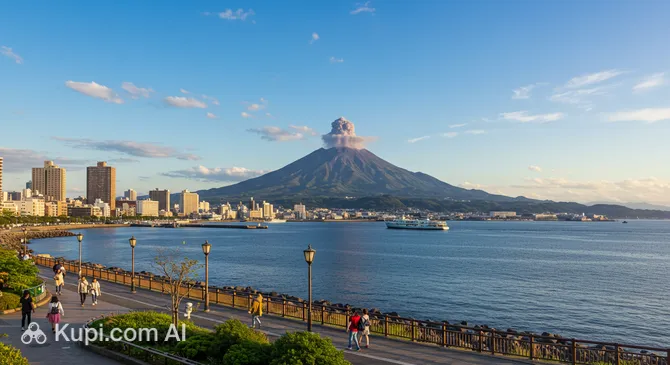
Kagoshima. Source: Kupi.Binoculars

With a population of approximately 600,000 residents, the city maintains a friendly and welcoming atmosphere. Its geography is defined by its position along the shores of Kinko Bay, providing spectacular waterfront views. The climate is generally mild and subtropical, making it a pleasant destination to visit throughout the year, though summers can be quite warm and humid.

The region played a pivotal role in the modernization of the nation, producing many influential figures who helped shape the country's future. Visitors can delve deeper into this era by exploring the history of Kagoshima, which is preserved in various museums and historical sites dedicated to the local samurai heritage and the Meiji Restoration.

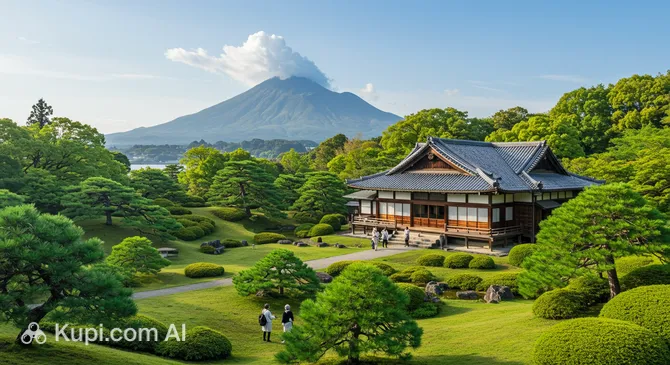
The city's most iconic landmark is undoubtedly Sakurajima, one of the world's most active volcanoes, which sits just a short ferry ride away across the bay. Another highlight is the exquisite Sengan-en Garden, a traditional landscape garden that historically belonged to the powerful Shimazu clan and uses the volcano as "borrowed scenery." Additionally, the city is famous for its culinary delights, particularly Kurobuta pork and locally distilled shochu.

Whether you are looking to relax in a steaming foot bath with a view of the volcano or explore the lively Tenmonkan shopping arcade, Kagoshima promises an unforgettable experience. It is a perfect gateway to the southern islands and a must-visit destination for travelers seeking authentic hospitality and dramatic landscapes.
Weather Overview

Kagoshima generally enjoys a mild, subtropical climate, characterized by hot, humid summers and cool, relatively dry winters. The city sees significant seasonal variation, so packing layers is often recommended depending on when you plan to visit. Expect warm summers with frequent rain and cooler winters where the air is crisp and drier.

During the peak of summer in August, average temperatures reach approximately 27.9°C, with daily highs often climbing to 30.6°C. Conversely, January is typically the coldest month, with average temperatures dropping to 8.4°C and lows around 5.3°C. Rainfall is a major factor in the summer months; June and July are particularly wet, experiencing between 20 and 23 rainy days each.

For those planning a trip, the transitional seasons of spring and autumn offer pleasant conditions. May averages a comfortable 20.1°C, while October sees similar temperatures around 20.7°C. To help you pack appropriately for your specific travel dates, be sure to check the current forecast and detailed weather in Kagoshima before your departure.

Interesting Facts

Beyond the main attractions, Kagoshima holds many fascinating secrets that reveal its unique character and resilience. From distinct local customs driven by nature to hidden historical quirks, the city offers plenty of surprises for the curious traveler.
Sengan-en. Source: Kupi.Binoculars
  • Daily life here involves a unique routine due to the active volcano nearby. Residents are provided with special yellow garbage bags specifically for collecting volcanic ash that falls on their properties. You can learn more about the science and lifestyle of living with an active volcano at the Sakurajima Visitor Center.

  • Within the beautiful grounds of Sengan-en, visitors can find a rare shrine dedicated entirely to cats. Legend has it that a feudal lord took seven cats with him on a military campaign to Korea and used the dilation of their pupils to tell the time, honoring the survivors at this site.

  • The local dialect, known as Satsuma-ben, is so distinct from standard Japanese that it was historically used as a form of encryption. During conflicts, it served as a natural secret code for communication, as speakers from other regions of Japan found it nearly impossible to understand.

  • While other regions are often cited as the tea capitals of Japan, Kagoshima is actually the country's second-largest producer of green tea. Thanks to its warm southern climate, the region is typically the first in the nation to harvest shincha (new tea) in the spring.

How to Get There

Reaching this southern destination is straightforward, with options ranging from air travel to high-speed rail. For travelers looking for detailed routes and logistics, you can find more information on how to get to Kagoshima to help plan your journey effectively.

The most convenient gateway for air travelers is Kagoshima Airport (KOJ), which serves as the primary hub for the region. Located approximately 27.6 km from the city center, it handles a significant volume of domestic and international flights. The journey from the airport to downtown Kagoshima typically takes about 60 minutes by taxi or airport limousine bus.

Another option for those exploring the wider region is Miyazaki Airport (KMI), situated in the neighboring city of Miyazaki. While it is about 90 km away, it can be a viable alternative depending on your itinerary. Traveling from Miyazaki Airport to Kagoshima takes considerably longer, approximately 2.5 hours by road, so it is worth checking connection times in advance.

For clarity, here is a summary of the main airports in the vicinity:

Airport Name City Passenger Traffic Km from City
Kagoshima Airport Kagoshima High 27.6
Miyazaki Airport Miyazaki Medium 90.0
Yakushima Airport Kumage Small 134.6
Tanegashima Tanegashima Small 117.5
Amakusa Amakusa Small 105.1

For those preferring rail travel, Kagoshima is seamlessly connected to the rest of Japan via the high-speed rail network. The city is home to Kagoshima-Chuo Station, the southern terminus of the Kyushu Shinkansen line. This makes it easily accessible from major cities like Fukuoka, Hiroshima, and Osaka. The station is centrally located, allowing for quick and easy access to local transport and main attractions immediately upon arrival.

Main Attractions

Attractions:

Kagoshima offers a diverse array of sights, ranging from historical landmarks and traditional gardens to modern marine exhibits. The city's unique geography, dominated by the active volcano across the bay, provides a dramatic backdrop to almost every sightseeing experience.

A visit to the city would be incomplete without exploring Sengan-en. This expansive traditional garden, built by the powerful Shimazu clan in 1658, is a masterpiece of Japanese landscape design. It is renowned for its use of "borrowed scenery," incorporating the majestic Sakurajima volcano and Kinko Bay into the garden's views. Visitors can wander through the meticulously maintained grounds, visit the residence, and see the site where Japan's industrial revolution began.

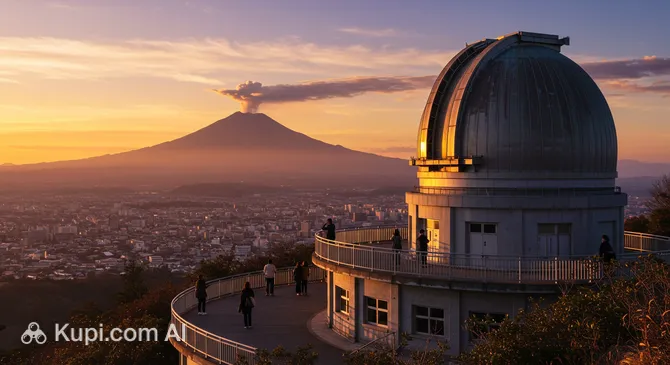
For the most iconic panoramic views, travelers should head to the Shiroyama Observatory. Situated on Mount Shiroyama, a hill covered in lush forest, this vantage point offers a sweeping look at the downtown area, the bustling port, and the smoking peak of the volcano. It is a perfect spot for photography, especially during the day for clear views or at twilight when the city lights begin to twinkle.

Shiroyama Observatory. Source: Kupi.Binoculars

Families and ocean lovers will find the Kagoshima City Aquarium to be a highlight. Located along the waterfront near the ferry terminal, it features a massive tank replicating the Kuroshio Current, which flows past the coast of Kyushu. The aquarium is home to whale sharks, rays, and a variety of marine life native to the local waters, offering an educational journey from the shallow coral reefs to the deep volcanic trenches.

To delve into the region's rich past, the Museum of the Meiji Restoration is highly recommended. This facility uses high-tech displays, dioramas, and theater performances to explain the pivotal role the Satsuma domain played in the modernization of Japan in the late 19th century. It provides excellent context for understanding the many statues and monuments dedicated to local heroes found throughout the city.

Local Cuisine

The culinary landscape of Kagoshima is as dramatic and bold as its volcanic geography. Known locally as "Satsuma cuisine," the food here is distinct from the rest of Japan, characterized by rich flavors, fresh ingredients from the warm southern seas, and a history of trade that introduced unique ingredients like sweet potatoes. For food lovers, the city is a paradise where high-quality meats and unique local produce take center stage.

The undisputed king of the local table is Kurobuta, or Berkshire pork. This premium pork is celebrated for its tenderness and rich flavor, often enjoyed as shabu-shabu (hot pot) or crispy tonkatsu cutlets. Beef lovers will also appreciate the local Kuroge Wagyu, recognized as some of the finest in the country. For those looking to sample high-quality meat dishes in a relaxed atmosphere, places like Gyu do! offer a chance to indulge in these savory specialties.

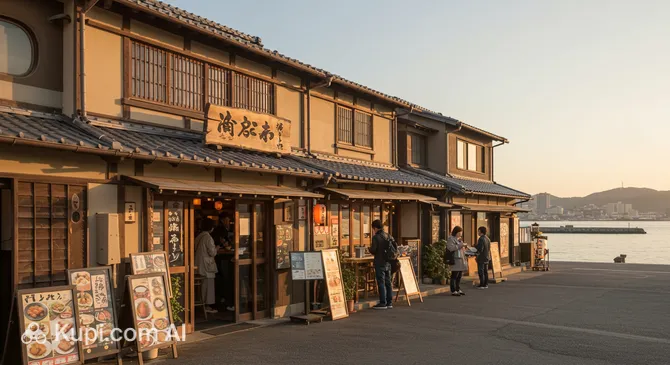
Seafood is another pillar of the local diet. A must-try delicacy is Kibinago, a small silver-stripe round herring that is typically served as sashimi with a vinegared miso dipping sauce rather than soy sauce. Another favorite is Satsuma-age, a deep-fried fish cake made with surimi and flour, often mixed with vegetables or seafood. These are perfect snacks to enjoy while exploring the waterfront or dining at popular spots like Mekkemon Dolphin Port, a conveyor belt sushi restaurant known for its fresh, local catch.

Mekkemon Dolphin Port. Source: Kupi.Binoculars

No meal in Kagoshima is complete without a glass of Shochu. Unlike the rice-based sake famous in northern Japan, this region specializes in Imo-jochu, a distilled spirit made from sweet potatoes. It has a robust aroma and earthy taste, typically drunk on the rocks or mixed with hot water. It pairs exceptionally well with the hearty flavors of Satsuma cuisine and is the standard drink in local izakayas (Japanese pubs).

For those with a sweet tooth, the signature dessert is Shirokuma. This playful treat consists of shaved ice topped with condensed milk, colorful fruits, and sweet beans, arranged to resemble the face of a white bear. It is a refreshing way to cool down during the humid summer months. You can also find traditional sweets like Jambo Mochi (grilled rice cakes) at the Sengan-en Café, allowing you to enjoy a historic taste amidst beautiful surroundings.

The heart of the city's dining scene is the bustling Tenmonkan district. Here, neon lights illuminate a maze of arcades packed with restaurants, bars, and cafes. Whether you are looking for a steaming bowl of Kagoshima ramen with its cloudy pork-bone broth or a lively bar to sip shochu with the locals, this area offers the most authentic taste of the city's vibrant food culture.

Travel Tips

Visiting Kagoshima is a delightful adventure, but like any unique destination, a little insider knowledge goes a long way in ensuring a smooth trip. To help you navigate the city with ease and confidence, we have compiled a list of essential practical tips covering everything from local customs to dealing with the occasional volcanic greeting.

  1. Clothing and Volcanic Ash: Kagoshima has a subtropical climate, so lightweight, breathable fabrics are essential for the hot and humid summers, while a medium coat is sufficient for the mild winters. Uniquely to this city, you must prepare for volcanic ash from Sakurajima. It is wise to carry sunglasses to protect your eyes from grit and a hat to keep ash off your hair. If you wear contact lenses, consider switching to glasses on days when the wind blows ash towards the city.
  2. Getting Around: The city has an excellent public transport network. The retro-style trams are the most convenient way to travel between the central station and the downtown Tenmonkan area. For sightseeing, the "Kagoshima City View" bus connects major attractions like Sengan-en and the Shiroyama Observatory. Taxis are safe and reliable but can be expensive; most drivers do not speak English, so have your destination written in Japanese.
  3. Money Matters: The currency is the Japanese Yen (JPY). While credit cards are increasingly accepted at department stores and hotels, Kagoshima is still largely a cash-based society. You will need cash for tram fares, small restaurants, and street food stalls. International ATMs are readily available at 7-Eleven and Lawson convenience stores, as well as Japan Post offices. Tipping is not practiced and can even cause confusion, so simply pay the bill as presented.
  4. Health and Safety: Kagoshima is extremely safe for tourists. In terms of health, if you get volcanic ash in your eyes, do not rub them, as this can scratch the cornea; rinse them with water instead. Pharmacies and drugstores are widespread and often marked with the kanji for medicine (薬). They offer high-quality over-the-counter remedies, though having a translation app is helpful to find the right product.
  5. Communication: The primary language is Japanese. While staff at major hotels and tourist information centers speak English, it is less common in local izakayas or taxis. It is highly recommended to download a translation app like Google Translate or DeepL before you arrive. Renting a pocket Wi-Fi or purchasing a data SIM card at the airport is crucial for navigation and translation on the go.
  6. Local Etiquette: Politeness is key. A slight bow is the standard greeting. When using public transport, keep your voice down and avoid talking on the phone. If you plan to visit an onsen (hot spring)—a must-do in Kagoshima—remember to wash your body thoroughly before entering the bath water. Be aware that some traditional onsens may restrict entry for guests with tattoos, so check policies in advance or look for "tattoo-friendly" facilities.
  7. What to Avoid: Do not walk and eat at the same time, as it is generally considered rude and messy. Also, avoid sticking your chopsticks vertically into a bowl of rice, as this resembles a funeral ritual and is highly taboo. Finally, never wear shoes on tatami mats; always leave them at the entrance of homes, temples, or traditional dining rooms.
  8. Smart Travel Tip: To save money on transport, purchase the "CUTE" (Common Use Tram & Everyday) Pass. This pass offers unlimited rides on city trams, city buses, the City View bus, and even the Sakurajima Ferry. It is available as a one-day or two-day pass and pays for itself very quickly if you plan to visit the main sightseeing spots and the volcano.

Armed with these practical tips, you are ready to embrace the warm hospitality and vibrant culture of Kagoshima. Whether you are hopping on a tram to explore downtown or relaxing in a hot spring, a little preparation will allow you to focus on making unforgettable memories in this beautiful southern city.

Entertainment & Nightlife

When the sun sets behind Sakurajima, Kagoshima transitions from a historical sightseeing hub into a lively city with a warm and inviting nightlife. The epicenter of this activity is Tenmonkan, the largest entertainment district in southern Kyushu. This sprawling area is a maze of covered arcades, narrow alleys, and neon-lit streets packed with restaurants, bars, and pubs. Unlike the intense clubbing scenes found in Tokyo or Osaka, the nightlife here is characterized by a convivial atmosphere centered around food, conversation, and local spirits.

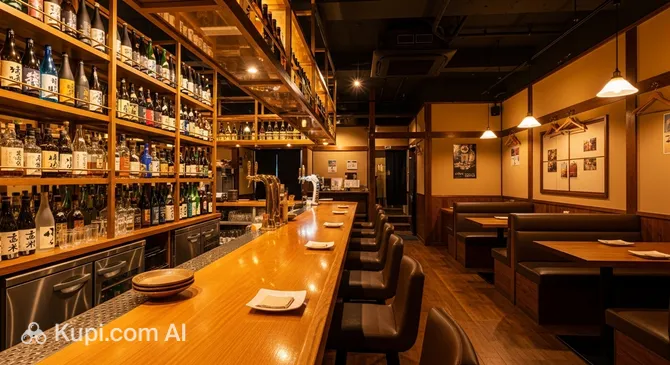
For a genuine taste of the local evening culture, visitors should head to an izakaya (Japanese pub). Here, the drink of choice is undoubtedly shochu, the region's famous sweet potato spirit, often enjoyed with hot water or on the rocks. Locals typically spend hours socializing over bottle sets and small plates of sashimi or grilled pork. A popular spot to experience this relaxed yet vibrant setting is Ryuno Hana Tenmonkan. This venue offers a stylish environment where you can enjoy local specialties in private rooms, making it an excellent choice for travelers seeking both comfort and authenticity.

Ryuno Hana Tenmonkan. Source: Kupi.Binoculars

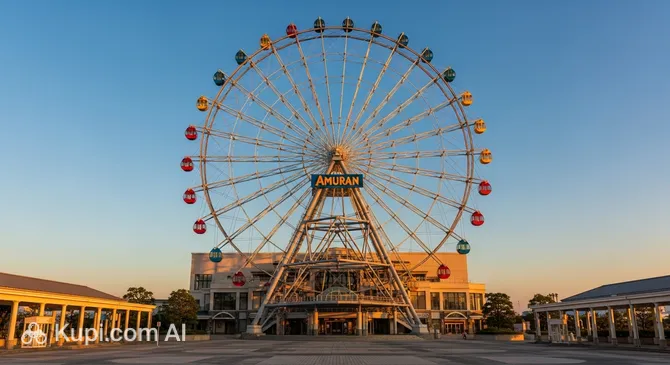
If you prefer spectacular night views over bar hopping, the area around Kagoshima-Chuo Station offers a different kind of entertainment. The Amuran Ferris Wheel, perched on top of Amu Plaza Kagoshima, is a landmark that lights up the city skyline. Taking a ride in one of its transparent gondolas provides a breathtaking 360-degree view of the glittering city lights and the dark silhouette of the volcano in the distance. It is a romantic and peaceful way to end the evening.

Amuran Ferris Wheel. Source: Kupi.Binoculars

For those planning a night out, the dress code in Kagoshima is generally casual and relaxed; you will fit in perfectly in smart-casual attire. Most bars and izakayas are open until late, often closing around midnight or 1:00 AM, though some designated nightlife spots stay open until dawn on weekends. Prices are reasonable compared to Japan's larger metropolises, but be aware that many bars charge a small seating fee (otoshi), which includes a small appetizer.

Safety is rarely a concern, as the city is very safe for night walks, even in the bustling Tenmonkan district. However, standard precautions apply, and it is best to ignore street touts inviting you into clubs. Public transport, including trams and buses, stops running around midnight. If you stay out later, taxis are the best way to get back to your hotel. They are plentiful, safe, and can be easily hailed on main streets or found at designated taxi stands.

While the nights are for socializing, the daylight hours offer their own array of cultural entertainment. Before the evening festivities begin, consider visiting the Kagoshima City Museum of Art. Located near the statue of Saigo Takamori, it features works by local artists and offers a quiet, contemplative space to appreciate the region's artistic heritage before diving into the energetic nightlife.

Parks & Museums

Museums and Culture

Kagoshima’s rich past as the seat of the Satsuma domain and a focal point of Japan's modernization is vividly preserved in its museums. Visitors can explore a variety of institutions that range from historical archives to modern marine exhibits, offering a deep dive into the region's culture and natural environment.

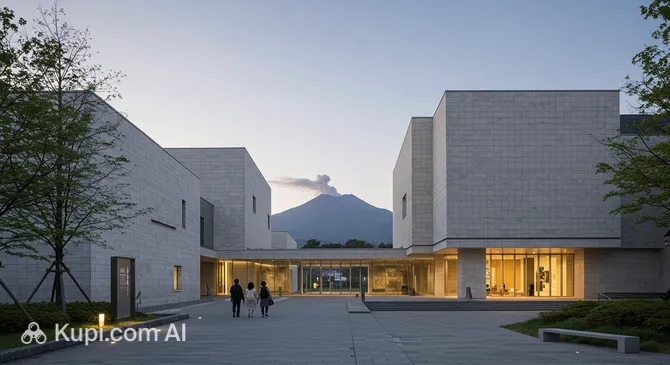
Reimeikan (Kagoshima Prefectural History and Art Center). Source: Kupi.Binoculars
  • Reimeikan (Kagoshima Prefectural History and Art Center): Located on the former site of Tsurumaru Castle, this comprehensive museum showcases the history of Kagoshima from prehistoric times to the modern era. It features impressive displays of swords, armor, and fine arts, along with a large diorama of the castle town.

  • Museum of the Meiji Restoration: This facility is dedicated to the dramatic events of the late 19th century. Through the use of animatronic displays and multimedia presentations, it brings to life the stories of local heroes who played crucial roles in modernizing Japan.

  • Kagoshima City Aquarium: Situated near the ferry terminal, this aquarium focuses on the marine life of the southern seas. Its massive Kuroshio Tank is a highlight, housing whale sharks and rays, while the dolphin channel allows visitors to see dolphins swimming freely in a waterway connected to the bay.

  • Nagashima Museum: Perched on a hill overlooking the city, this art museum displays a collection of local and international works, including Satsuma pottery and paintings. The grounds also offer one of the best panoramic views of the city and the volcano.

  • Kagoshima Municipal Science Hall: An interactive space designed to make science fun and accessible. It features a planetarium and exhibits on natural phenomena, making it a great stop for families with children.

Parks and Nature

Despite being a bustling city, Kagoshima is filled with green spaces that take full advantage of its seaside location and volcanic backdrop. From historic ruins turned into gardens to spacious waterfront promenades, the city’s parks offer perfect spots for relaxation and sightseeing.

Kagoshima Castle Ruins (Tsurumaru Castle). Source: Kupi.Binoculars
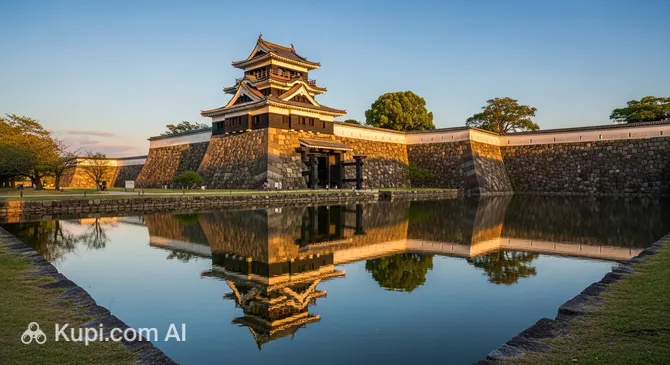
  • Kagoshima Castle Ruins (Tsurumaru Castle): While the main keep no longer stands, the stone walls and the moat remain as a testament to the power of the Shimazu clan. The site is now a peaceful park where visitors can admire the reconstructed Main Gate of Tsurumaru Castle, the largest of its kind in Japan.

  • Kagoshima Waterfront Park: A spacious, grassy area located right along the bay. It is a popular spot for locals to jog, picnic, or simply sit and watch the ferries travel to and from Sakurajima. The park also hosts various events and offers unobstructed views of the volcano.

  • Shiroyama Park: Extending across Mount Shiroyama, this park is covered in a subtropical forest that feels worlds away from the city center. It is home to the famous observatory and offers nature trails rich with local flora, birds, and insects, making it ideal for a refreshing hike.

  • Kirishima Onsen: Although located a bit further out in the surrounding prefecture, this area is the gateway to the Kirishima-Kinkowan National Park. It is renowned for its hiking trails through volcanic landscapes and its high-quality hot springs.

Getting Around

Navigating Kagoshima is remarkably convenient and scenic, thanks to a diverse public transport network that connects the bustling downtown area with historical sites and natural landmarks. The city is compact enough that many attractions are close to one another, but the well-integrated system of trams, buses, and ferries makes exploring the wider region effortless for travelers.

The most iconic and user-friendly mode of transport is the tram system. These streetcars operate on two main lines (Line 1 and Line 2) that run through the heart of the city, connecting major hubs like Kagoshima-Chuo Station, the Tenmonkan entertainment district, and the waterfront area. The trams are frequent and offer a charming way to see the city streets; notably, some sections of the tracks are lined with grass to reduce heat and beautify the urban landscape.

For reaching specific tourist attractions that lie slightly outside the tram routes, the Kagoshima City View Bus is the best option. These retro-styled buses are designed specifically for visitors, following a loop that stops at key sights such as the Sengan-en Garden, the Shiroyama Observatory, and the Museum of the Meiji Restoration. Announcements are often made in multiple languages, making it very accessible for international tourists. Standard city buses also serve the entire region, though they can be slightly more complex to navigate due to the variety of routes.

A unique feature of the city's transport network is the Sakurajima Ferry. Since the active volcano is home to residents and businesses, this ferry operates 24 hours a day, acting as a floating bridge across the bay. The ride takes only about 15 minutes. An interesting quirk for first-time visitors is the payment system: you pay your fare at the ticket gate on the Sakurajima side, regardless of which direction you are traveling.

When it comes to paying for transport, tourists should be aware of a local peculiarity. Unlike many other Japanese cities where national IC cards (like Suica or Pasmo) are universally accepted, Kagoshima's trams and buses primarily use a local card called Rapica. While national cards work on JR trains, they may not be accepted on city trams and buses. Therefore, it is often easier for short-term visitors to use cash or purchase a special tourist pass.

The most highly recommended option for travelers is the CUTE (Common Use Tram & Everyday) Pass. This unlimited travel pass covers the city trams, city buses, the City View tourist bus, and even the Sakurajima Ferry. It can be purchased as a one-day or two-day ticket at the central station or major hotels. If you choose to pay with cash, board trams and buses from the rear or center door and take a numbered ticket (if available); you pay the exact fare at the front machine when you exit. Change machines are available on board for 1,000 yen notes.

For those who prefer more flexibility, taxis are plentiful and can be hailed on the street or found at designated stands. They are reliable but can be pricey for longer distances. Alternatively, the city offers a bike-sharing system called "Kagorin". With docking ports located near many tourist spots, renting a bicycle is a pleasant way to explore the waterfront promenades and flat downtown areas at your own pace.

Accommodation

Where to Stay:

Accommodation in Kagoshima caters to a wide spectrum of preferences and budgets, reflecting the city's role as a major tourist hub in southern Kyushu. Visitors can choose from efficient business hotels near the transport terminals, stylish guesthouses in the downtown districts, and luxurious resorts that offer sweeping views of the bay and the volcano. Whether you are looking for a quick stopover or a relaxing retreat, the city provides ample options to suit your travel style.

For those prioritizing convenience and mobility, the area around Kagoshima-Chuo Station is the most practical choice. This district is packed with modern business hotels that offer easy access to the Shinkansen and the airport bus terminal. It is an ideal base for travelers who plan to take day trips to nearby regions or have early morning departures. Alternatively, the Tenmonkan district appeals to those who want to be in the heart of the action. Staying here puts you within walking distance of the city's best restaurants, bars, and shopping arcades, allowing you to enjoy the nightlife without worrying about the last tram.

Kirishima Onsen. Source: Kupi.Binoculars

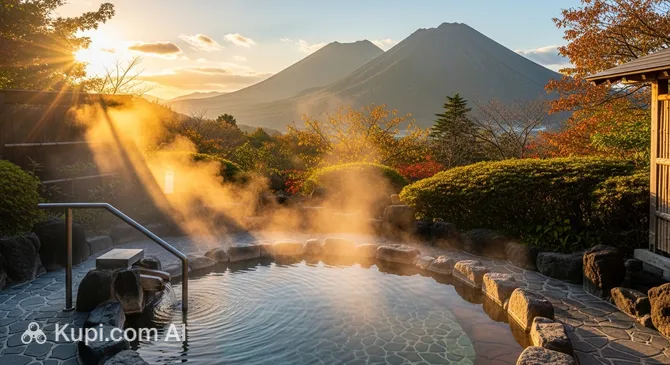
Travelers seeking a more traditional and restorative experience should consider venturing slightly further to Kirishima Onsen. Located in the volcanic highlands within reach of the city, this area is famous for its ryokans (traditional Japanese inns) and therapeutic hot springs. It offers a peaceful contrast to the urban center, allowing guests to soak in mineral-rich waters while surrounded by nature. Within the city limits, you can also find hotels perched on the hillsides, such as those around Mount Shiroyama, which are renowned for their open-air baths with panoramic views of Sakurajima.

Pricing is generally reasonable compared to Japan's larger metropolises. Budget travelers can find well-maintained hostels and capsule hotels, particularly near the port and downtown areas. Mid-range business hotels are plentiful and offer excellent value, often including breakfast. Luxury options are available for those willing to spend more for spacious rooms and premium onsen facilities. Booking is typically done through major online platforms. A helpful tip is to book your accommodation well in advance if you plan to visit during Golden Week (early May) or the Obon holidays (mid-August), as rooms with volcano views sell out quickly during these peak seasons.

Nearby Cities

For those looking to explore the surroundings, Kagoshima serves as an excellent base for day trips to several interesting nearby locations:

City Population Distance (km)
Miyakonojo 159,878 50
Kirishima 123,812 25
Kanoya 100,880 37
Satsumasendai 91,875 34
Aira 76,610 16

Located just a short distance north of the city, Kirishima is a premier destination for nature lovers and those seeking relaxation. It acts as the gateway to the Kirishima-Kinkowan National Park, featuring stunning volcanic hiking trails and the majestic Kirishima Jingu Shrine, which is steeped in Japanese mythology. The area is also widely renowned for its therapeutic hot spring resorts, offering a peaceful retreat in the mountains.

Situated on the Osumi Peninsula, Kanoya offers a delightful mix of floral beauty and history. It is famously home to the Kanoya Rose Garden, one of the largest of its kind in Japan, where thousands of roses create a spectacular display in spring and autumn. Additionally, visitors interested in aviation history can explore the local museum dedicated to the region's past as a naval air base.

For travelers interested in unique geological features and local gastronomy, Miyakonojo is an excellent choice. The city is known for the Sekino-o Falls, a scenic spot famous for its impressive potholes formed in the riverbed rock. Miyakonojo is also a major agricultural hub, celebrated for producing high-quality beef, pork, and traditional shochu, making it a rewarding stop for food enthusiasts.

These nearby destinations offer a glimpse into the diverse culture and landscapes of the region.

Shopping & Souvenirs

Shopping in Kagoshima offers a delightful contrast between nostalgic arcades and modern commercial complexes. The city’s retail scene is primarily divided into two main districts: the historic Tenmonkan area and the rapidly developing vicinity of Kagoshima-Chuo Station. Whether you are looking for high-end fashion, traditional crafts, or local delicacies, these areas provide ample opportunities to find the perfect souvenir.

The heart of the city's shopping culture is Tenmonkan. This sprawling network of covered arcades allows visitors to shop comfortably regardless of the weather, shielded from both the strong southern sun and the volcanic ash. Here, you will find a mix of souvenir shops, boutiques, and cafes. A landmark of this district is the Yamakataya Department Store. As the oldest department store in the region, it holds a special place in the hearts of locals, offering a refined selection of goods and a famous dining hall that serves a beloved style of yakisoba.

For a more contemporary experience, the area around the central station is the place to go. Directly connected to the shinkansen terminal is Amu Plaza Kagoshima. This massive complex features hundreds of shops, a cinema, and a variety of restaurants. It is easily recognizable by the Ferris wheel on its roof. The mall is a convenient stop for travelers to pick up the latest fashion trends or last-minute gifts before boarding a train.

When searching for authentic keepsakes, Kagoshima has several distinctive traditional crafts. Satsuma Kiriko is a stunning style of cut glass characterized by its gradation of colors and intricate patterns; while pricey, small pieces make for exquisite gifts. Another prized local product is Oshima Tsumugi, a high-quality silk fabric produced on the Amami islands, traditionally used for kimonos but now also found in accessories like ties and wallets.

Food souvenirs are equally popular and much more affordable. Satsuma-age (fried fish cakes) are a staple and can be bought vacuum-packed for travel. Sweet lovers should try Karukan, a steamed cake made from yams and rice flour, often filled with red bean paste. Finally, a bottle of Satsuma Shochu or a package of Chiran green tea captures the essence of the prefecture's rich agricultural heritage.

Reached the end of the page?

That means the route is fully explored