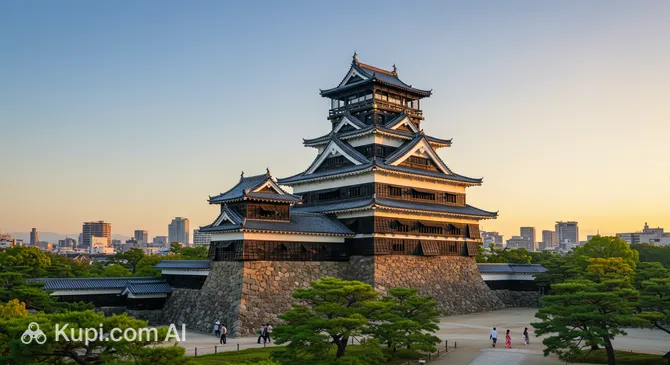
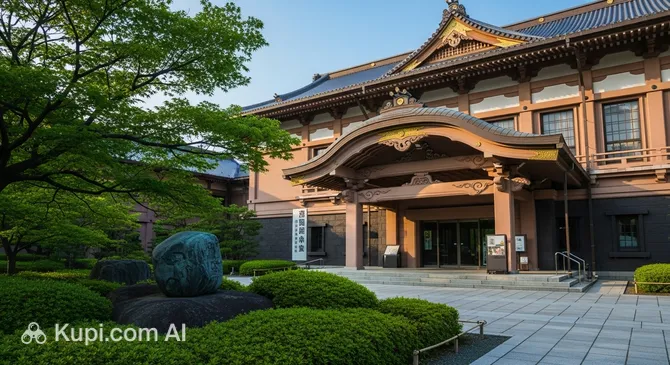
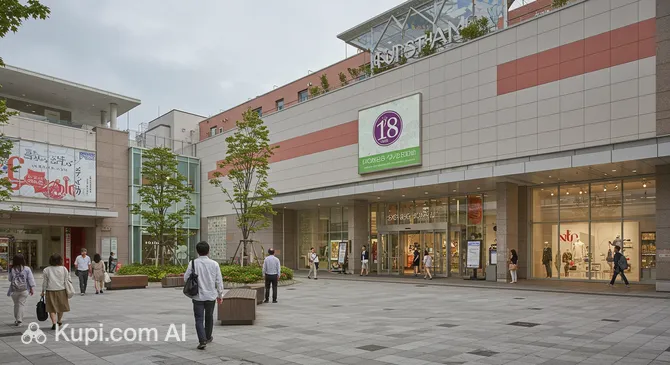
Welcome to Kumamoto, a captivating city located on the west coast of the island of Kyushu in Japan. As the capital of Kumamoto Prefecture, it serves as a vital cultural and economic hub for the region. With a population of approximately 738,000 residents, the city balances a lively urban energy with a relaxed atmosphere, often characterized by its lush greenery and high-quality groundwater, which has earned it the nickname the "City of Water."
Kumamoto. Illustration.
Source: Kupi.com AI
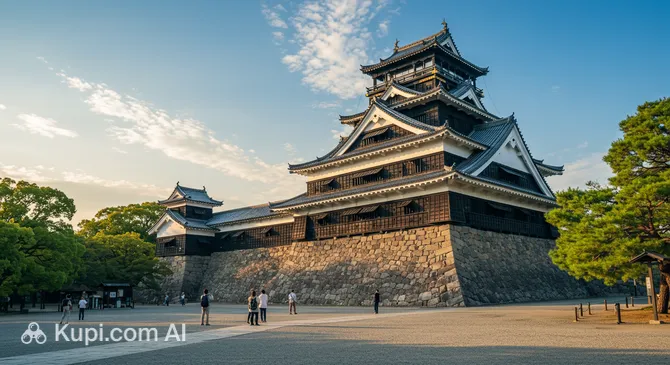
Travelers interested in the past can explore the fascinating history of Kumamoto, which is deeply rooted in the samurai era. The city is dominated by the majestic Kumamoto Castle, considered one of the three premier castles in the nation. With its impressive stone walls and expansive grounds, the castle stands as a powerful symbol of the city's heritage and resilience.
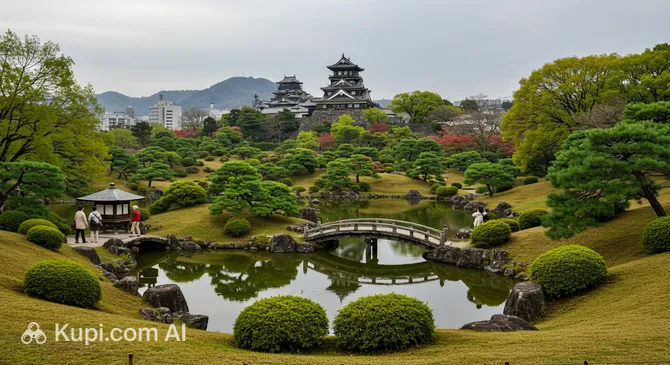
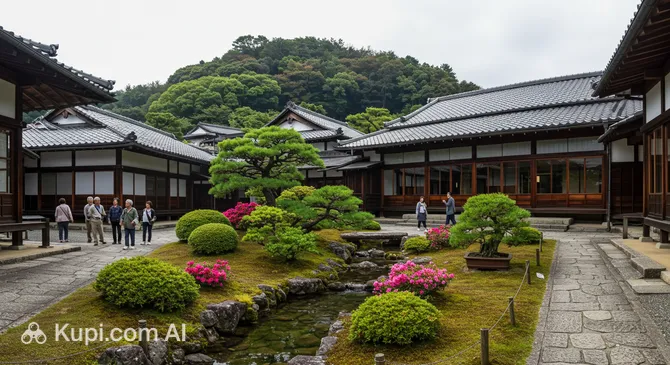
Beyond its fortress, Kumamoto offers serene beauty at Suizenji Jojuen, a spacious traditional landscape garden known for its miniature reproduction of the 53 Stations of the Tokaido road, including a small Mount Fuji. Whether you are admiring the historical architecture or using the city as a gateway to the nearby Mount Aso, Kumamoto invites you to experience its unique blend of nature, history, and warm hospitality.
Weather Overview
Kumamoto experiences a climate characterized by distinct seasonal changes, offering travelers a variety of conditions throughout the year. Summers are typically hot and humid, with August seeing average temperatures of 27.7°C and highs often reaching 30.8°C. This season is also quite wet; July, for instance, records rain on approximately 20 days of the month, so packing rain gear is advisable if you visit during this time.
In contrast, the winter months are significantly cooler and drier. January is usually the coldest time, with average temperatures hovering around 6.4°C and lows dipping to 3.3°C. Before you depart, it is helpful to check the specific forecast for the weather in Kumamoto to ensure you are prepared. Generally, spring and autumn offer mild transition periods with comfortable temperatures ideal for walking around the city.
Average monthly temperature
Average monthly precipitation
Interesting Facts
Beyond its famous fortress and historic gardens, Kumamoto holds a treasure trove of fascinating secrets and local legends that surprise many visitors. From pop culture icons to unique culinary traditions, here are some intriguing facts to know before you go.
The City of Water: Kumamoto is one of the few major cities in the world with a population of over 700,000 that relies entirely on groundwater for its public water supply. The tap water here is mineral-rich and sourced from pure underground aquifers, earning the city high praise for its quality and taste.
Home of One Piece: Manga fans will be delighted to know that Eiichiro Oda, the creator of the globally famous series One Piece, was born in this city. To honor his achievements and support reconstruction efforts after the 2016 earthquake, bronze statues of the Straw Hat Pirates, including the iconic Monkey D. Luffy Statue, have been installed at various locations across the prefecture.
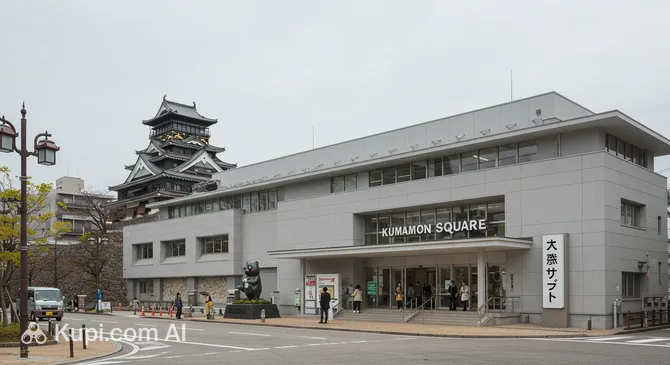
A Civil Servant Bear: The city's mascot, Kumamon, is a massive celebrity in Japan and officially holds the position of Sales Manager for the prefecture. He even has his own office where he "works" at Kumamon Square, and visitors can check his schedule to meet him in person.
Ninja-Proof Walls: The stone walls of Kumamoto Castle are famous for their unique curve known as musha-gaeshi, or "returning the warrior." The gradient becomes steeper towards the top, making the walls nearly impossible to climb, designed specifically to repel ninjas and samurai attackers.
Unique Cuisine: One of the region's most famous delicacies is basashi, or raw horse meat sashimi. While it may sound unusual to some travelers, it is considered a premium dish in Kumamoto, often served with soy sauce, ginger, and garlic.
Kumamoto Castle. Illustration.
Source: Kupi.com AI
Traveler photos:
How to Get There
Reaching this destination is straightforward thanks to its well-connected transport network and central location on the island of Kyushu. Whether you are arriving from within Japan or from abroad, you can find all ways to reach the city to suit your itinerary, with air travel and high-speed rail being the most popular choices.
The most direct point of entry is Kumamoto Airport (KMJ), which is conveniently situated just 14.3 km from the city center. As a primary regional hub, it handles a significant volume of passengers annually. Travelers arriving here can expect a travel time of approximately 40 to 45 minutes by taxi to reach downtown Kumamoto, though limousine buses are also a frequent and reliable option.
For those seeking more international flight connections, Fukuoka Airport (FUK) in the city of Fukuoka is an excellent alternative. Although it is located about 90.1 km away, it is a major international gateway for the region. From Fukuoka, visitors can easily transfer to a high-speed train or a highway bus to complete their journey. A taxi ride from this distance would be quite long, taking over 2.5 hours, so public transport is generally recommended for the final leg.
For clarity, here is a summary of the main airports:
In addition to air travel, Kumamoto is a major stop on the Kyushu Shinkansen line. The city is well-served by JR Kumamoto Station, which connects travelers to Fukuoka (Hakata Station) in as little as 30 to 40 minutes, as well as to Kagoshima in the south. This high-speed rail connection makes the city easily accessible from major metropolitan areas across Japan.
Main Attractions
Kumamoto is a city rich in history and culture, offering visitors a mix of reconstructed heritage sites, traditional landscapes, and modern entertainment. While the city center is compact and walkable, the main sights provide a deep dive into the samurai era and the region's unique local character. Here are some of the top places to explore during your visit.
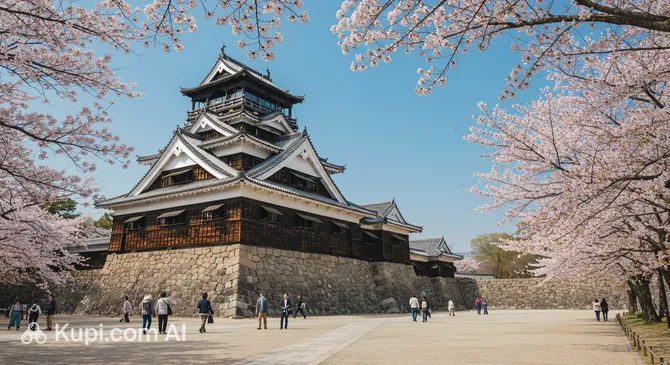
Undoubtedly the most iconic landmark in the city is Kumamoto Castle. Considered one of Japan's three premier castles, this massive fortress is renowned for its imposing black exterior and steep, curved stone walls known as musha-gaeshi, designed to thwart attackers. Although the structure suffered significant damage during the 2016 earthquakes, the main keep has been beautifully restored and is open to the public, offering panoramic views of the city. A visit here is not just about seeing a castle; it is an inspiring look at the city's resilience and ongoing reconstruction efforts.
Kumamoto Castle. Illustration.
Source: Kupi.com AI
Traveler photos:
For a change of pace, the majestic Suizenji Jojuen Garden offers a peaceful retreat. This spacious traditional landscape garden dates back to the 17th century and is famous for its miniature reproduction of the 53 Stations of the Tokaido, the ancient road connecting Kyoto and Tokyo. The garden's centerpiece is a perfectly manicured miniature Mount Fuji. It is a wonderful place to stroll and enjoy a cup of matcha tea at the historic Kokin-Denju-no-Ma teahouse while gazing at the pond.
Suizenji Jojuen Garden. Illustration.
Source: Kupi.com AI
Traveler photos:
Located just at the foot of the castle, Sakura-no-baba Josaien is a vibrant tourist complex that recreates the atmosphere of a bustling Edo-period castle town. This is the perfect spot to sample local Kumamoto delicacies, such as karashi renkon (lotus root stuffed with mustard) and various sweets, without having to travel far. The area also houses the Wakuwakuza History and Cultural Experience Facility, where you can learn about the history of the region through interactive exhibits and try on traditional kimono.
Sakura-no-baba Josaien. Illustration.
Source: Kupi.com AI
Traveler photos:
If you are looking for a more modern and lighthearted experience, a visit to Kumamon Square is a must. This serves as the main office for Kumamon, the rosy-cheeked black bear mascot who has become a global phenomenon. Visitors can tour his office, buy exclusive merchandise, and, if the timing is right, watch a lively stage performance by the mascot himself. It is a delightful stop for families and fans of Japanese pop culture.
Kumamon Square. Illustration.
Source: Kupi.com AI
Traveler photos:
Local Cuisine
Kumamoto offers a rich gastronomic journey that reflects its agricultural abundance. The city is celebrated for its distinct flavors, ranging from spicy lotus roots to hearty noodle soups. A classic souvenir and snack is karashi renkon, a lotus root stuffed with a mixture of mustard and miso, battered in turmeric, and deep-fried. For those with a sweet tooth, ikinari dango—steamed dumplings filled with sweet potato and red bean paste—are a comforting treat often found at street stalls.
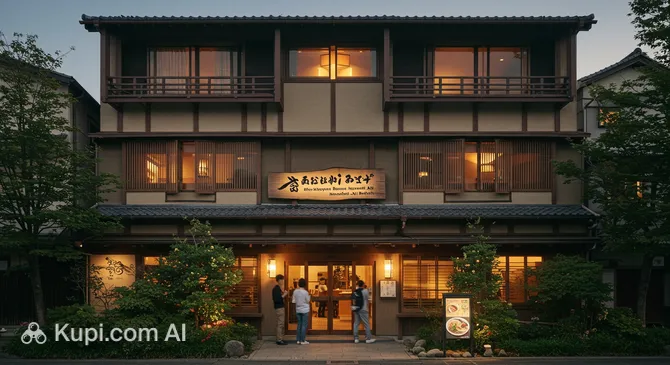
Noodle enthusiasts will appreciate the local variation of tonkatsu ramen. Unlike the standard Hakata style, Kumamoto ramen features slightly thicker noodles and a broth enriched with ma-yu, a dark roasted garlic oil that adds a smoky depth to the flavor. A highly recommended place to sample this intense dish is Hinokuni Bunryu Main Branch, which is famous for its rich and creamy soup that attracts locals and tourists alike.
Hinokuni Bunryu Main Branch. Illustration.
Source: Kupi.com AI
Traveler photos:
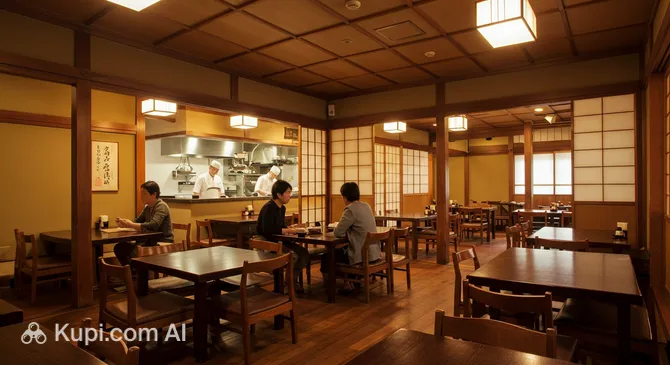
Another dining staple in the city is high-quality pork. For a satisfying meal, Katsuretsu Tei Shinshigai serves exceptional tonkatsu (breaded pork cutlet). Known for its crispy exterior and tender meat, this restaurant provides a traditional atmosphere where you can grind your own sesame seeds to mix with the savory sauce.
Katsuretsu Tei Shinshigai. Illustration.
Source: Kupi.com AI
Traveler photos:
Travel Tips
To ensure your journey through the "City of Water" is as smooth as it is memorable, we have compiled a set of essential guidelines to help you navigate local customs and logistics. These practical tips will help you travel with confidence, allowing you to focus entirely on the rich history and vibrant culture of Kumamoto.
Clothing and Gear: Kumamoto has hot, humid summers and chilly winters, so pack accordingly. Light, breathable fabrics are essential for July and August, while a warm coat is necessary for January. Since exploring sites like Kumamoto Castle and Suizenji Jojuen involves significant walking on uneven stone paths or gravel, bring sturdy, comfortable walking shoes. Slip-on shoes are also highly recommended, as you will frequently need to remove them when entering traditional inns, temples, or tea houses.
Transportation: The city is famous for its convenient and retro tram system (streetcars), which connects major stations and tourist attractions efficiently. You can pay with a standard Japanese IC card (like Suica or Pasmo) or exact change in coins upon exiting. For destinations further afield, such as Mount Aso or Kurokawa Onsen, renting a car offers the most freedom, though highway buses are a reliable alternative for those who prefer not to drive.
Finances: The currency is the Japanese Yen (JPY). While major hotels and department stores accept credit cards, many smaller restaurants, ticket counters, and souvenir shops at places like Sakura-no-baba Josaien still prefer cash. It is wise to carry sufficient yen with you. International ATMs are readily available at 7-Eleven convenience stores and Japan Post offices if you need to withdraw money. Tipping is not practiced here; excellent service is standard, and leaving a tip may even cause confusion.
Health and Safety: Kumamoto is a very safe city for tourists, but general precautions should still be taken. Pharmacies, often marked as "Drug Stores," are widespread and stock basic medical supplies; look for chains like Matsumoto Kiyoshi. A unique health tip for this city: the tap water is sourced entirely from underground aquifers and is renowned for its purity and taste. You can safely drink from the tap and refill your bottle at public water fountains without worry.
Communication: While staff at major hotels and tourist information centers often speak English, it is less common in local eateries and taxi cabs. It is highly recommended to have a translation app like Google Translate on your phone. Renting a Pocket Wi-Fi or purchasing an eSIM before arrival is crucial for navigation and communication. Useful phrases include "Arigato gozaimasu" (Thank you) and "Sumimasen" (Excuse me).
Local Etiquette: Politeness is key in Japanese culture. When greeting locals, a slight bow is the standard gesture rather than a handshake. On public transport, such as the trams and buses, keep your voice low and avoid talking on the phone. If you visit a hot spring (onsen) in the region, remember to wash your body thoroughly before entering the communal bath and keep your towel out of the water.
What to Avoid: Avoid eating or drinking while walking in public streets, as it is generally considered bad manners. The exception is designated areas around street food stalls. Also, do not stick your chopsticks vertically into a bowl of rice, as this resembles a funeral ritual and is considered highly offensive.
Local Insight: Keep an eye out for Kumamon, the prefecture's ubiquitous black bear mascot. You will find his image on everything from snacks to trains. Buying a small Kumamon souvenir is a great conversation starter with locals, who are very proud of their "Sales Manager." Additionally, many shops in the Shimotori and Kamitori arcades offer tax-free shopping for tourists, so keep your passport handy.
By keeping these simple tips in mind, you will be well-prepared to embrace the local lifestyle and enjoy everything this welcoming city has to offer. We hope your time in Kumamoto is filled with delicious discoveries, scenic beauty, and warm encounters.
Entertainment & Nightlife
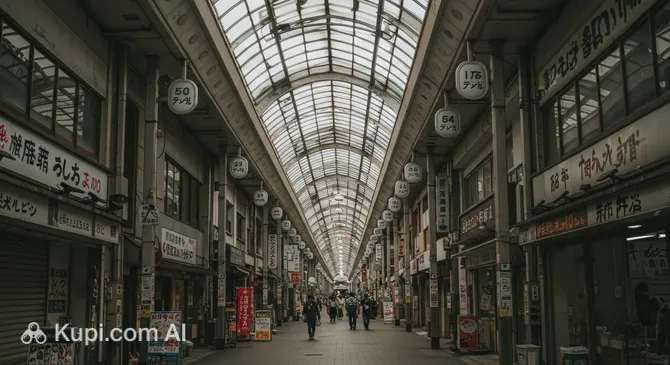
While Kumamoto is often celebrated for its historical landmarks, the city transforms as the sun sets, offering a vibrant and welcoming nightlife scene. The entertainment hub is concentrated around the bustling Shimotori and Kamitori shopping arcades, as well as the Shinshigai district. Unlike the overwhelming neon sprawl of Tokyo, the nightlife here is compact and accessible, characterized by a dense collection of izakayas (Japanese pubs), cocktail bars, and karaoke venues tucked into multi-story buildings.
For a lively evening that combines dining and amusement, ZINO Kumamoto is a popular destination in the city center. This complex attracts a diverse crowd, ranging from groups of friends to office workers unwinding after a long day. The atmosphere is energetic and casual, making it an easy place to step into without worrying about a strict dress code. Most venues in this area stay open late, often until 3:00 AM or even sunrise on weekends.
ZINO Kumamoto. Illustration.
Source: Kupi.com AI
Traveler photos:
Travelers looking for a more relaxed and traditional drinking experience should explore the smaller side streets branching off the main arcades. Here you will find places like Ichinosoko, a bar where you can enjoy local shochu and sake in a cozy setting. It is an excellent spot to mingle with locals and experience the warm hospitality the region is known for. If you prefer a pint of cold brew accompanied by warm comfort food, Beer Restaurant Oden is another notable stop, serving up the savory stewed dish known as oden which pairs perfectly with draft beer.
Ichinosoko. Illustration.
Source: Kupi.com AI
Traveler photos:
When it comes to practicalities, nightlife in Kumamoto is generally affordable. An average night out at an izakaya typically costs between 3,000 and 5,000 JPY per person. While the city is very safe for night walks, public transport does wind down earlier than the parties; the tram system usually stops running around 23:00. Fortunately, taxis are plentiful in the downtown area. You can easily hail one on the street or find them waiting at designated stands near the arcade entrances. Drivers are reliable, though having your hotel address written in Japanese is always helpful.
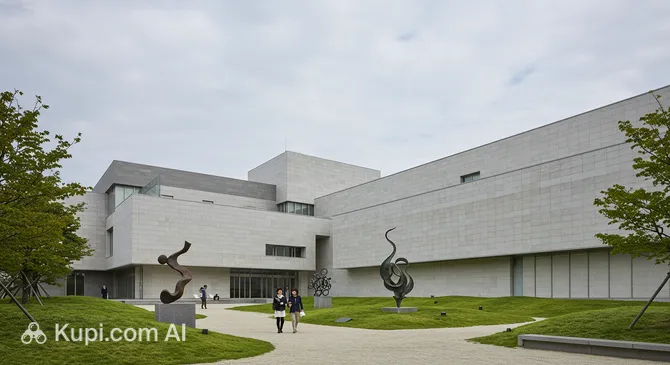
Before the evening festivities begin, the city offers plenty of daytime entertainment options for culture enthusiasts. The Contemporary Art Museum Kumamoto (CAMK) is conveniently located near the Kamitori arcade. It serves as a modern cultural community space with free entry to its library and lounge areas, making it a perfect starting point for your exploration of the city's artistic side.
Contemporary Art Museum Kumamoto. Illustration.
Source: Kupi.com AI
Traveler photos:
For families or those interested in history and nature, the Kumamoto City Museum offers extensive exhibits on the region's geology and heritage, while the Kumamoto City Zoo and Botanical Gardens provides a relaxing escape with diverse plant species and animal exhibits. Whether you spend your day admiring art or your night hopping between bars, Kumamoto delivers a well-rounded entertainment experience.
Parks & Museums
Kumamoto is a city where history and nature coexist harmoniously, offering visitors a wealth of green spaces and cultural institutions that celebrate its samurai heritage. Beyond the famous fortress walls, the city is dotted with expansive parks and galleries that provide both relaxation and deep insight into the region's artistic legacy.
For those seeking a spacious retreat right in the heart of the city, Kumamoto Castle Park (Ninomaru Square) is an exceptional choice. Located just west of the main castle keep, this vast grassy plaza was once the site of the domain lord's residence. Today, it serves as a popular spot for picnics and leisurely walks, offering one of the best unobstructed views of the castle towers against the sky. It is particularly beautiful during cherry blossom season, making it a favorite for locals and tourists alike.
Kumamoto Castle Park (Ninomaru Square). Illustration.
Source: Kupi.com AI
Traveler photos:
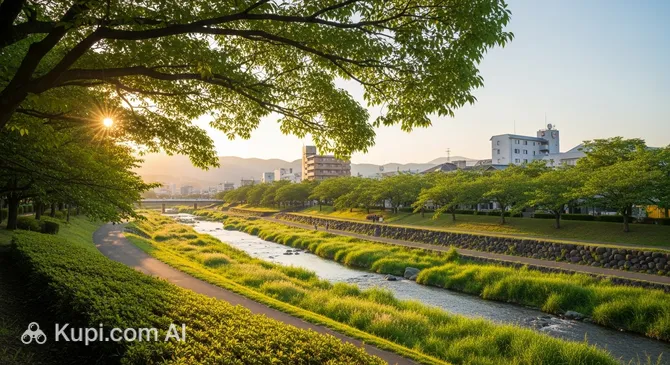
Another refreshing natural area is Tsuboigawa Park, which stretches along the riverbank near the castle grounds. This park features long promenades lined with camphor and gingko trees, providing a scenic route for jogging or strolling. Its proximity to the water and the historic stone walls creates a tranquil atmosphere, perfect for escaping the urban bustle while staying close to the major sightseeing districts.
Tsuboigawa Park. Illustration.
Source: Kupi.com AI
Traveler photos:
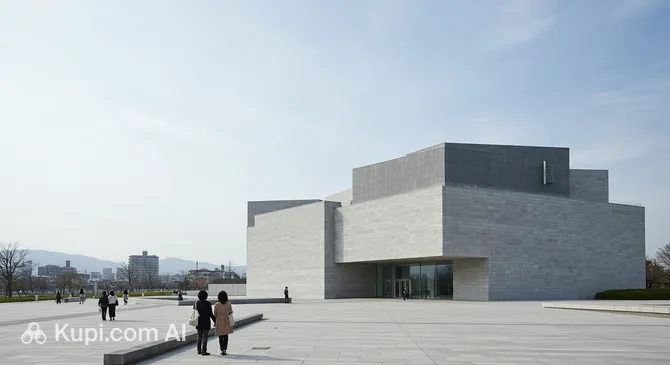
Delving into the cultural side of the city, the Kumamoto Prefectural Museum of Art Main Building stands as a premier destination for art lovers. Situated within the Ninomaru Park area, this museum houses a diverse collection ranging from ancient burial mound artifacts to modern paintings. It is also notable for its permanent exhibition of works by Renoir and other Western masters, as well as pieces related to the local history of printmaking.
Kumamoto Prefectural Museum of Art Main Building. Illustration.
Source: Kupi.com AI
Traveler photos:
Visitors interested in the samurai era should not miss the Shimada Museum of Arts. Located in a quiet residential area, this private museum is dedicated to the history of the warrior class, with a special focus on Miyamoto Musashi, the legendary swordsman who spent his final years in Kumamoto. The collection includes calligraphy, paintings, and weapons, offering a rare and intimate glimpse into the spirit of the samurai.
Shimada Museum of Arts. Illustration.
Source: Kupi.com AI
Traveler photos:
For a unique cultural experience, consider visiting Katō Shrine, located within the castle complex. Dedicated to Kato Kiyomasa, the feudal lord who built Kumamoto Castle, this shrine is a significant spiritual site for locals. It hosts vibrant festivals throughout the year and provides a distinct perspective on the reverence the city holds for its founding figures.
Getting Around
Navigating Kumamoto is delightfully simple, largely thanks to its charming and efficient public transportation network. The backbone of the city's transit is the Kumamoto City Tram, a streetcar system that has been running for decades and adds a nostalgic touch to the urban landscape. There are two main lines, Line A and Line B, which share a central section but split to serve different terminals. For most tourists, the tram is the most convenient way to travel, as it directly connects JR Kumamoto Station with major attractions like Kumamoto Castle, the Suizenji Jojuen Garden, and the downtown shopping arcades.
Complementing the trams is an extensive bus network that reaches areas the streetcars do not cover. The Sakura Machi Bus Terminal, located in the city center, serves as the main hub for both local and highway buses. Boarding a bus or tram in the city follows the standard Japanese practice: you enter through the rear door and take a small numbered ticket (seiriken) from the machine. When you reach your destination, check the electronic board at the front of the vehicle to match your ticket number with the fare, deposit the exact change and the ticket into the box next to the driver, and exit through the front door. On the tram, the fare is a flat rate regardless of distance, making calculations very easy.
A crucial detail for travelers to note is the payment system, which differs slightly from other major Japanese cities. While nationwide IC cards like Suica and Pasmo were previously standard, the city's trams and buses have transitioned to accepting contactless credit card payments (such as Visa Touch) and local transit cards. Therefore, it is highly recommended to carry a credit card with a contactless symbol or plenty of coins. If you plan to explore extensively, purchasing a 1-Day Tram Pass or the comprehensive "Wakuwaku 1day Pass" (which covers trams and specific bus zones) is a cost-effective option. These passes can often be bought at the station tourist information center, major hotels, or digitally via smartphone apps.
For those who prefer more flexibility, taxis are plentiful and can be easily hailed on the street or found at designated stands near the station and shopping districts. They are reliable and clean, though significantly more expensive than public transit. Alternatively, the city is quite flat and compact, making it ideal for cycling. The Charichari bike-sharing service is popular here; you can spot their red bicycles at various ports throughout the city. Renting one via the dedicated app allows you to weave through the streets at your own pace, offering a refreshing alternative to motorized transport.
Operating hours for public transport generally run from around 6:00 AM to 11:00 PM, though frequencies decrease late at night. The trams run frequently during the day, often arriving every 5 to 10 minutes, so you never have to wait long. Whether you are riding the retro streetcar to the castle or cycling along the river, getting around the city is a stress-free experience that allows you to soak in the local atmosphere.
Accommodation
Where to Stay:
Kumamoto provides a welcoming array of accommodation choices suited to every traveler's budget and preference. Visitors can choose from efficient business hotels, luxurious city stays, and traditional ryokans (Japanese inns) that offer a taste of local hospitality. Whether you are looking for a quick stopover near the transit hubs or a leisurely retreat near the historic sites, the city is well-equipped to host you.
For convenience, the two most popular areas to stay are the Downtown area (near the castle and the Shimotori/Kamitori arcades) and the neighborhood surrounding JR Kumamoto Station. Staying downtown places you within walking distance of major historical attractions, shopping districts, and the vibrant nightlife scene, making it perfect for those who want to be in the center of the action. On the other hand, the station area is ideal for travelers using the Shinkansen for day trips or arriving late at night, offering modern facilities and immediate access to transport.
If you are seeking a comfortable and reliable mid-range option, the Kumamoto Roynet Hotel is a notable choice. Often praised for its clean rooms and strategic location, it caters well to both leisure and business travelers who value accessibility to the city's main transport links and attractions.
Kumamoto Roynet Hotel. Illustration.
Source: Kupi.com AI
Traveler photos:
Prices in Kumamoto are generally reasonable compared to larger metropolitan areas like Tokyo or Osaka. Budget travelers can find business hotels and hostels ranging from roughly 5,000 to 8,000 JPY per night. Mid-range establishments typically cost between 10,000 and 18,000 JPY, while luxury hotels and traditional ryokans with meal plans can go upwards of 25,000 JPY.
It is highly recommended to book in advance, particularly during the cherry blossom season (late March to early April) and major Japanese holidays like Golden Week (early May), as rooms fill up quickly. Most accommodations can be easily reserved via major international online booking platforms, ensuring a smooth planning process for your trip.
Nearby Cities
For those looking to explore the surroundings, Kumamoto serves as an excellent base for day trips to several interesting nearby locations:
City
Population
Distance
Mashiki
32 587
10 km
Mifune
16 468
13 km
Kikuyo
43 443
13 km
Uto
35 947
14 km
Uki
57 096
17 km
Among these options, Yame stands out as a cultural gem, particularly famous for producing some of Japan's highest quality green tea, known as Yame-cha. Visitors can explore the traditional Fukushima district, which features beautifully preserved white-walled merchant houses that date back to the Edo and Meiji periods. It is a fantastic destination for those interested in traditional crafts, history, and tea ceremonies.
Closer to the city, Tamana offers a relaxing escape centered around its famous hot springs. Tamana Onsen has been a place of healing for over 1,300 years, known for its silky, beautifying waters. The city is also a culinary hotspot for ramen enthusiasts; Tamana ramen is considered the precursor to Kumamoto ramen, distinguished by its rich pork broth and generous topping of fragrant roasted garlic chips.
For history buffs, Uki provides a fascinating look into Japan's modernization. It is home to the Misumi West Port, a UNESCO World Heritage site. This Meiji-era port has been perfectly preserved, featuring stone wharves and historic Western-style buildings that transport visitors back to the late 19th century. The scenic drive along the coast to reach the port adds to the charm of the visit.
These nearby destinations offer a glimpse into the diverse culture and landscapes of the region.
Shopping & Souvenirs
Shopping:
Shopping in Kumamoto is a delightful mix of modern convenience and traditional charm. The city center is compact and walkable, allowing visitors to easily transition from high-end department stores to historic craft shops. Whether you are looking for the latest fashion, unique local handicrafts, or the famous regional snacks, the city offers a diverse retail landscape that caters to all tastes.
The heartbeat of the city's shopping scene is undoubtedly the twin arcades of Shimotori and Kamitori. Stretching for over a kilometer through the downtown area, these covered pedestrian streets are lined with a vast array of shops, cafes, and boutiques. Shimotori is wider and tends to feature more nightlife and entertainment options, while Kamitori has a slightly more relaxed, upscale atmosphere with older establishments and bookstores. Walking through these arcades is a quintessential Kumamoto experience, offering shelter from the sun or rain while you browse.
For a contemporary shopping experience, SAKURA MACHI Kumamoto is the city's premier destination. Located near the castle and the main bus terminal, this massive complex features a roof garden and countless stores selling fashion, cosmetics, and lifestyle goods. It is also a fantastic place to find food souvenirs, as the basement floor is dedicated to a high-quality food market offering local produce and bento boxes.
SAKURA MACHI Kumamoto. Illustration.
Source: Kupi.com AI
Traveler photos:
If you are searching for traditional goods and a lively market atmosphere, Sakura-no-baba Josaien is the perfect spot. Located at the foot of the castle, this Edo-period themed complex is packed with shops selling Kumamoto's specialties. Here, you can find Higo Zogan (traditional gold and silver inlay work) and local pottery. It is also the best place to sample and buy edible souvenirs like Karashi Renkon (mustard-stuffed lotus root) and sweet potato dumplings.
No trip to this prefecture is complete without picking up something related to its famous mascot. Kumamon Square is the ultimate destination for character goods. From stationery to plush toys and limited-edition snacks, the shop here offers the widest range of Kumamon merchandise, making it an ideal stop for finding gifts for friends and family back home.
Most shops in Kumamoto generally operate from 10:00 AM to 8:00 PM, though some restaurants and larger complexes may stay open later. While major department stores, malls like Sakura Machi, and convenience stores accept credit cards and IC cards, smaller boutiques and traditional stalls in the arcades may still prefer cash. It is advisable to keep some yen handy.
Visitors from overseas can take advantage of tax-free shopping at many participating stores, particularly in the Shimotori and Kamitori arcades and large department stores like Tsuruya. Look for the "Japan Tax-Free Shop" symbol at the entrance or counter. To claim the refund, you will need to present your passport with your entry stamp, so be sure to carry it with you when you go out shopping.