Support

Masuda

About

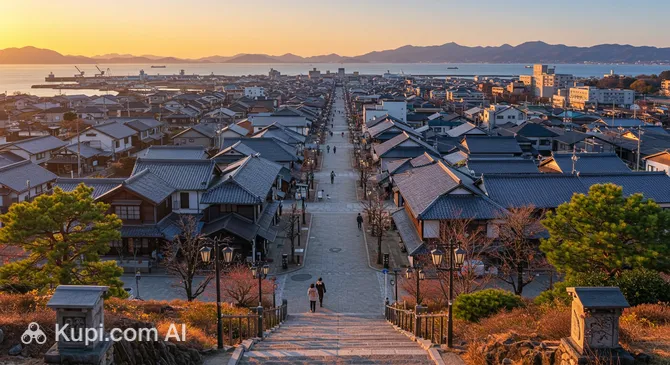
Nestled along the scenic coast of the Sea of Japan, Masuda is a captivating destination located in the western region of Shimane Prefecture. As a cultural gateway to this part of Japan, the city offers a delightful blend of traditional heritage, artistic significance, and natural beauty, making it a hidden gem for travelers seeking an authentic experience away from the major metropolises.

Masuda. Source: Kupi.Binoculars

With a population of approximately 44,000 residents, Masuda maintains a peaceful and welcoming atmosphere while serving as an important regional hub near the border with Yamaguchi Prefecture. The area boasts a deep cultural legacy, and diving into the history of Masuda reveals its profound connection to the celebrated Zen monk and painter Sesshu Toyo, who spent his later years here and left an indelible mark on the local landscape.

Visitors are often drawn to the city's unique artistic sites, particularly the exquisite Sesshu Gardens at Manpuku-ji and Iko-ji temples, which are designated as national Places of Scenic Beauty. Masuda is also a vibrant center for Iwami Kagura, a dynamic traditional performing art featuring elaborate costumes and expressive masks that brings local mythology to life. For architecture enthusiasts, the Shimane Arts Center, known as "Grand Toit," stands out with its striking modern design and distinctive Sekishu red roof tiles.

Whether you are admiring ancient Zen gardens, enjoying a spirited Kagura performance, or exploring the beautiful coastline, Masuda promises an enriching journey. It is a perfect stop for those looking to discover the artistic soul and tranquil charm of the Japanese countryside.

Weather Overview

Understanding the local climate is essential for planning your visit, as the region experiences distinct seasonal changes. The weather in Masuda is generally characterized by warm, humid summers and cool winters, with a relatively high frequency of wet days throughout the year, ensuring the surrounding landscapes remain lush and green.

Summer brings the warmest temperatures, peaking in August with an average high of 28.8°C. This season also sees the most frequent precipitation, particularly in July, which records rain on approximately 18 days. Travelers visiting during this time should be prepared for warm days and the likelihood of regular showers.

In contrast, winter is much cooler, with January being the coldest month, seeing average lows of 4.0°C and highs of only 7.5°C. Although the total precipitation volume is lower compared to summer, the season remains damp with about 14 to 17 wet days per month from December through February.

Spring and autumn offer a pleasant transition with moderate temperatures. May and October are particularly comfortable, with average highs around 20°C and fewer wet days compared to the peak of summer or winter. Expect warm summers with frequent rain showers and cool winters with regular light precipitation.

Interesting Facts

Beyond the main attractions, Masuda holds many fascinating secrets and local traditions that offer a deeper glimpse into its unique character. From pristine natural wonders to quirky sporting events, the city is full of surprises for the curious traveler.

  • The city is home to the Takatsu River, which is celebrated as having the highest water quality in Japan. Remarkably, it is one of the few major rivers in the country with no dams constructed on its main stream, allowing it to maintain a pristine ecosystem and crystal-clear waters that are renowned nationwide.

  • Masuda hosts a truly one-of-a-kind sporting event at the Hagi-Iwami Airport. It is the venue for a marathon where participants actually run on the active airport runway. This rare race takes place during gaps in the flight schedule, offering runners a wide, flat course with a unique aviation backdrop.

  • Foodies can discover a peculiar local dish called Uzume-meshi, which translates to "buried rice." Historically created to hide luxury ingredients from frugal feudal inspectors or to keep the meal warm, this dish features delicious toppings like wasabi, carrots, and sea bream hidden completely underneath a mound of white rice and broth.

  • The city shares a profound connection with Kakinomoto no Hitomaro, one of Japan's greatest ancient poets. At the local Takatsu Kakinomoto Shrine, he is worshipped not only as a literary deity but also as a god of fire prevention, a belief stemming from a legend where his spirit supposedly appeared to extinguish a blazing fire.

How to Get There

Planning a trip to this scenic part of Shimane Prefecture involves choosing the right entry point, as the city is connected by various modes of transport. To help you organize your journey efficiently, you can find more about how to get to Masuda and the specific routes available.

The most convenient gateway by air is the local Hagi-Iwami Airport (IWJ), which is situated directly in Masuda, just 4.8 km from the city center. Travelers landing here can expect a very short commute to reach the downtown area. For those looking for alternative flight connections, Iwakuni Kintaikyo Airport (IWK) in Iwakuni is another option, located about 69 km away. Additionally, Hiroshima Airport (HIJ) in Hiroshima serves as a larger regional hub roughly 102 km from Masuda, offering broader access for international and domestic travelers.

For clarity, here is a summary of the main airports in the region:

Airport Name City Passenger Traffic Km from City
Hiroshima Airport Hiroshima Large 102.3
Kitakyushu Airport Kitakyushu Large 118.3
Yamaguchi Ube Airport Ube Medium 97.6
Iwakuni Kintaikyo Airport Iwakuni Medium 69.1
Hagi-Iwami Airport Masuda Small 4.8

Regarding rail travel, the city is served by Masuda Station, a key junction on the JR West network. It connects the San-in Main Line and the Yamaguchi Line, providing access from major cities such as Shin-Yamaguchi and Matsue. The train journey offers a scenic approach to the city, winding through the beautiful landscapes of the Shimane coast and mountains.

Main Attractions

Masuda is a city where history and art seamlessly intertwine, offering visitors a chance to explore deep cultural roots and stunning modern architecture. From ancient Zen gardens to contemporary cultural centers, the city's landmarks provide a peaceful yet enriching experience for travelers.

One of the most striking landmarks in the city is the Shimane Arts Center "Grand Toit". This architectural masterpiece serves as a combined theater and art museum, but it is the building itself that often steals the show. The structure is clad in thousands of Sekishu roof tiles, a local specialty known for their durability and distinctive reddish hue. Visitors are drawn here not only for the excellent art exhibitions and performances but also to admire the dramatic design that reflects the region's craftsmanship in a modern form.

For those seeking spiritual tranquility and historical beauty, Manpuku-ji Temple is an essential stop. The temple is famous for its stone garden, which was designed by the legendary monk and painter Sesshu Toyo during the Muromachi period. Designated as a National Place of Scenic Beauty, the garden is a masterpiece of the "dry landscape" style, using rock arrangements and the natural slope of the hill to create a powerful, abstract scene that encourages deep contemplation.

Another site showcasing Sesshu's genius is Iko-ji Temple. While also featuring a garden attributed to the master painter, Iko-ji offers a different atmosphere with a beautiful pond and lush seasonal flora. It is particularly popular in spring when the weeping cherry trees are in full bloom, creating a breathtaking canopy of pink flowers. The harmony between the water, the meticulously placed stones, and the temple architecture makes it a photographer's delight.

Literature enthusiasts should not miss the Takatsu Kakinomoto Shrine, dedicated to Kakinomoto no Hitomaro, one of Japan's greatest ancient poets who is believed to have spent his final days in this region. The shrine is located within the scenic Manyo Park, which offers panoramic views of the city and the Sea of Japan. It is a serene spot where visitors can pay respects to the "god of poetry" and enjoy a quiet walk amidst nature.

Local Cuisine

The culinary landscape of Masuda is deeply influenced by its pristine natural surroundings, particularly the bounty of the Sea of Japan and the crystal-clear waters of the Takatsu River. For food lovers, the city offers a delightful mix of fresh seafood, unique regional specialties, and high-quality local produce that reflects the richness of the Shimane soil.

A visit to Masuda would not be complete without trying Uzume-meshi, a humble yet delicious dish that is unique to the Iwami region. Often described as "buried rice," it consists of a bowl of white rice served over a hidden layer of seasoned ingredients such as carrots, burdock root, tofu, and fish. Hot broth is poured over the top, warming the dish through. As you eat, you "discover" the flavorful treasures hidden beneath the rice. It is typically topped with fresh wasabi, another local specialty, which adds a sharp, refreshing kick to the mild broth.

Thanks to the exceptional water quality of the Takatsu River, the city is also famous for its river fish, particularly Ayu (sweetfish). In the summer months, this fish is caught fresh and is best enjoyed simply grilled with salt (shioyaki). The clean water gives the fish a delicate, sweet flavor that is highly prized by gourmets across Japan. Additionally, the nearby coast provides a steady supply of fresh seafood, including squid and horse mackerel, which can be enjoyed as sashimi or sushi in local restaurants.

For those with a sweet tooth, Masuda is renowned for its premium fruit production, most notably muskmelons. Grown with meticulous care in the region's greenhouses, these melons are celebrated for their perfect net-like skin and exceptionally high sugar content. They are often served as a luxury dessert in high-end establishments or purchased as gifts. Grapes, particularly the Shine Muscat variety, are also a popular local product in late summer and early autumn.

The local drinking culture is anchored in the region's long history of sake brewing. Shimane Prefecture is often called the birthplace of sake in Japanese mythology, and Masuda continues this tradition. Local breweries utilize the pure water from the Takatsu River and high-quality rice to produce sake with a crisp, dry finish that pairs perfectly with the region's seafood. For non-drinkers, locally produced fruit juices and high-quality green tea offer refreshing alternatives.

Dining in Masuda is a relaxed affair, with many of the best eateries located around Masuda Station. Here, travelers can find cozy izakayas (Japanese pubs) serving small plates of local favorites, allowing you to sample a variety of dishes in one sitting. The atmosphere is generally welcoming and casual, giving visitors a chance to mingle with locals and experience the warm hospitality of the Iwami region.

Travel Tips

Preparing for a trip to Masuda means getting ready to explore a quieter, more authentic side of Japan where tradition runs deep. To help you navigate the local customs and logistics smoothly, here are some practical tips to ensure your journey through this scenic part of Shimane Prefecture is as relaxing as it is memorable.

  1. Clothing and Gear: Since the region is known for its changeable weather and frequent rainfall, packing a compact umbrella or a light raincoat is essential regardless of the season. Summers are hot and humid, so breathable fabrics are a must, while winters require warm layers. As you will likely visit historical sites like Manpuku-ji or Iko-ji temples, wear slip-on shoes that are easy to take off and put on, as removing footwear is mandatory when entering temple buildings.

  2. Transportation: While Masuda Station is a convenient hub for trains, getting around the city and the wider Iwami region is often best done by rental car. Public bus schedules can be infrequent compared to major cities like Tokyo or Osaka. If you prefer not to drive, taxis are readily available at the station and airport, but be prepared for higher costs for longer distances. Bicycles can also be a great way to explore the flat city center near the coast.

  3. Finances: The country is still very much a cash-based society, especially in rural areas like Masuda. While the "Grand Toit" arts center and larger hotels accept credit cards, many small local restaurants, traditional shops, and temple entrance booths only take cash. It is wise to withdraw sufficient Japanese Yen (JPY) upon arrival. International ATMs are commonly found in 7-Eleven convenience stores and Japan Post offices.

  4. Health and Safety: Masuda is an incredibly safe city for tourists. Pharmacies (often labeled as "Drug Stores") are available for basic medicine, but they are generally not open 24 hours; most close by early evening. Tap water is safe to drink—in fact, the local water from the Takatsu River is famous for its purity.

  5. Communication: English is not widely spoken outside of major transport hubs and tourist information centers. It is highly recommended to download a translation app (like Google Translate) and have an offline map on your phone. Learning a few basic phrases like "Sumimasen" (Excuse me/Sorry) and "Arigato gozaimasu" (Thank you) will go a long way in showing respect to the friendly locals.

  6. Local Etiquette: Politeness is key. When greeting people, a slight bow is the standard gesture rather than a handshake. In public spaces, such as trains or buses, keep your voice down and avoid talking on the phone. If you visit an onsen (hot spring) in the region, remember to wash your body thoroughly before entering the communal bath.

  7. What to Avoid: Do not tip at restaurants, taxis, or hotels. Tipping is not part of Japanese culture and can even cause confusion or embarrassment; excellent service is simply the standard. Also, avoid eating or drinking while walking down the street, as it is generally considered ill-mannered.

  8. Additional Tip: Keep in mind that Masuda is a quiet town where nightlife and shop hours are limited. Many local shops and cafes may close around 6:00 PM or 7:00 PM. Plan your dinners accordingly, or head to the area around Masuda Station, where izakayas (pubs) stay open later for evening meals.

By keeping these practicalities in mind, you will be well-equipped to enjoy the serene beauty and rich culture of Masuda without any hiccups. Embrace the slower pace of life here, and you will find that the city's charm lies not just in its sights, but in the warmth of its hospitality.

Entertainment & Nightlife

While Masuda is widely known for its historical serenity and artistic heritage, the city transforms as the sun sets, offering a warm and authentic slice of Japanese nightlife. Unlike the neon-soaked bustle of Tokyo or Osaka, the evening scene here is intimate, welcoming, and deeply rooted in local culture. The nightlife is primarily concentrated in the Ekimae district, the lively area immediately surrounding Masuda Station. Here, the streets are lined with glowing red lanterns and the sounds of laughter drift from cozy establishments, inviting travelers to unwind after a day of exploration.

The atmosphere in Masuda’s nightlife district is distinctly casual and friendly. You won't find sprawling dance clubs or dress codes here; instead, the city specializes in izakayas (Japanese-style pubs) and "Snack" bars. The crowd is a mix of local office workers, residents, and the occasional traveler, creating a communal vibe where striking up a conversation with your neighbor is commonplace. For a truly local experience, look for the small, nostalgic bars tucked away in the alleys near the station, where the focus is on good conversation, karaoke, and excellent regional alcohol.

One of the standout venues for a modern evening experience is MASCOS BAR&DINING. Located on the ground floor of the Masuda Onsen Mascos Hotel near the station, this stylish establishment bridges the gap between a craft bar and a dining hall. It is a fantastic spot to sample Shimane sake, craft beers, and original cocktails in a chic, contemporary setting. The venue often attracts a younger, hip crowd and offers a sophisticated yet relaxed environment that differs from the more traditional pubs in the area.

For those seeking a deep dive into traditional flavors, Tagosaku is a must-visit institution. This renowned izakaya is celebrated for its rustic, folk-art interior and its dedication to local cuisine. It is one of the best places to pair the region's famous seafood from the Sea of Japan with premium local sake. The atmosphere here is quintessentially Japanese—lively, warm, and filled with the aroma of grilled dishes. It’s an ideal spot to try regional specialties like Uzume-meshi in an authentic dinner setting.

Beyond dining and drinking, evening entertainment in Masuda is often centered around Iwami Kagura. This dynamic traditional performance, characterized by luxurious costumes, expressive masks, and up-tempo music, is a source of great local pride. Unlike the solemn Kagura found elsewhere, Iwami Kagura is fast-paced and entertaining. Performances are frequently held on Saturday evenings at local shrines or event halls, providing a thrilling cultural spectacle that serves as a perfect start to a night out.

Practical advice for enjoying Masuda at night includes timing your evening correctly. Most izakayas open around 17:30 or 18:00 and are busiest between 19:00 and 21:00. While some bars stay open until midnight or later, many restaurants close earlier than in big cities. Prices are generally reasonable, with a typical dinner and drinks costing between 3,000 and 5,000 JPY per person. Since public transport winds down early, taxis are the most reliable way to get back to your hotel if you are staying outside the station area. They are usually lined up outside Masuda Station, or your venue can call one for you.

Safety is rarely a concern in Masuda, making it comfortable for night walks. The streets around the station are well-lit and safe, even for solo travelers. Before heading out for the night, you might have spent the day enjoying the city's daytime offerings, such as the world-class performances and exhibitions at the Shimane Arts Center "Grand Toit" or exploring the tranquil beauty of the Sesshu gardens. Transitioning from these cultural highs to the convivial warmth of an izakaya makes for a perfect day in this charming city.
Parks & Museums

Masuda offers a serene blend of cultural depth and natural beauty, providing visitors with spaces where art, history, and the outdoors seamlessly converge. From hilltop parks offering panoramic vistas to world-class museums celebrating local heritage, the city’s green spaces and galleries invite you to slow down and appreciate the artistic soul of the region.

For those who enjoy combining nature with literature, Manyo Park is a must-visit destination. Located on a hill overlooking the city and the Sea of Japan, this expansive park is dedicated to Kakinomoto no Hitomaro, the celebrated poet of the Manyoshu anthology. The park features winding walking paths, lush greenery, and poetic monuments that pay homage to his works. It is an excellent spot for a leisurely stroll, particularly in spring when the flora is in bloom, and the observation deck offers one of the best vantage points for viewing the sunset over the coast.

Another significant green space is the Nanao Castle Ruins, situated on a hill formerly known as Shiroyama. While the castle itself no longer stands, the site has been maintained as a park that preserves the historical footprint of the fortress that once guarded the region. It is a popular spot for hiking enthusiasts and history buffs alike. The trail to the top is rewarding, offering commanding views of the Masuda plains and the winding Takatsu River, making it a perfect location for a picnic with a view.

In the realm of culture, the Iwami Art Museum is the crown jewel of the city's artistic scene. Housed within the striking Shimane Arts Center "Grand Toit," the museum focuses on a diverse range of themes, including fashion, design, and the arts of the Iwami region. Unlike typical regional museums, it often hosts high-profile exhibitions and boasts a collection that highlights the intersection of traditional craftsmanship and modern aesthetics. The museum's courtyard, surrounded by the building's famous Sekishu roof tiles, is an artistic space in itself, reflecting the sky in its water features.

To delve deeper into the city's most famous historical resident, travelers should visit the Sesshu Memorial Museum (Sesshu no Sato). Located near Iko-ji Temple, this facility is dedicated to Sesshu Toyo, the master of ink wash painting who spent his final years in Masuda. The museum exhibits replicas of his masterpieces and provides educational context about his life, his travels in China, and his profound influence on Japanese art. It serves as an excellent primer before visiting the actual gardens he designed at the nearby temples.

For a truly authentic experience, head to the Sanri-gahama Coast for a walk along the shore. While not a manicured park, this stretch of natural beach offers a raw and beautiful connection to the Sea of Japan. It is a favorite local spot for watching the waves and enjoying the solitude of the coastline, far removed from the crowds of major tourist resorts.

Getting Around

Navigating Masuda is a different experience compared to Japan's bustling metropolises, as the city relies on a modest but functional network of buses and trains rather than a subway or tram system. The primary mode of public transportation for getting around the city center and reaching the suburbs is the local bus network, operated mainly by Iwami Kotsu. These buses connect key locations such as Masuda Station, the Shimane Arts Center "Grand Toit," and the airport, as well as nearby residential areas.

For rail travel, Masuda Station serves as the central hub, connecting the JR San-in Main Line and the Yamaguchi Line. While there is no metro, the local trains act as a commuter service for reaching nearby towns and specific scenic spots along the coast or in the mountains. However, train frequencies can be low, often with one or two trains per hour, and even fewer during midday or late evenings. It is essential to check the timetable in advance to avoid long waits.

The payment system in Masuda is largely cash-based, especially on buses. When boarding a local bus, you should enter through the rear door and take a small numbered ticket (seiriken) from the dispenser. This number corresponds to a fare display at the front of the bus, which updates as you travel. When you reach your destination, match your number to the screen to find your fare, and deposit the exact amount in cash into the box next to the driver along with your ticket. While the main train station has staffed gates and ticket machines, carrying small change and 1,000-yen notes is highly recommended for all local transport.

Given the somewhat infrequent public transport schedules, many visitors find that a rental car is the most efficient way to explore the area. A vehicle offers the freedom to visit scattered attractions like the Sesshu gardens or the coastline at your own pace without being tethered to bus timetables. Agencies are conveniently located near the main station and the airport. Alternatively, taxis are always available at the station taxi stand and are a reliable option for short trips, though they can be pricey for longer distances.

For a more leisurely pace, cycling is a fantastic alternative, particularly for exploring the flat city center and the coastal roads. Rental bicycles are often available at the Tourist Information Center near Masuda Station. This is a popular and eco-friendly way to move between the station, downtown hotels, and nearby historical sites while enjoying the fresh air from the Sea of Japan.

Accommodation

Finding a place to stay in Masuda is generally a straightforward experience, with options that cater primarily to practical travelers, business visitors, and those seeking local relaxation. The accommodation landscape is dominated by mid-range business hotels and traditional Japanese inns (ryokan). While you will not find sprawling luxury resorts here, the city offers clean, comfortable, and often stylish facilities that serve as excellent bases for exploring the wider Iwami region.

The most convenient and popular area for tourists to stay is the district surrounding Masuda Station. Choosing accommodation in this central hub places you within easy walking distance of the main train lines and bus terminals, which is essential for those planning to visit the Sesshu gardens or the coastline. Additionally, this area is home to the highest concentration of restaurants and izakayas, allowing travelers to enjoy the local nightlife and dining scene without worrying about transportation back to their lodgings.

A unique feature of staying in Masuda is the availability of natural hot springs within the city limits. Some modern hotels in the city center draw their water from local thermal sources, allowing guests to enjoy the luxury of a communal onsen bath even in a western-style setting. For those seeking a more immersive cultural experience, smaller traditional inns located slightly further from the station often offer tatami rooms and personalized hospitality, providing a quiet retreat from the town center.

Regarding costs, accommodation prices in Masuda are generally quite reasonable, falling mostly into the budget to mid-range categories. Travelers can expect excellent value for money compared to larger Japanese cities. However, because the total number of hotels is relatively limited, it is highly advisable to book in advance. This is particularly important during peak travel seasons, such as the Obon holiday in August or the New Year period, when rooms can fill up quickly. Most hotels can be booked via major international online platforms, making the process simple for overseas visitors.

Nearby Cities

For those looking to explore the surroundings, Masuda serves as an excellent base for day trips to several interesting nearby locations:

City Population Distance (km)
Hiroshima 1198021 65
Yamaguchi 193761 65
Shunan 137899 69
Iwakuni 128401 66
Hatsukaichi 114699 58

One of the most compelling destinations within reach is Hiroshima. Known globally for its historical significance, the city offers a profound experience at the Peace Memorial Park and Museum. Beyond its history, Hiroshima is a vibrant modern city famous for its delicious savory pancakes known as okonomiyaki and serves as the gateway to the iconic floating torii gate of Miyajima Island.

Another fantastic option is Iwakuni, located in neighboring Yamaguchi Prefecture. This castle town is renowned for the Kintaikyo Bridge, a stunning series of five wooden arches spanning the Nishiki River. Visitors can walk across this architectural masterpiece, explore the riverside park, and take a ropeway up to Iwakuni Castle for panoramic views of the area.

For a dive into traditional culture, Yamaguchi City is often referred to as the "Kyoto of the West." It is home to the magnificent Rurikoji Temple, which features a spectacular five-storied pagoda that is considered one of Japan's national treasures. The city offers a quieter, more spiritual atmosphere with beautiful gardens and historical sites dating back to the Muromachi period.

These nearby destinations offer a glimpse into the diverse culture and landscapes of the region.

Shopping & Souvenirs

Shopping:

Shopping in Masuda offers a relaxed and authentic experience that focuses more on local craftsmanship and regional produce than on high-end fashion or sprawling luxury complexes. While the city does not have the vast department stores found in metropolises like Tokyo, it provides a charming selection of shops where visitors can discover the unique flavors and traditions of Shimane Prefecture. The shopping scene here is deeply connected to the daily lives of the residents, making it a great place to find practical items and genuine local souvenirs.

The primary commercial hub is located around Masuda Station and the downtown area. Here, you will find a mix of small, family-run businesses, specialty stores, and convenience shops that cater to the local community. Walking through these streets offers a glimpse into the quiet pace of life in the city, with shop owners who are often happy to chat about their products. It is the best place to look for traditional Japanese confectionery shops and local liquor stores carrying regional brews.

For a more comprehensive shopping experience, the city is home to Aeon Masuda, a large shopping center that serves as a one-stop destination for many locals. This complex houses a supermarket, clothing stores, a bookstore, and various household goods retailers. It is a convenient spot for travelers to pick up daily necessities, snacks, or reasonably priced clothing. Another notable option is Youme Town Masuda, which offers a similar range of products and is a reliable place to find everything from groceries to travel essentials.

One of the highlights of shopping in Masuda is visiting the local markets and roadside stations, known as "Michi-no-Eki." Michi-no-Eki San-San Masuda is a popular stop for both locals and tourists. This facility functions as a market for fresh local produce, seafood, and regional specialties. It is the perfect place to see the agricultural bounty of the area, including fresh vegetables and seasonal fruits, directly from the farmers.

When searching for souvenirs, visitors should look for the region's famous food products. Masuda is renowned for its high-quality muskmelons (often called Earl's Melon), which are prized for their sweetness and beautiful netting. Local sake is another excellent gift, as Shimane Prefecture has a rich brewing history; bottles from local breweries make for authentic keepsakes. Additionally, goods related to Iwami Kagura, such as small masks or printed textiles, are unique cultural mementos found in souvenir shops and at the airport.

Most shops in Masuda operate from around 9:00 AM or 10:00 AM until 7:00 PM or 8:00 PM. While the large shopping centers like Aeon are open daily, smaller family-run businesses may close on irregular days or have shorter hours on weekends. Regarding payment, cash is still the preferred method in many smaller establishments and markets. While supermarkets and hotels generally accept credit cards, it is highly recommended to carry sufficient Japanese Yen for small purchases.

Tax-free shopping is not as widespread in Masuda as it is in major tourist hubs. However, large chains like Aeon or major drugstores may offer tax exemption services for foreign tourists who spend a certain amount and present a valid passport. It is always best to look for the "Japan Tax-Free Shop" symbol at the entrance or ask the staff before making a purchase.

Reached the end of the page?

That means the route is fully explored