Support

Toyooka

About

Located in the northern part of Hyōgo Prefecture, Toyooka is a captivating destination that offers a deep dive into the traditional culture and natural beauty of Japan. This city, home to approximately 77,000 residents, is celebrated not only for its scenic landscapes along the Sea of Japan but also for its remarkable environmental achievements. It is perhaps best known internationally for its successful reintroduction of the Oriental White Stork, a special natural monument that has become a symbol of the region's commitment to harmony between nature and community.

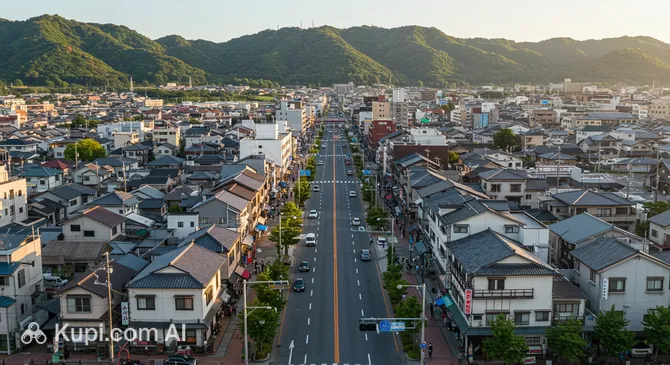
Toyooka. Source: Kupi.Binoculars

The city's geography is defined by the flowing Maruyama River and lush mountains, creating a picturesque backdrop for exploration. Visitors interested in the history of Toyooka will find the district of Izushi particularly fascinating. Often referred to as "Little Kyoto," this castle town area preserves the atmosphere of the Edo period with its traditional architecture, old clock tower, and samurai residences. It is also famous for its unique style of soba noodles served on small plates.

Another major draw is Kinosaki Onsen, one of the country's top hot spring resorts, which falls within the city limits. Here, travelers can experience the quintessential Japanese relaxation of strolling along willow-lined canals in yukata robes and wooden sandals while visiting various public bathhouses. Whether you are seeking historical insights, relaxing thermal waters, or the chance to see rare wildlife, Toyooka provides a peaceful and enriching escape from the bustle of modern life.

Weather Overview

Toyooka experiences distinct seasonal changes, ranging from chilly winters to hot, humid summers. The coldest month is typically January, where the average temperature hovers around 4.4°C and precipitation is frequent, with approximately 23 wet days recorded. As spring approaches, the weather becomes milder; by May, the average temperature rises to a comfortable 16.9°C, and the number of wet days drops to its lowest point of the year.

Summer brings significant warmth, with August seeing average temperatures of 26.8°C and highs reaching nearly 29.1°C. However, travelers should note that precipitation levels tend to increase in July. For a more detailed breakdown to help plan your packing, you can consult the guide to the weather in Toyooka. Autumn offers a cooling trend, with October averages settling at 17.3°C, providing pleasant conditions before the winter chill returns in December.

Interesting Facts

Beyond its famous hot springs and scenic vistas, Toyooka holds many fascinating secrets that surprise even seasoned travelers. Dig a little deeper into local culture and history to uncover these unique aspects of the city.

  • Toyooka is widely known as the "Bag Capital of Japan." The city's history of craftsmanship dates back over a thousand years to the weaving of traditional willow baskets called yanagi-gori. Today, this heritage has evolved into a thriving modern industry, and the city produces a significant majority of Japan's domestically made bags, featuring a dedicated "Bag Street" lined with specialty shops and vending machines that sell tote bags.

  • The city played a pivotal role in a major scientific discovery at the Genbudo Caves. These stunning basalt rock formations are not only a natural wonder but also the site where geophysicist Motonori Matuyama first proposed the theory of geomagnetic reversal in the 1920s, after discovering that the magnetic polarity of the rocks was opposite to the Earth's current magnetic field.

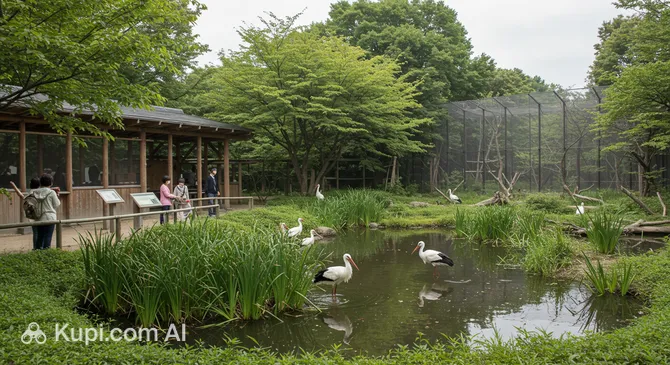
  • While the white stork is a city symbol, the effort to save it was a dramatic battle against extinction. After the last wild stork in Japan died in Toyooka in 1971, the city launched an intensive breeding program. Today, the Hyogo Park of the Oriental White Stork serves as the central hub for these conservation efforts, having successfully reintroduced the birds to the wild where they now fly freely over the valley.

  • In the castle town district of Izushi, eating noodles is considered a competitive sport by some locals. The traditional "Izushi Sara Soba" is served on small plates, and local restaurants often award a special wooden plaque or "Soba Tsusho" to diners who can finish a stack of plates equal to their age or more, making lunch both a delicious meal and a fun challenge.

Hyogo Park of the Oriental White Stork. Source: Kupi.Binoculars

How to Get There

Reaching this scenic part of Northern Hyogo requires a bit of planning, as the city is tucked away from the country's major metropolitan centers. However, the journey itself is often scenic, passing through mountains and coastlines. You can find more about how to get to Toyooka and the various transport routes available to suit your itinerary.

The city of Toyooka does not have its own major international hub, but most overseas travelers choose to fly into Kansai International Airport (KIX) in Osaka. Located approximately 130 km away, it serves as the primary gateway for the region. The journey from the airport by car or taxi takes around 3.5 hours, though many visitors opt for the convenient train connections available from the airport. Another significant option is Itami Airport (ITM), also in Osaka, which handles a large volume of domestic traffic. It is situated about 101 km from Toyooka, with a travel time of approximately 3 hours by road.

For those looking for a closer landing point, Tottori Airport (TTJ) in the neighboring city of Tottori is a viable alternative. Although it is a smaller regional facility, it is located just 59.3 km from Toyooka. A drive from here typically takes around 2 hours. While less busy than the Osaka hubs, it offers a more direct route to the San-in coast area.

For clarity, here is a summary of the main airports:

Airport Name City Passenger Traffic Km from City
Kansai International Airport Osaka Very Large 129.8
Itami Airport Osaka Large 101.3
Kobe Airport Osaka Medium 107.4
Okayama Airport Okayama Medium 124.0
Tottori Airport Tottori Small 59.3

In addition to air travel, Toyooka is a major railway hub on the JR San-in Main Line. Limited Express trains connect the city directly to Kyoto and Osaka, making rail travel a highly popular and efficient method for tourists to reach the area. The train station is centrally located, providing easy access to local buses and taxis for onward travel to hot spring resorts like Kinosaki Onsen.

Main Attractions

Toyooka offers a diverse array of sights that range from internationally recognized conservation sites to historic districts and relaxing hot spring retreats. The city's attractions provide a perfect blend of cultural heritage and natural wonder, making it a rewarding destination for travelers seeking an authentic Japanese experience.

One of the most significant locations in the city is the Hyogo Park of the Oriental White Stork. This facility is central to Toyooka's identity and is dedicated to the preservation and reintroduction of the magnificent Oriental White Stork. Visitors can observe these large, elegant birds in an open environment and learn about the successful breeding program that saved the species from extinction in Japan. It is a rare opportunity to witness conservation history in action while enjoying the peaceful park grounds.

Just a short distance from the city center lies Kinosaki Onsen, one of Japan’s most celebrated hot spring towns. With a history spanning over 1,300 years, it is famous for its seven public bathhouses, or soto-yu. The charm of Kinosaki lies in its atmosphere; visitors are encouraged to wear traditional yukata robes and wooden geta sandals as they stroll along the willow-lined canal, hopping from one bath to another in a practice known as soto-yu meguri.

For history enthusiasts, the district of Izushi is a must-visit. Often referred to as "Little Kyoto," this castle town retains the layout and ambiance of the Edo period. The area features the ruins of Izushi Castle and the iconic Shinkoro Clock Tower, which stands as a nostalgic symbol of the town. Walking through its streets offers a glimpse into the past, with well-preserved samurai residences and a historic playhouse that is still in use today.

Nature lovers should not miss the Genbudo Caves, a stunning geological site located within the San-in Kaigan Geopark. These caves are formed from columnar basalt created by volcanic activity over 1.6 million years ago. The geometric rock formations are visually striking and scientifically important, as they were the site where the theory of geomagnetic reversal was first proposed. The park offers scenic trails that allow visitors to admire these natural sculptures up close.

Located on the coast, Kinosaki Marine World offers a dynamic look at the marine life of the Sea of Japan. Unlike a typical aquarium, it focuses on hands-on experiences and shows, allowing visitors to interact with dolphins and sea lions. The facility is built along a rugged coastline, providing breathtaking views of the ocean, and even offers a unique activity where you can fish for mackerel and have it prepared for you on-site.

Local Cuisine

Toyooka is a true gourmet treasure trove, benefiting from a rich natural environment that spans from the Sea of Japan to lush mountains. The local cuisine is defined by high-quality ingredients, ranging from fresh seafood caught at nearby ports to premium meats raised in the highlands. For food lovers, a visit here is as much about tasting the landscape as it is about sightseeing.

The undisputed king of winter gastronomy in this region is the Matsuba Crab, which is the local name for the male snow crab caught in the Sea of Japan. During the fishing season, which typically runs from November to March, visitors flock to the city to indulge in this sweet and succulent delicacy. It is prepared in various ways, including boiled, grilled over charcoal, or served raw as sashimi. The crabs landed at the local Tsuiyama Port are particularly prized for their freshness and quality.

Another culinary pillar of the region is Tajima Beef. This highly marbled beef is famous throughout Japan and serves as the genetic root stock for many celebrated brands, including Kobe beef. In Toyooka, you can enjoy this tender, flavorful meat at a more reasonable price than in major cities. It is often served as steak, in sukiyaki hot pots, or as shabu-shabu, allowing the natural richness of the fat to melt in your mouth.

For a unique dining experience, travelers should head to the Izushi castle town district to try Izushi Soba. Unlike standard buckwheat noodles, these are served on small white porcelain plates, typically five to a set. The noodles are enjoyed with a dipping sauce, raw egg, grated yam, and green onions. It is a fun and interactive meal, and locals often challenge themselves to stack up as many empty plates as possible.

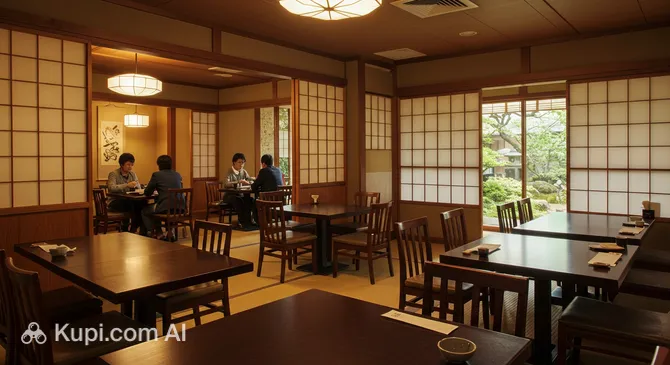
Green Hotel Morris Restaurant. Source: Kupi.Binoculars

The dining scene in Toyooka ranges from traditional ryokan inns serving elaborate kaiseki multi-course dinners to casual city eateries. For visitors staying in the city center, the Green Hotel Morris Restaurant provides a comfortable setting to start the day or enjoy a meal. While the hot spring areas offer a historic atmosphere for dining, the downtown area provides a variety of options where you can mingle with locals.

To accompany these dishes, local sake is the drink of choice. The region's cold winters and clear water are ideal for brewing, and there are several historic breweries in and around the city. You can enjoy locally brewed sake chilled or warmed, making it the perfect partner for fresh crab or savory beef.

Travel Tips

Preparing for a trip to Toyooka ensures you can fully enjoy its blend of historic charm, natural wonders, and relaxing hot springs without any logistical hiccups. These practical tips are designed to help you navigate the local customs and environment smoothly, allowing you to focus on the experience.

  1. Clothing and Gear: The climate varies significantly by season, so pack accordingly. Winters (December to February) in Toyooka can see heavy snowfall, so waterproof, non-slip boots and warm layers are essential. Summers are hot and humid, requiring breathable fabrics. Since you will likely visit traditional inns, temples, or hot springs, bring shoes that are easy to slip on and off, as you will frequently need to remove them indoors.

  2. Transportation: The JR San-in Main Line connects the main city center with Kinosaki Onsen, making trains convenient for major stops. To reach the castle town of Izushi or the Genbudo Caves, local Zentan Buses are reliable, though less frequent than in big cities. If you plan to explore the rugged coastline or the wider Geopark area at your own pace, renting a car near Toyooka Station is highly recommended.

  3. Finances: While larger hotels and souvenir shops in Kinosaki often accept credit cards, Toyooka is still largely a cash-based society, especially in smaller restaurants and rural districts like Izushi. Always carry sufficient Japanese Yen. International ATMs are available at 7-Eleven convenience stores and Japan Post offices if you need to withdraw cash. Tipping is not practiced and can even cause confusion; excellent service is standard.

  4. Health and Safety: Toyooka is a very safe city for travelers. Pharmacies (often labeled as "Drug Stores") sell basic over-the-counter medicines, but carry a translation app to read labels. Tap water is safe to drink. If you are hiking in the surrounding mountains, be mindful of local wildlife and stay on marked trails. In winter, watch your step on icy sidewalks and wet stone paths in the onsen districts.

  5. Communication: English is not widely spoken outside of major tourist information centers and larger ryokans in Kinosaki. It is highly advisable to download a translation app like Google Translate and offline maps before you arrive. Free Wi-Fi is available in many public areas and stations, but renting a Pocket Wi-Fi or buying a SIM card at your arrival airport (Kansai or Itami) ensures you stay connected everywhere.

  6. Local Etiquette: When visiting Kinosaki Onsen, familiarize yourself with bath manners: wash your body thoroughly before entering the communal water, keep your towel out of the bathwater, and do not wear swimsuits. In traditional settings, always remove your shoes before stepping onto tatami mats. A slight bow is the polite way to greet locals or thank shop staff.

  7. What to Avoid: Avoid being loud or talking on your phone while riding trains or buses, as this is considered rude in Japan. Also, refrain from eating while walking in public, except in designated street food areas. When using chopsticks, never stick them vertically into a bowl of rice or pass food directly from chopstick to chopstick, as these actions are associated with funeral rituals.

  8. Local Insight: If you are visiting Kinosaki Onsen, take advantage of the "Yumepa" digital pass. This pass allows unlimited access to all seven public bathhouses for a day and often comes free if you are staying at a local ryokan. Additionally, unlike many places in Japan, the seven public baths in Kinosaki are generally tattoo-friendly, welcoming guests with body art.

By keeping these tips in mind, you will be well-equipped to embrace the slow pace and rich culture of Toyooka. Whether you are soaking in thermal waters or exploring ancient castle streets, a little preparation goes a long way in making your journey unforgettable.

Entertainment & Nightlife

Nightlife in Toyooka offers a refreshing departure from the neon-lit intensity of Japan's major metropolises. Instead of thumping nightclubs, the evening entertainment here is defined by atmospheric strolls, traditional games, and intimate drinking establishments known as "snack bars." The experience is split between the quiet, authentic izakaya culture of downtown Toyooka and the magical, lantern-lit vibrancy of the nearby Kinosaki Onsen district, which comes alive after sunset.

The crown jewel of the area's nightlife is undoubtedly Kinosaki Onsen. Unlike most towns that shut down early, Kinosaki's streets are filled with visitors in yukata robes and wooden sandals well into the evening. The atmosphere is nostalgic, reminiscent of an old Japanese fair. Between soaking in the public baths, tourists flock to retro arcades like Taniguchiya and Senta. These venues are famous for shateki (cork gun shooting) and vintage pinball games called Smart Ball, offering a playful and wholesome way to spend the night that appeals to both adults and families.

For those seeking a drink, the "Snack Bar" culture is a unique local experience. These small, often karaoke-equipped bars are typically run by a "Mama" (female owner) who converses with guests while serving drinks and light appetizers. It is a social environment where singing with strangers is encouraged. If you prefer a more modern setting, the district also features craft beer pubs like Gubigabu, where you can enjoy local brews and smoked dishes in a stylish atmosphere right on the main willow-lined street.

In the downtown area near Toyooka Station, the scene is more subdued but equally rewarding for foodies. The streets around Daikai-dori are dotted with izakayas (Japanese pubs) that serve excellent local sake and seafood. For a reliable and relaxed dining experience in the city center, the Green Hotel Morris Restaurant offers a comfortable setting to unwind with a meal after a day of exploring. It is a great starting point before venturing out to find a smaller local bar for a nightcap.

Daytime entertainment in Toyooka leans towards cultural and natural immersion. Theater lovers should visit the historic Izushi Eirakukan, the oldest operating Kabuki theater in the Kansai region, which allows visitors to tour its backstage areas and trapdoors when shows are not in session. For nature enthusiasts, the Hyogo Park of the Oriental White Stork provides a serene environment to watch these majestic birds, which are the pride of the city's conservation efforts.

Practical Advice for Nightlife:

  • Timing: Shops and arcades in Kinosaki typically stay open until 10:00 PM, which is relatively late for a rural town. However, downtown Toyooka restaurants may close their kitchens by 9:00 PM or 10:00 PM.
  • Transport: Be aware that trains between Toyooka Station and Kinosaki Onsen stop running before midnight. If you are staying in one district and partying in the other, check the last train schedule carefully or pre-arrange a taxi, as cabs can be scarce late at night.
  • Safety: Toyooka is incredibly safe, even for solo travelers walking at night. The main risk is tripping in wooden sandals (geta) on uneven cobblestones, so walk carefully.
  • Payments: Many traditional snack bars and small izakayas only accept cash. Ensure you have enough yen before heading out for the evening.

Parks & Museums

Toyooka is a destination where nature and culture are deeply intertwined, offering visitors a chance to explore protected ecological habitats alongside institutions that celebrate local craftsmanship and literary history. The city's green spaces are often sites of scientific importance, while its museums provide intimate looks into the industries and artistic traditions that have shaped the region.

One of the most significant environmental sites is the Hyogo Park of the Oriental White Stork. This facility is not just a sanctuary but a symbol of the city's dedication to wildlife preservation. Visitors can walk through the observation areas to see these majestic birds up close and explore the on-site museum, which details the rigorous efforts taken to reintroduce the species to the wild. It is a moving experience for families and nature enthusiasts alike, highlighting the delicate balance between human activity and the natural world.

For those interested in geological wonders, Genbudo Park offers a spectacular outdoor experience. Located within the San-in Kaigan UNESCO Global Geopark, this area features massive basalt caves formed by volcanic activity over a million years ago. The park is equipped with walking paths that allow you to admire the hexagonal rock columns, which resemble a honeycomb. It is particularly beautiful in June during the hydrangea season, when colorful blooms contrast with the dark, rugged stone cliffs.

Reflecting the city's status as the "Bag Capital of Japan," the Toyooka Kaban Museum (Toyooka Bag Museum) is a must-visit cultural stop. This modern facility showcases the evolution of local craftsmanship, from the weaving of traditional willow baskets (yanagi-gori) in the Edo period to the production of high-end luxury bags today. Visitors can view historical artifacts, watch artisans at work, and even try their hand at making small leather goods, providing a tangible connection to the city's industrial heritage.

In the historic hot spring district, the Kinosaki Literature Museum (Kinosaki Bungeikan) pays homage to the many writers who have sought inspiration in the town's healing waters. The most famous among them is Naoya Shiga, whose short story "At Kinosaki" is a classic of Japanese literature. The museum features exhibits on these literary figures and offers a quiet, contemplative space to learn about how the town's atmosphere has influenced Japanese arts and letters over the centuries.

For a unique seasonal experience, consider visiting the Tanto Flower Park in the spring. Located in the countryside of the Tanto district, this park is famous for its massive tulip festival, where hundreds of thousands of tulips are arranged to form large-scale pictures or "flower art" when viewed from a raised platform. It is a vibrant display of color that offers a cheerful contrast to the more solemn historical sites, making it a favorite spot for photographers.

Getting Around

Navigating Toyooka is relatively straightforward, though the city relies more on surface travel than the complex subway networks found in Japan's larger metropolises. The public transport system is primarily composed of railways and a local bus network, with Toyooka Station serving as the central hub. This station connects the downtown area with popular districts like Kinosaki Onsen and provides transfers between the JR San-in Main Line and the Kyoto Tango Railway, making it the starting point for most local journeys.

The Zentan Bus network is the main provider of bus services within the city and to outlying attractions such as the castle town of Izushi and the Genbudo Caves. These buses are distinctively green and connect the station to residential and tourist areas. While reliable, the frequency of service can be lower than in big cities, often with one bus per hour or less in rural sections. It is essential for tourists to check the timetables in advance, which are usually displayed at bus stops and information centers.

For payment, the region has modernized significantly. Major IC cards like ICOCA, Suica, and Pasmo are widely accepted on JR trains at main stations like Toyooka and Kinosaki Onsen, as well as on Zentan buses. Travelers can simply tap their card on the reader when entering and exiting. However, if you plan to visit smaller, unmanned train stations or use community buses, carrying cash is necessary. For tourists exploring the wider region, the JR Kansai Wide Area Pass is an excellent value option that covers the express trains to and from the city.

When riding local buses, the boarding procedure is specific. You enter through the rear door. If you are paying with cash, take a small numbered ticket from the machine by the door. This number corresponds to a fare display at the front of the bus, which increases as you travel. When you reach your destination, match your number to the screen, put the exact fare and your ticket into the box next to the driver, and exit through the front door. If using an IC card, simply tap it at the rear reader when boarding and again at the front reader when alighting.

For those preferring more flexibility, taxis are readily available at the taxi stands outside Toyooka Station and Kinosaki Onsen Station. They are a convenient choice for reaching destinations not directly served by train lines. Additionally, rental cars are highly recommended for visitors who wish to explore the San-in Kaigan Geopark or mountainous areas at their own pace, as parking is generally abundant outside the central hot spring district.

Cycling is another popular alternative, particularly in the flat downtown area and the Kinosaki Onsen district. Rental bicycles are available near the station and at various shops, offering a pleasant way to hop between bathhouses or ride along the river. Finally, do not miss the Kinosaki Onsen Ropeway. While primarily a tourist attraction rather than daily transport, this aerial lift transports visitors to the summit of Mount Daishi, offering spectacular panoramic views of the city and the Sea of Japan.

Accommodation

Accommodation in Toyooka is defined by a sharp contrast between functional modernity and deep-rooted tradition. The options generally fall into two distinct categories based on location: the practical, Western-style business hotels found in the city center near the train station, and the historic, atmospheric ryokans (Japanese inns) located in the famous hot spring district of Kinosaki Onsen. Depending on your itinerary, you might choose a convenient base for transit or a luxurious cultural immersion.

Kinosaki Onsen is undoubtedly the most popular area for tourists seeking the quintessential Japanese experience. Here, the accommodation is an integral part of the attraction. Staying in a local ryokan typically involves sleeping on futons laid out on tatami floors, wearing yukata robes provided by the inn, and enjoying elaborate kaiseki multi-course dinners featuring local seasonal delicacies like snow crab or Tajima beef. These inns range from small, family-run establishments to expansive luxury resorts with private baths. A major perk of staying in Kinosaki is that most accommodations provide guests with a free pass to all seven of the town’s public hot spring bathhouses.

For travelers prioritizing convenience and budget, Downtown Toyooka (around Toyooka Station) is the ideal choice. This area is home to several standard business hotels that offer clean, compact rooms with Western-style beds and private bathrooms. These hotels are often significantly cheaper than the ryokans in Kinosaki and serve as an excellent base for exploring the wider region, including the Izushi castle town or the San-in coast, without the higher price tag of a resort stay.

Beyond the city center and hot springs, the Kannabe Highlands offer a different style of lodging. Popular with outdoor enthusiasts, this area features pensions, lodges, and "minshuku" (family-operated guesthouses). These are particularly popular during the winter ski season and the summer hiking months, offering a cozy, communal atmosphere often accompanied by hearty home-cooked meals.

Booking Tips and Prices:

  • Price Range: Business hotels in downtown Toyooka are generally budget to mid-range. In contrast, ryokans in Kinosaki Onsen are considered mid-range to luxury. It is important to note that ryokan prices are usually calculated per person, not per room, and often include breakfast and dinner.
  • Peak Seasons: Kinosaki Onsen is extremely popular during the winter months (November to March) for the crab season and on weekends year-round. It is highly recommended to book accommodation 3 to 6 months in advance for these times.
  • How to Book: While major international booking platforms work well for downtown hotels, some smaller traditional inns in Kinosaki or Izushi may only be listed on Japanese travel sites or require direct inquiries. However, the local tourism association has made great strides in making online reservations accessible to international visitors.

Nearby Cities

For those looking to explore the surroundings, Toyooka serves as an excellent base for day trips to several interesting nearby locations:

City Population Distance (km)
Tottori 187,323 53
Maizuru 78,730 52
Fukuchiyama 77,150 39
Tamba 60,824 45
Kyotango 50,857 24

Tottori is a must-visit destination located just west of Toyooka. It is most famous for the Tottori Sand Dunes, a massive expanse of coastal sand that creates a desert-like landscape unique in Japan. Visitors can explore the dunes by camel, visit the nearby Sand Museum which features elaborate sand sculptures, or enjoy fresh seafood at the city's port markets.

Closer to home, Kyotango sits on the scenic Tango Peninsula. This area is renowned for its rugged coastline, pristine beaches with "singing sand," and rich history of textile production. It offers a quieter, nature-focused escape where travelers can enjoy coastal drives and visit ancient shrines associated with Japanese mythology.

To the east lies Maizuru, a historic port city that played a significant role in Japan's naval history. Today, it attracts visitors with the Maizuru Brick Park, a collection of red brick warehouses from the early 20th century that have been converted into museums and event spaces. The city also offers boat tours of the harbor, providing close-up views of modern maritime vessels.

These nearby destinations offer a glimpse into the diverse culture and landscapes of the region.

Shopping & Souvenirs

Shopping in Toyooka offers a delightful departure from the generic department stores of large metropolises. Instead of high-end fashion chains, the city is famous for its exceptional local craftsmanship and traditional goods. It is widely recognized as the "Bag Capital of Japan," producing a significant portion of the country's luggage and handbags. For tourists, the shopping experience is centered around discovering high-quality artisanal products, unique regional crafts, and delicious local food souvenirs, particularly in the historic districts and hot spring areas.

The most distinctive shopping destination in the city center is Kaban Street (Bag Street). Located in downtown Toyooka, this thoroughfare is lined with numerous specialty shops and workshops dedicated entirely to bags. Here, you can find everything from durable business briefcases to stylish leather purses. The street is even famous for its quirky "bag vending machines," which dispense tote bags to passersby. Another major shopping hub is the main street of Kinosaki Onsen. Stretching from the station to the various bathhouses, this atmospheric road is packed with souvenir shops selling local sweets, traditional crafts, and yukata robes, making it perfect for a leisurely stroll between hot spring dips.

While Toyooka does not boast the massive mega-malls found in Osaka or Tokyo, it does have functional shopping centers for daily needs. Ai-Town Toyooka is one of the main commercial complexes in the city center, offering a supermarket, fashion retailers, and variety stores. It is a convenient stop for travelers who need to purchase everyday essentials, toiletries, or casual clothing during their stay. For a more curated experience, the Toyooka Kaban Artisan Avenue serves as a modern complex specifically focused on the region's bag industry, combining retail space with a museum-like atmosphere.

For food lovers, the local markets and seafood shops are a highlight, especially during the winter crab season. The area around Tsuiyama Port and the streets near Kinosaki Onsen Station feature fishmongers selling fresh Matsuba crab and other seafood caught in the Sea of Japan. While there isn't a single large central market hall, these individual vendors offer a lively atmosphere where you can often have your purchase shipped domestically or sometimes prepared on the spot. Morning markets are also occasionally held in the temple grounds or community spaces of the Izushi district, offering fresh local produce and handmade pickles.

When searching for the perfect keepsake, a Toyooka Bag is the ultimate souvenir, renowned for its durability and craftsmanship. For something uniquely traditional, look for Mugiwara Zaiku (straw craft). Kinosaki is one of the only places in Japan where this intricate art form—using dyed barley straw to decorate boxes and jewelry—is still practiced. In the Izushi district, Izushi Yaki is a prized local porcelain known for its pure white color and delicate carvings. Food souvenirs like danjiro (sweet bean cakes) and crab-flavored rice crackers are also extremely popular and widely available.

Most shops in Toyooka and Izushi typically operate from around 9:00 AM or 10:00 AM until 5:00 PM or 6:00 PM. However, in Kinosaki Onsen, the shopping hours are adapted to the nightlife of the hot spring guests, with many souvenir stores and arcades remaining open until 10:00 PM. While larger hotels and the main bag shops on Kaban Street generally accept credit cards, many smaller souvenir stands, traditional craft workshops, and food vendors still prefer cash. It is highly recommended to carry sufficient Japanese Yen when exploring these areas.

Visitors from overseas should look for the "Japan Tax-Free Shop" symbol, which is displayed at many of the larger bag boutiques and souvenir stores. If you spend over a certain amount (usually 5,000 yen or more) at a participating store, you may be eligible for a consumption tax refund. Be sure to have your passport with you to take advantage of this benefit when purchasing higher-end items like leather goods or traditional crafts.
Reached the end of the page?

That means the route is fully explored