Support

Yonago

About

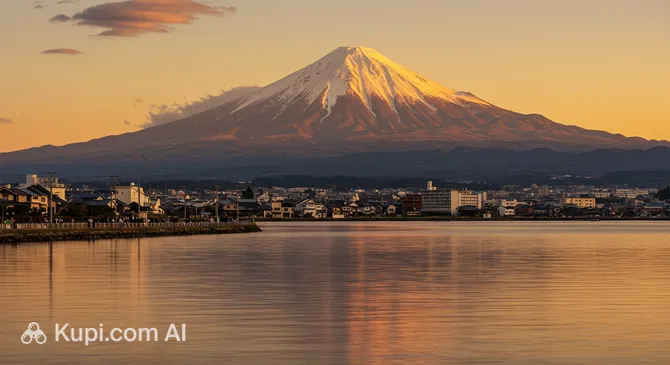
Welcome to Yonago, a vibrant city located in the western part of Tottori Prefecture. Often referred to as the "Osaka of the San'in region" due to its bustling commercial energy, this city serves as a vital transportation hub and a gateway to some of the most scenic areas in Japan. With a population of approximately 147,000 people, Yonago offers a perfect blend of urban convenience and natural beauty, situated uniquely between the Sea of Japan and Lake Nakaumi.

Yonago. Source: Kupi.Binoculars

The city boasts a rich cultural heritage that dates back to the Sengoku period. Visitors interested in the past can explore the fascinating history of Yonago by visiting the ruins of Yonago Castle. Perched atop a hill in Minato-yama Park, these ruins provide not only a glimpse into the city's former status as a significant castle town but also offer panoramic 360-degree views of the cityscape, the majestic Mount Daisen, and the shimmering waters of the surrounding lakes and sea.

One of the city's premier attractions is Kaike Onsen, a rare saltwater hot spring resort located right along the coast. It is widely recognized as the birthplace of the triathlon in the country and offers travelers a chance to relax in therapeutic waters while gazing at the ocean. Whether you are using the city as a base to hike the sacred peaks of Mount Daisen or enjoying the fresh local seafood, Yonago promises a memorable experience full of discovery and relaxation.

Weather Overview

The climate in Yonago features four distinct seasons, ranging from chilly winters to warm summers. January is typically the coldest month, with average temperatures hovering around 5.1°C and frequent precipitation, seeing up to 22 wet days. In contrast, August is the warmest time of year, with daily highs often reaching 28.5°C and an average temperature of 26.6°C.

Spring and autumn offer milder transition periods, with May and October providing comfortable average temperatures of 17.0°C and 17.3°C respectively. To help plan your activities and packing list, it is helpful to review the detailed forecast for the weather in Yonago before your departure. Generally, visitors can expect warm summers with occasional rain and cold, damp winters that require warm layers.

Interesting Facts

Beyond the main attractions and its reputation as a commercial hub, Yonago holds many fascinating secrets and unique cultural footnotes. From quirky transportation features to historic firsts, the city offers curious travelers plenty of unexpected discoveries.
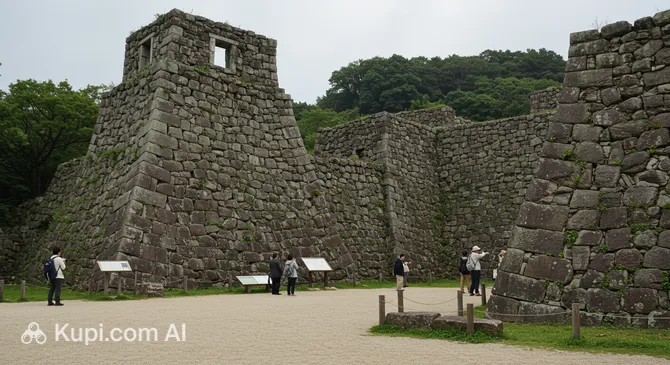
Yonago Castle Ruins. Source: Kupi.Binoculars
  • The Birthplace of Triathlon in Japan: The seaside area of Kaike Onsen is not just for relaxation; it is historically significant as the site of Japan's very first triathlon. The event was launched here in 1981, and the city continues to host the "Kaike Triathlon" annually, attracting athletes from all over the world to swim, bike, and run along its scenic coast.

  • Platform 0 to the Spirit World: Yonago Station features a rare "Platform 0," which serves as the starting point for the JR Sakai Line. This line is famous for its "Kitaro Trains," painted with characters from the manga GeGeGe no Kitaro by local legend Shigeru Mizuki, effectively turning the commute into a journey through a world of Japanese folklore monsters.

  • Magnificent Stone Walls: Although the original castle structures were dismantled centuries ago, the Yonago Castle Ruins are renowned among castle enthusiasts for their exceptionally preserved stone walls (ishigaki). These impressive fortifications are considered some of the finest and most elaborate in the San'in region, rivaling those of much larger famous castles.

  • The Craft of Yodoe Umbrellas: The Yodoe district of Yonago is famous for its traditional Japanese umbrellas, known as Yodoe-gasa. Crafted using local bamboo and sturdy washi paper, these umbrellas have a history spanning nearly two centuries and were once produced in the hundreds of thousands, symbolizing the city's artisanal heritage.

How to Get There

Reaching Yonago is convenient thanks to its status as a major transportation hub in the San'in region. Whether you are arriving by air or rail, the city offers excellent connectivity to the rest of the country. For a comprehensive guide on planning your journey, you can read more about how to get to Yonago.

The most direct way to arrive is via Miho Airport (YGJ), also known as Yonago Kitaro Airport. Located within Yonago itself, it is just 11 km from the city center. A trip by taxi or shuttle bus typically takes around 35 to 40 minutes. This airport handles a significant number of domestic flights and serves as the primary aerial gateway for tourists visiting the area.

Another viable option is Izumo Airport (IZO), located in the city of Izumo. Although it is situated approximately 40 km from Yonago, it is a busy regional hub with frequent connections. Traveling from Izumo Airport to Yonago takes about 80 minutes by road. For those coming from further afield, Okayama Airport (OKJ) in Okayama is a larger facility about 88.5 km away, offering a wider range of routes, though the transfer time is longer.

For clarity, here is a summary of the main airports:

Airport Name City Passenger Traffic Km from City
Okayama AirportOkayamaHigh88.5
Izumo AirportIzumoMedium40.1
Miho AirportYonagoMedium11.0
Tottori AirportTottoriMedium76.7
Oki AirportOki IslandsLow83.4

If you prefer traveling by train, Yonago Station is the central railway hub for the city and a vital point on the JR West network. It sits at the intersection of the San'in Main Line, the Hakubi Line, and the Sakai Line. The station is frequently served by the "Yakumo" Limited Express, which connects Yonago to Okayama Station on the Sanyo Shinkansen line in just over two hours, making rail travel a popular choice for visitors coming from Osaka, Hiroshima, or Tokyo.

Main Attractions

Yonago is a city where history and scenic beauty converge, offering visitors a variety of engaging spots to explore. From ancient fortifications with commanding views to tranquil waterfront parks, the city's main sights provide a perfect introduction to the charm of the San'in region. Whether you are a history buff or a nature lover, the local landmarks promise memorable experiences.

Dominating the city's landscape, the Yonago Castle Ruins are a must-visit for their historical significance and spectacular vistas. Although the original castle structure no longer stands, the impressive stone walls remain well-preserved, hinting at the grandeur of the fortress that once watched over the area. A hike to the summit of the hill rewards travelers with a stunning 360-degree panorama, encompassing the majestic Mount Daisen, the Sea of Japan, and Lake Nakaumi. It is widely considered one of the best viewpoints in the prefecture.

Minatoyama Park. Source: Kupi.Binoculars

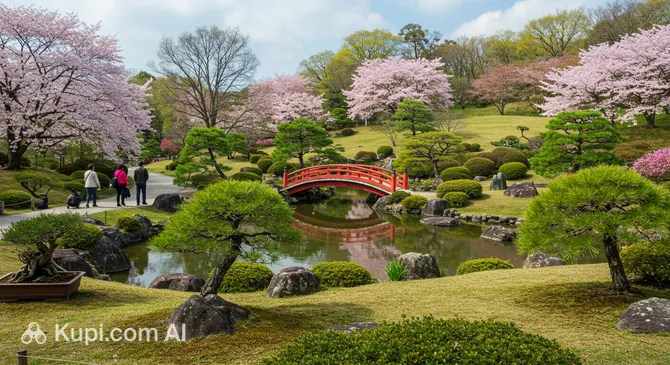
Surrounding the base of the castle hill is Minatoyama Park, a beloved recreational space for both locals and tourists. This sprawling green oasis is particularly famous as a cherry blossom viewing spot in spring, when hundreds of trees burst into pink blooms, creating a magical atmosphere. Even outside of sakura season, the park offers pleasant walking paths, a monkey enclosure, and playgrounds, making it an ideal location for a relaxing afternoon stroll or a family picnic near the waterfront.

Nakaumi Fureai Park. Source: Kupi.Binoculars

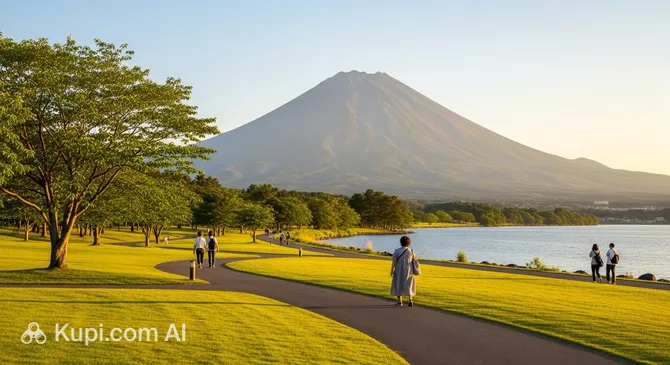
For those seeking tranquility by the water, Nakaumi Fureai Park offers a refreshing escape on the shores of Lake Nakaumi. This spacious park is known for its open grassy areas and unobstructed views of the brackish lake, which is the fifth largest in Japan. It is a fantastic spot for watching the sunset, as the fading light reflects beautifully off the water's surface. The park serves as a gentle reminder of Yonago's deep connection to the surrounding bodies of water, providing a peaceful setting to unwind after a day of sightseeing.

Local Cuisine

Local Cuisine:

Yonago is a true gastronomic destination, benefiting from its strategic location between the bounty of the Sea of Japan and the fertile slopes of Mount Daisen. The city is particularly famous for its fresh seafood, with the Matsuba Crab (snow crab) being the star of the winter season. Travelers visiting during the colder months should not miss the opportunity to taste this sweet, succulent delicacy. Another regional pride is Daisen Chicken, a premium poultry brand known for its tender, juicy meat, often enjoyed as yakitori (grilled chicken skewers) in the city's many izakayas.

A unique local specialty that intrigues many visitors is Tofu Chikuwa. Unlike standard chikuwa which is made entirely of fish paste, this Tottori variation incorporates tofu, creating a healthier snack with a distinctively soft texture and subtle flavor. It is a perfect example of the region's simple yet delicious culinary traditions.

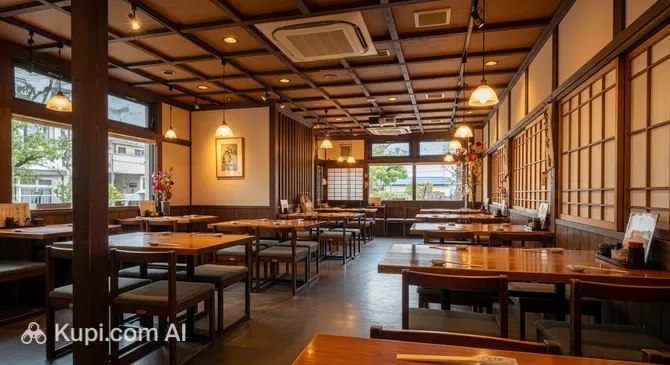
When it comes to dining out, the city offers excellent options for every palate. Meat lovers should head to Yuraku, a restaurant celebrated for its mouthwatering yakiniku (Japanese BBQ). Here, you can grill high-quality cuts of beef at your table, enjoying a communal and flavorful dining experience that is a favorite among locals.

Yuraku. Source: Kupi.Binoculars

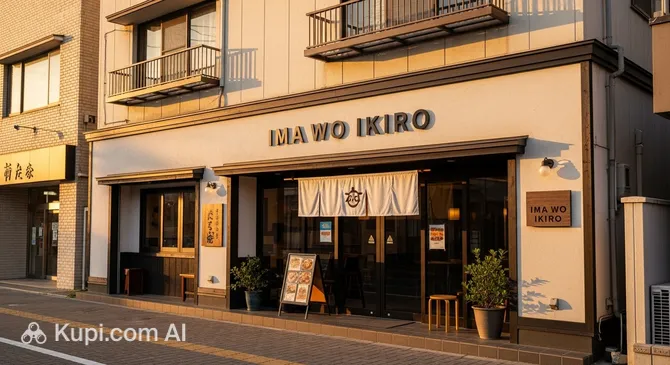
For a more casual but equally satisfying meal, Ima wo Ikiro is a standout choice for ramen enthusiasts. This shop is known for serving robust, hearty bowls of noodles with rich broth and plentiful toppings. It is the perfect place to refuel and experience the energetic soul food culture of modern Yonago.

Ima wo Ikiro. Source: Kupi.Binoculars

Travel Tips

To ensure your visit to Yonago is as seamless and enjoyable as possible, we have compiled a set of practical guidelines. These tips will help you navigate local customs, transportation, and daily life in this charming corner of Tottori Prefecture.

  1. Clothing and Gear: The city experiences four distinct seasons, so pack accordingly. Bring breathable fabrics for the hot, humid summers, and warm, waterproof layers for winter, as snowfall is common. Since you will likely be exploring sites like the castle ruins, sturdy walking shoes are essential. Additionally, pack slip-on shoes, as you will frequently need to remove footwear at traditional inns (ryokans) and some restaurants.

  2. Transportation: Public transport is reliable within the city; the JR Sakai Line—famous for its Kitaro-themed trains—and local "Dan Dan" loop buses cover the main areas well. However, if you plan to explore the wider San'in region or visit Mount Daisen, renting a car is highly recommended for flexibility. Taxis are available at the station but can be pricey for long distances.

  3. Finances: The local currency is the Japanese Yen (JPY). While major hotels and large stores accept credit cards, cash is still king in smaller shops, ticket machines, and local izakayas. Ensure you carry enough cash, which you can withdraw from ATMs at 7-Eleven or Japan Post Bank locations that accept international cards. Tipping is not practiced here and may even cause confusion.

  4. Health and Safety: Yonago is an incredibly safe city for tourists. Pharmacies (often marked as "Drug Stores") are widely available for minor ailments, though few operate 24 hours a day. In case of a medical emergency, dial 119 for an ambulance. Tap water is strictly regulated and safe to drink throughout the city.

  5. Communication: English is not widely spoken outside of major transport hubs and tourist information centers. It is essential to have a translation app installed on your phone. Renting a Pocket Wi-Fi or purchasing a SIM card upon arrival in Japan is crucial for real-time navigation and communication.

  6. Local Etiquette: Politeness is highly valued. A slight bow is the standard greeting instead of a handshake. Be mindful of noise levels on public transport; talking on the phone is generally considered rude. When visiting Kaike Onsen, remember to wash your body thoroughly before entering the communal bathwater and keep your towel out of the water.

  7. What to Avoid: Do not enter public hot springs (onsen) if you have visible tattoos, as they are often prohibited in traditional bathing facilities. If you have tattoos, look for "tattoo-friendly" private baths or cover them with waterproof bandages. Also, avoid eating or drinking while walking in public streets, as this is considered bad manners.

  8. Local Insight: Many retail shops in the city center close relatively early, often around 6:00 PM or 7:00 PM, although restaurants stay open later. If you plan to shop for souvenirs like Yodoe umbrellas or local sweets, be sure to plan your shopping trips during the daytime hours.

By keeping these practicalities in mind, you will be well-prepared to embrace the unique culture and relaxing atmosphere of Yonago. We hope these tips help you create a smooth and unforgettable travel experience in the beautiful San'in region.

Entertainment & Nightlife

While Yonago is often recognized as a commercial hub, it possesses a lively spirit that offers visitors plenty of entertainment options, ranging from energetic traditional festivals to a bustling nightlife scene. The city is known for having one of the most vibrant downtown areas in the San'in region, ensuring that there are plenty of ways to unwind after a day of sightseeing.

The highlight of the city's event calendar is undoubtedly the Yonago Gaina Festival, held annually in summer. This massive celebration transforms the streets with the rhythmic beating of taiko drums and the impressive "Gaina Mando" parade. during this spectacle, teams of participants balance towering poles adorned with dozens of lit lanterns on their palms, foreheads, and shoulders. It is a thrilling display of strength and balance that captivates thousands of spectators and culminates in a spectacular fireworks display over Lake Nakaumi.

For those seeking evening entertainment, the Asahi-machi district is the place to be. Often cited as one of the liveliest nightlife spots in Tottori Prefecture, this area is packed with izakayas, snack bars, and restaurants. Unlike the quiet evenings typical of many regional Japanese towns, Asahi-machi buzzes with activity, offering travelers a chance to mingle with locals and experience the warm, welcoming culture of the city over drinks and local dishes.

Nature and leisure also play a big role in local entertainment. In spring, Minatoyama Park becomes a focal point for hanami (flower viewing) parties. Locals gather under the blooming cherry blossom trees to eat, drink, and celebrate the season, often accompanied by festival food stalls. The park's waterfront location also makes it a pleasant spot for casual recreation and sunset viewing throughout the warmer months.

Active travelers can take advantage of the city's geography by exploring the Yumigahama Cycling Course. This scenic path stretches along the coast towards Sakaiminato, offering flat, easy riding with views of the pine groves and the sea. Additionally, the proximity to the water allows for various marine sports, making Yonago a great base for those who enjoy kayaking or paddleboarding on the calm waters of the bay.

Parks & Museums

Yonago offers a delightful mix of cultural depth and natural serenity, extending well beyond its reputation as a commercial hub. The city is dotted with green spaces that celebrate its coastal geography, while its museums provide intimate glimpses into the region's artistic and historical evolution. Whether you are looking to observe rare wildlife or admire local architecture, the city's facilities provide enriching experiences for every type of traveler.

For those interested in the region's heritage, the San'in Historical Museum is a cultural landmark that is hard to miss. Housed in a striking red-brick building that formerly served as the City Hall, this structure is a fine example of modern Japanese architecture from the early Showa period. Inside, visitors can explore exhibits detailing the development of Yonago as a castle town and commercial center, along with displays of local folklore and artifacts. The building's retro atmosphere makes it a favorite spot for photography enthusiasts and history buffs alike.

Art lovers should make their way to the Yonago City Museum of Art, located at the quiet foot of the Yonago Castle Ruins. This community-focused museum primarily exhibits works by artists connected to the San'in region, offering a unique perspective on the local creative scene. Its location within Minatoyama Park allows visitors to combine a cultural appreciation of paintings and photography with a relaxing walk through the city's most beloved green space.

Nature enthusiasts will find the Yonago Waterbirds Sanctuary to be a fascinating destination. Situated on the shores of Lake Nakaumi, this protected wetland is a crucial habitat for migratory birds. It is particularly famous for the arrival of Tundra Swans in the winter, but it offers excellent birdwatching opportunities year-round. The sanctuary features an observation center with telescopes and guides, allowing visitors to observe the wildlife up close without disturbing the natural environment.

For a more active day out, Yumigahama Park is a sprawling recreational area located near the beach. It is especially popular with families due to its massive dragon-themed playground structure, which is a local icon. The park also features extensive sports facilities, including tennis courts and a baseball field, all set against the backdrop of pine trees and the sea breeze. It serves as a perfect counterpoint to the quiet contemplation of the city's museums, offering space for energy and play.

Insider Tip: If you visit the San'in Historical Museum, take a moment to admire the "Sculpture Road" that leads towards the station. The city has placed various bronze statues along the streets, turning a simple walk into an open-air gallery experience that connects the modern city with its artistic roots.

Getting Around

Public transport in Yonago is reliable and relatively easy to navigate, centering largely around the main transport hub, Yonago Station. While the city does not have a subway or tram system, it is well-served by a network of trains and buses that connect the downtown area with major tourist spots, hot spring resorts, and neighboring towns. For visitors, the most convenient way to get around the city center is often a combination of the local loop bus and walking, while trains are best for reaching suburban areas or the airport.

The most tourist-friendly bus service is the Dan Dan Bus, a community loop bus that circles the city. It operates on two main routes—the Red Course and the Blue Course—which cover key locations including the station, the castle ruins, and the downtown commercial districts. These buses are easily recognizable by their colorful designs. In addition to the loop bus, regular route buses operated by companies like Hinomaru and Nihon Kotsu connect Yonago Station to Kaike Onsen (approx. 20 minutes) and other outlying areas.

For rail travel, Yonago Station serves as a major junction for West Japan Railway Company (JR West). The Sakai Line is particularly notable for tourists; it runs from platform 0 to Sakaiminato and features the famous "Kitaro Trains" decorated with anime characters. This line is essentially a commuter train but doubles as a moving attraction. Regular JR trains also connect the city to nearby destinations like Matsue and Tottori City.

Regarding payment, the system varies slightly depending on the mode of transport. Yonago Station is equipped with automatic ticket gates that accept major IC cards such as ICOCA, Suica, and Pasmo. However, coverage for IC cards on local buses can be limited. The Dan Dan Bus typically charges a flat fare (around 150 JPY), while regular route buses charge based on distance. It is highly recommended to carry plenty of 1,000 yen bills and coins, as cash is often the most reliable payment method for buses.

When riding a local bus, you generally enter through the rear door and take a small numbered paper ticket from the dispenser. This ticket indicates your boarding point. A display at the front of the bus will show the fare corresponding to your number, which increases as you travel. When you reach your destination, you pay the exact fare into the box next to the driver and exit through the front door. If you do not have exact change, the fare box usually has a machine that can break 1,000 yen bills and 500 yen coins.

Taxis are readily available at the taxi stand just outside Yonago Station and at major hotels. They are a convenient, albeit more expensive, alternative for short trips or when traveling with heavy luggage. Most drivers do not speak fluent English, so having your destination written in Japanese or pinpointed on a map app is very helpful. Payment can usually be made by cash, credit card, or sometimes smartphone payment apps.

For those who prefer more freedom, bicycle rentals are a popular option, especially given the city's relatively flat coastal terrain. Rental shops can be found near the station and at the tourist information center. Cycling is an excellent way to explore the Yumigahama Peninsula or ride along the coast to Kaike Onsen. Alternatively, car rentals are widely available and are strongly recommended if you plan to visit mountainous areas like Mount Daisen, where public transport frequencies are lower.

A final practical tip for tourists is to be mindful of operating hours. Unlike in major metropolises, bus services in Yonago often reduce frequency significantly in the evening, with many routes stopping operations around 8:00 PM or 9:00 PM. Be sure to check the return timetables in advance if you plan to stay out late for dinner or sightseeing.

Accommodation

Accommodation:

Finding a place to stay in Yonago is relatively straightforward, as the city caters to both business travelers and leisure tourists. The accommodation landscape is generally divided into two distinct styles based on location: practical, modern hotels near the transport hubs and relaxing, traditional resorts along the coast. Whether you are looking for a budget-friendly room for a quick stopover or a luxurious ryokan experience with ocean views, the city offers options to suit various travel styles.

For those prioritizing convenience and mobility, the area around Yonago Station is the most practical choice. This district is populated with numerous "business hotels"—compact, Western-style accommodations that offer clean, functional rooms at reasonable prices. Staying here places you right at the center of the city's transport network, making it easy to catch early trains or buses to nearby attractions like Mount Daisen or Matsue. It is also where you will find a high concentration of restaurants and izakayas, perfect for dining out after a day of exploring.

Travelers seeking relaxation and a touch of luxury should look towards the Kaike Onsen area. Located along the coast of the Sea of Japan, this district is famous for its saltwater hot springs. Here, the accommodation consists primarily of large resort hotels and traditional Japanese inns (ryokans). Many of these establishments feature open-air baths with views of the ocean, and they often include elaborate multi-course kaiseki meals featuring local seasonal seafood, such as the famous Matsuba crab in winter.

Booking Tips: While business hotels can often be booked on short notice, it is highly recommended to reserve accommodation in advance if you plan to stay in a ryokan at Kaike Onsen, especially during weekends and holidays. The summer season, particularly during the Yonago Gaina Festival, and the winter crab season are peak times when rooms fill up quickly.

Price Range: The cost of staying in Yonago is generally moderate compared to major cities like Tokyo or Osaka. Business hotels near the station are typically budget-friendly to mid-range. In contrast, stays at Kaike Onsen can range from mid-range to luxury, depending on the inclusion of meals and private bath facilities. Most accommodations can be easily booked through major international online travel platforms, though some smaller traditional inns may prefer direct inquiries or use Japanese-specific booking sites.

Nearby Cities

For those looking to explore the surroundings, Yonago serves as an excellent base for day trips to several interesting nearby locations. The region is rich in history and natural beauty, making it easy to experience different facets of Japanese culture within a short travel time.

One of the most popular destinations is Matsue, often referred to as the "City of Water." Located just a short distance away, it is famous for its original feudal castle and the stunning sunsets over Lake Shinji. Further west lies Izumo, home to Izumo Taisha, one of the oldest and most important Shinto shrines in Japan, attracting pilgrims from all over the country. Closer to home, the town of Daisen offers access to the majestic Mount Daisen, a haven for hikers and nature enthusiasts seeking spiritual history and outdoor adventure.

City Population Distance (km)
Matsue 201,802 26
Izumo 171,995 53
Tsuyama 99,410 73
Ama 87,668 77
Daisen 76,164 18

These nearby destinations offer a glimpse into the diverse culture and landscapes of the region, allowing travelers to easily expand their itinerary beyond the city limits.

Shopping & Souvenirs

Shopping:

As the commercial center of the San'in region, often dubbed "Little Osaka," Yonago offers a shopping scene that is surprisingly robust for a city of its size. Visitors can find a convenient mix of modern retail complexes, historic department stores, and charming local shops selling regional crafts. Whether you are looking for the latest fashion, traditional Japanese goods, or edible souvenirs, the city provides ample opportunities to find what you need.

The main shopping activity is concentrated in two key areas: the vicinity of Yonago Station and the downtown district of Kakuban-cho. The station area is perfect for last-minute souvenir hunting, with shops featuring local specialties like Tottori pear products and Kitaro-themed merchandise. A short distance away, the Kakuban-cho district offers a more traditional city vibe, where you can stroll through covered arcades and explore long-standing local businesses that have served the community for generations.

For a comprehensive shopping experience, JU Yonago Takashimaya in the city center is the premier department store. It offers high-quality fashion, cosmetics, and a basement food hall filled with gourmet deli items and gifts. Just outside the city limits, but serving as the primary retail hub for locals, is the massive Aeon Mall Hiezu. As one of the largest shopping malls in the San'in region, it houses an extensive array of brand-name clothing stores, a cinema, and a large food court, making it a popular destination for families and tourists alike.

A unique highlight of the local shopping scene is Kotobukijo, also known as the "Sweets Castle." Located in the Yodoe district, this impressive building mimics the architecture of an ancient Japanese castle but is actually a large confectionery marketplace. Inside, visitors can sample and purchase a vast variety of local sweets, including the famous "Tochi Mochi" (horse chestnut rice cakes). It functions like a lively market for tourists, offering a fun atmosphere and a chance to see sweets being made through glass windows.

When it comes to souvenirs, Yonago has several distinctive offerings. Tofu Chikuwa, a healthy steamed fish paste roll made with tofu, is a savory local favorite. For those interested in traditional crafts, Yodoe Umbrellas (Yodoe-gasa) are exquisite, hand-made items that represent the city's artisanal history. Additionally, goods featuring characters from the manga GeGeGe no Kitaro are ubiquitous and make for fun, quirky gifts, reflecting the region's connection to the famous manga artist Shigeru Mizuki.

Most shops in Yonago typically open around 10:00 AM and close by 7:00 PM or 8:00 PM. Large shopping malls like Aeon Mall usually stay open later, often until 9:00 PM or 10:00 PM. While major department stores, malls, and convenience stores accept credit cards and IC cards, many smaller souvenir shops and traditional merchants in the arcades still prefer cash. It is wise to carry sufficient Japanese Yen when exploring local districts.

Tax-free shopping is available for international tourists at major retailers such as JU Yonago Takashimaya, Aeon Mall, and Kotobukijo. Look for the "Japan. Tax-free Shop" symbol at the entrance or cashier. To claim a tax refund, you will need to present your passport with a valid entry stamp, and the total purchase usually must exceed 5,000 JPY (excluding tax) at a single store on the same day.
Reached the end of the page?

That means the route is fully explored