Support

Izumo

About

Steeped in mythology and ancient tradition, Izumo is a captivating destination located in the Shimane Prefecture of Japan. Known throughout the country as the "Realm of the Gods," this city offers a unique atmosphere where folklore feels tangibly present in everyday life. With a population of approximately 171,995 inhabitants, it balances the charm of a culturally rich regional hub with the serenity of its spiritual heritage.

Izumo. Source: Kupi.Binoculars

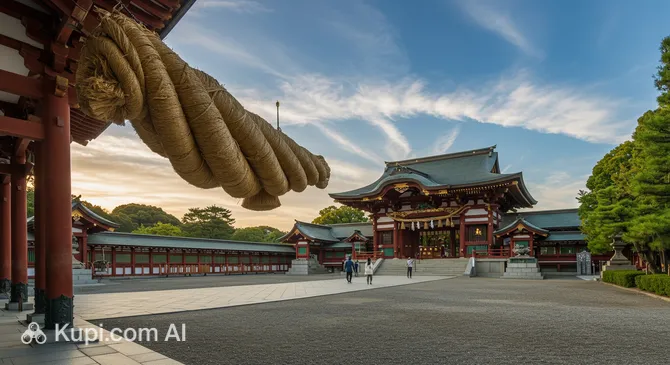
The city is geographically defined by its proximity to the Sea of Japan and the scenic Lake Shinji, providing visitors with beautiful coastal landscapes and famous sunsets. Exploring the history of Izumo reveals its pivotal role in early Japanese chronicles, where it is often depicted as a meeting place for deities. This deep connection to the past is most evident at the Izumo Taisha (Izumo Grand Shrine), one of the oldest and most important Shinto shrines in the nation, renowned for its massive sacred straw rope.

Beyond the Grand Shrine, travelers are drawn to the region's distinct cultural calendar, particularly during the 10th month of the lunar calendar, known locally as Kamiarizuki, or the "Month with Gods." Whether you are interested in exploring ancient architecture, enjoying local soba noodles, or simply soaking in the mystical ambiance, Izumo welcomes visitors to experience a side of the country that is both profound and peaceful.

Weather Overview

The climate in this region is marked by distinct seasons, offering a variety of atmospheric conditions throughout the year. Winters are typically cool and damp, with January seeing average temperatures of 5.7°C and a high frequency of precipitation, often spanning up to 20 days in the month. In contrast, summers are warm and humid, with August reaching average temperatures of roughly 26.9°C.

Travelers planning a visit might find the transition months particularly appealing. Spring and autumn bring milder temperatures, with May and October averaging around 17°C to 18°C, which is ideal for outdoor exploration. For specific forecasts and monthly breakdowns, you can consult the detailed guide to the weather in Izumo to help schedule your trip.

Overall, visitors should expect warm summers with regular rainfall and cold winters characterized by frequent wet days.

Interesting Facts

Beyond its famous Grand Shrine, Izumo is a city woven with deep legends and unique cultural quirks that often surprise visitors. Here are a few intriguing details that make this region truly special.

  • While the rest of Japan refers to the tenth month of the lunar calendar as Kannazuki (the month without gods), in this region it is famously called Kamiarizuki (the month with gods). Legend holds that all eight million deities from across the country gather here annually to discuss the fate and relationships of humanity for the coming year.

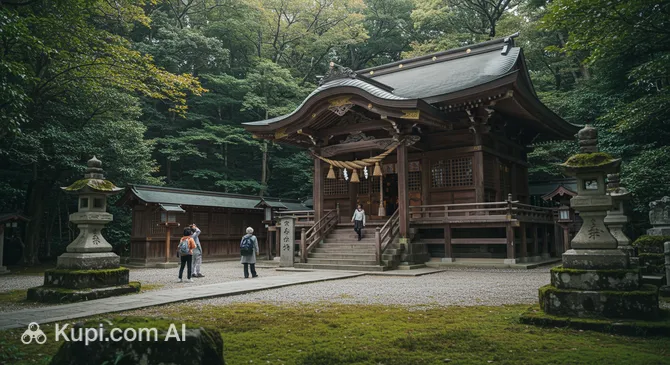
  • There is a specific location known as the "final stop" for these visiting deities before they return home. After their main meetings conclude, the gods are said to gather at Mankusen Shrine for a farewell banquet, making it a significant spiritual site that marks the conclusion of the divine gathering.

  • The local culinary scene features a distinctive style of noodle dish known as Warigo Soba, where the noodles are served in three-tiered round lacquerware containers rather than a single bowl. Historic spots like Kenjo Soba Haneya serve this dark, fragrant buckwheat noodle, which is eaten by pouring sauce directly over the layers rather than dipping.

  • A persistent urban legend among tourists suggests that throwing a coin into the massive sacred straw rope (shimenawa) at the main shrine brings good luck if the coin sticks. However, this is actually discouraged as it can damage the sacred artifact, and wire nets have been installed on the underside of the ropes to prevent this practice.

Mankusen Shrine. Source: Kupi.Binoculars

How to Get There

Reaching the "Realm of the Gods" is most convenient via air travel, as the region is well-served by local aviation hubs. The city has its own facility, Izumo Airport (IZO), which is located approximately 13.3 km from the center. It is a key regional gateway with frequent domestic connections, and the journey to the downtown area typically takes about 40 minutes by taxi or shuttle bus. Exploring all ways to reach the city will help you decide if flying directly here is the best option for your itinerary.

Alternatively, travelers can fly into Miho Airport (YGJ), situated in the neighboring city of Yonago, about 46.9 km away. Ground transport from there to Izumo takes roughly 90 minutes. For those arriving from further afield, Hiroshima Airport (HIJ) in Hiroshima is a larger hub, though it is located 104.4 km away, requiring a transfer time of nearly 3 hours by road.

For clarity, here is a summary of the main airports:

Airport Name City Passenger Traffic Km from City
Hiroshima Airport Hiroshima High 104.4
Izumo Airport Izumo Medium 13.3
Miho Airport Yonago Medium 46.9
Oki Airport Oki Islands Small 104.1
Hagi-Iwami Airport Masuda Small 116.7

The city is also well-connected by Japan's extensive railway network, with Izumoshi Station serving as the primary rail hub. It is a major stop on the JR San-in Main Line. A popular and unique way to arrive is via the Sunrise Izumo, one of the country's few remaining overnight sleeper trains, which runs directly from Tokyo. For those traveling by Shinkansen, a transfer at Okayama Station to the Yakumo limited express train offers a scenic route through the Chugoku Mountains to Izumo.

Main Attractions

While the spiritual heritage of the Grand Shrine dominates the city's reputation, Izumo offers a variety of other engaging sites ranging from educational facilities to relaxing retreats. Visitors looking to explore beyond the ancient myths will find modern attractions and welcoming local establishments that showcase a different side of daily life in Shimane Prefecture.

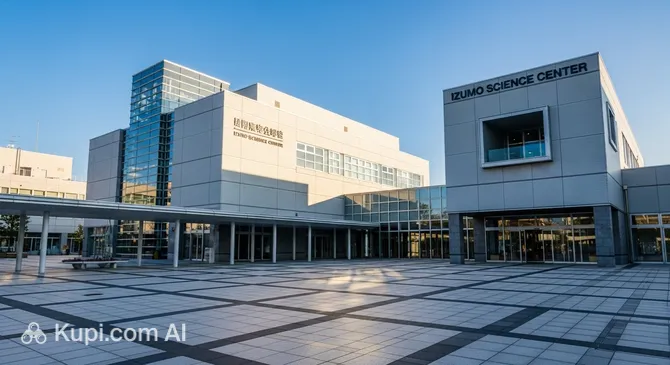
For families and those interested in technology, the Izumo Science Center is a standout destination. Housed in a distinctively modern building, this facility focuses on manufacturing and industrial science, reflecting the region's history of craftsmanship. It features interactive exhibits and hands-on workshops that make learning accessible and fun for visitors of all ages, offering a fascinating contrast to the city's ancient traditions.

Izumo Science Center. Source: Kupi.Binoculars

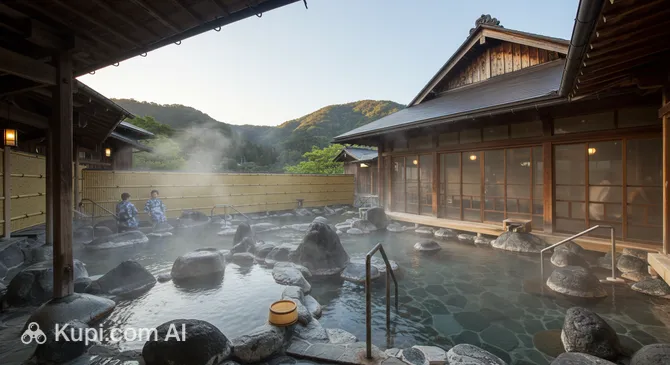
Travelers seeking relaxation after a day of sightseeing should make their way to Kitayama Onsen Hot Spring. Known for its rejuvenating waters, this facility provides a classic Japanese bathing experience surrounded by a calm atmosphere. It is an ideal spot to soothe tired muscles and experience the local culture of wellness, which is deeply ingrained in the lifestyle of the region.

Kitayama Onsen Hot Spring. Source: Kupi.Binoculars

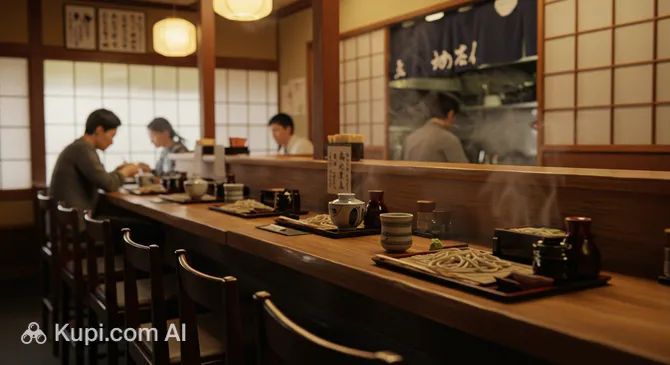
The city's dining and social scene also offers charming spots to unwind. Tsubameya is a popular restaurant where visitors can enjoy the warm hospitality and local flavors that define Izumo's culinary landscape. Whether you are looking for a hearty meal or a place to soak in the local ambiance, it serves as a welcoming stop during your travels.

Tsubameya. Source: Kupi.Binoculars

For those staying near the main transport hub, ARIcafe Izumo Ekimae offers a convenient and stylish setting to relax. Located close to the station, this bar and cafe is perfect for grabbing a drink or a light bite while planning the next stage of your journey, providing a cozy environment to watch the city go by.

Local Cuisine

Cuisine:

The culinary landscape of Izumo is as deeply rooted in tradition as its shrines, offering visitors a taste of history with every meal. The region is most famous for Izumo Soba, considered one of the three major soba varieties in Japan. Unlike standard buckwheat noodles, these are made by grinding the buckwheat seeds with their husks intact, resulting in a darker color, a stronger aroma, and a pleasingly firm texture.

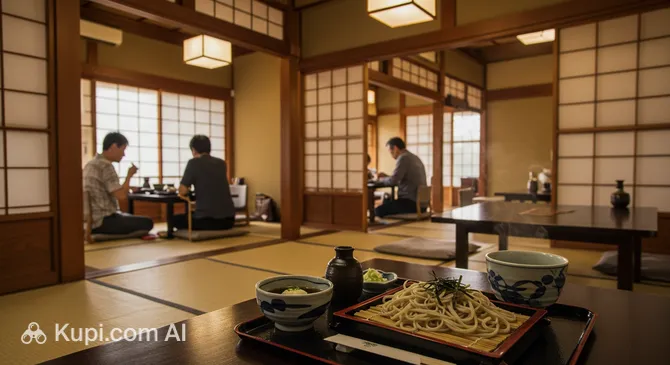
A distinctive way to enjoy this local specialty is in the form of Warigo Soba. The noodles are served in three-tiered round red lacquerware containers. Instead of dipping the noodles into a cup of sauce, diners pour the broth and condiments directly onto the noodles in the top tier, eat them, and then pour the remaining sauce into the tier below. Travelers can experience this authentic style at historic establishments such as Kenjo Soba Haneya, a restaurant that has upheld these traditional preparation methods for generations.

Kenjo Soba Haneya. Source: Kupi.Binoculars

For those with a sweet tooth, Izumo is celebrated as the birthplace of Zenzai, a sweet red bean soup containing mochi (rice cakes). The name is believed to derive from "Kami-ari-zai," meaning "the gods are present," referencing the gathering of deities in the city. This warm, comforting dessert is a staple in local teahouses, especially during the colder months, and serves as a delicious connection to the city's mythological roots.

Beyond noodles and sweets, the region's location on the Sea of Japan ensures a steady supply of fresh seafood, while its fertile lands produce high-quality rice ideal for brewing. Izumo is often cited in legends as the birthplace of sake, and local breweries continue to produce rich, flavorful varieties that pair perfectly with the local cuisine. Dining spots like Tsubameya offer a welcoming atmosphere where visitors can sample a variety of these local flavors in a casual setting.

To cap off a culinary journey, a visit to ARIcafe Izumo Ekimae provides a modern contrast to the traditional fare. Whether you are looking for a relaxing drink or a light snack near the station, it represents the contemporary side of the city's food and beverage scene.

ARIcafe Izumo Ekimae. Source: Kupi.Binoculars

Travel Tips

Welcome to the spiritual heart of the San-in region! To ensure your journey through the "Realm of the Gods" is as smooth and respectful as possible, we have compiled a set of essential tips to help you navigate local customs and logistics with ease.

  1. Clothing and Gear: The weather in Shimane Prefecture can be changeable, often described by the local proverb: "Don't forget your umbrella even if you forget your lunch." It is wise to carry a compact, wind-resistant umbrella or a raincoat, especially in late autumn and winter. As you will likely visit sacred sites like Izumo Taisha, wear comfortable slip-on shoes, as you will need to remove them frequently when entering temple halls or traditional buildings. While there is no strict dress code, modest attire covering shoulders and knees is respectful at religious sites.
  2. Transportation: The city is served by the charming Ichibata Electric Railway (Bataden), which offers a scenic route along Lake Shinji to the main shrine area. However, the bus network is the primary way to reach the coast and other dispersed attractions. For complete freedom to explore the wider Shimane region, renting a car near Izumo Station or the airport is highly recommended, as rural schedules can be infrequent.
  3. Finances: While major hotels and large shops accept credit cards, Izumo is still a place where cash is king. Small souvenir shops, local soba restaurants, and street food vendors often only accept cash. Ensure you have sufficient Japanese Yen (JPY) on hand. International ATMs are available at 7-Eleven convenience stores and Japan Post Bank locations, which are reliable spots to withdraw money.
  4. Health and Safety: Izumo is an incredibly safe city for travelers, with very low crime rates. Pharmacies and drugstores (often marked with the character 薬) are available for minor ailments, though few are open 24 hours outside of convenience stores. In case of a medical emergency, dial 119. It is also good to carry hand sanitizer and a small towel, as some public restrooms may not provide paper towels.
  5. Communication: English is not widely spoken outside of the main tourist information centers and major hotels. It is highly practical to have a translation app like Google Translate downloaded on your phone. Renting a Pocket Wi-Fi or purchasing a local SIM card at the airport is essential for navigation and translation, as free public Wi-Fi can be spotty in rural areas.
  6. Local Etiquette: Politeness is paramount. A slight bow is the standard greeting. When visiting Izumo Taisha, be aware of the unique worship etiquette that differs from the rest of Japan. Instead of the standard "two bows, two claps, one bow," the custom here is "two bows, four claps, one bow." This specific ritual is a distinctive part of the local spiritual culture.
  7. What to Avoid: When walking along the approach to a shrine (the sando), avoid walking in the direct center of the path. The middle is traditionally reserved for the deities; mortals should walk on the sides. Additionally, refrain from eating or drinking while walking, as it is generally considered rude; try to finish your snack where you bought it or at a designated bench.
  8. Additional Tip: If you are looking for a meaningful souvenir, keep an eye out for En-musubi (matchmaking) charms. Izumo is famous for connecting people—not just in romance, but in friendship and business as well. Also, try to visit the Grand Shrine early in the morning, before 9:00 AM, to experience the profound silence and mist that give the site its mystical reputation.

By keeping these practical points in mind, you will be well-prepared to embrace the unique atmosphere of Izumo. Whether you are clapping your hands in prayer or savoring the local buckwheat noodles, respecting these local nuances will surely enrich your travel experience.

Entertainment & Nightlife

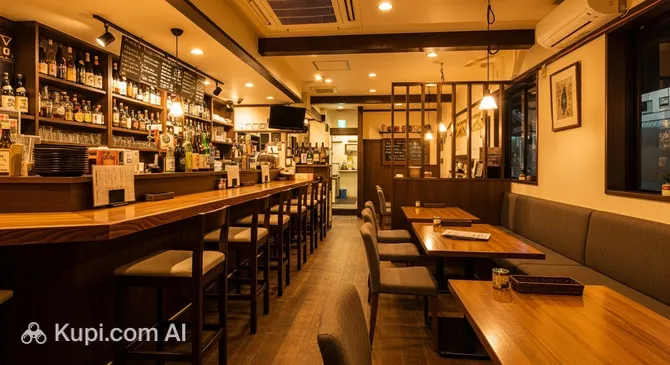
Unlike the neon-soaked metropolises of Tokyo or Osaka, the nightlife in Izumo is characterized by a relaxed, welcoming atmosphere that reflects the city's smaller size and spiritual heritage. You will not find sprawling club districts or all-night dance venues here. Instead, the evening entertainment focuses on high-quality dining, intimate izakayas (Japanese pubs), and cozy bars where locals unwind after work. The vibe is distinctly community-oriented, offering travelers a chance to mingle with residents in a laid-back setting.

The center of evening activity is clustered around Izumoshi Station (Izumo-shi Station). The streets immediately to the north of the station come alive as the sun sets, with lanterns illuminating the entrances to various establishments. This area is compact and walkable, making it easy to bar-hop or find a second location for drinks after dinner without needing transport. The crowd is typically a mix of local salarymen, groups of friends, and tourists visiting the shrines, creating a safe and friendly environment.

For those looking to experience the local drinking culture, Tsubameya is an excellent choice. This establishment captures the essence of a Japanese night out, serving local dishes that pair perfectly with Shimane's renowned sake. It offers a warm, rustic atmosphere where the dress code is casual, and the focus is on shared plates and conversation. It is a perfect spot to start your evening with a hearty meal and a few drinks before exploring further.

If you prefer a more modern setting or a place to enjoy a cocktail, ARIcafe Izumo Ekimae provides a stylish alternative. Located conveniently near the station, it functions as a bar in the evenings and is popular for its relaxed ambiance. It is an ideal venue for travelers who want to enjoy a quiet drink in a comfortable space, perhaps to reflect on the day's sightseeing or plan the next morning's itinerary.

For a different kind of evening relaxation, consider visiting Kitayama Onsen Hot Spring. While not a nightlife venue in the traditional sense, many visitors choose to end their day here. Soaking in the thermal waters in the evening is a quintessentially Japanese way to unwind, and the facility often stays open late enough to accommodate after-dinner bathers, offering a serene counterpoint to the city's dining scene.

Practicalities for a night out in Izumo are straightforward. Most bars and restaurants are open until around midnight or 1:00 AM, though some smaller snack bars may stay open later. Prices are generally reasonable, with an average evening of food and drink costing between 3,000 and 5,000 JPY per person. The area around the station is very safe for night walks. However, public transport stops running around midnight. If your accommodation is not within walking distance, you can easily hail a taxi at the rotary outside the station's north exit. Drivers are reliable, though having your hotel address written in Japanese is recommended.

During the daylight hours, entertainment shifts towards cultural and educational experiences. Families and curious minds can visit the Izumo Science Center, which offers engaging exhibits and a planetarium. Additionally, the city features several large shopping centers on the outskirts where locals spend their weekends, often hosting small events or fairs that provide a glimpse into everyday entertainment in the region.
Parks & Museums

To complement its profound spiritual heritage, Izumo offers a selection of serene green spaces and insightful museums that allow visitors to deepen their understanding of the region's history and natural beauty. From manicured gardens to interactive educational facilities, the city provides ample opportunities to explore Japanese culture beyond the shrine gates.

For a comprehensive look into the myths and history that define this region, the Shimane Museum of Ancient Izumo is an essential stop. Located just adjacent to the Grand Shrine, this facility houses an impressive collection of national treasures, including hundreds of ancient bronze swords and bells excavated from local sites. The museum features a massive model of what the ancient Izumo Shrine is believed to have looked like—standing nearly 48 meters tall—giving tourists a tangible sense of the area's historical grandeur.

A different kind of discovery awaits at the Izumo Science Center. While the ancient museum looks to the past, this facility focuses on the principles of science and industry. It is particularly engaging for families, offering hands-on exhibits that explain scientific concepts in an accessible way. The center also serves as a community hub for learning, reflecting the city's commitment to education alongside tradition.

Travelers interested in traditional architecture and lifestyle should visit the Izumo Cultural Heritage Museum (Izumo Bunka Denshokan). Set within a magnificent former residence of a wealthy farming family, the museum preserves the atmosphere of the Edo period. Visitors can wander through the tatami rooms and admire the surrounding Japanese garden, which uses the landscape of the nearby mountains as "borrowed scenery," creating a perfect harmony between the built and natural environments.

Nature lovers will find a year-round spectacle at the Shimane Flower Center (Shimane Hana no Sato). Located near the Grand Shrine, this expansive botanical park features a large greenhouse and outdoor gardens that showcase a vibrant array of seasonal blooms. It is especially famous for its begonias and fuchsias, offering a colorful and fragrant retreat where visitors can enjoy a leisurely walk regardless of the weather outside.

For those seeking open spaces and recreation, Hamayama Park is one of the city's premier green areas. This vast park is a favorite among locals for sports and picnics, but it is particularly attractive to tourists during the spring. The park is home to a stunning avenue of cherry blossom trees, making it one of the top spots in the city for hanami (flower viewing). Its wide paths and peaceful atmosphere make it an excellent location for a relaxing afternoon stroll away from the crowds of the main tourist sites.

For a quiet, insider experience, consider visiting the Izumo Quilt Museum. Housed in a 200-year-old traditional home, it displays the intricate fabric art of local artist Mutsuko Yawatagaki. The museum uniquely blends the warmth of textile art with the rustic charm of ancient Japanese architecture, offering a cozy and artistic break from the standard sightseeing itinerary.

Getting Around

Public transport in Izumo is reliable but operates on a much smaller scale compared to major metropolitan areas. There is no underground metro system; instead, the city relies on a combination of surface railways and a local bus network to connect the central downtown area with major tourist sites like the Grand Shrine and the coast. For most visitors, the primary hub is Izumoshi Station (Izumo-shi), which serves both the JR West lines and the local private railway.

The Ichibata Electric Railway, affectionately known by locals as "Bataden," is a charming local train line that is essential for sightseeing. It runs along the scenic Lake Shinji and connects the city center to Izumo Taisha-mae Station (near the shrine) and the neighboring city of Matsue. This line is not just a mode of transport but a nostalgic experience, often featuring vintage train cars and picturesque views. Trains typically run once or twice an hour, so checking the timetable in advance is highly recommended.

Buses, operated primarily by Ichibata Bus, cover areas not reached by the train lines. When using local buses, the standard procedure is to board through the rear door and take a small numbered ticket from the machine inside. This ticket indicates your boarding zone. When you disembark at the front, match the number on your ticket to the electronic fare display above the driver to determine the cost. While the system is modernizing, it is always wise to carry coins or 1,000-yen bills, as larger denominations often cannot be changed on board.

For tourists, the most convenient and cost-effective payment option is the En-musubi Perfect Ticket. This three-day pass offers unlimited rides on the Ichibata Electric Railway and most buses within the Shimane and Matsue area, including airport shuttles. It can be purchased at the airport, Izumoshi Station, or Izumo Taisha-mae Station. Additionally, major nationwide IC cards (like ICOCA, Suica, and Pasmo) are accepted on JR trains and the Ichibata Railway, allowing for seamless tapping at ticket gates.

If you prefer more flexibility, taxis are readily available at the taxi ranks outside both the North and South exits of Izumoshi Station and near the Grand Shrine. They are clean and reliable, though drivers may not speak fluent English, so having your destination written in Japanese is helpful. Ride-hailing apps are not widely used here, so flagging a taxi or finding a designated stand is the standard practice.

Given the rural nature of the surrounding region, many travelers opt for rental cars to explore attractions further afield at their own pace. Several rental agencies are located near the main station. Alternatively, for exploring the immediate vicinity of the Grand Shrine, rental bicycles are a popular choice. You can rent electric-assist bikes at Izumo Taisha-mae Station, allowing you to easily visit nearby cultural sites and the coast without waiting for a bus.

Accommodation

Finding the perfect place to stay in Izumo depends largely on the type of experience you are seeking, as the city offers a distinct split between modern convenience and traditional charm. The accommodation landscape generally ranges from functional Western-style business hotels to historic Japanese inns (ryokan) that provide a more immersive cultural experience. Whether you are a backpacker looking for a simple hostel or a traveler seeking the refined hospitality of a resort, the region caters to a variety of preferences and budgets.

There are two primary areas where tourists tend to base themselves. The first is around Izumoshi Station, the city's main transport hub. This area is ideal for those prioritizing logistics, as it offers easy access to trains, airport shuttles, and buses. Here, you will find a concentration of modern business hotels that provide clean, compact rooms and reliable amenities. Staying in this district puts you within walking distance of numerous restaurants and bars, making it a convenient choice for travelers who want to explore the local dining scene after a day of sightseeing.

The second popular area is in the vicinity of the Izumo Taisha (Grand Shrine). Accommodation here is markedly different, consisting largely of traditional ryokans and guest houses. Staying near the shrine allows visitors to experience the spiritual atmosphere of the area in the early morning or late evening when the day-trippers have left. These establishments often feature tatami mat rooms, communal baths, and elaborate multi-course meals (kaiseki), offering a peaceful retreat steeped in history.

When planning your trip, it is crucial to be aware of the local calendar. During the "Month with Gods" (Kamiarizuki), which usually falls in October or November, accommodation prices spike, and rooms can sell out months in advance due to the influx of pilgrims and tourists. A general booking tip is to secure your reservation as early as possible if you plan to visit during this spiritual peak season or during major Japanese holidays like Golden Week.

regarding costs, prices in Izumo are generally reasonable compared to major cities like Tokyo or Kyoto. Budget travelers can find affordable guest houses and business hotels, while mid-range options offer excellent value with added comforts. The upper end of the price spectrum is dominated by high-end ryokans, particularly those that include dinner and breakfast in their rates. While major booking platforms work well for most hotels, some smaller traditional inns may require booking through specific Japanese travel sites or direct inquiries.

Nearby Cities

For those looking to explore the surroundings, Izumo serves as an excellent base for day trips to several interesting nearby locations:

Just a short journey east lies Matsue, often referred to as the "City of Water." It is famous for Matsue Castle, one of the few remaining original feudal castles in Japan, and offers scenic boat tours along its historic moats. The city is also renowned for its traditional tea culture and the stunning sunset views over Lake Shinji, which it shares with Izumo.

Further along the coast is Yonago, a lively commercial hub that acts as a gateway to the majestic Mount Daisen. This area is perfect for nature enthusiasts, offering hiking trails in the warmer months and skiing in the winter. Nearby, travelers can relax at Kaike Onsen, a rare hot spring resort located directly on the sandy shores of the Sea of Japan.

For those willing to venture a bit further, Hamada offers a different coastal experience with its beautiful beaches and the Aquas Aquarium. It is also well-known for Iwami Kagura, a traditional performing art that is vibrant and highly entertaining, featuring elaborate costumes and masks.

City Population Distance (km)
Matsue 201802 29
Yonago 147210 53
Ama 87668 87
Daisen 76164 69
Hamada 53753 80

These nearby destinations offer a glimpse into the diverse culture and landscapes of the region.

Shopping & Souvenirs

Shopping in Izumo offers a delightful blend of spiritual tradition and modern convenience. While the city is not a sprawling metropolis for high-end fashion, it excels in offering unique local crafts, religious artifacts, and regional delicacies that reflect its status as a significant cultural hub. Visitors will find that the retail experience here is less about department stores and more about discovering charming boutiques that specialize in items connected to the area's deep mythology and history.

The most atmospheric shopping district is undoubtedly Shinmon-dori (Divine Gate Street), which serves as the main approach to the Grand Shrine. Lined with traditional wooden buildings, this bustling street is the perfect place to stroll and browse. Here, you can find everything from intricate handicrafts to locally brewed sake. The area has a nostalgic charm, with shopkeepers often eager to explain the stories behind their goods, making it the primary destination for tourists looking to take a piece of the "Realm of the Gods" home with them.

For those seeking a more contemporary retail experience, the city is home to several large shopping complexes. Youme Town Izumo is one of the most prominent malls in the region, housing a wide array of fashion brands, electronics, and daily necessities. It is a convenient stop for travelers who need to restock on travel supplies or simply want to browse modern Japanese retail chains in a comfortable, climate-controlled environment.

While Izumo does not have large-scale open-air flea markets like Tokyo, the concept of "Michi-no-Eki" (Roadside Stations) plays a vital role in the local shopping scene. Michi-no-Eki Taisha Goen Hiroba, located near the shrine, acts as a marketplace for local farmers and artisans. It is an excellent spot to find fresh seasonal fruits, locally produced jams, and handmade goods directly from the producers, offering a more authentic taste of Shimane's agricultural bounty.

When it comes to souvenirs, Magatama beads are the quintessential item to purchase in Izumo. These comma-shaped stones, often made of agate, have been crafted in the region since ancient times and are believed to bring good fortune and protection. Additionally, food items make for popular gifts; packs of dried Izumo Soba allow you to recreate the local dish at home, while sweet bean cakes known as Zenzai are a traditional treat associated with the region's matchmaking legends.

Store opening hours vary depending on the location. Shops along Shinmon-dori and near the shrine typically open around 9:00 AM and close relatively early, often by 5:00 PM or 6:00 PM. In contrast, modern shopping malls like Youme Town usually remain open until 9:00 PM or later. Regarding payment, while major malls and larger souvenir shops accept credit cards and IC cards, many smaller traditional vendors and food stalls still prefer or exclusively accept cash. It is highly recommended to carry sufficient Japanese Yen when exploring the older districts.

Tax-free shopping is available at select locations for international tourists. Major shopping centers and larger souvenir stores often display the "Japan Tax-Free Shop" symbol at their entrance or counters. If you spend over a certain amount (typically 5,000 JPY excluding tax) at these participating stores, you may be eligible for an immediate tax refund upon presenting your passport, so be sure to keep it with you while shopping.

Reached the end of the page?

That means the route is fully explored