Support

Ube

About

Ube is a fascinating destination located in the Yamaguchi Prefecture of Japan. Situated on the coast of the Seto Inland Sea, this city offers a unique blend of industrial heritage and modern cultural vibrancy. With a population of approximately 160,000 residents, Ube creates a welcoming atmosphere that balances urban convenience with the scenic beauty of its coastal surroundings.

The history of Ube is deeply rooted in coal mining, which originally drove the city's development. Over the decades, however, it has successfully transformed itself into a "City of Greenery, Flowers, and Sculptures." Today, it is renowned for its commitment to public art, hosting one of the longest-running outdoor sculpture competitions in the world, the UBE Biennale.

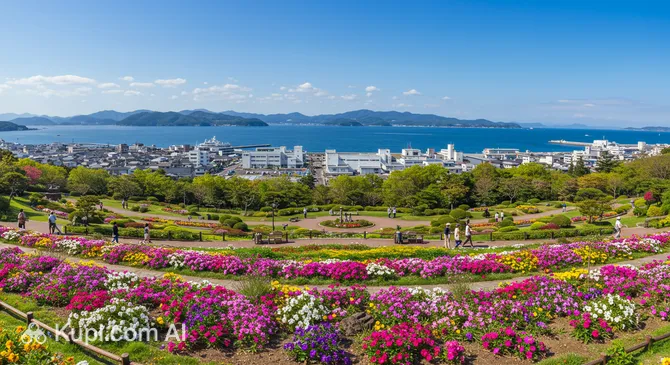
Ube. Source: Kupi.Binoculars

One of the city's main highlights is Tokiwa Park, a massive recreational area that serves as the heart of local leisure. Here, visitors can explore an impressive collection of open-air sculptures, a charming zoo, and a lush botanical garden. The park is a testament to the city's dedication to integrating art into everyday life, making a stroll through Ube feel like walking through an open-air museum.

Whether you are an art enthusiast eager to see world-class sculptures or a traveler looking for a peaceful coastal retreat, Ube has something special to offer. Its harmonious mix of history, art, and nature makes it a delightful stop for anyone exploring the western region of the country.

Weather Overview

The climate in this coastal city is generally temperate, making it a year-round destination, though the experience varies distinctively by season. To help plan your activities and packing list, you can check the detailed weather in Ube, but generally, travelers should expect hot, humid summers with frequent rain and cool, milder winters.

During the winter months of December through February, the atmosphere is cool but rarely freezing. Average temperatures hover between 6.8°C and 8.4°C, with minimums generally staying above 5°C. While the precipitation volume is lower, recorded at around 2mm to 3mm, the city still experiences about 11 to 13 wet days per month, suggesting that while rain may be light, it is somewhat frequent.

Summer brings a noticeable shift in heat and humidity. August is typically the warmest month, with an average temperature of 27.6°C and daily highs reaching nearly 30°C. This season is also the wettest; July, for instance, sees precipitation rise to 9mm with approximately 17 wet days. For those seeking the most comfortable conditions for outdoor sightseeing, May and October are ideal, offering pleasant averages around 18°C to 19°C.

Interesting Facts

Beyond the main attractions, Ube holds many fascinating secrets and local legends that surprise even seasoned travelers. From unique spiritual records to quirky animal celebrities, the city offers details that make it truly one-of-a-kind.

  • While many shrines in Japan offer protective charms, Kotozaki Hachiman Shrine takes this to a new level. It is reputed to have one of the largest varieties of omamori (amulets) in the country, boasting over 800 different types tailored to virtually every wish or worry imaginable.

  • The city is famous for the "Ube Model" of environmental restoration. Once suffering from severe air pollution due to its heavy industries, the community, government, and businesses collaborated so effectively to clean the air that the city was recognized by the United Nations Environment Programme.

  • Tokiwa Park has historically been home to a beloved flock of white pelicans. One legendary pelican named "Kattsa-kun" became a national celebrity for his habit of flying out of the park to visit a nearby kindergarten, charming locals and creating a lasting legacy of affection for these birds in the city.

  • Ube is a hidden gem for fans of "factory night views." The city's industrial complex, particularly the cement factories and chemical plants along the coast, creates a futuristic, illuminated landscape at night that attracts photographers and industrial aesthetics enthusiasts from across the region.

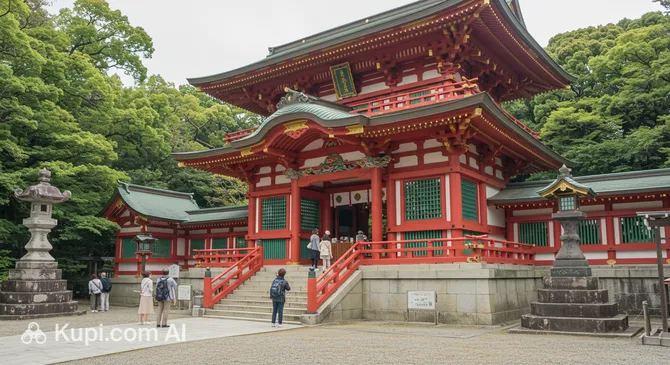
Kotozaki Hachiman Shrine. Source: Kupi.Binoculars

How to Get There

Traveling to this part of Yamaguchi Prefecture is convenient thanks to a well-connected network of airports serving the region. Whether you are flying domestically or arriving from overseas, you can find more about how to get to Ube and select the most efficient route for your journey.

The most direct entry point is Yamaguchi Ube Airport (UBJ), which is situated remarkably close to the city center. Located just 3.8 km away, it allows for a quick and stress-free transfer to downtown hotels or attractions. For travelers coming from other parts of the country or looking for additional flight options, Kitakyushu Airport (KKJ) is an excellent alternative. Situated approximately 22.9 km from Ube, it is easily accessible via ground transport.

For those seeking a major international hub with extensive connections, Fukuoka Airport (FUK) is a popular choice. Although it is located 84.2 km away in the city of Fukuoka, it handles a large volume of passenger traffic and offers a wider range of flight schedules. Other regional options include airports in Oita and Iwakuni, providing flexibility depending on your itinerary.

Below is a summary of the airports serving the area:

Airport Name City Distance to Ube Passenger Volume
Yamaguchi Ube Airport Ube 3.8 km Medium
Kitakyushu Airport Kitakyushu 22.9 km Medium
Oita Airport Oita 69.3 km Medium
Fukuoka Airport Fukuoka 84.2 km Large
Iwakuni Kintaikyo Airport Iwakuni 93.8 km Small

Main Attractions

Ube is a city where industrial history, artistic innovation, and spiritual tradition come together to create a distinct travel experience. While the city is known for its sculptures and greenery, it also houses significant historical sites and culinary spots that offer a deeper understanding of the local culture. Visitors can enjoy a mix of serene temple grounds, expansive parks, and authentic dining options.

A visit to Ube would be incomplete without exploring the grounds of Kotozaki Hachiman Shrine. As one of the most prominent spiritual sites in the region, it serves as a guardian for the local community. Beyond its spiritual importance, the shrine is admired for its majestic architecture and the tranquil forest that surrounds it, offering a peaceful escape from the urban center. The long approach lined with stone lanterns creates an atmospheric setting perfect for a quiet walk and reflection.

For those interested in the city's scenic beauty, Tokiwa Park remains the central hub of tourism. While famous for its art, the park also features a charming amusement area with a Ferris wheel that offers panoramic views of the entire city and the nearby lake. The park's botanical gardens are another highlight, showcasing seasonal blooms that transform the landscape throughout the year, making it a favorite spot for families and nature lovers alike.

Another historical gem is Sorin-ji Temple, a Zen temple with a history spanning centuries. It is particularly renowned for its exquisite landscape garden, which is designed to represent the dry landscape style known as karesansui. The garden's arrangement of rocks and raked gravel invites contemplation, and the temple grounds provide a stark, beautiful contrast to the modern sculptures found elsewhere in the city.

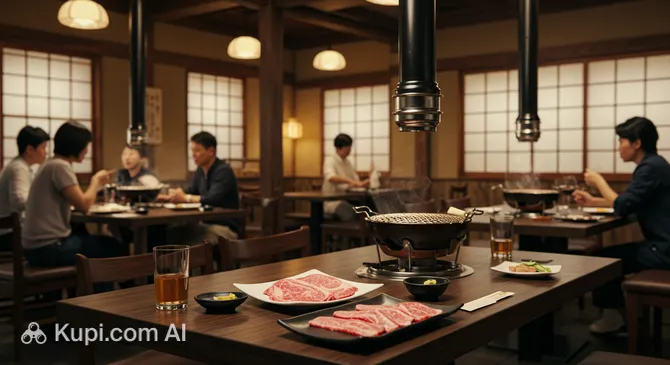
Yakiniku Saien Jujutei. Source: Kupi.Binoculars

After a day of sightseeing, experiencing the local food culture is a must. Yakiniku Saien Jujutei offers a fantastic opportunity to indulge in Japanese-style barbecue. Known for its high-quality ingredients and inviting atmosphere, this restaurant allows travelers to savor perfectly grilled meats and local specialties. It is an excellent place to relax and enjoy the warm hospitality that Ube is known for.

Local Cuisine

The culinary scene in Ube is deeply influenced by its coastal location along the Seto Inland Sea, offering visitors a bountiful selection of fresh seafood. The waters of Yamaguchi Prefecture are renowned for their quality, meaning that sushi and sashimi here are exceptionally fresh. Travelers can expect to find seasonal delicacies such as flounder, prawns, and blue crabs featuring prominently on local menus, often served simply to highlight their natural flavors.

For a truly authentic local experience, one must try Ube Ramen. This distinct style of noodle soup is considered the soul food of the city. It features a rich, brown pork bone (tonkotsu) broth that is known for its strong aroma and deep savory flavor, typically seasoned with soy sauce. Unlike the firm noodles found in other regions, Ube Ramen is characterized by softer, medium-thick noodles that absorb the hearty soup, creating a comforting and satisfying meal that locals have cherished for generations.

As part of Yamaguchi Prefecture, Ube is also a fantastic place to sample Fugu (pufferfish), which is the region's most famous gastronomic treasure. While often considered a luxury, it can be enjoyed in various forms, from translucent slices of sashimi to warming hot pots. For those with a sweet tooth, the city offers Rikyu Manju, bite-sized steamed buns filled with sweet bean paste. These historic confections are a popular souvenir and a perfect accompaniment to tea.

The dining culture in Ube is relaxed and welcoming, ranging from casual ramen shops to lively izakayas (Japanese pubs). This is the perfect setting to explore the local drinking culture, particularly sake. Yamaguchi Prefecture has gained international acclaim for its sake breweries, and Ube is no exception. Visitors can enjoy premium local rice wines that are brewed using the region's high-quality water and rice, making for an ideal pairing with the savory local dishes.

Travel Tips

Welcome to Ube! To ensure your journey through this city of sculptures and greenery is as smooth as possible, we have compiled a list of essential travel advice. These practical tips will help you navigate local customs and logistics, allowing you to focus on enjoying the unique atmosphere of Yamaguchi Prefecture.

  1. Clothing and Gear: The weather varies significantly by season, so pack accordingly. Summers are hot and humid, requiring breathable fabrics and sun protection, while winters are chilly, making layers and a warm coat necessary. Since you will likely be exploring Tokiwa Park or walking along the sculpture-lined streets, bring comfortable walking shoes. Slip-on shoes are also highly recommended, as you will frequently need to remove them at traditional establishments.
  2. Transportation: The city is served by the JR Ube Line and the Onoda Line, which are convenient for reaching the main station and nearby areas. For getting around the city center and to specific attractions like the airport or Tokiwa Park, the local Ube City Bus network is reliable. However, if you plan to explore the wider Yamaguchi coastline, renting a car is often the most flexible option. Taxis are available but can be expensive for long distances.
  3. Finances: The local currency is the Japanese Yen (JPY). While larger hotels and department stores accept credit cards, Ube retains a strong cash culture. Many small restaurants, especially traditional ramen shops, and ticket machines only accept cash. It is wise to carry sufficient bills and coins. International cards can be used to withdraw cash at ATMs found in convenience stores like 7-Eleven or Lawson. Tipping is not practiced and is generally unnecessary.
  4. Health and Safety: Ube is a very safe city for travelers. Drugstores (often marked with the kanji 薬) are widely available for basic medical supplies, though they may not be open 24 hours. Tap water is safe to drink. In case of an emergency, dial 119 for an ambulance or fire department, and 110 for the police. It is always good practice to carry travel insurance information with you.
  5. Communication: English proficiency may be limited outside of major transport hubs and hotels. It is highly recommended to have a translation app installed on your phone. Renting a Pocket Wi-Fi or purchasing a data SIM card at the airport upon arrival in Japan is crucial for navigation and communication. Learning a few basic phrases like "Sumimasen" (Excuse me) and "Arigato" (Thank you) will go a long way with locals.
  6. Local Etiquette: Politeness is highly valued. When greeting people, a slight bow is the standard gesture rather than a handshake. Be mindful of rules regarding footwear; always remove your shoes at the entrance of homes, traditional inns (ryokans), and some izakayas. On public transport, keep your voice down and avoid talking on the phone to respect the peace of other passengers.
  7. What to Avoid: Do not attempt to tip service staff, taxi drivers, or hotel personnel. In Japan, good service is standard, and offering extra money can be seen as confusing or even rude. If you want to show appreciation, a simple "Arigato gozaimasu" is the best approach.
  8. Local Insight: When visiting a shop serving the famous Ube Ramen, do not be put off by the strong, pungent aroma that hits you at the door. This intense smell is a characteristic of the authentic pork bone broth used in the region. Locals know that the stronger the scent, the richer the flavor, so step inside and enjoy this soul-warming dish!

With these tips in hand, you are well-prepared to explore Ube with confidence and ease. Embrace the local lifestyle, respect the customs, and enjoy every moment of your discovery in this charming and artistic corner of Japan.

Entertainment & Nightlife

While Ube is not defined by raucous nightclubs or sprawling dance floors, its nightlife offers a charming, authentic slice of Japanese culture. The evening entertainment here revolves primarily around dining and socializing in a relaxed atmosphere. As the sun sets, the city shifts gears from its industrial bustle to a more laid-back vibe, where locals gather to unwind over good food and drinks. The nightlife scene is concentrated, accessible, and incredibly safe, making it perfect for travelers who prefer conversation and culinary discovery over loud music.

The heart of the action can be found around Ube-Shinkawa Station and the Chuo-cho district. This area is the city's main entertainment hub, characterized by neon signs and the warm glow of red lanterns hanging outside traditional establishments. Here, you will find a dense collection of izakayas (Japanese pubs), snack bars, and karaoke joints. The crowd is typically a mix of salarymen finishing their shifts and groups of friends enjoying the evening. The dress code is casual, and the atmosphere is welcoming to visitors, though having a translation app handy is recommended as English menus may be rare in smaller bars.

For a quintessential evening experience, dining is the main event. Yakiniku Saien Jujutei is a standout venue where you can engage in the popular pastime of grilling high-quality meat right at your table. It is an excellent spot to start your night, offering a lively environment where the sounds of sizzling beef pair perfectly with cold draft beer or local sake. Establishments like this usually stay open until around 10:00 PM or 11:00 PM, serving as the perfect prelude to a second round at a nearby bar or karaoke room.

A unique form of "nightlife" specific to this region is the Factory Night View. Ube’s industrial coastal zone transforms after dark into a futuristic landscape of complex piping and towering structures illuminated by thousands of lights. Many photography enthusiasts and tourists take evening drives or join boat tours to admire this "steampunk" scenery, which offers a starkly beautiful contrast to the traditional drinking districts. It is a quiet but mesmerizing way to spend an evening in the city.

Practicalities for a night out in Ube are straightforward. Most bars and restaurants in the Chuo-cho area are within walking distance of each other. However, public transport options like buses decrease significantly after 9:00 PM. If you are staying further out, taxis are the most reliable way to get home; they can be easily hailed at the station or called by a restaurant for you. The area is very safe for night walks, but standard precautions should always apply. Prices are generally reasonable, with an average izakaya bill running between 3,000 and 5,000 JPY per person.

Before the sun goes down, Ube offers plenty of daytime entertainment to fill your itinerary. Visitors can explore the vast grounds of Tokiwa Park, which features an amusement park and open-air sculptures, or immerse themselves in local history and spirituality at Kotozaki Hachiman Shrine. Whether you are admiring art in the daylight or toasting with locals under the evening lanterns, Ube provides a fulfilling travel experience around the clock.

Parks & Museums

Ube distinguishes itself with a remarkable dedication to integrating artistic expression and industrial history into its landscape. The city is not just a hub of industry but a place where green spaces are curated with sculptures and where museums tell the story of the region's transformation. Visitors will find that the parks here are not merely places for recreation but open-air galleries that celebrate creativity and nature side by side.

The city's most celebrated green space is undoubtedly Tokiwa Park. Spanning a vast area around Lake Tokiwa, this park is a comprehensive leisure destination that has been selected as one of the "Top 100 Urban Parks in Japan." It is best known for the UBE Biennale Sculpture Hill, an open-air museum where award-winning abstract sculptures are displayed against a backdrop of lush lawns and trees. Walking through the park feels like exploring a living gallery, where art changes with the seasons and the shifting light. The park also features a botanical garden with diverse plant species, making it a peaceful retreat for nature lovers.

For those seeking a connection with the sea, Kiwa-La-Beach offers a distinctive natural experience. Located on the Seto Inland Sea coast, this beach is famous for its massive tidal flats that appear during low tide. It is a popular spot for digging clams in the spring and summer, but it is equally captivating for a quiet walk along the expansive shoreline. The shallow waters and calm waves make it a family-friendly destination, offering a serene contrast to the bustling city center.

To delve into the roots of the city, a visit to the Ube City Coal Mining Museum (Sekitan Kinenkan) is essential. Situated on a hill overlooking Tokiwa Park and the city, this museum preserves the heritage of the coal industry that fueled Ube's initial growth. The facility displays mining machinery, tools, and historical documents, providing a fascinating glimpse into the lives of the miners. A highlight is the observation deck at the top of the museum's tower (the memorial tower), which offers a panoramic view of the city, the airport, and the Seto Inland Sea.

Historical architecture and spiritual tranquility come together at Kotozaki Hachiman Shrine. While it is a place of worship, the shrine is also a significant cultural site surrounded by a dense, preserved forest. The towering trees and stone pathways create a solemn and majestic atmosphere, protecting the grounds from the noise of the outside world. It serves as a living museum of traditional Shinto architecture and local customs, offering visitors a chance to experience the spiritual heart of the community.

For a lesser-known experience, look for the "Ant-lion" (Arijigoku) structure near the Coal Mining Museum. It is a unique, cone-shaped stone structure that was historically used as a hopper for coal. Today, it stands as a silent monument to the city's industrial past, often overlooked by casual tourists but appreciated by history buffs for its unique engineering and preservation.

Getting Around

Navigating Ube is relatively straightforward, though the public transport system operates on a smaller, more relaxed scale compared to Japan's major metropolitan areas. The city relies primarily on a network of local trains and buses that connect the downtown area with residential districts, the airport, and key tourist sites. While the system is reliable, frequencies can be lower than expected, so checking timetables in advance is highly recommended for a smooth trip.

The railway network is operated by Japan Railways (JR) and is the best way to enter the city from regional hubs. The JR Ube Line is the primary route for visitors, connecting the Shinkansen stop at Shin-Yamaguchi Station to Ube-Shinkawa Station, which serves as the actual city center. Travelers should note the distinction between "Ube Station" (a transit hub on the outskirts) and "Ube-Shinkawa" (the downtown core). The trains are typically small, two-car local services painted in a distinctive yellow, offering a scenic but slower journey. The JR Onoda Line also serves the region but is generally less relevant for standard sightseeing itineraries.

For moving within the city, particularly to reach Tokiwa Park or Yamaguchi Ube Airport, the Ube City Bus network is the most practical option. Buses cover the main arterial roads and offer decent frequency during the day. A "Loop Bus" service is sometimes available on weekends or holidays, connecting major commercial and leisure spots, which can be very convenient for tourists.

Payment systems in Ube can be a mix of modern and traditional methods. While major IC cards (like Suica or ICOCA) are accepted at main railway stations, many smaller, unmanned stations along the Ube Line may not have card readers. On buses, the system is typically pay-on-exit. Passengers enter through the rear door and take a small numbered ticket (seiriken) from a machine. A display at the front of the bus shows the fare corresponding to your ticket number. You pay the exact cash amount into the fare box next to the driver upon exiting through the front door. If you lack exact change, the fare box is equipped with a machine to break 1,000 yen bills and larger coins.

Given that some attractions are spread out, taxis are a valuable alternative. They are readily available at the airport, Ube-Shinkawa Station, and major hotels. Taxis here are safe and clean, but drivers may not speak English, so having your destination written in Japanese is helpful. Unlike in big cities, you cannot rely extensively on ride-sharing apps; traditional taxi stands or phone bookings are the norm.

For those who prefer more freedom, renting a car is arguably the most efficient way to explore Ube and the surrounding Yamaguchi Prefecture. The roads are well-maintained and traffic is generally light compared to big cities. Alternatively, for a more leisurely pace, rental bicycles are available, particularly around Tokiwa Park. The terrain near the coast and the lake is relatively flat, making cycling a pleasant way to view the outdoor sculptures.

Transport services generally run from early morning until around 10:00 PM or 11:00 PM. However, be aware that the frequency of trains and buses drops significantly in the evening. If you are enjoying a night out in the city center, be sure to check the time of the last connection, as missing it may necessitate a taxi ride.

Accommodation

Accommodation:

Finding a place to stay in Ube is a straightforward experience, with options primarily catering to practical travelers and those visiting for the city's artistic events. The accommodation landscape is dominated by Western-style business hotels, which offer clean, functional, and compact rooms equipped with essential amenities. While the city does not feature an abundance of 5-star luxury resorts, visitors will find reliable and comfortable lodgings that provide excellent value for money. For those seeking a more authentic Japanese experience, a few traditional inns (ryokans) can be found, offering tatami rooms and shared baths.

The most convenient area for tourists to base themselves is around Ube-Shinkawa Station. As the central hub of the city, staying here puts you within walking distance of the main dining and entertainment districts, making it easy to enjoy the local nightlife and cuisine after a day of sightseeing. This area also offers the best access to public transport for trips to the museum or the coastline. Alternatively, travelers with early flights or a focus on nature might prefer accommodations closer to Yamaguchi Ube Airport or the expansive Tokiwa Park, though dining options may be more limited in these quieter zones.

In terms of pricing, Ube is generally very affordable compared to major tourist centers like Tokyo or Kyoto. Most properties fall into the budget to mid-range categories. Standard business hotels typically charge reasonable rates, often including a simple breakfast buffet. Booking is easily done through major international online platforms, though some smaller, family-run establishments may still prefer direct contact or payment in cash upon arrival.

Booking Tip: While room availability is usually good throughout the year, the city can get busy during major local events, particularly the UBE Biennale sculpture competition. If your visit coincides with this festival or the Japanese "Golden Week" holidays in spring, it is highly recommended to book your accommodation several weeks in advance to secure the best locations and rates.

Nearby Cities

Ube’s location on the Seto Inland Sea places it within easy reach of several fascinating destinations, making it a convenient base for day trips. Whether you are interested in the ancient history of Yamaguchi Prefecture or the metropolitan energy of neighboring Kyushu, a short journey by train or car opens up a variety of travel experiences.

To the northeast lies the prefectural capital, Yamaguchi. Often called the "Kyoto of the West," it is known for its serene temples and the iconic Rurikoji Five-Storied Pagoda, offering a glimpse into traditional Japanese culture. Situated nearby along the coast is Hofu, home to the prestigious Hofu Tenmangu Shrine. Across the Kanmon Strait, the city of Kitakyushu awaits with its historic Mojiko Retro district and Kokura Castle, providing a lively contrast to the quieter towns of the Chugoku region.

Here are some nearby cities that are easily accessible from Ube:

City Distance Population
Kitakyushu 35 km 935,084
Yamaguchi 33 km 193,761
Shunan 53 km 137,899
Hofu 31 km 113,170
Nakatsu 44 km 82,714

Shopping & Souvenirs

Shopping:

Shopping in Ube offers a relaxed and authentic experience, distinct from the frantic pace of Japan's larger metropolises. While you will not find high-end luxury fashion districts here, the city provides a convenient mix of modern shopping malls and traditional local purveyors. For visitors, the appeal lies in discovering regional specialties, daily essentials, and unique gifts that reflect the industrial and artistic character of Yamaguchi Prefecture.

The main commercial activity is concentrated in the downtown area, particularly along Tokiwa-dori and the streets surrounding Ube-Shinkawa Station. This central district features a variety of smaller boutiques, specialty shops, and businesses that have served the community for decades. Walking along these streets allows travelers to glimpse the everyday life of the locals, with shops selling everything from books and stationery to traditional Japanese ceramics and tea.

For a comprehensive one-stop shopping experience, Youme Town Ube is the city's premier destination. This large shopping mall is a hub for local families and tourists alike, housing a wide array of fashion brands, household goods, and a well-stocked supermarket. It is an excellent place to pick up clothing, electronics, or travel necessities. The mall also features a food court and casual dining options, making it a convenient spot to spend a few hours indoors, especially on rainy days.

To see what the local land and sea have to offer, visiting a local market is highly recommended. The Fresh Park (Kusu Kusu) is a popular farmers' market where local agricultural producers sell fresh vegetables, fruits, and flowers directly to consumers. It is a vibrant spot to see seasonal produce, such as Yamaguchi's famous mandarin oranges or locally grown tea. While these items might be hard to take home internationally, they are perfect for snacking during your trip.

When it comes to souvenirs, Ube has several distinct offerings. The city is famous for Kamaboko (fish cakes), particularly the high-quality, straw-wrapped variety known as "Su-maki Kamaboko." These have a firm texture and rich flavor, making them a prized gift. Another classic choice is Rikyu Manju, the bite-sized steamed buns filled with sweet bean paste that are a local favorite. For art lovers, the shop at Tokiwa Park offers merchandise related to the UBE Biennale sculptures, providing a unique memento of the city's artistic heritage.

Store hours in Ube generally follow standard Japanese conventions. Most shops open around 10:00 AM and close by 8:00 PM, though supermarkets and convenience stores often operate later or 24/7. In terms of payment, major shopping malls and chain stores readily accept credit cards and IC cards. However, smaller traditional shops in the city center or at markets may still be cash-only, so it is wise to carry sufficient Japanese Yen.

Tax-free shopping is available for tourists at major retailers, such as large drugstores and the Youme Town mall. Look for the "Japan Tax-Free Shop" symbol at the entrance or cashier. To claim a tax refund, you will need to present your passport with a valid entry stamp, and the purchased goods must be kept sealed until you leave the country.
Reached the end of the page?

That means the route is fully explored