Support

Oita

About

Welcome to Oita, a vibrant coastal city serving as the capital of Oita Prefecture on the eastern coast of Kyushu. Known for its rich cultural heritage and proximity to renowned hot springs, this city offers a unique gateway to explore Japan. With a population of approximately 477,000 residents, Oita balances the conveniences of a modern urban center with the relaxed atmosphere of a seaside town facing the beautiful Beppu Bay.

The city has long been a hub of international exchange, dating back to the 16th century when it flourished as a center for trade with Portugal. Visitors interested in the past can explore the fascinating history of Oita, which details the legacy of the Christian daimyo Otomo Sorin and the region's development over the centuries. Today, remnants of this era, such as the ruins of Funai Castle, blend seamlessly with contemporary architecture and lush parks.
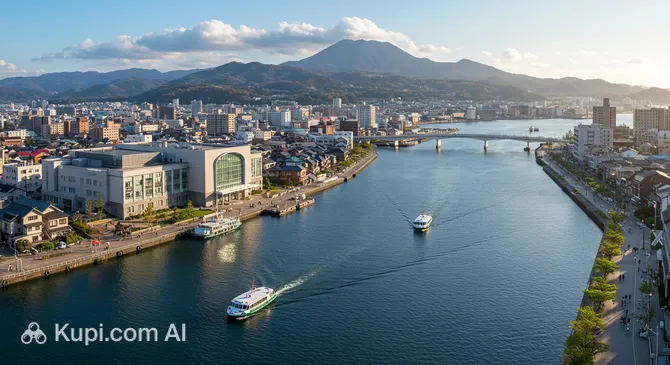
Oita. Source: Kupi.Binoculars

Nature and wildlife are significant draws for travelers here. One of the most popular spots is the Takasakiyama Natural Zoological Garden, where hundreds of wild Japanese macaques roam freely on the mountain slopes. Just nearby, the Oita Marine Palace Aquarium "Umitamago" offers an interactive look at marine life, making it a favorite for families. For those seeking culinary delights, the city is also famous for Seki Aji and Seki Saba, premium mackerel and horse mackerel caught in the local waters.

Whether you are strolling through historical sites or using the city as a base to visit the famous onsens of the prefecture, Oita promises a memorable experience. It is a destination that invites you to slow down and appreciate the scenic beauty and warm hospitality of Kyushu.
Weather Overview

Understanding the local climate is key to planning your trip, as the city experiences distinct seasonal changes throughout the year. The region generally features hot, humid summers and chilly, drier winters. For a comprehensive forecast and detailed climatic data, you can consult the guide to the weather in Oita.

Summer is the warmest period, with August seeing an average temperature of 27.2°C and highs reaching roughly 30.1°C. However, this season also brings the most frequent rainfall; July is notably damp, recording up to 20 wet days. In contrast, winter is significantly cooler and drier. January is typically the coldest month, with averages around 5.7°C, while December sees the fewest rainy days, making it a crisp time for visits. Spring and autumn offer a pleasant balance with moderate temperatures, ideal for outdoor activities.

Interesting Facts

Beyond the well-trodden paths of hot springs and historical ruins, Oita holds fascinating secrets that surprise many visitors. From unique culinary origins to unexpected rooftop attractions, the city offers a deeper layer of culture to explore.
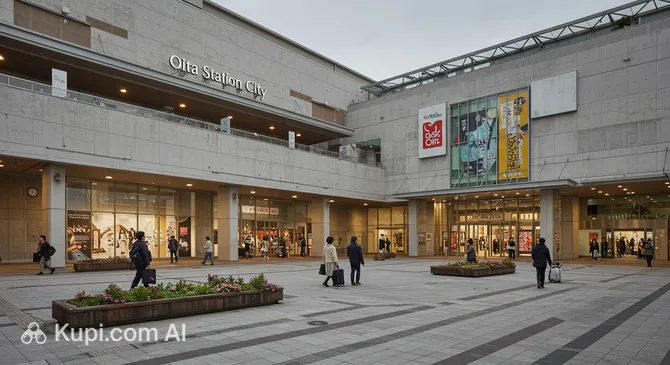
Oita Station City. Source: Kupi.Binoculars
  • The central transport hub, Oita Station City, features a surprising attraction on its roof: a spacious garden known as the City Rooftop Plaza, which includes a miniature train and a fully functioning "Railroad Shrine" watching over travelers.

  • While fried chicken is popular across Japan, Oita is the specific birthplace of Toriten (chicken tempura), a local soul food where the meat is battered and fried tempura-style, typically served with ponzu sauce and mustard rather than the garlic-heavy marinade of standard karaage.

  • The city played a pivotal role in Japanese medical history as the site of the country's first Western-style hospital, established in the 16th century by the Portuguese missionary and surgeon Luís de Almeida, marking Oita as an early center for international exchange.

  • Unlike the cloudy or clear thermal waters found in neighboring regions, Oita City is famous for its rare "Black Onsen" (Moor Onsen), where the water has a distinct coffee-like color due to plant-derived organic matter and is renowned for leaving skin incredibly smooth.

  • The scenic Kantan Harbor Park marks the historical location where international trade flourished centuries ago, transforming from a bustling port into a romantic waterfront promenade lined with cafes and green spaces.

How to Get There

Reaching this coastal destination is convenient thanks to a variety of transport options connecting it to the rest of Kyushu and Japan. Whether you prefer flying or taking the train, the journey offers scenic views of the region. You can find more about how to get to Oita and detailed route planning on our dedicated page.

The most direct way to arrive is via Oita Airport (IATA: OIT), which serves as the primary air gateway. Located approximately 29 km from the city center, the transfer by taxi or airport limousine bus typically takes around 65 minutes. It handles a significant number of domestic flights and offers a convenient entry point. Alternatively, international travelers often choose Fukuoka Airport (IATA: FUK) in the city of Fukuoka. Although it is situated about 114 km away, it is a major hub with extensive connections. The travel time from Fukuoka to Oita by road is approximately 3 hours and 10 minutes, though express trains and highway buses are also popular choices from there.

For clarity, here is a summary of the main airports:

Airport Name City Passenger Traffic Km from City
Fukuoka Airport Fukuoka Large 114.4
Kumamoto Airport Kumamoto Medium 83.4
Oita Airport Oita Medium 29.1
Kitakyushu Airport Kitakyushu Medium 85.9
Yamaguchi Ube Airport Ube Small 82.5

Traveling by rail is another excellent way to reach the city. Oita Station is a major hub on the JR Kyushu network, located right in the heart of the downtown area. It is frequently served by the limited express "Sonic" trains, which connect to the Hakata station in Fukuoka in just over two hours. The rail journey is renowned for its beautiful coastal scenery as the train winds along Beppu Bay, making the trip itself a memorable part of the experience.

Main Attractions

While the city is often a gateway to the wider prefecture, Oita itself boasts several compelling sites that blend spiritual history with scenic beauty. Visitors can explore serene shrines nestled in nature and expansive parks that offer a respite from the urban bustle.

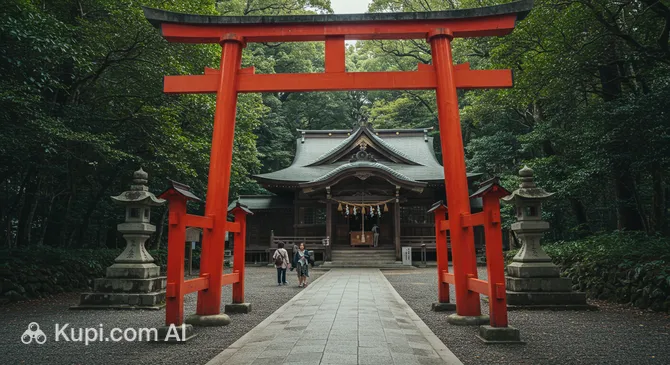
One of the most prominent spiritual landmarks is the Oita Gokoku Shrine. Located on a hill overlooking the city, this shrine is dedicated to the spirits of those lost in war. Beyond its solemn significance, it is a favorite spot for tourists due to its commanding views of Oita City and Beppu Bay. The grounds are spacious and filled with trees, creating a peaceful atmosphere that is especially beautiful during the cherry blossom season in spring.

Oita Gokoku Shrine. Source: Kupi.Binoculars

For those seeking outdoor recreation, Nanasegawa Nature Park is a must-visit destination. Spanning both banks of the Nanase River, this vast park is designed to harmonize with the surrounding environment. It features open lawns, walking paths, and bridges, making it ideal for families and picnickers. The park is particularly famous for its rows of cherry trees, which create a stunning pink tunnel along the riverbank in early April.

Nanasegawa Nature Park. Source: Kupi.Binoculars

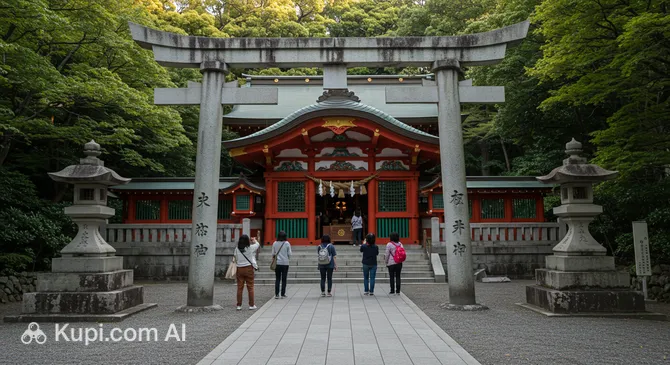
Another site of historical importance is the Kasuga Shrine. Known for its traditional architecture and vermilion accents, this shrine offers a glimpse into the local religious culture. It serves as a quiet sanctuary where visitors can admire the craftsmanship of the wooden structures and observe local worshippers, providing a distinct contrast to the modern shopping districts nearby.

Finally, travelers looking for a relaxing stroll should visit Heiwa Park. Often referred to as "Peace Citizen Park," it is a beloved green space that features a variety of gardens, including a traditional Japanese garden and an international exchange plaza. It is a wonderful place to experience the daily life of locals and enjoy seasonal flowers throughout the year.

Local Cuisine

Oita is often celebrated as a "Gourmet City," blessed with fresh seafood from the Bungo Channel and bountiful produce from its surrounding mountains. The local cuisine is distinct and deeply rooted in the region's history, offering flavors that are hard to find elsewhere in Japan. Visitors will discover a culinary scene that ranges from rustic comfort foods to premium ingredients like the renowned Bungo Beef and Seki Aji (horse mackerel).

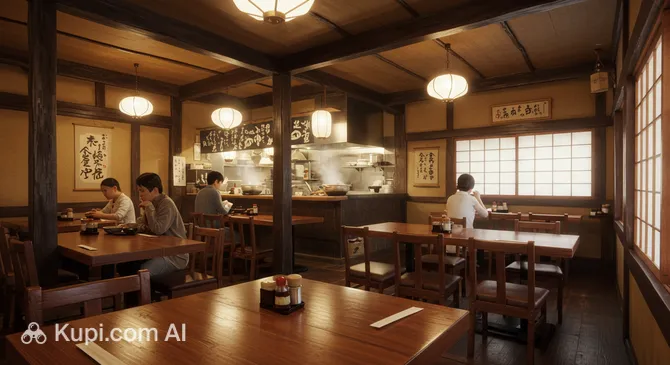
The undisputed soul food of the city is Toriten, a dish that originated here and can be found in almost every local eatery. Unlike standard Japanese fried chicken (karaage), Toriten consists of bite-sized chicken pieces coated in a tempura-style batter and deep-fried until light and crispy. It is traditionally served with a dipping sauce of ponzu and a dab of mustard, creating a refreshing yet savory flavor profile. For a fantastic rendition of this classic, travelers can visit Shigenoya Shokudo, a popular spot that specializes in both chicken tempura and pork cutlets, using high-quality ingredients and a precise low-temperature frying method.

Shigenoya Shokudo. Source: Kupi.Binoculars

Another must-try dish is Ryukyu, a fisherman's specialty that has become a staple of Oita's dining culture. It features slices of fresh sashimi—typically amberjack, mackerel, or yellowtail—marinated in a savory mixture of soy sauce, sake, mirin, sesame, and ginger. It is delicious on its own as an appetizer or served over a bowl of hot rice as Ryukyu-don. For a warmer option, look for Dangojiru, a hearty miso-based soup filled with flat, hand-stretched wheat noodles and seasonal vegetables like shiitake mushrooms and taro.

When it comes to drinks, Oita is the kingdom of Kabosu, a green citrus fruit similar to a lime but with a unique, aromatic acidity. Locals squeeze fresh kabosu over grilled fish and sashimi, but it also shines in beverages. You will find it in everything from refreshing soft drinks to alcoholic cocktails. The fruit pairs perfectly with Mugi Shochu (barley shochu), the representative spirit of the prefecture. Oita is a leading producer of this distilled liquor, which is known for its smooth, clean taste and is often enjoyed on the rocks or mixed with soda.

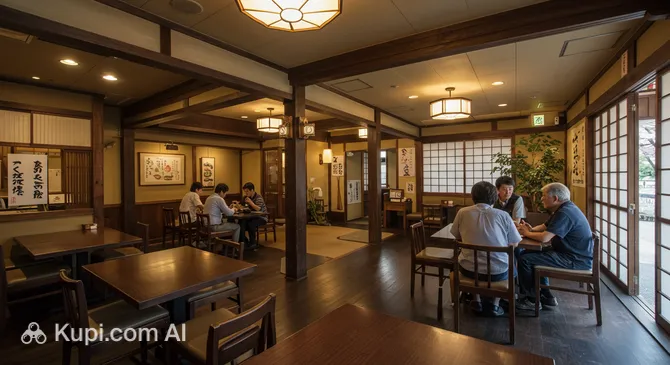
The dining scene in Oita is vibrant and accessible. The downtown area, particularly the Miyako-machi district, is packed with izakayas (Japanese pubs) where you can sample small plates of local specialties late into the night. For a hearty meal during the day, locals often flock to specialty restaurants. Fujikatsu is one such establishment, famous for its juicy tonkatsu (pork cutlets) made with aged pork and crispy fresh breadcrumbs. Whether you are exploring the food courts of Oita Station City or a small back-alley tavern, the city's food culture is sure to leave a lasting impression.

Fujikatsu. Source: Kupi.Binoculars

Travel Tips

To ensure your journey to Oita is as smooth and enjoyable as possible, we have compiled a list of essential travel advice. Whether you are here to savor the local cuisine or explore the scenic coastline, these practical tips will help you navigate the city with confidence and ease.

  1. Clothing and Gear: The climate in Oita varies significantly by season. For summer visits (June to August), pack lightweight, breathable fabrics to handle the heat and humidity, along with a compact umbrella for the rainy season. In winter, layers are essential as it can get quite chilly, though rarely freezing. Since you will likely visit traditional restaurants or shrines where removing footwear is required, bring comfortable slip-on shoes and clean socks.
  2. Transportation: Oita City is well-connected by a network of buses and JR trains centered around Oita Station. For travel within the city center, buses are convenient, but if you plan to explore the wider prefecture—such as the remote areas of the Kunisaki Peninsula—renting a car is highly recommended. Pre-paid IC cards like SUGOCA (or compatible cards like Suica and Pasmo) are extremely useful for paying fares on trains and buses without handling cash.
  3. Finances: The local currency is the Japanese Yen (JPY). While credit cards are increasingly accepted in major hotels, department stores, and Oita Station City, many smaller izakayas (pubs) and local shops still strictly prefer cash. It is wise to carry sufficient yen with you. International ATMs are readily available at 7-Eleven convenience stores and Japan Post offices if you need to withdraw money. Tipping is not practiced and may even cause confusion; excellent service is standard.
  4. Health and Safety: Oita is a very safe city for travelers. Pharmacies (often labeled as "Drug Stores") are common and stock basic supplies, though finding English-speaking staff can be hit-or-miss; having a translation app helps. In an emergency, dial 119 for an ambulance or fire department. Tap water is safe to drink everywhere, so you can refill your bottle at your hotel.
  5. Communication: Japanese is the primary language. While staff at major transport hubs and tourist centers may speak English, it is less common in local eateries and shops. Installing a translation app on your phone is invaluable. Learning a few basic phrases like "Sumimasen" (Excuse me/Sorry) and "Arigato gozaimasu" (Thank you) will go a long way in showing respect. Free Wi-Fi is available at the station and some cafes, but renting a pocket Wi-Fi or buying a tourist SIM card at the airport is recommended for constant connectivity.
  6. Local Etiquette: Politeness is paramount. When entering a shop or restaurant, you may be greeted with a loud "Irasshaimase!"; a simple nod in return is sufficient. Be mindful of onsen (hot spring) etiquette if you visit a bathhouse: wash your body thoroughly before entering the water, keep your towel out of the water, and never wear a swimsuit unless explicitly stated otherwise.
  7. What to Avoid: Do not walk around while eating or smoking; this is considered bad manners. Designated smoking areas are usually provided near train stations or convenience stores. Additionally, avoid talking loudly on public transport, as trains and buses are generally quiet spaces where people rest or read.
  8. Additional Tip: Take advantage of the Oita Station amenities. Unlike typical transit stops, the station building itself is a destination with a rooftop garden, shops selling local Kabosu citrus souvenirs, and restaurants serving the famous Toriten. It is the perfect place to stock up on gifts or grab a meal before heading out.

By keeping these tips in mind, you will be well-prepared to immerse yourself in the warm hospitality and unique culture of Oita. We hope your stay is filled with delicious discoveries and relaxing moments in this beautiful corner of Kyushu.

Entertainment & Nightlife

While Oita is often associated with relaxation and hot springs, the city comes alive after dark with a vibrant nightlife scene that rivals larger metropolitan areas. The heart of the evening action is undoubtedly Miyako-machi, the prefecture's largest entertainment district. Located just a short walk from the central station, this bustling area is packed with over 1,000 establishments, ranging from high-energy karaoke clubs and snack bars to sophisticated cocktail lounges and traditional izakayas.

The atmosphere in Miyako-machi is authentically local, offering a chance to mingle with residents unwinding after work. The neon-lit streets are safe and welcoming, with venues catering to various moods. For a casual night out, visitors can hop between small bars and eateries, sampling local sake and shochu. Most places stay open late, often until 3:00 AM or later on weekends. The dress code is generally casual, though some upscale bars may appreciate smart-casual attire.

For those preferring a more modern and accessible start to the evening, Oita Station City is an excellent choice. This massive complex is not just for shopping; its upper floors feature a "City Dining" zone with numerous restaurants serving everything from local specialties to international cuisine. The rooftop garden also offers a romantic setting to view the city lights before heading out for drinks.

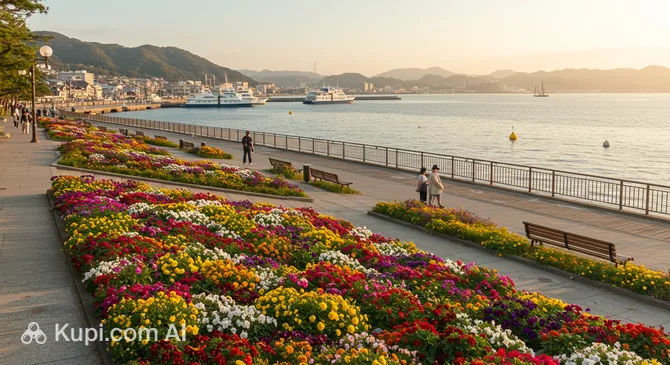
If you are looking for a quieter, more scenic night experience, head to the waterfront. Kantan Harbor Park transforms into a beautiful spot after sunset. The harbor is illuminated, creating a romantic atmosphere perfect for a leisurely stroll along the boardwalk. The renovated warehouses nearby house cafes and restaurants where you can enjoy a meal with a view of the sea and the gentle night breeze.

Kantan Harbor Park. Source: Kupi.Binoculars

Practical Tips for Nightlife:

  • Best Time: The district starts to get busy around 7:00 PM, with the peak hours between 9:00 PM and 11:00 PM.
  • Safety: The city is considered very safe for night walks. However, standard precautions apply. Taxis are readily available at the station and along the main streets of Miyako-machi; look for the lighted "vacant" sign (usually red) on the dashboard.
  • Costs: A typical evening at an izakaya costs between 3,000 and 5,000 JPY per person. Many bars have a "table charge" (cover charge) of around 500 to 1,000 JPY.

During the daylight hours, the city offers a different kind of entertainment. Art enthusiasts should visit the Oita Prefectural Art Museum (OPAM), known for its stunning architecture and interactive exhibits. Families can enjoy the various amusement facilities and shopping arcades in the downtown area, ensuring that there is plenty to do before the sun goes down.

Parks & Museums

Beyond its bustling culinary scene and hot springs, Oita City is a destination rich in greenery and artistic expression. The city seamlessly integrates nature with urban life, offering travelers a variety of serene parks, historical gardens, and world-class museums that showcase both local heritage and contemporary creativity.

For a perfect blend of history and nature, the Funai Castle Ruin Park (Oita Joshi Koen) is a standout location. Situated in the heart of the city, this park surrounds the remnants of Funai Castle, which was built in the 16th century. While the main keep is no longer standing, the moats and stone walls remain, creating a picturesque setting that is particularly stunning during the cherry blossom season. Visitors can stroll along the water's edge, observing koi fish and turtles, or relax under the shade of ancient pine trees in this quiet oasis amidst the downtown office buildings.

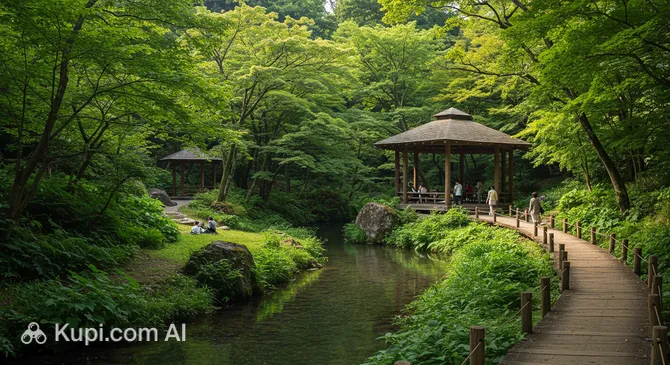
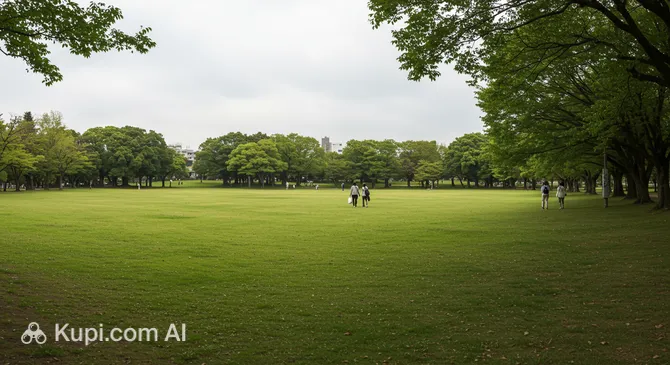
Another beloved green space is Heiwa Park. While it is a popular spot for viewing seasonal flowers, this expansive park also features a distinctive Noh theater, setting it apart from standard recreational areas. Its spacious lawns and walking paths provide a tranquil environment for locals and visitors alike to unwind away from the city center.

Heiwa Park. Source: Kupi.Binoculars

In terms of cultural institutions, the Oita Prefectural Art Museum (OPAM) is a must-visit architectural marvel designed by the renowned architect Shigeru Ban. Located centrally, the museum describes itself as a "museum of the five senses." Its unique design features a flexible, open structure with glass walls that invite the streetscape inside. The collection ranges from traditional bamboo crafts, which are a specialty of the region, to modern avant-garde works, ensuring a diverse artistic experience.

Perched on Ueno Hill, the Oita City Art Museum offers not only an impressive collection of art but also panoramic views of the city and Beppu Bay. The museum focuses on artists with connections to Oita, including the celebrated Nihonga (Japanese-style) painter Heihachiro Fukuda. The surrounding Ueno Gaoka Park is an attraction in itself, featuring walking trails and outdoor sculptures that allow visitors to enjoy art while hiking through nature.

For those interested in ancient spiritual history, Sasamuta Shrine provides a deep connection to the region's past. Believed to have been founded over a millennium ago, this shrine is revered as a "power spot" and is the chief shrine of the Western Oita region. It is particularly famous for its magnificent wisteria tree, known as the "West Wisteria," which blooms in beautiful violet cascades during the spring, drawing admirers from across the prefecture.

Sasamuta Shrine. Source: Kupi.Binoculars

Insider Tip: If you visit the Oita City Art Museum, take the time to walk up the "Slope of Literature" (Bungaku-no-Saka). This path is lined with stone monuments inscribed with haiku and poems by local writers, offering a quiet, atmospheric ascent that rewards you with one of the best sunset viewpoints in the city.

Getting Around

Navigating Oita is straightforward and convenient, primarily relying on a comprehensive network of buses and trains, as the city does not have a subway system. The central hub for all transit is Oita Station, which serves as the convergence point for the JR Kyushu railway lines and major bus routes. For travel within the city center and to nearby residential areas, the bus network is the most practical option, while JR trains are best used for visiting neighboring towns or popular hot spring resorts like Beppu and Yufuin.

The local bus system is operated chiefly by Oita Bus and Oita Kotsu. For tourists, the Oita Can Bus is a particularly useful service. This loop bus circles the central downtown area, connecting major attractions such as the Oita Prefectural Art Museum and local parks, often with a distinct design that makes it easy to spot. Standard local buses cover the rest of the city. When using these, you should enter through the rear door and take a small numbered ticket from the machine. This ticket indicates your boarding point, which determines your fare upon exiting at the front.

Payment is seamless if you use a prepaid IC card. Oita utilizes the local Nimoca and SUGOCA cards, but nationwide compatible cards like Suica, Pasmo, and ICOCA are also accepted on most trains and buses. If you do not have a card, you must pay with cash. On buses, exact change is required; while the fare box at the driver's seat cannot give change for the fare itself, it usually has a slot to break 1,000 yen bills and coins into smaller denominations so you can pay the exact amount.

For those who prefer more flexibility, taxis are widely available and can be hailed on the street or found at designated stands outside the train station and major hotels. They are safe and clean, featuring automatic rear doors that open and close for you—a standard feature in Japan that often surprises first-time visitors. Ride-hailing apps are less common here than in major global capitals, so relying on traditional taxi stands or hotel concierge bookings is advisable.

Cycling is another excellent alternative for exploring the relatively flat city center. Oita offers a bicycle-sharing service known as Oita Cycle Share, which provides electric-assist bicycles at various ports throughout the city. Renting a bike allows you to easily hop between the castle ruins, the art museum, and the waterfront parks at your own pace. For travelers planning to venture further into the mountainous regions or the Kunisaki Peninsula, renting a car is highly recommended, as public transport frequencies drop significantly outside the urban core.

Accommodation

Accommodation:

Finding a place to stay in Oita is generally straightforward and affordable, catering well to both business travelers and tourists exploring the eastern coast of Kyushu. The city offers a wide range of accommodation options, primarily dominated by modern Western-style hotels. While it may not have the sheer volume of traditional luxury ryokans found in the neighboring hot spring resort of Beppu, Oita City provides excellent value, cleanliness, and convenience.

The most popular and practical area for visitors to base themselves is the district surrounding JR Oita Station. Staying here places you right in the heart of the action, with immediate access to the rail network, airport buses, and the vibrant dining scene of Miyako-machi. Many of the hotels in this area are high-quality "business hotels," which in Japan signifies compact but highly functional rooms equipped with all necessary amenities. These establishments often feature competitive rates and are located within a five to ten-minute walk of the station's north exit.

For those seeking a more traditional experience, there are a few Japanese-style inns scattered around the city, particularly as you move away from the busy downtown core towards the coast or the mountains. Some of these accommodations offer their own natural hot spring baths, allowing guests to enjoy the region's famous thermal waters without leaving their hotel. However, for the majority of travelers, the modern hotels near the city center offer the best balance of comfort and accessibility.

Booking Tips and Prices:

  • Price Range: Accommodation in Oita is generally reasonably priced. Budget travelers can find business hotel rooms starting from around 5,000 to 8,000 JPY per night. Mid-range options are plentiful, typically costing between 8,000 and 15,000 JPY, while higher-end stays are available but less common than in major metropolitan hubs.
  • When to Book: It is advisable to book your accommodation at least a few weeks in advance, especially if you plan to visit during Japanese public holidays (such as Golden Week in May or Obon in August) or local festival times.
  • How to Book: Major international online booking platforms work well for most hotels in Oita. However, some smaller local inns may only accept reservations via phone or their specific Japanese websites, so using a translation tool can be helpful if you are looking for something off the beaten path.

Overall, Oita serves as an excellent and cost-effective base for exploring the wider prefecture. By staying near the station, you can easily take day trips to famous attractions like the "Hells of Beppu" or the town of Yufuin, while returning to the conveniences of the city center for dinner and a restful night's sleep.

Nearby Cities

For those looking to explore the surroundings, Oita serves as an excellent base for day trips to several interesting nearby locations:

City Population Distance (km)
Nobeoka 117,711 73
Beppu 115,992 12
Nakatsu 82,714 52
Saiki 66,497 41
Hita 61,755 63

Beppu is the most immediate and popular destination, located just a short train ride away. Known as the hot spring capital of Japan, it is famous for its "Hells" (Jigoku)—spectacular thermal pools for viewing rather than bathing—and the constant clouds of steam rising from the town. Visitors can experience unique sand baths, steam cooking, and a retro atmosphere that defines this resort town.

Traveling inland, Hita offers a completely different vibe. Often called the "Little Kyoto of Kyushu," it features the beautifully preserved Mameda-machi district, lined with traditional merchant houses, sake breweries, and craft shops. The city sits in a basin surrounded by mountains and rivers, making it a scenic spot to enjoy history and the traditional cormorant fishing on the Mikuma River during summer.

To the northwest lies Nakatsu, a city rich in feudal history. It is home to the impressive Nakatsu Castle and the Fukuzawa Yukichi Memorial Museum, dedicated to the founder of Keio University who appears on the 10,000 yen note. Just outside the city center, the Yabakei Gorge provides stunning natural scenery with dramatic rock formations and vibrant autumn foliage, perfect for nature lovers.

These nearby destinations offer a glimpse into the diverse culture and landscapes of the region.

Shopping & Souvenirs

Shopping in Oita offers a delightful mix of modern convenience and traditional charm. The city center is compact and walkable, allowing visitors to easily transition from high-end fashion boutiques to nostalgic covered arcades. Whether you are looking for the latest Japanese trends, local handicrafts, or regional food souvenirs, the downtown area surrounding the main railway hub provides a comprehensive retail experience without the overwhelming crowds of larger metropolises.

The most prominent shopping destination is undoubtedly Oita Station City. Directly connected to the JR station, this massive complex, also known as JR Oita City, houses Amu Plaza Oita. It features floors of fashion brands, lifestyle goods, and a dedicated market area for local produce. The complex is designed to be a lifestyle hub, making it the perfect place to find everything from high-quality clothing to unique Japanese stationery.

For a more local atmosphere, travelers should explore the city's famous shotengai (shopping arcades). Centporta Chuo-machi is the main covered street that begins near the station, lined with drugstores, clothing shops, and cafes. It connects to Galleria Take-machi, the oldest shopping arcade in the prefecture, recognizable by its impressive glass dome roof. These streets are bustling with activity and are home to the beloved Tokiwa Department Store, a local institution where residents shop for luxury goods and premium groceries.

While Oita does not have a large central fish market tailored for tourists, the basement food halls (depachika) of Tokiwa and the markets within Oita Station City serve as excellent substitutes. Here, you can browse fresh seafood, bento boxes, and seasonal fruits. For those willing to travel a bit further, the suburban mall Park Place Oita offers an open-air shopping experience with a wide variety of international brands and a cinema complex.

When searching for souvenirs, look for products featuring Kabosu, the signature citrus fruit of Oita. You will find it in everything from cookies and juices to ponzu dressings. Another popular item is bamboo crafts, reflecting the region's status as a premier producer of bamboo products in Japan. Foodies might also appreciate vacuum-packed Toriten (chicken tempura) or bottles of the local specialty sauce to recreate the dish at home.

Most shops in the city center open around 10:00 AM and close between 7:00 PM and 8:00 PM, though restaurants within the malls often stay open later. While major department stores, shopping malls, and convenience stores accept credit cards and IC transport cards, many smaller independent shops in the arcades still prefer cash. Visitors should ensure they carry sufficient yen for these transactions.

Tax-free shopping is available at many larger retailers, including Amu Plaza Oita, Tokiwa Department Store, and major drugstores like Matsumoto Kiyoshi. Look for the "Japan Tax-Free Shop" symbol at the entrance or cashier. To claim the refund, you must present your passport, and the total purchase usually needs to exceed 5,000 JPY (excluding tax) at a single store on the same day.

Reached the end of the page?

That means the route is fully explored