Support

Kochi

About

Welcome to Kochi, the sunny and spirited capital of Kochi Prefecture. Located on the southern coast of the island of Shikoku, this city offers a laid-back atmosphere that feels distinct from the hustle of the country's larger metropolises. It is a place where history meets the open sea, welcoming travelers with open arms to this unique and vibrant corner of Japan.
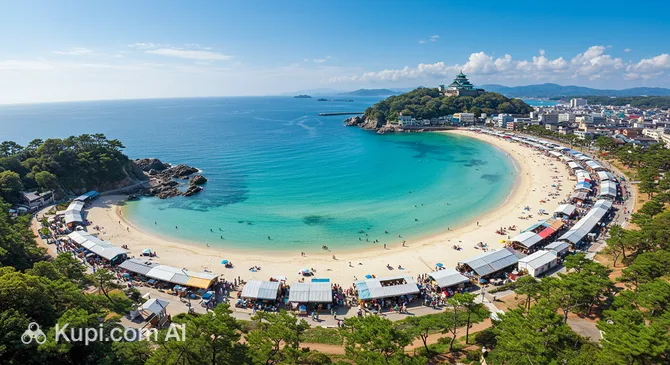
Kochi. Source: Kupi.Binoculars

The city enjoys a warm, subtropical climate influenced heavily by the Pacific Ocean, making it a pleasant destination year-round. With a population of over 320,000, it serves as the region's cultural and economic hub while maintaining a close connection to nature. Exploring the history of Kochi reveals a legacy of samurai spirit and feudal lords, deeply intertwined with the development of the city's identity and its remarkably preserved architecture.

Visitors are often drawn to the magnificent Kochi Castle, one of the few Japanese castles to retain its original wooden keep, offering panoramic views of the city. Another highlight is the scenic Katsurahama Beach, a beautiful crescent-shaped coastline famous for its statue of the revolutionary hero Sakamoto Ryoma. For a taste of local life, the bustling Sunday Market has been running for centuries, offering everything from fresh produce to local crafts along a palm-lined avenue.

Whether you are here to savor the famous katsuo no tataki (seared bonito) or to experience the energetic local festivals, Kochi promises an unforgettable journey. It is a destination that perfectly blends natural beauty with deep-rooted traditions, inviting you to relax and explore at your own pace.
Weather Overview

Kochi typically experiences a humid subtropical climate, offering distinct seasonal changes that shape the travel experience. While the city generally enjoys mild conditions, visitors should be aware of significant variations in rainfall throughout the year. To ensure you pack appropriately for your trip, it is recommended to check the detailed forecast for the weather in Kochi.

Winters in the city are cool and relatively dry, with January seeing average temperatures of around 4.5°C and daily highs reaching approximately 8.1°C. As the season transitions into spring, the weather becomes quite pleasant; by May, the average temperature climbs to a comfortable 17.4°C. This period is often considered ideal for exploring the city's outdoor attractions before the humidity sets in.

Summer brings heat and a notable increase in precipitation. August is usually the warmest month, with average temperatures of 26.2°C and highs approaching 29.2°C. Travelers should expect warm summers with frequent rain and cool, drier winters. July is particularly wet, recording up to 24 wet days, so carrying an umbrella is essential. The weather cools down gracefully in autumn, dropping to an average of 11.9°C in November, making for crisp and enjoyable days.

Interesting Facts

Beyond the well-trodden paths of the castle and the Sunday markets, Kochi holds fascinating secrets that define its unique character. From pioneering tributes to lively local customs, the city offers intriguing stories for those willing to look deeper.
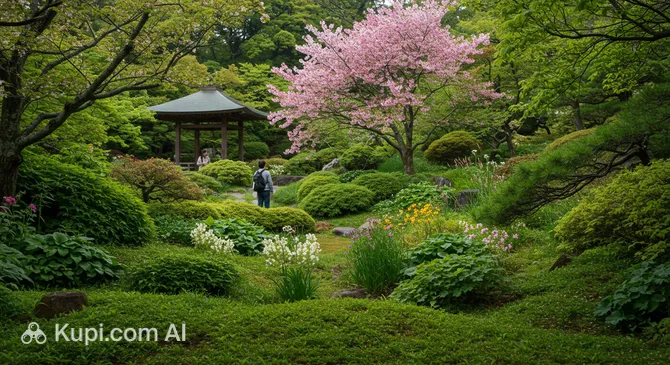
Kochi Prefectural Makino Botanical Garden. Source: Kupi.Binoculars
  • Kochi is home to the very first airport in Japan named after a person. Kochi Ryoma Airport honors the legendary samurai Sakamoto Ryoma, a local hero whose dramatic life and influence on modern Japan are detailed at the Sakamoto Ryoma Memorial Museum.

  • The city is the birthplace of the energetic Yosakoi festival, a vibrant dance style now performed globally. It originated here in 1954 as a way to boost morale and the economy during the post-war recovery, evolving into a massive summer event involving wooden clappers called naruko.

  • Local drinking culture includes a unique party game involving "Bekuhai" cups. These special sake cups are shaped like comical masks and are designed with uneven bottoms or holes, making it impossible to put them down on a table until the drink is completely finished.

  • Kochi produced the "Father of Japanese Botany," Makino Tomitaro, who identified and named over 1,500 plant species. His incredible legacy and love for flora are preserved within the lush grounds of the Kochi Prefectural Makino Botanical Garden, widely considered one of the finest botanical gardens in the country.

How to Get There

Reaching this scenic part of Shikoku is straightforward, with air travel being one of the most convenient options. To plan your journey in detail, you can read more about how to get to Kochi and choose the route that best suits your itinerary.

The primary gateway to the city is Kochi Ryoma Airport (KCZ), located directly in Kochi. It sits approximately 12.9 km from the city center, making for a quick transfer. A taxi or bus ride from here typically takes around 40 minutes. While it is a regional hub, it handles a significant number of domestic flights, connecting the prefecture to major cities like Tokyo and Osaka.

If you are exploring other parts of the island, you might consider arriving at Matsuyama Airport (MYJ) in Matsuyama. It is the busiest airport in the region, situated about 82.6 km from Kochi. Traveling from there by car or taxi would take roughly 2.5 hours. Another viable option is Takamatsu Airport (TAK) in Takamatsu, located approximately 85.4 km away, with a similar travel time by road.

For clarity, here is a summary of the main airports:

Airport Name City Passenger Traffic Km from City
Matsuyama Airport Matsuyama High 82.6
Hiroshima Airport Hiroshima Medium 112.5
Takamatsu Airport Takamatsu Medium 85.4
Tokushima Awaodori Airport Tokushima Medium 118.1
Kochi Ryoma Airport Kochi Medium 12.9

For those preferring rail travel, Kochi Station is the main railway hub serving the city. While the Shinkansen (bullet train) does not run directly to Kochi, travelers can take the Shinkansen to Okayama Station on the main island of Honshu. From Okayama, the JR Limited Express Nanpu train crosses the Seto Ohashi Bridge and travels through the mountains to reach Kochi Station. The train journey offers spectacular views of the gorges and rivers that define the landscape of Shikoku.

Main Attractions

Kochi offers a delightful mix of historical landmarks, spiritual sites, and artistic venues that reflect the city's rich heritage and laid-back character. From ancient pilgrimage routes to modern cultural facilities, there are plenty of fascinating places to explore within the city limits.

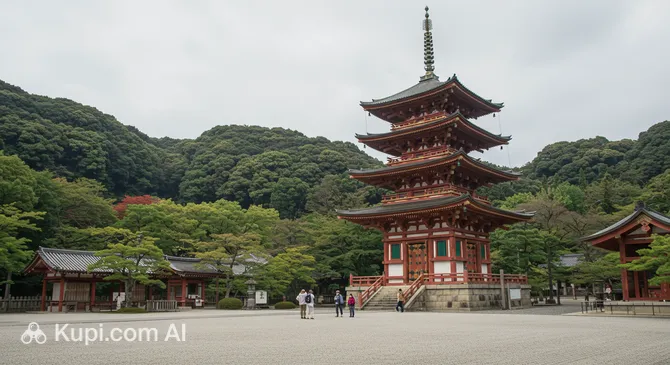
One of the most spiritual and scenic locations is Chikurin-ji Temple. Situated on Mount Godaisan, this ancient temple serves as the 31st stop on the renowned Shikoku 88 Temple Pilgrimage. Visitors are often enchanted by its beautiful moss gardens and the five-story pagoda that rises elegantly among the trees. As a center of learning associated with the deity Monju Bosatsu, it offers a serene atmosphere perfect for quiet reflection away from the city center.

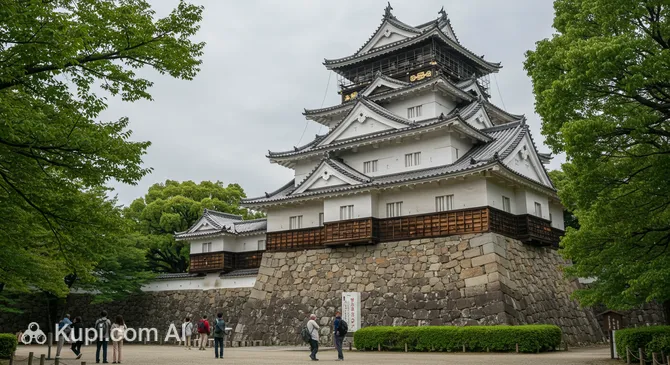
Chikurin-ji Temple. Source: Kupi.Binoculars

For those eager to delve into the region's samurai past, the Kochi Castle Museum of History is an unmissable stop. Located just steps away from the castle grounds, this facility provides a comprehensive look at the Tosa Domain. The museum features impressive exhibits of armor, historical documents, and artifacts related to local heroes like Sakamoto Ryoma. The upper floors also offer a fantastic observation deck, providing a unique vantage point to view the castle keep.

Kochi Castle Museum of History. Source: Kupi.Binoculars

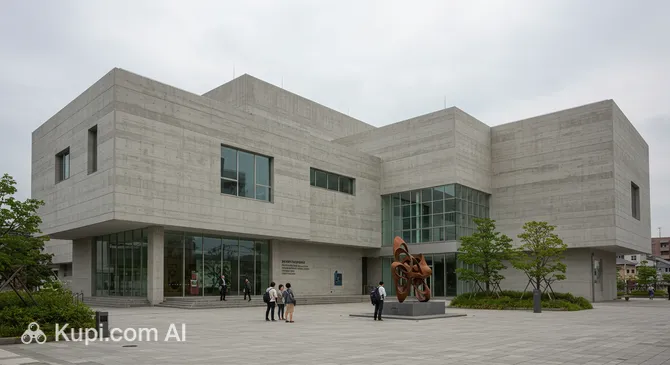
Art lovers will find a haven at The Museum of Art, Kochi. This spacious venue is well-known for its extensive collection of works by the surrealist painter Marc Chagall, as well as pieces by celebrated local artists. Beyond the galleries, the museum is famous for housing an authentic Noh stage where traditional performances are held. The surrounding water gardens and architectural design make it a culturally enriching and visually stunning destination.

The Museum of Art, Kochi. Source: Kupi.Binoculars

Surrounding the city's historic fortress is Kochi Park, a lush green oasis in the heart of the city. It is a favorite spot for locals and tourists alike, particularly during the spring when the cherry blossoms are in full bloom. The park offers well-maintained walking paths and statues of historical figures, creating a peaceful environment that complements the majestic stone walls of the castle towering above.

Local Cuisine

Kochi is widely celebrated as one of Japan's premier gastronomic destinations, offering a culinary scene defined by fresh ingredients from the Pacific Ocean and the region's lush mountains. The local food, often referred to as Tosa cuisine, is known for its bold flavors and generous portions, perfectly reflecting the warm and energetic character of its people. Dining here is not just about sustenance; it is a social event where strangers often become friends over shared plates and cups of sake.

The undisputed king of Kochi's cuisine is Katsuo no Tataki, or seared bonito. Unlike ordinary sashimi, this dish is prepared by searing the fish over a high-heat straw fire, which gives the skin a smoky aroma while leaving the center rare and juicy. It is typically served with thick slices of garlic, ginger, and spring onions, seasoned with salt or a citrus-based ponzu sauce. Watching the chefs roast the fish over leaping flames is a performance in itself, stimulating the appetite before the first bite.

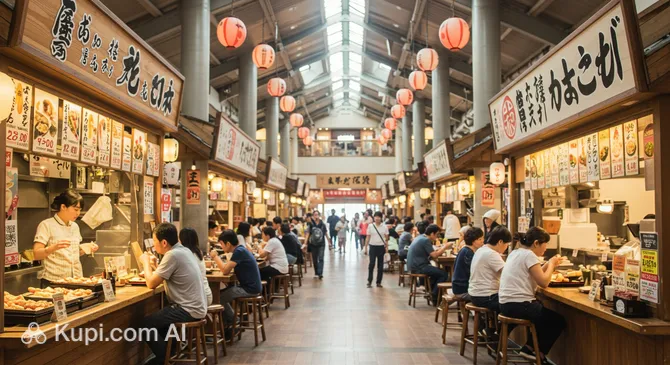
To experience the heartbeat of the city's food culture, a visit to the famous Hirome Market is essential. This indoor market is a chaotic and cheerful collection of food stalls where patrons sit at communal tables. It is the perfect place to sample various local specialties in one sitting. One of the most popular spots within the market is Myojinmaru Hirome Market, renowned for its authentic straw-grilled bonito and lively atmosphere.

Myojinmaru Hirome Market. Source: Kupi.Binoculars

Another unique dining style in Kochi is Sawachi Ryori, a traditional feast served on massive ceramic platters. Instead of individual courses, a colorful array of sushi, sashimi, fried foods, and appetizers is arranged artistically on a single large dish for everyone to share. This style of eating symbolizes the region's lack of formality and emphasis on communal enjoyment, making it a staple at weddings and local gatherings.

When it comes to drinks, Kochi has a legendary reputation for its love of alcohol, particularly sake. The local brew is characterized by its dry, crisp finish, known as karakuchi, which pairs exceptionally well with seafood. For those who prefer non-alcoholic options, the prefecture is Japan's largest producer of yuzu. This aromatic citrus fruit features heavily in local drinks, from refreshing yuzu sodas and juices to zest-infused desserts, offering a bright and tangy flavor that captures the essence of the region's sunshine.

Travel Tips

To help you navigate Kochi with ease and confidence, we have compiled a set of essential travel tips tailored to the local lifestyle. A little preparation will ensure you can focus fully on soaking up the warm hospitality and vibrant culture of this unique Shikoku city.

  1. Clothing and Gear: Kochi has a humid subtropical climate, so pack breathable, light clothing for the hot and humid summers. However, if you are visiting in winter, bring a warm coat and layers, as evenings can get chilly. Since you will likely be walking a lot—whether climbing the steps to Kochi Castle or strolling through the Sunday Market—comfortable walking shoes are a must. Don't forget an umbrella or a raincoat, especially during the rainy season in June and July.
  2. Transportation: The city is well-connected by a charming and convenient tram network known as Tosaden, which is the oldest in Japan and covers most central attractions. For visiting spots further afield like Katsurahama Beach or Mount Godaisan, the "MY YU Bus" is a fantastic option specifically designed for tourists, offering discounted passes. Taxis are readily available but can be pricey; renting a car is only necessary if you plan to explore the remote mountains or coastal areas of the prefecture.
  3. Finances: The local currency is the Japanese Yen (JPY). While major hotels and department stores accept credit cards, Kochi remains a largely cash-based society, especially at street markets (like the Sunday Market), small eateries, and ticket counters for smaller museums. It is wise to carry sufficient cash. International ATMs are commonly found in 7-Eleven and Lawson convenience stores if you need to withdraw money. Tipping is not practiced and can even cause confusion, so polite thanks are sufficient.
  4. Health and Safety: Kochi is a very safe city for travelers, with low crime rates. Pharmacies and drugstores (often marked with the character 薬) are easy to find for basic supplies, though few are open 24 hours. In case of a medical emergency, dial 119. If you are visiting during the summer, stay hydrated and use sun protection, as the Pacific sun can be quite strong.
  5. Communication: The primary language is Japanese. While staff at major hotels and tourist information centers may speak English, it is not widely spoken in local shops or by taxi drivers. It is highly recommended to have a translation app installed on your phone. Renting a Pocket Wi-Fi or buying a tourist SIM card at the airport is essential for navigation and communication. Learning a simple "Arigato" (Thank you) will go a long way with the friendly locals.
  6. Local Etiquette: Politeness is key in Japanese culture. Always bow slightly when greeting someone or thanking them. Be sure to remove your shoes when entering traditional inns, temples, or some restaurants with tatami flooring. On public transport, keep your voice down and avoid talking on the phone. Kochi locals are known for their warmth and drinking culture, so if you are invited to join a toast, accept it graciously.
  7. What to Avoid: Do not eat or drink while walking down the street, as it is generally considered bad manners; instead, finish your snack at the place of purchase or in a designated area. Also, avoid being late if you have made a reservation at a restaurant or for a tour, as punctuality is highly valued.
  8. Sunday Market Insight: If your trip aligns with a Sunday, wake up early to visit the Sunday Market (Nichiyo-ichi). It stretches for over a kilometer and opens around 5:00 AM in summer. The best produce and local treats sell out quickly, so arriving before 9:00 AM gives you the best experience of this 300-year-old tradition.

Kochi is a destination that rewards those who embrace its relaxed pace and deep-rooted traditions. By keeping these practical tips in mind, you will be well-equipped to explore everything from its historic castles to its lively food stalls, ensuring a smooth and memorable adventure in Tosa.

Entertainment & Nightlife

Kochi may not have the neon intensity of Tokyo, but its nightlife is legendary in its own right, fueled by a local culture that loves to celebrate. The city comes alive after dark, particularly in the central downtown area, where the warm hospitality of the "Tosa" people shines brightest. The atmosphere is generally casual and unpretentious, welcoming travelers to join in the fun at izakayas, bars, and lively street corners.

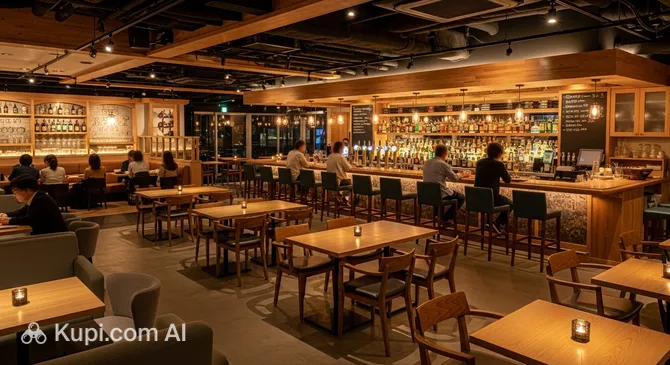
The main hub for evening entertainment is clustered around the Obiyamachi shopping arcade and the streets branching off from it. Here, the night often begins with a meal and drinks at the bustling Hirome Market, but the party continues well into the night in the surrounding establishments. For those looking for a stylish yet relaxed spot to enjoy cocktails and gourmet burgers, 5019 Premium Factory is a local favorite. It offers a vibrant setting that mixes dining with a bar atmosphere, making it a great place to mingle with locals.

5019 Premium Factory. Source: Kupi.Binoculars

Karaoke is an essential part of Japanese nightlife, and Kochi is no exception. After a few rounds of sake, groups often head to venues like Karaoke Mega Big Kochi to sing the night away. These venues are typically open until the early hours of the morning, offering private rooms where you can enjoy music, food, and drinks in a comfortable environment. It is a quintessential experience for anyone wanting to party like a local.

For a change of pace or daytime entertainment, the city offers modern facilities alongside its historical sites. Movie lovers can catch the latest films at Kochi Cinemas, a central complex that provides a relaxing break from sightseeing. While the city has its share of museums and parks for daytime activities, the transition to evening entertainment is seamless, with many shops and cafes in the arcade staying open late.

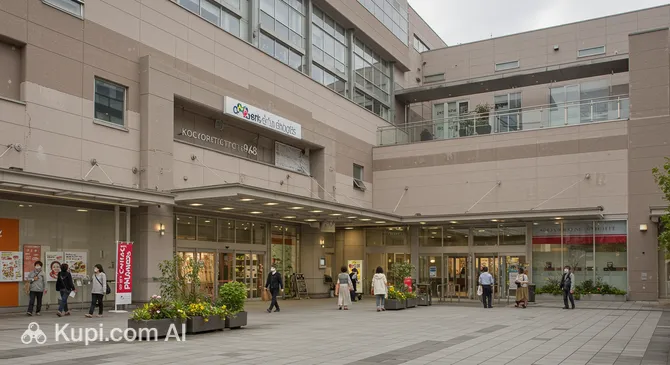
Kochi Cinemas. Source: Kupi.Binoculars

Practicalities are simple in Kochi. The dress code is almost exclusively casual, so there is no need for formal attire unless attending a specific high-end event. Most bars and clubs do not have cover charges, though some snack bars may have a seating fee. Prices are generally reasonable compared to larger Japanese cities. Public transport, including the trams, stops running around 11:00 PM, so if you stay out late, taxis are the best way to get back to your hotel. They are plentiful in the downtown area and safe to use at any hour.

Kochi is an incredibly safe city for night walks, even for solo travelers. The streets around the entertainment district remain well-lit and populated. Whether you are hopping between bars or just taking a stroll to soak in the evening air, the city feels secure and welcoming. Just remember that the local drinking culture is enthusiastic, so be prepared for friendly curiosity and perhaps an invitation to share a toast.

Parks & Museums

Kochi is a city that seamlessly integrates its rich cultural heritage with the lush natural beauty of Shikoku. Beyond its famous castle and lively markets, the city offers a variety of expansive parks and world-class museums that allow visitors to dive deeper into the region's history, art, and ecology. Whether you are looking for a quiet place to stroll or an educational experience honoring local legends, Kochi has plenty to explore.

For families and nature lovers, Wanpaku Park Kochi is a standout destination. Located in the northern part of the city, this vast recreational area is beautifully landscaped around a central lake. It features varied zones, including traditional Japanese gardens, adventure playgrounds, and spacious lawns perfect for picnics. It is a favorite spot for locals to unwind on weekends, offering a peaceful escape with plenty of activities to keep children entertained.

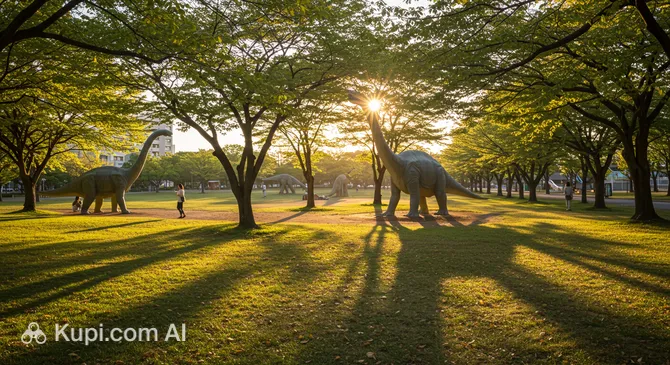
Wanpaku Park Kochi. Source: Kupi.Binoculars

Within the grounds of the park lies Wanpaku Kochi Animal Land, a charming facility that brings visitors closer to nature. This small zoo is home to a variety of animals, including red pandas, flamingos, and prairie dogs, housed in environments that mimic their natural habitats. It focuses on education and conservation, making it a delightful and informative stop for animal lovers of all ages.

On the cultural front, the Sakamoto Ryoma Memorial Museum is an essential visit for anyone interested in Japanese history. Perched on a hill overlooking the Pacific Ocean near Katsurahama Beach, the museum is dedicated to Sakamoto Ryoma, the visionary samurai who played a pivotal role in ending Japan's feudal era. The striking modern building houses letters, artifacts, and interactive exhibits that chronicle his dramatic life and the modernization of the country. The observation deck offers sweeping views of the sea, symbolizing Ryoma's global outlook.

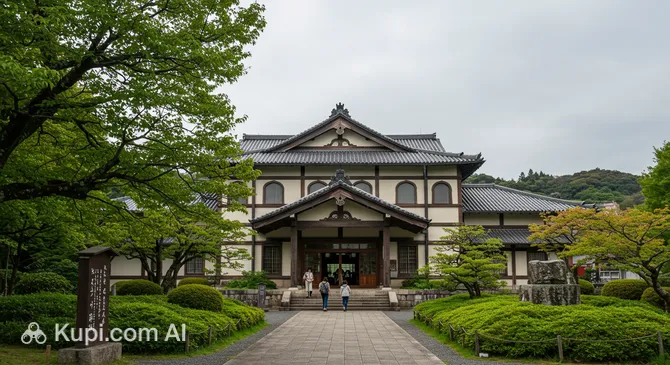
Sakamoto Ryoma Memorial Museum. Source: Kupi.Binoculars

Another architectural and cultural gem is the Makino Tomitaro Memorial Museum. Situated within the botanical garden on Mount Godaisan, this museum honors the "Father of Japanese Botany," Makino Tomitaro. The building itself is a masterpiece of wooden architecture, designed to blend harmoniously with the surrounding forest. Inside, visitors can explore exhibitions detailing Makino's meticulous research and passion for plants, providing a profound appreciation for the biodiversity of Kochi Prefecture.

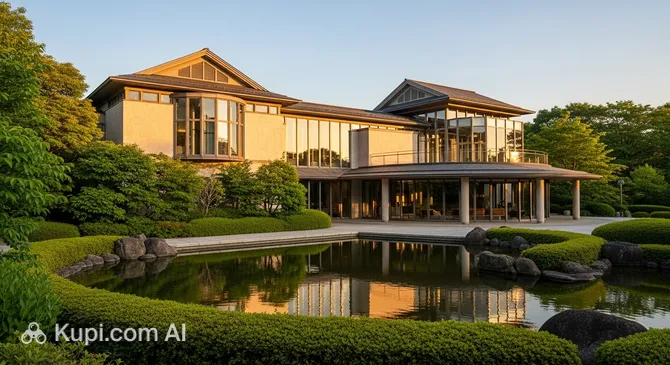
Makino Tomitaro Memorial Museum. Source: Kupi.Binoculars

For a truly authentic local experience, consider visiting the banks of the Kagami River during the spring or autumn. While not a formal museum, the riverbanks offer a glimpse into the daily life of Kochi's residents and provide a scenic backdrop for leisurely walks, especially when the seasonal flowers are in bloom.

Getting Around

Navigating Kochi is a delightful experience, largely thanks to its charming and efficient public transport network. The city is compact enough that many central attractions are within walking distance of each other, but for longer trips or to save energy, the local systems are reliable and easy to use. The most iconic way to get around is the streetcar network, which adds a nostalgic touch to the cityscape and serves as the primary mode of transit for both locals and visitors.

The Tosaden Traffic tram system is the heartbeat of the city's transport. It holds the distinction of being the oldest operating tram network in the entire nation, featuring a mix of modern vehicles and vintage cars that have been in service for decades. The network consists of two main lines that cross at the Harimayabashi intersection in the city center. The North-South line connects the station area to the harbor, while the East-West line runs along the main thoroughfares, providing easy access to Kochi Castle and the Sunday Market.

For destinations further afield, such as the scenic Katsurahama Beach or the botanical gardens on Mount Godaisan, the MY YU Bus is an invaluable service designed specifically for tourists. This bus runs a circular route connecting Kochi Station with major sightseeing spots that the trams do not reach. It operates on weekends and holidays, with a more limited schedule on weekdays, so it is wise to check the timetable in advance. Regular local buses also serve these areas, but the MY YU Bus is generally more user-friendly for non-Japanese speakers.

Understanding the payment system is crucial for a smooth journey. Unlike in some major metropolitan areas where a single IC card covers everything, Kochi's tram and bus systems primarily use a local smart card called Desuca. Visitors should be aware that nationwide cards like Suica or Pasmo are generally not accepted on the trams or local buses, though they can be used at JR Kochi Station gates. Therefore, it is highly recommended to carry cash, specifically coins and 1,000-yen bills, to pay your fare.

When riding a tram or local bus, you board through the rear door and take a small numbered ticket from the dispenser. This ticket indicates your starting point. When you reach your destination, check the electronic display at the front of the vehicle to match your ticket number with the corresponding fare. You pay by dropping the exact change and your ticket into the box next to the driver as you exit through the front door. If you do not have exact change, the fare box has a machine that can break 1,000-yen bills and larger coins.

To save money and hassle, consider purchasing a discount pass. The MY YU Bus Pass is a fantastic deal for tourists; not only does it offer unlimited rides on the tourist bus for one or two days, but it also includes free rides on the tram within the city fare zone and discounts at various attractions. Alternatively, a "One-Day Tram Pass" is available for purchase inside the trams or at major hotels, allowing unlimited travel on the streetcar network for a flat fee, which pays for itself after just a few rides.

If you prefer more flexibility, taxis are readily available at the station and near major hotels. They are safe and clean, though significantly more expensive than public transport. Since the city center is relatively flat, renting a bicycle is another popular alternative. The "Kochi City Rental Cycle" service allows you to pick up a bike at the station and explore the streets at your own pace, enjoying the sunny weather and the refreshing breeze from the rivers that flow through the city.

Accommodation

Where to Stay:

Accommodation in Kochi caters to a wide spectrum of preferences and budgets, ranging from efficient business hotels to charming traditional inns. Whether you are looking for a modern room in the heart of the city or a cozy guesthouse with a local touch, the city offers plenty of options to ensure a comfortable stay. The hospitality here is warm and unpretentious, reflecting the friendly nature of the Shikoku region.

For most travelers, the most convenient area to stay is Downtown Kochi, particularly around the Harimayabashi intersection and the Obiyamachi shopping arcade. Staying here places you within walking distance of major attractions like Kochi Castle and the lively Hirome Market, allowing you to enjoy the city's nightlife without worrying about transport. Another popular area is near Kochi Station, which is ideal for those planning to use trains or buses to explore the wider prefecture. The area around the station has seen recent development and offers several modern, clean, and reasonably priced hotels.

While the city is modernizing, visitors can still find traditional ryokans (Japanese inns) that offer tatami-mat rooms and communal baths, providing an authentic cultural experience. These are often located slightly away from the busiest streets, offering a quieter atmosphere. For budget-conscious travelers and backpackers, there is a growing number of hostels and guesthouses that provide affordable dormitory beds and the chance to mingle with fellow adventurers.

Booking Tip: Kochi is generally easy to book, but the city fills up extremely quickly during the Yosakoi Festival in early August. If you plan to visit during this vibrant dance festival, it is essential to secure your accommodation several months in advance. Similarly, the "Golden Week" holidays in late April and early May can see high demand.

Price ranges are generally reasonable compared to Japan's major metropolises. Budget accommodation, such as hostels or capsule hotels, typically costs between 3,000 and 6,000 JPY per night. Mid-range business hotels and standard inns usually range from 6,000 to 15,000 JPY. Luxury or high-end ryokan experiences can go upwards of 20,000 JPY, though these are less common in the city center. Most accommodations can be easily booked through major international online platforms, but some smaller traditional inns may prefer direct inquiries or use Japanese-specific booking sites.

Nearby Cities

Nearby Cities:

Kochi serves as an excellent starting point for exploring the wider Shikoku region. While the city itself is nestled on the southern coast, the mountainous interior and the northern shores of the island are home to several fascinating destinations. A short journey across the prefecture's borders reveals a landscape dotted with historic castles, famous hot springs, and industrial heritage sites, all offering a distinct contrast to the tropical atmosphere of Tosa.

The following cities in the neighboring Ehime Prefecture are located within a reasonable distance, making them suitable for day trips or as the next stop on your itinerary:

City Name Population Distance (km)
Matsuyama 506,743 77
Imabari 149,209 75
Niihama 114,971 50
Saijo 103,760 52
Shikokuchuo 82,320 47

Shopping & Souvenirs

Shopping in Kochi is a delightful exploration of local culture rather than a hunt for international luxury brands. The city offers a unique blend of nostalgic covered arcades, bustling street markets, and modern conveniences. Visitors will find that the shopping scene here is deeply connected to the region's craftsmanship and agricultural bounty, making it the perfect place to find authentic Japanese goods that tell a story.

The heart of the city’s retail activity beats in the Obiyamachi Shopping Arcade. This extensive covered pedestrian street stretches through the downtown area, protecting shoppers from the elements while they browse. It is lined with a diverse mix of shops, from kimono fabrics and jewelry stores to casual clothing boutiques and souvenir shops. Walking through this arcade provides a glimpse into the daily life of the locals and connects major landmarks like Harimayabashi Bridge to the castle area.

For a more modern retail experience, Kochi Daimaru stands as the city's premier department store, located right next to the arcade. It features high-quality fashion, cosmetics, and a basement food hall filled with gourmet treats. Further from the city center, Aeon Mall Kochi offers a comprehensive shopping complex experience with a wide range of brand-name stores, a food court, and entertainment facilities, making it a convenient stop for families.

Markets are an integral part of Kochi's identity, with the Sunday Market (Nichiyo-ichi) being the crown jewel. Stretching along Otesuji Avenue, this street market has been held for over 300 years. While it is famous for fresh produce, it is also a treasure trove for shoppers looking for unique items. You can find traditional Tosa cutlery, handmade crafts, bonsai trees, and antiques among the hundreds of stalls. It is the best place to buy directly from local artisans and farmers.

When it comes to souvenirs, Kochi has several distinct specialties. The region is famous for Tosa Coral, and you will find exquisite jewelry crafted from high-quality red and white coral in many shops. Tosa Washi, a type of traditional Japanese paper, is another excellent gift, available as stationery or decorative art. For a symbol of the city's festive spirit, pick up a pair of Naruko (wooden clappers) used in the Yosakoi dance. Additionally, products made from yuzu—such as cosmetics, jams, and dressings—are lightweight and popular gifts.

Store opening hours in Kochi generally run from 10:00 AM to 7:00 PM or 8:00 PM, though the Sunday Market starts as early as 5:00 AM and wraps up around late afternoon. While department stores and major shopping malls accept credit cards and IC cards, many smaller shops in the arcades and stalls at the street markets operate on a cash-only basis. It is highly recommended to carry sufficient yen when exploring these local spots.

Tax-free shopping is available for tourists at major department stores like Daimaru, large shopping malls, and select specialty stores in the downtown area. Look for the "Japan Tax-Free Shop" symbol at the entrance or cashier. To claim the refund, you will need to present your passport at the time of purchase, and the items must be taken out of the country.

Reached the end of the page?

That means the route is fully explored