Support

Sakai

About

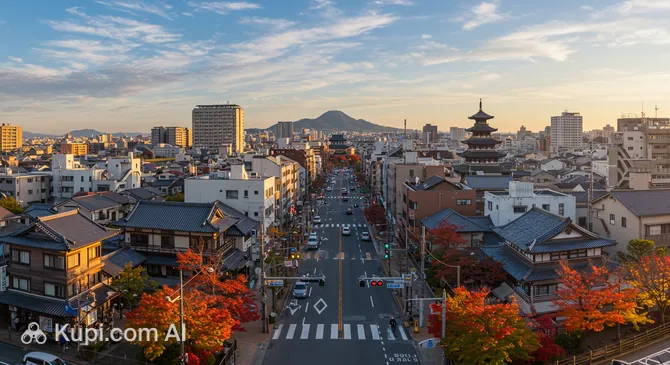
Sakai is a prominent port city located in the Osaka Prefecture of Japan, situated along the eastern coast of Osaka Bay. With a population of over 800,000 residents, it is one of the country's designated cities and serves as a vital industrial and cultural hub just south of Osaka City. The city offers a fascinating blend of ancient traditions and modern life, characterized by a distinct atmosphere that sets it apart from its bustling neighbor.

Sakai. Source: Kupi.Binoculars

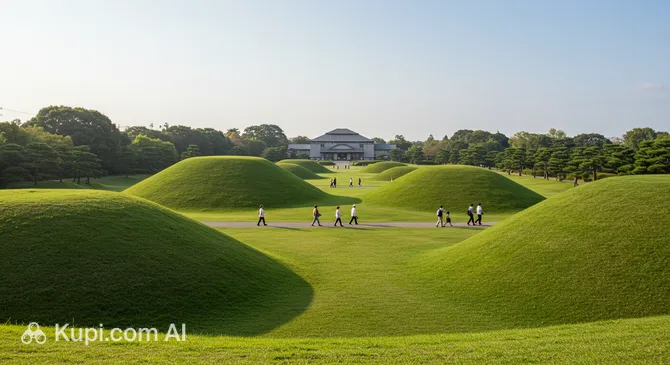
The city is globally renowned for its archaeological significance. The history of Sakai is anchored by the Mozu Kofungun, a cluster of ancient burial mounds that includes the Daisen Kofun, the tomb of Emperor Nintoku. This massive keyhole-shaped tumulus is one of the largest grave sites in the world by area and stands as a testament to the region's importance in antiquity.

In addition to its historical monuments, Sakai is celebrated for its exceptional craftsmanship. Famous for its legacy of sword making, the city is now the premier producer of traditional Japanese kitchen knives, favored by chefs worldwide. It is also well-known for its bicycle industry, hosting a dedicated museum that explores the evolution of cycling. Travelers are invited to explore Sakai to experience its rich heritage, exquisite local crafts, and serene parks.

Weather Overview

Sakai experiences a temperate climate characterized by four distinct seasons, ranging from hot summers to chilly winters. To help you pack appropriately for your trip, it is useful to review the detailed forecast and historical trends for the weather in Sakai.

Expect warm to hot summers with frequent rain and cold, relatively dry winters. The warmest weather typically occurs in August, where the average temperature climbs to 28.4°C. The summer season also brings the most precipitation; July is notably the wettest month, experiencing around 18 wet days.

In contrast, the winter months are significantly cooler. January is generally the coldest month with an average temperature of 5.0°C, though it tends to be drier with only about 8 wet days. Spring and autumn offer moderate conditions perfect for sightseeing, with pleasant averages of 14.5°C in April and 18.4°C in October.

Interesting Facts

Beyond the main attractions, Sakai holds many fascinating secrets that reveal its deep cultural roots and industrial prowess. From ancient maritime history to world-class craftsmanship, the city offers unique stories that often go unnoticed by the casual visitor.
  • The city is home to the Old Sakai Lighthouse, which holds the distinction of being the oldest wooden Western-style lighthouse in Japan. Built in 1877, this hexagonal structure has survived centuries of change and remains a beloved symbol of the city's enduring port heritage.

  • Sakai is the birthplace of Sen no Rikyu, the most famous master in the history of the Japanese tea ceremony. His profound influence turned the city into a cultural capital during the 16th century, and today, local confectioneries still create traditional sweets specifically designed to complement the flavor of matcha.

  • While the region's reputation for cutlery is well-known, few realize that approximately 90% of the knives used by professional chefs in Japan are produced here. You can witness the intricate process of forging and sharpening these world-class blades at the Sakai Traditional Crafts Museum.

  • Often called the "Bicycle City," Sakai serves as the headquarters for Shimano, a global giant in cycling components. The city celebrates this industrial identity with the Bicycle Museum Cycle Center, where visitors can explore the evolution of bicycles from their earliest designs to modern racing machines.

Old Sakai Lighthouse. Source: Kupi.Binoculars

How to Get There

Reaching Sakai is quite straightforward due to its proximity to the major transport hubs of the Kansai region. While the city itself does not host a major airport, it is well-connected to the extensive infrastructure of neighboring Osaka. Visitors can easily find more about how to get to Sakai to choose the most convenient route for their itinerary.

The city of Sakai does not have its own airport, but you can fly into Kansai International Airport (KIX) in Osaka, which is located about 27.3 km from Sakai. As a primary gateway to the region with very high passenger traffic, it offers numerous connections, and the journey to the city center typically takes less than an hour by train or bus. Alternatively, Itami Airport (ITM), also known as Osaka International Airport, serves as a key hub for domestic flights. It is situated roughly 23.9 km from Sakai, making it another convenient option with a travel time of approximately one hour. You might also consider Kobe Airport (UKB), which is about 24.4 km away.

For clarity, here is a summary of the main airports nearby:

Airport Name City Passenger Traffic Km from City
Kansai International Airport Osaka Very High 27.3
Itami Airport Osaka High 23.9
Kobe Airport Osaka Medium 24.4
Tokushima Awaodori Airport Tokushima Medium 94.3
Shirahama Airport Shirahama Low 101.7

Main Attractions

Sakai offers a rich tapestry of historical and cultural sites, ranging from ancient burial grounds to serene gardens and unique art collections. While the city is famous for its industrial heritage, its parks and museums provide a deep dive into the traditions and aesthetics that have shaped the region over centuries.

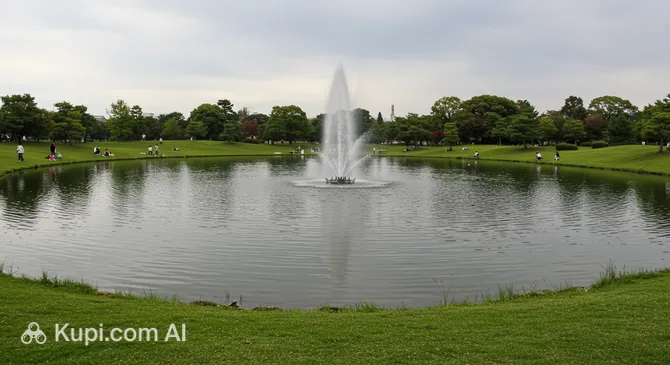
Located right in the heart of the city's historical district, Daisen Park serves as a serene gateway to the ancient Mozu Kofungun burial mounds. This expansive green space is situated between the tomb of Emperor Nintoku and the tomb of Emperor Richu, offering visitors a peaceful environment to appreciate the scale of these monumental sites. It is a favorite spot for locals and tourists alike to enjoy leisurely walks, picnics, and the lush scenery that changes with the seasons.

Daisen Park. Source: Kupi.Binoculars

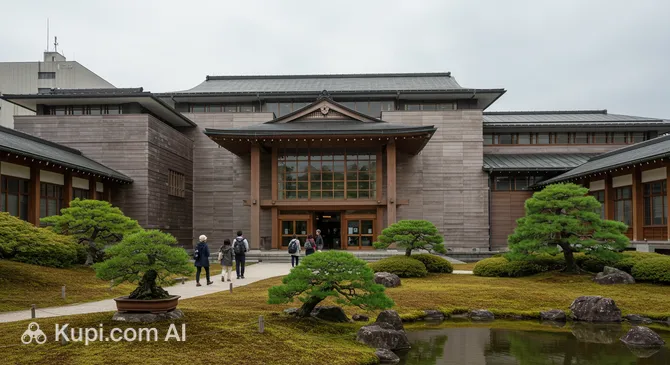
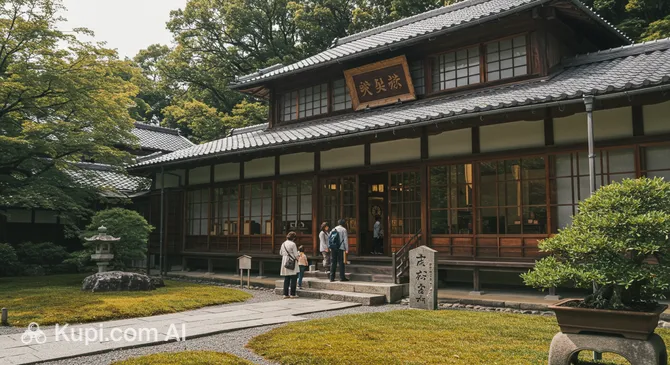
For those looking to deepen their understanding of the region's rich heritage, the Sakai City Museum is an essential stop. Situated within Daisen Park, this facility provides a comprehensive look at the city's history, from ancient times to the medieval period when it flourished as a trade port. The museum is particularly famous for its exhibits related to the burial mounds, including armor and artifacts excavated from the area, as well as VR experiences that allow you to virtually explore the restricted kofun sites.

Sakai City Museum. Source: Kupi.Binoculars

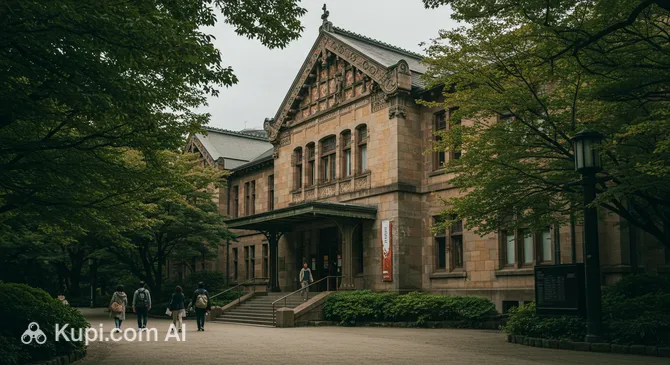
Art enthusiasts will be delighted to discover the Sakai Alphonse Mucha Museum, which houses an impressive collection of works by the renowned Czech Art Nouveau artist. The museum was established thanks to a generous donation from a private collector and features hundreds of Mucha's posters, oil paintings, and sketches. It offers a unique cultural experience, showcasing the elegant and intricate style that defined an era of European art, right here in Japan.

Sakai Alphonse Mucha Museum. Source: Kupi.Binoculars

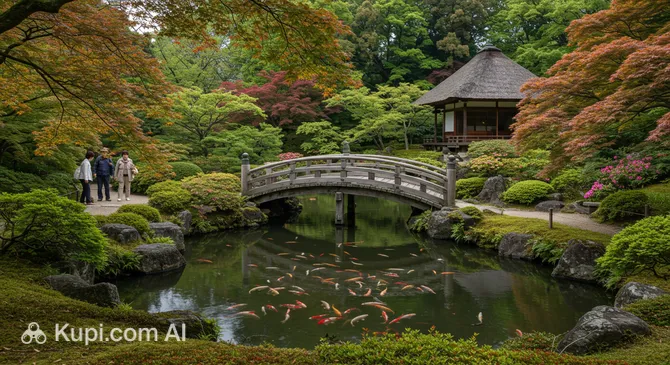
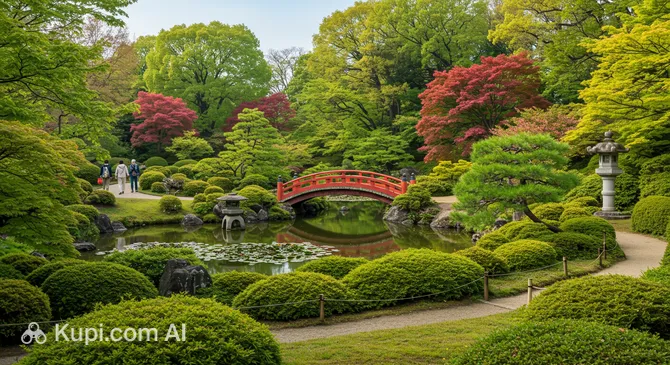
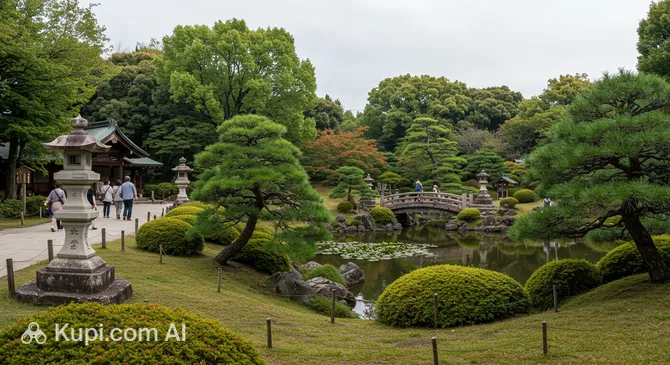
To experience the quintessence of traditional landscape design, a visit to the Daisen Park Japanese Garden is highly recommended. This beautifully manicured garden features classic elements such as strolling paths, tranquil ponds, and wooden bridges, all designed to harmonize with nature. It is a perfect location to enjoy a moment of quiet reflection or to participate in a tea ceremony at the on-site tea house, surrounded by the subtle beauty of the changing seasons.

Daisen Park Japanese Garden. Source: Kupi.Binoculars

Local Cuisine

Sakai boasts a gastronomic landscape that is as sharp and refined as the world-famous kitchen knives produced in its foundries. As a historic merchant city that has long supported the culinary culture of the Osaka region, it offers a distinct dining scene that blends ancient traditions with high-quality ingredients. The city's proximity to Osaka Bay ensures a steady supply of fresh seafood, while its deep connection to the tea ceremony has cultivated a sophisticated appreciation for traditional sweets.

One of the most unique local delicacies you must try is Kurumi Mochi. Despite its name, which sounds like the Japanese word for "walnut," this sweet does not actually contain nuts. The name comes from the verb kurumu, meaning "to wrap," as the soft rice cake is enveloped in a vivid green paste made from sweetened edamame (young soybeans). This dessert is deeply rooted in the city's history and is often linked to the legacy of Sen no Rikyu, the famous tea master born in Sakai. In the humid summer months, it is popularly served topped with shaved ice, providing a refreshing respite from the heat.

For savory options, the city is renowned for its Anago (conger eel). Historically a major catch in the local waters, Anago is prepared here with exceptional skill, often grilled to fluffy perfection and brushed with a savory-sweet sauce or served as exquisite sushi. The local chefs take great pride in their preparation methods, ensuring a texture that melts in the mouth, distinct from the richer unagi (freshwater eel).

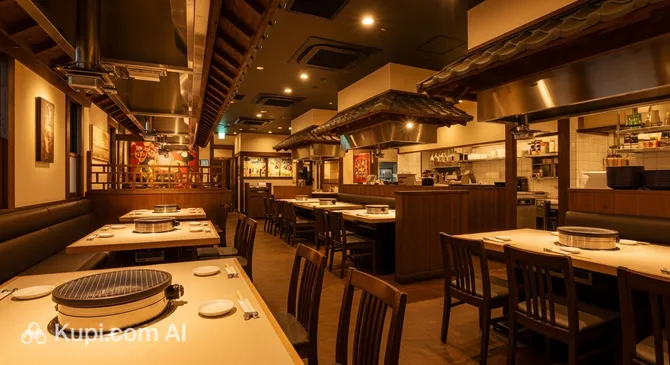
Travelers looking for a premium dining experience should visit Nankai Grill Naka. This establishment is a celebrated institution in Sakai, specializing in top-tier Teppanyaki. Here, chefs expertly grill high-quality Miyazaki beef right before your eyes, offering a feast that appeals to both the palate and the senses. The restaurant is known not just for its steak, but for its unique atmosphere, often housed in buildings that reflect traditional architecture, adding a touch of historical elegance to the meal.

Nankai Grill Naka. Source: Kupi.Binoculars

If you prefer a more interactive and seasonal food experience, the Strawberry Picking Farms (Sakai) offer a delightful opportunity to taste fresh, sun-ripened fruit directly from the source. These farms are popular among families and couples, allowing visitors to enjoy the sweetness of Japanese strawberries in an all-you-can-eat setting during the harvest season. It is a perfect way to experience the agricultural side of the city's food culture.

For a hearty local meal, you might also stumble upon spots like Nakamozu Mashimashi, which caters to those with a robust appetite. The local food scene is rounded out by a strong culture of tea drinking. Given Sakai's status as the birthplace of the tea ceremony, you will find numerous teahouses serving high-grade Matcha, which pairs perfectly with the region's wagashi sweets, creating a harmonious finish to any culinary journey in the city.

Travel Tips

Sakai offers a relaxed and historically rich alternative to the high-energy bustle of nearby Osaka. To ensure your visit to this city of ancient tombs and legendary craftsmanship is as seamless as possible, here are some essential practical tips to keep in mind.

  1. Clothing and Gear: The climate is temperate but features distinct seasonal changes. Summers (June to August) are hot and humid, requiring breathable, light clothing, while winters (December to February) can be chilly, so a warm coat is necessary. Bring comfortable slip-on shoes; you will likely do a lot of walking around Daisen Park and will frequently need to remove your footwear when entering traditional tea houses or temples.
  2. Transportation: Sakai is well-connected to the region by the Nankai and JR Hanwa train lines. Within the city, the vintage Hankai Tramway is a charming and convenient way to visit major historical sites. Purchase a prepaid IC card (like ICOCA or Suica) for easy tap-and-go travel on trains, buses, and trams. Car rental is generally unnecessary unless you plan to explore remote rural areas.
  3. Finances: The currency is the Japanese Yen (JPY). While modern malls and hotels accept credit cards, many traditional knife workshops, small restaurants, and older shops still operate on a cash-only basis. It is wise to carry cash with you; international cards work reliably at 7-Eleven convenience store ATMs. Tipping is not part of the culture and may even be refused; excellent service is standard.
  4. Health and Safety: Sakai is an extremely safe city for travelers. Tap water is clean and drinkable. Pharmacies (often called "drugstores") are plentiful and can provide over-the-counter remedies. In case of a serious emergency, dial 119 for an ambulance or fire department and 110 for the police.
  5. Communication: While signs at major stations often include English, spoken English is less common here than in central Osaka or Tokyo. It is highly recommended to have a translation app installed on your phone. Renting a Pocket Wi-Fi or purchasing an eSIM before arrival is crucial for navigation and communication.
  6. Local Etiquette: Politeness is highly valued. A slight bow is the standard greeting. Be mindful of noise; talking loudly on public transport is frowned upon, and talking on your phone on the train is considered rude. Always remove your shoes at the entrance (genkan) of homes, traditional inns, and some temple interiors.
  7. What to Avoid: Do not eat while walking on the street, as it is generally considered bad manners (exceptions are made for festival food stalls). Additionally, never stick your chopsticks vertically into a bowl of rice, as this resembles a ritual performed at funerals.
  8. Knife Purchase Tip: If you buy one of the city's famous Sakai knives as a souvenir, remember that strict laws govern carrying blades. You must not carry it in your hand luggage on your flight home. Ensure the shop packages it securely, and pack it immediately in your checked luggage to avoid confiscation and legal trouble at the airport.

By keeping these practicalities in mind, you will be well-prepared to navigate the local customs and logistics with ease. Enjoy the unique blend of ancient history and artisanal culture that makes Sakai such a rewarding destination to explore.

Entertainment & Nightlife

While Sakai is often celebrated for its ancient tombs and traditional crafts, the city also offers a vibrant array of entertainment options ranging from lively local festivals to modern performing arts. Visitors can immerse themselves in the energetic atmosphere of seasonal celebrations or enjoy leisure time in some of the region's most expansive and well-equipped parks.

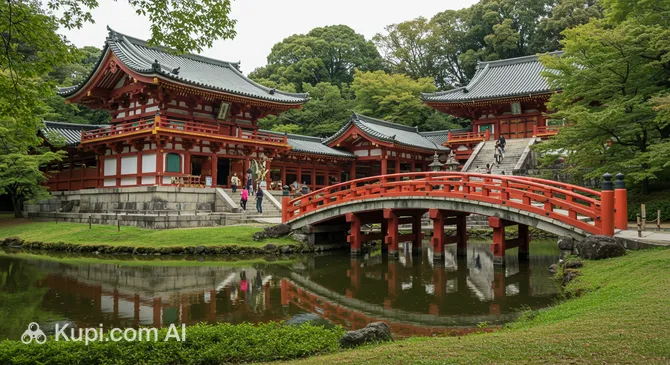
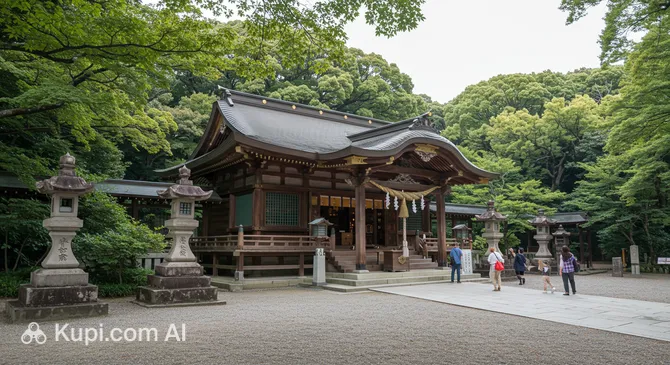
One of the most thrilling entertainment experiences in the city is the Futon Daiko festival, typically held in autumn. The Mozu Hachiman Shrine serves as a focal point for this energetic event, where teams of bearers carry massive, decorative floats topped with stacked futons and drums. The rhythmic beating of the drums and the spirited chants of the participants create an electrifying atmosphere that draws crowds from all over the region, offering a dynamic contrast to the quiet solemnity of the city's ancient burial mounds.

Mozu Hachiman Shrine. Source: Kupi.Binoculars

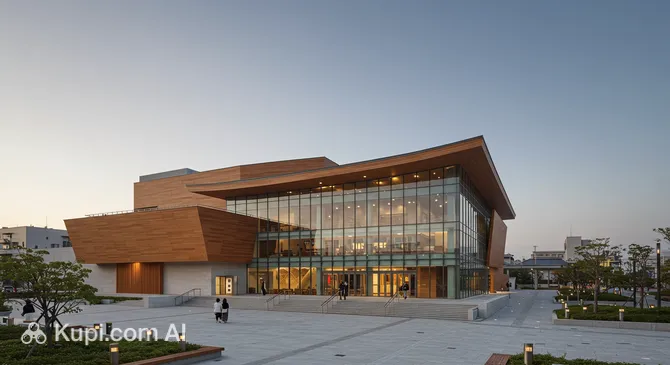
For those interested in the contemporary cultural scene, the Sakai Performing Arts Center, also known as Fenice Sakai, is the premier destination. This modern venue hosts a diverse program of events, including classical concerts, theatrical performances, operas, and pop music shows. Its state-of-the-art acoustics and elegant architecture make it a sophisticated spot to enjoy an evening of high-quality entertainment.

Sakai Performing Arts Center. Source: Kupi.Binoculars

Travelers looking for active leisure and outdoor fun should head to Oizumi Ryokuchi Park. This vast green space is a favorite among locals for its wide variety of recreational facilities. It features extensive cycling paths, adventure playgrounds for children, and designated barbecue areas that are perfect for a relaxed afternoon. The park is also home to a diverse range of botanical gardens, making it a delightful place to explore nature while enjoying a picnic or a jog.

Oizumi Ryokuchi Park. Source: Kupi.Binoculars

Another excellent spot for seasonal relaxation is Shirasagi Park. This park is particularly famous for its spectacular iris garden, which comes into full bloom in early summer. During this time, the park transforms into a sea of purple and white flowers, attracting photographers and nature lovers. It provides a peaceful setting for a leisurely stroll, allowing visitors to unwind and appreciate the natural beauty that complements Sakai's urban landscape.

Shirasagi Park. Source: Kupi.Binoculars

Parks & Museums

Sakai offers a fascinating array of cultural institutions and green spaces that celebrate both its industrial heritage and its natural beauty. Beyond the famous ancient burial mounds, the city is home to specialized museums and historic parks that provide visitors with unique insights into local craftsmanship and leisure traditions.

For a deep dive into the city's manufacturing prowess, the Bicycle Museum Cycle Center is a must-visit destination. As the heart of Japan's bicycle industry, Sakai hosts this unique facility which displays roughly 300 bicycles, ranging from the earliest wooden velocipedes to modern Olympic racing gears. The museum not only details the technological evolution of cycling but also offers a dedicated plaza where visitors can test ride various types of classic and novelty bikes, making it an educational and fun experience for all ages.

Bicycle Museum Cycle Center. Source: Kupi.Binoculars

Another cultural highlight is the Sakai Traditional Crafts Museum, locally known as the Takumi. While the city is world-famous for its cutlery, this museum broadens the perspective by showcasing other major local industries, including the production of incense, dyed cotton textiles (Chusen), and kelp processing. Visitors can watch live demonstrations by master craftsmen, learn about the intricate processes behind these goods, and purchase high-quality authentic souvenirs at the museum shop.

Sakai Traditional Crafts Museum. Source: Kupi.Binoculars

When it comes to outdoor relaxation, Hamadera Park stands out as one of the oldest and most beloved public parks in the Osaka Prefecture. Famous for its sprawling pine forest, which contains approximately 5,000 pine trees, the park offers a scenic landscape that has been cherished since the Meiji era. It features a magnificent rose garden with hundreds of varieties blooming in spring and autumn, as well as a large swimming pool complex and barbecue areas, making it a favorite spot for families.

Just a short distance away, accessible via the charming Hankai Tramway, is Sumiyoshi Park. This historic park is renowned for its wide, open spaces and beautiful seasonal flora, particularly its cherry blossoms in spring. It serves as a peaceful urban oasis where locals enjoy jogging, picnicking, and escaping the bustle of the city streets. The park's long history and well-maintained paths make it a pleasant stop for a leisurely stroll.

Sumiyoshi Park. Source: Kupi.Binoculars

For a truly authentic local experience, consider visiting the rose garden in Hamadera Park during the peak bloom in May or October. The fragrance and colors are spectacular, and the garden is often less crowded than those in central Osaka, allowing for a more tranquil appreciation of the flowers.

Getting Around

Navigating Sakai is efficient and convenient, thanks to a comprehensive public transport network that seamlessly connects the city with neighboring Osaka and the wider Kansai region. The backbone of local travel consists of several major train lines. The Nankai Electric Railway and the JR Hanwa Line run north-to-south, serving as the primary arteries for commuters. Additionally, the city is directly linked to the Osaka subway system via the Osaka Metro Midosuji Line, which terminates at Nakamozu Station, making it easy to access the city center from the metropolitan hub.

A unique feature of Sakai's transport landscape is the Hankai Tramway, one of the few remaining streetcar lines in Japan. This historic tram offers a charming and leisurely way to travel between Sakai and Osaka, passing through nostalgic neighborhoods. It is particularly popular among tourists for visiting sites like the Hamadera Park area. The retro atmosphere of the tram cars provides a delightful contrast to the modern commuter trains and is an experience in itself.

For destinations not immediately accessible by rail, the extensive Nankai Bus network fills the gaps. Buses cover most of the city, including residential areas and specific tourist spots like the ancient burial mounds. When using the bus, you typically board from the rear door and take a numbered ticket if paying by cash. The fare corresponds to your ticket number displayed on a screen at the front of the bus, and you pay upon exiting from the front door. If you use an IC card, simply tap it against the reader when entering and exiting.

The most convenient way to pay for transport across all modes—trains, trams, and buses—is by using a rechargeable IC card, such as ICOCA, Suica, or Pasmo. These cards can be purchased at ticket vending machines at any major train station. While single-journey paper tickets are available, an IC card saves you the hassle of calculating fares for every trip. Simply load it with cash and tap the card reader at ticket gates or on buses. Fares are generally affordable, with short train rides costing a few hundred yen.

Given Sakai's reputation as a "Bicycle City," renting a bike is a fantastic alternative to motorized transport. The city is flat and bike-friendly, with designated cycling lanes and rental stations located near major rail hubs like Sakaihigashi and Sakai Station. The Sakai Community Cycle system allows you to rent a bicycle at one station and drop it off at another, offering a flexible and healthy way to explore the parks and historical districts at your own pace.

Taxis are readily available at taxi stands outside train stations and major attractions. They are clean, safe, and reliable, though significantly more expensive than public transit. Most drivers do not speak fluent English, so having your destination written in Japanese or pinpointed on a map app is highly recommended. Public transport generally operates from around 5:00 AM until midnight. Avoid the morning rush hour (roughly 7:30 AM to 9:00 AM) if you prefer a more comfortable and spacious journey.

Accommodation

Finding accommodation in Sakai offers travelers a convenient and often more affordable alternative to staying in the heart of neighboring Osaka. The city provides a solid range of lodging options that cater primarily to practical travelers, including reliable business hotels, modern guest houses, and a few traditional inns. While it lacks the abundance of high-end luxury resorts found in major metropolitan hubs, visitors will find clean, comfortable, and well-located bases for exploring the region's historical sites.

When choosing where to stay, location is key to maximizing your time. The area around Sakai Station on the Nankai Line is a popular choice, particularly for those arriving from Kansai International Airport. This district offers easy access to the waterfront and is well-connected to the city's tram network. Alternatively, the district surrounding Sakaihigashi Station serves as the bustling administrative center of the city. Staying here places you in the middle of a lively dining scene and within walking distance of local landmarks like the historic Hochigai Shrine, known for its blessings related to direction and travel safety.

Hochigai Shrine. Source: Kupi.Binoculars

For those planning a trip, it is advisable to book in advance, especially during Japan's peak travel seasons such as the cherry blossom period in spring and the autumn foliage season. While Sakai is generally less crowded than central Osaka, the convenient transport links mean that well-priced rooms can fill up quickly with spillover demand from the nearby metropolis.

In terms of pricing, Sakai is quite budget-friendly. You can typically find mid-range business hotels at very competitive rates compared to Osaka City. Booking is straightforward, with most major properties listed on international online travel platforms. Whether you prefer a functional room near the station or a smaller local guesthouse, the city offers a welcoming and cost-effective environment for your stay.

Nearby Cities

For those looking to explore the surroundings, Sakai serves as an excellent base for day trips to several interesting nearby locations:

City Population Distance (km)
Osaka 15,126,000 13
Higashi Osaka 490,819 16
Amagasaki 450,506 19
Minamisuita 384,953 20
Yao 264,913 12

The most prominent destination nearby is Osaka, located just a short train ride to the north. As the vibrant culinary and commercial capital of the Kansai region, it offers a stark contrast to the historical quiet of Sakai. Visitors can explore the majestic Osaka Castle, dive into the neon-lit nightlife of the Dotonbori district, or enjoy world-class shopping in Umeda. It is an essential stop for anyone wanting to experience the energetic pulse of modern Japan.

To the east lies Higashi Osaka, a city celebrated for its manufacturing heritage and its status as a "Rugby City," hosting the famous Hanazono Rugby Stadium. Beyond sports, it is home to the Ishikiri Tsurugiya Shrine, a popular spiritual site located at the foot of Mount Ikoma. The area offers a mix of urban exploration and access to hiking trails that provide panoramic views over the Osaka plain.

Another accessible neighbor is Amagasaki, situated in the neighboring Hyogo Prefecture but very close to Sakai. Historically an industrial hub, it has recently revitalized its castle area. The reconstructed Amagasaki Castle offers an interactive history experience, and the surrounding downtown areas retain a distinct, retro atmosphere that appeals to travelers seeking an authentic local vibe.

These nearby destinations offer a glimpse into the diverse culture and landscapes of the region.

Shopping & Souvenirs

Shopping:

Shopping in Sakai offers a distinct experience that contrasts with the fast fashion and neon lights of nearby Osaka. While the city has its fair share of modern conveniences, its true retail strength lies in its deep-rooted artisanal culture. Here, shopping is often about discovering high-quality craftsmanship and traditional goods that have been produced in the region for centuries. From state-of-the-art shopping malls to historic workshops, visitors can find everything from daily necessities to world-class masterpieces.

The city's main commercial hub is centered around Sakaihigashi Station. This bustling district serves as the administrative heart of the city and features a mix of department stores and local businesses. The Sakaihigashi Ginza Shopping Street is a lively covered arcade where you can stroll past a variety of shops, cafes, and boutiques, enjoying the nostalgic atmosphere of a traditional Japanese shotengai. It is an excellent place to observe local daily life while browsing for clothing, accessories, and snacks.

For a comprehensive modern shopping experience, Sakai boasts several large-scale complexes. Aeon Mall Sakai Kitahanada is one of the most popular destinations, located near the subway line. It houses a vast array of international brands, a large supermarket, and a food court, making it a convenient one-stop spot for families. Another significant venue is Ario Otori, a sprawling mall that includes a cinema and numerous specialty stores, offering plenty of entertainment alongside retail therapy.

When it comes to souvenirs, Sakai is globally renowned for its cutlery. The city produces the vast majority of professional knives used by chefs in Japan. These blades are celebrated for their sharpness and durability. The best place to explore this heritage and purchase authentic products is the Sakai Traditional Crafts Museum. Here, you can find a wide selection of knives, as well as other local specialties like hand-dyed chusen textiles (often made into decorative towels called tenugui) and high-quality incense, another major industry of the city.

In addition to crafts, food items make for excellent gifts. Sakai has a long history of kelp processing, and you can find high-grade kombu (kelp) products that are essential for Japanese dashi stock. Traditional sweets are also a highlight, particularly those flavored with cinnamon or wrapped in aromatic leaves, reflecting the city's connection to the tea ceremony.

Most large shopping malls and department stores in Sakai are open from 10:00 AM to 8:00 PM or 9:00 PM. While major retailers and the Crafts Museum accept credit cards, many smaller shops in the shopping arcades or traditional neighborhood stores may still operate on a cash-only basis. It is advisable to carry sufficient Japanese Yen.

Tourists should also be aware of the tax-free shopping system available at many larger stores and designated shops. If you spend over 5,000 JPY (excluding tax) at a participating store on the same day, you may be eligible for a consumption tax refund. Be sure to carry your actual passport (not a copy) to take advantage of this benefit.

Reached the end of the page?

That means the route is fully explored