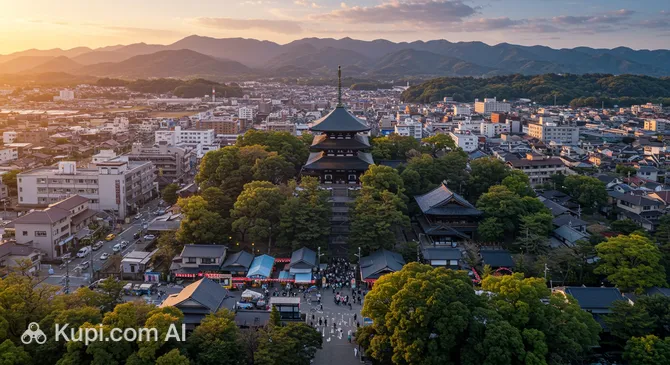
Welcome to Komatsu, a dynamic city located in the southern part of Ishikawa Prefecture. Known for its harmonious blend of industrial innovation and traditional culture, this destination offers a unique glimpse into the diverse lifestyle of Japan. With a population of approximately 106,000 residents, Komatsu is a bustling hub that serves as a gateway to the region, thanks to its international airport, yet it retains a welcoming and authentic local atmosphere.
Geographically, the city stretches from the Sea of Japan coast to the majestic mountains, providing a scenic backdrop that changes beautifully with the seasons. The history of Komatsu is deeply rooted in craftsmanship; it is famous as the birthplace of a global heavy machinery manufacturer and for its exquisite traditional arts. Visitors can explore this rich heritage through local workshops and museums that celebrate both the ancient and the modern.
Komatsu. Illustration.
Source: Kupi.com AI
Travelers are often drawn to the serene Natadera Temple, a stunning site founded in 717 AD, known for its meditation caves and breathtaking autumn foliage. For those interested in technology and design, the Motorcar Museum of Japan displays an impressive collection of vintage vehicles, while the city's reputation for Kutani ware ceramics offers a chance to see and buy intricate pottery. Whether you are exploring its spiritual sites or its industrial legacy, Komatsu promises an enriching experience for every visitor.
Weather Overview
The climate in Komatsu is characterized by distinct seasonal changes, offering a variety of atmospheric backdrops for your visit. For a more detailed breakdown of conditions throughout the year, you can check the current and historical weather in Komatsu. Generally, travelers should expect warm, humid summers and cold, frequently wet winters.
August is typically the warmest month, with average temperatures reaching 26.1°C and highs of around 28.1°C, while July often brings a higher chance of rain with about 20 wet days. Conversely, the winter season requires warm clothing; January and December are the coldest months, with average temperatures hovering between 3°C and 5°C and a high frequency of precipitation, seeing up to 26 wet days per month. Spring and autumn offer a comfortable middle ground, with May and October averaging a pleasant 16°C.
Average monthly temperature
Average monthly precipitation
Interesting Facts
Beyond the main attractions, Komatsu holds many fascinating secrets that blend industrial might with deep-rooted cultural legends. Here are some intriguing facts that make this city truly unique.
Komatsu no Mori. Illustration.
Source: Kupi.com AI
Traveler photos:
The city is the birthplace and namesake of the global heavy equipment giant, Komatsu Ltd. Visitors can witness the sheer scale of this industrial legacy at Komatsu no Mori, which proudly displays the 930E, one of the world's largest dump trucks, capable of hauling nearly 300 tons.
Komatsu is famously celebrated as a "City of Kabuki." The Ataka Sumiyoshi Shrine marks the actual location of the historic Ataka Barrier, which is the setting for Kanjincho, one of the most famous and dramatic plays in the entire Kabuki repertoire.
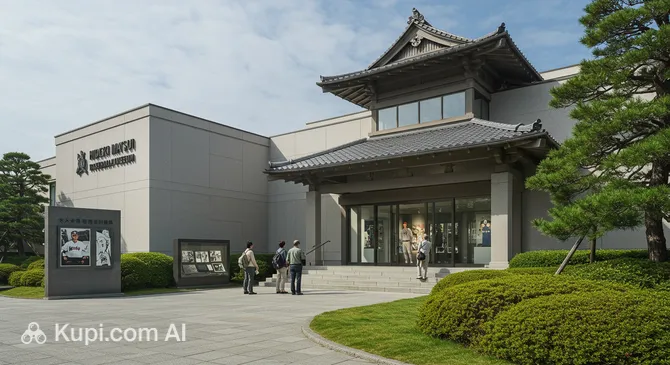
Baseball enthusiasts might be surprised to find a dedicated tribute to MLB legend Hideki Matsui, also known as "Godzilla," who was born here. The Hideki Matsui Baseball Museum is an architectural gem filled with memorabilia from his time with the Yomiuri Giants and the New York Yankees.
For aviation fans, the city offers a rare spectacle because the local airport shares its runway with a Japan Air Self-Defense Force base. From the Komatsu Airport Observation Deck or the nearby Ishikawa Aviation Plaza, you can often watch powerful fighter jets taking off alongside commercial airliners.
How to Get There
Reaching this destination is straightforward, with options ranging from direct flights to convenient train connections. For a comprehensive overview of all transport methods, you can read more about how to get to Komatsu. The city is well-served by its own airport, making it easily accessible for both domestic and international travelers.
The most convenient entry point is Komatsu Airport (KMQ), located directly in the city, just 3.8 km from the center. It is a key regional hub handling a significant volume of passengers. The short distance makes transfers quick; a taxi ride to the downtown area typically takes around 10-15 minutes. For those arriving from further afield, Chubu Centrair International Airport (NGO) is a major alternative. Located in Nagoya, approximately 175 km away, this large international airport offers extensive global connections. A journey by car or taxi from Nagoya to Komatsu takes approximately 3 to 3.5 hours.
For clarity, here is a summary of the main airports:
Traveling by train is another excellent way to reach the city. Komatsu Station serves as a vital transport node on the Hokuriku Main Line and is also a stop on the Hokuriku Shinkansen, which connects the region to Tokyo and other major cities with high-speed efficiency. Visitors can easily take a train from nearby Kanazawa or travel directly from Osaka and Kyoto via express services, ensuring a smooth and scenic journey to the heart of Komatsu.
Main Attractions
Komatsu offers a diverse array of sights that cater to history buffs, aviation enthusiasts, and nature lovers alike. While the city is famous for its industrial roots, its tourism offerings extend far beyond factories, inviting visitors to explore interactive museums, spiritual landmarks, and modern leisure spots.
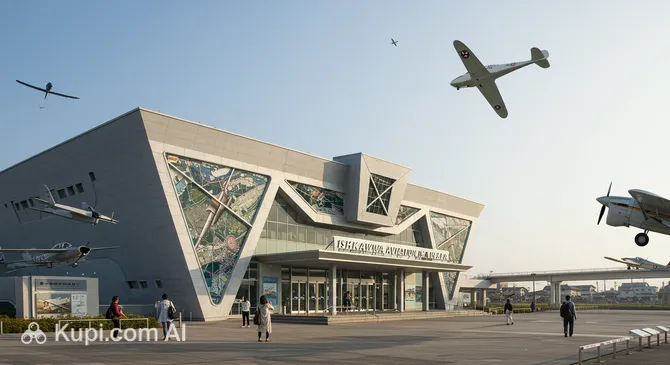
One of the city's premier destinations is the Ishikawa Aviation Plaza. Located right next to the airport, this aviation museum is a fantastic stop for families and technology fans. Inside, you can explore a comprehensive collection of aircraft, learn about the principles of flight through hands-on exhibits, and even try your hand at piloting in realistic flight simulators. It serves as an educational hub that celebrates the region's strong connection to the sky.
Ishikawa Aviation Plaza. Illustration.
Source: Kupi.com AI
Traveler photos:
Sports fans should not miss the Hideki Matsui Baseball Museum. This facility is dedicated to the local hero and former New York Yankees star, Hideki Matsui. The museum showcases an extensive array of memorabilia, including uniforms, bats, and trophies that chronicle his illustrious career from his high school days in Ishikawa to the Major Leagues. It provides an inspiring look into the life of one of Japan's most celebrated athletes.
Hideki Matsui Baseball Museum. Illustration.
Source: Kupi.com AI
Traveler photos:
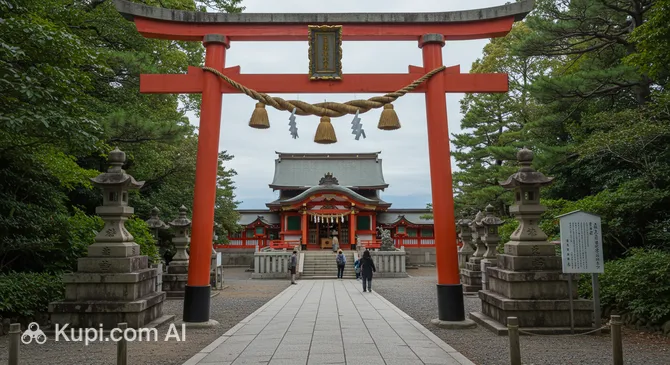
For a touch of spiritual tranquility and history, a visit to the Ataka Sumiyoshi Shrine is highly recommended. Situated near the coast, this shrine is steeped in folklore and is traditionally associated with safe travels and overcoming difficulties. The grounds are peaceful, offering a serene atmosphere where visitors can admire traditional architecture and enjoy the refreshing sea breeze from the nearby Sea of Japan.
Ataka Sumiyoshi Shrine. Illustration.
Source: Kupi.com AI
Traveler photos:
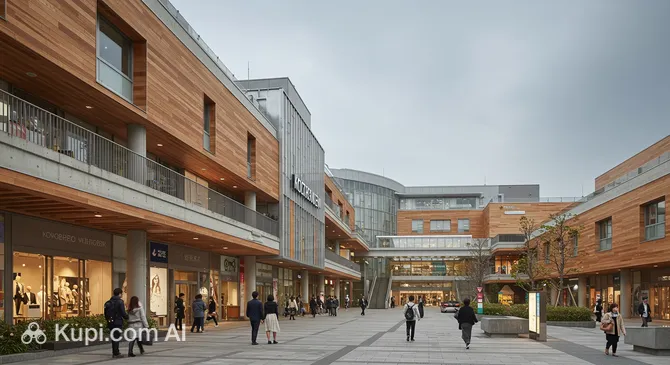
If you are looking to experience the modern lifestyle of the city, the New Komatsu Mall offers a convenient and lively atmosphere. This shopping destination features a wide variety of retail stores, ranging from fashion to local goods, along with a selection of restaurants where you can taste regional specialties. It is a perfect place to relax, pick up souvenirs, and enjoy a casual afternoon after exploring the city's historical sites.
New Komatsu Mall. Illustration.
Source: Kupi.com AI
Traveler photos:
Local Cuisine
The culinary landscape of Komatsu is deeply influenced by its proximity to the Sea of Japan and the fertile plains of the Kaga region. The city is known for its fresh ingredients, ranging from mountain vegetables to high-quality seafood. A defining feature of the local food culture is Komatsu Udon, a dish with a history spanning over 300 years. Unlike the firm udon found in other parts of Japan, Komatsu Udon is characterized by its soft, thin noodles and a clear, savory broth made from fish flakes and kelp, often praised for its delicate texture and refined flavor.
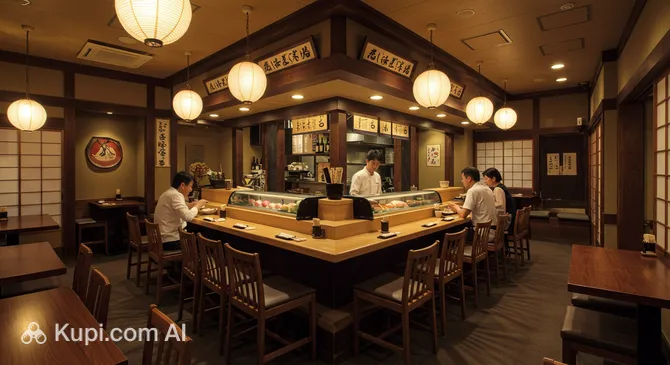
Given its location in Ishikawa Prefecture, which is often called a "food kingdom," Komatsu offers exceptional sushi and sashimi. The region is famous for its high standards, even at casual dining spots. Visitors looking to experience this freshness firsthand can visit Sushi Kuinee, a popular local establishment. Here, you can enjoy seasonal delicacies such as sweet shrimp (amaebi) and snow crab, which are brought in directly from nearby ports.
Sushi Kuinee. Illustration.
Source: Kupi.com AI
Traveler photos:
When it comes to beverages, the local sake is a must-try for those who enjoy alcohol. The area's pristine water sources and high-quality rice production have fostered a strong brewing tradition. Komatsu is home to several renowned breweries, and the city is associated with legendary sake brewers who have elevated the craft to an art form. For a non-alcoholic option, Kaga-bocha (roasted twig tea) is widely enjoyed; it has a distinctively toasty aroma and a light, amber color that pairs perfectly with traditional Japanese sweets.
The food culture in Komatsu is both traditional and accessible. While there are plenty of upscale ryotei (traditional restaurants) for a formal kaiseki experience, the city also boasts a vibrant casual dining scene. The area around Komatsu Station is dotted with izakayas (Japanese pubs) where locals gather after work. These spots offer a great opportunity for tourists to mingle with residents while sampling a variety of small dishes, from grilled skewers to local pickles, in a lively and welcoming atmosphere.
Travel Tips
To ensure your visit to Komatsu is as smooth and enjoyable as possible, it helps to be prepared for the local lifestyle and regional climate. Here is a collection of practical tips to help you navigate this fascinating city in Ishikawa Prefecture with ease.
Clothing and Gear: The Hokuriku region is known for its changeable weather, and a famous local saying advises, "Even if you forget your lunchbox, do not forget your umbrella." Pack a sturdy, compact umbrella and waterproof footwear, especially if visiting in autumn or winter. Since you will likely visit historic sites like Natadera Temple, bring comfortable slip-on shoes, as you will be required to remove them when entering sacred wooden halls.
Transportation: While the area around the station is walkable, many of the city's best attractions—such as the Motorcar Museum or the Aviation Plaza—are spread out. Renting a car is often the most convenient way to explore at your own pace. Taxis are available but can be costly for longer trips, and while local buses exist, their schedules can be infrequent compared to major metropolitan areas.
Finances: The official currency is the Japanese Yen (JPY). While modern facilities like the New Komatsu Mall accept credit cards, many traditional izakayas, ticket machines, and smaller shops still operate on a cash-only basis. It is wise to withdraw cash from ATMs at 7-Eleven or Japan Post branches, which accept international cards, to ensure you are never caught short.
Health and Safety: Japan is known for its high safety standards, and Komatsu is no exception; walking alone at night is generally very safe. Tap water is clean and drinkable throughout the city. If you need minor medical supplies, look for "drugstores" (pharmacies), which sell everything from toiletries to over-the-counter medicine, though staff may not speak English.
Communication: English proficiency among locals can be limited, so it is highly recommended to have a translation app installed on your smartphone. Renting a Pocket Wi-Fi or purchasing an eSIM before you arrive is essential for using maps and translation tools on the go, as free public Wi-Fi is not always available outside of the airport and main station.
Local Etiquette: Politeness is key to a positive experience. A slight bow is the standard way to greet people or express thanks. When using public transport, keep your voice low and set your mobile phone to silent mode (often called "manner mode"). Always remove your shoes at the entrance (genkan) of homes, traditional inns, and some restaurants.
What to Avoid: Do not leave a tip at restaurants, taxis, or hotels. Tipping is not part of the culture and can cause confusion or even be perceived as rude, as exceptional service is considered the standard. Additionally, avoid eating or drinking while walking in the street; it is better to stop and finish your snack in a designated area or near a vending machine.
Local Insight: Komatsu has a deep connection to Kabuki theater. If you visit in mid-May, you can witness the spectacular Otabi Festival, featuring children performing Kabuki plays on lavishly decorated floats. If you travel at other times, visiting the Miyossa museum near the station offers a fascinating glimpse into this cultural tradition year-round.
By keeping these practicalities in mind, you will be well-equipped to experience the authentic charm of Komatsu without any unexpected hurdles. Whether you are admiring the industrial giants or soaking in the tranquility of a mossy temple garden, a little preparation ensures a memorable and stress-free journey.
Entertainment & Nightlife
While Komatsu is not known for a raucous, all-night clubbing scene like Tokyo or Osaka, it offers a charming and authentic nightlife experience centered around dining and social drinking. The city's evening entertainment is more about relaxing after a long day, enjoying high-quality food, and engaging in lively conversation with locals. The atmosphere is generally laid-back, welcoming, and safe, making it an excellent place to experience the "izakaya" (Japanese pub) culture in a less touristy setting.
The primary hub for evening activities is the area immediately surrounding Komatsu Station. Here, the streets are lined with glowing red lanterns marking the entrances to various izakayas and yakitori (grilled chicken) stands. This district is where local office workers gather to unwind. The crowd is typically casual, and there is no strict dress code; jeans and a comfortable shirt are perfectly acceptable. For those adventurous enough to try a "Snack Bar"—small, often karaoke-equipped bars hosted by a "mama-san"—you will find many tucked away in the side streets, though be aware that these often have a cover charge and require some Japanese language skills.
For a perfect start to your evening, you can enjoy a high-quality meal at Sushi Kuinee. As a restaurant that prides itself on fresh seafood from the nearby ports, it offers a fantastic dinner option before you head out for drinks. If you prefer a more modern and diverse environment, the New Komatsu Mall remains lively into the evening. It is a great spot for a casual night out, offering a cinema complex and a variety of restaurants and cafes where you can relax in a comfortable, climate-controlled environment.
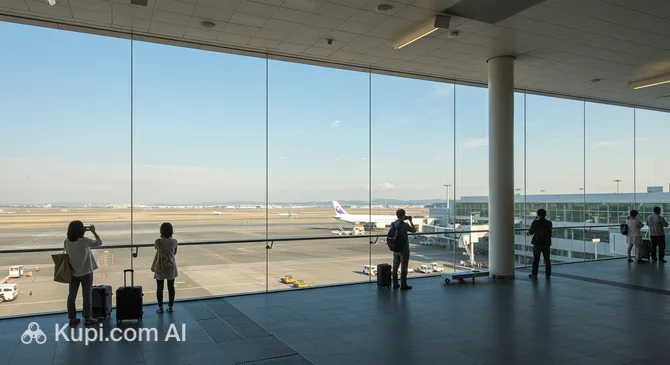
For a unique nocturnal experience that differs from the typical bar scene, consider a trip to the Komatsu Airport Observation Deck. Open into the evening, this spot offers a romantic and exciting view of the runway. Watching the lights of the aircraft against the night sky, sometimes accompanied by the roar of jets, provides a memorable backdrop for a quiet evening conversation.
Komatsu Airport Observation Deck. Illustration.
Source: Kupi.com AI
Traveler photos:
When planning your night out, keep in mind that public transportation, including trains and buses, generally stops running around midnight. If you stay out late, taxis are the most reliable way to get back to your accommodation; you can usually find them waiting at the taxi rank outside Komatsu Station or have a venue call one for you. It is also important to carry cash, as many smaller bars and traditional eateries do not accept credit cards. The city is incredibly safe for night walks, even for solo travelers, but it is always polite to keep noise levels down when walking through residential areas.
Before the sun sets, Komatsu offers plenty of daytime entertainment to fill your schedule. Visitors can explore the impressive machinery at Komatsu no Mori or immerse themselves in the world of flight at the Ishikawa Aviation Plaza. These attractions provide a fascinating contrast to the relaxed, culinary-focused atmosphere that takes over the city once evening falls.
Parks & Museums
Parks & Museums:
Komatsu seamlessly blends its industrial heritage with natural beauty, offering a variety of educational and recreational spaces. The city’s museums celebrate local achievements in technology and sports, while its parks provide serene environments for relaxation and discovery. These facilities allow visitors to engage with the region's culture and history in an interactive and accessible way.
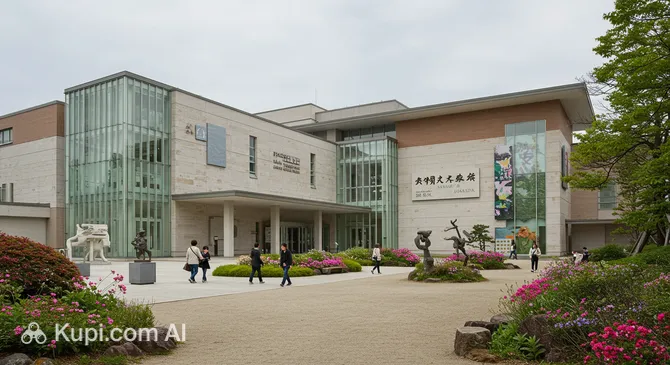
A highlight for technology enthusiasts is the Ishikawa Aviation Plaza, located near the airport. This facility serves as a major educational hub, featuring real aircraft displays and exhibits that explain the principles of flight. It is particularly popular with families due to its large indoor playground, known as "Waku Waku Plaza," where children can play on aviation-themed equipment. For sports fans, the Hideki Matsui Baseball Museum offers a sophisticated tribute to the city's most famous athlete. The exhibits chronicle his journey from local high school star to Major League icon, showcasing a vast collection of personal items and awards that inspire visitors with his story of perseverance.
For a unique combination of nature and industry, Komatsu no Mori is an essential stop. Built on the former site of the Komatsu Ltd. factory, this park is designed to foster a connection with the environment. It features the "Genki Satoyama" area, where visitors can explore nature trails and gardens that reflect the local ecosystem. Additionally, the grounds of the Ataka Sumiyoshi Shrine offer a park-like atmosphere by the sea. Surrounded by a historic pine forest, this area provides a peaceful setting for a stroll, allowing travelers to enjoy the refreshing sea breeze and the scenic beauty of the coast.
Getting Around
Public transport in Komatsu is reliable and efficient, though it operates on a smaller scale compared to major metropolitan hubs. The system is primarily centered around Komatsu Station, which serves as the main transit node for the city. There is no underground metro or tram network; instead, residents and visitors rely on a combination of trains for regional travel and a comprehensive bus network for navigating within the city limits and reaching local attractions.
The bus system is the most common way to reach specific destinations such as the airport, shopping malls, and museums. Local buses depart regularly from the terminals located at the train station. For tourists, the "Komatsu Bus" lines are the most relevant, connecting key points of interest. When using these buses, you typically enter through the rear door and take a small numbered ticket from a machine. This ticket indicates your starting zone, and a display at the front of the bus will show the corresponding fare, which you pay upon exiting through the front door.
Regarding payment, IC cards such as Suica, ICOCA, or PASMO are widely accepted on trains, including the JR lines and the Hokuriku Shinkansen. However, their acceptance on local buses can vary. While modernization is ongoing, it is highly recommended to carry cash, specifically 1000-yen notes and coins, when taking the bus. Fare machines on buses usually provide change for 1000-yen bills, but they do not accept larger denominations. There are no specific "all-day" tourist transport passes exclusive to the city's local bus network that are widely marketed to international visitors, so paying per ride is the standard approach.
For those arriving by air, a dedicated limousine bus connects Komatsu Airport to Komatsu Station in approximately 12 minutes. This is a convenient and affordable option, with tickets purchasable from vending machines located near the arrival gates. Taxis are also readily available at both the airport and the train station. While they are more expensive than buses, they offer a direct and comfortable way to reach hotels or specific sites without navigating bus schedules.
Given that some of the city's attractions, such as the Motorcar Museum or Natadera Temple, are located somewhat far from the city center, renting a car is a popular alternative for many travelers. This offers the freedom to explore the wider region at your own pace without being tied to infrequent bus timetables. Alternatively, for short trips around the downtown area, rental bicycles are often available near the station, providing a pleasant way to see the city on sunny days.
Accommodation
Where to Stay:
Accommodation in Komatsu caters to a wide variety of travelers, ranging from those seeking quick, functional stays to visitors looking for a deep dive into traditional Japanese culture. The city offers a balanced mix of modern Western-style hotels and historic inns, ensuring that whether you are here for business, transit, or leisure, you will find a comfortable place to rest.
The most convenient area for tourists is the neighborhood immediately surrounding Komatsu Station. This district is populated with numerous "business hotels," which are known for being clean, efficient, and reasonably priced. Staying here places you within walking distance of the bus terminal for airport transfers and local dining spots, making it an ideal base for exploring the city or catching an early flight. These hotels typically offer compact rooms equipped with essential amenities, and many provide complimentary breakfast services.
For a more atmospheric and relaxing experience, visitors should look towards the outskirts of the city, particularly the Awazu Onsen area. As one of the oldest hot spring resorts in the Hokuriku region, it is home to traditional ryokans (Japanese inns). Staying in a ryokan offers a chance to sleep on tatami mats, wear a yukata (casual kimono), and enjoy elaborate multi-course kaiseki dinners featuring local seasonal ingredients. It is the perfect choice for travelers wanting to unwind in therapeutic thermal waters after a day of sightseeing.
In terms of pricing, Komatsu is generally very affordable compared to major tourist hubs like Kyoto or Tokyo. The business hotels near the station usually fall into the budget to mid-range category, making them wallet-friendly. The traditional inns in the hot spring areas can range from mid-range to luxury, depending on the level of service and meals included. Booking in advance is highly recommended, especially during Japanese national holidays such as Golden Week (late April to early May) and Obon (mid-August), when availability can become limited.
Most accommodations can be easily booked through major international online platforms. However, when reserving a stay at a smaller traditional inn, it is helpful to check if dinner is included in your plan, as the culinary experience is often a highlight of the stay. Whether you choose the practicality of a city center hotel or the charm of a hot spring resort, the hospitality in Komatsu is warm and welcoming.
Nearby Cities
For those looking to explore the surroundings, Komatsu serves as an excellent base for day trips to several interesting nearby locations. Just a short train ride away lies Kanazawa, a cultural hub renowned for the magnificent Kenrokuen Garden, often cited as one of Japan's most beautiful landscape gardens, and its well-preserved samurai and geisha districts. To the south, Fukui offers unique attractions, including the famous dinosaur museum and the Zen serenity of Eiheiji Temple, while the neighboring city of Kaga is a haven for relaxation, boasting a collection of traditional hot spring villages known collectively as Kaga Onsen.
City
Population
Distance
Nomi
48 860
11 km
Ishikawa
14 222
12 km
Kaga
62 997
17 km
Shirayama
110 135
17 km
Nonoichi
57 090
19 km
These nearby destinations offer a glimpse into the diverse culture and landscapes of the region.
Shopping & Souvenirs
Shopping:
Shopping in Komatsu offers a delightful contrast between contemporary convenience and deep-rooted artistic tradition. While the city may not possess the sprawling neon retail districts of Japan's largest metropolises, it provides a curated experience where visitors can find everything from the latest fashion trends to exquisite local handicrafts. The atmosphere is generally relaxed, allowing travelers to browse through stores at their own pace without the crowds found in major tourist hubs.
The region is celebrated worldwide for Kutani ware (Kutani-yaki), a style of Japanese porcelain known for its vivid colors—typically involving five specific tones: green, yellow, purple, dark blue, and red—and bold, intricate designs. This is undoubtedly the premier souvenir to take home from the area. Visitors can find specialty shops and galleries throughout the city offering plates, vases, and tea sets that showcase this centuries-old technique. These ceramic treasures range from affordable daily tableware to museum-quality masterpieces, making them suitable gifts for a variety of budgets.
For a comprehensive modern retail experience, the New Komatsu Mall serves as the city's primary commercial hub. This expansive complex is a favorite among locals and features a wide array of international brands, popular Japanese fashion labels, and lifestyle stores. It is an excellent destination to pick up clothing, electronics, or travel essentials. The mall also houses a large supermarket, where you can explore the fascinating variety of Japanese snacks, fresh seasonal fruits, and bento boxes that residents enjoy in their daily lives.
Beyond ceramics and fashion, the city is an excellent place to purchase edible souvenirs. The Ishikawa region is famous for its refined sweets and high-quality sake. Many shops near the station and within the major commercial areas sell beautifully packaged boxes of traditional confectioneries (wagashi) that pair perfectly with green tea. Additionally, given the area's pristine water sources and rice production, a bottle of locally brewed sake makes for a sophisticated and authentic memento of your trip.