Support

Toyama

About

Welcome to Toyama, a vibrant city located on the coast of the Sea of Japan. Serving as the capital of Toyama Prefecture, this destination offers a perfect blend of modern urban life and breathtaking natural scenery. As you explore Japan, Toyama stands out for its dramatic backdrop of the Northern Japan Alps, which can often be seen rising majestically behind the city skyline.

Toyama. Source: Kupi.Binoculars

Geographically, the city is situated in the Chubu region and is home to approximately 413,000 residents. The area is known for its distinct four seasons, including deep winter snows that feed the lush rivers flowing through the town. While it is a modern hub today, the history of Toyama is deeply rooted in its past as a powerful castle town and a famous center for medicine production, a tradition that continues to influence its local culture.

Travelers are often drawn here to experience unique attractions such as the stunning Toyama Glass Art Museum, designed by renowned architect Kengo Kuma, and the serene Toyama Castle Park. The city also serves as a major gateway to the famous Tateyama Kurobe Alpine Route, making it an essential stop for outdoor enthusiasts.

Whether you are here to savor the incredibly fresh Toyama Bay sushi or to embark on an alpine adventure, this city promises an unforgettable experience. We invite you to discover the charm and beauty of Toyama on your next journey.

Weather Overview

Travelers planning a trip to this region should be prepared for distinct seasonal variations. The weather in Toyama is characterized by warm, humid summers and cold, damp winters, with precipitation occurring frequently throughout the year.

Winter is the coldest season, with January seeing average temperatures around 1.1°C and minimums dropping to -2.1°C. It is also a particularly wet time of year; both December and January typically record about 25 wet days each, so warm, waterproof clothing is essential for visitors.

Summers are significantly warmer, peaking in August with an average temperature of 26.2°C and highs reaching nearly 30°C. However, the warmer months also bring frequent rain, with July experiencing precipitation on approximately 24 days. For milder conditions, spring and autumn are excellent choices, with April averaging 11.7°C and October around 15.5°C, offering comfortable temperatures for exploring the city.

Interesting Facts

Beyond the main attractions, Toyama holds many fascinating secrets that surprise even seasoned travelers. From glowing coastlines to award-winning architecture and unique historical traditions, here are some intriguing aspects of this coastal city.
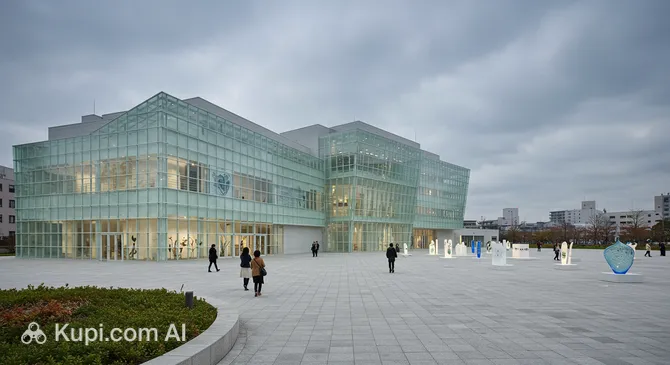
Toyama Glass Art Museum. Source: Kupi.Binoculars
  • Toyama has earned the nickname "City of Glass" due to its dedicated efforts to promote glass art over the past several decades. This artistic focus is beautifully embodied by the Toyama Glass Art Museum, which showcases exquisite contemporary works and helps train new generations of glass artists in the region.

  • The city is home to a location widely reputed to be one of the "world's most beautiful Starbucks." Situated within Kansui Park, the Kansui Park Lakeside Café features a stunning glass-walled design that offers panoramic views of the fugan canal and the illuminated Tenmon-kyo Bridge, making it a favorite spot for photographers.

  • Toyama Bay is famous for a magical natural phenomenon involving Firefly Squid, or Hotaru-ika. In the spring, thousands of these bioluminescent creatures rise to the surface, causing the coastline to glow with a mysterious electric blue light that illuminates the dark waters at night.

  • For over 300 years, the city has been known as the "Medicine City" of Japan. It developed a unique "use first, pay later" medicine distribution system where traveling peddlers would leave chests of herbal remedies in homes across the country, collecting payment only for what was used during their return visits.

How to Get There

Reaching this part of the Chubu region is convenient thanks to a variety of transport options. Whether you prefer flying or taking the train, the city is well-connected to major hubs across the country. You can read more about how to get to Toyama and plan the best route for your itinerary on our detailed page.

For those arriving by air, the most direct access is via Toyama Airport (TOY). Located within the city itself, it is a convenient regional gateway just 5.8 km from the center. A taxi or bus ride from here typically takes approximately 30 minutes. Alternatively, travelers often use Komatsu Airport (KMQ) in the city of Komatsu, which is situated about 80 km away. The transfer by road from Komatsu takes roughly 2 hours and 20 minutes. For extensive international connections, Chubu Centrair International Airport (NGO) in Nagoya is a major option. Although it is located about 207 km away, the journey typically takes around 3 to 3.5 hours by car.

For clarity, here is a summary of the main airports:

Airport Name City Passenger Traffic Km from City
Chubu Centrair International Airport Nagoya High 207.2
Komatsu Airport Komatsu Medium 79.6
Toyama Airport Toyama Medium 5.8
Noto Airport Wajima Low 70.0
Matsumoto Airport Matsumoto Low 86.5

In addition to air travel, Toyama is highly accessible by rail. The Hokuriku Shinkansen line connects the city directly to Tokyo and other major urban centers, offering a fast and scenic journey through the Japanese countryside. Local trains and highway buses also provide reliable services from neighboring prefectures.

Main Attractions

Toyama is a city where art, nature, and history converge seamlessly. While the city is famous for its glass art, it boasts several other fascinating locations that allow visitors to appreciate its rich culture and scenic beauty. Here are some of the top places to explore during your visit.

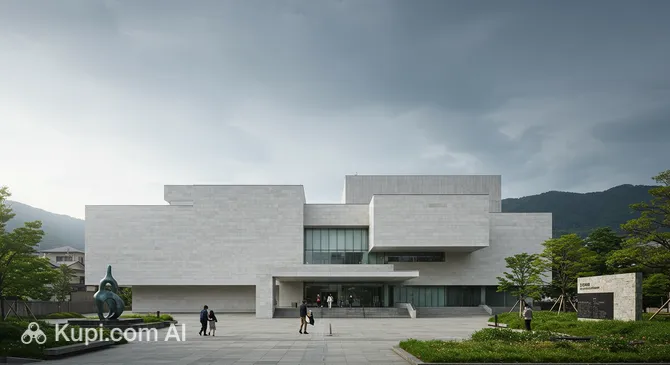
Located near the waterfront, the Toyama Prefectural Museum of Art and Design is a must-visit for culture enthusiasts. This modern facility features a vast collection of 20th-century art and design posters, but it is perhaps best known for its unique "Onomatopoeia Roof." This interactive rooftop garden offers a fun, family-friendly space with playground equipment inspired by Japanese sound words, all set against a backdrop of sweeping mountain views.

Toyama Prefectural Museum of Art and Design. Source: Kupi.Binoculars

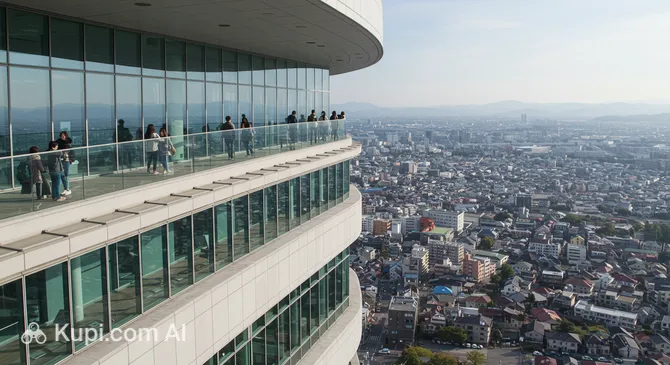
For one of the best vantage points in the city, head to the Toyama City Hall Observation Tower. Standing approximately 70 meters high, this observation deck provides a spectacular 360-degree panorama of the area. On clear days, visitors can witness the magnificent Tateyama Mountain Range rising majestically behind the urban landscape. It is a particularly attractive stop for travelers because admission is free, making it an accessible way to enjoy the city's skyline.

Toyama City Hall Observation Tower. Source: Kupi.Binoculars

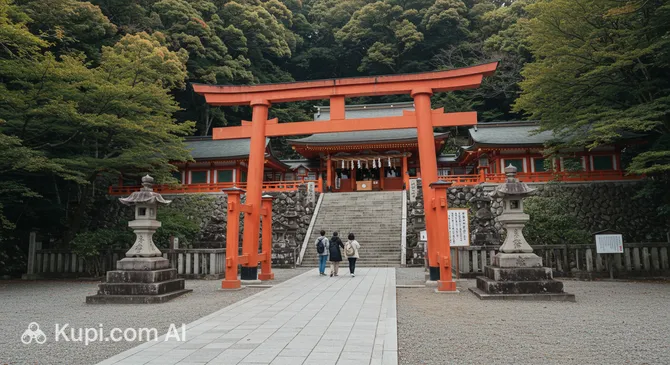
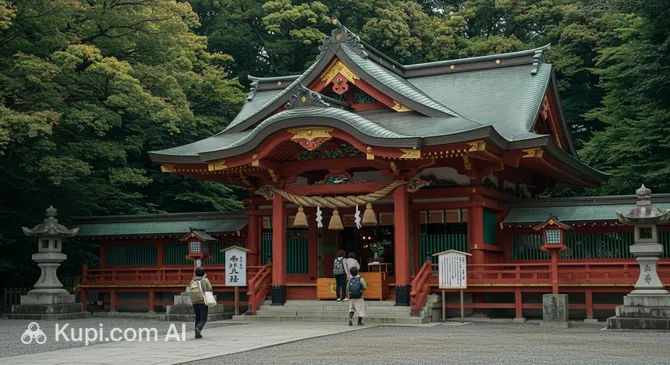
Known affectionately by locals as "Sanno-san," Hie Shrine serves as the spiritual heart of Toyama. This Shinto shrine has a deep historical connection to the city and is the venue for the Sanno Matsuri, the largest annual festival in the area. Tourists visit to soak in the tranquil atmosphere, admire the traditional architecture, and pray for good fortune, offering a peaceful retreat from the bustling city streets.

Hie Shrine. Source: Kupi.Binoculars

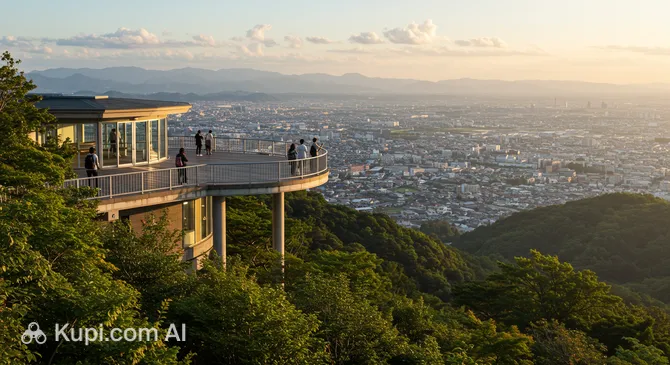
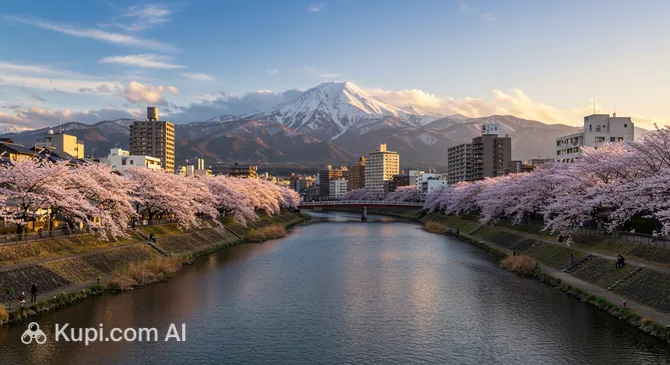
If you are looking for the iconic postcard view of the region, the Kurehayama Park Observatory is the perfect destination. Situated on a hill to the west of the city center, this spot offers a breathtaking perspective where the city sits in the foreground with the towering Northern Alps in the distance. It is especially popular during the spring, when cherry blossoms create a stunning contrast with the snow-capped peaks.

Kurehayama Park Observatory. Source: Kupi.Binoculars

Local Cuisine

Toyama is frequently described as a "natural fish tank" due to the incredible depth and topography of Toyama Bay, which yields some of the freshest seafood in Japan. A culinary journey here must begin with the "Jewel of Toyama Bay," the Shiro-ebi (white shrimp). These tiny, translucent shrimp are celebrated for their refined sweetness and are widely available throughout the city, served either as delicate raw sashimi or fried into a crispy tempura rice bowl known as shiro-ebi tendon.

Another signature dish that serves as both a meal and a popular souvenir is Masu Sushi. This is a traditional pressed sushi made from salted trout and vinegared rice, wrapped tightly in vibrant green bamboo leaves. Unlike the individual nigiri portions common elsewhere, Masu Sushi is typically pressed into a round wooden mold and sliced into wedges like a cake, offering a unique texture and a slightly tangy flavor profile that pairs excellent with tea.

For travelers seeking a heartier, savory option, Toyama Black Ramen is a local soul food that cannot be missed. True to its name, this noodle dish features a striking dark broth created from concentrated soy sauce. It is known for its bold, salty taste and is generously topped with roasted pork and coarse black pepper. Originally developed to provide salt and energy for manual laborers, it has evolved into a beloved regional specialty.

The region's gastronomy is perfectly complemented by its beverage culture. Blessed with pure snowmelt water flowing from the Northern Japan Alps, Toyama is a premier producer of high-quality sake (nihonshu). The local breweries craft rice wines that are renowned for their crisp, clean finish, making them the ideal accompaniment to the fresh seafood caught daily in the bay.

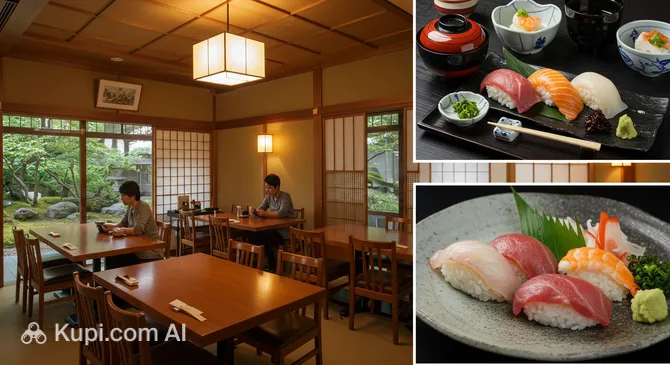
The dining scene in the city ranges from lively seafood markets near the station to quiet, artisanal shops. For a change of pace from savory dishes, visitors should explore the local dessert culture. Tsubomi is a wonderful place to experience this; it is a highly regarded shop specializing in traditional Japanese sweets. Here, you can enjoy refreshing shaved ice or anmitsu (a bowl of jelly, fruit, and sweet bean paste) in a relaxing atmosphere that reflects the city's appreciation for craftsmanship.

Tsubomi. Source: Kupi.Binoculars

Travel Tips

Exploring Toyama is a delight, but a few practical preparations can make your journey through this "City of Medicine" and glass art even smoother. Here is some essential advice to help you navigate the local culture and climate like a pro.

  1. Clothing and Gear: The weather here varies drastically by season. In winter, Toyama experiences heavy snowfall, so waterproof, non-slip boots are non-negotiable for navigating icy sidewalks safely. In summer, humidity is high, making breathable fabrics essential. Since you will likely visit shrines or traditional izakaya restaurants, wear shoes that are easy to slip on and off.

  2. Transportation: Toyama is famous for its modern and efficient tram network (LRT), which is the most convenient way to explore the city center. The "Centram" loop line covers many major attractions. While trains are reliable for intercity travel, renting a car is recommended if you plan to explore the remote parts of the Noto Peninsula or the mountain bases at your own pace.

  3. Finances: The local currency is the Japanese Yen (JPY). While major hotels and department stores accept credit cards, many smaller traditional shops, ticket machines, and local eateries still prefer cash. International ATMs are readily available at 7-Eleven convenience stores. Tipping is not practiced and can cause confusion; excellent service is simply the standard here.

  4. Health and Safety: Toyama is an incredibly safe city to walk in, even at night. A unique perk is the tap water, which flows from the Northern Alps and is renowned for its purity and taste—it is safe and delicious to drink. Pharmacies (look for "Drug Store") are common, but carrying a translation app is helpful as English-speaking staff may be rare.

  5. Communication: English signage is improving around the station and museums, but spoken English is not widely fluent among locals. Installing a translation app like Google Translate or DeepL is highly recommended for smooth interactions. Free Wi-Fi is available at major tourist spots, but purchasing an eSIM or renting a Pocket Wi-Fi ensures you stay connected everywhere.

  6. Local Etiquette: Politeness is paramount in Japanese culture. A slight bow is the standard greeting. When using public transport, keep your voice down and set your phone to silent mode. Be mindful of trash; public bins are scarce, so it is customary to carry your rubbish with you until you find a bin at a convenience store or your hotel.

  7. What to Avoid: Never walk on tatami mats with your shoes or even slippers on; always go barefoot or wear clean socks. Additionally, avoid sticking your chopsticks vertically into a bowl of rice, as this resembles a funeral ritual and is considered highly offensive.

  8. Bonus Tip: Many hotels in Toyama City offer guests a free tram pass valid during their stay. Be sure to ask the front desk upon check-in if they provide complimentary tickets for the tram lines, as this is a fantastic way to save money while sightseeing.

With these tips in hand, you are fully prepared to enjoy everything from the snowy peaks to the sparkling bay. We hope you have a wonderful and hassle-free adventure in Toyama!

Entertainment & Nightlife

When the sun sets, Toyama transforms into a welcoming hub of culinary delights and local conviviality. Unlike the frenetic energy of Japan's largest metropolises, the nightlife here is more relaxed and centered around dining and socializing. The heart of the action is Sakuragi-cho, the city's premier entertainment district. Located just south of the main station area, this bustling neighborhood is packed with hundreds of establishments, including traditional izakaya (Japanese pubs), chic cocktail bars, and karaoke lounges. It is the perfect place to experience the local drinking culture, where the atmosphere is safe, friendly, and authentic.

For a truly relaxing evening experience that goes beyond food and drink, we highly recommend a visit to Manten-no-Yu Toyama. This large public bath complex, known locally as a "Super Sento," is a favorite spot for winding down after a long day of sightseeing. Open until late, it offers a variety of indoor and outdoor baths where you can soak away your fatigue while enjoying a quiet moment away from the city noise.

Manten-no-Yu Toyama. Source: Kupi.Binoculars

While the nights are for relaxation, the daytime offers engaging entertainment for diverse interests. Families and nature lovers should explore Toyama Family Park, a sprawling zoo and recreational area integrated into the local forest landscape. It is an excellent venue for seeing Japanese wildlife up close. For those with a curiosity for the natural world, the Toyama Science Museum features interactive exhibits that are both educational and fun. Additionally, sports fans might find events taking place at the Toyama City General Gymnasium, which is conveniently located near the scenic Kansui Park.

Toyama Family Park. Source: Kupi.Binoculars

If you are planning a night out in Sakuragi-cho, the peak hours are generally between 7:00 PM and 10:00 PM. The dress code is almost exclusively casual, making it easy to hop from one venue to another. Budget-wise, expect to spend around 3,000 to 5,000 JPY per person for a meal with drinks. regarding safety, Toyama is exceptionally safe for night walks. However, be aware that public trams and buses typically stop running around 11:00 PM. If you stay out later, taxis are plentiful near the station and the main entertainment streets, providing a reliable way to return to your hotel.

Parks & Museums

Toyama seamlessly integrates its rich cultural history with beautifully maintained public spaces. Beyond the famous glass artworks, the city offers tranquil gardens and specialized museums that allow visitors to deepen their understanding of the region's heritage and natural beauty.

One of the city's most beloved green spaces is Kansui Park. Located just a short walk from the station, this waterfront park is centered around the historic Fugan Canal. It is famous for the iconic Tenmon-kyo Bridge, which features observation towers at both ends, offering lovely views of the expansive lawns and the water below. It is a perfect spot for a leisurely stroll or a picnic, providing a refreshing escape from the urban environment.

Kansui Park. Source: Kupi.Binoculars

For a touch of history amidst nature, Toyama Castle Park is an essential stop. While the main keep is a reconstruction that houses a local history museum, the surrounding park retains the original moat and impressive stone walls. The grounds are particularly stunning in spring when the cherry blossoms reflect off the water, and the on-site Japanese garden offers a peaceful setting for contemplation throughout the year.

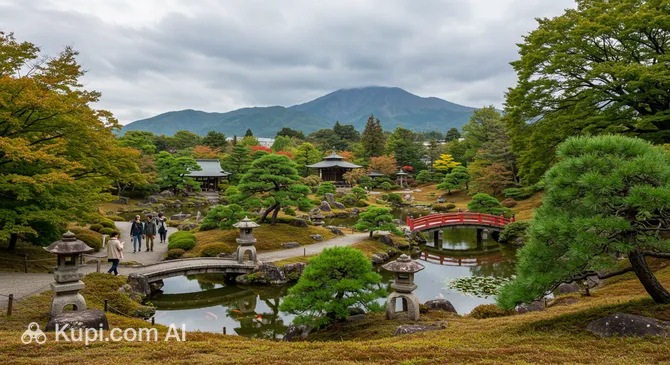
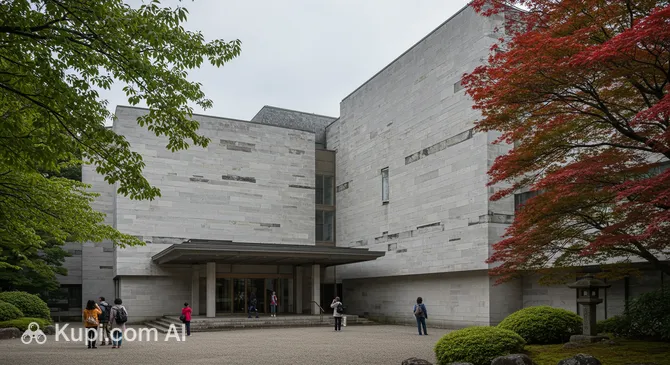
Art lovers seeking a quiet and contemplative experience should visit the Toyama Prefectural Museum of Ink Painting. This museum is dedicated to the art of suibokuga (ink wash painting) and displays a refined collection of modern Japanese works. The architecture itself is a highlight, featuring a low, elegant design that harmonizes with the surrounding greenery, and it includes a traditional tea room where visitors can enjoy matcha while overlooking a serene garden.

Toyama Prefectural Museum of Ink Painting. Source: Kupi.Binoculars

To understand the traditional lifestyle of the region, a trip to the Toyama Municipal Folkcraft Village is highly recommended. Nestled in the wooded hills west of the city, this area comprises several small museums showcasing everything from local pottery and medicine peddling history to traditional architecture. It feels like stepping back in time to a quieter, rural Japan.

Another site of spiritual and architectural significance is the Toyama Gokoku Shrine. Known for its solemn atmosphere and impressive main hall, this shrine is dedicated to the spirits of those who died in wars. The spacious grounds provide a sense of solemnity and peace, and the shrine hosts flourishing flea markets on the first Sunday of every month, attracting locals and tourists alike.

Toyama Gokoku Shrine. Source: Kupi.Binoculars

For a unique perspective of the city's greenery, consider taking a cruise on the Matsukawa River. The riverboats offer a scenic tour beneath tunnels of cherry trees, which is especially magical during the hanami season in early April, offering a view that rivals the most famous spots in the country.

Getting Around

Toyama is widely recognized for having one of the most efficient and user-friendly public transport systems in the region, centered around its modern Light Rail Transit (LRT) network. The city has adopted a "Compact City" design, meaning that most major tourist attractions, hotels, and shopping districts are easily accessible via the tram lines that radiate from the central station. For visitors, the tram is the primary and most convenient mode of travel.

The tram network consists of the City Tram, which serves the downtown area south of the station, and the Toyama Light Rail, known as "Portram," which connects to the northern port area. A highlight for tourists is the "Centram," a loop line that circles the city center, stopping near key landmarks such as the castle and the glass museum. These trams are modern, low-floor vehicles that offer a smooth ride and large windows for sightseeing. They typically run frequently, often every 10 to 15 minutes, from early morning until around 11:00 PM.

For destinations not covered by the rail tracks, an extensive bus network fills the gaps. The "Maidohaya" community bus is a blue-colored loop bus that navigates the narrower streets of the central districts, making it perfect for short hops. For trips to the suburbs or the mountains, the Toyama Chiho Railway (Chitetsu) trains and buses provide reliable connections, serving as the gateway to the famous alpine routes and hot spring resorts outside the main city limits.

The payment system is straightforward and tourist-friendly. The city trams operate on a flat-fare system, costing approximately 210 JPY per ride for adults, regardless of the distance traveled within the designated zone. While cash is accepted (exact change is required), the most convenient method is using a prepaid IC card. Nationwide compatible cards such as Suica, PASMO, and ICOCA are accepted on all tram lines and major bus routes. Locals use the regional "ecomyca" card, but your standard travel card from other major cities will work perfectly.

If you plan to explore multiple sites in a single day, purchasing a 1-Day Pass is highly recommended. The "Toyama City Tram & Bus 1-Day Pass" allows for unlimited rides on the trams and flat-fare bus zones, offering significant savings and the freedom to hop on and off as you please. These passes can be purchased at the Toyama Station ticket center, at major hotels, or sometimes directly from the tram driver using cash.

When using public transport here, the general rule is to board from the rear door and exit from the front. If you are paying with cash on a bus with variable fares, take a small numbered ticket from the dispenser when you enter to determine your fare upon arrival. If you are using an IC card, simply tap the reader at the entrance and again at the exit. On the flat-fare trams, you only need to pay or tap when you exit.

For those who prefer a more active way to see the city, Toyama offers an excellent bike-sharing service called "Cyclocity." With numerous docking stations scattered throughout the city center, you can easily rent a bicycle for a small fee and return it to a different station. Given the city's relatively flat terrain, cycling is a popular and pleasant alternative. Taxis are also readily available at the station and near major hotels, offering a comfortable but more expensive option for late-night travel or carrying heavy luggage.
Accommodation

Where to Stay:

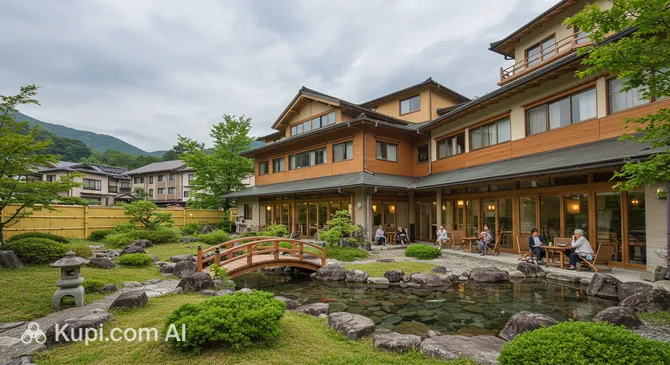
Toyama offers a diverse selection of accommodation options suited to various travel styles and budgets. Visitors can choose from efficient business hotels, comfortable mid-range Western-style establishments, and traditional Japanese inns known as ryokan. Whether you are looking for a quick stopover before heading to the Alpine Route or a relaxing stay with local hospitality, the city has plenty to offer.

The most convenient area for tourists is undoubtedly the district surrounding Toyama Station. Staying here provides immediate access to the Shinkansen, the local tram network, and the bus terminals, making it an ideal base for day trips. The area is populated with numerous modern hotels that cater to both business and leisure travelers. For those seeking a quieter atmosphere, the areas near the castle park offer scenic views and a more relaxed environment, yet remain within walking distance of the city center.

As a general tip, it is highly recommended to book your accommodation well in advance, especially if you plan to visit during peak seasons. The weeks following the opening of the Tateyama Kurobe Alpine Route in mid-April and the dates surrounding the famous Owara Kaze-no-Bon festival in early September are particularly busy, and rooms across the city can fill up very quickly.

Price ranges in Toyama are generally reasonable compared to major metropolitan areas like Tokyo or Osaka. Budget travelers can find economical business hotels and hostels, while mid-range options offer spacious rooms and enhanced amenities. Booking is easily done through major international online platforms, though some smaller traditional inns on the outskirts may prefer direct inquiries.

Nearby Cities

For those looking to explore the surroundings, Toyama serves as an excellent base for day trips to several interesting nearby locations:

City Population Distance (km)
Takaoka 165,880 18
Imizu 90,201 13
Nanao 51,001 45
Tonami 47,638 23
Nanto 47,390 35

Just a short train ride west of Toyama lies Takaoka, a city rich in history and traditional craftsmanship. It is famous for the Takaoka Daibutsu, one of Japan's three great Buddha statues, and the magnificent Zuiryu-ji Temple, a designated National Treasure. Takaoka is also the birthplace of the creator of the beloved anime character Doraemon, and visitors can find whimsical statues and a dedicated gallery in the city.

For a journey into rural Japan's past, Nanto offers an unforgettable experience. This area is home to the Gokayama region, a UNESCO World Heritage site known for its traditional gassho-zukuri farmhouses. Villages like Ainokura and Suganuma feature these steep thatched-roof houses set against a backdrop of mountains, providing a picturesque and serene escape that feels worlds away from modern city life.

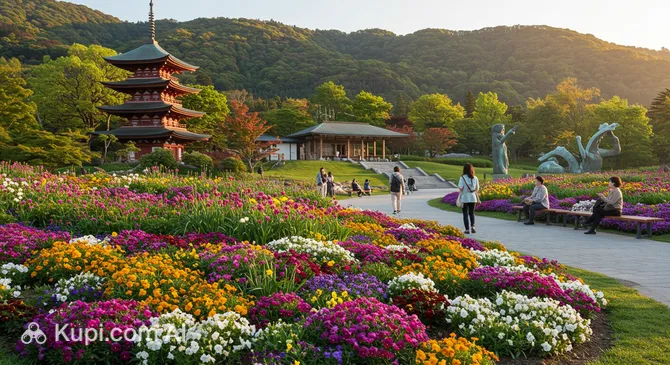
Another delightful destination is Tonami, widely recognized as the city of tulips. If you are visiting in late April or early May, the Tonami Tulip Fair is a spectacular event showcasing millions of blooming flowers in vibrant patterns. Even outside the festival season, the Tulip Park and the distinct rural landscape of dispersed settlements make for a pleasant visit.

These nearby destinations offer a glimpse into the diverse culture and landscapes of the region, making them perfect additions to your itinerary.

Shopping & Souvenirs

Shopping in Toyama

Shopping in Toyama offers a delightful mix of modern convenience and traditional charm. While it may not have the overwhelming scale of Tokyo or Osaka, the city provides a curated selection of high-quality department stores, bustling arcades, and specialized shops. The retail scene here is particularly strong in local craftsmanship, making it an excellent place to find unique items that reflect the region's heritage, from intricate glassworks to famous pharmaceutical products and delicious seafood delicacies.

The most convenient shopping district for travelers is the area immediately surrounding Toyama Station. This hub has been extensively renovated and is home to several commercial complexes that cater to visitors looking for last-minute gifts or fashion. For a more authentic local vibe, head to the Sogawa District in the city center. This area features traditional covered shopping arcades (shotengai) where you can stroll rain or shine, browsing through a variety of independent boutiques, old-fashioned tea shops, and clothing stores.

For those seeking a comprehensive shopping experience, the city boasts several noteworthy malls and department stores. Daiwa Toyama, located within the Sogawa Ferio complex, is the region's premier department store, offering luxury international brands, cosmetics, and a basement food hall filled with gourmet treats. Near the station, Marier Toyama and the CiC building are popular choices, housing fashion retailers, bookstores, and lifestyle shops that appeal to a younger crowd.

Markets in Toyama are less about chaotic bargaining and more about high-quality local produce. The Toyama Marche, located directly within the station, functions as a modern marketplace where you can find the best of the prefecture's food products all in one place. It is the perfect spot to browse for seafood products without needing to visit a wet market. For a more traditional atmosphere, the monthly flea market at the Toyama Gokoku Shrine (held on the first Sunday of the month) is a treasure trove for antiques, second-hand kimonos, and handmade crafts.

When it comes to souvenirs, Toyama has several signature items that are highly recommended. Glass art is a top choice, and you can find exquisite pieces at the shop inside the Toyama Glass Art Museum. Another unique gift is the traditional paper-wrapped medicine; the retro packaging is charming and reflects the city's history as a pharmaceutical hub. Foodies should look for Masu Sushi (trout sushi wrapped in bamboo leaves) and Shiro-ebi crackers (made from the local white shrimp), both of which are lightweight and travel well.

Stores in Toyama generally open around 10:00 AM and close between 7:00 PM and 8:00 PM. While major department stores, shopping malls, and station shops accept credit cards and IC cards (like Suica), many smaller family-run shops in the arcades or flea markets still operate on a cash-only basis. It is always wise to carry sufficient Japanese Yen with you when exploring the local streets.

Tax-free shopping is available for international tourists at major establishments, including Daiwa department store, large electronics retailers, and souvenir shops inside Toyama Station. Look for the "Japan. Tax-Free Shop" symbol at the entrance or cash register. To claim the refund, you will need to present your passport (copies are not accepted), and the purchase total usually needs to exceed 5,000 JPY (excluding tax).

Reached the end of the page?

That means the route is fully explored