Support

Niigata

About

Welcome to Niigata, the bustling capital of Niigata Prefecture and a major port city on the northwest coast of Honshu. As the largest city on the Sea of Japan coast, it serves as a vital economic and cultural hub in this region of Japan. With a population of approximately 790,000 residents, the city offers a perfect blend of urban convenience and rich natural beauty, characterized by its famous waterways and close proximity to the sea.

The city is renowned for its distinct climate, particularly its snowy winters which contribute significantly to the region's agricultural success. This environment is crucial for producing some of the country's highest quality rice and sake. Exploring the history of Niigata reveals its long-standing importance as a port town, which was one of the first five ports opened to international trade in the 19th century. Today, this heritage blends seamlessly with modern developments, creating a unique atmosphere that captivates visitors.
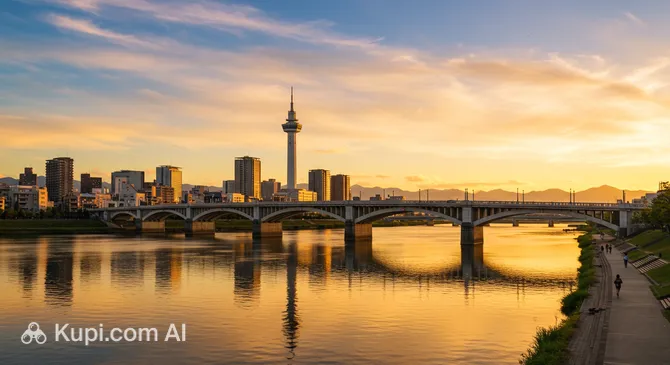
Niigata. Source: Kupi.Binoculars

Travelers are often drawn to Niigata for its exceptional culinary scene. The city is famous for its premium Koshihikari rice and incredibly fresh seafood, making it a true paradise for sushi lovers. A stroll across the iconic Bandai Bridge, a designated Important Cultural Property, offers lovely views of the Shinano River, especially when illuminated at night. Additionally, sake enthusiasts should not miss the opportunity to visit local tasting venues to sample the region's celebrated beverages.

Whether you are interested in gastronomic adventures, historical sightseeing, or simply enjoying the scenic coastal landscapes, Niigata has something special to offer. It is a welcoming destination that invites you to experience the authentic flavors and warm hospitality of the Sea of Japan coast.
Weather Overview

Niigata experiences a climate defined by distinct seasonal changes, offering travelers a different atmosphere depending on the time of year. Winters are typically cold and damp, with January being the coldest month, featuring an average temperature of 2.8°C and lows dipping to around 0.8°C. This season is also characterized by frequent precipitation, with December and January recording up to 27 wet days each, making warm clothing and rain gear essential.

Summer brings significantly warmer conditions, peaking in August with an average temperature of 26.7°C and daily highs reaching nearly 30°C. Spring and autumn provide milder transitions; for instance, May offers a pleasant average of 16.2°C, while October sees temperatures cooling to around 16.8°C. Overall, visitors should expect warm summers with occasional rain and cold, wet winters.

Because precipitation is a common occurrence throughout the year, it is wise to consult the current forecast before your trip. You can find more detailed information about the weather in Niigata to help pack appropriately for your visit.

Interesting Facts

Beyond the main attractions and scenic landscapes, Niigata holds many fascinating secrets that showcase its unique local culture. From innovative ways to enjoy traditional beverages to a deep-rooted connection with pop culture, here are some surprising insights into this port city.

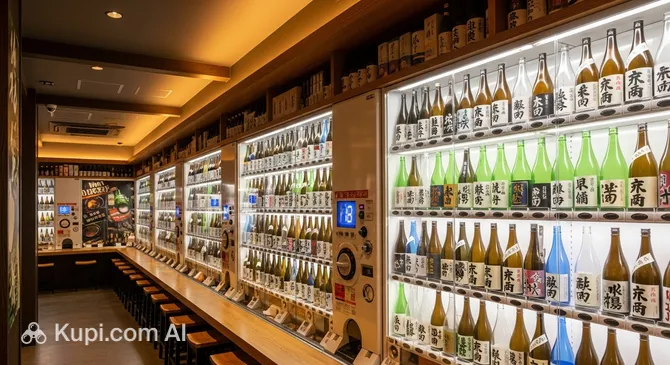
  • Niigata is often celebrated as a premier destination for sake lovers, but it takes tasting to a new level with "sake vending machines." At Ponshukan, located within the train station, visitors can sample over 100 different varieties of local rice wine by simply inserting a coin and pressing a button.

  • The city is a powerhouse in the world of Japanese comics, having produced an unusually high number of famous manga artists, including the creators of Inuyasha and Rurouni Kenshin. This artistic heritage is proudly displayed at the Niigata Manga House, where visitors can explore the history of the genre for free.

  • While sushi is a culinary staple here, a humble dish known as "Bus Center Curry" has achieved legendary status among locals. Served at Bandai Standing Soba & Curry, this distinctively bright yellow curry is thick, spicy, and widely regarded as a must-try soul food.

  • Niigata was historically crisscrossed by canals lined with weeping willows, earning it the poetic nickname "The City of Willows" (Yanagi-Miyako). Although many canals have been filled in for modern roads, the willow remains a cherished symbol of the city's nostalgic past, particularly in the historic Furumachi district.

Ponshukan. Source: Kupi.Binoculars

How to Get There

Planning a trip to this coastal city involves choosing the right mode of transport, and you can find more about how to get to Niigata to help organize your itinerary. The most direct air route is via Niigata Airport (KIJ), which is conveniently situated within the city itself. As a key regional transport hub, it handles over a million passengers annually. Since the airport is located just 6.1 km from the city center, the transfer is quick and easy; a taxi or bus ride takes approximately 30 minutes.

For travelers who cannot find suitable flights directly to Niigata, Sendai Airport (SDJ) in the city of Sendai serves as a larger alternative gateway to the region. However, it is important to note that Sendai Airport is located about 164 km away. Choosing this landing point involves a much longer onward journey, taking roughly 4.5 hours by road to reach Niigata. Other regional airports like Shonai and Fukushima are also available but are smaller and situated at a considerable distance.

For clarity, here is a summary of the main airports:

Airport Name City Passenger Traffic Km from City
Sendai Airport Sendai High 164.1
Niigata Airport Niigata Medium 6.1
Shonai Airport Sakata Small 117.4
Fukushima Airport Fukushima Small 142.6
Junmachi Airport Yamagata Small 126.6

In addition to air travel, Niigata is well-integrated into Japan's high-speed rail network. The city is the northern terminus of the Joetsu Shinkansen line, providing a fast and direct connection from Tokyo Station. This makes train travel a highly popular and efficient option for visitors coming from the capital or other parts of Honshu.

Main Attractions

Niigata offers a diverse array of attractions that reflect its status as a historic port city and a cultural center on the Sea of Japan. From marine life to architectural marvels, the city provides engaging experiences for history buffs, nature lovers, and urban explorers alike.

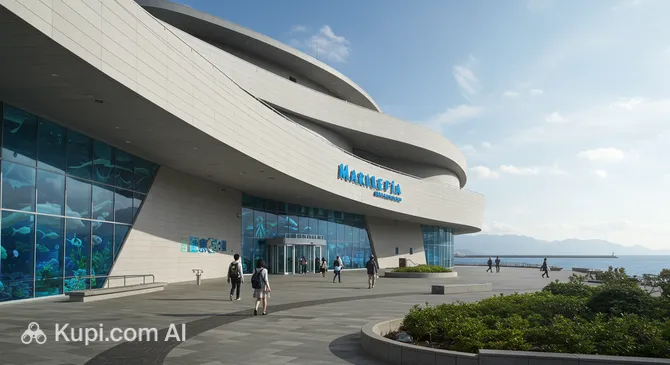
One of the most popular destinations for families and nature enthusiasts is the Marinepia Nihonkai Aquarium. Situated right on the coast, this expansive facility is one of the largest aquariums on the Sea of Japan side. It features a dynamic dolphin show and a mesmerizing marine tunnel that allows visitors to walk beneath swimming fish. The exhibits focus on the marine ecosystem of the Sea of Japan, offering a fascinating educational insight into the local aquatic environment.

Marinepia Nihonkai Aquarium. Source: Kupi.Binoculars

For those interested in the region's heritage, the Niigata City History Museum (Minatopia) is an essential stop. Located in a beautifully preserved area that includes the former Niigata Customs House, the museum showcases the city's development as a major port town. The site itself is picturesque, featuring Western-style architecture from the Meiji era and offering lovely views of the Shinano River, making it a perfect spot for a leisurely historical walk.

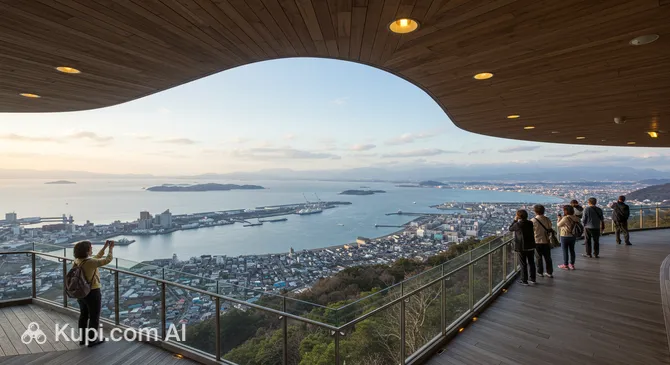
To see the city from a different perspective, head to the Bakauke Observation Deck. Located on the 31st floor of the Toki Messe convention center, this observation point offers breathtaking 360-degree panoramic views of Niigata City, the Sea of Japan, and, on clear days, Sado Island in the distance. It is a fantastic spot to watch the sunset over the harbor, and the fact that admission is typically free makes it an attractive stop for any traveler.

Bakauke Observation Deck. Source: Kupi.Binoculars

Visitors seeking tranquility and traditional beauty should visit the Saito Villa. This magnificent summer residence was built by a wealthy merchant family in the early 20th century and is a splendid example of modern Japanese architecture. The villa is renowned for its exquisite strolling garden, which is designed to be viewed from inside the house. The seamless integration of the indoor and outdoor spaces creates a peaceful atmosphere, allowing guests to experience the refined lifestyle of Niigata's historical elite.

Local Cuisine

Niigata is widely recognized as one of Japan's premier gastronomic destinations, largely due to its reputation as the country's "Rice Kingdom." The combination of nutrient-rich soil and pristine meltwater produces the famous Koshihikari rice, which serves as the foundation for the city's culinary identity. This exceptional rice is not only a staple side dish but also the key ingredient in many local specialties, ensuring that even the simplest meal here is of high quality.

One of the most beloved local dishes is Tare Katsudon. Unlike the standard pork cutlet bowl found elsewhere in Japan, which is typically simmered with egg and broth, Niigata's version features thin, crispy cutlets dipped in a savory soy-based sauce and served over plain rice. For noodle enthusiasts, Hegi Soba is a must-try. These buckwheat noodles are bound with funori (seaweed), giving them a unique smooth texture and a slight green hue. They are traditionally served in bite-sized bundles on a rectangular wooden tray known as a "hegi."

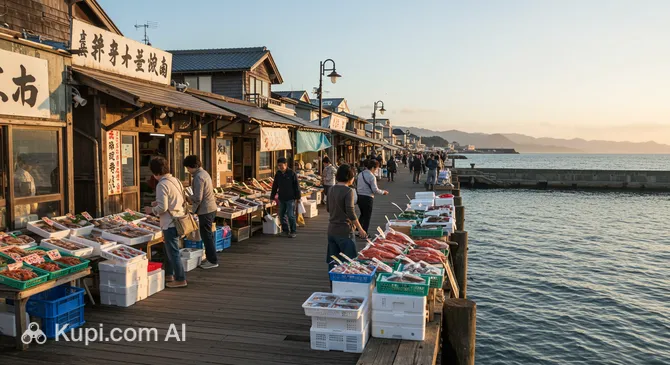
Given its coastal location, the city offers an abundance of fresh seafood. To experience the vibrant local food culture firsthand, travelers should visit Minato Marche Pier Bandai. This lively market acts as the city's kitchen, where visitors can buy fresh fish, meat, and vegetables. It is an excellent spot to enjoy "Hamayaki" (seafood grilled right on the spot) or sample superb sushi made with the morning's catch.

Minato Marche Pier Bandai. Source: Kupi.Binoculars

Niigata is also a hidden gem for ramen lovers, boasting a high consumption rate and distinctive local styles. For a taste of the popular local ramen scene, you might stop by Ramen Ittouya, which is known for its rich broth and large, tender roasted pork toppings. Another traditional favorite is Wappa-meshi, a dish consisting of rice topped with seasonal ingredients like salmon and roe, steamed in a round container made of thin cedar wood, which imparts a delicate fragrance to the food.

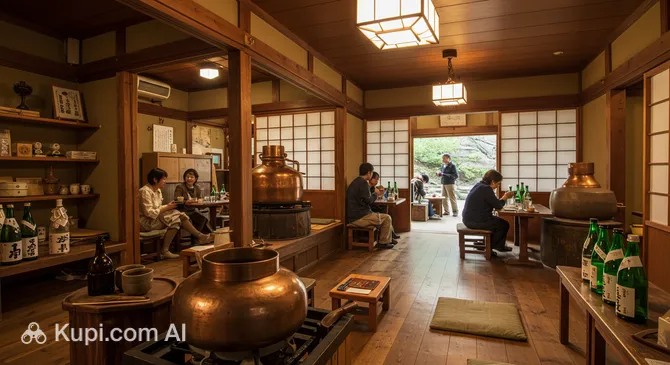
No culinary tour of Niigata would be complete without exploring its legendary sake culture. The region boasts the largest number of sake breweries in Japan, producing a style known as tanrei karakuchi—crisp, dry, and clean. Visitors interested in the brewing process can tour the Imayotsukasa Sake Brewery, located within walking distance of the main station. Here, you can learn about the craftsmanship behind the drink and enjoy tastings in a beautifully preserved historical setting.

Imayotsukasa Sake Brewery. Source: Kupi.Binoculars

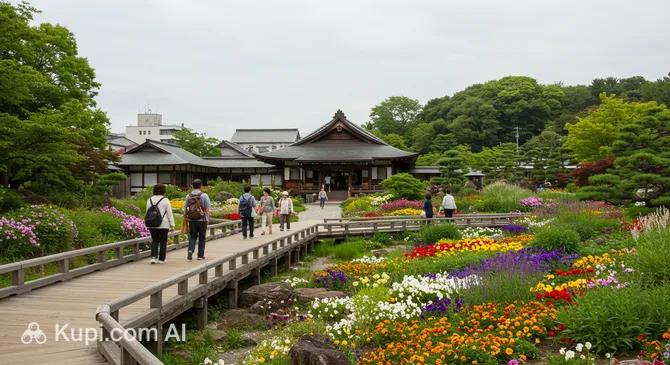
For a broader experience of the region's food education and floral beauty, the Ikutopia Shoku Hana complex offers facilities dedicated to food and flowers, including restaurants that highlight locally grown ingredients. Whether you are dining in a high-end restaurant or grabbing a quick bite at a market, the freshness of the ingredients in Niigata is sure to leave a lasting impression.

Travel Tips

To ensure your journey to this snowy port city is as smooth as the sake it produces, a little preparation goes a long way. While Japan is generally very traveler-friendly, Niigata has its own regional quirks, particularly regarding its climate and local lifestyle. Here are some practical tips to help you navigate the city with confidence and ease.

  1. Clothing and Gear: Niigata is known for its heavy snowfall in winter, so if you visit between December and March, waterproof, non-slip boots and a warm down jacket are non-negotiable. The streets can get icy, so footwear with good grip is essential. Summers, conversely, are hot and humid, requiring breathable fabrics. Since you may visit traditional restaurants or heritage sites like the Saito Villa, pack shoes that are easy to slip on and off.

  2. Transportation: The city center is relatively compact, but the best way for tourists to get around is the Niigata City Loop Bus. It connects major attractions like the aquarium, museum, and Pier Bandai. You can purchase a one-day pass for unlimited rides, which is very economical. Taxis are readily available at the station, and standard Japanese IC cards (like Suica or Pasmo) work on most trains and buses here.

  3. Finances: The currency is the Japanese Yen (JPY). While credit cards are accepted in department stores and major hotels, Niigata still has a strong cash culture, especially at local markets like Pier Bandai or small ramen shops. It is wise to carry cash. International ATMs are easily found at 7-Eleven convenience stores and Japan Post branches if you need to withdraw money. Tipping is not practiced and can even cause confusion.

  4. Health and Safety: Niigata is an extremely safe city with low crime rates. For minor health issues, look for drugstores (often marked with the character 薬 or "Kusuri"), which are plentiful. Tap water is safe to drink. In an emergency, dial 119 for an ambulance or fire department. If you visit in winter, be cautious of falling snow from roofs, a common hazard in this region.

  5. Communication: While staff at major hotels may speak English, it is less common in local izakayas or taxis. It is highly recommended to have a translation app like Google Translate downloaded on your phone. Renting a Pocket Wi-Fi or buying a tourist SIM card at the airport is crucial for navigation and translation. A simple "Arigato gozaimasu" (Thank you) is always appreciated.

  6. Local Etiquette: Politeness is key. When entering fitting rooms, traditional inns, or some restaurants, you must remove your shoes. On public transport, keep your voice down and avoid talking on the phone. When paying at a register, place your money in the small tray provided rather than handing it directly to the cashier.

  7. What to Avoid: Do not stick your chopsticks vertically into a bowl of rice; this resembles a funeral ritual and is considered very bad luck. Also, avoid eating or drinking while walking down the street, as it is generally seen as unmannerly, although designated areas at food markets are an exception.

  8. Local Insight: Take advantage of the "Sake Coin" system at Ponshukan in Niigata Station. It is not just a drinking spot but a great place to find souvenirs. If you find a sake you like from the vending machines, note the brand, as these local bottles make excellent gifts that are hard to find outside the prefecture.

By keeping these practicalities in mind, you will be well-equipped to explore the "City of Water" like a pro. Niigata's charm lies in its blend of snowy traditions and modern warmth, and with the right preparation, you are set for an unforgettable experience on the Sea of Japan coast.

Entertainment & Nightlife

Nightlife in Niigata reflects the city's reputation as a gastronomic haven, focusing less on raucous nightclubs and more on high-quality dining, izakaya hopping, and sophisticated drinking experiences. As the sun sets, the city transforms into a welcoming destination where locals unwind with exceptional sake and fresh seafood. The atmosphere is generally relaxed and friendly, making it easy for visitors to mingle with residents in cozy establishments without the need for a strict dress code.

The main hub of evening entertainment is the historic Furumachi district. Once a flourishing geisha quarter comparable to Kyoto’s Gion, it retains a nostalgic charm with its narrow alleys and traditional architecture. Here, you will find a dense concentration of bars, small eateries, and high-end restaurants. It is the perfect place to experience "hashigo-zake," the Japanese art of bar hopping. Another bustling area is around Niigata Station, which offers a more modern vibe with convenient access to lively izakayas and standing bars that cater to commuters and travelers alike.

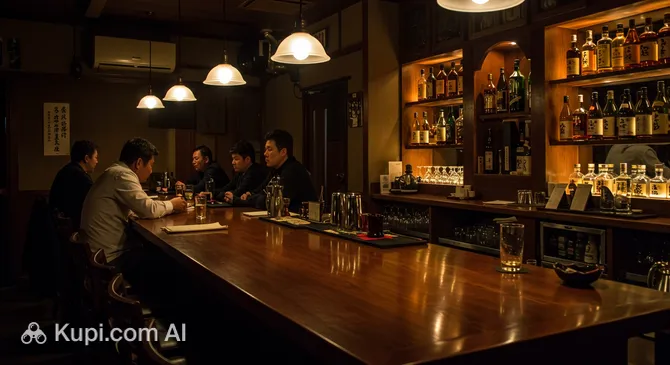
For those looking to enjoy a stylish evening with good drinks, Bistro Tsubaki is a popular choice. Located centrally, this venue offers a warm atmosphere where guests can enjoy charcoal-grilled dishes paired with wine or sake. It represents the modern side of Niigata's nightlife, blending local ingredients with a bistro style that appeals to a diverse crowd. Many venues in the city stay open until late, often around 2:00 AM or 3:00 AM on weekends, though some smaller family-run spots may close earlier.

Bistro Tsubaki. Source: Kupi.Binoculars

Practicality is key when enjoying a night out here. The city is extremely safe, and walking between bars in the central districts is common and secure. However, public transport, including trains and buses, typically stops running around midnight. If you plan to stay out later, taxis are readily available at the station and near major intersections in Furumachi. Prices are reasonable, but it is always wise to have cash on hand, as some smaller traditional bars may not accept credit cards.

Before the evening festivities begin, the city offers plenty of daytime entertainment to fill your schedule. Art enthusiasts can explore the Niigata City Art Museum, which features works by artists associated with the city as well as modern Japanese art. Alternatively, families and science buffs might enjoy a visit to the Niigata Science Museum, which offers interactive exhibits and a planetarium, providing a fun and educational way to spend the afternoon before heading out for dinner.

Parks & Museums

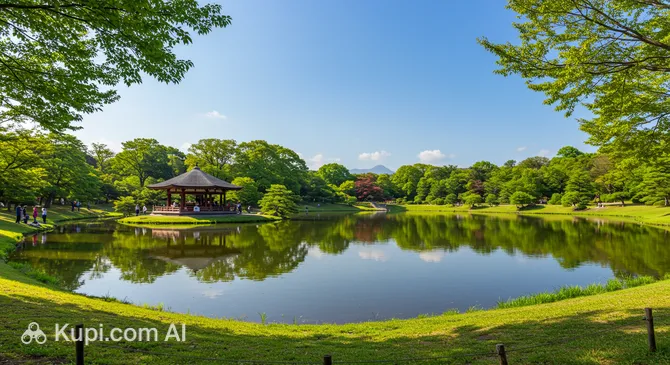
Niigata complements its busy port atmosphere with a variety of serene green spaces and cultural institutions that celebrate the city's rich heritage. For a peaceful retreat in the city center, Hakusan Park is the premier destination. Established in 1873 as one of Japan's first public parks, it features traditional Japanese landscaping with ponds, seasonal flowers, and shaded paths. It is connected to the impressive Hakusan Shrine Torii Gate, inviting visitors to explore one of the region's most important spiritual sites.

Hakusan Park. Source: Kupi.Binoculars

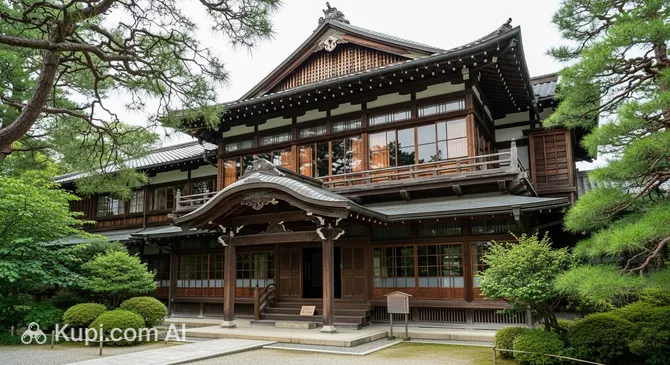
For a deep dive into local history, the Former Ozawa Family Residence is a must-visit. This beautifully preserved merchant house offers a glimpse into the domestic life of Niigata’s prosperous trading families during the Meiji era. Guests can admire the elegant architecture and the exquisite garden, which is designed to be viewed from the tatami rooms, creating a living painting of nature.

Former Ozawa Family Residence. Source: Kupi.Binoculars

Art enthusiasts will appreciate the Niigata Bandaijima Art Museum, situated within the modern Toki Messe convention center. Unlike traditional galleries, this museum focuses on contemporary works and diverse exhibitions from around the world. Its waterfront location also provides stunning views of the harbor, merging artistic appreciation with the beauty of the cityscape.

Those seeking tranquility near the coast should visit the Niigata Gokoku Shrine. Nestled within a lush forest, the shrine grounds offer a quiet escape from the urban bustle. The spacious approach and majestic structures make it a solemn and refreshing spot for a reflective walk, allowing travelers to experience the spiritual side of Niigata.

Getting Around

Navigating Niigata is relatively straightforward, though it differs from Japan's larger metropolises as the city does not have an underground metro system. Instead, the public transport network relies heavily on an extensive bus system and local trains. The backbone of the city's transit is the Bus Rapid Transit (BRT) system, known as the "Bandai-bashi Line." These distinctive twin-articulated red buses connect the main hub, Niigata Station, with the central Furumachi district and other key areas, running frequently and efficiently along dedicated lanes.

For visitors, the most convenient option is often the Niigata City Loop Bus. This sightseeing-oriented service circles the major tourist attractions, including the aquarium, museums, and shopping districts. The buses are easily recognizable by their unique designs, often featuring manga characters or dog illustrations. A one-day pass for this loop bus is highly recommended; it is affordable and allows for unlimited hop-on, hop-off travel, making it the perfect tool for a day of exploration.

Paying for transport is simple. Niigata accepts major Japanese IC cards like Suica and Pasmo on the BRT, most local buses, and trains. If you do not have an IC card, you can pay with cash. When boarding a local bus, enter through the rear door and take a small numbered ticket from the machine. This ticket indicates your starting zone. When you exit at the front, match your number to the electronic fare display board to determine the cost, and drop the exact change along with the ticket into the fare box. Change machines are available on board for 1,000 yen bills and coins.

A unique and scenic way to travel across the city is the Shinano River Water Shuttle. This water bus serves as both a practical transport mode and a leisure cruise, connecting key waterfront locations such as Toki Messe, Bandai City, and the Minatopia historical area. It offers a relaxing alternative to road transport, allowing you to enjoy the city skyline and the gentle breeze of Japan's longest river while moving between attractions.

For those who prefer more independence, renting a bicycle is an excellent choice. Niigata is relatively flat, and the city operates a convenient "Rent-a-Cycle" service with multiple rental stations, including one near the station. Taxis are also plentiful and safe, though significantly more expensive than public transport; they are best reserved for late-night travel when buses have stopped running or for reaching destinations not served by the main routes. Car rentals are available but are generally only necessary if you plan to explore the wider prefecture beyond the city limits.

Accommodation

Finding the perfect place to stay in Niigata is relatively easy, as the city offers a wide spectrum of accommodation options to suit various travel styles and budgets. Visitors can choose from efficient business hotels, comfortable mid-range establishments, and guest houses, as well as a few luxury options that provide sweeping views of the river and the Sea of Japan. While the city is modern, travelers looking for a more authentic Japanese experience can also find traditional ryokans (inns), particularly in the older districts or on the outskirts.

The most convenient area for tourists is undoubtedly around Niigata Station. Staying here grants immediate access to the Shinkansen and local transit lines, making it an ideal base for those planning day trips or arriving late. This area is densely packed with reliable business hotels that offer clean, compact rooms and essential amenities. Just a short distance away is the Bandai City area, a modern shopping and commercial district situated between the station and the Shinano River. This neighborhood is popular for travelers who want to be close to major shopping centers and the bus center.

For those interested in nightlife and history, the Furumachi district offers a different atmosphere. As the city's old downtown and entertainment quarter, staying here puts you within walking distance of numerous izakayas, bars, and traditional shrines. It has a more nostalgic charm compared to the bustle of the station area. Additionally, the waterfront area near the convention center is known for offering more upscale accommodation options, where guests can enjoy high-rise views of the city skyline and the harbor.

Toki Messe. Source: Kupi.Binoculars

Booking Tips: Niigata is generally less crowded than Tokyo or Kyoto, but it is wise to book in advance if you are visiting during major events. The Nagaoka Fireworks Festival in summer and the peak ski season in winter can lead to a surge in demand for rooms across the region. Prices are typically reasonable, with business hotels often offering excellent value for money.

Most accommodations can be easily booked through major international online platforms, though some smaller traditional inns may prefer direct inquiries or Japanese booking sites. Whether you prefer the convenience of a modern hotel near the train tracks or the quiet charm of a riverside stay, Niigata's hospitality ensures a comfortable visit.

Nearby Cities

For those looking to explore the surroundings, Niigata serves as an excellent base for day trips to several interesting nearby locations. Just south of the capital lies Nagaoka, the prefecture's second-largest city, which is world-renowned for its spectacular fireworks festival held every August along the Shinano River. It is also a city of history, featuring museums that delve into its local heritage and resilience.

Another captivating destination is Shibata, a historic castle town located a short distance to the east. Visitors here can explore the grounds of Shibata Castle, recognized as one of Japan's top 100 castles, and stroll through the elegant Shimizuen Garden, a daimyo garden from the Edo period. For those interested in traditional craftsmanship, the neighboring cities of Sanjo and Tsubame are famous globally for their metalworking industries. This area is known as a hub for high-quality cutlery, copperware, and tools, with many "open factories" welcoming tourists to observe the artisans at work.

City Population Distance (km)
Nagaoka 265,868 56
Shibata 94,258 23
Sanjo 93,671 33
Kashiwazaki 81,027 76
Tsubame 76,590 32

These nearby destinations offer a glimpse into the diverse culture and landscapes of the region, making them perfect additions to your itinerary.

Shopping & Souvenirs

Shopping:

Shopping in Niigata is a delightful exploration of the region's rich craftsmanship and agricultural bounty. From modern commercial complexes to historic arcades, the city offers a variety of retail experiences that cater to both trend-seekers and those looking for authentic local souvenirs. The city's compact nature makes it easy to hop between districts, finding everything from high-end fashion to traditional goods along the way.

The center of the modern retail scene is Bandai City, often described as the fashion capital of the prefecture. Located near the Shinano River, this bustling district is home to major shopping malls like LoveLa Bandai and Billboard Place. It serves as a hub for youth culture and features a wide array of international brands, apparel shops, and a cinema. The area is anchored by the Bandai City Bus Center, making it an accessible and lively starting point for any shopping spree.

For a taste of the city's older charm, a visit to Furumachi is essential. This historic district features a long covered arcade (shotengai) that was once the commercial heart of the city. While it has a quieter atmosphere today, it remains a treasure trove for traditional items. Here, you can find long-established shops selling kimonos, Japanese tea, and lacquerware, offering a glimpse into the dignified history of the port city.

When it comes to souvenirs, Niigata's reputation as the "Rice Kingdom" takes center stage. Travelers should look for senbei (rice crackers) and kakinotane, a popular spicy rice snack that originated here. The best place to find an extensive range of these products is Ponshukan, located conveniently inside Niigata Station. Beyond its famous sake tasting, the shop offers a massive selection of local goods, including soy sauces, miso, and even sake-infused bath salts, making it the ultimate destination for gifts.

If you are interested in bringing home the flavors of the Sea of Japan, Minato Marche Pier Bandai is an excellent stop. While known for its dining, the market section allows visitors to purchase fresh seafood, premium Koshihikari rice, and locally produced meat. It is a vibrant spot where you can see the seasonal ingredients that define the region's cuisine.

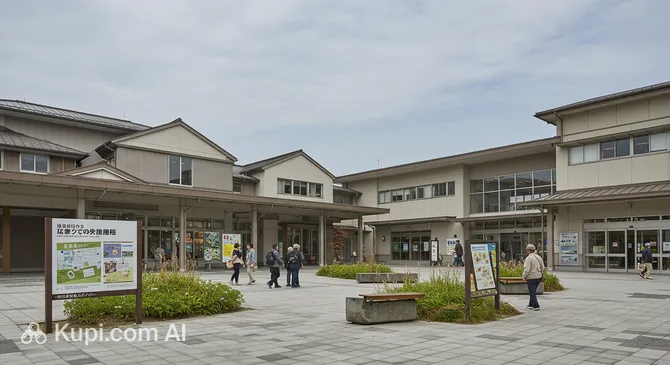
For a unique shopping experience that highlights the local love for nature, consider visiting Ikutopia Shoku Hana. This "Food and Flower" complex features a large market hall dedicated to locally grown vegetables, plants, and gardening supplies. It is a wonderful place to connect with the agricultural roots of the prefecture and find fresh, high-quality produce.

Ikutopia Shoku Hana. Source: Kupi.Binoculars

Additionally, Niigata is a great place to purchase high-quality metalware. The nearby towns of Tsubame and Sanjo are world-famous for their craftsmanship, and many department stores in Niigata City carry their superior kitchen knives and copper tumblers. These practical and durable items serve as lasting reminders of the region's industrial heritage.

Reached the end of the page?

That means the route is fully explored