Support

Akita

About

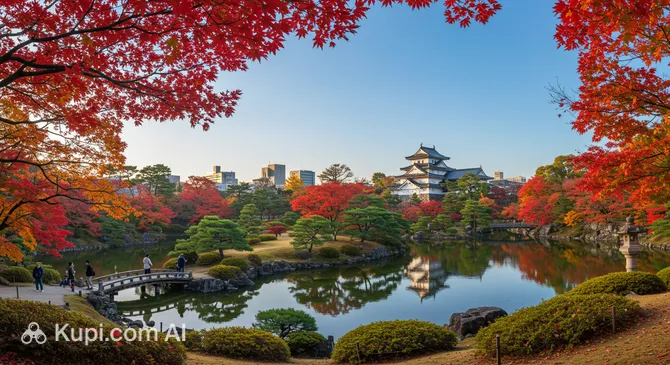
Welcome to Akita, the capital city of Akita Prefecture and a captivating destination on the western coast of the Tohoku region. Located in northern Japan, this city serves as a cultural and economic hub while maintaining a serene and welcoming atmosphere. With a population of approximately 302,000 residents, Akita offers a perfect balance of urban amenities and the quiet charm of a coastal town facing the Sea of Japan.

The city's geography is defined by the flow of the Omono River and its distinct four seasons. Akita is renowned for its snowy winters, often described as part of "Snow Country," which creates picturesque landscapes, while summers are lush and vibrant. This seasonal variation deeply influences the local lifestyle and the rich history of Akita, which can be explored through its preserved samurai districts and historical sites.

Akita. Source: Kupi.Binoculars

Travelers are drawn to Akita for its unique cultural heritage and festivities. The city is most famous for the spectacular Kanto Matsuri, held every August, where performers balance massive bamboo poles adorned with paper lanterns to pray for a good harvest. Another highlight is Senshu Park, built on the ruins of Kubota Castle, which provides a beautiful setting for cherry blossom viewing in spring and a glimpse into the city's feudal past. Art enthusiasts should not miss the Akita Museum of Art, which houses a stunning collection including works by Tsuguharu Foujita.

Whether you are eager to taste local delicacies like kiritanpo (grilled rice skewers) and premium sake, or simply wish to immerse yourself in the authentic traditions of northern Japan, Akita invites you to discover its many treasures.

Weather Overview

The climate in this region is characterized by distinct seasonal variations, offering travelers a different experience depending on the time of year. Winters are cold and notably damp, with January seeing average temperatures drop to 0.3°C and minimums around -1.6°C. This season is particularly active in terms of precipitation, with December recording up to 28 wet days. In contrast, summers are warm and inviting; August is typically the hottest month, with average temperatures of 24.9°C and highs reaching 27.3°C.

Spring and autumn offer milder transitions, though visitors should expect consistent precipitation throughout the year, as even the drier months like April and May average about 14 wet days. To help plan your activities and packing list, it is advisable to consult the detailed guide on the weather in Akita for the most up-to-date conditions.

Interesting Facts

Beyond the main attractions, Akita holds many fascinating secrets that reveal the depth of its local culture and lifestyle. From unique street treats to legendary beauty standards, there are several intriguing details that make this city truly special.
  • The city is famous throughout Japan for the concept of "Akita Bijin" or "Akita Beauties." It is widely believed that the region produces women with exceptionally fair skin, a trait often attributed to the short hours of sunshine in winter and the pristine quality of the local water.

  • While the spectacular Kanto Festival is held only in August, visitors can experience its energy year-round. At the Akita City Folk Arts Center (Neburinagashi-kan), you can not only view the towering lantern poles up close but also try your hand at balancing the training versions, which is much harder than the experts make it look.

  • A beloved local icon is the "Babahera" ice cream, a rose-shaped frozen treat sold by elderly women (affectionately known as "baba") at roadside stalls. Using a special metal spatula ("hera"), they artfully sculpt strawberry and banana-flavored ice cream into a flower, a sight unique to this region's summer landscape.

  • The Akita Inu, one of Japan's most famous dog breeds and the breed of the loyal dog Hachiko, originates from this prefecture. These dogs are designated as a National Natural Monument, and you will often find motifs and souvenirs dedicated to them throughout the city.

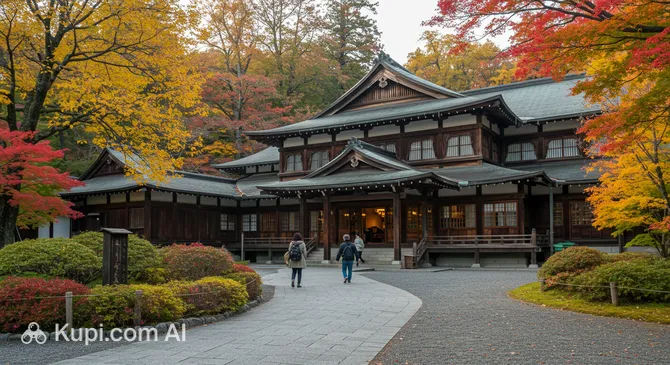
Akita City Folk Arts Center (Neburinagashi-kan). Source: Kupi.Binoculars

How to Get There

Reaching Akita is straightforward thanks to its well-integrated transport network, offering convenient access from major Japanese cities. For a detailed overview of all travel options, you can read more about how to get to Akita in our comprehensive guide.

The primary gateway for air travelers is Akita Airport (AXT), located approximately 15.1 km from the city center. This airport handles a significant volume of passengers (Medium traffic) and connects the region to major hubs like Tokyo Haneda and Osaka Itami. A journey from the airport to downtown Akita typically takes around 43 minutes by taxi or bus. Another option is Odate Noshiro Airport (ONJ), situated in the city of Kitaakita, about 57.2 km away. While smaller, it serves as an alternative entry point for the northern part of the prefecture, with a travel time of roughly 1 hour and 45 minutes to Akita by road.

For clarity, here is a summary of the main airports serving the region:

Airport Name City Passenger Traffic Km from City
Akita Airport Akita Medium 15.1
Aomori Airport Aomori Medium 123.3
Hanamaki Airport Morioka Medium 94.3
Shonai Airport Sakata Small 104.4
Odate Noshiro Airport Kitaakita Small 57.2

Traveling by train is also a very popular and scenic way to reach the city. Akita Station serves as the central railway hub and is the northern terminus of the Akita Shinkansen line. Visitors can take the "Komachi" bullet train directly from Tokyo, a journey that takes approximately four hours and offers beautiful views of Japan's countryside. Local lines also connect the station to other parts of the Tohoku region, making it an accessible destination for those exploring by rail.

Main Attractions

Akita offers a delightful mix of historical sites, artistic venues, and cultural experiences that reflect the region's rich heritage. From the remnants of feudal castles to modern architectural gems, the city's landmarks provide visitors with a deep understanding of life in northern Japan.

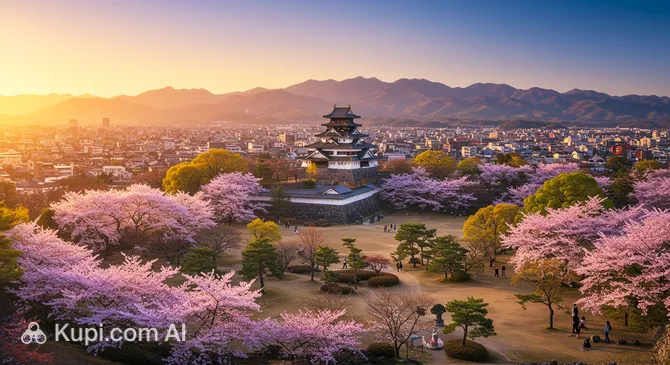
One of the most prominent landmarks is Senshu Park, a sprawling green space located on the ruins of Kubota Castle. This park is the historical heart of the city, featuring a restored castle turret and the impressive Otemon Gate. It is a favorite destination for locals and tourists alike, especially during spring when hundreds of cherry trees bloom, earning it a spot among Japan's Top 100 Cherry Blossom Spots. The park offers panoramic views of the city and a peaceful atmosphere for a leisurely stroll through nature and history.

Senshu Park. Source: Kupi.Binoculars

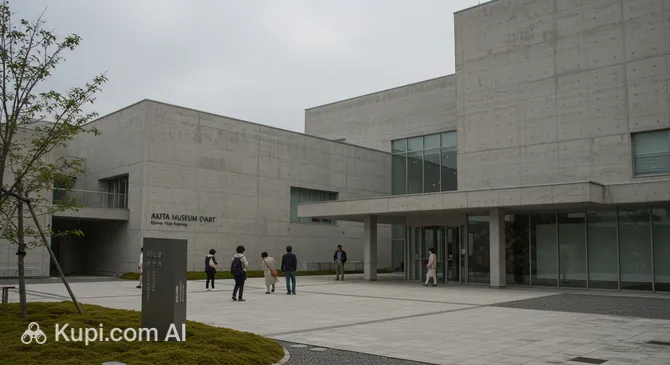
Art lovers should make their way to the Akita Museum of Art, conveniently situated near the station. The building itself is a masterpiece designed by the renowned architect Tadao Ando, featuring a striking triangular skylight and a free-standing spiral staircase that creates a mesmerizing visual effect. Inside, the main attraction is the massive canvas "The Events of Akita" by Tsuguharu Foujita, which depicts local festivals and daily life in stunning detail. The museum's gallery serves as a sophisticated window into the artistic soul of the prefecture.

Akita Museum of Art. Source: Kupi.Binoculars

For a hands-on experience of the city's most famous tradition, a visit to the Akita City Folk Arts Center (Neburinagashi-kan) is essential. This facility is dedicated to the Kanto Festival and displays the towering bamboo poles adorned with paper lanterns year-round, allowing visitors to see them even outside the festival season. Tourists can learn about the history of the event and even challenge themselves to balance a smaller version of the heavy poles, offering a fun and interactive way to appreciate the skill required by the festival performers.

If you are looking to explore the local culinary scene after sightseeing, Eiraku Shokudo is a highly regarded spot in the city. Known for its impressive selection of local sake and fresh seafood bowls, this establishment provides an authentic taste of Akita's gastronomy. It is a perfect place to unwind and enjoy the rich flavors of the region in a cozy, casual setting.

Local Cuisine

Akita’s gastronomy is deeply rooted in its snowy climate and agricultural abundance, earning the region the title of the "Kingdom of Sake." The prefecture is famous for its high-quality rice and pristine water, which are essential for brewing some of Japan's finest rice wines. Local dining is a hearty affair, featuring warming hot pots, preserved foods, and fresh seafood from the Sea of Japan, all designed to provide comfort during the long winters.

The most iconic local specialty is Kiritanpo, a dish made from freshly cooked rice that is mashed, molded around cedar skewers, and toasted over an open charcoal fire. It is commonly served in a rich hot pot (nabe) alongside Hinai-jidori, a prized local breed of chicken, and burdock root. Noodle lovers should not miss Inaniwa Udon, featuring thin, hand-stretched noodles known for their smooth texture and delicate flavor. Another unique delicacy is Iburi-gakko, smoked pickled daikon radish, which offers a smoky crunch that pairs exceptionally well with local sake.

For a memorable dining experience, Tombo-an comes highly recommended. This restaurant is celebrated for its dedication to traditional Akita cuisine, providing a warm and inviting atmosphere where visitors can savor authentic local flavors and seasonal ingredients.

Travel Tips

Preparing for your journey to Akita requires a little insider knowledge to truly enjoy its seasonal beauty and local charm. These practical tips are designed to help you navigate the city with ease, ensuring a stress-free and memorable experience in northern Japan.

  1. Clothing and Gear: The most important factor is the season. If you visit in winter, expect heavy snow; waterproof, non-slip boots and warm layers are non-negotiable. Summers can be warm and humid, so breathable fabrics are best. Since you will likely visit traditional restaurants or historical sites, pack shoes that are easy to slip on and off, as removing footwear is mandatory in many indoor spaces.

  2. Transportation: While Akita Station is a central hub, the city itself is somewhat spread out. The local bus network, operated by Akita Chuo Kotsu, is the primary way to get around downtown and to sites like Senshu Park. Taxis are readily available and convenient for short distances. If you plan to explore the surrounding onsens or coastlines of the prefecture, renting a car is highly recommended for flexibility.

  3. Finances: The official currency is the Japanese Yen (JPY). While major hotels and department stores accept credit cards, Akita is more traditional than Tokyo; many small shops, street food stalls (like the famous Babahera ice cream vendors), and local izakayas only accept cash. Ensure you carry enough bills. International ATMs are commonly found in 7-Eleven or Lawson convenience stores if you need to withdraw funds.

  4. Health and Safety: Akita is an incredibly safe city with very low crime rates. Pharmacies (look for "Drug Store" signs) are well-stocked, though they may not be open 24/7 outside of convenience store basics. In winter, watch your step on icy sidewalks, as slipping is a common hazard for visitors unaccustomed to the "Snow Country" climate.

  5. Communication: English proficiency is generally lower here than in major tourist hubs. While station signs often have English translations, interacting with locals may require patience. It is highly advisable to have a translation app (like Google Translate or DeepL) installed on your phone. Renting a Pocket Wi-Fi or buying a SIM card at the airport upon arrival in the country is essential for staying connected.

  6. Local Etiquette: Politeness is key. When entering a home, ryokan, or certain temple areas, always remove your shoes at the entrance (genkan). On public transport, keep your voice down and avoid talking on the phone. A slight bow is the standard greeting and a sign of respect when thanking shop staff or asking for directions.

  7. What to Avoid: Never tip. Tipping is not part of the culture and can cause confusion or even be seen as rude; excellent service is standard and expected. Also, avoid eating or drinking while walking down the street, as it is generally considered bad manners, except during festivals.

  8. Additional Tip: Be mindful of closing times. Unlike the bustle of Tokyo, Akita is a quieter city where many shops and local attractions may close relatively early, often around 5:00 PM or 6:00 PM, with restaurants taking last orders earlier than you might expect. Plan your dinners and evening activities accordingly.

By keeping these simple guidelines in mind, you will be well-equipped to relax and appreciate the warm hospitality of Akita. Embrace the slower pace of life here, and you are sure to have a wonderful adventure in this snowy, soulful corner of the world.

Entertainment & Nightlife

Nightlife in Akita is a warm, convivial affair that centers less on loud dance clubs and more on the shared intimacy of dining and drinking. The city comes alive after sunset, particularly in its designated entertainment districts where the clinking of sake cups and the aroma of grilled foods fill the air. For travelers, this is the perfect opportunity to experience the local "nomikai" (drinking party) culture and interact with friendly locals in a relaxed setting.

The beating heart of the city's evening entertainment is the Kawabata District (Kawabata-dori). Located along the Asahi River, just a short distance from the city center, this historic area transforms at night into a bustling labyrinth of neon lights and retro signage. It is densely packed with hundreds of establishments, ranging from tiny, counter-only bars and "snack" bars (hostess bars) to lively izakayas serving regional specialties. The atmosphere here is distinctly nostalgic, often evoking the charm of the Showa era, and it is where you will find the highest concentration of locals unwinding after work.

For an authentic taste of Akita's nightlife, a visit to Eiraku Shokudo is highly recommended. This celebrated establishment is a favorite among sake enthusiasts, boasting an impressive menu of local brews that are difficult to find elsewhere. It operates as a casual dining spot where you can enjoy fresh sashimi and seasonal dishes in a lively, unpretentious environment. Due to its popularity, it can get crowded, so arriving early is often a good strategy.

If you prefer a quieter, more refined evening meal before heading out for drinks, Tombo-an offers a wonderful setting to savor traditional flavors. While it is primarily a dining venue, its selection of drinks and relaxed ambiance make it a great starting point for a night out. Afterward, you can wander back into the Kawabata area to explore the smaller bars. Most venues here are casual, and there is generally no strict dress code; smart-casual attire is perfectly acceptable everywhere.

Practical advice for enjoying Akita at night includes keeping an eye on the time and your transport options. Many smaller izakayas and restaurants may close earlier than in Tokyo, often around 10:00 PM or 11:00 PM, though bars in Kawabata stay open later. Public transport winds down before midnight, so taxis are the most reliable way to return to your hotel. You can easily hail one on the main streets bordering the Kawabata district. The area is generally very safe for walking at night, though you may encounter touts for snack bars; a polite refusal is all that is needed.

Before the sun sets, the city offers plenty of cultural entertainment to fill your day. A stroll through Senshu Park is delightful in the late afternoon, offering panoramic views of the city as the lights begin to twinkle. Alternatively, art lovers can spend their pre-dinner hours at the Akita Museum of Art, which frequently hosts exhibitions and offers a serene space to appreciate the local artistic heritage.

Parks & Museums

Akita seamlessly blends its rich feudal history with serene natural landscapes, offering visitors a variety of green spaces and cultural institutions that reflect the soul of the region. From the grounds of ancient castles to architecturally stunning galleries, the city's public spaces provide a deep dive into the artistic and natural beauty of northern Japan.

The crown jewel of the city's greenery is Senshu Park, a sprawling garden established on the site of the former Kubota Castle. While famous for its cherry blossoms, the park is a year-round destination featuring lush azaleas in early summer and vibrant foliage in autumn. Visitors can wander through the restored Osumi-yagura Turret, enjoy a traditional tea ceremony at the on-site tea house, or simply admire the panoramic views of the city skyline. It serves as a peaceful retreat where history and nature are inextricably linked.

For those interested in ancient history and open spaces, Takashimizu Park is another significant area. Located on the site of the Akita Castle ruins, which date back to the Nara period (8th century), this park offers a mix of archaeological significance and natural beauty. It is home to the "Gokosui" spring, a water source famously used by the Meiji Emperor, and provides a quiet atmosphere perfect for a reflective stroll away from the city center.

In the realm of culture, the Akita Museum of Art is a must-visit destination, not only for its exhibits but for its breathtaking architecture designed by Tadao Ando. The museum's centerpiece is the "Events of Akita," a massive mural by Tsuguharu Foujita that spans over 20 meters and captures the vibrant festivals and daily life of the prefecture in the 1930s. The gallery's design, with its triangular skylights and water features, creates a tranquil environment that enhances the viewing experience.

To truly understand the heartbeat of the city, a visit to the Akita City Folk Arts Center (Neburinagashi-kan) is essential. This facility is dedicated to preserving the legacy of the Kanto Festival and other local folk traditions. Here, you can marvel at the actual bamboo poles and lanterns used in the festival, which are displayed in a high-ceilinged hall to accommodate their immense height. The museum also features exhibits on the history of the Satake clan and local performing arts, offering a comprehensive look at the region's cultural identity.

For an architectural treat, look for the Akarenga-kan (Red Brick Folk Heritage Museum). Housed in a former bank building from the Meiji era, this structure stands out with its Renaissance-style red brick exterior and baroque interior. It offers a fascinating contrast to the traditional Japanese architecture found elsewhere in the city and hosts exhibitions on local craftsmanship and history.

Getting Around

Navigating Akita is relatively straightforward, though the city relies primarily on a bus network rather than a subway or tram system. The central hub for all public transportation is Akita Station, where both local trains and the extensive bus lines converge. For most visitors staying within the city center and visiting major attractions like Senshu Park or the museums, the bus is the most practical mode of transit, while local JR train lines are useful for reaching suburban areas or nearby coastal districts.

The local bus service is operated by Akita Chuo Kotsu, easily engaging with the green and white vehicles often seen around town. Most routes depart from the bus terminals located at the West and East exits of Akita Station. A popular loop bus, the "Gururu" (City Center Loop Bus), is particularly convenient for tourists. It circles the main downtown area, connecting the station with key sightseeing spots and shopping districts for a flat and very affordable fare, making it an excellent option for a day of exploration.

Regarding payment, the system is tourist-friendly. While cash is always accepted, the buses have been modernized to accept IC cards. The local card is called "AkiCA," but the readers are compatible with major nationwide transport cards like Suica and Pasmo. If you are paying with cash, enter through the rear or middle door and take a numbered ticket from the machine. When you exit at the front, match the number on your ticket to the electronic fare display board to determine the cost, and drop the exact change into the fare box along with your ticket.

Taxis are a reliable alternative and are readily available at taxi stands outside the train station, hotels, and major attractions. They are particularly useful in the evenings or during the winter months when waiting for a bus in the snow can be challenging. Drivers are generally professional and helpful, though few speak fluent English, so having your destination written in Japanese or showing it on a map app is highly recommended. Most taxis accept credit cards and payment apps, adding an extra layer of convenience.

For those who prefer active travel, renting a bicycle is a pleasant way to see the city, especially when the weather is mild. The terrain in the city center is relatively flat, and rental cycles are often available near the station or at select hotels. However, if you plan to venture beyond the city limits to explore the wider prefecture, renting a car is arguably the best option, offering the freedom to visit remote hot springs and scenic coastlines at your own pace.

A practical tip for visitors is to be mindful of operating hours. Unlike major metropolises, bus services in Akita decrease significantly in frequency after the evening rush hour and may stop running relatively early at night. It is advisable to check the return schedules in advance if you plan to stay out late, or simply budget for a taxi ride back to your accommodation.

Accommodation

Accommodation in Akita caters to a variety of travelers, offering a range of options that blend modern convenience with traditional Japanese hospitality. The city is well-stocked with reliable Western-style business hotels, which are perfect for solo travelers and those on a schedule. For visitors seeking a more immersive cultural experience, there are several ryokan (traditional inns) available, where you can sleep on tatami mats and enjoy local cuisine, although these are often located slightly further from the commercial center.

The most convenient area for tourists to stay is undoubtedly around JR Akita Station. This district serves as the city's transport hub, making it an ideal base for exploring major attractions like Senshu Park and the Akita Museum of Art, both of which are within walking distance. Staying here also provides easy access to bus terminals and a wide selection of dining options. Alternatively, those interested in the city's nightlife might prefer accommodation closer to the Kawabata district, though it is only a short taxi or bus ride away from the station area.

When planning your trip, it is crucial to consider the timing. During the famous Kanto Matsuri in early August, the city sees a massive influx of visitors. Accommodation for this period is often fully booked months in advance, so early reservations are essential if you plan to travel during the festival season. For the rest of the year, booking is generally straightforward, with prices being quite reasonable compared to major metropolitan areas like Tokyo. Most hotels can be easily booked via major online platforms, and the general price range spans from budget-friendly business hotels to mid-range establishments offering more spacious amenities.

Nearby Cities

For those looking to explore the surroundings, Akita serves as an excellent base for day trips to several interesting nearby locations.

One of the most popular destinations for a cultural excursion is Yokote, located southeast of the city. It is famous nationwide for its charming Kamakura Festival held in February, where hundreds of snow igloos illuminate the town, creating a magical winter atmosphere. Foodies also flock here to try Yokote Yakisoba, a local variation of fried noodles topped with a sunny-side-up egg. Another excellent option is Morioka, the capital of neighboring Iwate Prefecture. Accessible by train, it offers a blend of history at the Morioka Castle Site Park and a unique culinary challenge known as Wanko Soba, where diners eat bowl after bowl of noodles in rapid succession.

For those seeking relaxation, Hanamaki Onsen provides a tranquil retreat in the mountains. This hot spring resort area is renowned for its therapeutic waters and its connection to the beloved author Kenji Miyazawa, making it a perfect spot to unwind and enjoy nature.

City Population Distance (km)
Morioka 290,553 90
Hanamaki Onsen 92,815 87
Yokote 84,556 60
Kitakoriyama 84,007 91
Yurihonjo 73,840 37

These nearby destinations offer a glimpse into the diverse culture and landscapes of the region, allowing travelers to experience the deeper charm of the Tohoku area.

Shopping & Souvenirs

Shopping in Akita offers a delightful mix of modern convenience and deep-rooted tradition. While the city may not have the overwhelming scale of Tokyo's retail districts, it excels in providing high-quality local crafts, artisanal foods, and a relaxed atmosphere. Visitors can expect to find everything from contemporary fashion to exquisite handmade goods that reflect the region's "Snow Country" heritage, making it an excellent place to hunt for unique gifts and souvenirs.

The primary shopping hub is concentrated around Akita Station. This area is the most convenient for travelers, featuring a cluster of commercial facilities connected directly to the transport terminal. The pedestrian walkways and covered arcades nearby allow for comfortable browsing regardless of the weather, which is particularly helpful during the snowy winter months. For those willing to venture a bit further, the streets leading towards the Kawabata district offer smaller, independent shops selling specialty items.

For a comprehensive shopping experience, the Topico and Als complexes located within the station building are the go-to destinations. Topico is particularly famous for its extensive souvenir floor, where you can find almost every local delicacy imaginable, from boxed sweets to vacuum-packed rice dishes. Adjacent to the station is Seibu Akita, a traditional department store offering high-end cosmetics, clothing, and a basement food hall filled with gourmet treats. Another notable spot is Akita Opa, a fashion building that caters to a younger crowd with trendy apparel and lifestyle goods.

To see the authentic "kitchen" of the city, a visit to the Akita Citizens' Market (Akita Shimin Ichiba) is a must. Located just a short walk from the station, this lively market sells fresh seafood from the Sea of Japan, local vegetables, and seasonal fruits. It is not just for groceries; tourists can find stalls selling dried foods, local sake, and affordable daily goods. The atmosphere is vibrant and friendly, offering a glimpse into the everyday lives of the local residents.

When it comes to souvenirs, Akita is renowned for its traditional crafts and flavors. Magewappa, or bentwood ware, is the most iconic local craft; these lunchboxes and trays made from Akita cedar are prized for their beauty and durability. Another popular item is Kabazaiku (wild cherry bark craft), often used for tea canisters. Food-wise, bringing home a set of Kiritanpo (rice skewers) or a bottle of premium local sake is highly recommended. Don't forget to look for items featuring the Namahage demons or the adorable Akita dog, which are popular motifs for keychains and sweets.

Store opening hours in the city are generally from 10:00 AM to 7:00 PM or 8:00 PM. While the station building and major department stores are open seven days a week, smaller independent shops may close on irregular days. Regarding payment, major shopping centers, department stores, and convenience stores accept credit cards and IC cards. However, cash is still king at the Citizens' Market and smaller souvenir stands, so it is wise to carry sufficient yen.

Tax-free shopping is available for tourists at major establishments like Seibu Akita, Topico, and large electronics or drug stores. Look for the "Japan Tax-Free Shop" symbol at the entrance or cashier. Be sure to have your passport with you, as it is required to process the tax refund on consumable goods and general merchandise totaling over 5,000 yen.
Reached the end of the page?

That means the route is fully explored