Located on the southern tip of the vast island of Hokkaido, Hakodate is a captivating port city that offers a distinct blend of Japanese tradition and international influence. As one of the first cities in Japan to open its doors to foreign trade in the 19th century, it has developed a unique cultural atmosphere that sets it apart from other destinations in the region.
Hakodate. Illustration.
Source: Kupi.com AI
The history of Hakodate is vividly reflected in its architecture, particularly in the sloping streets of the Motomachi district, where Western-style churches and former consulates stand in harmony with traditional buildings. With a population of approximately 250,000 residents, the city maintains a relaxed pace of life while offering all the modern amenities a traveler might need.
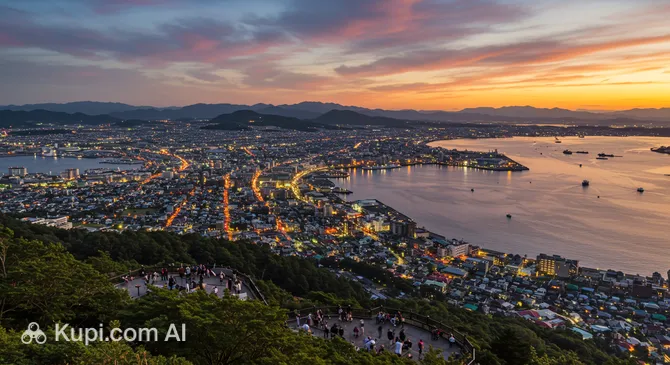
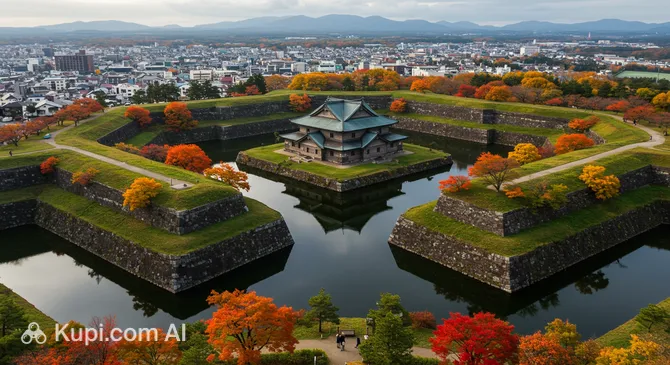
Visitors are frequently drawn to the spectacular night view from Mount Hakodate, which is often cited as one of the top three night views in the world. Another must-see landmark is the star-shaped Goryokaku Fort, a massive citadel that transforms into a stunning park filled with cherry blossoms in the spring. Food enthusiasts will also delight in the Hakodate Morning Market, famous for its incredibly fresh seafood and bustling energy.
Whether you are admiring the panoramic vistas, exploring historical sites, or savoring a bowl of fresh kaisendon, Hakodate welcomes you with open arms. It is a perfect destination for those seeking a romantic getaway or a deep dive into the rich maritime heritage of northern Japan.
Weather Overview
The climate in this northern port city is defined by distinct seasonal changes, offering a refreshing escape from the intense heat found elsewhere in the country during summer. To plan your trip effectively, it is helpful to check the detailed weather in Hakodate, as conditions can vary significantly depending on the time of year.
Winters are cold and often snowy, creating a picturesque landscape perfect for sightseeing. January is typically the coldest month, with an average temperature of -2.7°C and lows dipping to -4.8°C. During this season, visitors should come prepared for freezing conditions, as daily highs in December and January often hover around the freezing point.
In contrast, summers are mild and comfortable. August is the warmest month, featuring an average temperature of 21.9°C and pleasant highs of around 23.9°C. This makes it an ideal time for outdoor exploration, although travelers should be aware that precipitation is fairly distributed throughout the year. Expect mild, comfortable summers and cold winters, with wet or snowy days occurring frequently—often between 12 to 18 days per month.
Average monthly temperature
Average monthly precipitation
Interesting Facts
Beyond the main attractions and scenic views, Hakodate holds many fascinating secrets and historical footnotes that define its unique character. Here are some intriguing facts about this northern port city:
The Short-lived Republic: The star-shaped citadel of Goryokaku was once the headquarters of the Republic of Ezo, a breakaway government established by former shogunate retainers in 1869. It remains the only republic ever declared in the history of Japan, lasting just a few months before the final battles of the Boshin War.
A City of Squid: Hakodate is famously obsessed with squid, known locally as ika. This marine creature is the city's official fish and appears everywhere, from manhole covers and streetlights to the "Squid Dance" performed at summer festivals. You can even find unique black soft-serve ice cream flavored with squid ink.
Russian Heritage: As one of the first Japanese ports to open to international trade, the city developed deep ties with Russia. This influence is perfectly preserved at the Hakodate Orthodox Church, which was founded in 1858 and stands as the first Russian Orthodox church ever built in Japan.
Disaster-Proof Design: After a catastrophic fire destroyed much of the city in 1934, Hakodate was rebuilt with distinctively wide streets, particularly in the Motomachi area. These were intentionally designed as firebreaks to prevent flames from spreading, giving parts of the city a spacious, open atmosphere that is rare in older Japanese towns.
Goryokaku. Illustration.
Source: Kupi.com AI
Traveler photos:
How to Get There
Reaching this historic port city is relatively straightforward, thanks to its well-connected transport network that links the southern tip of Hokkaido to the rest of Japan. Whether you are flying in from Tokyo or taking the train through the Seikan Tunnel, there are several convenient options for your journey. For a detailed breakdown of routes and schedules, you can read more about how to get to Hakodate.
The most direct way to arrive by air is via Hakodate Airport (HKD), located just 7.7 km from the city center. As the second busiest airport in Hokkaido, it handles numerous domestic flights and some international connections. Due to its proximity to the downtown area, the commute is quick; a taxi or airport shuttle bus typically takes about 30 to 35 minutes to reach the main station area.
Alternatively, travelers often fly into New Chitose Airport (CTS), which serves the city of Sapporo. Although it is located approximately 137 km away from Hakodate, New Chitose is a major international hub with significantly more flight options. From there, visitors usually take a train to reach Hakodate, as a taxi or bus ride would be quite long, taking roughly 3 hours and 45 minutes by road.
For clarity, here is a summary of the main airports:
In addition to air travel, Hakodate is a major railway hub. The Hokkaido Shinkansen connects the city to Tokyo and Aomori via the Seikan Tunnel, the world's deepest undersea tunnel. The high-speed trains arrive at Shin-Hakodate-Hokuto Station, from where a local relay train connects passengers to the city center in about 20 minutes. This makes rail travel a scenic and popular alternative for those exploring Japan by land.
Main Attractions
Attractions:
Hakodate offers a delightful mix of scenic views, historical architecture, and atmospheric waterfront areas. One of the most essential experiences is taking a trip from the Mount Hakodate Ropeway Base Station. This aerial lift whisks visitors up to the summit in just three minutes, providing easy access to the city's famous night view. The observation deck at the top offers a breathtaking panorama of the curved bay and the glittering city lights, a sight rated as one of the best in Japan.
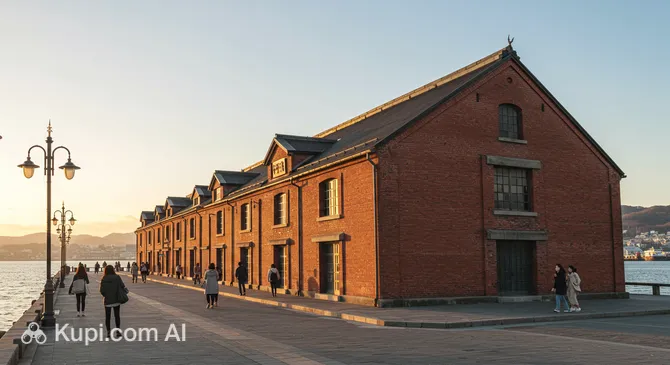
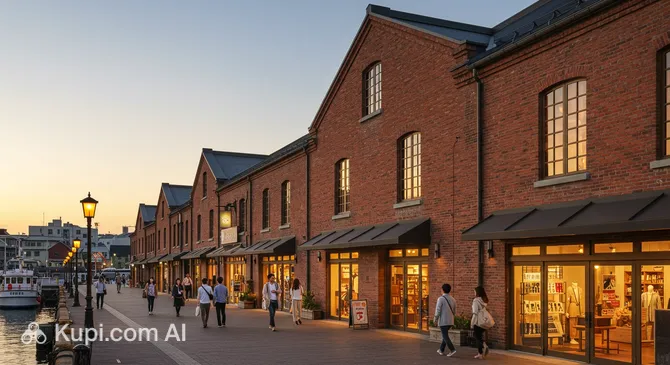
For a taste of the city's trading history, a visit to the Kanemori Red Brick Warehouse is a must. These iconic red brick buildings, originally built in the late Meiji era, line the waterfront and create a nostalgic atmosphere. Today, they have been beautifully renovated into a vibrant complex featuring shopping malls, beer halls, and souvenir shops. It is the perfect place to stroll along the bay, enjoy local snacks, and pick up unique Hokkaido crafts.
Kanemori Red Brick Warehouse. Illustration.
Source: Kupi.com AI
Traveler photos:
The historic Motomachi district is home to the stunning Old Public Hall of Hakodate Ward. Completed in 1910, this colonial-style building stands out with its vivid blue-grey exterior and yellow trim. It once served as a lodging for the Imperial family and remains a symbol of the city's Western influence. Visitors can tour the elegant wooden interiors, including the Great Hall, and even dress up in period costumes to take photos against the backdrop of this architectural gem.
Just a short walk away lies the picturesque Hachiman-zaka Slope. This wide, stone-paved street stretches straight down from the hillside towards the harbor, offering a perfectly framed view of the Mashu Maru memorial ship docked in the bay. It is widely considered the most beautiful slope in the city and is a popular spot for photography, especially in winter when the trees lining the street are illuminated.
Local Cuisine
The culinary scene in Hakodate is legendary throughout Japan, primarily driven by its location as a major fishing port. The city is often referred to as a "kingdom of seafood," where the ingredients are incredibly fresh and the flavors are authentic. The most iconic delicacy here is squid (ika), which is so central to the local identity that it appears on city emblems. Visitors should not miss the opportunity to try translucent, freshly caught squid sashimi, or the famous "dancing squid bowl" (katsu-ika odori-don), where the squid is prepared moments before serving.
Another must-try dish is the Hakodate Shio Ramen (salt ramen). Unlike the miso-based broth popular in Sapporo, Hakodate's version features a clear, golden broth made from pork bones or chicken stock, seasoned with salt. The noodles are typically straight and soft, creating a light yet savory flavor profile that has been cherished by locals for generations. It is considered one of the three main styles of ramen in Hokkaido.
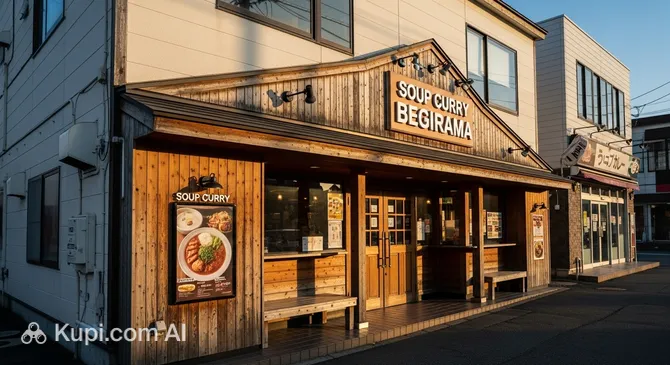
For those looking to explore the spicier side of Hokkaido's cuisine, Soup Curry is a regional specialty that has found a home here. This dish consists of a light, spicy curry broth filled with large chunks of tender vegetables and meat, served with rice on the side. You can sample this flavorful comfort food at Soup Curry Begirama, a popular spot that showcases the depth of local spices.
Soup Curry Begirama. Illustration.
Source: Kupi.com AI
Traveler photos:
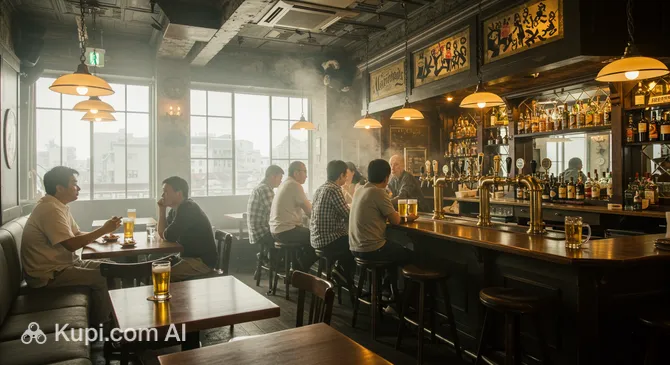
When it comes to drinks, the city has a rich history of brewing. Hokkaido is famous for its beer, and Hakodate is no exception. The historic waterfront area is home to the Hakodate Beer Hall, located within the red brick warehouses. Here, you can enjoy locally brewed craft beers that pair perfectly with grilled Jingisukan (Genghis Khan) lamb or sausages. The atmosphere in these halls is lively and nostalgic, reflecting the city's Western-influenced past.
Hakodate Beer Hall. Illustration.
Source: Kupi.com AI
Traveler photos:
Beyond traditional restaurants, the Hakodate Morning Market is the epicenter of the city's food culture. Locals and tourists alike gather here in the early hours to enjoy kaisendon, a bowl of rice topped with an abundance of fresh seafood like sea urchin (uni), salmon roe (ikura), and crab. For a unique local fast-food experience, look for "Lucky Pierrot," a burger chain exclusive to Hakodate, famous for its Chinese Chicken Burger and quirky decor.
Travel Tips
Traveling to Hakodate offers a unique blend of urban exploration and scenic nature, but a little preparation goes a long way to ensure a smooth journey. To help you navigate this charming port city with ease, here are some practical tips to keep in mind before you arrive.
Clothing and Gear: Since this is northern Japan, winters can be harsh with heavy snowfall. If visiting between December and March, bring a heavy coat, gloves, and most importantly, non-slip shoes or attachable snow spikes, as the city's famous sloping streets become icy. Summers are pleasant and mild, so light layers are sufficient, but a windbreaker is useful for the top of Mount Hakodate at night.
Transportation: The iconic Hakodate City Tram is the most convenient and atmospheric way to travel between major spots like the train station, Motomachi, and Goryokaku. It is highly recommended to purchase a "One Day Tram Pass" for unlimited rides, which pays for itself after just three trips. Taxis are also readily available, and rental cars are only necessary if you plan to explore the wider Hokkaido countryside.
Finances: The local currency is the Japanese Yen (JPY). While credit cards are accepted in hotels and large shops, cash is essential for the Hakodate Morning Market, small souvenir stalls, and streetcars. International ATMs are found in 7-Eleven and Lawson convenience stores. Tipping is not practiced and can even cause confusion, so simply pay the exact bill amount.
Health and Safety: Hakodate is an incredibly safe city, even for solo travelers at night. The biggest risk is often physical—slipping on icy sidewalks in winter. Pharmacies (look for "Drug" stores) are common for minor ailments, and tap water is safe to drink. In an emergency, dial 119 for an ambulance or fire department.
Communication: While signs at major tourist attractions are often in English, conversational English is not widely spoken by locals. It is advisable to have a translation app installed on your phone. Free Wi-Fi is available at major stations and convenience stores, but renting a Pocket Wi-Fi or buying a SIM card at the airport ensures you stay connected everywhere.
Local Etiquette: Politeness is paramount. When using the trams, keep your voice low and your phone on silent mode. If you visit traditional buildings in Motomachi or stay in a ryokan, remember to remove your shoes at the entrance. When visiting onsen (hot springs), you must wash your body thoroughly before entering the communal bath.
What to Avoid: Do not eat while walking down the street. While it might be tempting to snack on fresh seafood immediately, it is considered rude to walk and eat; instead, stand near the stall or find a designated seating area to enjoy your food.
Local Insight: Don't miss Lucky Pierrot, a quirky hamburger chain exclusive to Hakodate. It is a local institution that you literally cannot find anywhere else in Japan. Be aware that some older branches may still be cash-only, so have some yen ready when you go to try their famous Chinese Chicken Burger.
With these tips in hand, you are fully prepared to immerse yourself in the rich history, delicious flavors, and romantic atmosphere of Hakodate. Have a wonderful journey exploring this gateway to Hokkaido!
Entertainment & Nightlife
Unlike the neon-soaked non-stop energy of Tokyo or Sapporo, the nightlife in Hakodate is more intimate, relaxed, and centered around excellent food and drink. The city comes alive after dark in a way that encourages conversation and leisurely dining rather than loud partying. The primary style of evening entertainment here revolves around izakayas (Japanese pubs) and dining bars, where locals gather to unwind with local brews and fresh seafood dishes.
The main hub for evening activities is the Daimon district, located just a short walk from Hakodate Station. This area retains a nostalgic Showa-era atmosphere and is home to the famous Daimon Yokocho, a village of food stalls offering everything from yakitori to ramen. For a more sophisticated night out, the Honcho area near Goryokaku is the city's primary entertainment district, featuring a higher concentration of cocktail bars, karaoke lounges, and late-night eateries frequented by residents.
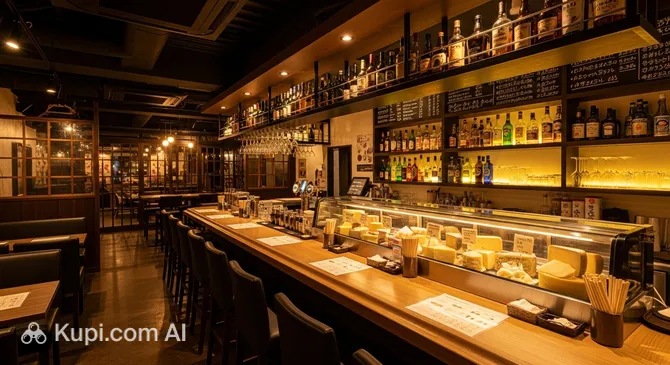
For those seeking a unique local drinking experience, Ezola Hokkaido Cheese Dish is a standout venue. This bar and restaurant focuses on Hokkaido's famous dairy products, offering a selection of raclette and fondue dishes that pair perfectly with wine and cocktails. It is an excellent spot for a relaxed evening in a stylish setting. If you are interested in larger-scale entertainment, such as music concerts or sports events, it is worth checking the schedule at the Hakodate Arena, which serves as the city's major venue for cultural performances.
Ezola Hokkaido Cheese Dish. Illustration.
Source: Kupi.com AI
Traveler photos:
Travelers should be aware that public transportation in Hakodate ends relatively early compared to larger metropolises. The city trams typically stop running around 10:00 PM, and buses may finish even earlier. If you plan to stay out late, taxis are the most reliable way to get back to your hotel. They are safe, clean, and easy to flag down in the Daimon and Honcho districts. Alternatively, you can ask your restaurant or bar staff to call one for you. The city is generally very safe at night, and walking between venues in the main districts is common and secure.
While the nights are for dining and drinking, the city offers plenty of daytime entertainment as well. Families traveling with children can visit Children's World, a nostalgic amusement park located within Hakodate Park that features Japan's oldest Ferris wheel. For a dose of culture and history before the sun goes down, the Hakodate City Museum of Northern Peoples provides fascinating insights into the indigenous cultures of the region.
Parks & Museums
Beyond its bustling markets and night views, Hakodate is a city deeply connected to nature and history, offering serene green spaces and cultural institutions that tell the story of Hokkaido's development. From Western-style parks to museums preserving the heritage of indigenous peoples, the city provides ample opportunities for quiet exploration and learning.
The most iconic green space is undoubtedly Goryokaku Park. While historically significant as a fortress, it serves today as a beloved public recreational area. The star-shaped moats are lined with over 1,600 cherry trees, making it one of Hokkaido's premier hanami (flower viewing) spots in spring. For a complete view of the unique star layout, visitors can ascend the nearby Goryokaku Tower, which offers a bird's-eye perspective of the park's geometry against the city backdrop.
For a mix of Western and Japanese landscaping, Hakodate Park is a charming destination located at the foot of Mount Hakodate. Established in 1879, it was one of Japan's first Western-style parks. It features fountains, a small zoo, and a nostalgic atmosphere. Further inland, the Hakodate Kosetsuen Garden (part of Miharashi Park) offers a contrasting experience with its traditional Japanese garden design. It is particularly stunning in autumn, when the maple leaves turn vibrant shades of red and gold, creating a peaceful retreat for nature lovers.
To understand the profound cultural roots of the region, a visit to the Hakodate City Museum of Northern Peoples is essential. This museum houses a valuable collection of artifacts related to the Ainu people, the indigenous inhabitants of Hokkaido. The exhibits provide deep insights into their traditional daily life, clothing, and spiritual beliefs, offering a respectful and educational perspective on the island's original culture.
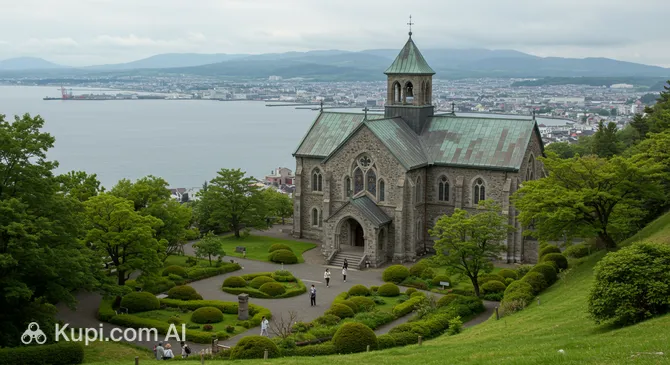
Another unique cultural landmark is the Trappistine Monastery (Our Lady of the Angels Abbey). Founded in 1898, it was the first contemplative convent for women in Japan. The brick architecture blends Romanesque and Gothic styles, set within beautifully manicured gardens that are open to the public. While the interior of the convent is private, visitors can explore the grounds and purchase the famous butter cookies and white chocolate made by the nuns.
Trappistine Monastery (Our Lady of the Angels Abbey). Illustration.
Source: Kupi.com AI
Traveler photos:
For those interested in maritime history, the Hakodate Hokuyo Museum showcases the city's development as a base for northern sea fisheries. The exhibits detail the harsh realities and brave history of the fishermen who ventured into the freezing waters of the North Pacific.
For a breath of fresh sea air away from the crowds, head to Cape Tachimachi. Located at the southeastern tip of the peninsula, this dramatic cliff offers sweeping views of the Tsugaru Strait. On clear days, you can see all the way to Aomori Prefecture on the main island of Honshu. It is a favorite local spot for watching the waves crash against the rocks and enjoying the rugged natural beauty of the coastline.
Getting Around
Navigating Hakodate is surprisingly easy and pleasant, thanks to its compact size and efficient public transport network. Unlike larger metropolises that rely heavily on complex subway systems, this city does not have a metro. Instead, the primary and most atmospheric mode of transportation for visitors is the charming streetcar system, which connects the main railway station to most major tourist attractions, including the historic Motomachi district and the Goryokaku fortress.
The Hakodate City Tram operates two main lines (Line 2 and Line 5) that share a central route before branching off. These colorful trams run frequently, typically every 6 to 12 minutes during the day, making them a reliable option for sightseeing. Riding the tram is not just practical; it is a nostalgic experience that offers excellent views of the city streets. For destinations not covered by the tram, such as the airport or the Trappistine Monastery, the local bus network is extensive and reliable. There are also dedicated shuttle buses that run between the station and the Mount Hakodate Ropeway station.
For payment, the system is modernized and tourist-friendly. While the local IC card is called "ICAS nimoca," visitors can use most major Japanese transport cards, such as Suica, PASMO, or Kitaca, on both trams and buses. If you plan to explore multiple sites in a single day, purchasing a One Day Tram Pass is highly recommended. It is affordable, can be bought at the Tourist Information Center or directly from the tram driver (while stopped), and pays for itself after just three rides. There is also a combined bus and tram pass available for those venturing further afield.
When using public transport here, it is important to follow local boarding etiquette. Passengers enter through the rear door and exit through the front. If you are paying with cash, take a small numbered ticket from the dispenser by the door when you enter; this number corresponds to the fare displayed on the electronic board at the front of the vehicle. If using an IC card, simply tap it on the reader at the entrance and again at the exit. Remember to prepare exact change if paying with cash, although change machines for 1,000 yen notes and coins are usually available next to the driver.
Taxis are another convenient alternative, especially if you are traveling with heavy luggage or late at night after the trams have stopped running (usually around 10:00 PM). Taxis can be easily flagged down on the street or found at designated stands near the station and major hotels. Most drivers are honest and helpful, though they may not speak fluent English, so having your destination written in Japanese is helpful. Additionally, during the warmer months, rental bicycles are a popular way to explore the flat waterfront areas and the bay district at your own pace.
Accommodation
Where to Stay:
Finding the perfect place to stay in {entity_name} is part of the experience, as the city offers a diverse range of accommodation options to suit every travel style. Visitors can choose from efficient business hotels near the transport hubs, atmospheric guesthouses in historic districts, or luxurious ryokans (traditional inns) featuring relaxing hot springs. Whether you are looking for a budget-friendly hostel or a high-end resort with harbor views, the city caters to all preferences.
The most convenient area for tourists is generally around Hakodate Station. Staying here places you within walking distance of the famous Morning Market and provides easy access to trains and buses for day trips. Alternatively, the Bay Area and Motomachi district offer a more romantic setting, surrounded by historic red brick warehouses and Western-style architecture. For those seeking relaxation, the Yunokawa Onsen district, located just a short tram ride from the center, is one of Hokkaido's most famous hot spring resorts, where many hotels offer open-air baths with ocean views.
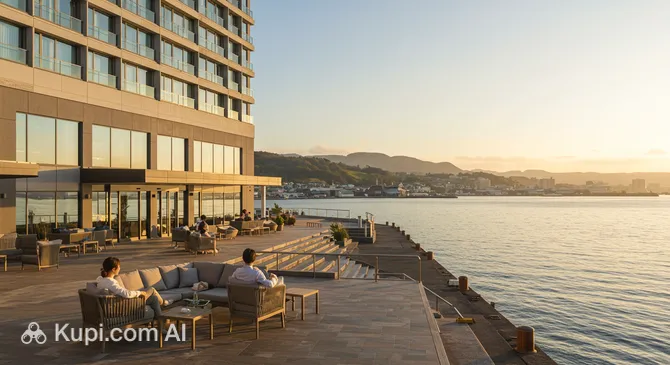
For travelers seeking a blend of modern luxury and convenient access to the city's waterfront attractions, Century Marina Hakodate is a standout choice. This resort hotel is renowned for its exceptional amenities, including a rooftop spa that overlooks the bay and Mount Hakodate. It is also famous for its lavish breakfast buffet, which features an impressive array of fresh local seafood, allowing guests to start their day with the best flavors of Hokkaido.
Century Marina Hakodate. Illustration.
Source: Kupi.com AI
Traveler photos:
Booking Tips: Hakodate is a very popular destination, particularly during the cherry blossom season in late April and the summer months. It is highly recommended to book your accommodation at least a few months in advance to secure the best rates and availability. Many of the top-rated hotels, especially those known for their breakfast buffets or private onsen baths, tend to fill up quickly.
Price Range: Prices can vary significantly depending on the season and the type of lodging. Budget travelers can find hostels and capsule hotels for a reasonable price, while mid-range business hotels offer great value with clean, comfortable rooms. Luxury resorts and high-end ryokans in the hot spring district will naturally command a higher price, particularly those offering half-board plans with elaborate kaiseki dinners. Reservations can be easily made through major international online booking platforms or directly via hotel websites.
Nearby Cities
For those looking to explore the surroundings, Hakodate serves as an excellent base for day trips to several interesting nearby locations:
City
Population
Distance
Mori
17 333
39 km
Muroran
81 580
64 km
Mutsu
53 393
65 km
Yakumo
15 674
66 km
Noboribetsu
46 838
78 km
One of the most popular excursions is a trip across the Tsugaru Strait to Aomori. Accessible via the Hokkaido Shinkansen, this city is best known for the spectacular Nebuta Matsuri, a vibrant summer festival featuring massive, illuminated lantern floats. Visitors can experience the festival's energy year-round at the Nebuta Museum Wa Rasse or enjoy some of the freshest seafood in the region at the Furukawa Fish Market, famous for its customizable Nokkedon rice bowls.
A bit further south lies Hirosaki, a historic castle town that offers a deep dive into Japan's feudal past. The city is centered around Hirosaki Castle, which is renowned as one of the country's premier cherry blossom viewing spots in spring. Beyond the castle grounds, travelers can explore the Fujita Memorial Garden and a variety of well-preserved Western-style buildings that date back to the Meiji and Taisho eras.
These nearby destinations offer a glimpse into the diverse culture and landscapes of the region, making them perfect additions to any itinerary.
Shopping & Souvenirs
Shopping in {entity_name} offers a delightful mix of fresh northern flavors and nostalgic crafts, reflecting the city's history as an international port. Visitors can find everything from high-quality seafood products to intricate glassware and Western-style confectioneries, making it easy to find the perfect memento of their trip.
The most atmospheric place to browse is the Kanemori Red Brick Warehouse. Located along the bay, this historic complex has been transformed into a charming shopping mall filled with boutiques and souvenir stores. Here, you can purchase delicate Otaru glass, romantic music boxes, and local accessories while enjoying the breeze from the harbor. It is an ideal spot to hunt for unique gifts while soaking in the retro ambiance of the Meiji era.
Kanemori Red Brick Warehouse. Illustration.
Source: Kupi.com AI
Traveler photos:
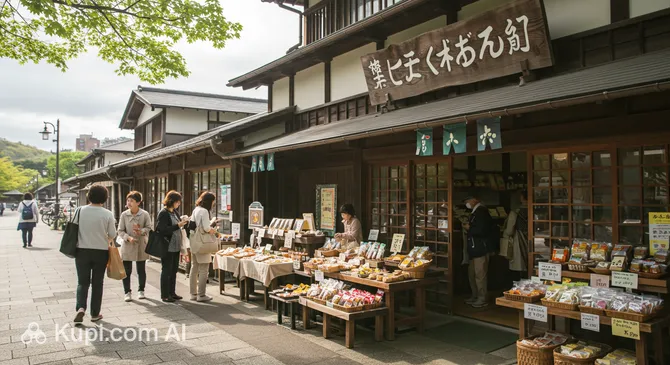
For those looking to bring home the tastes of Hokkaido, the city's markets are a treasure trove. While famous for fresh breakfast bowls, the local market stalls also sell vacuum-packed corn, sweet melons, and an endless variety of dried seafood. Dried squid, or surume, and scallops are particularly popular and travel well. Don't forget to look for kombu (kelp), a staple of Japanese cuisine that is harvested in the cold waters nearby.
A sweet tradition in the city comes from the Trappistine Monastery (Our Lady of the Angels Abbey). The nuns here have been baking their signature "Trappistine Cookies" and butter candies for decades. These treats are renowned for their rich, buttery flavor and simple ingredients, making them one of the most sought-after souvenirs in the region. You can purchase them at the monastery's shop or at major souvenir counters throughout the city.
Near the famous star-shaped fort, the Goryokaku Shop offers a different kind of shopping experience. Catering to history enthusiasts, this spot features goods related to the Shinsengumi and the Boshin War, alongside regional specialties. It is a convenient place to pick up themed merchandise or local snacks after exploring the nearby park and tower.