Support

Asahikawa

About

Asahikawa is a vibrant and welcoming city located in the very heart of Hokkaido, the northernmost island of Japan. As the second-largest city in the prefecture, it serves as a vital economic and cultural hub, bridging the gap between urban convenience and the untamed wilderness. Known for its picturesque rivers and surrounding mountains, Asahikawa offers a distinct atmosphere that changes dramatically with the seasons, from lush, green summers to snowy, enchanting winters.

Geographically situated in the Kamikawa Basin, the city is framed by the majestic Daisetsuzan mountain range. This location contributes to its continental climate, characterized by warm summers and cold, snowy winters. In fact, the city is famous for its high quality of snow, making it a paradise for winter sports enthusiasts. With a population of approximately 330,000 people, Asahikawa maintains a friendly, community-oriented vibe while providing all the amenities of a modern metropolis.
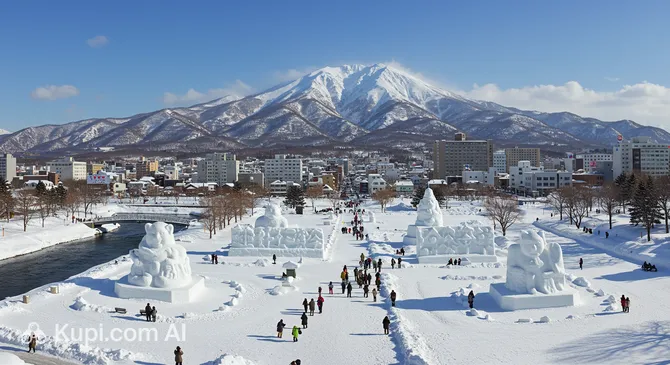
Asahikawa. Source: Kupi.Binoculars

The city has developed significantly over the years, transforming from a quiet settlement into a bustling regional center. Those interested in the local heritage will find that the history of Asahikawa is deeply intertwined with the development of Hokkaido itself, boasting a rich legacy of art, woodworking, and brewing. Today, it is celebrated not only for its past but also for its thriving food scene, particularly its famous Asahikawa Ramen, a soy sauce-based noodle soup that warms the soul.

One of the city's premier attractions is the renowned Asahiyama Zoo, which revolutionized the way animals are exhibited in the country by creating environments that allow them to behave naturally. Visitors can watch seals swim through vertical tubes or penguins take their daily winter strolls. Additionally, the city is a gateway to Daisetsuzan National Park, offering endless opportunities for hiking and nature photography.

Whether you are here to sample the local sake at the Otokoyama Sake Brewery, enjoy the spectacular snow sculptures at the Asahikawa Winter Festival, or simply use the city as a base for exploring central Hokkaido, Asahikawa promises a memorable experience. It is a destination that truly captures the spirit of the north, inviting travelers to relax and explore its many treasures.
Weather Overview

The climate in this region is continental, characterized by distinct seasonal changes that shape the local lifestyle and scenery. For travelers planning their wardrobe and itinerary, checking the detailed guide to the weather in Asahikawa is highly recommended to ensure a comfortable trip.

Winters here are long and cold, creating the perfect conditions for the powdery snow the area is famous for. January is typically the coldest month, with an average temperature of -8.5°C and lows dipping to -12.1°C. December is particularly active for precipitation, featuring up to 28 wet days, which often translates to frequent snowfall.

Conversely, summers are pleasantly mild and refreshing; July and August see average temperatures around 20.6°C. During these months, average daily highs reach approximately 24°C, providing a cool and comfortable respite for visitors compared to the humidity found elsewhere in the country.

Expect mild summers with occasional rain and very cold, snowy winters that require heavy thermal clothing. Spring and autumn are transitional and crisp, with September averaging a pleasant 16.2°C before the chill sets in again by November.

Interesting Facts

Beyond the main attractions, Asahikawa holds many fascinating secrets and historical distinctions that add depth to its character. This northern city is not just a gateway to the mountains but a place with a unique climate, rich artistic heritage, and significant literary connections.
  • Asahikawa officially holds the record for the coldest temperature ever recorded in Japan. On January 25, 1902, the mercury dropped to a bone-chilling -41.0°C (-41.8°F). This historic weather event is a defining part of the city's identity and is often cited when discussing the extreme durability and resilience of life in central Hokkaido.

  • The city is renowned across Japan as a premier center for woodworking and furniture making. Recognized as a UNESCO Creative City of Design, Asahikawa produces high-quality wooden furniture that is celebrated for its craftsmanship and functional beauty, utilizing the rich forest resources of the surrounding region.

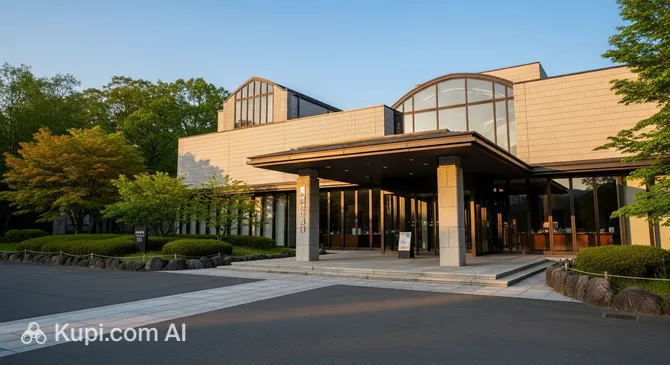
  • Literature enthusiasts may know the city as the home of the celebrated author Ayako Miura. Her debut novel, Freezing Point (Hyoten), is set in Asahikawa and became a national bestseller. Visitors can delve deeper into her life and works at the Ayako Miura Memorial Literature Museum, which is located in a forest that featured prominently in her stories.

  • Often called the "City of Rivers," Asahikawa is situated at the confluence of four major rivers, including the Ishikari River. Because of this geography, the city has an unusually high number of bridges—over 700—making it one of the cities with the most bridges in the country relative to its size.

Ayako Miura Memorial Literature Museum. Source: Kupi.Binoculars

How to Get There

Reaching this northern gem is relatively straightforward, thanks to its well-connected transport network. For those seeking the most direct route, Asahikawa Airport (AKJ) is the ideal choice. Located within the city limits, it is situated just 13 km from the center. This regional hub handles a significant volume of travelers and offers a convenient gateway to the area. A taxi or bus ride from the terminal to the downtown area typically takes about 40 minutes.

Alternatively, international travelers often fly into New Chitose Airport (CTS) in Sapporo, which serves as the primary aviation hub for Hokkaido. While this major international airport is located approximately 123 km away from Asahikawa, it offers a much wider selection of flights. The journey by road from New Chitose Airport takes around 2.5 hours via the expressway, but the airport is also well-linked by rail for those who prefer trains. You can find more about how to get to Asahikawa, including detailed routes and tips, on our dedicated page.

For clarity, here is a summary of the main airports serving the region:

Airport Name City Passenger Traffic Km from City
New Chitose Airport Sapporo Large 123.4
Asahikawa Airport Asahikawa Medium 13.0
Kushiro Airport Kushiro Medium 168.8
Tokachi-Obihiro Airport Obihiro Medium 134.4
Wakkanai Airport Wakkanai Small 186.9

Main Attractions

While the city is famous for its zoo, there are many other fascinating places to explore that highlight the region's culture and natural beauty. Asahikawa has a celebrated history of brewing, largely due to its pristine water sources and cool climate. The Otokoyama Sake Brewery Museum is a must-visit for anyone interested in Japanese gastronomy. As one of the most famous sake brands in the world, Otokoyama offers visitors a glimpse into the traditional brewing process through historical artifacts and Edo-period woodblock prints. The highlight for many is the tasting corner, where you can sample limited-edition varieties that are difficult to find elsewhere.

Otokoyama Sake Brewery Museum. Source: Kupi.Binoculars

For families and curious minds, the Asahikawa Science Museum, often referred to as "Sci-Pal," provides an engaging educational experience. This modern facility features a state-of-the-art planetarium and numerous interactive exhibits covering astronomy, ecology, and physics. Tourists particularly enjoy the unique "Cold Room" experience, which simulates temperatures of -30°C, allowing visitors to feel the extreme winter conditions of Hokkaido safely, even during the summer months.

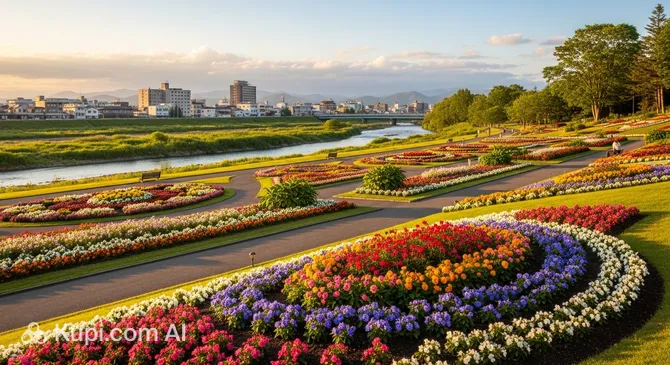
Conveniently located near the main train station, the Asahikawa Kitasaito Garden is a stunning example of urban landscaping that harmonizes with the surrounding environment. This sprawling garden connects the city center with the riverbank, offering beautifully curated flower beds, walking paths, and open lawns. It is a perfect spot for a leisurely stroll, allowing travelers to enjoy the seasonal flora and the refreshing breeze from the nearby Chubetsu River without leaving the downtown area.

Asahikawa Kitasaito Garden. Source: Kupi.Binoculars

Another green oasis in the city is Tokiwa Park, which holds the distinction of being the first park ever established in Asahikawa. Situated on an island formed by the Ishikari and Ushishubetsu rivers, it serves as a central recreational hub for locals and tourists alike. The park is home to several cultural facilities and offers rowboat rentals in the warmer months. With its tranquil atmosphere, sculptures, and ponds, it provides a peaceful retreat right in the heart of the city.

Local Cuisine

Asahikawa is a true gourmet destination where the cuisine has been heavily influenced by the region's severe winter climate and its role as a distribution hub for agricultural produce. The local food scene is characterized by hearty, warming dishes designed to provide sustenance against the cold, utilizing the fresh ingredients that Hokkaido is famous for. From steaming bowls of noodles to savory grilled meats, the city offers a culinary journey that is both rustic and deeply satisfying.

The undisputed king of the local table is Asahikawa Ramen. Unlike the miso-based broth of Sapporo, this city is famous for its soy sauce (shoyu) based soup. The broth is typically a "double soup" made from a blend of seafood, pork bones, and chicken, creating a complex and rich flavor profile. A defining characteristic is the layer of lard floating on top, which acts as an insulator to keep the soup piping hot until the very last drop—a necessary innovation for the freezing winters. The noodles are usually thin, wavy, and have a low water content, allowing them to soak up the delicious broth effectively.

Another "soul food" of the city is Shinko-yaki, a simple yet delectable dish consisting of a young chicken's half-body grilled to perfection. It is seasoned with a savory-sweet sauce or simple salt, leaving the meat juicy and tender. This dish is a staple at local izakayas (Japanese pubs), where it is often shared among friends alongside cold drinks. It represents the unpretentious and communal nature of Asahikawa's dining culture.

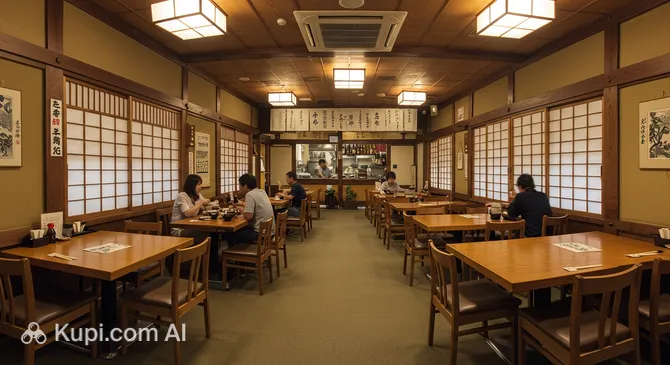
For meat lovers, the Hokkaido specialty of "Genghis Khan" (grilled mutton and lamb) is a must-try experience. The Daikokuya Main Restaurant is widely considered one of the best places in the city to enjoy this dish. Here, you can grill fresh, never-frozen lamb on a convex metal skillet right at your table, accompanied by vegetables that cook in the savory juices. The atmosphere is lively and filled with the appetizing aroma of charcoal-grilled meat.

Daikokuya Main Restaurant. Source: Kupi.Binoculars

When it comes to drinks, the city's pristine water resources make it a prime location for sake brewing. While traditional sake is the drink of choice for many, the city also embraces modern trends. Visitors looking for a sophisticated place to enjoy a drink might visit Nine C Bar Asahikawa, which offers a curated selection of beverages in a stylish setting. Whether you prefer a hot cup of sake or a craft beer, the local nightlife is welcoming and diverse.

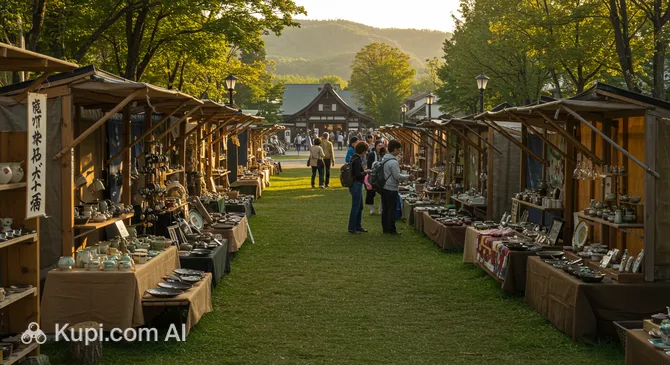
Those with a sweet tooth should not miss the local confectioneries. The city is home to Tsuboya Kibana no Mori, a facility dedicated to one of Asahikawa's most famous sweets, "Kibana"—an almond galette sandwiched with white chocolate. This location is more than just a shop; it is a beautiful space where visitors can enjoy sweets surrounded by greenery, reflecting the city's harmony with nature.

Tsuboya Kibana no Mori. Source: Kupi.Binoculars

Travel Tips

Visiting Asahikawa offers a unique blend of urban comfort and rugged nature, but a little preparation goes a long way in this northern climate. Here are some essential practical tips to help you navigate the city smoothly and enjoy your stay in central Hokkaido.

  1. Clothing and Gear: If you are visiting in winter (November to April), heavy thermal wear, a windproof down jacket, and gloves are non-negotiable. The sidewalks become extremely slippery with packed snow and ice, so bring insulated boots with deep treads or purchase attachable snow cleats at a local convenience store (konbini). Summer is pleasant and mild, but evenings can still get chilly, so packing a light jacket or cardigan is always a smart move.

  2. Transportation: The local bus network is reliable for reaching major tourist spots like the Asahiyama Zoo, with frequent departures from Asahikawa Station. However, if you plan to explore the scenic hills of Biei or the Blue Pond nearby, renting a car is often the most convenient option. Just be aware that winter driving requires experience with snowy and icy conditions.

  3. Finances: While major hotels and department stores accept credit cards, cash is still king in smaller establishments. You will specifically need Japanese Yen (JPY) for the ticket machines at many authentic ramen shops and for bus fares. International ATMs are readily available at 7-Eleven stores and Japan Post offices. Tipping is not practiced here; excellent service is standard, and leaving extra money may cause confusion.

  4. Health and Safety: Asahikawa is an incredibly safe city with very low crime rates. The primary risk for tourists is often environmental—specifically slipping on icy roads in winter. Pharmacies (often marked as "Drug") are well-stocked, but it is advisable to use a translation app to read medicine labels. For emergencies, dial 119 for an ambulance or fire department.

  5. Communication: English proficiency varies; it is generally understood at the airport, major hotels, and the Tourist Information Center, but less so in local izakayas or taxis. It is highly recommended to download an offline map and a translation app like Google Translate or DeepL. Free Wi-Fi is available at the station, but renting a Pocket Wi-Fi or buying an eSIM provides the most reliable connectivity.

  6. Local Etiquette: Politeness is paramount. When entering traditional accommodations, fitting rooms, or certain restaurants with tatami mats, you must remove your shoes. If you visit a local onsen (hot spring), remember to wash your body thoroughly before entering the communal bath and never wear a swimsuit inside the water.

  7. What to Avoid: Avoid talking loudly on public transport or talking on your phone, as this is considered rude. Also, be mindful of chopstick etiquette: never pass food directly from chopstick to chopstick, and never stick them vertically into a bowl of rice, as these actions are associated with funeral rituals.

  8. Local Insight: Asahikawa Station is more than just a transit hub; it houses an excellent Tourist Information Center with English-speaking staff. Before heading out, stop by to pick up a "gourmet map" for local ramen shops or ask for discount bus passes, which can save you money if you plan to visit the zoo and airport on the same day.

With these practical tips in hand, you are fully equipped to embrace the snowy charm and culinary delights of Asahikawa. Enjoy the warm hospitality of the locals and the breathtaking scenery of Japan's northern frontier!

Entertainment & Nightlife

Asahikawa boasts a surprisingly vibrant nightlife scene that centers around the lively Sanroku District (specifically the area spanning 2-jo to 4-jo streets and 5-chome to 7-chome). Known locally as the "Sanroku," this neighborhood is famous for having a high density of dining and drinking establishments. Unlike the thumping dance clubs found in Tokyo, the nightlife here is characterized by a warm, communal atmosphere, featuring a maze of neon-lit alleyways packed with izakayas (Japanese pubs), cocktail bars, and cozy "snack" bars where locals unwind after work.

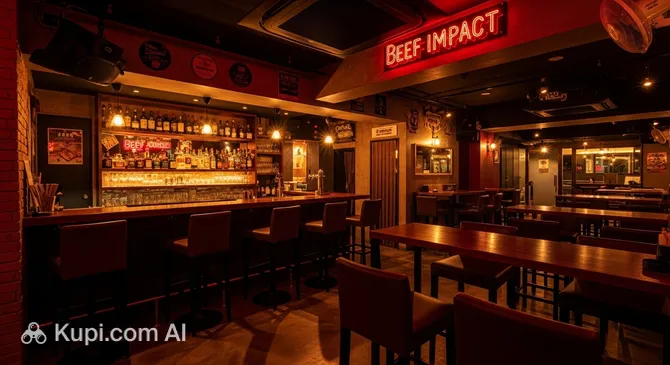
For travelers looking to start their evening with a hearty meal, Beef Impact is a fantastic choice. This steakhouse is a favorite among locals for its charcoal-grilled steaks served on sizzling iron plates. It offers a casual and energetic environment that is perfect for fueling up before exploring the rest of the district. The venue embodies the Hokkaido spirit of generous portions and quality ingredients, making it a satisfying stop for dinner.

Beef Impact. Source: Kupi.Binoculars

If you are seeking a more romantic or scenic night out, a visit to Santa Present Park is highly recommended. Located on the outskirts of the city, this attraction features the Nicholas Observation Tower, which provides a stunning panoramic view of the glittering Asahikawa skyline, often referred to as the "Night View of Love." During the winter months, the park operates as a ski hill, allowing visitors to enjoy night skiing under the stars, which is a popular evening activity for couples and families alike.

Santa Present Park. Source: Kupi.Binoculars

The atmosphere in Asahikawa's nightlife districts is generally relaxed and informal. A "smart casual" dress code works well almost anywhere, from high-end bars to casual yakitori joints. Most venues in the Sanroku area stay open late, often until 2:00 AM or 3:00 AM on weekends. While the area is bustling, it remains friendly and approachable for tourists. Prices are reasonable compared to larger metropolitan areas, with many bars offering "nomihodai" (all-you-can-drink) plans that are great value for money.

Safety is a strong point in Asahikawa; the Sanroku district is safe to walk around at night. The biggest hazard is often the icy sidewalks in winter, so walk carefully. Taxis are abundant in the entertainment district, and you can easily flag one down on the main streets or find them at designated stands near the intersections. Most drivers do not speak English, so having your hotel address written in Japanese is very helpful.

Before the sun sets, there are plenty of ways to spend your time. Shoppers can visit the Asahikawa Ekimae Mall, a large shopping complex connected to the station that offers a wide range of fashion brands, souvenirs, and a food court. For those interested in culture, the city's museums and galleries provide a quiet respite during the day, setting the stage for a lively evening in the heart of Hokkaido.

Parks & Museums

Asahikawa is a city where urban development exists in harmony with the wild beauty of Hokkaido, offering visitors a wealth of green spaces and cultural institutions that celebrate the region's unique heritage. Beyond the famous zoo and ramen shops, the city maintains a deep connection to nature and history, evident in its sprawling forests, serene shrines, and well-curated museums.

For those seeking a true escape into nature without leaving the city limits, Kaguraoka Park is a magnificent destination. This vast, hilly park serves as a natural forest reserve, home to a variety of wildlife including Ezo red squirrels and wild birds. It is a popular spot for "forest bathing" and cherry blossom viewing in spring. Within the park's tranquil grounds lies the Hokkaido Gokoku Shrine, a solemn and beautiful structure dedicated to peace and remembrance, surrounded by towering trees and ponds that create a spiritual atmosphere.

Kaguraoka Park. Source: Kupi.Binoculars

Families traveling with children will find Kamui no Mori Park to be an exceptional recreational area. The name translates to "Forest of the Gods" in the Ainu language, and the park features a massive owl-themed wooden playground structure that delights young visitors. It also houses the "Waku Waku Egg," an indoor play facility that makes it a perfect destination regardless of the weather. The spacious lawns and camping grounds offer a relaxed setting for picnics and outdoor activities during the warmer months.

Kamui no Mori Park. Source: Kupi.Binoculars

To understand the profound history of the region, a visit to the Asahikawa City Museum is essential. Known for its distinct architectural design resembling a tent, the museum offers comprehensive exhibits on the history of the Kamikawa Ainu people and the natural history of the area. The displays provide valuable insights into the indigenous culture, their coexistence with nature, and the geological formation of the Kamikawa Basin, making it a fascinating stop for history buffs.

Asahikawa City Museum. Source: Kupi.Binoculars

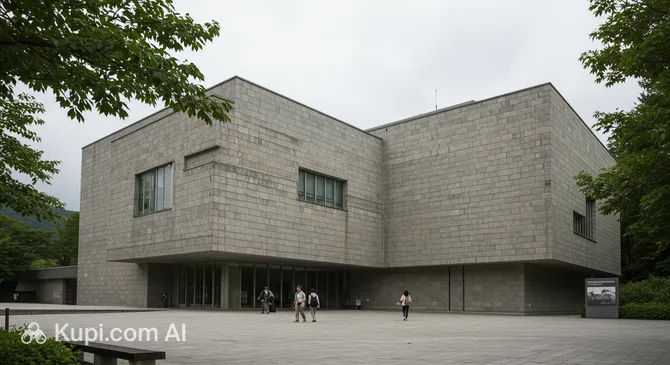
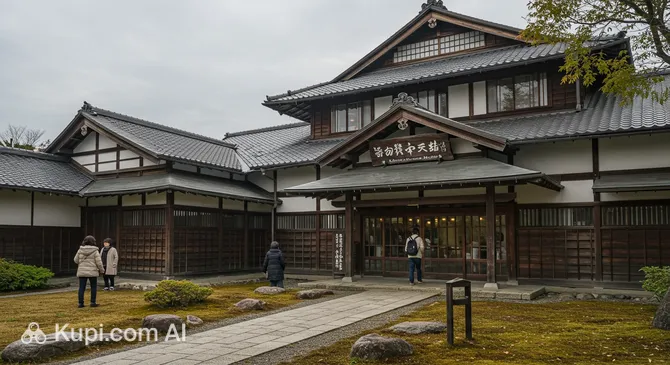
Art enthusiasts should head to the Hokkaido Asahikawa Museum of Art, conveniently located within Tokiwa Park. This gallery focuses on woodcraft and works by artists with ties to northern Hokkaido, reflecting the city's reputation as a center for furniture and design. The museum's high ceilings and large windows allow natural light to complement the sculptures and paintings, creating a serene viewing experience.

Hokkaido Asahikawa Museum of Art. Source: Kupi.Binoculars

Another significant historical site is the Hokuchin Memorial Museum. This facility preserves the history of the Tondenhei (soldier settlers) and the former 7th Division of the Imperial Army, who played a crucial role in the development and defense of Hokkaido. Through artifacts and historical documents, visitors can learn about the hardships and lifestyle of the early pioneers who laid the foundations for modern Asahikawa.

For a quieter, local experience, consider a stroll through Chuwa Park along the riverbank. It is a favorite spot for residents to jog or walk their dogs, offering lovely views of the city's bridges and the distant mountains. It provides a simple, authentic glimpse into the daily life of Asahikawa's citizens away from the main tourist crowds.

Getting Around

Unlike some of the larger metropolises in the region, Asahikawa does not have a subway or tram system. Instead, the public transport network relies almost entirely on a comprehensive bus system and the JR (Japan Railways) train lines. For most tourists staying within the city limits or visiting major attractions like the zoo, the local bus network will be your primary mode of travel. The buses are frequent, reliable, and cover the majority of the city's residential and commercial areas.

The bus system is operated mainly by two companies: Asahikawa Denkikidou and Dohoku Bus. The central hub for all transit is Asahikawa Station, particularly the large bus terminal located at the North Exit. From here, you can catch direct lines to the airport, the Asahiyama Zoo, and various ski resorts. While the JR trains are excellent for intercity travel to places like Sapporo or Furano, they are less useful for short trips within the city center itself, as the stations are spread far apart.

Navigating the payment system on buses can be slightly different from what travelers might expect in other major cities. Riders enter through the rear door and take a small numbered ticket (called a seiriken) from a machine. This ticket indicates your boarding stop. At the front of the bus, a digital display board shows the fare corresponding to your ticket number. When you reach your destination, you drop the ticket and the exact fare in coins into the box next to the driver before exiting through the front door. The fare box can give change for 1,000-yen notes and coins, but it is always wise to carry small change.

Regarding travel cards, the city utilizes a local IC card system known as the Asaca Card (and the DoCard). It is important to note that nationwide transport cards like Suica, Pasmo, or Kitaca are not generally accepted on local buses in Asahikawa, although they can be used at the JR train station automatic gates. However, recent updates have seen the introduction of contactless credit card payments (Visa, JCB, etc.) on certain routes, including the airport shuttle. For short stays, paying with cash is often the simplest option to avoid purchasing a local card you won't use elsewhere.

For those who prefer more privacy or convenience, taxis are readily available and can be hailed on the street or found at the taxi stand in front of the train station. They are a reliable alternative, especially during the colder months when waiting for a bus in freezing temperatures can be challenging. Most drivers do not speak fluent English, so having your destination written in Japanese or showing it on a map app is highly recommended. Ride-sharing apps are not dominant here; standard taxis remain the standard.

Given the vast nature of Hokkaido, renting a car is arguably the most popular choice for tourists who want to explore beyond the city center, such as the scenic hills of Biei or the Blue Pond. The roads are wide and easy to navigate compared to other parts of the region. However, if you are visiting in winter, driving requires caution and experience due to snow and ice. During the summer, rental bicycles are a fantastic way to explore the flat terrain near the riverbanks and parks, with rentals often available near the station.

A final practical tip concerns operating hours. Public transport here does not run all night. Bus services on many routes wind down relatively early in the evening, often between 9:00 PM and 10:00 PM, though some main lines may run a bit later. If you are enjoying the nightlife in the Sanroku district, be prepared to take a taxi back to your hotel if you stay out late.

Accommodation

Where to Stay:

Accommodation in Asahikawa is designed to cater to a wide variety of travelers, ranging from solo adventurers and business professionals to families visiting the famous zoo. As a major logistical hub for central Hokkaido, the city offers a reliable selection of lodgings, including functional business hotels, comfortable mid-range city hotels, and traditional Japanese inns known as ryokans. While it may not have the sheer volume of luxury resorts found in Sapporo, visitors will find clean, convenient, and welcoming places to rest.

The most strategic area to stay is undoubtedly around Asahikawa Station. This district is the heartbeat of the city's transport network, providing immediate access to the bus terminal for trips to Asahikawa Airport and the Asahiyama Zoo. Staying here also places you within walking distance of the Heiwa Dori Shopping Park and the vibrant Sanroku nightlife district. For tourists who plan to use the city as a base for day trips to the flower fields of Biei or the mountains of Daisetsuzan, securing a room near the station is highly recommended for maximum efficiency.

A common and economical option in the city is the Japanese "business hotel." These establishments offer compact but highly functional Western-style rooms equipped with all necessary amenities. They are often located within a few blocks of the train station and are perfect for travelers who prioritize location and price over expansive luxury. For those seeking a more authentic cultural experience, there are several establishments that feature public baths (sento) or natural hot springs (onsen) on-site, allowing guests to soak and relax after a day in the cold winter air.

Booking Tips: Demand for accommodation fluctuates significantly with the seasons. The summer months (particularly July and August) are extremely busy due to the lavender season in neighboring towns, while early February sees a surge in visitors for the Asahikawa Winter Festival. During these peak times, hotels can fill up months in advance, and prices can rise sharply. It is advisable to book your accommodation as early as possible if your travel dates coincide with these major events.

Generally, prices in Asahikawa are reasonable and often lower than in the capital city of Sapporo. Budget travelers can find affordable guest houses and hostels, while mid-range options provide excellent value for money. Most accommodations can be easily booked through major international online platforms, though some smaller traditional inns may prefer direct inquiries or use Japanese-specific booking sites. Regardless of where you choose to stay, the hospitality in this northern city is warm and inviting.

Nearby Cities

For those looking to explore the surroundings, Asahikawa serves as an excellent base for day trips to several interesting nearby locations. The region is dotted with towns that offer unique seasonal attractions, from vibrant flower fields to agricultural heritage, allowing visitors to experience the diverse landscapes of Hokkaido.

One notable destination is Takikawa, located south of the city. It is particularly famous for its breathtaking canola flower festival in late spring, where vast fields turn a brilliant shade of yellow. The town is also known as a hub for glider aviation, offering adventurous travelers a chance to see the landscape from the sky. Further north lies Nayoro, a city that transforms with the seasons; it boasts some of Japan's most impressive sunflower fields in summer and is celebrated for its "sun pillars" and high-quality snow in winter.

City Population Distance (km)
Ebetsu 119819 100
Iwamizawa 79361 80
Takikawa 39266 44
Nayoro 27062 65
Mobetsu 21317 103

These nearby destinations offer a glimpse into the diverse culture and landscapes of the region.

Shopping & Souvenirs

Asahikawa serves as the primary commercial and logistical center for Northern and Central Hokkaido. While it may not rival the sheer scale of Sapporo, the city offers a convenient and pleasant shopping experience that blends modern convenience with local charm. From high-end department stores to quaint specialty shops selling regional crafts, visitors can find everything from outdoor gear for their mountain adventures to exquisite local handicrafts.

The heart of the city's retail scene is the Heiwa Dori Shopping Park (Heiwa Dori Kaimono Koen). Stretching for about one kilometer from the train station, this historic avenue was Japan's first permanent pedestrian-only shopping street, established in 1972. It is lined with a mix of department stores, fashion boutiques, and restaurants, all adorned with bronze sculptures and fountains that create a relaxed atmosphere for strolling. This open-air promenade is perfect for window shopping and soaking in the local vibe, especially during the warmer months.

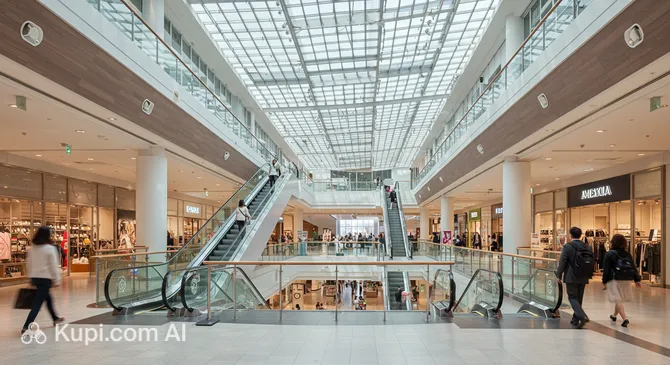
For a comprehensive modern shopping experience, the Asahikawa Ekimae Shopping Mall is the go-to destination. Directly connected to the JR Asahikawa Station, this large complex houses a vast array of international brands, a cinema, and a diverse food court. It is particularly convenient for travelers, offering a chance to pick up last-minute essentials or gifts without straying far from the transport hub.

Asahikawa Ekimae Shopping Mall. Source: Kupi.Binoculars

While Asahikawa does not have a single massive seafood market like some coastal cities, the spirit of Hokkaido's agriculture is alive in its food shops. The area around the station and the basement floors of department stores along Heiwa Dori feature vibrant food sections. Here, you can find fresh local produce, seafood products, and the famous melons of Hokkaido when in season. These spots are excellent for seeing what the locals eat and buying high-quality ingredients.

When hunting for keepsakes, Asahikawa offers distinct local specialties. As a UNESCO City of Design, the city is famous for its Asahikawa Furniture and woodcrafts; look for high-quality wooden cups, trays, or small interior items that showcase superior craftsmanship. Food souvenirs are also popular, particularly Asahikawa Ramen packs and local sweets. The almond galette "Kibana" from Tsuboya Kibana no Mori is a beloved local treat. Additionally, bottles of sake from the celebrated breweries in the region make for excellent gifts.

Most shops in the city center operate from 10:00 AM to 7:30 PM or 8:00 PM. The larger shopping mall at the station typically stays open until 9:00 PM, with its restaurant floors operating even later. While major department stores, malls, and convenience stores accept credit cards and IC cards, smaller independent shops and traditional craft stores may still prefer cash. It is always wise to carry some Japanese Yen.

Tourists can take advantage of tax-free shopping at participating stores, which include large electronics retailers, drugstores, and major department stores like the one at the station. Look for the "Japan. Tax-Free Shop" logo at the entrance or counter. You will need to present your passport to claim the consumption tax refund on eligible purchases totaling over 5,000 JPY (excluding tax).

Reached the end of the page?

That means the route is fully explored