Support

Nakashunbetsu

About

Welcome to Nakashunbetsu, a serene destination located in the eastern part of Hokkaido. Surrounded by vast open plains and majestic mountains, this town offers a unique atmosphere that perfectly blends rural charm with the breathtaking wilderness of the north. It is an ideal spot for travelers seeking a peaceful retreat away from the bustling metropolises.

Geographically, the town is situated inland, benefiting from the crisp, clean air characteristic of the region. With a population of approximately 23,000 residents, it maintains a close-knit community feel while providing essential amenities for visitors. As you explore this beautiful corner of Japan, you will encounter a landscape defined by rolling pastures and a climate that ranges from snowy, picturesque winters to refreshingly cool summers.
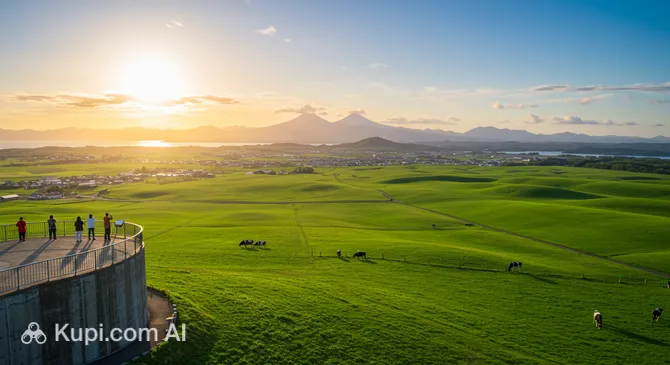
Nakashunbetsu. Source: Kupi.Binoculars

The local culture is strongly tied to the land. The history of Nakashunbetsu is closely linked to the development of dairy farming, which has shaped the scenery into a patchwork of green fields and windbreak forests. This agricultural heritage contributes significantly to the area's identity and offers a glimpse into the hardworking spirit of its people.

Travelers are often drawn to the area's natural highlights. The region is famous for its observatories that offer 360-degree panoramic views of the horizon, allowing you to see the curvature of the earth on a clear day. Additionally, the nearby hot springs provide a relaxing way to unwind after a day of exploration, surrounded by the sounds of nature. The unique grid pattern of the lattice-shaped windbreaks is another sight that makes the local scenery truly distinctive.

Whether you are a nature enthusiast or simply looking for a quiet escape, Nakashunbetsu welcomes you with open arms. We invite you to discover the expansive skies and warm hospitality that make this town a hidden gem in Hokkaido.

Weather Overview

The climate in this region is defined by distinct seasonal variations, offering travelers a mix of crisp, snowy winters and refreshingly mild summers. For those planning a visit, checking the weather in Nakashunbetsu is recommended to ensure you pack appropriately for the conditions. Generally, the area avoids the extreme heat and humidity found in southern parts of the country, making it a comfortable destination during the warmer months.

Winter is the coldest time of year, particularly in January and February, when average temperatures hover around -7.9°C and minimums can drop to -11.8°C. Conversely, the summer season is pleasant and moderate; August is typically the warmest month with an average temperature of 19.3°C and highs reaching just over 22°C.

Precipitation is frequent but generally light throughout the year. While the volume of rainfall or snow remains low, with monthly totals often recorded around 2mm to 5mm, the number of wet days is significant, ranging from 7 to 14 days per month. Visitors should expect cool, potentially snowy winters and summers that bring occasional light rain alongside the comfortable temperatures.

Interesting Facts

Beyond the main attractions, Nakashunbetsu holds many fascinating secrets that showcase its unique connection to nature and rural life. This town is not just a scenic retreat but a place defined by intriguing geographical extremes and local quirks.
  • It is widely known among locals that the town is home to more cows than people. As a premier dairy farming region in Japan, the bovine population significantly outnumbers the human residents, a testament to the area's thriving agricultural industry.

  • The town is home to the "Milky Way Road" (North 19 Road), a straight stretch of asphalt that creates a stunning optical illusion. Due to the undulating terrain, the road appears to vanish directly into the sky at the horizon, making it a favorite spot for photographers.

  • Nakashunbetsu hosts the easternmost civilian airport in the country. Uniquely, the terminal building is constructed using extensive amounts of local timber, giving it the warm, inviting atmosphere of a mountain lodge rather than a typical concrete transit hub.

  • The nearby Yoroushi Onsen area is one of the few places in the world where you can spot the endangered Blakiston's fish owl from the comfort of your hotel. These rare birds, revered as guardian deities by the indigenous Ainu people, frequently visit the riverbanks right outside the hot spring inns.

How to Get There

Reaching this scenic destination in eastern Hokkaido is relatively straightforward, thanks to its local airport and proximity to other major transport hubs. While the town is nestled in a rural landscape, it is well-connected by air and road. For a comprehensive guide on the best routes and travel tips, you can read more about how to get to Nakashunbetsu.

The most convenient entry point is the local Nakashibetsu Airport (IATA: SHB), located directly in the city of Nakashunbetsu. It is a regional airport that primarily handles domestic flights, including direct connections to Tokyo and Sapporo. Since the airport is situated just 2.6 km from the city center, the transfer is very quick; a taxi ride typically takes approximately 5 to 10 minutes, making it the fastest way to start your visit.

Alternatively, travelers can fly into Kushiro Airport (IATA: KUH), which serves the neighboring city of Kushiro. This airport handles a higher volume of passengers and may offer different flight schedules. It is located about 85.2 km from Nakashunbetsu. From there, you can rent a car or take a bus, with the journey by road taking approximately 1.5 to 2 hours depending on weather conditions.

For clarity, here is a summary of the main airports serving the region:

Airport Name City Passenger Traffic Km from City
Nakashibetsu Airport Nakashunbetsu Small 2.6
Kushiro Airport Kushiro Medium 85.2
Tokachi-Obihiro Airport Obihiro Medium 169.5
Asahikawa Airport Asahikawa High 204.2

Nakashunbetsu does not have its own railway station, as the former rail lines serving the area were discontinued. Visitors preferring to travel by train usually take the JR line to Kushiro Station or Shibecha Station in neighboring cities and then transfer to a bus or rental car to complete the journey. The drive from these stations offers beautiful views of the Hokkaido countryside, but it is important to check bus schedules in advance as they can be infrequent in rural areas.

Main Attractions

Nakashunbetsu offers a delightful array of attractions that showcase the region's expansive natural beauty and agricultural heritage. From panoramic viewpoints that stretch to the horizon to relaxing hot springs hidden in the forest, the town provides memorable experiences for every type of traveler. Here are some of the top places to visit during your stay.

Kaiyodai Observatory is arguably the most famous landmark in the area. Situated on a hill surrounded by grazing pastures, this observation deck provides a stunning 330-degree panoramic view of the landscape. It is widely known as a spot where "you can see the earth is round," offering unobstructed vistas of the distant Shiretoko Mountain Range and the vast Konsen Plain. At night, it becomes a prime location for stargazing, with the endless sky offering a spectacular display above the dark horizon.

For those seeking relaxation, Yoroushi Onsen is a must-visit destination. Located along the banks of the Shibetsu River, this hot spring village is renowned for its tranquil atmosphere and high-quality waters. It is deeply connected to nature, and visitors often have the unique opportunity to observe local wildlife, including rare wild birds, right from the comfort of the traditional inns. It is the perfect place to soothe your body and mind after a day of exploring.

Families and nature lovers will appreciate Hokkaido Prefectural Yumenomori Park. This extensive facility is designed to foster a connection between people and the natural environment. The park features a large indoor playground, making it a great stop regardless of the weather, as well as outdoor walking trails and adventure courses. It serves as a hub for learning about the local ecosystem while enjoying fun, interactive activities suitable for all ages.

Another scenic highlight is Mount Moan, often considered the symbol of Nakashunbetsu. This dormant volcano rises gently from the plains and offers accessible hiking trails for outdoor enthusiasts. The mountain is easily recognizable by the large Japanese characters for "cow" depicted on its slope, paying homage to the town's thriving dairy industry. Reaching the summit rewards hikers with breathtaking views of the grid-patterned windbreaks and the lush green countryside below.

Local Cuisine

The culinary landscape of Nakashunbetsu is inextricably linked to its reputation as a premier dairy farming region. With a population of cows that far exceeds the number of people, it comes as no surprise that dairy products form the backbone of the local food culture. Visitors can expect an abundance of rich, high-quality milk, cheese, and yogurt that rival the best in Japan. The freshness of these ingredients transforms even simple meals into gourmet experiences, offering a creamy and wholesome taste of Hokkaido’s bounty.

One of the most unique signature dishes you must try is Milk Ramen. While ramen is a staple across the country, the local version here incorporates fresh milk into the broth, creating a smooth, creamy, and surprisingly savory flavor profile that pairs perfectly with miso or salt bases. Another gastronomic highlight is the Nakashunbetsu beef, known for its tenderness and marbling. Whether served as a steak or in a Japanese-style barbecue (Yakiniku), the meat reflects the high standards of local agriculture.

Beyond dairy and meat, the region is famous for its massive Shiitake mushrooms. Often grown on local oak logs, these mushrooms are prized for their thick, meaty texture and deep umami flavor, often served grilled or as a tempura side dish. For dessert, a visit is not complete without tasting the soft-serve ice cream. Available at various spots, including the observatories, it is celebrated for its dense, rich milk flavor that captures the essence of the surrounding pastures.

When it comes to drinks, the most iconic choice is, quite simply, a glass of fresh local milk. It is often served cold and is noticeably sweeter and creamier than standard store-bought varieties. For those seeking something alcoholic, the region offers locally brewed sake that utilizes the pristine water of eastern Hokkaido. You might also find "coffee milk" made with local dairy, a nostalgic and popular beverage among residents.

The dining scene in Nakashunbetsu is casual and welcoming, characterized by a "farm-to-table" philosophy. Tourists and locals alike often gather at Michi-no-Eki (roadside stations) and small, family-run restaurants to enjoy set meals featuring seasonal ingredients. The atmosphere is unpretentious, focusing on the quality of the produce rather than elaborate presentation, making it a delightful place for food lovers to explore authentic rural Japanese flavors.

Travel Tips

Preparing for a trip to Nakashunbetsu requires a bit of specific planning due to its rural location and distinct northern climate. To help you navigate this beautiful dairy region of Hokkaido with ease, we have compiled a list of essential practical advice for a smooth and enjoyable journey.

  1. Dress for the Season. Hokkaido's weather can be quite different from the rest of the country. In winter, temperatures frequently drop well below freezing, so thermal underwear, a heavy down jacket, and non-slip snow boots are mandatory. Summers are pleasantly mild but can be breezy and cool in the evenings; bringing a windbreaker or a light sweater is highly recommended. If you plan to visit the observatories, be prepared for strong winds.

  2. Rent a Car for Flexibility. Since there are no train services in Nakashunbetsu and bus schedules can be infrequent, renting a car is the most practical way to get around. It gives you the freedom to visit scattered attractions like Kaiyodai Observatory or Yoroushi Onsen at your own pace. Remember that in winter, roads will be icy, so ensure your rental comes with snow tires and drive cautiously.

  3. Carry Sufficient Cash. While major hotels and supermarkets may accept credit cards, many smaller restaurants, local shops, and rural cafes operate on a cash-only basis. It is wise to withdraw Japanese Yen (JPY) upon arrival at the airport or use ATMs at convenience stores (like 7-Eleven or Seicomart) and the Japan Post Bank, as international cards might not work in local regional bank ATMs.

  4. Be Aware of Wildlife on Roads. Nakashunbetsu is surrounded by nature, and Ezo deer or foxes frequently cross the roads, especially at dawn and dusk. Driving accidents involving wildlife are a real risk here. Always keep your speed down and stay alert when driving through wooded areas or near pastures. For health needs, carry a basic first-aid kit and personal medications, as pharmacies may close early.

  5. Prepare for Language Barriers. English is not widely spoken outside of major tourist information centers. It is highly advisable to have a translation app installed on your phone to communicate with locals or read menus. Renting a Pocket Wi-Fi or purchasing a SIM card at a major airport before arriving is recommended to ensure you stay connected, as public Wi-Fi spots can be limited in remote areas.

  6. Respect Onsen Etiquette. Visiting a hot spring is a highlight of the region. Remember to wash your body thoroughly at the shower stations before entering the communal bath. Swimsuits are generally not permitted (unless specified otherwise), and you should keep your small towel out of the bathwater. In the changing rooms, always remove your shoes before stepping onto the raised floor areas.

  7. Do Not Enter Farmland. This is a critical rule in Nakashunbetsu. The region is a major dairy producer, and strict biosecurity measures are in place to prevent diseases from spreading to the cattle. Never walk into pastures, barns, or fields without explicit permission, as bacteria on your shoes can be harmful to the livestock. Admire the cows and scenery from the public roads.

  8. Check Opening Hours. Life in rural Hokkaido moves at a relaxed pace. Many shops and restaurants close earlier than in big cities like Sapporo or Tokyo, often around 6:00 PM or 8:00 PM. If you are planning a dinner out, check the hours in advance or arrive early to avoid finding closed doors.

By keeping these tips in mind, you will be well-equipped to embrace the slow life and expansive nature of Nakashunbetsu. We hope you have a safe, comfortable, and unforgettable adventure exploring the starry skies and green pastures of this unique northern town.

Entertainment & Nightlife

Nightlife in Nakashunbetsu offers a distinct departure from the neon-lit chaos of Japan's major cities. Instead of sprawling clubbing districts, the evening scene here is intimate, welcoming, and centered around excellent food and drink. The town comes alive after sunset in a more relaxed manner, where locals gather to unwind after a day of work. The atmosphere is warm and communal, making it a perfect place for travelers to experience authentic rural hospitality.

The main hub for evening entertainment is located in the central downtown area, particularly around the streets near the main bus terminal. This compact district is easy to navigate on foot, though the winter months can make the sidewalks slippery. Here, you will find a cluster of establishments ranging from casual dining spots to cozy drinking dens. The vibe is decidedly casual; there is no strict dress code, and jeans or comfortable travel attire are perfectly acceptable everywhere.

For those looking to dive into the local culture, Izakayas (Japanese-style pubs) are the heartbeat of the night. One popular spot is Tsubohachi, a well-known establishment that offers a reliable menu of yakitori (grilled chicken skewers), sashimi, and draft beer, making it a great entry point for visitors. Another local favorite is Sazan, known for its selection of shochu and traditional Japanese cuisine. These venues typically stay open until around midnight, providing ample time to enjoy a leisurely meal and drinks.

Beyond the izakayas, the town is home to several "Snack Bars"—small, often retro bars run by a "Mama-san" or "Master." These places are iconic to Japanese nightlife, offering karaoke and conversation. While entering can feel intimidating due to the language barrier, they are generally safe and friendly. For a different vibe, you might check out James Season Two, a bar and cafe setting that offers a more western-style drinking experience. Prices in Nakashunbetsu are generally reasonable, with an average night out costing significantly less than in Tokyo or Sapporo.

Practicality is key when enjoying a night out here. Public transport stops running early in the evening, so you will likely need to rely on taxis to get back to your accommodation if it is not within walking distance. Taxis can be called by your restaurant or flagged down at the station taxi stand. It is also crucial to carry cash, as many smaller bars and family-run eateries do not accept credit cards. The area is extremely safe for night walks, though you should keep an eye out for wildlife, such as deer, which may wander near the roads on the outskirts of town.

While the nights are for relaxing, the daytime offers its own set of adventures. Before the sun sets, visitors often head to the Kaiyodai Observatory for panoramic views or spend time at the Hokkaido Prefectural Yumenomori Park, which features extensive indoor and outdoor facilities. These daytime activities provide a perfect balance to the laid-back, culinary-focused evenings that define this charming dairy town.

Parks & Museums

While Nakashunbetsu is primarily known for its sweeping agricultural landscapes and dairy farming, the city also maintains a selection of green spaces and cultural facilities that offer a deeper look into the region's heritage. Visitors can enjoy a mix of well-maintained parks perfect for relaxation and educational venues that preserve the history of the pioneers who cultivated this northern land.

For those who enjoy outdoor recreation, Midorigaoka Forest Park is a central highlight. Located conveniently near the heart of the town, this expansive park serves as a community hub for relaxation and events. In late spring, typically around mid-May, it becomes a prime spot for viewing cherry blossoms (sakura), which bloom later here than in the rest of Japan. The park features lush walking trails, open lawns for picnics, and camping facilities, making it an excellent place to experience the local lifestyle and enjoy the crisp Hokkaido air.

Another cherished green space within the city limits is Maruyama Park. Situated centrally, this park offers a more intimate setting for a leisurely stroll or a quiet afternoon break. It is a historic site that has long been a favorite among locals for its serene atmosphere and seasonal beauty. With its gentle walking paths and shaded areas, it provides a perfect contrast to the vast open pastures surrounding the town, allowing visitors to enjoy nature without venturing far from urban amenities.

To understand the local culture, a visit to the Municipal Folk Museum is highly recommended. This facility is dedicated to preserving the history of the town's development, from its rugged beginnings to its status as a dairy capital. Exhibits typically display agricultural tools used by early settlers, household items from the Showa era, and artifacts related to the indigenous Ainu people. It provides a fascinating narrative of how the community adapted to the harsh northern winters and transformed the wilderness into productive farmland.

Art and photography enthusiasts often appreciate the rotating exhibitions found within the town's cultural centers, such as the Cultural Hall (Shirube). While it is primarily a venue for performing arts, the lobby and community spaces frequently host galleries showcasing works by local photographers and artists. These displays often feature stunning captures of the local wildlife, including the Blakiston's fish owl and the iconic grid-patterned windbreaks, offering a visual journey through the region's natural beauty.

For a truly authentic experience, take a walk along the trails bordering the Shibetsu River. This area is less manicured than the city parks but offers a genuine encounter with the local ecosystem. It is a favorite spot for birdwatchers hoping to catch a glimpse of rare waterfowl or simply to listen to the soothing flow of the river, which has been the lifeline of the area for centuries.

Getting Around

Navigating Nakashunbetsu differs significantly from moving around Japan's major metropolises like Tokyo or Osaka. As a rural town in eastern Hokkaido, the public transport infrastructure is limited compared to big cities. There are no subways, trams, or train services directly within the city limits. Instead, the local transport network relies entirely on a system of buses and taxis, making the area best suited for travelers who are comfortable with road travel.

The primary mode of public transportation is the local bus service. These buses connect the town center with key facilities, the airport, and neighboring towns. However, the frequency of these services can be quite low, with some routes operating only a few times a day. It is essential to check the timetables in advance, which are often available at the Nakashibetsu Airport information desk or the central bus terminal. For longer distances, intercity buses provide connections to major hubs like Sapporo and Kushiro.

When using local buses, the payment system is typically cash-based. Upon entering the bus (usually through the rear or middle door), you must take a small numbered ticket called a seiriken from a machine. A display board at the front of the bus will show the fare corresponding to your ticket number. When you reach your destination, you put the exact fare and the ticket into the payment box next to the driver. While major IC cards (like Suica or Pasmo) are ubiquitous in Japan, they are not always accepted on rural bus lines, so it is crucial to carry plenty of coins and 1,000-yen notes.

Taxis offer a more flexible alternative for getting around, especially given the scattered nature of the town's attractions. You can easily find taxi stands at the airport and the main bus terminal in the city center. Unlike in large cities where you can flag a cab down on any street, in Nakashunbetsu, it is better to call a local taxi company or head to a designated stand. Taxis are reliable and safe, but fares can add up quickly for long distances. Note that ride-sharing apps are generally not operational in this region.

For tourists who wish to explore the scenic observatories, hot springs, and farmlands freely, renting a car is the most practical and recommended option. Several car rental agencies operate counters at the airport. Having your own vehicle allows you to travel without being constrained by infrequent bus schedules and lets you access remote viewpoints that public transport does not reach. If you choose to drive, remember that traffic flows on the left, and winter driving requires caution and a vehicle equipped with snow tires.

Finally, the town is relatively compact in its central commercial area, making walking a feasible option for short trips between restaurants and hotels near the bus terminal. However, the distances to major tourist sites like Kaiyodai Observatory are too great for walking. Bicycle rentals may be available seasonally at tourist information centers, offering a pleasant way to see the town during the mild summer months, provided you are comfortable cycling on roads shared with vehicles.

Accommodation

Accommodation in Nakashunbetsu primarily caters to two types of travelers: those seeking practical, convenient bases for exploration and those looking for a relaxing, traditional Japanese retreat. The options generally range from straightforward business hotels and budget-friendly guesthouses to atmospheric hot spring inns (ryokans). While you will not find sprawling international luxury resorts here, the local hospitality is warm and the facilities are well-maintained, reflecting the town's rural charm.

For visitors prioritizing convenience and accessibility, the downtown area is the most strategic place to stay. Located near the central bus terminal and the main dining district, hotels here are typically Western-style business hotels. These establishments offer clean, compact rooms equipped with essential amenities, making them an excellent choice for travelers who plan to spend their days driving around Hokkaido and their evenings enjoying the local izakayas. Staying in the city center also means you are just a short taxi ride from the airport and within walking distance of convenience stores.

Travelers seeking a unique cultural experience should consider staying in the Yoroushi Onsen area, located about 30 minutes by car from the town center. This riverside hot spring village is famous for its traditional ryokans, where guests can sleep on tatami mats, enjoy multi-course Kaiseki dinners featuring local ingredients, and soak in natural thermal baths. Many of these inns are situated right along the Shibetsu River, offering the rare opportunity to spot wild wildlife, such as the Blakiston's fish owl, directly from the lobby or guest rooms.

Booking Tips and Prices: Prices in Nakashunbetsu are generally reasonable compared to Hokkaido's major tourist hubs like Sapporo or Niseko. Business hotels typically fall into the budget to mid-range category, while ryokans in the hot spring area can range from mid-range to luxury depending on the meal plans included. It is highly recommended to book your accommodation in advance, especially if you plan to visit during the peak summer season (July and August) or the "Golden Week" holidays in May, as the limited number of rooms can fill up quickly. For the smaller, family-run inns, booking directly or through major Japanese travel sites is often the most reliable method.

Nearby Cities

For those looking to explore the surroundings, Nakashunbetsu serves as an excellent base for day trips to several interesting nearby locations:

Located just a short drive to the south, Kushiro is a major port city famous for its delicious seafood, particularly the "Robatayaki" style of grilling. It is also the gateway to the expansive Kushiro Marshland, a national park where nature lovers can observe the majestic Japanese red-crowned cranes in their natural habitat. The city offers a perfect blend of culinary delights and wetland scenery.

To the north lies Abashiri, a coastal town facing the Sea of Okhotsk. It is renowned worldwide for the dramatic drift ice that reaches its shores in winter, which can be viewed from sightseeing icebreaker ships. Additionally, the city is home to the historical Abashiri Prison Museum, an open-air museum that offers a fascinating and educational look into the region's development and history.

Further inland, travelers can visit Obihiro, the heart of the Tokachi agricultural region. Known for its vast farming landscapes, it is a paradise for foodies, offering the famous "Butadon" (pork rice bowl) and a wide variety of delectable sweets made from high-quality local dairy and wheat. It is also the only place in the world hosting Ban'ei horse racing, where draft horses pull heavy sleds.

City Population Distance (km)
Asahikawa 331392 212
Kushiro 165699 79
Obihiro 165684 160
Otofuke 44049 157
Abashiri 34640 76

These nearby destinations offer a glimpse into the diverse culture and landscapes of the region, making them well worth the journey for anyone wishing to experience more of Hokkaido.

Shopping & Souvenirs

Shopping in Nakashunbetsu offers a relaxed and authentic experience that focuses more on high-quality local produce and daily essentials than high-end fashion or luxury brands. While you will not find sprawling department stores typical of major metropolises, the town provides a sufficient selection of shops that cater to both residents and visitors. The shopping scene here is a reflection of the region's agricultural wealth, making it an excellent place to discover fresh food items and unique northern goods.

The main commercial activity is concentrated in the downtown area, particularly along the streets surrounding the central bus terminal and the main thoroughfares like Route 272. This district is walkable and features a mix of small specialty shops, drugstores, and convenience stores. It is a convenient area for tourists to pick up travel necessities, snacks, or basic clothing while exploring the town center.

For a more comprehensive shopping experience, the Tobu South Hills is the primary destination. As one of the largest shopping centers in the region, it houses a variety of tenants ranging from fashion boutiques and bookstores to a large supermarket. It serves as a community hub where you can find almost anything you need under one roof. Another key facility is Aru-ru, a massive shopping complex run by the local agricultural cooperative (JA). It is particularly famous for its extensive grocery section, which rivals big-city supermarkets in quality and variety.

While there are no traditional open-air bazaars, the Michi-no-Eki (Roadside Stations) and the direct-sales corners within supermarkets act as vibrant markets for the area. These spots are the best places to find fresh vegetables, dairy products, and seafood caught in nearby waters. The emphasis is always on seasonality, so the selection changes throughout the year, offering a genuine taste of Hokkaido's harvest.

When it comes to souvenirs, dairy products are the undisputed stars of Nakashunbetsu. Visitors should look for locally produced cheese, yogurt, and butter, which are renowned for their rich and creamy flavor. The local milk, often sold in iconic glass bottles or cartons featuring regional branding, makes for a delicious treat. Additionally, items made from local timber, such as handcrafted wooden utensils or ornaments, are popular keepsakes that reflect the town's forestry heritage.

Most shops in the city operate from around 10:00 AM to 8:00 PM, though some supermarkets may stay open later. Convenience stores are generally open 24 hours a day. Regarding payment, while major shopping centers like Tobu South Hills and large supermarkets accept credit cards, many smaller local shops and restaurants still prefer cash. It is advisable to carry sufficient Japanese Yen, especially when visiting independent vendors.

Tax-free shopping is available but limited compared to tourist hotspots like Sapporo. You may find tax-free counters at large drugstores or the main shopping center, but it is not a standard service at every store. Tourists looking to claim tax refunds should bring their passports and check for the "Tax-Free" signage at the entrance of shops.

Reached the end of the page?

That means the route is fully explored