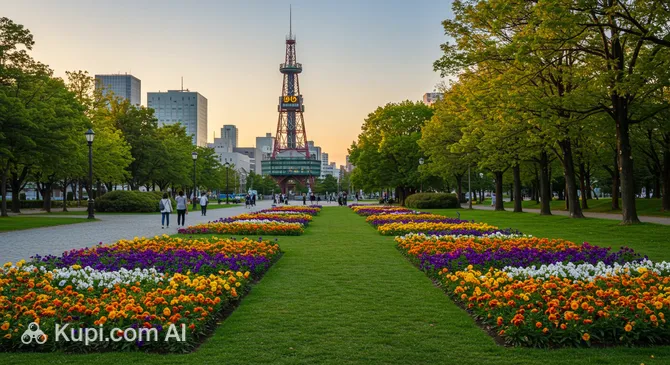
Sapporo, the capital of Hokkaido, is a vibrant metropolis that perfectly blends urban sophistication with the untamed beauty of nature. As the fifth-largest city in Japan, it is renowned for its spacious streets, distinct four seasons, and welcoming atmosphere. With a population of approximately 1.96 million, it serves as the cultural and economic hub of the northern region, offering travelers a unique experience distinct from the bustling streets of Tokyo or Osaka.
Sapporo. Illustration.
Source: Kupi.com AI
While many Japanese cities are centuries old, Sapporo is relatively young, having been designed in the late 19th century with a North American-style grid system. You can dive deeper into the fascinating development of this northern capital by exploring the history of Sapporo, which details its transformation from a quiet settlement into a major international destination. The city is perhaps most famous for its snowy winters, hosting the world-class Sapporo Snow Festival, which transforms the city center into a wonderland of ice sculptures.
Beyond the winter festivities, the city is a paradise for food lovers. It is the birthplace of Miso Ramen and home to the legendary Sapporo Beer, with a museum dedicated to its brewing heritage. Whether you are strolling through the lush greenery of Odori Park in summer or hitting the nearby ski slopes in winter, Sapporo promises an unforgettable journey filled with culinary delights and scenic beauty.
Weather Overview
The climate in Sapporo is characterized by distinct seasonal changes, offering a completely different atmosphere depending on the time of year. Visitors can expect warm summers with occasional rain and cold, dry winters that are famous for their heavy snowfall. To plan your trip effectively, it is helpful to check the current weather in Sapporo before packing, as temperatures fluctuate significantly.
Winter is the longest and most defining season, with January being the coldest month. During this time, the average temperature drops to -5.4°C, with minimums reaching -8.0°C. It is also a period of frequent precipitation, with December seeing up to 25 wet days, which often manifests as the deep powder snow the region is known for. Travelers visiting in February should prepare for similar conditions, with averages around -4.7°C and about 19 days of precipitation.
In contrast, the summer months offer a comfortable escape from the heat often found in other parts of Japan. August is typically the warmest month, featuring an average temperature of 21.7°C and highs reaching 24.3°C. The transition seasons of spring and autumn are generally cool and crisp; for instance, May sees averages of 12.0°C, while October cools down to 11.7°C, providing pleasant conditions for sightseeing.
Average monthly temperature
Average monthly precipitation
Interesting Facts
Beyond the famous snow festivals and ramen alleys, Sapporo holds fascinating secrets that often escape the casual observer. Digging a little deeper reveals unique architectural quirks and cultural milestones that define this northern metropolis.
Sapporo Beer Museum. Illustration.
Source: Kupi.com AI
Traveler photos:
To combat the heavy winter snowfall, the city developed a massive underground network known as Chi-Ka-Ho. This subterranean walkway connects Sapporo Station to Odori Park and Susukino, allowing pedestrians to walk nearly 2 kilometers without ever stepping outside into the freezing cold, creating a bustling "city beneath the city."
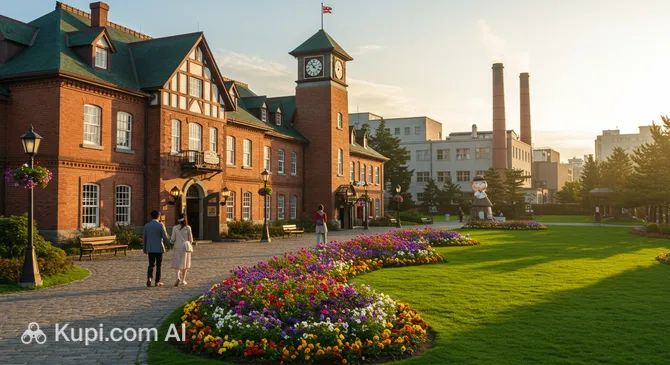
You might notice a red star symbol on many historic buildings, including the Sapporo Beer Museum. This is the symbol of the Kaitakushi (Hokkaido Development Commission) and represents the North Star (Polaris), guiding the pioneers who built the city in the late 19th century.
The city is home to Moerenuma Park, which is not just a green space but a massive landscape sculpture designed by the world-renowned artist Isamu Noguchi. Uniquely, the entire park was built on the site of a former waste treatment plant, standing today as a stunning example of nature reclaimed through art.
Sapporo holds the distinction of being the very first city in Asia to host the Winter Olympics. The 1972 games put the city on the global map, and the legacy of this event is still visible in the ski jumps and winter sports facilities that surround the urban area.
While Miso Ramen is the most famous export, Sapporo is also the birthplace of "Soup Curry." Unlike the thick, gravy-like curry found elsewhere in Japan, this local specialty features a thin, spicy broth loaded with large chunks of vegetables and meat, a style that originated here in the 1970s.
How to Get There
Reaching the northern capital of Hokkaido is a seamless experience, thanks to its well-connected transport network. Whether you are arriving by air from international destinations or taking a scenic train ride from other parts of Japan, the journey marks the beginning of your adventure. For a detailed breakdown of all available routes and travel tips, you can read more about how to get to Sapporo.
The primary gateway for travelers is New Chitose Airport (CTS), which serves as the main aviation hub for the region. Located approximately 42.1 km from the city center, it handles a massive volume of passengers annually, connecting Sapporo with major cities across Japan and various international destinations. The journey from the airport to downtown Sapporo takes approximately 60 to 90 minutes by taxi or bus, though rapid train services are also available. While this is the most convenient option, travelers exploring the wider region might also consider Hakodate Airport (HKD) or Asahikawa Airport (AKJ), although these are significantly farther away, at distances of 150 km and 111.5 km respectively.
For clarity, here is a summary of the main airports:
If you prefer traveling by rail, Sapporo Station is the central hub for the JR Hokkaido network. While the Shinkansen (bullet train) from Tokyo currently terminates at Shin-Hakodate-Hokuto, travelers can easily transfer to the "Hokuto" limited express train to complete the journey to Sapporo. This route offers stunning coastal views and is a popular choice for those holding a Japan Rail Pass.
Main Attractions
Attractions:
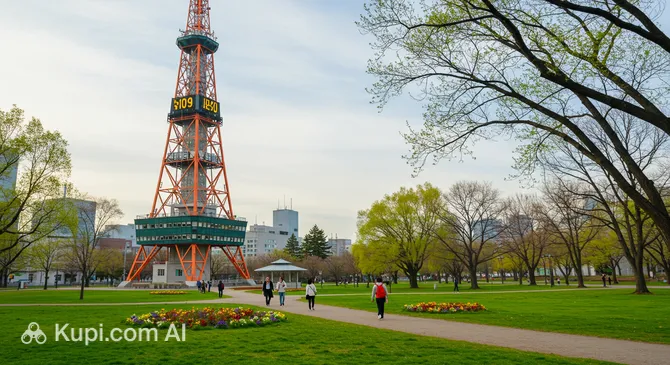
Located at the eastern edge of Odori Park, the Sapporo TV Tower is an iconic symbol of the city that has watched over the metropolis since 1957. Standing 147.2 meters tall, it features an observation deck that offers breathtaking panoramic views of the grid-patterned streets and the distant mountains. The tower is particularly enchanting at night when it is illuminated, and during the winter, it provides the perfect vantage point to admire the snow sculptures of the famous Sapporo Snow Festival below.
Sapporo TV Tower. Illustration.
Source: Kupi.com AI
Traveler photos:
For those with a sweet tooth, Shiroi Koibito Park is a whimsical destination that feels like stepping into a fairy tale. This unique theme park is dedicated to Hokkaido’s most famous confectionery, the Shiroi Koibito cookie. Visitors can tour the factory to observe the production process, participate in cookie-decorating workshops, and stroll through charming European-style gardens. It is a delightful experience for families and couples, offering a magical atmosphere combined with delicious local treats.
Shiroi Koibito Park. Illustration.
Source: Kupi.com AI
Traveler photos:
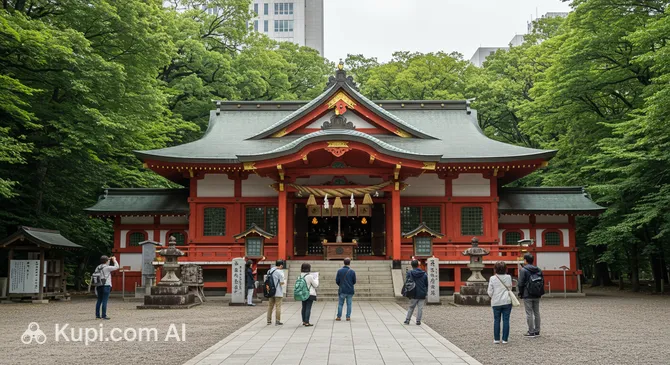
Nestled within the quiet forests of Maruyama Park, the Hokkaido Shrine serves as the spiritual heart of the island. Established in 1869 by the order of Emperor Meiji, it is the most significant Shinto shrine in the region, enshrined with the spirits of pioneering deities. The grounds offer a serene escape from the urban bustle, becoming especially vibrant during the cherry blossom season when the path to the main hall is lined with blooming trees.
Hokkaido Shrine. Illustration.
Source: Kupi.com AI
Traveler photos:
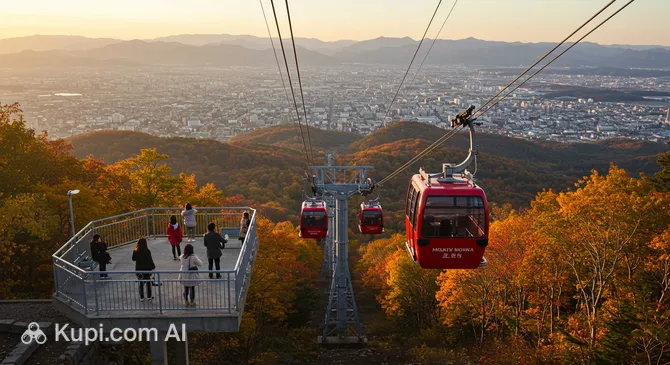
To witness one of Japan's most spectacular night views, travelers should take a trip on the Mount Moiwa Ropeway. The aerial lift carries passengers up the side of the mountain to an observation deck that overlooks the entire city. The glittering sea of city lights stretching out toward the Japan Sea is often ranked among the top three night views in the country, making it a romantic and unforgettable spot for an evening visit.
Mount Moiwa Ropeway. Illustration.
Source: Kupi.com AI
Traveler photos:
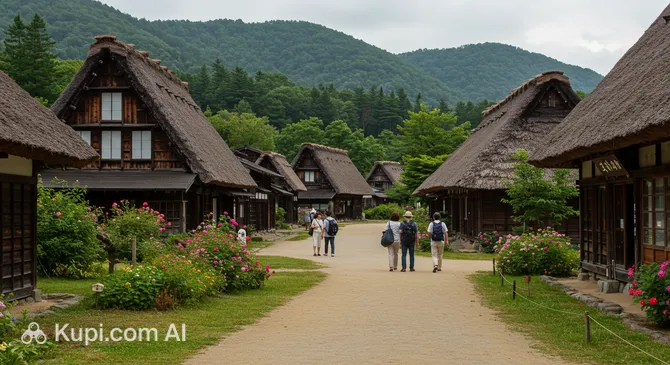
Step back in time at the Historical Village of Hokkaido, an immersive open-air museum that captures the frontier spirit of the region. This sprawling site features over 60 relocated and restored buildings from the Meiji and Taisho eras, ranging from rustic farmhouses to elegant government structures. Visitors can ride a horse-drawn trolley through the village streets, offering a tangible glimpse into the daily lives of the pioneers who developed the island.
Historical Village of Hokkaido. Illustration.
Source: Kupi.com AI
Traveler photos:
Local Cuisine
Sapporo is often hailed as the "kitchen of the north," a title it earns through the incredible freshness and variety of its local produce. As the capital of Hokkaido, the city benefits from the island's rich agricultural lands and cold, nutrient-dense seas, resulting in a culinary scene that is distinct from the rest of Japan. Food here is hearty, warming, and designed to comfort you during the long, snowy winters.
One cannot talk about Sapporo without mentioning Miso Ramen. This city is the birthplace of this rich, savory noodle soup, which typically features thick, wavy noodles in a miso-based broth, often topped with sweet corn and a pat of local butter. Visitors frequently flock to the famous Ramen Yokocho (Ramen Alley) in the Susukino district, where narrow lanes are packed with small shops serving steaming bowls of this local soul food.
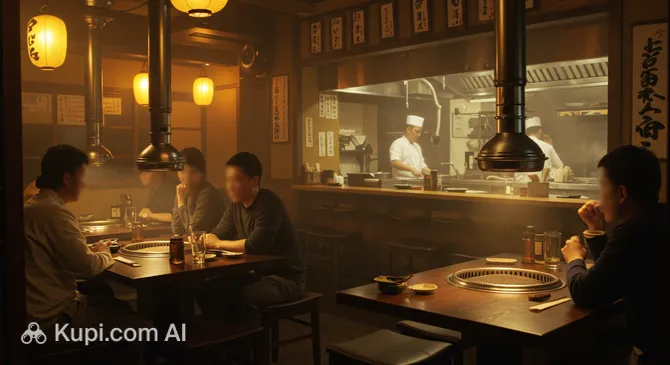
Another signature dish that defines the local palate is Jingisukan (Genghis Khan), a unique barbecue meal consisting of mutton or lamb grilled on a convex metal skillet. The meat is usually cooked alongside vegetables like onions, cabbage, and pumpkin right at the table. For an authentic experience, you can visit Hokkaido Jingisukan Masajin Susukino Main Branch, where you can enjoy high-quality cuts in a lively atmosphere.
Hokkaido Jingisukan Masajin Susukino Main Branch. Illustration.
Source: Kupi.com AI
Traveler photos:
Soup Curry is another culinary invention of Sapporo that has gained nationwide popularity. Unlike the thick, roux-based curry found elsewhere in Japan, this dish features a light, spicy broth loaded with large chunks of tender vegetables and meat, such as chicken legs or pork. It is a customizable meal where you can choose your spice level and toppings, making it a fun and flavorful adventure for lunch or dinner.
Seafood lovers will find themselves in paradise here, particularly when it comes to crab. Hokkaido is famous for its Horsehair Crab (kegani), King Crab, and Snow Crab. A popular way to start the day is by visiting the historic Nijo Market or the Curb Market to enjoy a kaisen-don (seafood rice bowl) topped with fresh sea urchin, salmon roe, and scallops caught that very morning.
When it comes to drinks, the city's name is synonymous with beer. As the birthplace of beer brewing in Japan, the local culture is deeply intertwined with this golden beverage. You can learn about this history and taste the classic "Sapporo Classic" — a variety sold only in Hokkaido — at the Sapporo Beer Museum. This beer is prized for its crisp, refreshing taste that pairs perfectly with the hearty local cuisine.
For a general taste of the city's food culture, a stroll through the Tanukikoji Shopping Street offers a mix of old and new. This covered arcade stretches for several blocks and is lined with everything from traditional izakayas and sweet shops to modern cafes, making it an excellent spot to snack your way through the city's diverse offerings.
Travel Tips
Welcome to Sapporo, a city where urban convenience meets the wild beauty of the north! To ensure your adventure in Hokkaido's capital is as smooth and enjoyable as possible, we have compiled a set of essential practical tips to help you navigate the local culture and climate with ease.
Clothing and Gear: The most critical advice for Sapporo concerns footwear in winter. Between December and March, the streets are covered in snow and ice; it is essential to wear insulated boots with deep treads or purchase detachable "snow grips" (subway cleats) from local convenience stores. In summer, the climate is mild and comfortable, but evenings can be cool, so a light jacket is recommended. If you plan to visit shrines, dress modestly, though there are no strict religious dress codes for general tourists.
Transportation: The city boasts an efficient public transport network consisting of a subway system, buses, and a charming streetcar (tram) line that loops around the downtown area. The most convenient way to pay is by using a rechargeable IC card like Kitaca or SAPICA, which allows for simple tap-and-go travel. Taxis are plentiful and safe, but for longer distances, they can be pricey. Unless you are heading into the rural countryside of Hokkaido, a rental car is generally unnecessary within the city limits.
Finances: The local currency is the Japanese Yen (JPY). While credit cards are increasingly accepted in department stores and hotels, Sapporo is still very much a cash-based society, especially in small ramen shops and ticket machines. Always carry cash with you. You can withdraw money using international cards at ATMs found in 7-Eleven or Lawson convenience stores. Tipping is not practiced in Japan and can even be considered rude; excellent service is standard and included in the price.
Health and Safety: Sapporo is an incredibly safe city with very low crime rates. The biggest danger for tourists is actually slipping on icy sidewalks in winter, so walk carefully using the "penguin walk" (shuffling steps). Pharmacies (often labeled as "Drug Stores") are widespread and stock basic medical supplies, though you may need a translation app to read labels. In an emergency, dial 119 for an ambulance or fire department.
Communication: The main language is Japanese. While staff at major hotels and tourist hubs may speak some English, it is not widely spoken in smaller shops or restaurants. It is highly recommended to download a translation app like Google Translate and offline maps before you arrive. Free Wi-Fi is available in many public areas, but for reliable connectivity, renting a Pocket Wi-Fi at the airport or buying a data SIM card is the best option.
Local Etiquette: Politeness is key. A slight bow is the standard greeting. When using public transport, keep your voice down and set your phone to silent mode, as talking on the phone is frowned upon. Be prepared to take off your shoes when entering traditional accommodations (ryokans), some izakayas (pubs), and fitting rooms in clothing stores; always look for a designated area to leave them.
What to Avoid: Do not stick your chopsticks vertically into a bowl of rice, as this resembles a funeral ritual and is highly offensive. Also, avoid eating or drinking while walking down the street, as it is generally considered bad manners; instead, finish your snack at the place of purchase or a designated area.
Local Life Hack: Utilize the "Chi-Ka-Ho" (Sapporo Underground Walking Space). This extensive subterranean network connects Sapporo Station to the Susukino entertainment district. It is a lifesaver during winter blizzards or rainy days, allowing you to walk across the city center comfortably without ever stepping outside into the elements.
Armed with these tips, you are ready to explore the snowy streets and vibrant alleys of Sapporo like a pro. Embrace the local customs, stay warm, and enjoy every moment of your journey through this fascinating northern metropolis.
Entertainment & Nightlife
Entertainment and Nightlife:
When the sun sets over Hokkaido, Sapporo transforms from a laid-back northern capital into a bustling hub of neon lights and evening excitement. The city's nightlife is legendary across Japan, rivaling even the energetic streets of Tokyo. The epicenter of this action is undoubtedly the Susukino district, which is the largest entertainment district north of the capital. Packed with thousands of restaurants, bars, karaoke parlors, and clubs into a relatively compact grid, Susukino offers an electric atmosphere where locals and tourists mingle until the early hours of the morning.
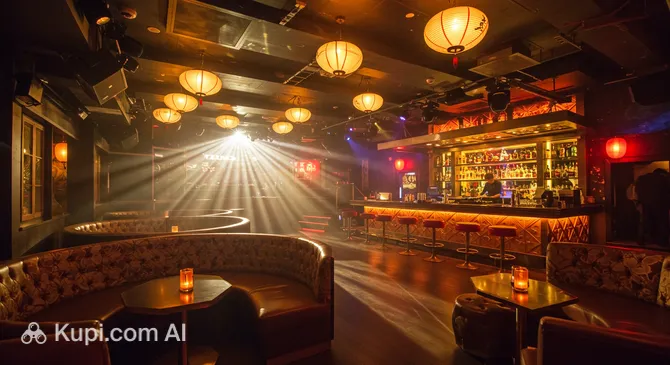
For those looking to experience the city's clubbing scene, Tsubaki Night Club is a premier destination. Known for hosting international DJs and offering a high-energy environment, it is the perfect spot for travelers who want to dance the night away. The crowd here is typically young and fashionable, so while the dress code is generally casual, avoiding overly sporty attire is a good idea to ensure smooth entry. Most clubs in the area open their doors around 10:00 PM, with the party peaking well after midnight.
Tsubaki Night Club. Illustration.
Source: Kupi.com AI
Traveler photos:
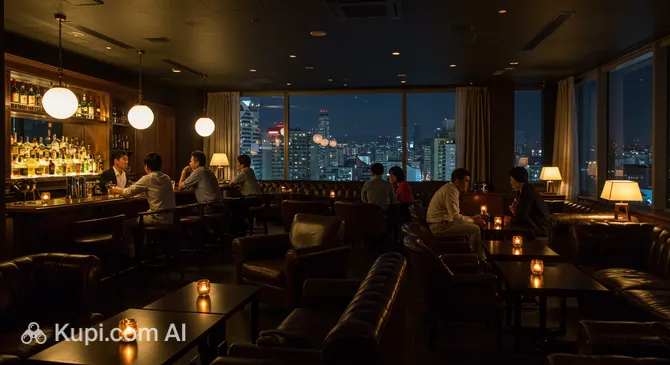
If you prefer a more sophisticated evening with a view, the Sky J Bar & Lounge offers a stunning alternative. Located high above the city streets, this venue provides panoramic vistas of the glittering nightscape while serving expertly crafted cocktails. It is an ideal setting for a romantic date or a relaxing drink after a day of sightseeing. The atmosphere is elegant yet welcoming, and it is best to arrive just after sunset to watch the city lights flicker to life.
Sky J Bar & Lounge. Illustration.
Source: Kupi.com AI
Traveler photos:
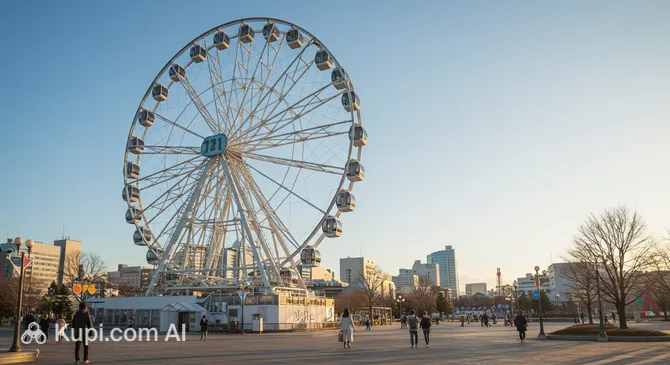
A unique feature of Sapporo's nightlife is the NORIA Ferris Wheel, located atop the Norbesa commercial complex in the heart of Susukino. This rooftop ride is popular among couples and families alike, offering a slow, glowing rotation that gives you a bird's-eye view of the vibrant district below. Riding it in the evening adds a magical touch to your night out, allowing you to float above the neon chaos in a private gondola.
NORIA Ferris Wheel. Illustration.
Source: Kupi.com AI
Traveler photos:
Practical Advice for Night Owls:
Safety: Sapporo is incredibly safe, even at night. However, in Susukino, you may encounter "touts" trying to steer you into specific bars. A polite "no, thank you" is all that is needed to dismiss them.
Transport: The subway system typically stops running around midnight. If you stay out later, taxis are plentiful and reliable. You can easily hail one on the main streets; look for a lighted sign on the dashboard indicating the taxi is vacant (usually red).
Costs: Many bars charge a "table charge" (otoshi), which includes a small appetizer. This is standard practice in Japan, usually costing between 300 to 500 JPY per person.
While the nights are for revelry, Sapporo offers plenty of daytime entertainment as well. For a dose of culture and nature combined, the Sapporo Art Park is a sprawling open-air museum where sculptures are harmoniously integrated into the forest landscape. For families or those interested in marine life, the modern AOAO Sapporo aquarium provides an immersive look at aquatic ecosystems right in the city center. Whether you are exploring art in the daylight or sipping cocktails under the neon glow, the city ensures there is never a dull moment.
Parks & Museums
Sapporo is a city where urban planning and nature coexist in perfect harmony, offering visitors a wealth of green spaces and cultural institutions that celebrate the region's unique heritage. Beyond the bustling streets, you will find expansive parks that change dramatically with the seasons, alongside museums that preserve the history of Hokkaido’s frontier days.
One of the most beloved urban retreats is Nakajima Park, located just south of the lively Susukino district. This spacious park is centered around a beautiful菖bu (iris) pond where visitors can rent rowboats in the warmer months. It is also home to the Hoheikan, a historic wooden hotel built in 1880 that once hosted the Emperor. The park serves as a cultural hub, housing a concert hall and offering a peaceful atmosphere for a morning jog or a leisurely afternoon stroll under the shade of ancient elm trees.
Nakajima Park. Illustration.
Source: Kupi.com AI
Traveler photos:
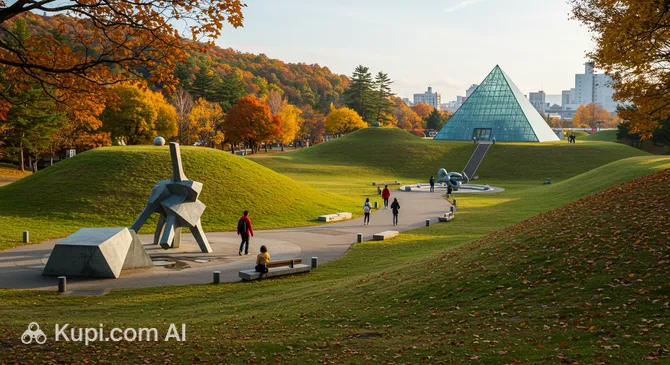
For a truly unique experience where art meets nature, Moerenuma Park is a must-visit destination on the outskirts of the city. Designed by the world-famous sculptor Isamu Noguchi, the entire park is treated as a single landscape sculpture. Its most iconic feature is the Glass Pyramid "Hidamari," which stands in contrast to the surrounding greenery and artificial mountains. Whether you are renting a bicycle to explore its vast grounds in summer or admiring the stark, snowy geometry in winter, it offers a visual spectacle unlike any other park in Japan.
Moerenuma Park. Illustration.
Source: Kupi.com AI
Traveler photos:
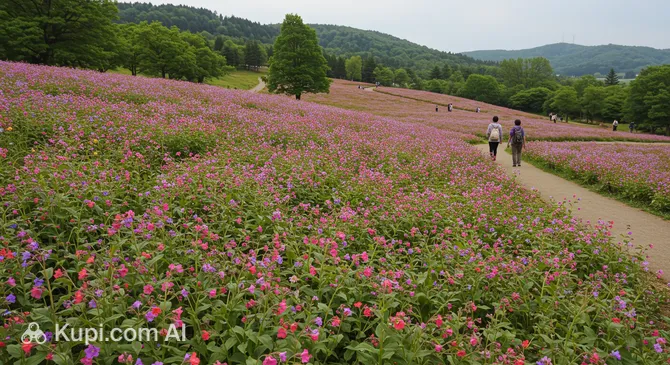
Nature enthusiasts willing to venture a bit further should explore Takino Suzuran Hillside Park. This massive national government park covers 400 hectares and is famous for its colorful flower fields, particularly the tulips and lilies of the valley in spring. It also features Ashiribetsu Falls, one of the top waterfalls in Japan. The park is a year-round destination, transforming into "Takino Snow World" in winter, where visitors can enjoy tube sledding and cross-country skiing.
Takino Suzuran Hillside Park. Illustration.
Source: Kupi.com AI
Traveler photos:
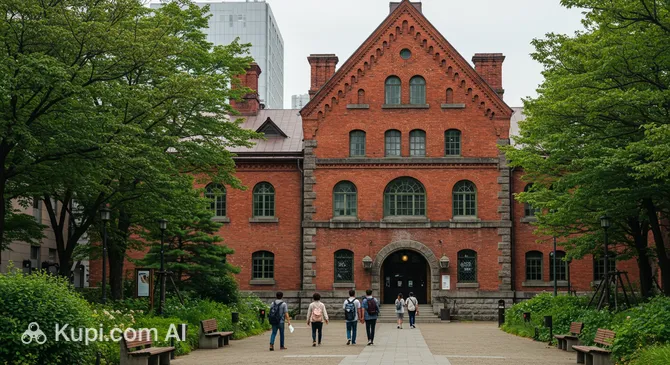
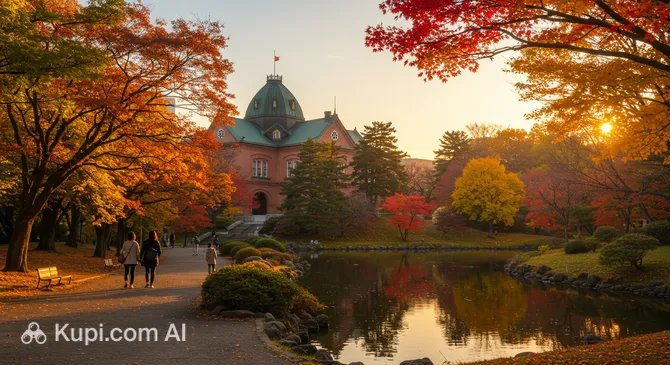
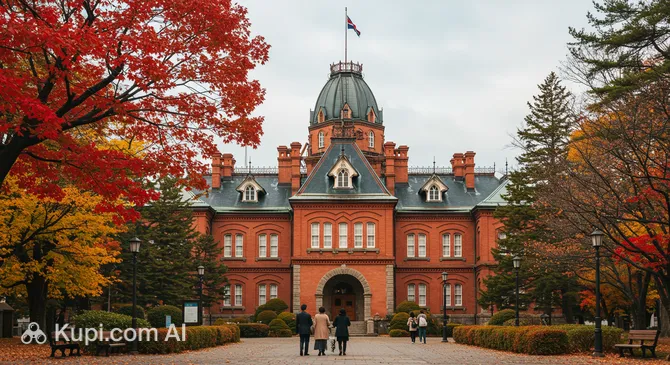
In terms of history and architecture, the Former Hokkaido Government Office is an unmissable landmark. Affectionately known as "Akarenga" (Red Brick), this American neo-baroque style building was constructed in 1888 using local red bricks. It served as the center of the region's administration for decades and now houses a museum dedicated to the history of Hokkaido's development. The building's interior retains its Meiji-era grandeur, and the surrounding gardens are a popular spot for photography, especially when the lotus ponds bloom.
Former Hokkaido Government Office. Illustration.
Source: Kupi.com AI
Traveler photos:
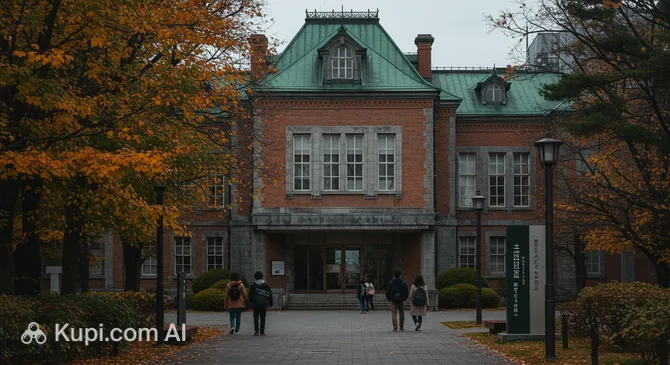
For a dive into academic and scientific history, the Hokkaido University Museum offers free admission to a fascinating collection of specimens and artifacts. Located within the picturesque university campus, the museum showcases everything from dinosaur fossils discovered in Hokkaido to the history of the university itself. The campus is also worth exploring for its famous Poplar Avenue and the golden ginkgo trees that form a stunning tunnel in autumn.
Hokkaido University Museum. Illustration.
Source: Kupi.com AI
Traveler photos:
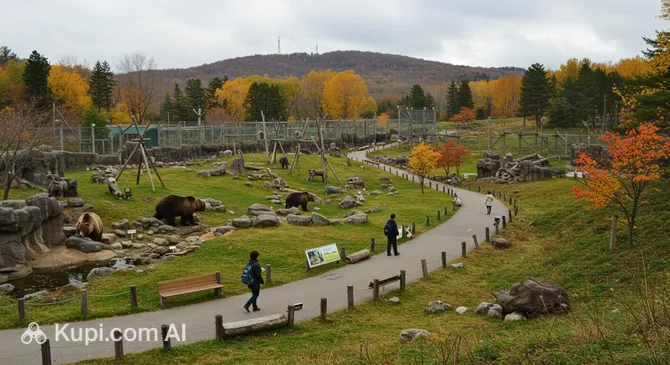
Families and animal lovers will enjoy a trip to Maruyama Zoo, the oldest zoo in Hokkaido. Nestled within the forests of Maruyama Park near the Hokkaido Shrine, it focuses on exhibiting animals in habitats that mimic their natural environments. Highlights include the Polar Bear Pavilion, where you can watch the bears swimming underwater, and the Red Panda exhibit, which allows these adorable creatures to climb directly over the heads of visitors on suspended bridges.
Maruyama Zoo. Illustration.
Source: Kupi.com AI
Traveler photos:
Insider Tip: While many tourists flock to the famous parks, take a quiet walk through the Hokkaido University campus early in the morning. It feels more like a botanical garden than a school, offering a serene glimpse into the daily life of local students amidst historic architecture and streams.
Getting Around
Navigating Sapporo is remarkably straightforward, thanks to its logical grid layout and a highly efficient public transportation network. The system is designed to handle the city's snowy climate, ensuring reliable service even in the depths of winter. The backbone of local travel is the Sapporo Municipal Subway, which operates on three color-coded lines: Namboku (Green), Tozai (Orange), and Toho (Blue). A unique feature of this metro system is that the trains run on rubber tires rather than steel wheels, providing a distinctively quiet and smooth ride. The subway connects the main transport hubs, including Sapporo Station, Odori Park, and the Susukino entertainment district, making it the fastest way to move between major attractions.
For a more scenic and leisurely pace, travelers can utilize the Streetcar (Tram), affectionately known as "Shiden" by locals. This tram network forms a loop in the southwestern part of the city, offering a charming way to view the streetscapes. It is particularly useful for reaching the Mt. Moiwa Ropeway entrance or exploring the quieter residential neighborhoods west of Susukino. In addition to the subway and tram, an extensive bus network operated by companies like Chuo Bus and JR Hokkaido Bus covers areas not reached by rail. While buses can be slightly more complex for non-Japanese speakers, they are essential for visiting suburban parks or hot spring areas like Jozankei.
Paying for transport is seamless with the use of rechargeable IC cards. The local card is called SAPICA, but visitors can also use cards from other regions, such as Suica, Pasmo, or Kitaca. You simply tap the card on the reader at ticket gates or upon entering and exiting buses. If you prefer single tickets, vending machines at subway stations have English language options. Subway fares typically range from 210 JPY to 380 JPY depending on the distance. For buses and the streetcar, you generally enter through the rear door and pay at the front when you exit; the streetcar has a flat fare, while bus fares vary by distance.
For tourists planning a busy day of sightseeing, purchasing a day pass is a smart financial move. The Subway One-Day Ticket allows unlimited rides for 830 JPY. However, if you are visiting on a weekend or a public holiday, look for the Donichika Ticket, a discounted one-day subway pass that costs only 520 JPY. These passes can be purchased directly from the ticket machines at any station. It is important to note that public transport generally operates from around 6:00 AM until midnight. If you are enjoying the nightlife in Susukino past 12:00 AM, you will need to rely on alternative methods to get back to your hotel.
When public transport is not an option, taxis are a reliable alternative. They are plentiful in the city center and can be hailed on the street; look for a red light on the dashboard indicating the car is vacant (a green light usually means it is occupied). Most taxis accept credit cards and are known for their impeccable cleanliness and service. During the warmer months, renting a bicycle through the Porocle bike-sharing scheme is a popular way to explore the flat city streets. Conversely, in winter, pedestrians often treat the Chi-Ka-Ho (underground walking space) as a form of transport itself, walking the substantial distance between Sapporo Station and Susukino in a warm, subterranean environment.
Accommodation
Finding the perfect place to stay in Sapporo is relatively easy, as the city offers a wide spectrum of accommodation options tailored to every type of traveler. From efficient business hotels and budget-friendly hostels to luxurious high-rise hotels and traditional Japanese inns, the choices are plentiful. The city's grid-like layout makes most accommodations easily accessible, ensuring that you are never far from the action, whether you are here for the winter snow or the summer flowers.
Most tourists choose to base themselves in one of three key areas: around Sapporo Station, the Odori Park area, or the Susukino district. staying near Sapporo Station offers the ultimate convenience for transport, making it ideal for those planning day trips to other parts of Hokkaido. The Odori area places you right in the center of the city's major events, such as the Snow Festival, while Susukino is perfect for night owls who want to be steps away from the best restaurants and bars. For a completely different experience, the hot spring resort town of Jozankei Onsen is located just an hour away on the city's outskirts, offering a relaxing escape into nature.
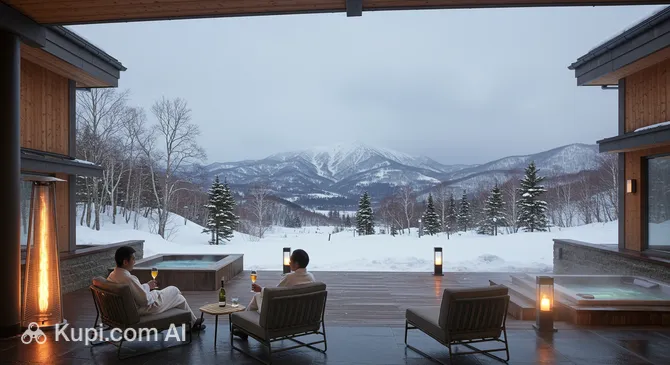
For travelers seeking a stylish and cozy atmosphere within the city, Unwind Hotel & Bar Sapporo provides a unique "lodge-like" experience. Designed to feel like a mountain retreat, it offers a warm and inviting ambiance that contrasts beautifully with the urban environment outside. It is an excellent choice for those who want the comfort of a resort while remaining close to the convenience of the city center.
Unwind Hotel & Bar Sapporo. Illustration.
Source: Kupi.com AI
Traveler photos:
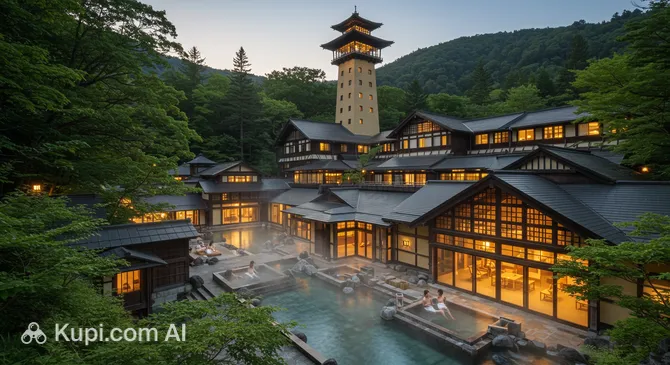
If your goal is to immerse yourself in Japanese tradition and healing waters, consider booking a stay at Jozankei Yurakusoan. Located in the heart of the hot spring district, this resort hotel combines the elegance of a traditional ryokan with modern comforts. Guests can enjoy soaking in natural onsen baths surrounded by the scenic beauty of the valley, making it a perfect spot for relaxation after a few days of sightseeing.
Jozankei Yurakusoan. Illustration.
Source: Kupi.com AI
Traveler photos:
Price ranges in Sapporo are generally reasonable compared to Tokyo. Budget travelers can find capsule hotels or hostels for around 3,000 to 6,000 JPY per night, while standard mid-range business hotels typically cost between 8,000 and 15,000 JPY. Luxury accommodations and ryokans with dinner plans will naturally be higher. A crucial tip for booking is to plan well in advance if you are visiting during the Sapporo Snow Festival in early February. During this week, room rates can triple, and hotels often sell out months beforehand. For the rest of the year, booking a few weeks in advance via major online platforms is usually sufficient to secure a great deal.
Nearby Cities
For those looking to explore the surroundings, Sapporo serves as an excellent base for day trips to several interesting nearby locations. The region offers a mix of historical port towns, scenic lakes, and industrial heritage sites that are easily accessible by train or car.
One of the most popular destinations is Otaru, located just a short train ride northwest of the city. This harbor town is famous for its beautifully preserved canal area, lined with old brick warehouses that have been converted into museums, shops, and restaurants. Visitors flock here to enjoy fresh sushi, browse exquisite glassware and music boxes, and stroll along the romantic gas-lit streets in the evening.
Another excellent option is Chitose, which is best known for being the gateway to the stunning Lake Shikotsu. Part of the Shikotsu-Toya National Park, this caldera lake boasts some of the clearest waters in Japan and is surrounded by majestic mountains. It is a fantastic spot for nature lovers, offering activities like sightseeing cruises, camping, and hiking, all within easy reach of the urban center.
For a quieter experience, Ebetsu offers a glimpse into the region's industrial history. Known as the "City of Bricks," it produces a significant portion of Japan's bricks, and many of its buildings reflect this red-brick heritage. It is also famous for its wheat production and local bakeries.
City
Population
Distance
Ishikari
58 284
13 km
Ebetsu
119 819
16 km
Kitahiroshima
58 125
19 km
Tobetsu
15 618
22 km
Eniwa
70 102
27 km
These nearby destinations offer a glimpse into the diverse culture and landscapes of the region, making them perfect additions to any Hokkaido itinerary.
Shopping & Souvenirs
Shopping in Sapporo is a delightful experience that combines the convenience of modern urban planning with the charm of local tradition. The city center is compact and highly walkable, allowing visitors to hop between high-end department stores, quirky boutiques, and traditional markets with ease. A unique feature of the retail landscape here is the extensive underground network, which connects the major shopping hubs around Sapporo Station, Odori, and Susukino. This allows you to shop comfortably in a climate-controlled environment, regardless of the heavy snow in winter or the rain in summer.
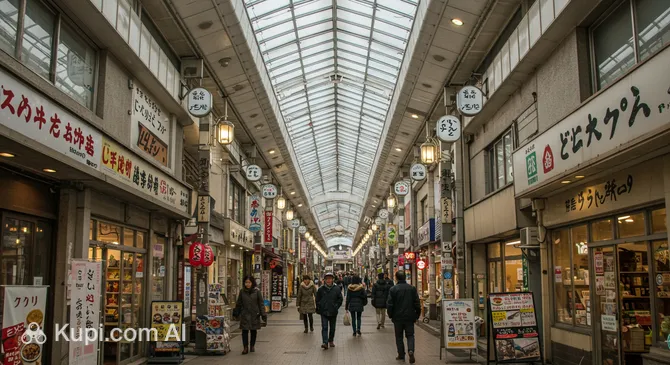
The most iconic shopping destination in the city is undoubtedly the Tanukikoji Shopping Street. This historic covered arcade stretches for approximately one kilometer from east to west, spanning seven blocks (1-chome to 7-chome). It has been a commercial heart of the city since the frontier days, and today it houses a diverse mix of over 200 shops. Here, you can find everything from traditional kimono shops and tea merchants to modern drugstores, souvenir shops, and lively karaoke bars. It is the perfect place to hunt for unique gifts or simply soak up the energetic atmosphere of downtown Sapporo.
Tanukikoji Shopping Street. Illustration.
Source: Kupi.com AI
Traveler photos:
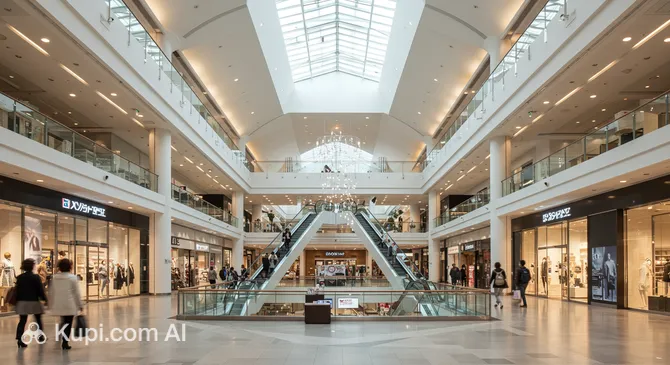
For those who prefer a more contemporary retail experience, the area around Sapporo Station is a shopper's paradise. Dominating this district is Sapporo Stellar Place, one of the largest shopping complexes in Japan directly connected to a railway station. This massive mall offers a sophisticated array of fashion brands, lifestyle goods, and dining options. It is seamlessly integrated with other major department stores like Daimaru, making it possible to spend an entire day browsing the latest trends without ever leaving the station building.
Sapporo Stellar Place. Illustration.
Source: Kupi.com AI
Traveler photos:
No trip to Hokkaido is complete without exploring its vibrant market scene, which highlights the island's reputation as the "kingdom of food." While not a typical shopping mall, Nijo Market is a must-visit for anyone interested in fresh local produce. Located near the center of the city, this historic market is famous for its fresh seafood, particularly crabs, salmon roe, and sea urchin. Visitors can purchase high-quality seafood to be shipped home or enjoy a fresh rice bowl (donburi) right on the spot. Another excellent option is the Curb Market (Jogai Ichiba), located a bit further out, where wholesale prices attract both locals and tourists looking for seasonal fruits like Yubari melons.
When it comes to souvenirs, Sapporo offers an abundance of choices, primarily centered around sweets and crafts. Hokkaido is renowned for its dairy and agriculture, making confectionery the most popular gift. The famous "Shiroi Koibito" (White Lover) cookies—langue de chat biscuits sandwiched with white chocolate—are a classic choice. You can purchase these at department stores or visit the Shiroi Koibito Park for a special selection. Other popular items include Rokkatei's Marusei Butter Sand and Royce' chocolate-covered potato chips. For non-edible souvenirs, look for traditional Ainu wood carvings or glassware, which reflect the indigenous culture and artistic heritage of the region.
Most shops in the city center, including department stores and fashion boutiques, generally operate from 10:00 AM to 8:00 PM. However, restaurants and shops in the Tanukikoji arcade or Susukino district often stay open much later. Payment methods are becoming increasingly modernized; major department stores, malls, and convenience stores readily accept credit cards and IC cards (like Suica or Pasmo). However, smaller stalls in traditional markets or older independent shops may still prefer cash, so it is wise to carry some Japanese Yen with you.
For international tourists, tax-free shopping is widely available at major department stores, appliance chains, and many shops within the Tanukikoji arcade. In Japan, the consumption tax is 10%. Visitors staying in the country for less than six months can often receive a tax refund on purchases totaling 5,000 JPY or more (excluding tax) at participating stores. Be sure to carry your passport with you, as it is required to process the refund at the designated tax-free counters.