Support

Mobetsu

About

Located on the northeastern coast of Hokkaido, the city of Mobetsu offers a unique glimpse into the rugged beauty of northern Japan. Facing the vast Sea of Okhotsk, this charming coastal city is defined by its deep connection to the ocean and its distinct seasonal rhythms. With a population of approximately 21,000 residents, it maintains a welcoming, small-town atmosphere while serving as a significant hub for the region's fishing and tourism industries.
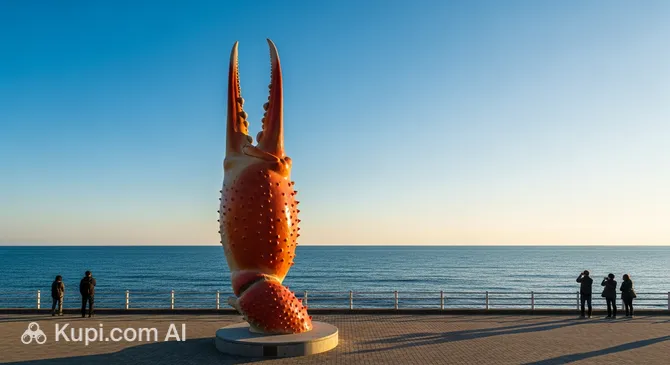
Mobetsu. Source: Kupi.Binoculars

The city is perhaps best known for its harsh yet enchanting winters, where the arrival of drift ice (Ryuhyo) transforms the seascape into a stunning white expanse. Exploring the history of Mobetsu reveals how the community has thrived in this challenging climate, evolving from a traditional fishing settlement into a modern center for marine observation and cold-weather activities.

Travelers visiting Mobetsu are often drawn to its exceptional winter attractions. The Garinko II, an icebreaker ship equipped with giant drills, offers an unforgettable cruise through the frozen sea, allowing passengers to witness the power of the drift ice up close. For wildlife enthusiasts, the Okhotsk Tokkari Center provides a heartwarming opportunity to observe and learn about the seals that inhabit these northern waters. Additionally, the iconic Crab Claw Statue, a massive sculpture standing 12 meters high, serves as a quirky and popular photo spot symbolizing the city's delicious seafood heritage.

Whether you are seeking the thrill of an ice-breaking cruise or the tranquility of a seaside escape, Mobetsu promises an unforgettable journey. Its combination of fresh seafood, friendly locals, and spectacular natural phenomena makes it a must-visit destination for anyone exploring the northern frontiers of Hokkaido.

Weather Overview

The climate in Mobetsu is defined by its location on the Okhotsk coast, characterized by distinct seasonal contrasts. Winters are undeniably cold, with average temperatures in January and February dropping to around -6°C to -7°C. Minimum temperatures often fall below -9°C, creating the freezing conditions necessary for the arrival of the drift ice, a highlight of the local winter season.

In contrast, the summer months bring mild and comfortable weather, offering a refreshing escape from the humidity often found elsewhere in the country. August is typically the warmest time of year, with average daily highs reaching approximately 22°C. Spring and autumn remain cool, so travelers are advised to bring warm layers regardless of when they visit.

Precipitation occurs frequently throughout the year, with a high number of "wet days" recorded each month, ranging from 10 to 19 days. While the total volume of rain or snow is often light, the frequency suggests that keeping an umbrella or waterproof gear handy is a good idea. To help plan your packing list, you can check the detailed weather in Mobetsu for specific monthly patterns.

Interesting Facts

Beyond the main attractions, Mobetsu holds many fascinating secrets that reveal its deep connection to nature and innovation. From the origins of its name to the surprising history of its landmarks, there is much more to this coastal city than meets the eye.
  • Ainu Roots: The name "Mobetsu" is derived from the Ainu word Mo-pet, which translates to "quiet river." This poetic title originally referred to the calm waters at the mouth of the local river, a distinct contrast to the often turbulent waves of the Sea of Okhotsk.

  • The Floating Claw: The iconic Crab Claw Statue was not always a land-based monument. It was created in 1983 for a "Drift Ice Art Festival" and was originally designed to float on the sea as part of a dynamic art installation. While its companion sculptures have since disappeared, this 12-meter-tall claw remains as a quirky survivor and a symbol of the city's fishing heritage.

  • Alaskan Technology: The famous icebreaker ship, Garinko II, utilizes a unique propulsion system based on the Archimedes screw. This technology was originally developed for experimental all-terrain vehicles intended for oil field development in Alaska, before being brilliantly adapted to crush through the drift ice of Japan.

  • A Long Journey: The spectacular drift ice that defines the city's winter scenery travels over 1,000 kilometers to reach the coast. It forms at the mouth of the Amur River, where fresh water lowers the freezing point of the sea, creating vast ice flows that are carried south by ocean currents to Mobetsu.

  • Seal Sanctuary: The Okhotsk Tokkari Center is the only facility in the country dedicated exclusively to the conservation and rehabilitation of earless seals. The word "Tokkari" itself comes from the Ainu language meaning "seal," highlighting the region's enduring indigenous cultural influence.

How to Get There

Reaching this northern coastal destination requires some planning, as it is situated in a remote area of Hokkaido. While the journey offers scenic views of the landscape, it is important to arrange your transport in advance. You can find more details and options on how to get to Mobetsu to help organize your trip effectively.

For air travel, the city is directly served by Okhotsk Monbetsu Airport, which typically handles daily flights from Tokyo. However, travelers planning a broader itinerary around Hokkaido often choose to fly into larger regional hubs nearby. Asahikawa Airport (AKJ) is a popular alternative, located approximately 105 km away, with bus and rental car connections available. Other options include Nakashibetsu Airport (SHB) and Kushiro Airport (KUH), though these involve longer transfer times across the island.

For those considering alternative gateways, here is a summary of the regional airports:

Airport Name City Passenger Traffic Km from City
Asahikawa AirportAsahikawaLarge105.3
Nakashibetsu AirportNakashunbetsuSmall155.2
Kushiro AirportKushiroMedium161.0
Wakkanai AirportWakkanaiSmall169.2
Tokachi-Obihiro AirportObihiroMedium180.7

Regarding rail travel, it is important to note that Mobetsu is not currently served by the railway network. The historical train lines that once connected the city were abolished years ago. Consequently, there is no direct train station in the city. Visitors traveling by rail typically take a train to Asahikawa or Sapporo and then transfer to an intercity bus or a rental car to complete the journey to the Okhotsk coast.

Main Attractions

While the seasonal drift ice is the city's most famous draw, Mobetsu offers a variety of fascinating facilities and natural spots that are worth visiting year-round. From interactive science exhibits to intimate wildlife encounters, here are some of the top places to explore during your stay.

Okhotsk Sea Ice Museum of Hokkaido (Giza)
For those wanting to experience the chill of winter even in the height of summer, this science center is a must-visit. The highlight is the "Freezing Room," a specialized chamber maintained at -20°C where you can try spinning a wet towel until it freezes solid in seconds. The museum also features a dome theater and detailed exhibits on the region's marine ecosystem, including the enchanting "Clione," or sea angels, which are small, translucent creatures that drift with the ice.

Okhotsk Tower
Standing at the end of a long pier extending into the ocean, this unique observatory allows visitors to view the Sea of Okhotsk from multiple perspectives. The top floor offers panoramic views of the coastline, while the underwater observation deck takes you beneath the waves. Through large windows, you can observe fish and other marine life in their natural habitat. In winter, this becomes one of the few places in the world where you can see the underside of the drift ice covering the sea surface.

Okhotsk Tokkari Center
Dedicated to the protection and breeding of earless seals, this facility offers a heartwarming experience for animal lovers. Unlike a typical zoo, the center focuses on conservation and care for seals that have been rescued. Visitors can watch feeding sessions and get incredibly close to the animals, observing their charming behaviors while learning about the challenges they face in the wild. It is a rare opportunity to connect with the marine wildlife of the north.

Komukai Lake
Located just northwest of the city center, this brackish lake is a haven for birdwatchers and nature enthusiasts. It is designated as a wild bird sanctuary and is particularly famous for the flocks of Whooper swans that stop here during their migration in late autumn and early spring. In the warmer months, the shores are lined with vibrant wildflowers, including the majestic wild rugosa rose, making it a peaceful spot for a scenic walk.

Omusaro Primeval Flower Garden
Situated on the sand dunes between the Sea of Okhotsk and Omusaro River, this natural garden bursts into color during the summer. It is home to roughly 50 different types of flowers, such as the Hokkaido lily and the yellow Ezo-kanzo. The contrast between the colorful blooms and the rugged northern sea creates a striking landscape that captures the wild beauty of Hokkaido's coast.

Local Cuisine

The culinary landscape of Mobetsu is defined almost entirely by its proximity to the nutrient-rich waters of the Sea of Okhotsk. As a major fishing port, the city is a paradise for seafood lovers, offering some of the freshest and highest-quality marine products in Japan. The cold ocean currents nurture sea life that is exceptionally flavorful, making every meal here a celebration of the ocean's bounty.

Without a doubt, crab is the undisputed king of the local table. The city is famous for its abundant catches of horsehair crab (Kegani), red king crab, and snow crab. Visitors can enjoy these delicacies in various forms, from simple boiled preparations that highlight the natural sweetness of the meat to rich crab hotpots (nabe) that warm the body during the freezing winters. The local devotion to this crustacean is so strong that it is even immortalized in the city's massive sculpture.

Another must-try delicacy is the Okhotsk scallop. Known for their large size and firm texture, these scallops are often served as sashimi, grilled with butter and soy sauce, or fried. For a unique local twist, adventurous eaters should look for Okhotsk Monbetsu White Curry. This signature dish was developed to showcase the region's produce, featuring a creamy white roux made with fresh local milk and topped with succulent scallops and vegetables, representing the drift ice and the sea.

When it comes to drinks, the local dining experience is best complemented by Hokkaido's regional beverages. Sapporo Classic, a beer brewed exclusively for sale in Hokkaido, is a staple at local izakayas and pairs perfectly with grilled seafood. For those who prefer spirits, the crisp, cold climate is ideal for sake brewing, and many local restaurants stock varieties from across the northern region. Non-alcoholic options often feature the area's high-quality dairy, including rich, creamy milk and drinking yogurt.

The food culture in Mobetsu is unpretentious and welcoming. You will not find many high-end luxury dining halls; instead, the city is dotted with cozy sushi bars, family-run canteens, and lively izakayas (Japanese pubs). The downtown area comes alive at night, where locals and tourists alike gather to share plates of sashim, grilled fish, and warm conversation, creating a hospitable atmosphere that contrasts with the chilly air outside.

Travel Tips

Preparing for a trip to Mobetsu requires specific planning, especially given its northern location and distinct seasonal challenges. To ensure your journey to the Okhotsk coast is as smooth and enjoyable as possible, here are some essential practical tips to help you navigate the city like a pro.

  1. Clothing and Gear: If you are visiting in winter, heavy-duty thermal layers, a windproof down jacket, and waterproof snow boots are non-negotiable. It is highly recommended to purchase attachable cleats (non-slip spikes) for your shoes at a local convenience store to navigate icy sidewalks safely. For summer trips, bring light layers and a windbreaker, as the ocean breeze can make evenings feel surprisingly cool.
  2. Transportation: Since there is no train service to the city, renting a car is the most convenient way to explore the scattered attractions and scenic coastlines. Public buses exist but run infrequently, which can limit your flexibility. If you cannot drive, be sure to check bus schedules in advance or arrange for taxis, as ride-hailing apps are not commonly used in this rural area.
  3. Finances: While Japan is modernizing, smaller towns like Mobetsu remain largely cash-based. Many small restaurants and souvenir shops may not accept credit cards. Ensure you carry sufficient Japanese Yen (JPY). International cards generally work at ATMs found in convenience stores like 7-Eleven, but it is wise to withdraw cash at the airport before heading to the city. Tipping is not part of the culture and is not expected.
  4. Health and Safety: The city is extremely safe, but the primary risk for tourists is weather-related. In winter, slipping on frozen roads is a common accident; walk with short, shuffling steps to maintain balance. Pharmacies (drugstores) are available for basic needs, but few offer 24-hour service or English support, so carrying a personal medical kit and a translation app is advisable.
  5. Communication: English proficiency is relatively low in rural Hokkaido compared to major cities like Tokyo. Essential information at tourist spots may have English translations, but interacting with locals will likely require a translation app or a phrasebook. Purchasing a SIM card or renting a Pocket Wi-Fi at the airport upon arrival is crucial, as public Wi-Fi spots can be sparse outside of hotels.
  6. Local Etiquette: As in the rest of the country, removing your shoes when entering homes, traditional inns (ryokan), and certain restaurants is mandatory. Always look for the sunken entryway (genkan) and slippers provided for guests. Additionally, if you visit a hot spring (onsen), remember to wash your body thoroughly before entering the communal bath and never let your towel touch the water.
  7. What to Avoid: Never attempt to walk out onto the drift ice along the shore without a professional guide. The ice flows can be unstable, shifting, or thin, presenting a serious danger to untrained visitors. Also, avoid talking loudly on public buses or in quiet waiting areas, as this is considered rude and disruptive.
  8. Additional Tip: Keep an eye out for Seicomart, a convenience store chain unique to Hokkaido. Unlike standard stores, they often feature a "Hot Chef" kitchen serving freshly prepared warm bento boxes and rice balls. It is a favorite among locals and a perfect, budget-friendly way to sample regional tastes like melon ice cream or milk-based drinks.

With these practical tips in hand, you are well-equipped to embrace the wild beauty and warm hospitality of Mobetsu. A little preparation goes a long way in this northern frontier, allowing you to focus on the stunning scenery and unique experiences that await you.

Entertainment & Nightlife

Nightlife in Mobetsu offers a distinct departure from the neon-soaked chaos of Tokyo or Osaka. Instead of sprawling dance clubs and thumping bass, the evening entertainment here is intimate, warm, and deeply rooted in local community culture. The city comes alive after dark in a way that feels personal, with small venues serving as social hubs where travelers can rub shoulders with local fishermen and residents unwinding after a day's work.

The heart of the action is undoubtedly Hamanasu Street (Hamanasu-dori). This nostalgic entertainment district is packed with a dense collection of snack bars, izakayas, and small eateries. Walking down these streets, especially in winter, offers a cinematic atmosphere: the glow of red lanterns and illuminated signboards reflects off the snow, promising warmth and good company inside. The vibe here is casual and welcoming, though having a translation app ready is highly recommended, as English menus can be rare in these authentic establishments.

For those looking to start their night with a hearty meal and drinks, Yakiniku Tawara Ya is a popular local spot. It specializes in Japanese-style barbecue, where you can grill high-quality meat and seafood right at your table while enjoying a cold draft beer. It is the perfect place to build a base before exploring the smaller bars. Another staple of the local night scene is finishing the evening with a steaming bowl of noodles. Travelers can partake in the beloved tradition of "shime-ramen" by finding a late-night shop in the district to enjoy a rich, savory bowl before heading home.

The "Snack Bar" culture is prevalent in Hamanasu Street. These are small, counter-style bars typically run by a "mama-san" or "master." They usually operate on a set cover charge system which includes unlimited singing on the karaoke machine and light snacks. It provides a fascinating glimpse into Japanese social life, but visitors should be aware that these venues are often cash-only. Prices can vary, so it is polite and wise to ask about the system ("system wa nan desu ka?") before sitting down.

Safety in Mobetsu is generally excellent, even at night. The biggest danger is not crime, but the environment. During winter, sidewalks and roads in the nightlife district can be incredibly slippery with black ice. It is essential to wear shoes with good grip or attachable cleats. Taxis are the primary mode of transport after hours since there are no trains and bus services end early. You can easily flag one down near Hamanasu Street or ask a venue to call one for you ("Taxi o yonde kudasai").

Parks & Museums

While the frozen sea often steals the spotlight, the parks and museums of Mobetsu provide a deeper understanding of the city's heritage and its harmonious relationship with the surrounding wilderness. From hilltop vistas blooming with spring flowers to exhibitions detailing the region's industrial past, these spaces offer travelers a chance to explore the cultural and natural fabric of this northern coastal community.

Mobetsu Park is the city's premier green space, situated on a hill that offers commanding panoramic views of the urban landscape and the vast Sea of Okhotsk. It is a favorite destination for locals, particularly in May when the Ezo-Yamazakura (Sargent's cherry) trees are in full bloom, painting the park in vibrant shades of pink. The park also features an observation deck, which serves as an excellent vantage point for spotting the drift ice in winter or enjoying the cool ocean breeze in summer.

For those seeking a more immersive nature experience, Okhotsk Shinrin Park provides a sprawling recreational area nestled in the forest. It is an ideal spot for families and outdoor enthusiasts, featuring walking trails, a go-kart track, and camping facilities. The park highlights the lush greenery of Hokkaido's warm season, offering a peaceful retreat where visitors can enjoy a picnic surrounded by white birch and spruce trees.

The cultural history of the area is best explored at the Monbetsu Municipal Museum. This facility offers a fascinating look into the city's development, with a special focus on the Konomai Gold Mine, which was once one of the most productive gold mines in Japan. Through dioramas, historical artifacts, and geological displays, the museum narrates the story of the miners and the community that grew around this industry. It also covers the evolution of the local fishing trade and the natural history of the region's wildlife.

While often categorized as a tourist attraction, the Okhotsk Sea Ice Museum (Giza) also functions as a significant scientific and cultural institution. Beyond its interactive experiences, it serves as an educational hub dedicated to the study of the cryosphere. The exhibits explain the complex mechanisms of sea ice formation and its critical role in the global ecosystem, making it a valuable stop for those interested in climatology and marine science.

In terms of historical sites, the legacy of the Konomai Gold Mine extends beyond the museum walls. Although the mine closed decades ago, remnants of its infrastructure, such as the iconic arch bridge and power plant ruins, can still be seen in the mountainous areas inland from the city center. These silent concrete structures stand as monuments to the industrial era that helped shape modern Hokkaido.

For a unique local experience, try visiting Mobetsu Park just before sunset. As the sun dips below the horizon, the contrast between the darkening forest and the lights of the city and fishing boats flickering on the ocean creates a serene and memorable atmosphere that few tourists get to see.

Getting Around

Navigating Mobetsu differs significantly from exploring Japan's major metropolitan areas, primarily because the city does not have a railway station. The public transport system relies entirely on road-based options, with a network of local buses serving as the main form of public transit for residents and visitors without vehicles. Understanding how this system works is essential for getting around, especially given the city's spread-out layout along the coastline.

The local bus network is operated by Hokumon Bus. These buses connect the city center with key locations such as the airport, the Okhotsk Tokkari Center, and residential neighborhoods. While reliable, the frequency of service can be low, with some routes operating only once every hour or two. Tourists should plan their movements carefully by checking timetables in advance, which are often available at the bus terminal or major hotels.

For payment, the local buses typically utilize a rear-door entry system. When you board, you must take a small numbered ticket from a machine near the door. This number corresponds to a fare chart displayed on a screen at the front of the bus, which updates as the journey progresses. Payment is made upon exiting at the front door. It is important to note that unlike in Tokyo or Sapporo, IC cards like Suica or Pasmo are generally not accepted on these local rural lines. You will need to pay with cash, so carrying small change and 1,000 yen bills is highly recommended. The fare box usually includes a change machine for coins and 1,000 yen notes, but it does not accept larger denominations.

Given the infrequent bus schedules, taxis are a popular and practical alternative for tourists. You can find taxi stands at the bus terminal, the airport, and major shopping areas. Ride-hailing apps are not widely used in this region, so it is best to ask your hotel reception or a restaurant staff member to call a taxi for you if one is not visible. Most taxis accept credit cards, but it is always safer to confirm with the driver before the ride begins.

For those who prefer more independence, rental cars are arguably the most convenient way to explore Mobetsu and the surrounding Okhotsk region. Several rental agencies operate near the airport and in the city center. Driving allows you to visit scattered attractions like the Omusaro Primeval Flower Garden or Komukai Lake without being constrained by bus timetables. In the summer months, bicycle rentals are also available at certain tourist facilities, offering a pleasant way to ride along the flat coastal paths.

A special transport feature to look out for during the winter season is the shuttle bus service connected to the Garinko II icebreaker cruises. During the peak drift ice season in February, temporary shuttle buses often run between the city center, the bus terminal, and the pier to accommodate the influx of visitors. Additionally, a shuttle bus connects Okhotsk Monbetsu Airport with the city center, timed specifically to coincide with the arrival and departure of daily flights from Tokyo, providing a seamless transfer for air travelers.

Accommodation

Accommodation in Mobetsu is primarily practical and welcoming, catering to the influx of visitors during the winter drift ice season and business travelers throughout the year. The city does not boast the vast array of luxury international chains found in larger metropolitan areas, but it offers a solid selection of Western-style hotels, traditional Japanese inns (ryokan), and simple guesthouses. Most facilities focus on providing warmth and comfort, often featuring hot spring baths (onsen) to help guests thaw out after a day in the cold.

The most convenient area to stay is arguably the city center, particularly near the bus terminal and the Hamanasu-dori entertainment district. Staying here places you within walking distance of local izakayas and restaurants, making it easy to enjoy the nightlife without worrying about transport. Alternatively, there are accommodations located closer to the port area, which are ideal for travelers prioritizing early morning access to the Garinko II icebreaker cruises. Some of these seaside hotels offer rooms with sweeping views of the Sea of Okhotsk, allowing you to watch the sunrise over the drift ice from your window.

For a more cultural experience, visitors might consider booking a ryokan. These traditional inns often include breakfast and dinner in the room rate, serving fresh local seafood like crab and scallops. This is a great option for those who want to immerse themselves in the local lifestyle. Budget travelers can find affordable business hotels that provide clean, compact rooms with essential amenities, suitable for solo travelers or those using the city as a base for exploration.

Booking Tip: It is crucial to book your accommodation well in advance if you plan to visit in January or February, when the drift ice is at its peak. During this period, hotels can fill up months ahead of time due to the popularity of the icebreaker cruises and winter festivals.

Prices in Mobetsu are generally moderate, with fewer high-end luxury premiums compared to famous resort towns like Niseko. Booking can be done through major international online travel platforms, which is recommended for non-Japanese speakers. However, be aware that some smaller, family-run establishments (minshuku) may only accept reservations via phone or Japanese-language websites.

Nearby Cities

For those looking to explore the surroundings, Mobetsu serves as an excellent base for day trips to several interesting nearby locations.

Abashiri is situated just along the coast and is arguably the most popular destination for a short excursion. Located approximately 82 km away, it is famous for the historical Abashiri Prison Museum, which offers a fascinating look into the harsh lives of convicts who helped build Hokkaido's infrastructure. Like Mobetsu, it is also a prime spot for viewing drift ice, making it a perfect companion city for a winter itinerary.

Heading inland, Asahikawa offers a different urban experience as the second-largest city in Hokkaido. It is renowned worldwide for the Asahiyama Zoo, where visitors can watch penguins parade through the snow and polar bears dive into pools. Food lovers will also appreciate the city's famous soy-sauce based ramen, providing a warm and savory treat after a journey through the snowy landscape.

For those interested in agricultural landscapes and sweets, Obihiro in the Tokachi region is worth the longer drive. Known for its vast farming plains, it is the birthplace of many of Hokkaido's most famous confectionery brands and offers delicious local specialties like butadon (pork rice bowls).

City Population Distance (km)
Asahikawa331392103
Obihiro165684160
Otofuke44049152
Takikawa39266146
Abashiri3464082

These nearby destinations offer a glimpse into the diverse culture and landscapes of the region.

Shopping & Souvenirs

Shopping in Mobetsu is less about high-end fashion or sprawling department stores and more about discovering authentic local flavors and practical daily goods. As a port city, the retail scene is heavily influenced by the fishing industry, making it an excellent destination for culinary travelers looking to bring home the taste of Hokkaido. Visitors will find a relaxed atmosphere where friendly service and high-quality marine products take center stage.

Unlike major metropolises, Mobetsu does not have a single pedestrian shopping street packed with boutiques. Instead, the main commercial activity is concentrated along National Route 238, which runs through the city. This arterial road is lined with larger chain stores, supermarkets, and electronics shops that cater to the daily needs of residents. For a more walkable experience, the downtown area near the bus terminal offers a few smaller, retro shops and liquor stores, though it is primarily a dining district.

For a one-stop shopping experience, the Aeon Monbetsu Plaza is the city's largest commercial facility. It serves as the community hub, housing a large supermarket, a food court, and various specialty stores selling clothing, books, and household goods. It is a convenient place for tourists to stock up on travel essentials, grab a quick meal, or browse for affordable Japanese snacks and cosmetics.

The most interesting market-style shopping for tourists can be found at the Ryuhyo Kaido Monbetsu (Roadside Station). Located at the port terminal where the icebreaker ship departs, this facility features a well-stocked souvenir shop that functions like a local marketplace. Here, you can find tanks of live crabs, freezers packed with scallops, and shelves lined with regional confectionery. Another notable spot is the direct sales outlet of Dezuka Suisan, a famous local manufacturer of kamaboko (fried fish cakes), where you can buy freshly made snacks to eat on the go.

When it comes to souvenirs, seafood is the undisputed highlight. Canned king crab and smoked scallops are popular choices because they are shelf-stable and easy to pack. The city is also known for its unique "drift ice" themed products, such as blue curry or soda, which make for fun, quirky gifts. Additionally, look for sweets made with local dairy or peppermint, a crop that is historically significant to this region of Hokkaido.

Store hours in Mobetsu are generally consistent with rural Japan. Large centers like Aeon are typically open from 9:00 AM to 9:00 PM, while smaller souvenir shops and independent boutiques usually close around 6:00 PM. Convenience stores operate 24 hours a day.

regarding payment, cash is still king in many smaller establishments and traditional eateries. While the Aeon mall, hotels, and the airport gift shop accept major credit cards, it is highly advisable to carry sufficient Japanese Yen for small purchases. Tax-free shopping is available at select major retailers and the Roadside Station for eligible tourists, but it is not as widespread as in Sapporo or Tokyo, so look for the "Tax-Free" signage at the counter.

Reached the end of the page?

That means the route is fully explored