Support

Kushiro Airport

About the Airport

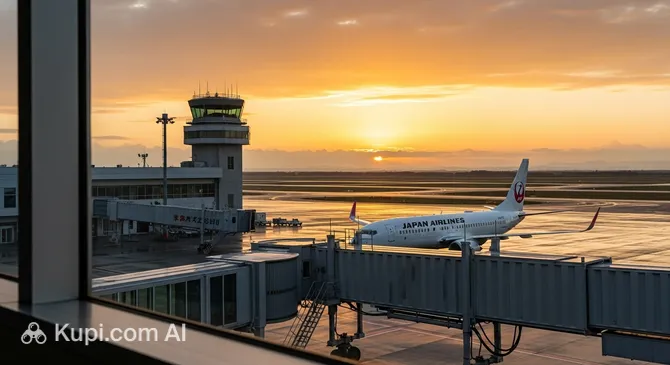
Kushiro Airport. Source: Kupi.com Binoculars

Kushiro Airport, also known by the poetic name "Tancho Kushiro" (in honour of the Japanese red-crowned crane), is not merely a transport hub, but a true aerial gateway to the wild nature of Hokkaido. Located amidst picturesque misty landscapes, it immediately immerses travellers in an atmosphere of mysterious marshes and nature reserves. The terminal is designed with deep respect for the local fauna, turning the wait for a flight into the beginning of a fascinating expedition through national parks.

IATA Code KUH
ICAO Code RJCK
City Kushiro
Distance to Centre ~20 km
Status Domestic (accepts charters)
Passengers per Year About 750,000 pax

Features and Highlights of the Airport

Kushiro Airport is renowned for its unique design and atmosphere dedicated to the region's symbol — the Japanese crane (Tancho). In front of the terminal building, guests are welcomed by impressive sculptures of animals: majestic cranes, bears, and fish owls, which have become a popular photo zone for tourists.

On the roof of the terminal, there is a spacious observation deck offering breathtaking views not only of the runway but also of the endless expanses of the Pacific Ocean and green forests. Inside the complex, travellers can taste local delicacies in restaurants, such as the famous "Zangi" fried chicken or dishes made from the freshest seafood, as well as purchase exclusive Hokkaido souvenirs.

Contact Information

  • Official Website: www.kushiro-airport.co.jp
  • Information Desk Phone: +81 154-57-8304 (international calling rates may apply).
  • Airport Address: 16-12 Tokotan, Kushiro, Hokkaido 084-0926, Japan.
  • Email: To contact the airport administration, it is recommended to use the feedback form on the official website.
  • Social Media: It is best to check the airport's website for current information regarding official social media pages.
  • Lost Luggage Information: For issues regarding lost or damaged luggage, please contact your airline's representative office directly at Kushiro Airport.
  • Passenger Support Contacts: For general information and support, you may approach the information desk in the terminal or call the main inquiry number.

How to Get to the Airport

Getting to Kushiro Airport from the city centre of Kushiro is quite simple, and the most popular method is the Akan Bus Limousine Bus. This route is the main form of public transport connecting the airport with the city. Buses depart from JR Kushiro Station and make several stops at key points in the city. The journey takes approximately 45-55 minutes depending on traffic and is the most budget-friendly option — the fare is about 950–1000 Yen. It is recommended to check the schedule in advance, as it is often coordinated with flight departure and arrival times.

For greater comfort, especially if you are travelling with a large amount of luggage or in a group, a taxi is an excellent choice. A taxi ride from the city centre to the airport will take about 40 minutes. This is the fastest, but also the most expensive method: the trip will cost approximately 6000–7000 Yen. Alternatively, you can consider a pre-booked transfer — this guarantees a fixed price and timely vehicle arrival.

If you plan to actively explore the picturesque Hokkaido region, car rental is the ideal solution. Offices of several major rental companies operate in Kushiro city and directly at the airport. This gives you freedom of movement and allows you to reach the airport at a time convenient for you. The road from the centre is well-marked and will not cause difficulties. For those arriving in their own or rented vehicle, the airport grounds feature convenient parking, offering both short-term and long-term rates.

Thus, the choice of transport to Kushiro Airport depends on your budget and preferences. The bus is economical and reliable, the taxi is fast and comfortable, and a rental car provides maximum freedom for further travels across Japan. Whichever method you choose, the journey to the city's air gateway will not take much time.

Terminals and Map

Kushiro Airport (KUH) is a modern and compact aviation hub characterised by a simple and clear structure. There is only one passenger terminal here, serving both domestic and international flights. Thanks to this, navigation through the airport is intuitive, and you will not have to worry about transferring between different buildings.

The terminal has three floors, each performing its own function. On the first floor, airline check-in counters and the arrivals area with baggage claim belts are located. This is where you will arrive upon landing or begin your journey with flight check-in. The second floor is the departure zone. After checking in, you proceed here to pass through security screening. The boarding gates, main waiting lounge, as well as duty-free shops, souvenir stalls, and several cafes are also located here. On the third floor, there are restaurants and a free observation deck offering a beautiful view of the runway.

Procedures at Kushiro Airport generally proceed quickly and without unnecessary fuss. Due to the terminal's small size and the efficient work of the staff, check-in and security screening rarely take much time. Nevertheless, it is recommended to arrive at the airport approximately 1.5–2 hours before a domestic flight departure to calmly check in luggage, complete all formalities, and perhaps enjoy a cup of coffee or some shopping.

To navigate the terminal, simply follow the clear signs in Japanese and English. All key zones — check-in, security, boarding gates — are within walking distance of each other. If you get lost or have questions, you can always ask for help from the staff at the information desk located on the first floor. Overall, Kushiro Airport is designed for the maximum convenience of passengers, making it an excellent starting point for travelling through eastern Hokkaido.

Airport History

The history of Kushiro Airport (KUH) begins in July 1961, when it was opened with a runway 1200 metres long. From the very beginning, it played a key role in the transport system of the eastern part of Hokkaido Island, providing a link with the rest of Japan. The creation of the airport was an important step for the development of tourism and the economy of the region, known for its unique nature.

The development of the airport proceeded in stages, reflecting the growing needs of the region. In 1974, the runway was extended to 1800 metres. One of the most important technological improvements was the installation of an Instrument Landing System (ILS) in 1980. This was critically important for the airport, as the Kushiro region is known for its dense fogs, and the new system significantly improved the regularity and safety of flights in difficult weather conditions.

Key modernisations continued in subsequent decades. In 1988, the runway was extended again, this time to 2000 metres. In 1995, a new, more modern and spacious passenger terminal was opened, capable of serving the increased passenger flow. The final and most significant stage of expansion was the extension of the runway to 2500 metres in 2000. This allowed the airport to accept larger aircraft and opened opportunities for international charter flights, taking it to a new level.

One of the most interesting facts related to the airport is its unofficial name. It is often called "Tancho Kushiro" (Tancho Kushiro Airport). "Tancho" is the Japanese name for the red-crowned crane, a majestic bird that is the symbol of the Kushiro Shitsugen National Park. This name emphasises the close connection of the airport with the unique natural heritage of the region, which it helps to reveal to tourists from all over the world.

Services and Amenities

Kushiro Airport (KUH) offers passengers a compact but functional set of services, ensuring a comfortable stay before departure. Here you can have a snack, purchase souvenirs, and resolve urgent matters without leaving the terminal building.

Restaurants and cafes operate within the airport, where you can experience Hokkaido cuisine or simply have a cup of coffee. The shops feature a large selection of local delicacies, unique souvenirs, and essential goods. This is an excellent opportunity to buy gifts for loved ones or something to remember your journey through Japan.

For a comfortable wait for their flight, passengers can use the paid lounge offering enhanced comfort. Free Wi-Fi is available throughout the terminal, and special zones with sockets are equipped for charging electronic devices. Financial services are represented by ATMs, and there is also a currency exchange point.

The airport is well-adapted for travellers with children and passengers with reduced mobility. There are mother and child rooms, ramps, elevators, and specially equipped toilets, making movement around the terminal convenient for all categories of citizens. In case of feeling unwell, you can visit the medical station for first aid.

For business travellers, there is an option to rent conference rooms. Although there are no hotels directly on the airport grounds, many accommodation options can be found in the city of Kushiro, which is easily accessible by bus or taxi.

Where to Eat

Despite its compact size, Kushiro Airport (KUH) offers passengers the opportunity to explore Hokkaido's gastronomy right before departure. The main dining establishments are conveniently located in the public area before security control, allowing you to dine calmly without rushing. Cafes and souvenir shops are located on the second floor of the terminal, while the main restaurant is on the third.

For a full lunch or dinner, head to the third floor to the Tancho restaurant. Here you can enjoy classic dishes of Japan and local delicacies. We especially recommend trying fresh seafood dishes, for which the region is famous, such as Kaisendon (a bowl of rice topped with seafood) or Ramen. This is a wonderful way to experience the authentic taste of Hokkaido without leaving the airport building.

If you are short on time and need a quick snack, the Hagin cafe on the second floor awaits you, where you can have coffee with fresh pastries or order light snacks. Additionally, the souvenir shops located here sell high-quality Bento boxes — ready-made meals in boxes that are convenient to take on board. This is an excellent option combining speed, convenience, and local flair.

Regarding special dietary needs, options at Kushiro Airport are limited. Finding vegan, gluten-free, or Halal dishes on standard restaurant menus may be difficult. Passengers with strict dietary restrictions are advised to arrange their meals in advance. Opening hours of establishments are usually tied to the flight schedule: they open in the morning and close after the departure of the last plane. Prices are generally moderate for a Japanese airport.

Travel Tips

To ensure your journey through the airport of Kushiro city goes smoothly, make use of these tips. Kushiro Airport (KUH) is a regional air hub, so it is usually quieter here than in the megacities of Japan. Nevertheless, plan your arrival in advance: 2 hours before a domestic flight and 3 hours before an international one. This time is sufficient to complete all procedures without haste.

To save time, complete online check-in if your airline provides this option. This will allow you to head straight to the baggage drop counter or, if you are travelling light, to the security checkpoint. Security services at Japanese airports work efficiently, but be prepared to present your boarding pass and passport, as well as remove outer clothing and take electronics out of your bag.

When choosing a seat on the plane, prefer a window seat. Hokkaido is famous for its breathtaking scenery, and in good weather, you can enjoy views of the picturesque plains and coast. regarding hand luggage, remember the standard restrictions: liquids can be carried in containers of no more than 100 ml, packed in a transparent bag. Sharp objects, weapons, and flammable substances are prohibited.

If you have a transfer in Kushiro, clarify whether you need to collect your luggage and check in again. In most cases, when transiting through regional airports, the process is quite simple. Arrivals from abroad will have to pass through customs control. Fill out the declaration honestly and carefully — officers may ask clarifying questions about the purpose of your visit and the contents of your luggage. This is usually a standard and quick procedure.

To save money, bring an empty water bottle and fill it at a drinking fountain after passing security. You can also bring light snacks to avoid spending on food at the airport. In case of a flight delay, first contact your airline representative for information. There are several cafes and souvenir shops in the airport building where you can pass the time while waiting for departure.

Reached the end of the page?

That means the route is fully explored